

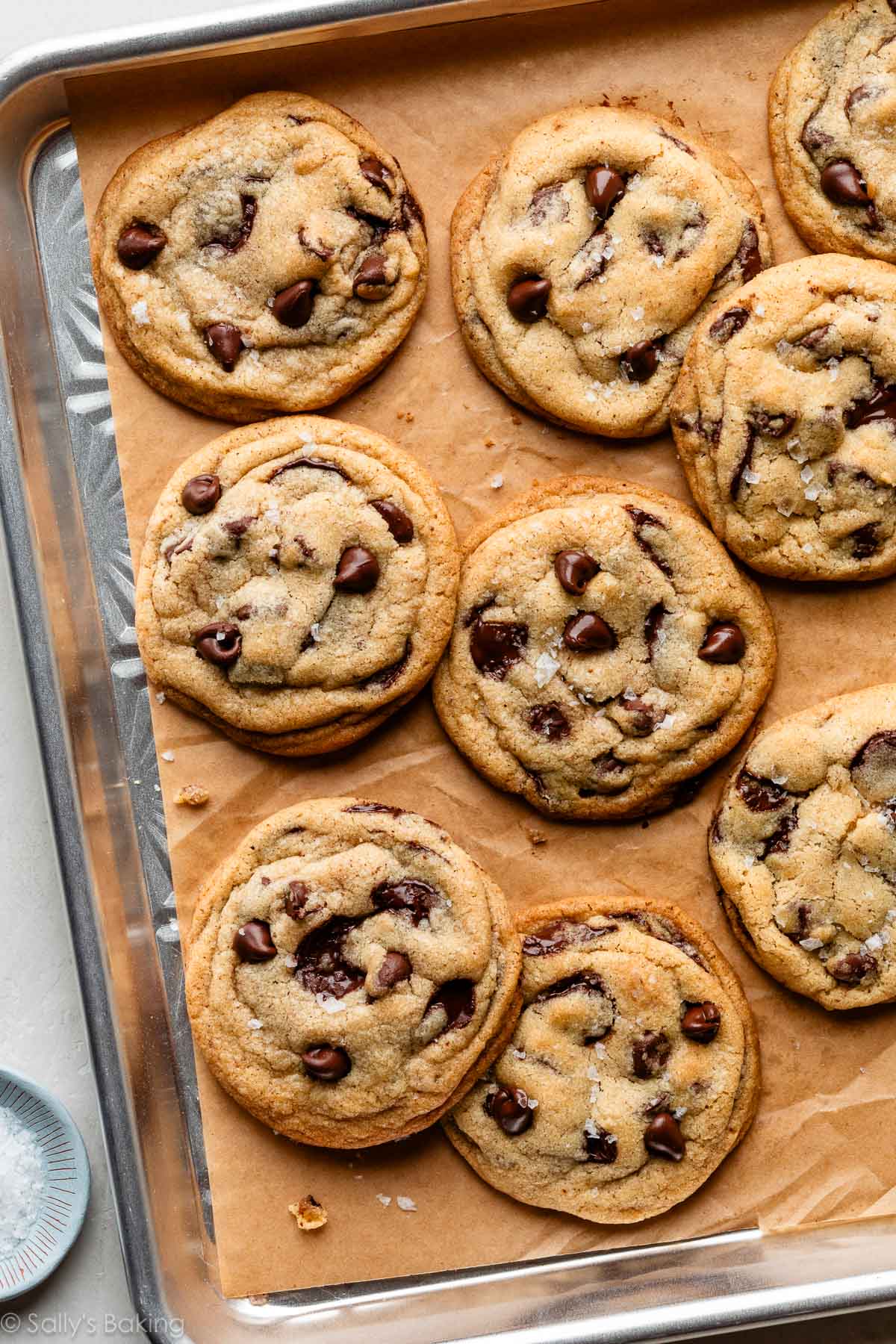
The classic chocolate chip cookie, a staple in home baking, has undergone a significant culinary evolution, with one particular enhancement standing out: the incorporation of brown butter. This technique elevates the familiar treat from a simple dessert to a sophisticated indulgence, characterized by profound caramel and nutty undertones. A prominent example of this refinement is a recipe originally shared in 2014, which has since been updated with clearer instructions and enhanced tips, emphasizing the transformative power of beurre noisette in cookie preparation.
The Culinary Innovation of Brown Butter
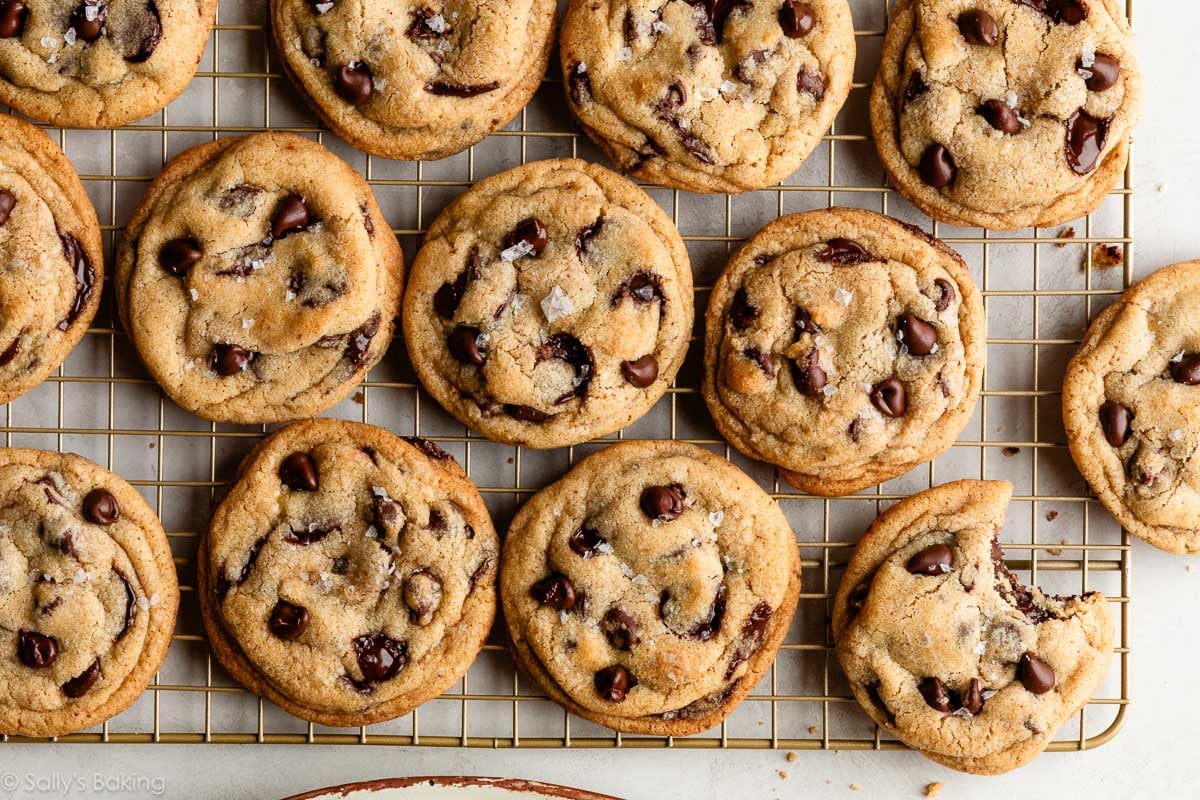
At the heart of these distinct chocolate chip cookies lies brown butter, a technique that involves gently cooking butter beyond its melted state until its milk solids caramelize. This process, known as the Maillard reaction, is a complex chemical transformation that occurs between amino acids and reducing sugars when exposed to heat. Unlike simple caramelization, which involves only sugars, the Maillard reaction generates hundreds of new flavor compounds, creating a profound depth of taste. In the case of butter, this translates to rich, toasted, and intensely nutty notes, reminiscent of toffee or roasted hazelnuts. The golden-brown flecks at the bottom of the pan are not merely aesthetic; they are the concentrated essence of this flavor development, crucial to the cookie’s character.
The original recipe, first introduced to the baking community in 2014, consciously integrates brown butter not as a mere substitution, but as a foundational element around which the entire dough structure is designed. This comprehensive approach ensures that the nuanced flavors of the browned butter are fully supported and expressed within the final product. The continuous refinement of such recipes underscores a broader trend in home baking towards gourmet techniques and ingredient optimization, reflecting an increasing consumer appreciation for sophisticated flavor profiles in comfort foods.
Understanding the Maillard Reaction in Butter
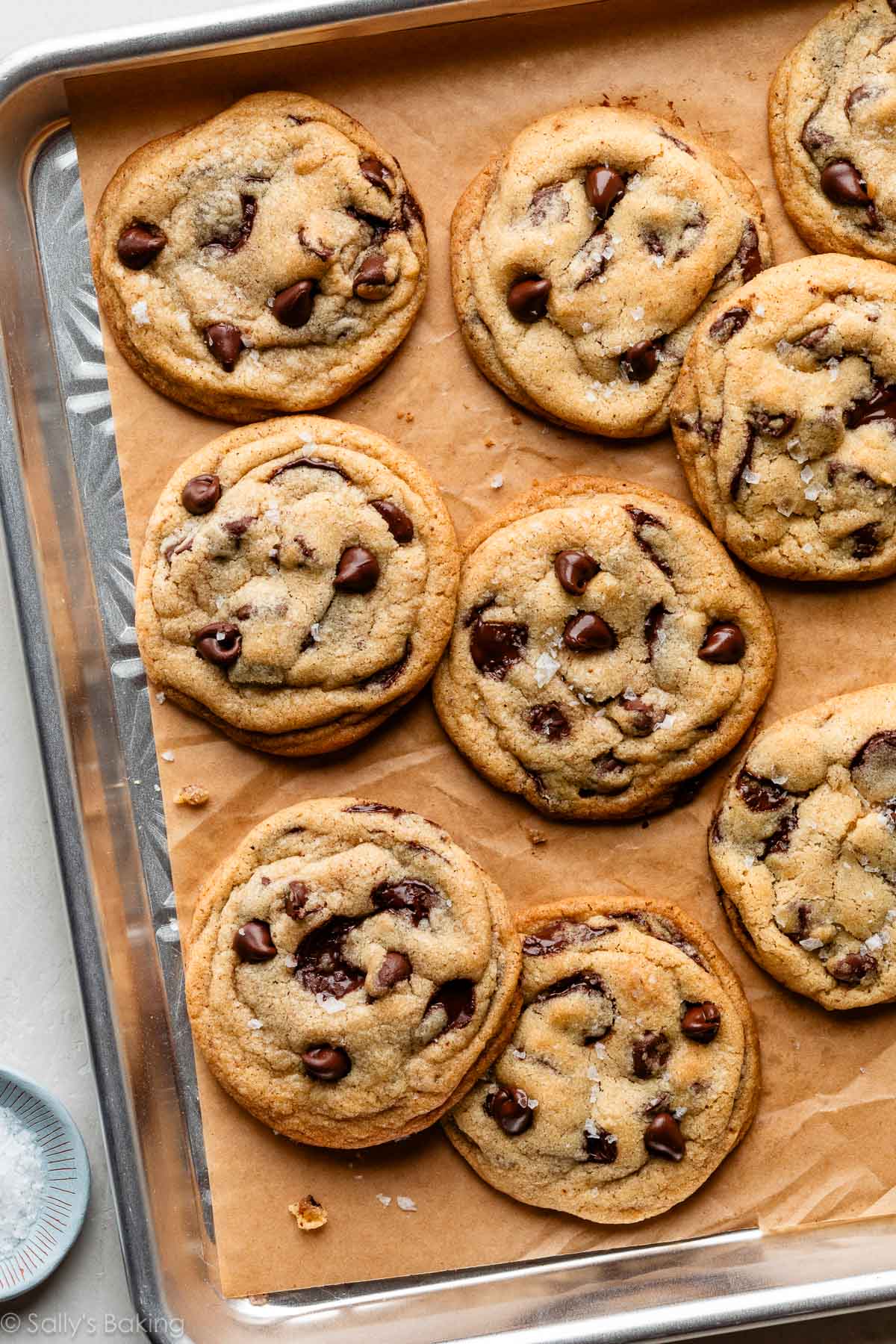
Browning butter is a controlled application of the Maillard reaction. When butter is heated, the water content first evaporates, leaving behind butterfat and milk solids. As the temperature continues to rise, typically between 280-330°F (138-166°C), these milk solids undergo the Maillard reaction. Proteins and sugars within the milk solids react, producing pyrroles, pyrazines, and other aromatic compounds responsible for the characteristic nutty, toasted, and caramel-like aroma and taste. This process requires careful monitoring, as the transition from perfectly browned to burnt can occur rapidly, resulting in bitter, acrid flavors. Using a light-colored pan is often recommended to accurately observe the butter’s color transformation, which shifts from pale yellow to golden amber. The cessation of vigorous sizzling indicates that most of the water has evaporated, signaling the final stages of browning.
Addressing Moisture Loss: A Critical Adjustment
A key consideration when utilizing brown butter in baking is the significant loss of moisture. During the browning process, butter can lose approximately 20-35% of its original water content through evaporation. Simply substituting browned butter for regular butter in a recipe without accounting for this moisture deficit can lead to a crumbly dough, excessive spreading during baking, or a dry, dense cookie. This scientific understanding is crucial for recipe developers.

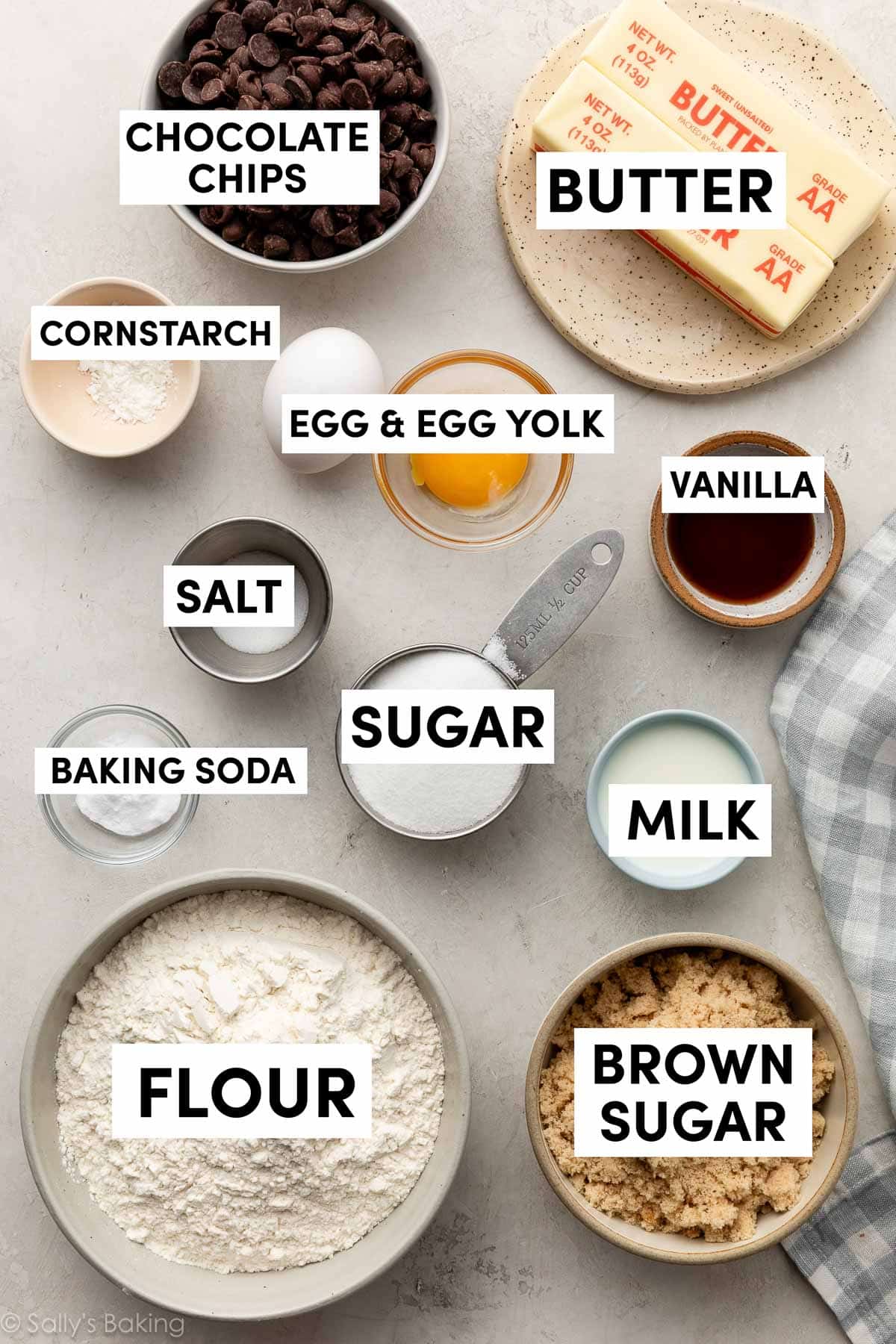
In the case of this particular brown butter chocolate chip cookie recipe, the solution is precise: the addition of two tablespoons of milk. This measured liquid reintroduces the necessary moisture, restoring the dough’s optimal hydration balance without compromising the rich, nutty flavor. This careful adjustment exemplifies the scientific rigor applied to modern recipe development, ensuring consistent, high-quality results. Other recipes employing brown butter may use different strategies; for instance, brown butter pumpkin oatmeal cookies might leverage the natural moisture content of pumpkin to compensate for the butter’s water loss.
The Chronology of Recipe Refinement and Key Enhancements
The journey of this specific brown butter chocolate chip cookie recipe highlights an iterative process common in culinary arts. Initially shared in 2014, the recipe has undergone substantial updates to improve clarity, visual appeal, and user success rates. A notable revision involves the instruction to shape cookie dough balls before the final chilling period, rather than after. This seemingly minor change offers practical benefits, simplifying the preparation process for home bakers and contributing to more uniform baking, which is critical for consistent texture and appearance.
The continuous feedback loop from a dedicated community of bakers, as evidenced by testimonials, plays a vital role in this refinement. Readers like Mackenzie have lauded the recipe as "amazing" and their "go-to," emphasizing the value of the effort required for browning the butter. Another reader, Amie, describes it as the long-sought "ooey-gooey delicious bakery recipe" that delivers a "professional bakery flavor," cementing its status as a preferred choice. Such endorsements underscore the successful application of refined techniques in achieving superior culinary outcomes.
The Indispensable Role of Chilling
This recipe mandates two distinct chilling phases, each serving a critical scientific purpose in developing the cookie’s ultimate texture and flavor.

-
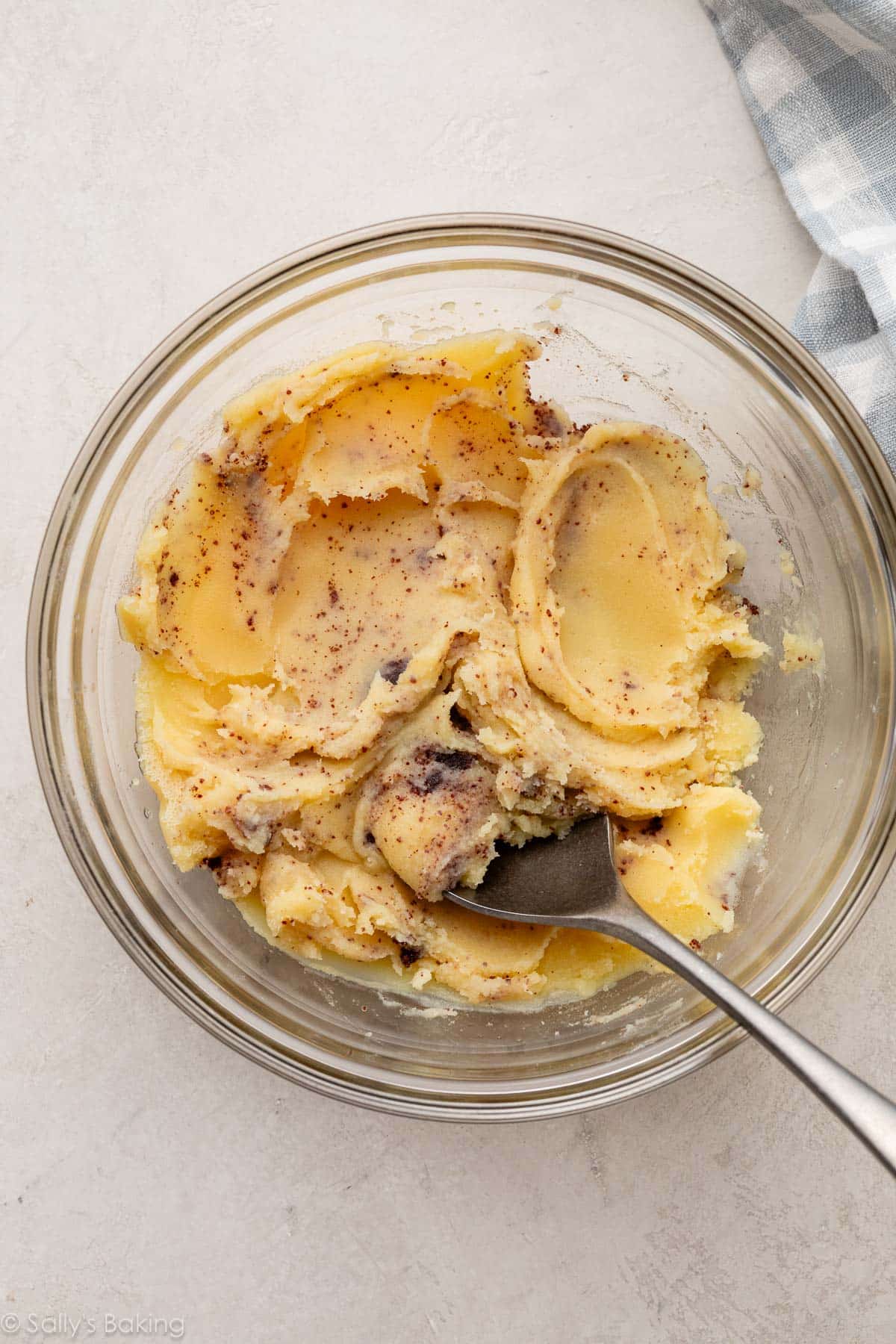
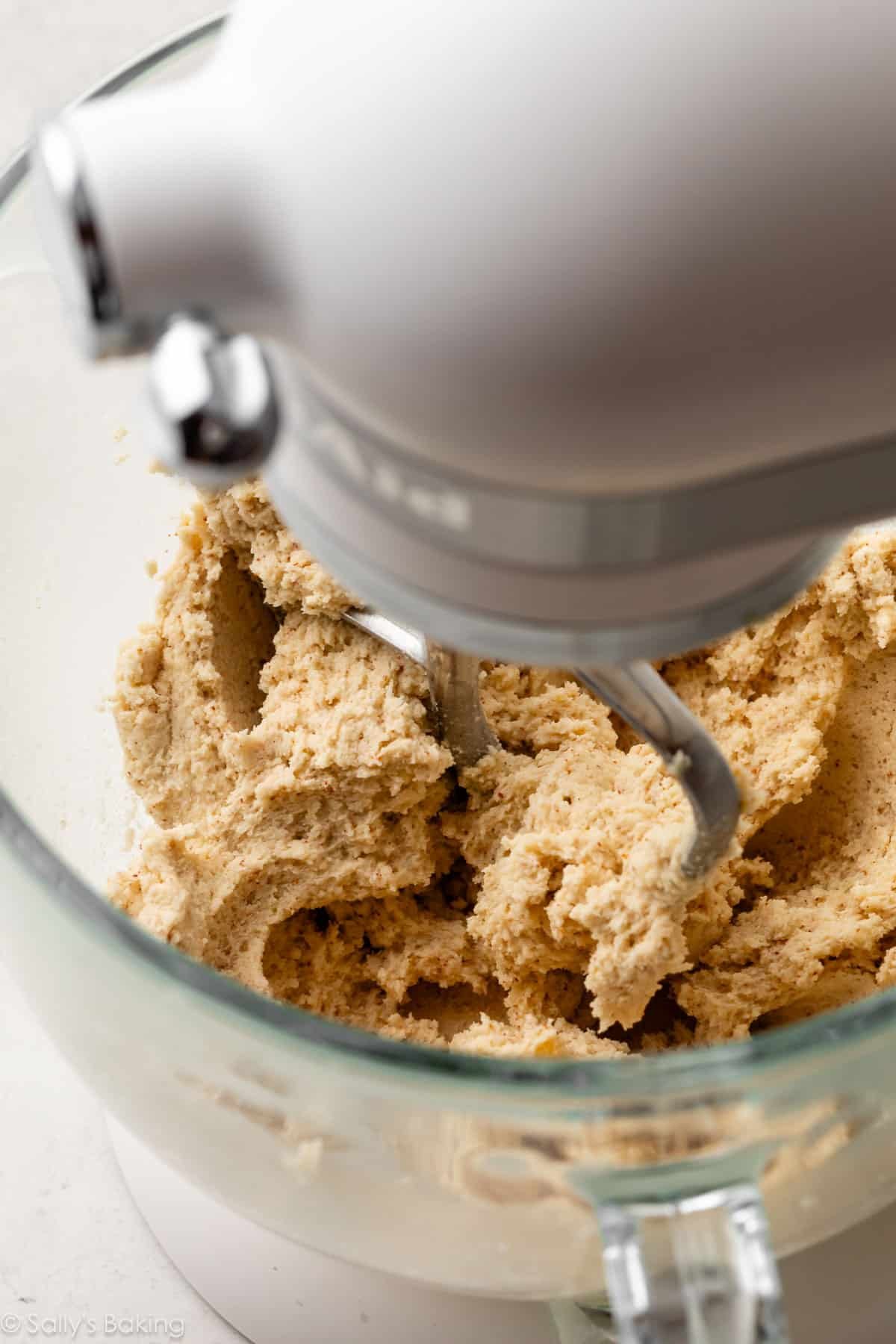
Chilling the Browned Butter: After the butter has been browned and transferred to a heatproof bowl, it must be refrigerated until it solidifies, typically for about 90 minutes. This step is crucial because the recipe calls for creaming the butter with sugars, a technique that requires solid, yet pliable, fat. Creaming solidified brown butter with sugars creates air pockets, which contribute to the cookie’s lift and tenderness. Furthermore, chilling allows the complex flavor compounds developed during browning to fully integrate and mellow within the fat, enhancing the overall taste profile. Visual aids, such as images of solidified brown butter and subsequently creamed butter with sugars, effectively guide bakers through this stage.
-
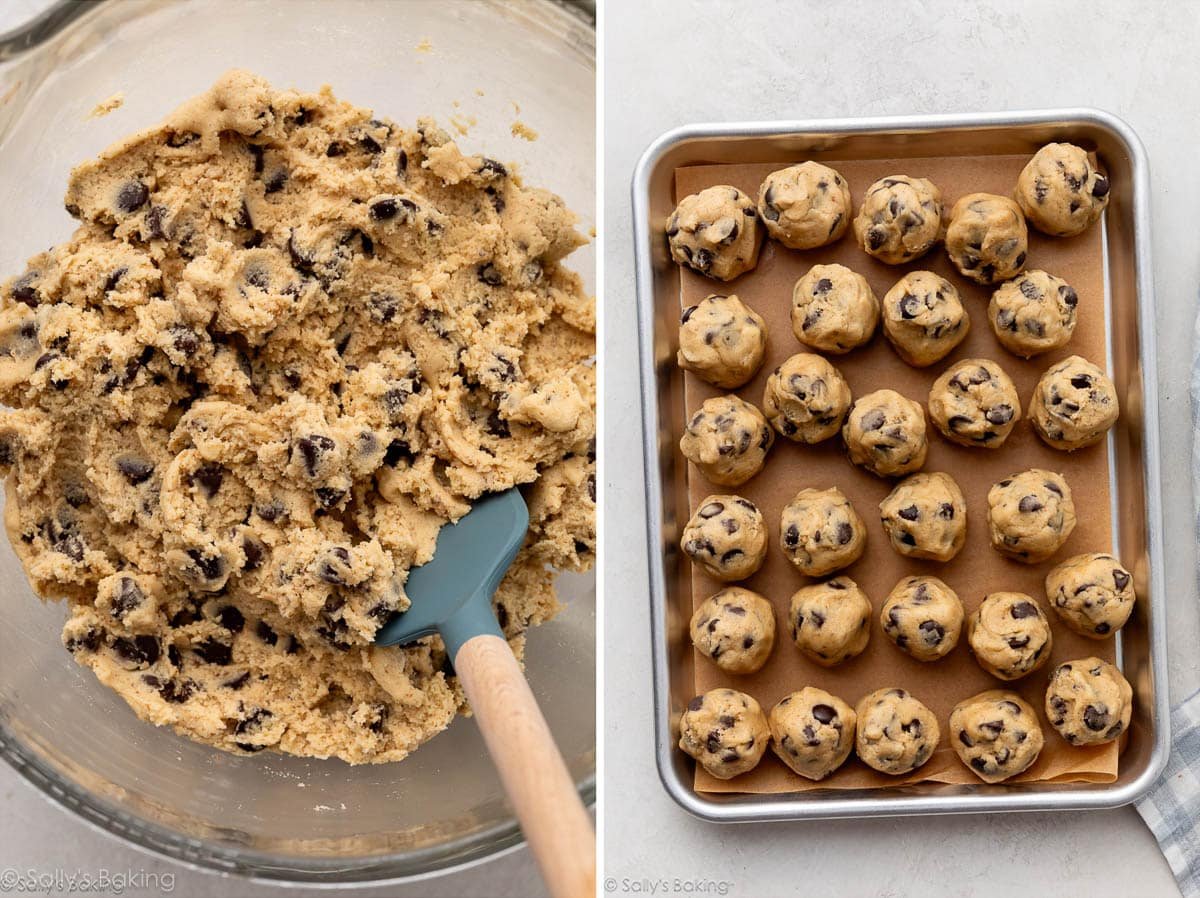
Chilling the Dough Balls: Once the cookie dough is prepared, it is scooped into precise 45-gram portions (approximately two tablespoons), shaped, and then refrigerated for a minimum of two hours prior to baking. This second chilling period is multifaceted in its benefits:
- Prevents Spreading: Chilling solidifies the fat in the dough, preventing the cookies from spreading excessively during baking and resulting in thicker, chewier cookies. Warmer dough tends to spread rapidly before the structure sets, leading to thin, crisp cookies.
- Deepens Flavor: The extended resting period allows the flour to fully hydrate and the flavors to meld and intensify. The brown butter’s notes become more pronounced and integrated throughout the dough.
- Optimizes Texture: The controlled spread and hydration contribute to the desired texture: thick, soft, and chewy centers with subtly crisp edges.
This dual-stage chilling process, while requiring foresight and patience, is presented as non-negotiable for achieving the recipe’s signature bakery-quality characteristics. The scientific principles behind fat solidification and flavor development during chilling are paramount to the success of the final product.
Precision in Baking Temperature and Freezer-Friendly Adaptations
Baking temperature is another carefully considered variable in this recipe. The recommendation to bake at 375°F (191°C), slightly higher than many conventional chocolate chip cookie recipes, serves a specific purpose. This elevated temperature facilitates a rapid setting of the cookie’s exterior, which helps to establish and maintain a thicker profile, preventing excessive spread. The quick crust formation traps moisture within, contributing to the desirable soft, buttery centers, while simultaneously allowing the edges to achieve a light crispness.
Beyond immediate consumption, the recipe also addresses convenience through its make-ahead capabilities. The shaped cookie dough balls are excellent candidates for freezing. Freezing the dough not only extends its shelf life but also allows for impromptu baking, delivering fresh brown butter chocolate chip cookies with minimal effort. When baking from frozen, an additional minute of baking time is typically recommended to compensate for the lower initial temperature of the dough. This adaptability enhances the recipe’s appeal for busy home bakers seeking both quality and convenience.
Broader Culinary Implications and the Evolution of Home Baking
The widespread appeal and continuous refinement of recipes like these brown butter chocolate chip cookies reflect several broader trends in the culinary landscape. There is a growing consumer demand for "elevated comfort foods" – familiar dishes reimagined with gourmet ingredients or sophisticated techniques. The integration of brown butter into a classic cookie recipe perfectly embodies this trend, offering a luxurious twist on a beloved treat.
Furthermore, the detailed explanations of baking science, such as the Maillard reaction, moisture loss compensation, and the importance of chilling, empower home bakers with knowledge that transcends a simple recipe. This educational aspect fosters a deeper understanding of ingredients and processes, moving home baking from mere adherence to instructions towards a more informed and experimental practice. Food blogs and online platforms have played a significant role in democratizing access to such culinary expertise, allowing complex techniques previously confined to professional kitchens to become mainstream in home settings.
The success of this brown butter chocolate chip cookie recipe, evidenced by glowing reader testimonials and its enduring popularity since 2014, demonstrates the tangible rewards of meticulous recipe development and the scientific understanding of baking. It stands as a testament to how a simple ingredient transformation can revolutionize a classic, delivering a product that is both deeply familiar and remarkably sophisticated.