

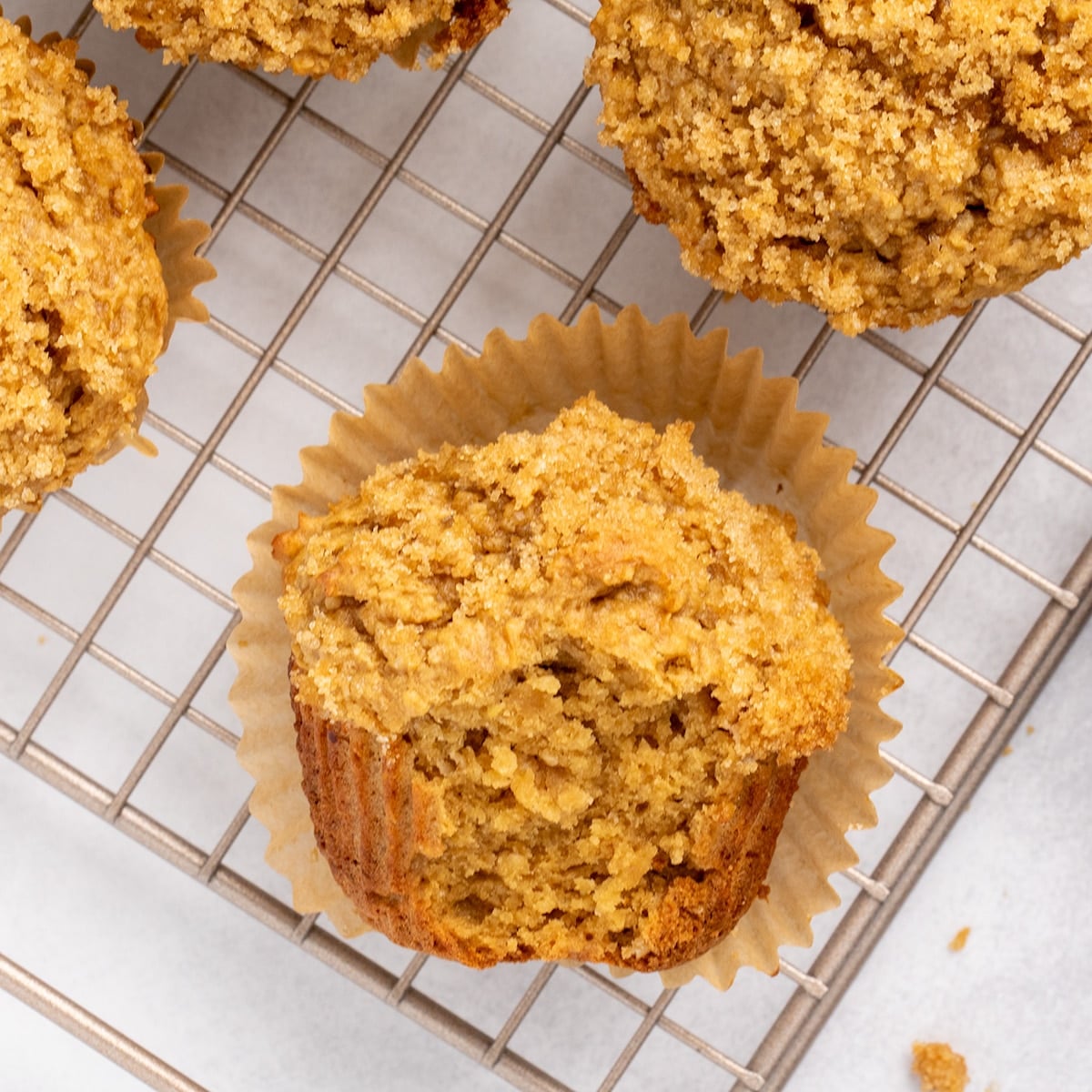
The enduring popularity of bran muffins, a staple in health-conscious diets since the 1980s, has seen a significant resurgence with the advent of expertly crafted gluten-free versions. These modern iterations not only cater to individuals with celiac disease or gluten sensitivities but also appeal to a broader audience seeking wholesome, fiber-rich baked goods. The latest innovation in this popular category comes from Gluten Free on a Shoestring, a culinary authority in the gluten-free space, which has meticulously developed a recipe for gluten-free bran muffins that promises a tender, satisfying crumb with a complex, deeply satisfying sweetness derived from honey and molasses.
The Evolution of a Classic: From Wheat Bran to Gluten-Free Alternatives
Bran muffins first rose to prominence in the late 20th century as a perceived health food, lauded for their high fiber content. The original recipes typically relied on wheat bran, a byproduct of the milling process, combined with a range of binders and sweeteners. However, with the growing awareness of gluten intolerance and celiac disease, the demand for gluten-free alternatives surged. This presented a unique challenge for bakers, as gluten provides the crucial structure and elasticity in traditional baked goods.
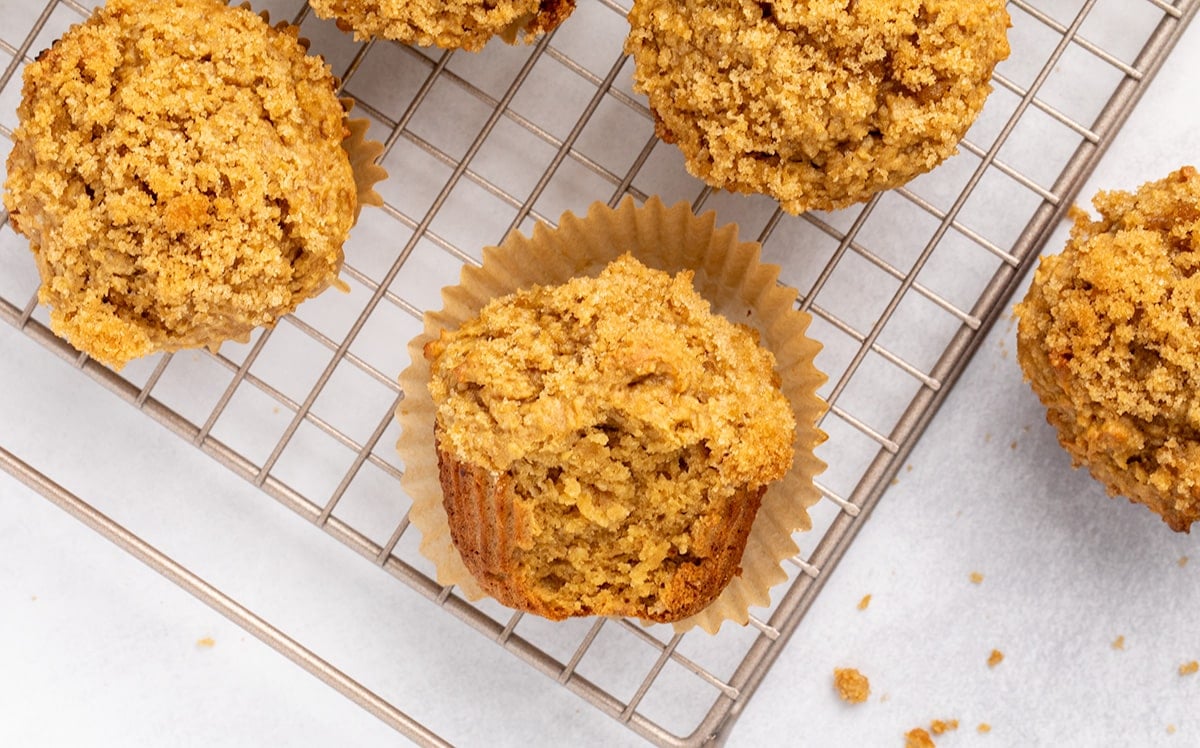
The challenge of replicating the texture and chewiness of wheat-based bran muffins without gluten has been met with innovative ingredient combinations. Gluten-free flour blends, often a carefully balanced mix of rice flour, tapioca starch, potato starch, and xanthan gum, now form the base of many gluten-free baked goods. For bran muffins, the inclusion of oat bran introduces another layer of complexity and nutritional benefit. Oat bran, available in both gluten-containing and certified gluten-free varieties, offers a distinct texture and nutritional profile. The recipe from Gluten Free on a Shoestring highlights the use of gluten-free oat bran, specifically noting that the "hot cereal" variety, consisting of small oat bran flakes, is ideal. This choice is strategic, as oat bran contributes both soluble and insoluble fiber, promoting digestive health and contributing to a satisfyingly full feeling after consumption.
The Science Behind the Perfect Gluten-Free Muffin
The success of any muffin recipe, particularly a gluten-free one, hinges on a delicate balance of ingredients and precise baking techniques. The Gluten Free on a Shoestring recipe for gluten-free bran muffins employs several key strategies to achieve superior results.
Ingredient Synergy for Texture and Flavor
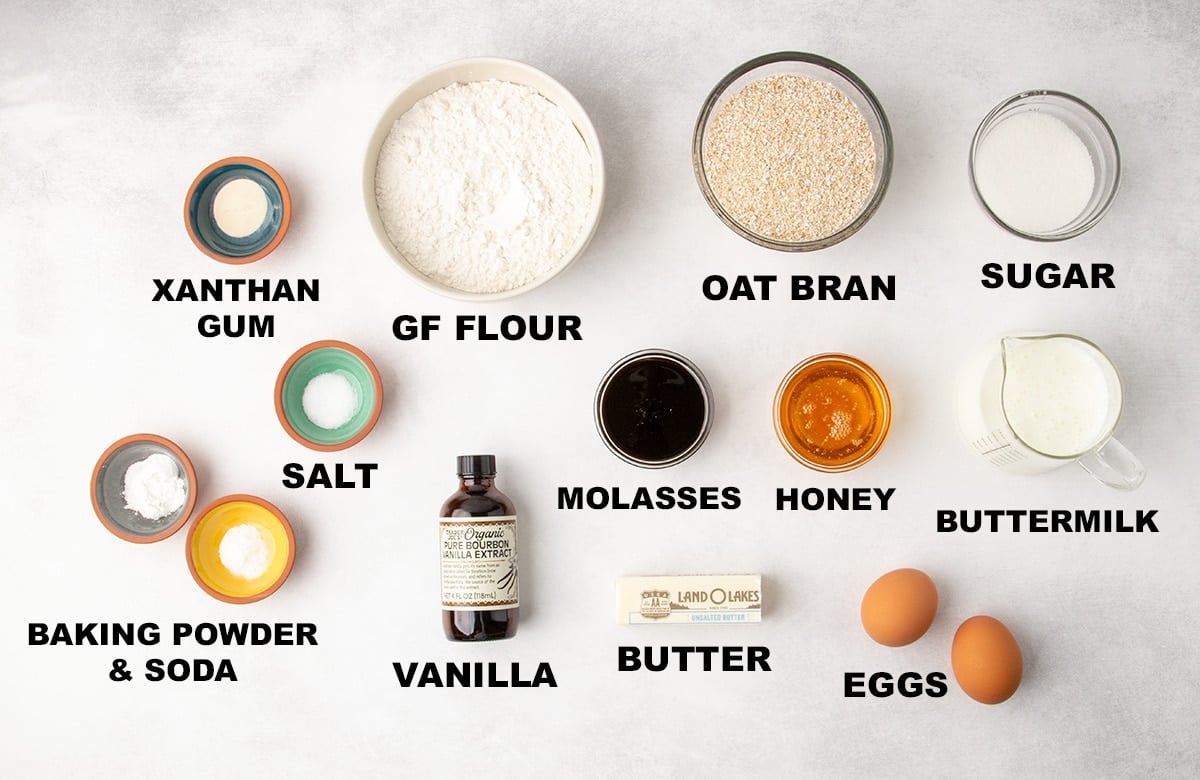
The recipe’s foundation lies in its thoughtful selection of ingredients. A blend of all-purpose gluten-free flour and gluten-free oat bran forms the primary dry components. The ratio of approximately half flour to half bran is critical for achieving both structure and the characteristic hearty texture of a bran muffin. The inclusion of xanthan gum is essential in gluten-free baking, acting as a binder to mimic the role of gluten and prevent a crumbly texture.
The sweetening agents – honey and molasses – are not merely for flavor. These liquid sweeteners contribute moisture and a complex depth of taste that granulated sugar alone cannot replicate. Molasses, in particular, adds a robust, earthy sweetness and a darker hue to the muffins. The recipe acknowledges that these liquid sweeteners can cause baked goods to brown more quickly, necessitating careful temperature management during baking.
Leavening agents, baking powder and baking soda, are crucial for lift and a tender crumb. The recipe also calls for buttermilk, which not only adds moisture and a slight tang but also reacts with baking soda to create a lighter texture. Eggs provide binding and richness, while vanilla extract enhances the overall flavor profile.
The Importance of Creaming and Resting
Two pivotal steps in this recipe contribute significantly to the final texture: creaming the butter and sugar, and allowing the batter to rest.
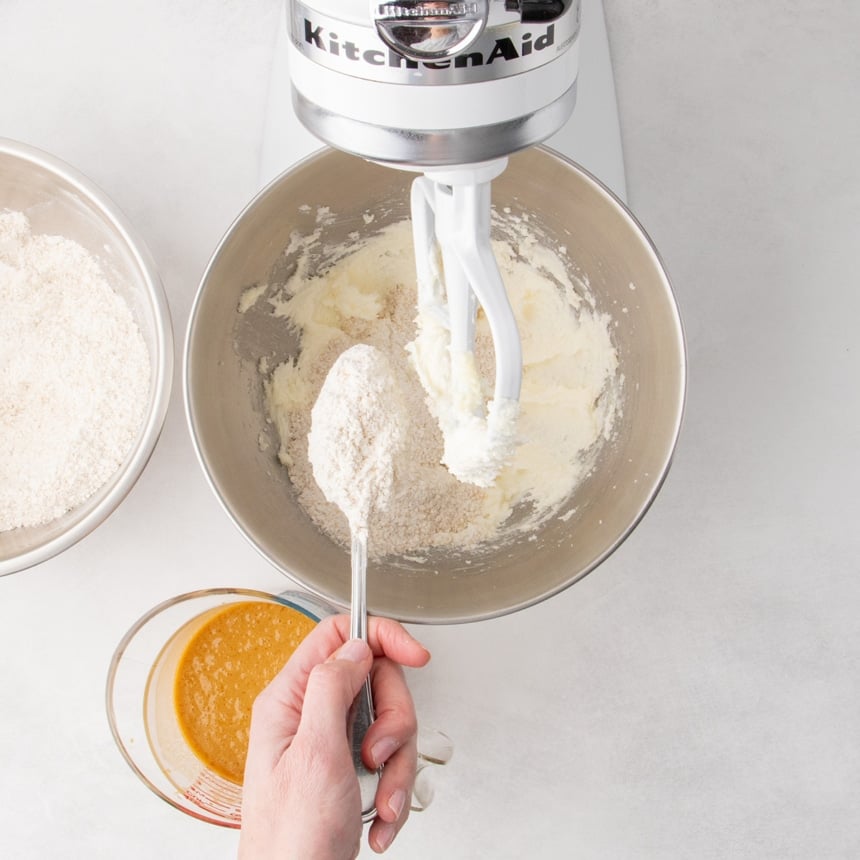
1. Creaming Butter and Sugar: This process involves beating softened butter with granulated sugar until the mixture is light, fluffy, and pale yellow. This aerates the butter, incorporating small air bubbles that expand during baking, leading to a taller muffin with a less dense crumb. This technique is particularly important in gluten-free baking, where inherent density can be a challenge. The recipe specifies creaming for approximately three minutes on medium-high speed, ensuring adequate air incorporation.
2. Batter Rest: A 20-minute resting period for the muffin batter is a unique and effective technique employed in this recipe. During this time, the oat bran absorbs moisture and softens, and the ingredients in the gluten-free flour blend hydrate and swell. This results in a thicker batter, which is more conducive to a higher rise in the oven and a more cohesive final product. This resting period helps to mitigate the tendency for gluten-free baked goods to be dry or crumbly.
A Step-by-Step Guide to Gluten-Free Bran Muffin Mastery
The creation of these gluten-free bran muffins involves a methodical approach, ensuring optimal flavor and texture at each stage.
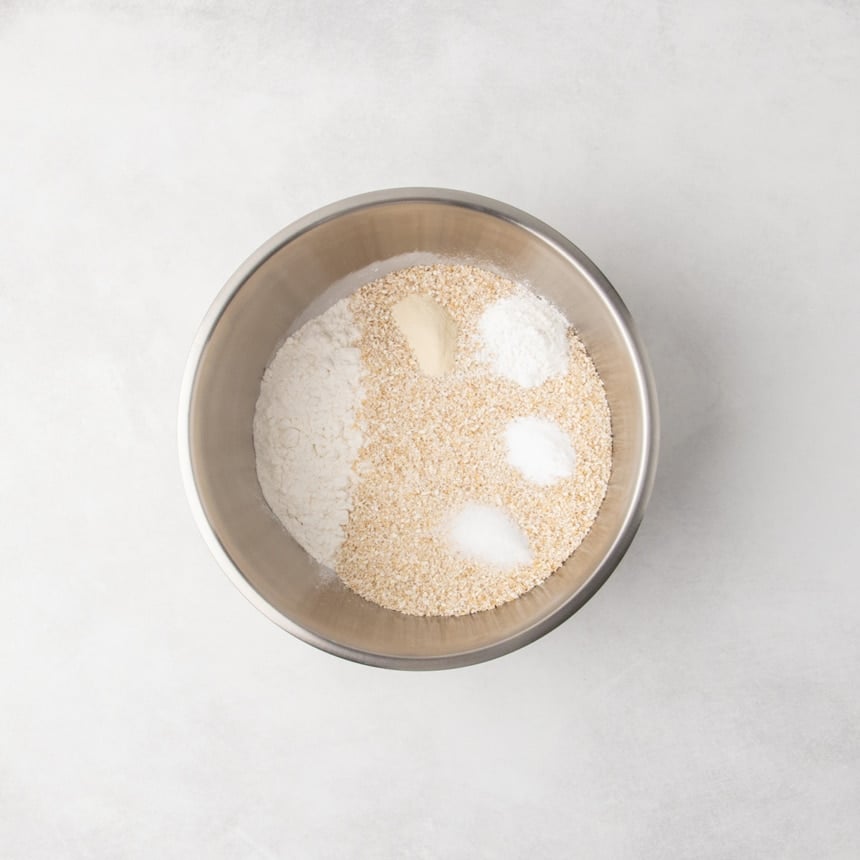
Preparation of Dry and Wet Ingredients
The process begins with meticulously whisking together the dry ingredients in a medium bowl. This includes the gluten-free flour blend, xanthan gum, oat bran, baking powder, baking soda, and salt. Thorough whisking is paramount to ensure even distribution and prevent pockets of any single ingredient, which could negatively impact the muffin’s structure and taste.
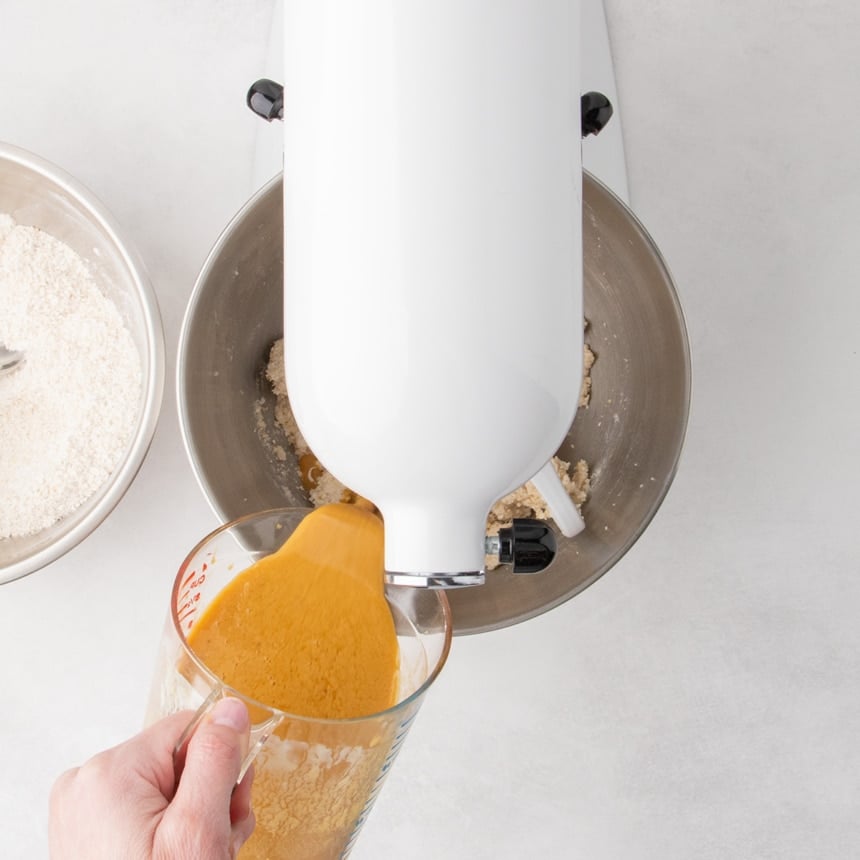
Concurrently, the wet ingredients are combined in a separate vessel. The recipe suggests using a spouted 4-cup measuring cup for this step, which aids in minimizing spills when transferring the liquid mixture to the dry ingredients. This mixture typically comprises buttermilk, honey, molasses, eggs, and vanilla extract, all ideally at room temperature to ensure smooth emulsification.
Combining the Batter
The combined wet ingredients are then gradually incorporated into the creamed butter and sugar mixture. The dry ingredients are added in three alternating batches with the liquid mixture, which is added in two batches. This gradual incorporation, starting and ending with the dry ingredients, helps to evenly distribute all components, preventing overmixing and ensuring a uniform batter.
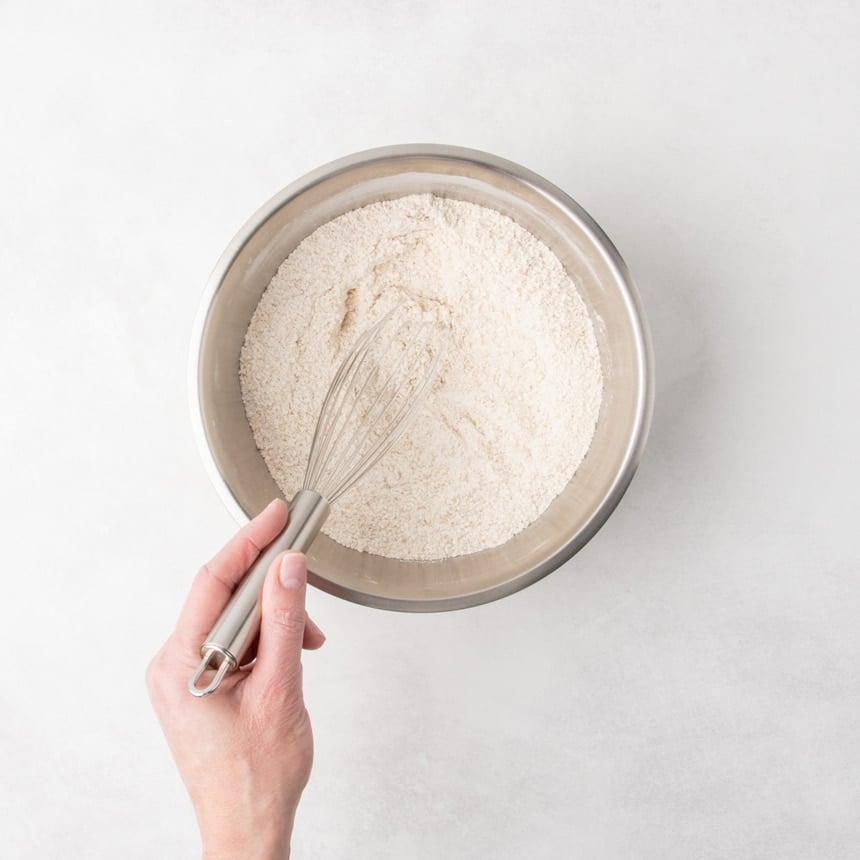
The Crucial Resting Period
Following the initial mixing, the batter is left to rest for approximately 20 minutes. This seemingly simple step is a cornerstone of the recipe’s success, allowing the ingredients to meld and hydrate, leading to a thicker batter that promises a superior rise.
Shaping and Baking the Muffins
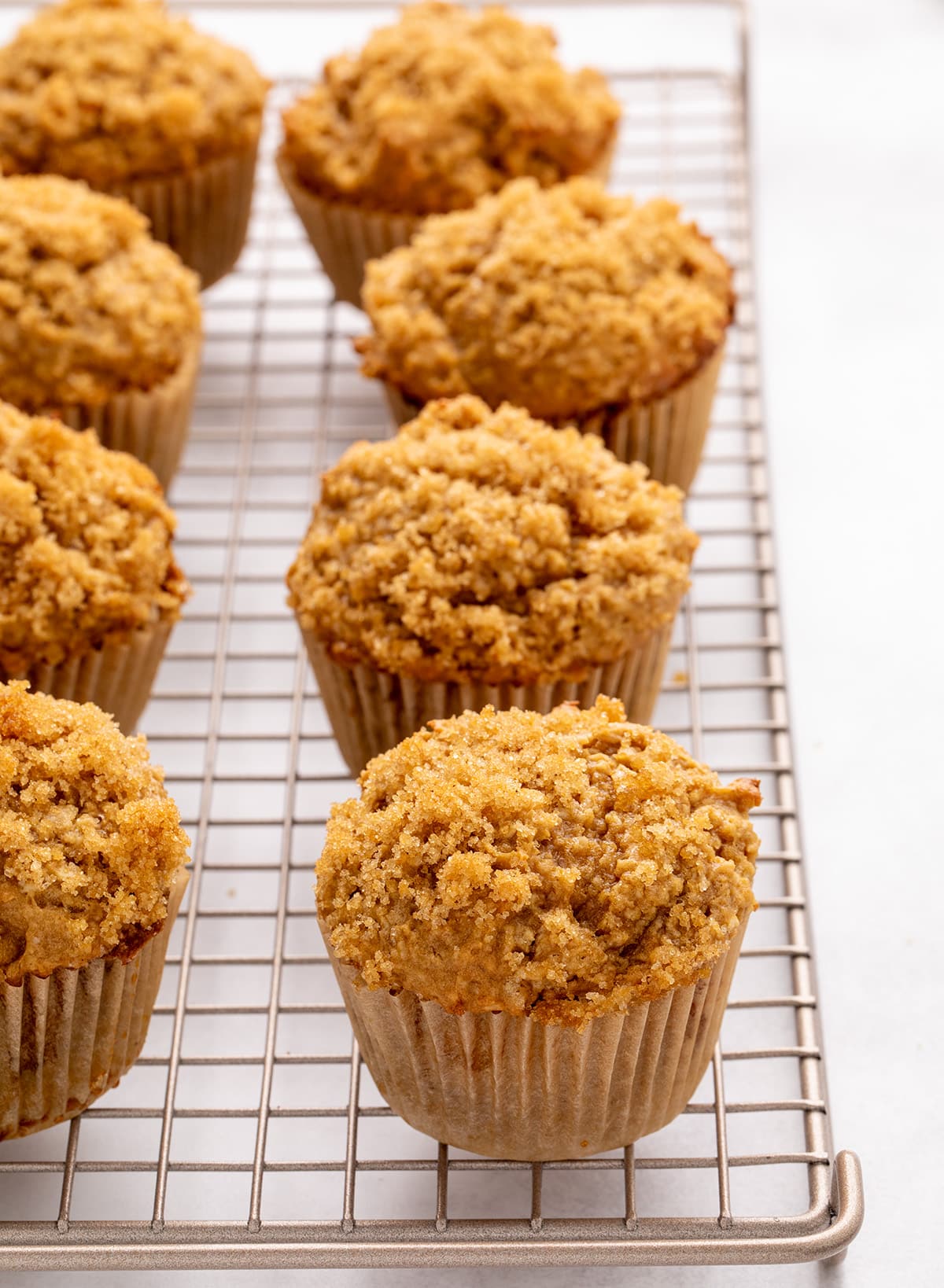
Once rested, the batter is carefully transferred into a prepared muffin tin lined with paper liners. The batter is mounded towards the center of each well, a technique that encourages an upward rise, preventing the muffins from spreading outwards and becoming flat. A sprinkle of light brown sugar on top of each muffin adds a delightful textural contrast and a subtle caramelized sweetness, though care is advised to prevent the sugar from spilling onto the muffin tin, where it could burn.
The baking process itself is executed in two stages with varying temperatures. An initial high heat of 400°F (204°C) for the first seven minutes is designed to rapidly activate the leavening agents, promoting a significant initial rise and setting the outer crust. Subsequently, the oven temperature is reduced to 350°F (175°C) for an additional 12 minutes, allowing the muffins to bake through without burning.
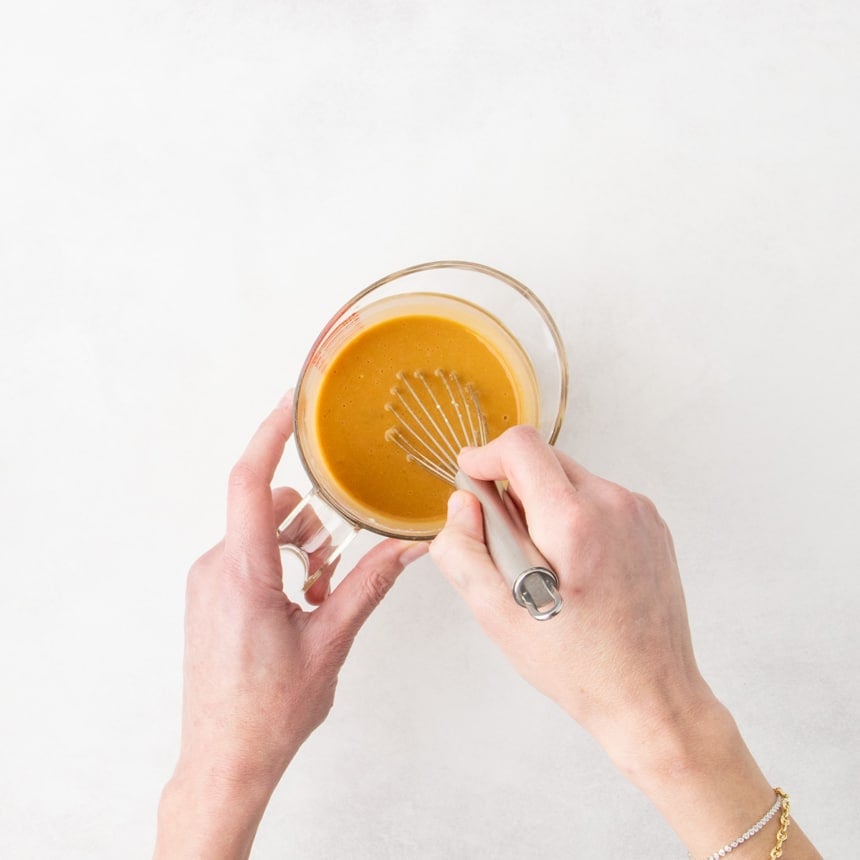
Expert Insights for Baking Perfection
Achieving consistently excellent gluten-free bran muffins requires attention to detail and an understanding of common baking pitfalls.
Mitigating Burnt Bottoms
The high fructose content in liquid sweeteners like honey and molasses makes them prone to caramelizing and burning. Bakers are advised to monitor the muffins closely, especially during the latter stages of baking. If a burnt aroma is detected, reducing the oven temperature to 325°F (163°C) can prevent the bottoms from scorching while allowing the interior to finish baking.
The Toothpick Test for Doneness
Unlike traditional muffins that often spring back to the touch when done, gluten-free muffins, particularly those with bran, can appear underbaked even when ready. The most reliable indicator of doneness is the toothpick test: inserting a toothpick into the center of a muffin. If it emerges clean, the muffin is perfectly baked.
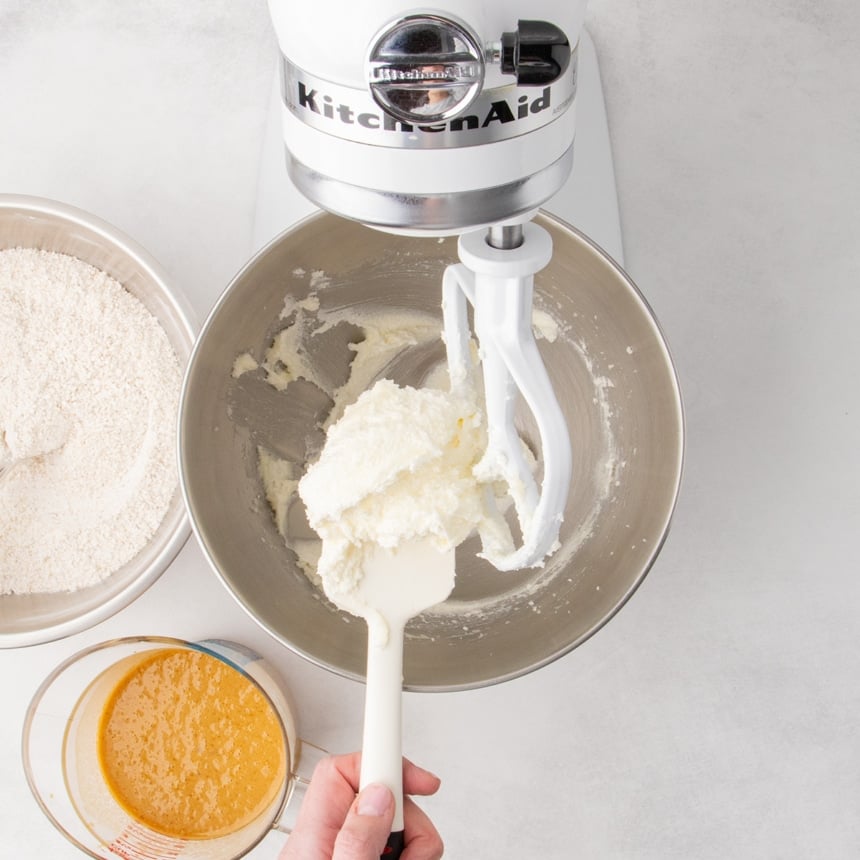
Ensuring Gluten-Free Integrity
A critical aspect of gluten-free baking is sourcing certified gluten-free ingredients. The recipe specifically cautions consumers to check oat bran labels carefully, as not all products are processed in a gluten-free facility. Bob’s Red Mill is cited as a brand that offers a specific gluten-free oat bran cereal, distinguishing it from other varieties.
Adaptations and Substitutions for Dietary Needs
The recipe thoughtfully addresses common dietary restrictions, offering viable substitutions for dairy, eggs, and specific sweeteners.
Dairy-Free Alternatives
For a dairy-free version, the recipe suggests using block-style vegan butter, recommending brands like Miyoko’s and Melt. To replace buttermilk, a mixture of half unsweetened non-dairy milk (such as carton coconut milk) and half non-dairy plain yogurt is proposed to best replicate the consistency and flavor profile.
Egg-Free Options
For an egg-free rendition, "flax eggs" are recommended. These are created by combining ground flaxseed with water, forming a gel that effectively binds ingredients and can even enhance the chewy texture of the muffins.
Ingredient Flexibility and Limitations
While the recipe champions the use of oat bran for its unique qualities, it notes that rice bran can be a suitable alternative if available. However, the recipe emphasizes that the bran component is integral to its development, and for a basic muffin experience without bran, alternative recipes like the "easy gluten free muffins" are suggested.
Regarding sweeteners, Lyle’s golden syrup or light corn syrup can be used in place of honey. Maple syrup is deemed unsuitable due to its thinner consistency and higher moisture content. The recipe also highlights that while molasses can be substituted with more honey, the distinct flavor profile of the muffins will be altered.
Storage and Enjoyment
The gluten-free bran muffins are designed for optimal freshness and longevity. When stored in an airtight container at room temperature, they remain fresh for approximately two days. For longer storage, freezing is recommended. Muffins can be frozen in a single layer on a flat surface before being transferred to freezer-safe bags for up to three months, ensuring proper air removal to prevent freezer burn. Reheating instructions are provided for both refreshing room-temperature muffins and thawing frozen ones, suggesting a brief warming in a toaster oven or microwave.
The development of this gluten-free bran muffin recipe represents a significant advancement in gluten-free baking, offering a delicious, satisfying, and nutritionally sound option that honors the legacy of a classic while embracing modern dietary needs and culinary innovation.