

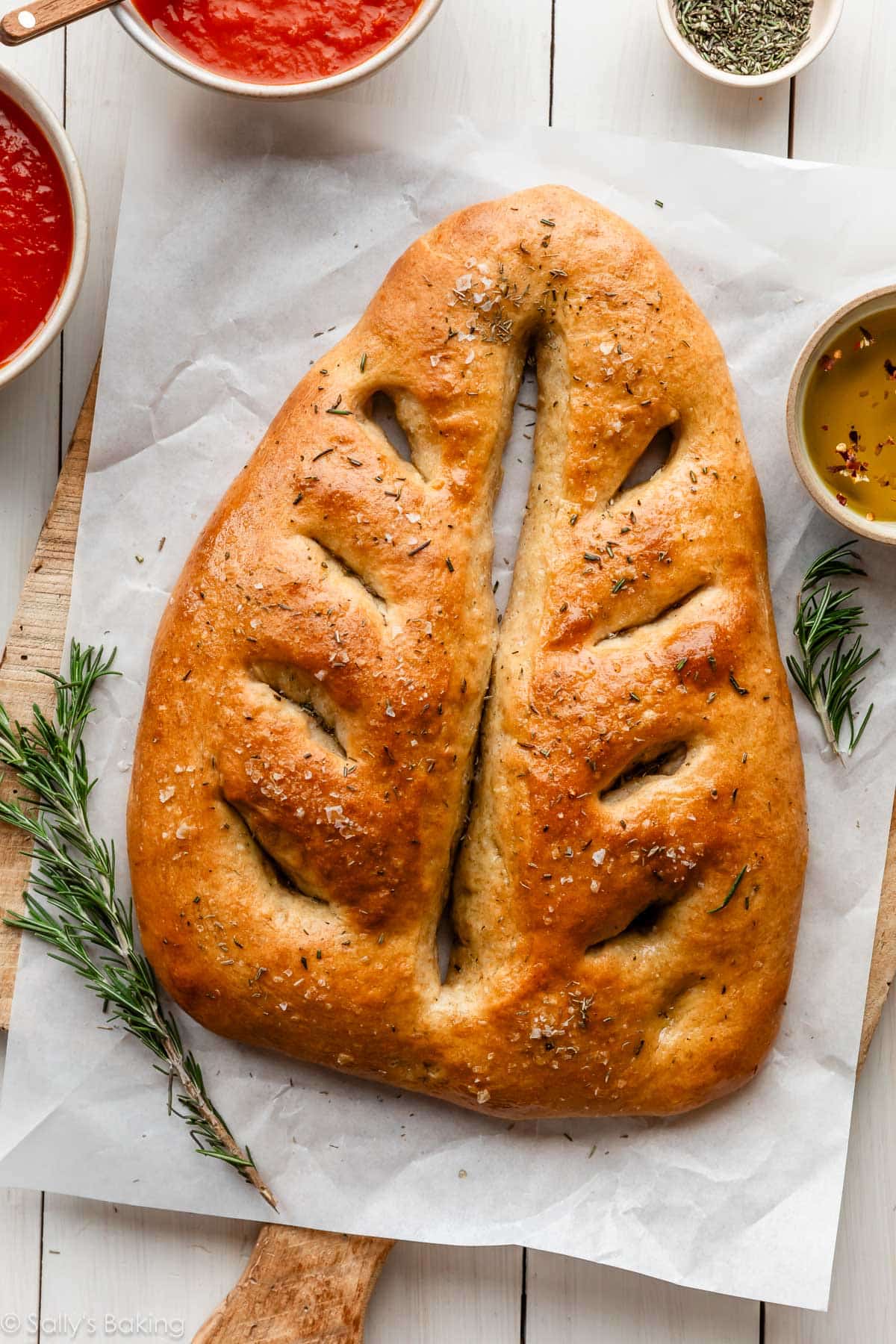
The culinary landscape is witnessing a renewed appreciation for traditional, artisanal breads, and among them, Fougasse, the distinctive French flatbread from Provence, is garnering significant attention. Renowned for its unique leaf- or wheat-ear shape and a compelling interplay of crispy crust and chewy interior, Fougasse is often described as the sophisticated French counterpart to Italian focaccia. Its appeal lies not only in its rustic savory flavor, often enhanced by olive oil and herbs, but also in the artisanal journey of its creation, which, while appearing complex, is increasingly being streamlined for the ambitious home baker. This renewed focus underscores a broader trend towards embracing authentic regional delicacies and mastering the nuanced techniques that define them, such as the crucial role of a preferment in developing profound flavor and optimal structure.
Historical Roots and Regional Identity
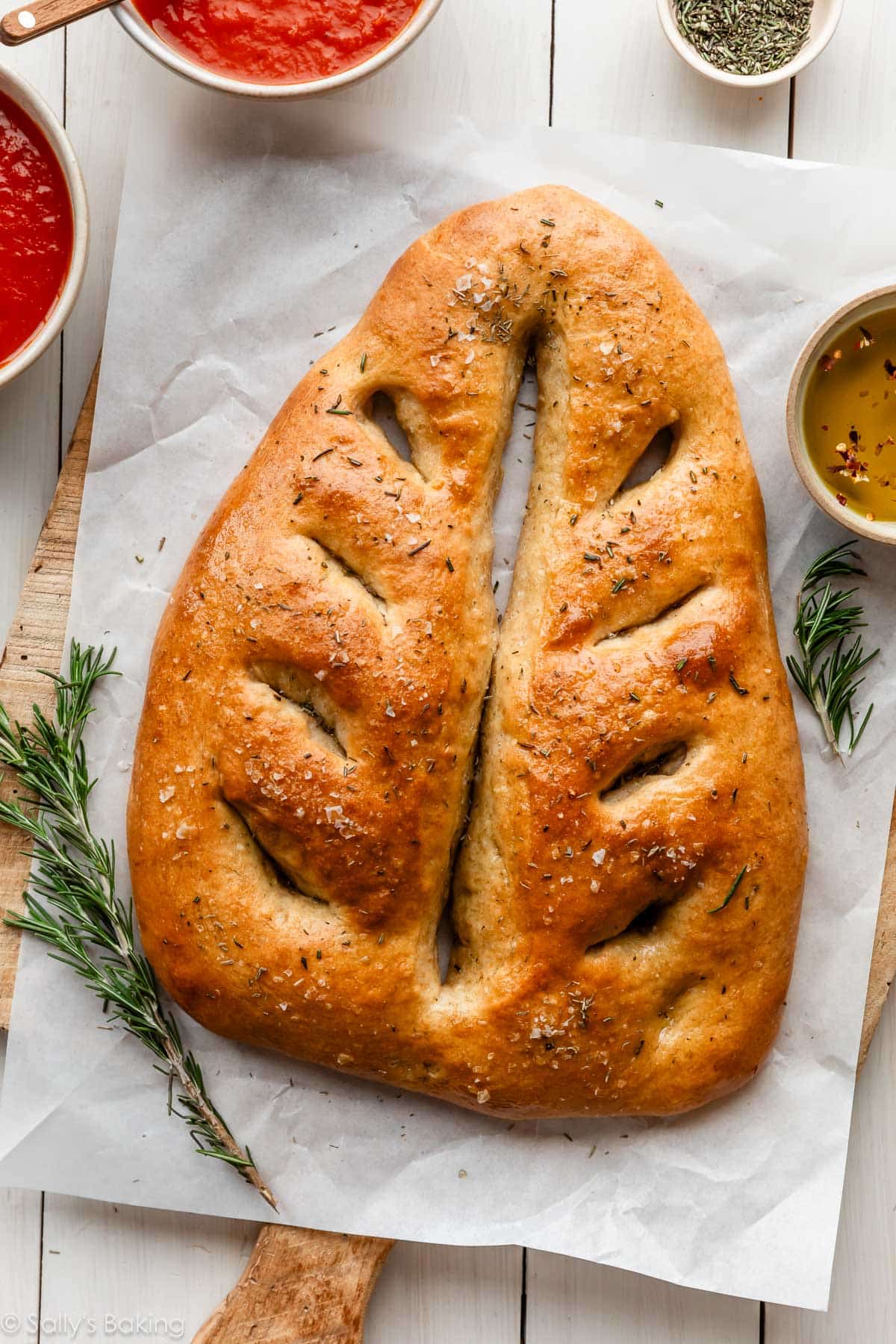
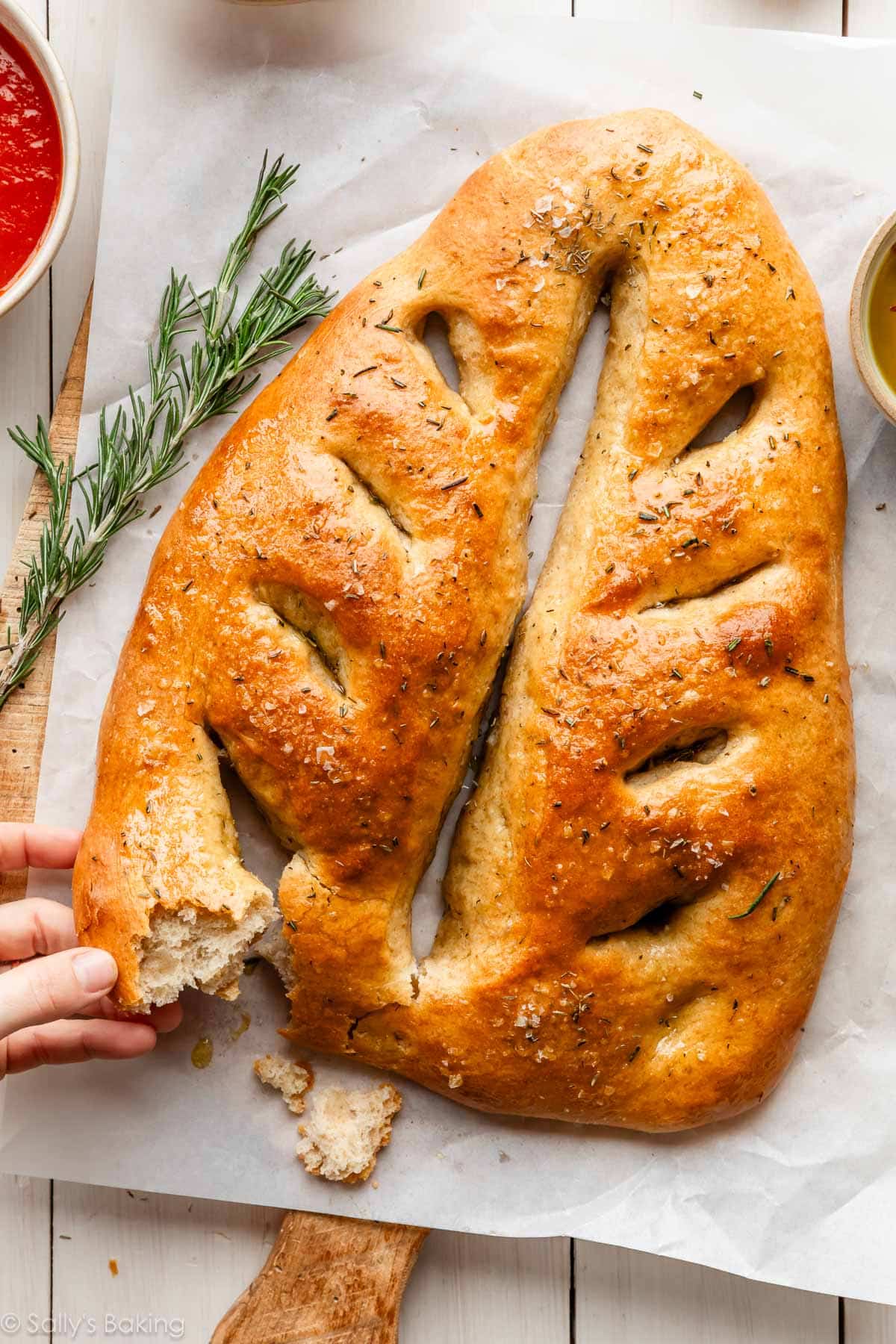
Fougasse traces its lineage back to antiquity, with its name deriving from the Latin focus, referring to a hearth or fireplace where such flatbreads were traditionally baked. This etymological connection highlights its fundamental place as a "hearth bread"—a staple prepared directly in or near the heat source. Originating in the sun-drenched region of Provence in Southern France, Fougasse is more than just a bread; it is a cultural emblem, deeply interwoven with the culinary heritage of the area. Historically, it served as a simple, versatile bread, often consumed plain or enriched with local ingredients like olives, anchovies, or cheese. Its distinctive shape, reminiscent of a leaf or a stalk of wheat, is not merely aesthetic; the slashes increase the surface area, promoting a desirable crispiness during baking and making it easier to tear and share, fostering a communal eating experience. This characteristic shaping technique distinguishes it from other flatbreads and contributes significantly to its textural complexity, offering more of those coveted crispy edges with every piece.
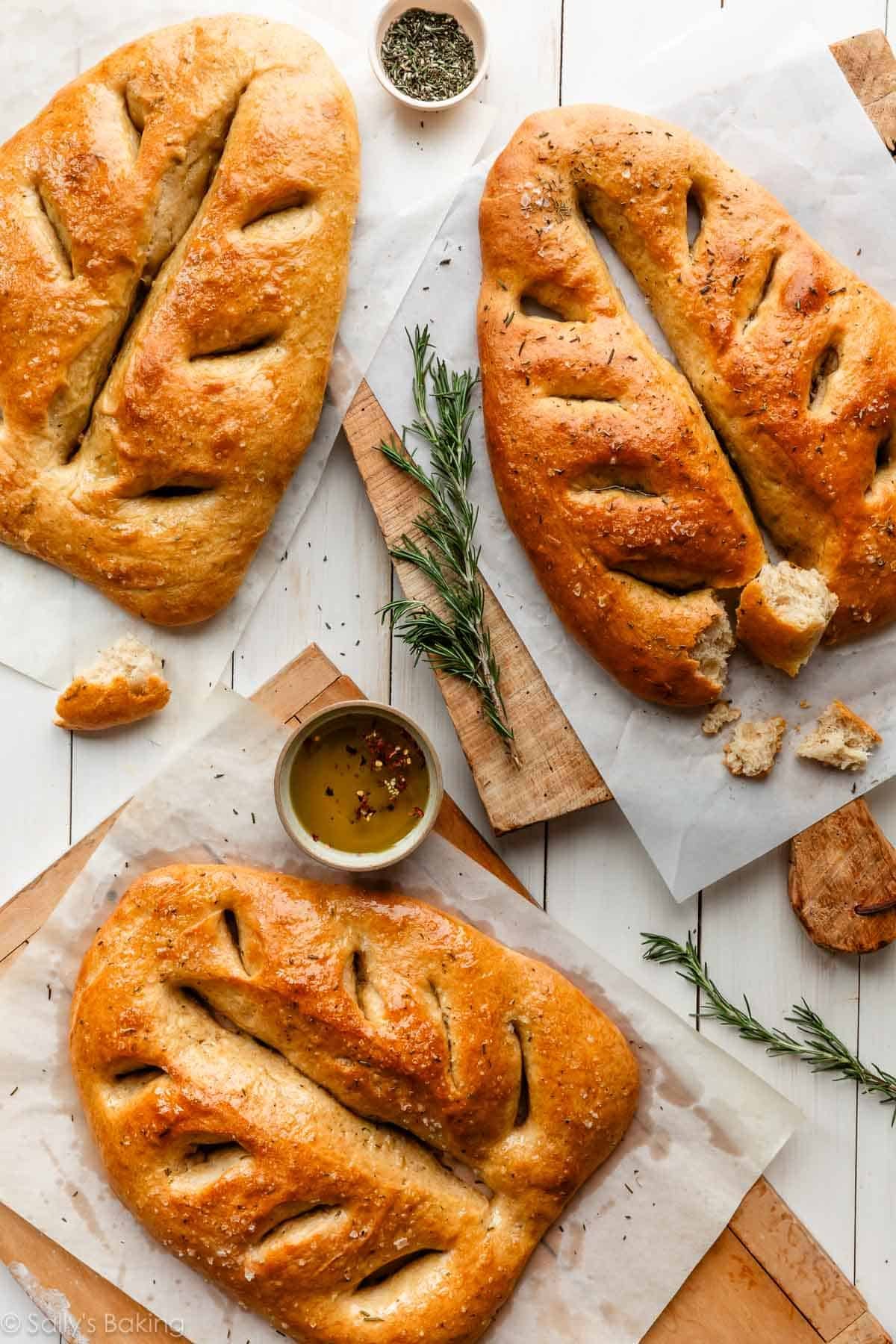
While often compared to Italian focaccia, Fougasse maintains its distinct Provençal identity. Both share a common Mediterranean heritage, being olive oil-kissed flatbreads designed for tearing and dipping. However, Fougasse typically boasts a thinner profile and a more pronounced, often intricate, pattern of slashes that facilitate its unique texture. Historically, such flatbreads were precursors to modern leavened breads, offering a quick and satisfying option from the daily bake. In some parts of Provence, variations like fougassette (a sweeter, brioche-like version) or fougasse aux olives (studded with olives) demonstrate the versatility and regional adaptations of this beloved bread. Its historical ubiquity across different social strata, from peasant tables to celebratory feasts, speaks to its enduring appeal and adaptability within French gastronomy. The rustic savory flavor and chewy, crusty texture are hallmarks that have been preserved through centuries, connecting modern palates to ancient culinary traditions.
The Indispensable Role of Preferments: A Deep Dive into Flavor Development
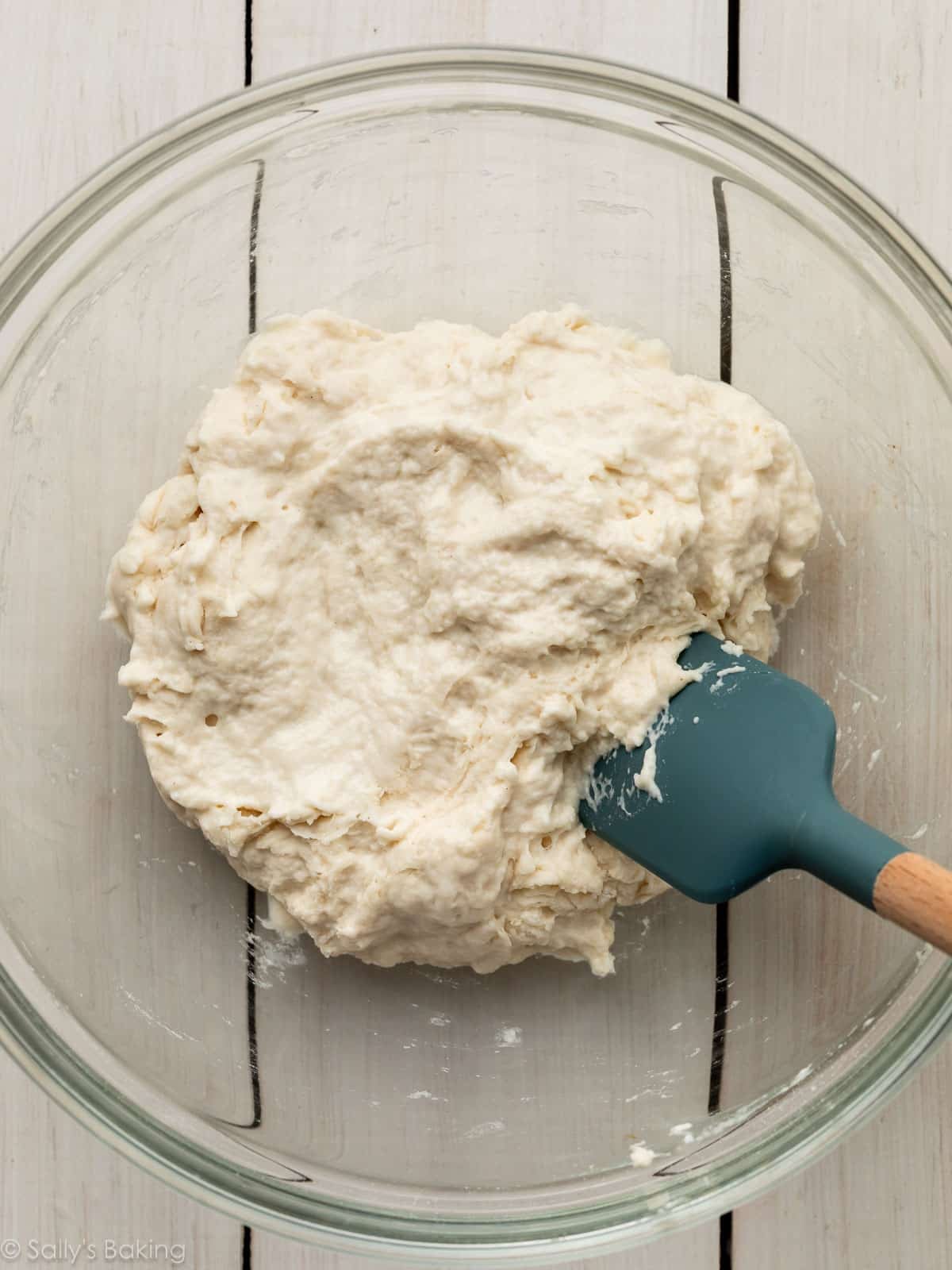
A cornerstone of authentic Fougasse, particularly in recipes aiming for bakery-worthy results, is the inclusion of a preferment. This preparatory step, often requiring an overnight fermentation, is hailed by master bakers as the "invisible ingredient" that transforms a simple dough into a complex, flavorful bread. In the context of the featured recipe, a "biga-style" preferment is utilized. A biga, an Italian term for a stiff, dry preferment, involves mixing a portion of the flour, water, and a small amount of yeast a day in advance. This mixture is then allowed to ferment slowly, typically at room temperature or in the refrigerator, over an extended period. This process, often requiring "less than 5 minutes" of active time, is "key for developing flavor and structure."
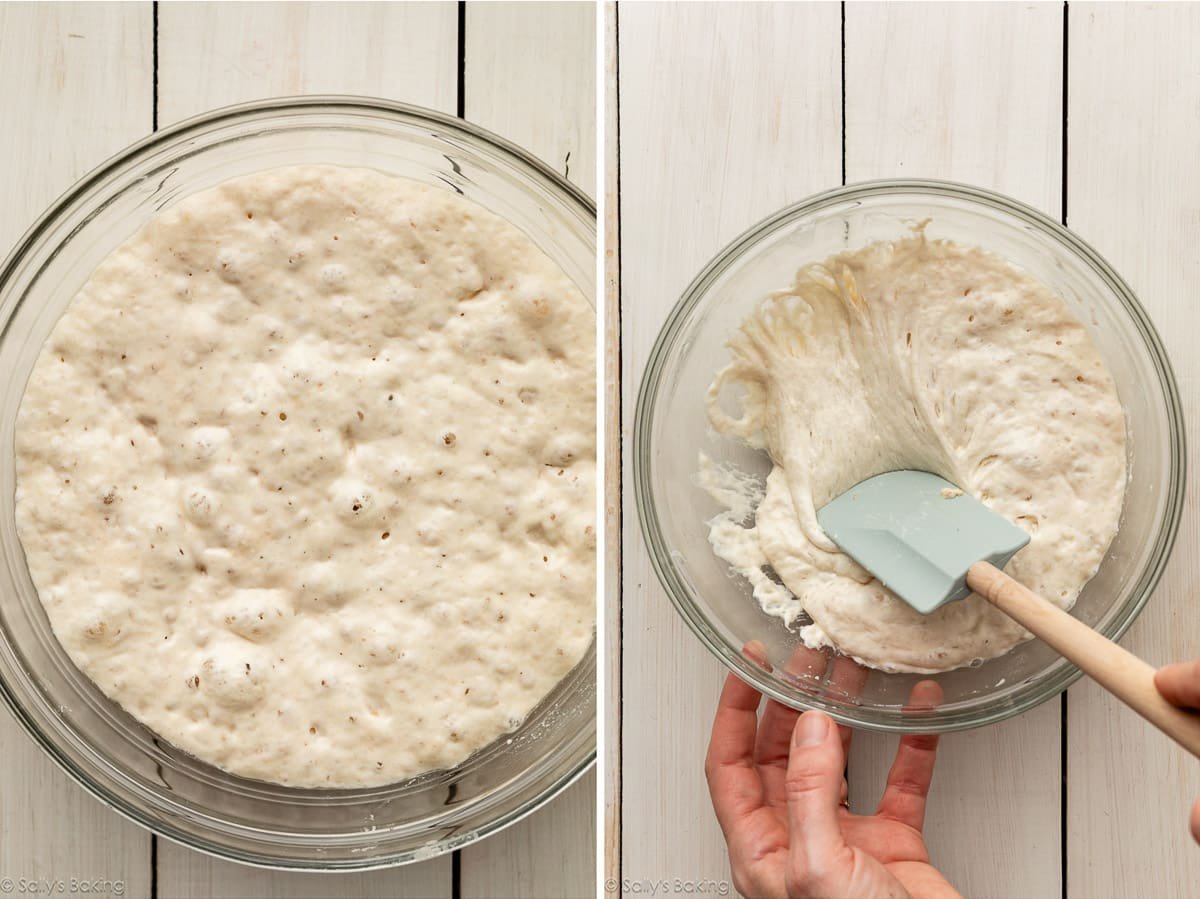
The scientific rationale behind preferments is robust. During the extended fermentation period, yeast consumes sugars in the flour, producing a cascade of aromatic compounds and organic acids that contribute significantly to the bread’s ultimate flavor profile. This process, known as enzymatic activity, enhances the gluten structure, leading to a more extensible and elastic dough, which in turn results in a more open crumb structure and a desirable chewiness in the final product. Furthermore, the increased acidity from fermentation acts as a natural preservative, extending the bread’s shelf life. This scientific foundation explains why a "small step makes a big difference" in the final product.
Different types of preferments offer varying characteristics, each contributing uniquely to bread:
- Biga: As used in this Fougasse recipe, it is a relatively stiff preferment, typically with a hydration level around 50-60%. It contributes to a strong gluten structure, a distinct nutty flavor, and a chewy crumb. Its lower hydration promotes slower fermentation, leading to a deeper flavor development.
- Poolish: A more liquid preferment (100% hydration), poolish yields a more open crumb and a slightly tangier flavor due to its faster fermentation. It is often favored for breads requiring a lighter texture.
- Levain (Sourdough Starter): This is a wild yeast culture, offering the most complex flavors and excellent keeping qualities, though it requires more maintenance and a longer fermentation time. It imparts the characteristic sour notes associated with sourdough.
For Fougasse, the biga’s contribution to both structure and flavor is paramount. The initial, brief preparation on Day 1 sets the stage for a profound transformation, allowing for the slow development of flavors that cannot be achieved with a direct-dough method. This strategic use of time is crucial, differentiating an ordinary flatbread from one that tastes like it emerged from a traditional Provençal boulangerie. The extended fermentation develops complex sugars and amino acids, creating a deeper, more nuanced taste profile that is both savory and subtly sweet, a hallmark of expertly crafted artisanal bread.
Rigorous Development for Home Kitchens: The Path to Bakery-Worthy Fougasse
The journey to developing a Fougasse recipe that delivers "consistent, bakery-worthy results in your home kitchen" is often a meticulous one, involving extensive experimentation and refinement. As indicated by the recipe developer, this particular version underwent "multiple rounds of testing to get the flavor, texture, and structure just right." This rigorous process highlights the dedication required to translate complex artisanal techniques into accessible home baking instructions, ensuring the final product avoids common pitfalls such as being "too dense," "far too dry," or lacking "structure."
Key areas of experimentation typically include:
- Hydration Levels: The balance of water to flour is critical for dough consistency. Too little water results in a dense, dry dough that is difficult to work with, while too much can make it overly sticky and challenging to shape, compromising structure. Testing confirmed that "small adjustments in hydration…make a big difference."
- Flour Blends: The choice of flour significantly impacts texture. This recipe strategically combines bread flour for its high protein content, which develops strong gluten for chewiness, with a touch of whole wheat flour. The whole wheat adds depth of flavor and a rustic character, contributing to the "deeply savory flavor" without making the bread excessively dense.
- Yeast Quantities and Fermentation Times: Precise control over yeast ensures proper leavening and flavor development. Small adjustments here can dramatically alter the rise, crumb structure, and the overall taste. The integration of a preferment further complicates this balance, requiring careful calibration of yeast in both the preferment and the final dough.
- Olive Oil Content: Olive oil is not just a flavor enhancer; it also contributes to the bread’s tenderness and rich mouthfeel. The testing process confirmed the need for "enough olive oil to keep the crumb tender without losing that rustic character," striking a delicate balance between richness and authenticity.
The outcome of such thorough testing is a streamlined method that simplifies traditional bread-making processes without sacrificing quality. It serves as an excellent introduction to preferment breads, demystifying a technique often perceived as intimidating. The emphasis on hands-off resting periods and a single, precise "stretch-and-fold" technique makes the process manageable, allowing home bakers to confidently tackle a project that yields impressive results. This approach empowers individuals to recreate the intricate flavors and textures of professional bakeries within their own kitchens, fostering a sense of accomplishment and culinary pride, transforming it into an "impressive home baking project" that bakers "feel proud to pull from the oven."
A Detailed Chronology of Creation: From Preferment to Plate
The making of Fougasse, particularly this refined home-baking version, is a two-day process, strategically designed to maximize flavor and structure development while minimizing active hands-on time.
Day 1: The Genesis of Flavor – Creating the Preferment
The initial step, the creation of the biga-style preferment, is deceptively simple, requiring "less than 5 minutes" of active preparation. Flour, water, and a tiny amount of yeast are combined to form a stiff dough. This mixture is then covered and allowed to ferment at room temperature for a minimum of 12 hours, ideally up to 24 hours. During this prolonged period, the magic of fermentation unfolds, as the yeast slowly works on the starches, breaking them down into simpler sugars and producing complex flavor compounds. The preferment will show signs of activity, often bubbling gently, indicating its readiness to infuse the final dough with its developed character.
Day 2: Assembling, Developing, and Shaping the Masterpiece
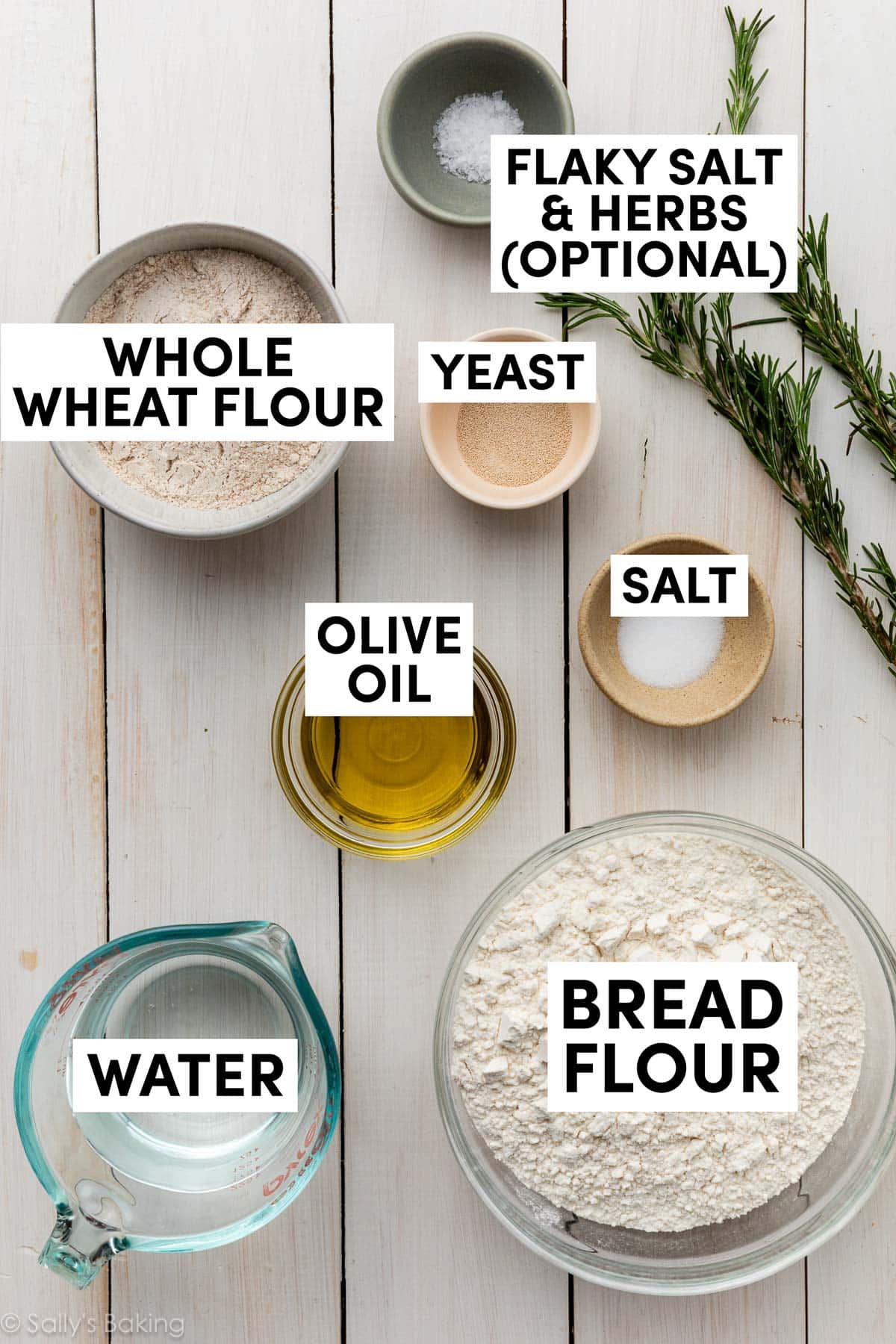
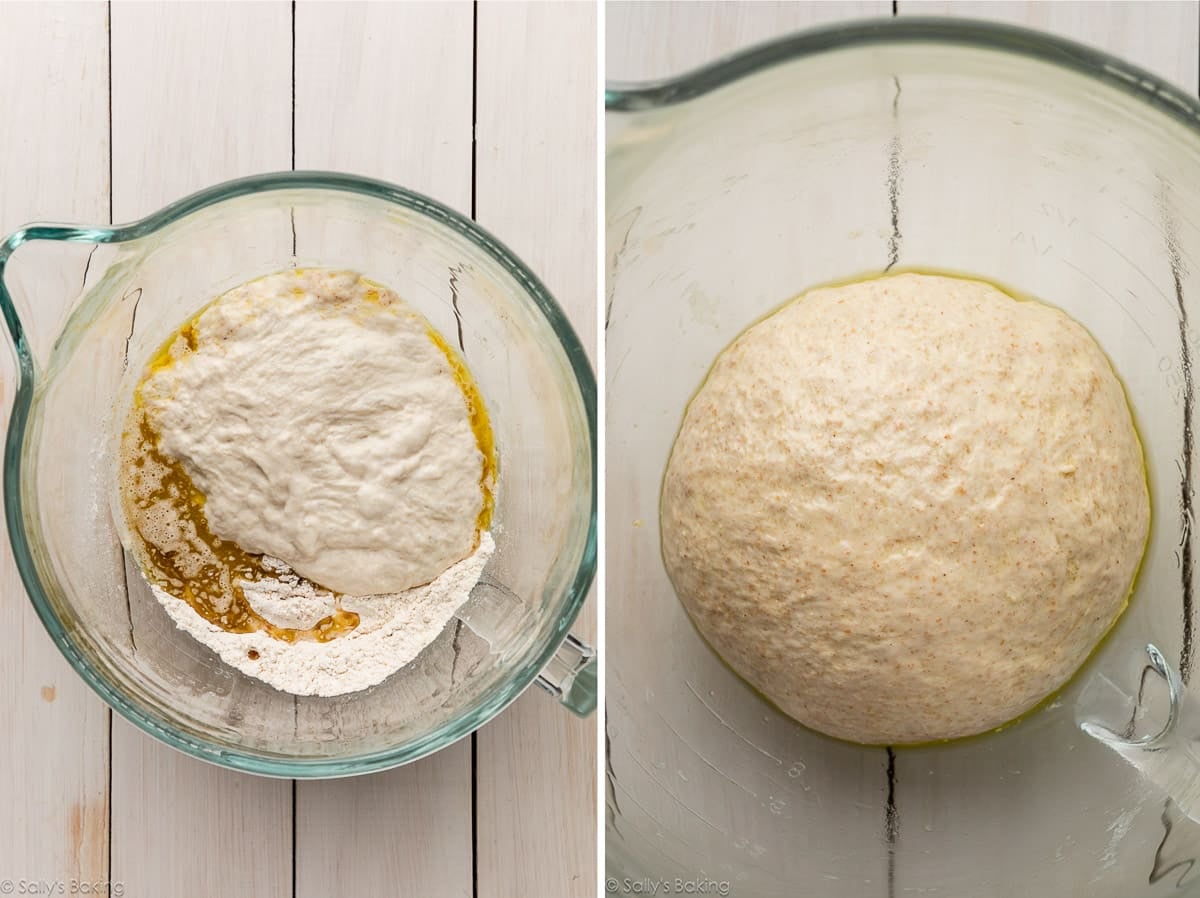
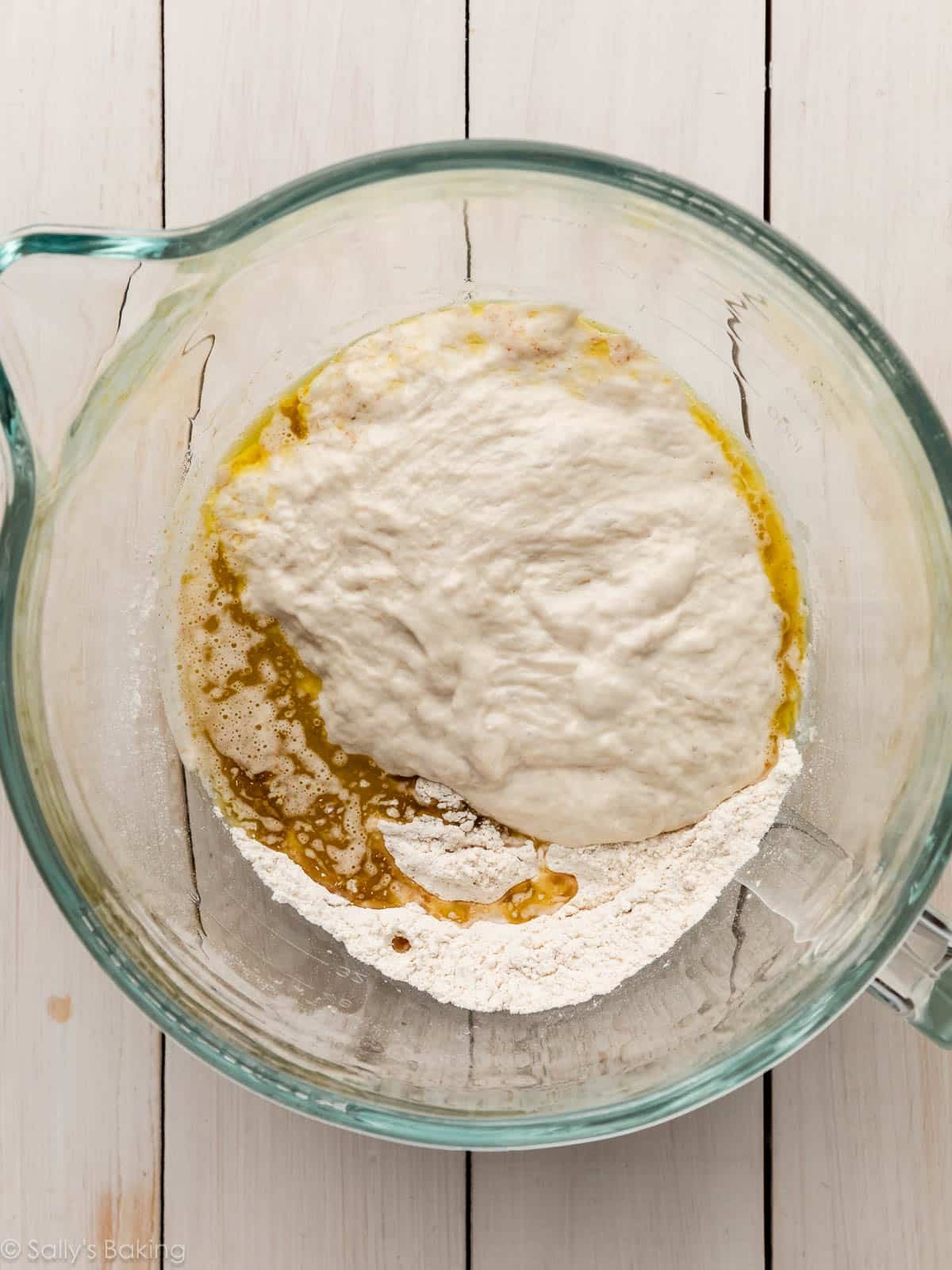
- Mixing the Dough: The second day begins by combining the mature preferment with additional flours (bread flour and whole wheat), yeast, salt, water, and a generous amount of olive oil in a large bowl. The ingredients are stirred by hand or with a stand mixer until a "shaggy dough forms," indicating the initial amalgamation of ingredients.
- Initial Kneading: The dough is then turned out onto a lightly floured surface and kneaded for 3-5 minutes. This brief kneading phase is crucial for beginning to develop the gluten network, leading to a "smooth" dough that is "slightly sticky but workable."
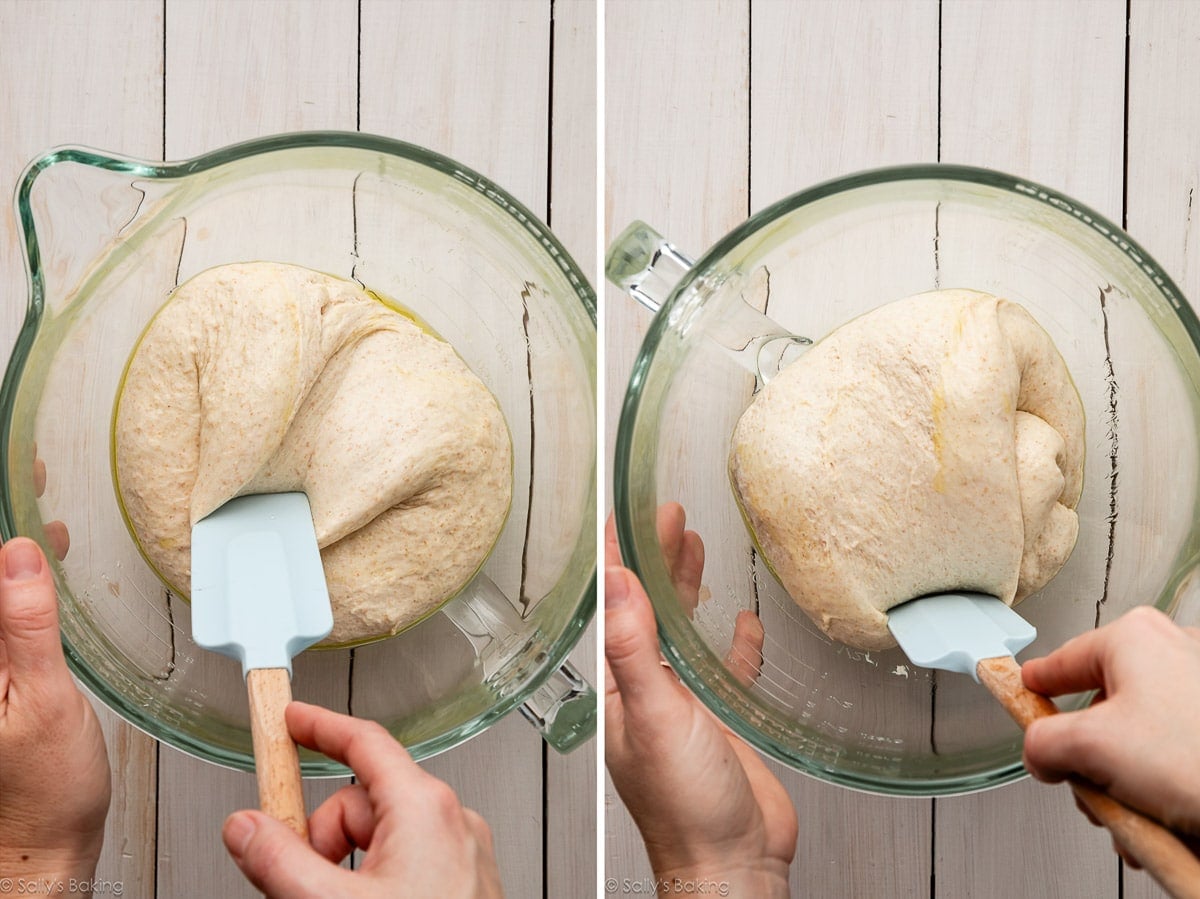
- First Rest and Stretch-and-Fold: The kneaded dough is placed in an oiled bowl, covered, and allowed to rest for 45 minutes. This rest period is not merely passive; it allows the gluten to relax and further develop. Following this, a single "stretch-and-fold" operation is performed. This technique, distinct from vigorous kneading, involves gently stretching a portion of the dough upwards and folding it over itself, rotating the bowl 90 degrees and repeating four times. This method efficiently builds dough strength and structure without overworking it, particularly beneficial for sticky, higher-hydration doughs, and is "much gentler and more precise" than traditional kneading.
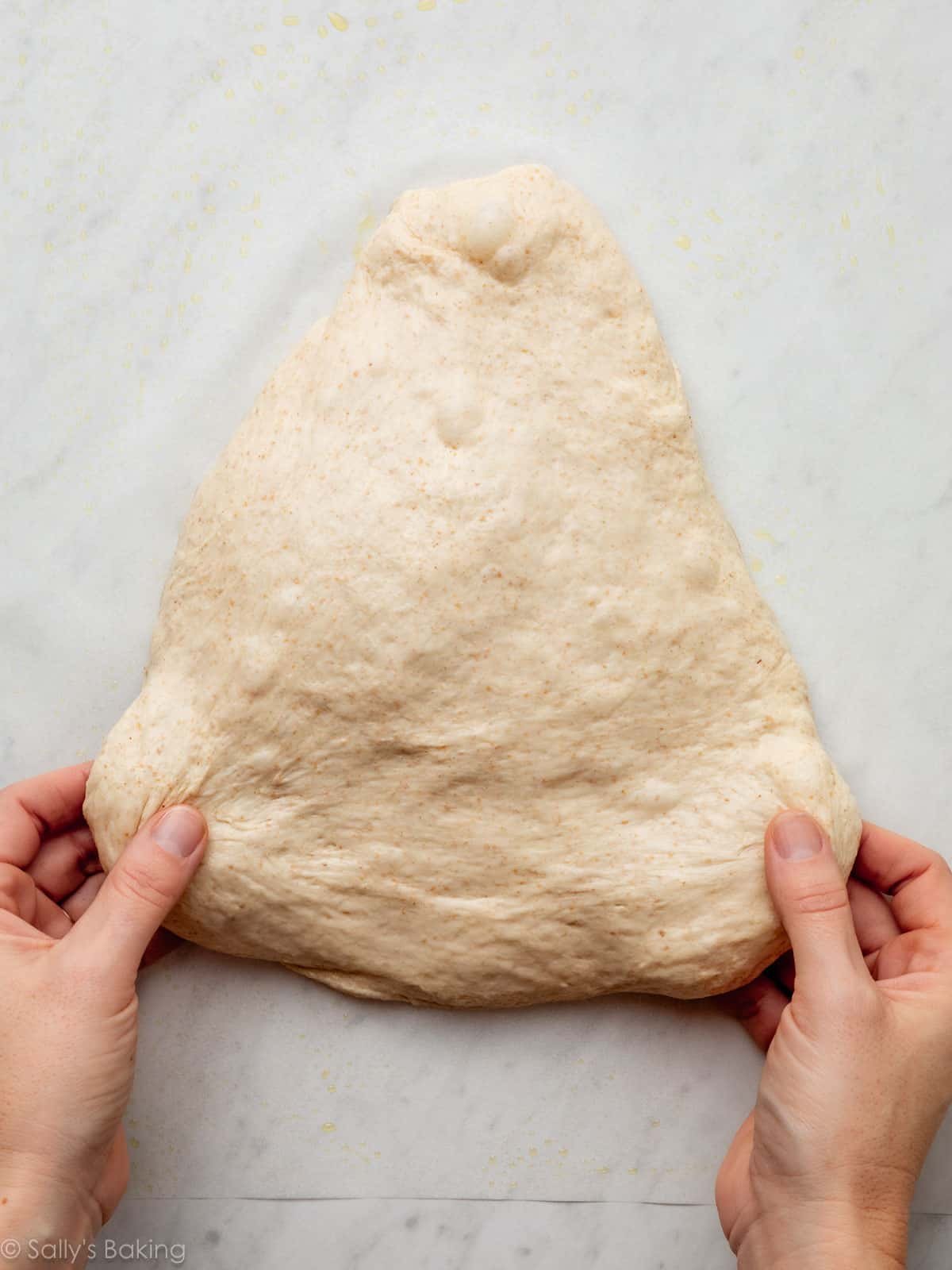
- Second Rest and Shaping Preparation: After the stretch-and-fold, the dough rests again for at least 45 minutes, allowing further gluten relaxation and fermentation. This is followed by pressing the dough into a "rounded triangle shape, about 12 inches long and 6 inches wide at the base," and another 30-minute rest to allow the gluten to relax once more, making it pliable for the signature cuts.
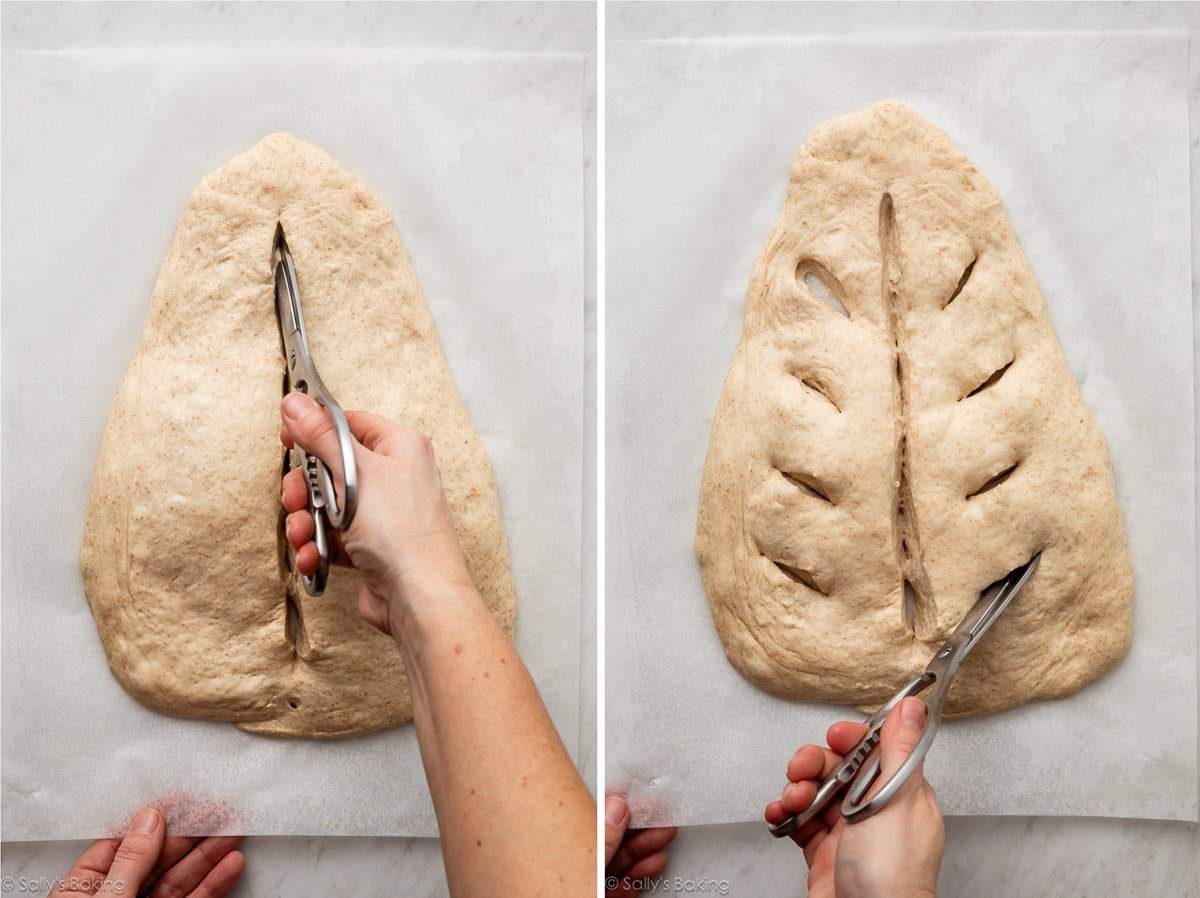
- The Iconic Slashing: Using a sharp knife or kitchen shears, the distinctive Fougasse pattern is created. A single long slash runs down the center, leaving about an inch at each end. Then, three to four