

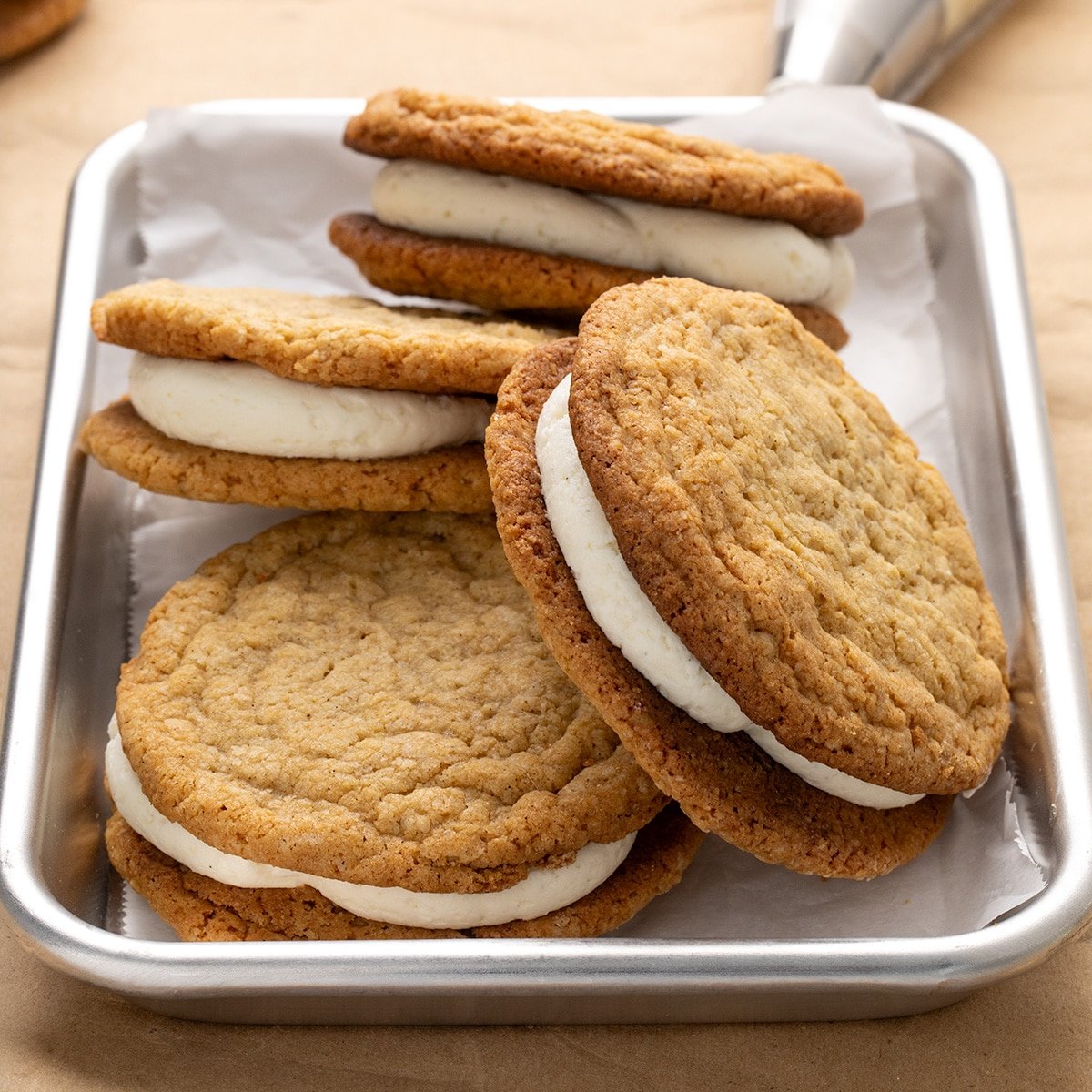
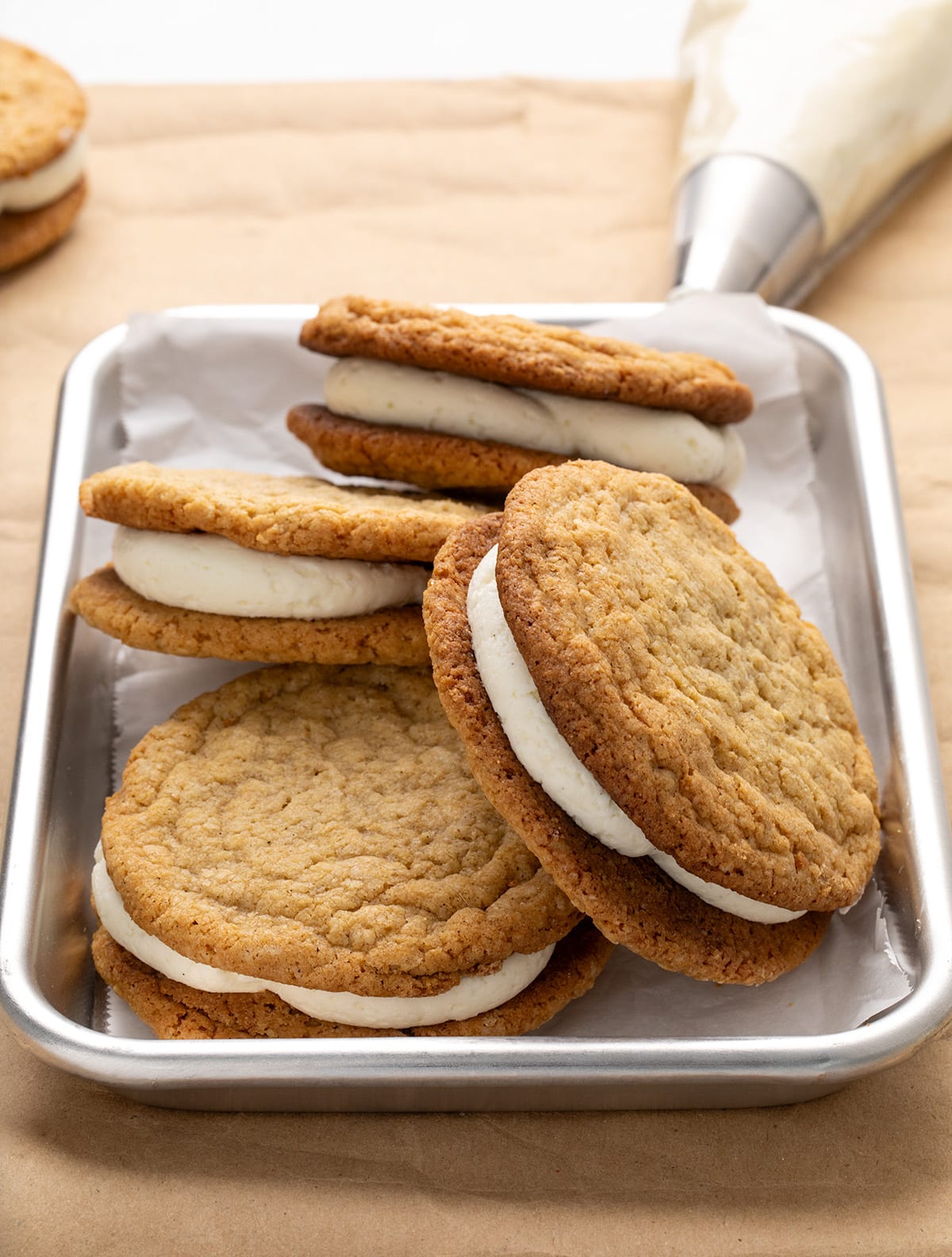
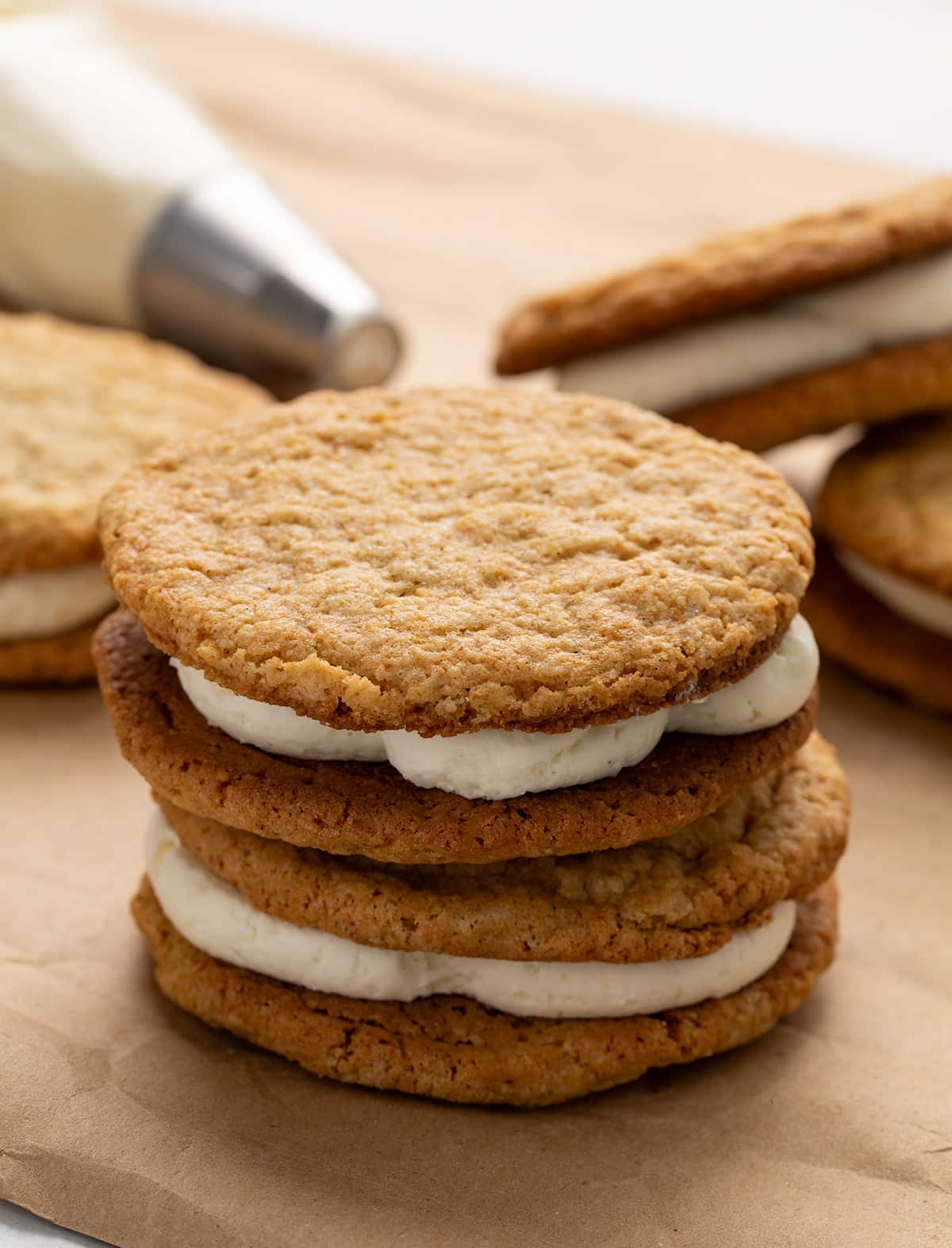
The beloved classic snack cake, the Little Debbie Oatmeal Cream Pie, known for its comforting, nostalgic flavor profile, has been meticulously recreated in a gluten-free iteration by Nicole Hunn, a prominent figure in the gluten-free culinary community. This new recipe aims to capture the essence of the original – thin, chewy oatmeal cookies embracing a sweet vanilla cream filling – while adhering to strict gluten-free standards. The development addresses a common challenge in gluten-free baking: achieving the desired texture that often deviates from traditional wheat-based counterparts.
The Quest for Texture: A Culinary Challenge
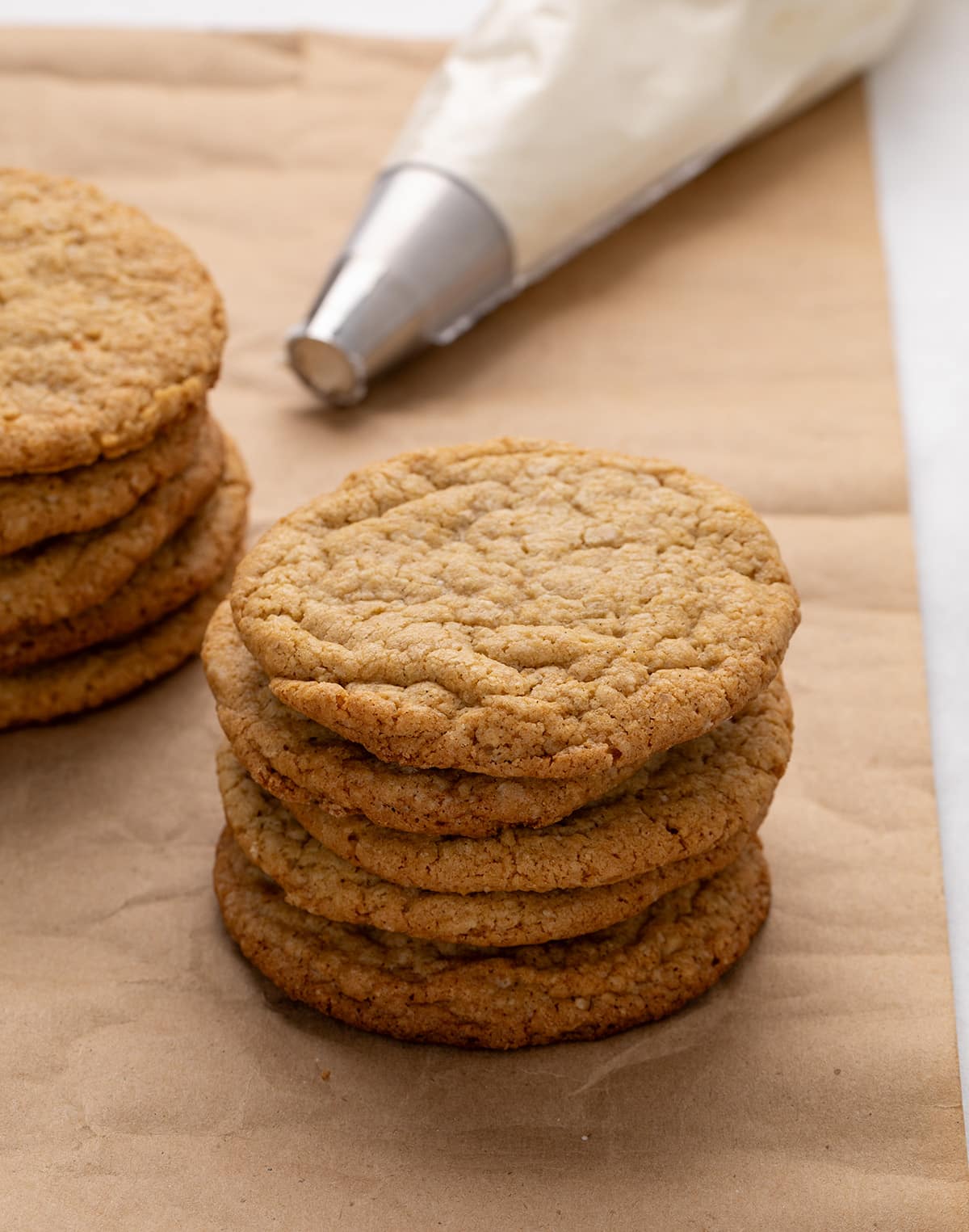
Many gluten-free oatmeal cream pie recipes tend to result in cookies that are either too thick or cakey, failing to replicate the signature thinness and chewiness of the original. Hunn’s approach prioritizes a texture that mirrors the Little Debbie classic, complete with a lightly crinkled surface and a soft, yielding bite. This is achieved through a precise processing of the oats. Instead of being ground into a fine flour, the oats are broken down just enough to retain their inherent flavor and cohesive properties, preventing them from becoming overly dense or hearty, a common pitfall in gluten-free oatmeal cookies.
The filling also undergoes a thoughtful formulation. A sweet buttercream base is enhanced with meringue powder, a key ingredient that provides crucial stability. This ensures the filling remains fluffy and structurally sound at room temperature, avoiding the common issues of softening or separation that can occur with traditional cream fillings over time. This attention to detail in both the cookie and filling components is central to the recipe’s success in delivering an authentic taste and texture experience for those adhering to a gluten-free diet.
Understanding the Ingredients: The Foundation of Flavor and Structure
The success of any recipe hinges on the quality and interaction of its ingredients. For these gluten-free oatmeal cream pies, a carefully selected set of components ensures both flavor and the desired texture.
For the Cookies:
The foundation of the cookie lies in a balanced blend of gluten-free flours. Hunn recommends specific blends, such as Better Batter’s original or Nicole’s Best multipurpose blend with added xanthan gum. The inclusion of xanthan gum is critical for gluten-free baking, as it mimics the binding and structural properties of gluten, preventing crumbling and ensuring cohesion. For those opting for a DIY approach, a custom blend, similar to those found on Hunn’s "Gluten Free on a Shoestring" website, can be utilized.
Oats play a dual role. They are ground to a specific consistency, contributing to the distinctive oatmeal flavor without overpowering the cookie with excessive chewiness. This careful processing is what differentiates these cookies from more robust, hearty gluten-free oatmeal cookies.
Sugars, both granulated and light brown, contribute to sweetness, moisture, and the characteristic chewiness. The baking soda acts as a leavening agent, promoting spread and contributing to the cookie’s tender texture. Salt is essential for balancing the sweetness and enhancing the overall flavor profile.
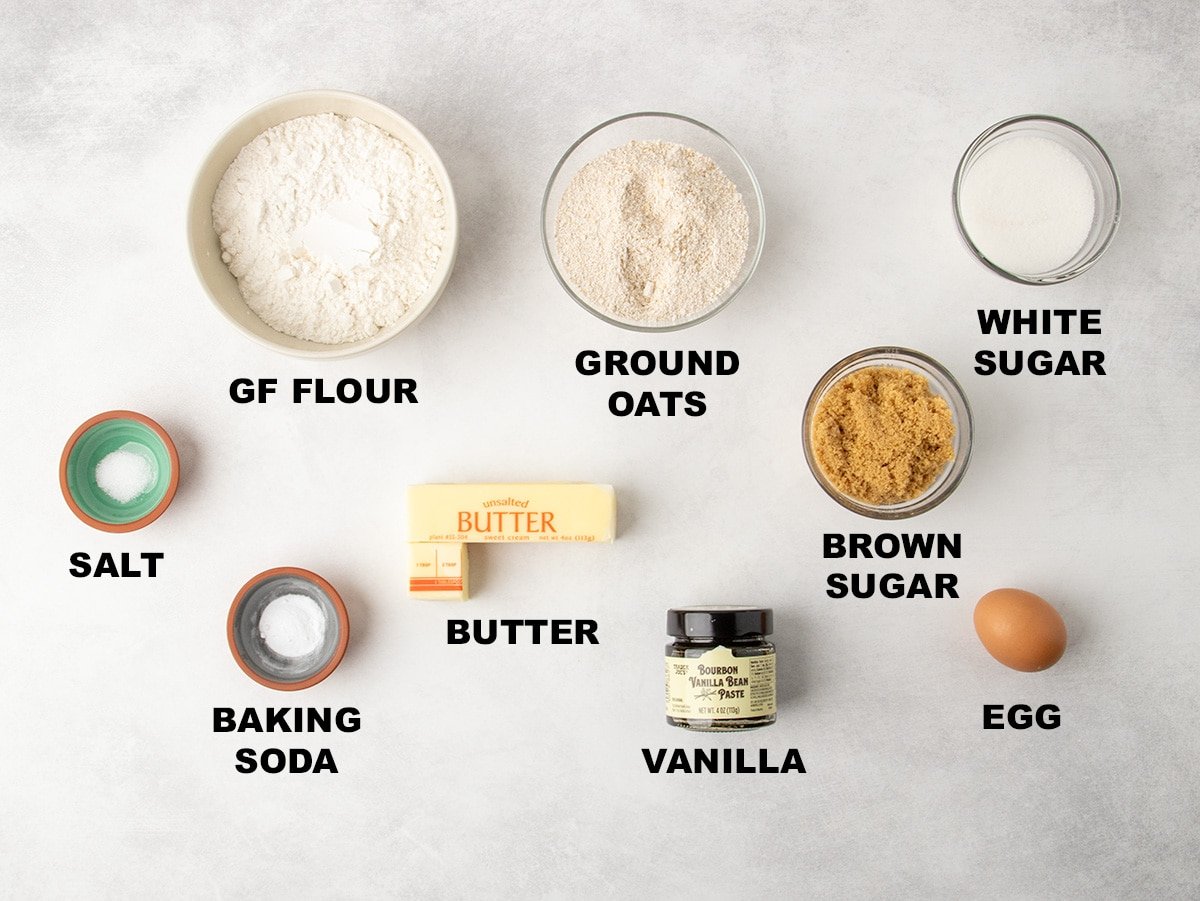
Fat, typically unsalted butter, provides richness and tenderness. Its incorporation into the dry ingredients in chunks, and then pressed until it resembles coarse crumbs, is a technique that aids in achieving the desired cookie texture. Finally, a whole egg acts as a binder and adds richness, while vanilla extract provides its signature aromatic depth.
For the Filling:
The creamy center of the oatmeal cream pie is crafted with butter, milk, and confectioners’ sugar. The butter and milk form the base of the creamy texture, while the confectioners’ sugar provides sweetness and contributes to the filling’s ability to hold its shape. Meringue powder, as previously mentioned, is a vital component for achieving a stable, pipeable filling that resists melting or wilting. Vanilla extract is again used to impart its classic flavor.
The Crafting Process: A Step-by-Step Guide
The creation of these gluten-free oatmeal cream pies is a methodical process, broken down into distinct stages for clarity and optimal results.
Making the Cookies:
-
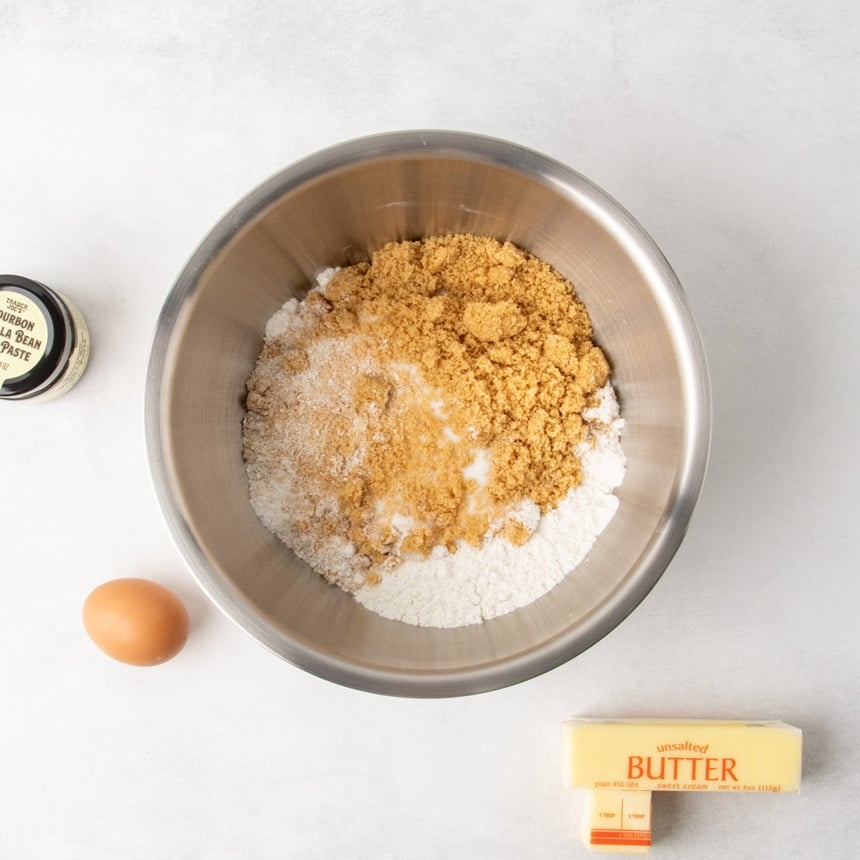
Combine Dry Ingredients: The first step involves thoroughly whisking together the gluten-free flour blend, xanthan gum (if not already in the blend), ground oats, granulated sugar, light brown sugar, baking soda, and salt in a large mixing bowl. This ensures an even distribution of all dry components, preventing pockets of unmixed ingredients and promoting uniform texture.
-
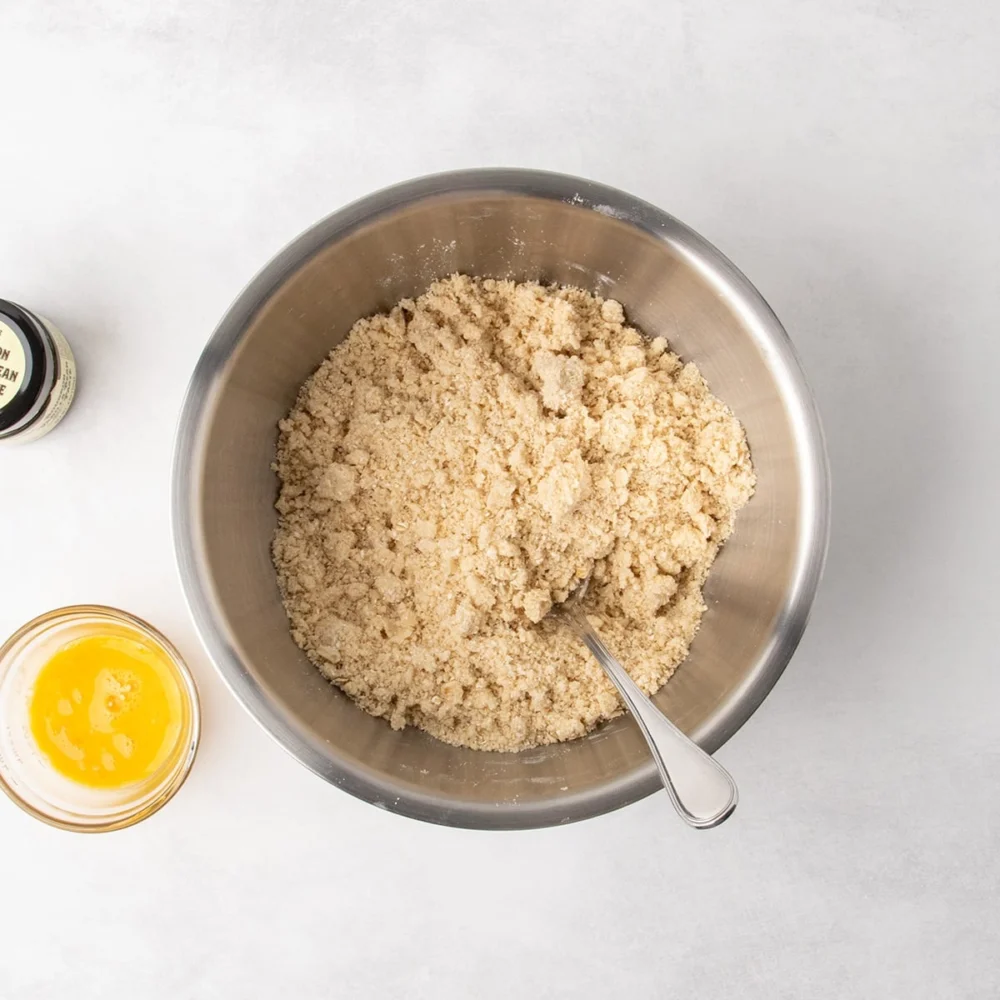
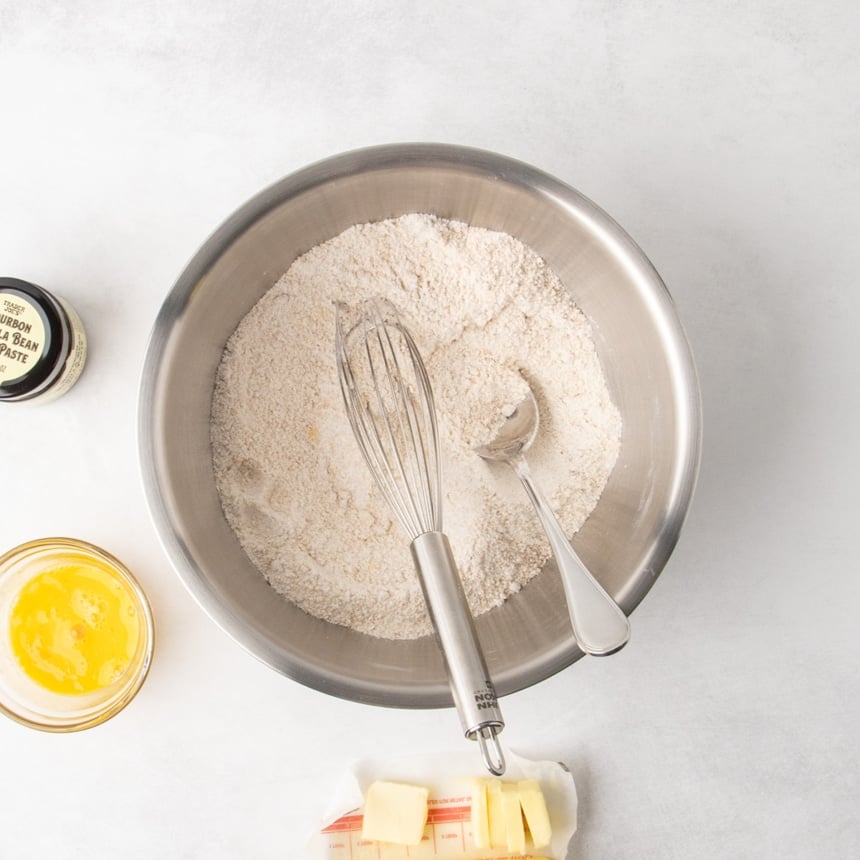
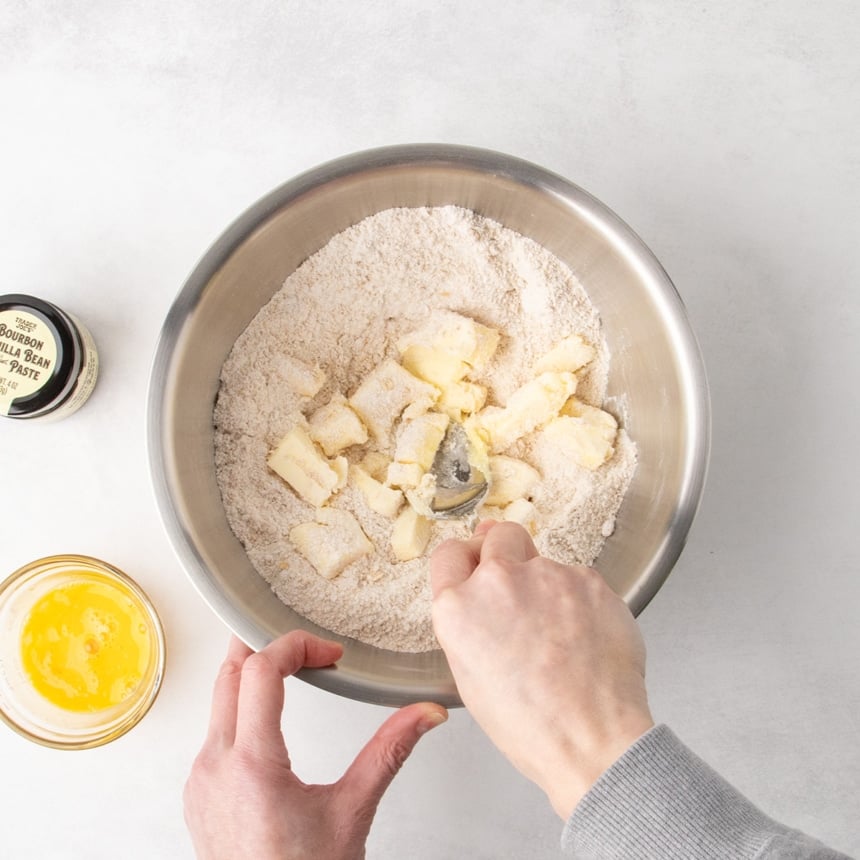
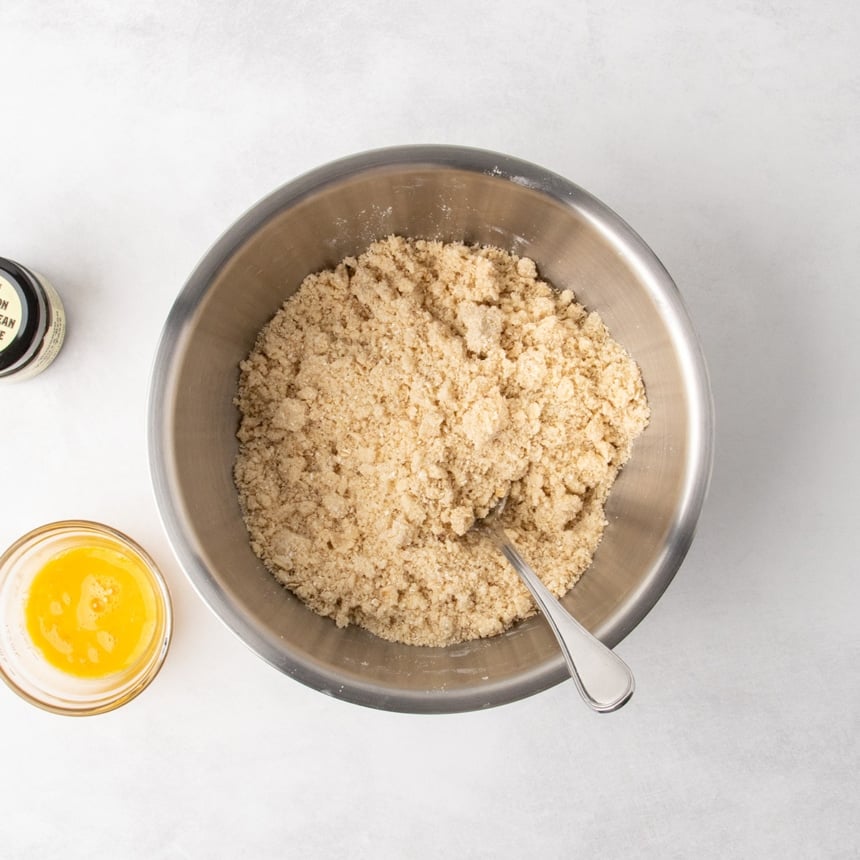
Incorporate Butter: Room temperature butter is cut into tablespoon-sized chunks and added to the dry ingredients. Using the underside of a mixing spoon, the butter is firmly pressed into the dry mixture until it resembles coarse, moistened crumbs. This technique coats the butter particles with flour, which helps control the cookies’ spread during baking and contributes to their tender texture.
-
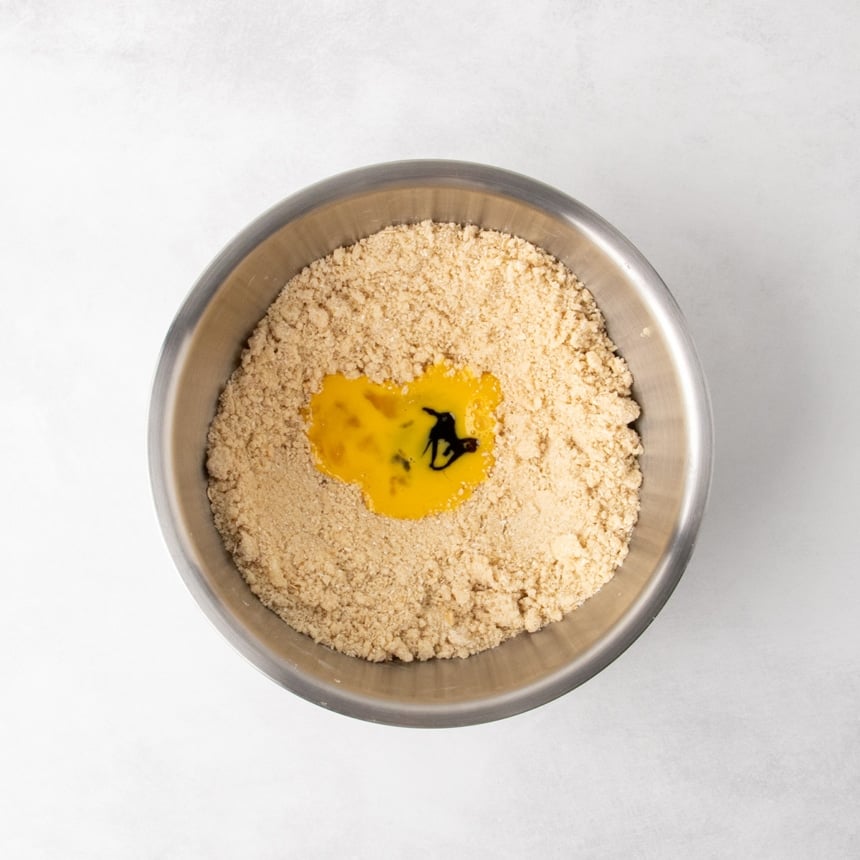
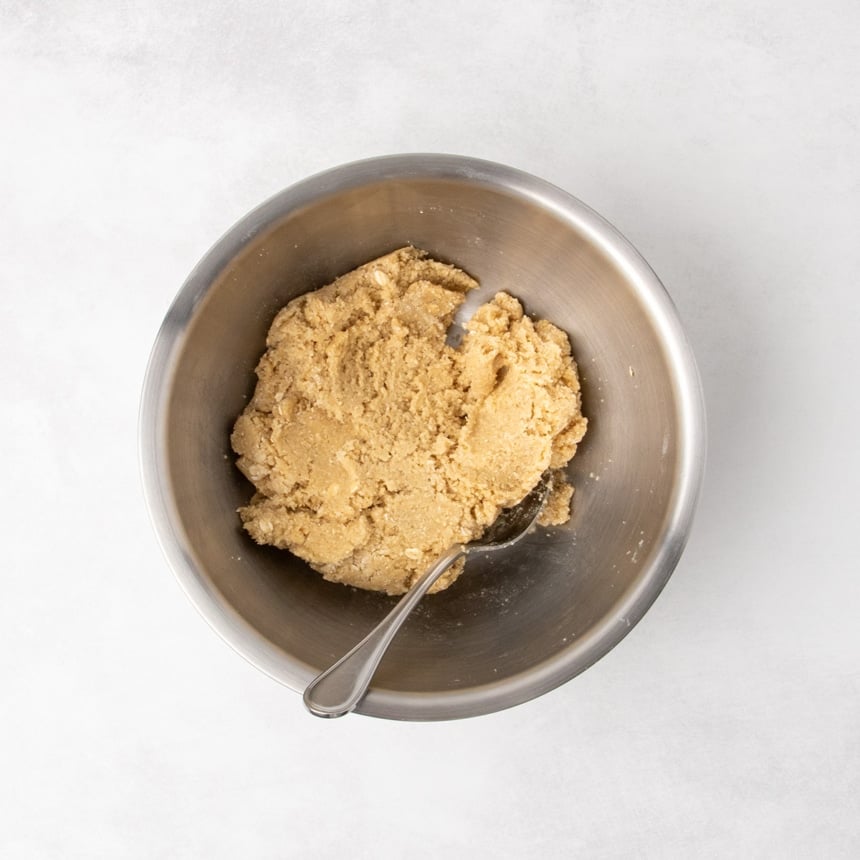
Add Wet Ingredients: A small well is created in the center of the crumbly mixture. The beaten egg and vanilla extract are poured into this well. The ingredients are then mixed together until a smooth, cohesive, light brown cookie dough forms. The dough should be thick and somewhat stiff, but not dry.
-
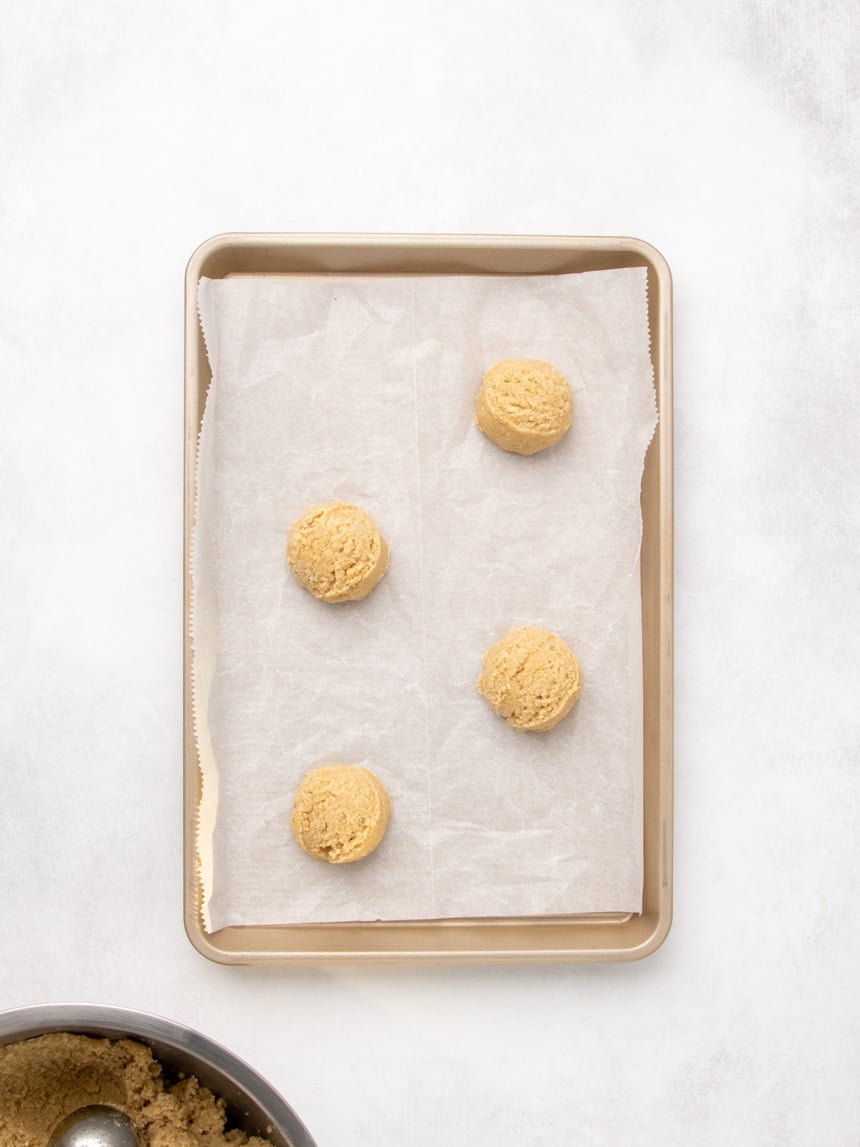
Portion the Dough: Using a medium-sized ice cream scoop (approximately 2 ounces), portions of the cookie dough are measured out. It is crucial not to chill the dough before baking. Allowing the dough to spread in the oven is essential for achieving the desired thinness and chewiness. Chilling the dough can lead to a loss of texture.
-
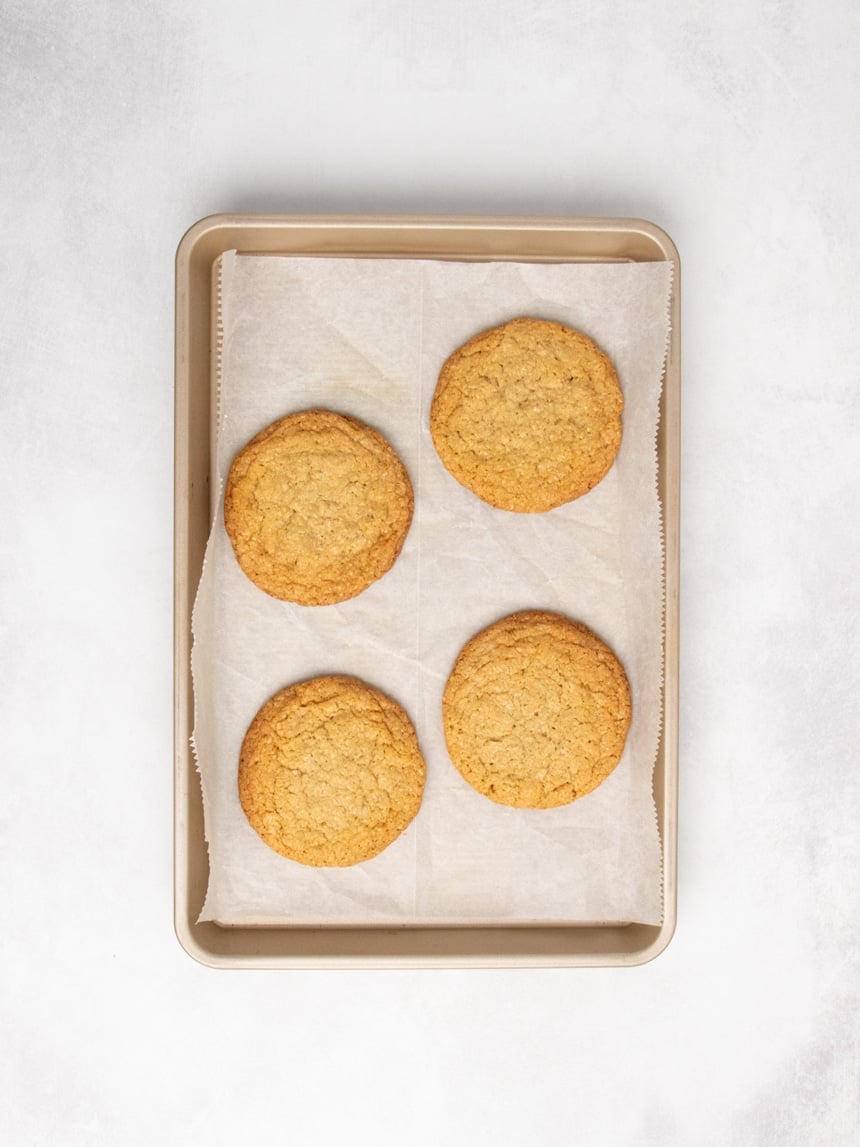
Bake the Cookies: The dough portions are placed on baking sheets lined with parchment paper, ensuring at least two inches of space between each portion to allow for spreading. The cookies are baked until they are lightly golden brown all over and have spread to approximately four inches in diameter.
-
Cooling: Once baked, the cookies are fragile. They are allowed to cool on the baking sheet for about ten minutes before being carefully transferred to a wire rack to cool completely. This prevents them from breaking during the initial cooling phase.
Making the Filling:
-
Creaming Base: Softened butter is creamed with milk and vanilla extract using an electric mixer until the mixture is smooth and creamy.
-
Adding Sweetener and Stabilizer: Confectioners’ sugar is gradually added to the creamed mixture until a spreadable filling is achieved that holds its shape but is soft enough to pipe. Meringue powder is incorporated at this stage to enhance the filling’s stability and prevent it from becoming too soft.
Assembling the Pies:
-
Piping the Filling: The prepared filling is transferred to a piping bag fitted with a large, open tip (or a zip-top bag with a corner snipped off). A generous layer of filling is piped onto the underside of half of the cooled cookies.
-
Creating the Design: For an authentic look, a three-leaf clover shape is piped with the filling.
-
Sandwiching: The remaining cookies are gently pressed onto the piped filling to create the classic sandwich cookie structure.
Ingredient Substitutions for Dietary Needs
Recognizing the diverse dietary requirements within the gluten-free community, Hunn offers practical substitutions for common allergens.
Dairy-Free Adaptations:
For those avoiding dairy, block-style vegan butter, such as Melt, Miyoko’s, or Trader Joe’s brand, can be used in place of butter. It is noted that the cookies might spread slightly more with vegan butter. To counteract this, an additional 10 grams of gluten-free flour blend can be incorporated. The meringue powder remains essential for the filling’s stability, even when using dairy-free alternatives.
Egg-Free Adaptations:
In the absence of eggs, several alternatives are suggested. A chia egg or a flax egg can be used as direct replacements. Alternatively, increasing the gluten-free flour blend by 10 grams and adding 25 grams of Greek-style plain yogurt can also yield successful results. For egg-free fillings, it is recommended to omit the meringue powder and adjust the milk quantity to ensure the filling maintains sufficient firmness.
Storage and Longevity
The finished gluten-free oatmeal cream pies are best stored in a sealed glass container at room temperature. They are expected to retain their desirable texture for approximately five days. For longer-term storage, unfilled cookies can be tightly wrapped and frozen for up to two months. They should be thawed at room temperature before being filled. Alternatively, filled pies can be individually wrapped and frozen, then defrosted at room temperature.
The Broader Impact: Catering to a Growing Dietary Need
The development and sharing of such meticulously crafted gluten-free recipes highlight a significant trend in the food industry. As awareness of gluten sensitivities and celiac disease grows, so does the demand for high-quality, accessible alternatives to traditional favorites. Nicole Hunn’s work addresses this demand by not only providing a recipe but also offering detailed explanations of ingredient functions and substitution options, empowering home bakers to recreate beloved treats with confidence. This initiative contributes to a more inclusive culinary landscape, ensuring that individuals with dietary restrictions can enjoy the same nostalgic flavors and comforting experiences as their gluten-consuming counterparts. The success of this recipe demonstrates that with careful formulation and a deep understanding of baking science, gluten-free versions of iconic treats can be just as satisfying and delicious as the originals.