

The Finnish long drink, colloquially known in its homeland as "lonkero," has evolved from a temporary hospitality solution for the 1952 Summer Olympics into a cornerstone of Finnish beverage culture and a burgeoning export in the global ready-to-drink (RTD) market. Characterized primarily by a blend of gin and grapefruit soda, the beverage has maintained a ubiquitous presence in Finland for over seven decades, appearing as a staple in liquor stores, restaurants, and traditional saunas. In recent years, the product has transitioned from a domestic specialty to an international commodity, driven by strategic expansion into European and Asian markets and a growing "cult" following in regions where it is not yet widely distributed. This report examines the historical origins, technical composition, market trajectory, and cultural significance of the Finnish long drink.
Historical Foundations: The 1952 Helsinki Olympics
The genesis of the Finnish long drink is inextricably linked to the XV Olympiad, held in Helsinki in 1952. At the time, Finland was still navigating the complexities of post-war reconstruction and the logistical challenges of hosting a massive international influx of visitors. To alleviate the pressure on bartenders and ensure efficient service for the expected crowds, the Finnish government commissioned the creation of a pre-mixed, bottled cocktail.
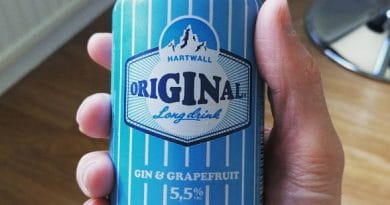
The task was undertaken by Hartwall, a prominent Finnish beverage company. The result was the "Original Long Drink," a refreshing combination of gin and grapefruit soda designed to be served quickly and chilled. While the 1952 Games are often noted in cultural history for being the first Summer Olympics since 1912 to exclude art competitions—preventing local luminaries such as poet Aale Tynni from defending previous accolades—the introduction of the long drink provided a different kind of lasting legacy. Although intended to be a temporary offering for the duration of the games, the beverage proved so popular with the public that production continued, eventually cementing its status as a national icon.
Product Composition and Technical Specifications
Standard Finnish long drinks typically feature an alcohol by volume (ABV) ranging between 5.0% and 8.0%. The classic profile is defined by a balance of tartness, carbonation, and the botanical bitterness of gin.
Flavor Profile Analysis
The "Original" Hartwall iteration is noted for its sophisticated balance. Sensory analysis reveals a prominent nose of white grapefruit flesh, followed by a palate that is notably less saccharine than contemporary American sodas. The mid-palate is characterized by sharp acidity and distinct juniper notes, typical of a high-quality London Dry gin. The finish is generally crisp and dry, lacking the cloying aftertaste often associated with malt-based RTDs.
Varietal Differences
As the market has matured, several competitors have entered the space, offering variations on the original recipe. For instance, Laitilan Gini Long Drink presents a different profile, often described as having "ruby red" grapefruit notes and a sweeter, more fruit-forward presence. However, industry analysts often note that some variations struggle to maintain the clarity of the gin’s botanical profile, sometimes allowing the grapefruit component to overshadow the juniper-heavy base.
The Lonkero Timeline: From Discontinuation to Global Expansion
The history of the long drink is marked by a significant hiatus and a subsequent, demand-driven resurgence.
- 1952: Hartwall launches the Original Long Drink for the Helsinki Summer Olympics.
- 1970s: Due to shifting regulatory environments and market changes, the product was briefly discontinued. However, public nostalgia and sustained demand for the specific flavor profile forced a reintroduction.
- 1995: Finland’s entry into the European Union led to the liberalization of alcohol sales, allowing for a wider variety of "long drinks" to be produced, including fermented versions (kilju-based) which could be sold in grocery stores.
- 2015: Hartwall initiated a strategic international push, signing distribution agreements to bring the beverage to the Netherlands, Sweden, and Belgium.
- 2016: The brand expanded into Asian markets, with a particular focus on Japan, capitalizing on the global trend toward premium gin-based beverages.
- 2018–Present: The "Finnish Long Drink" category has seen significant growth in North America, with several brands—some Finnish-owned and others inspired by the tradition—entering the U.S. market to target the growing RTD sector.
Market Expansion and Economic Implications
The international trajectory of the long drink reflects a broader shift in global consumer preferences toward "sessionable" drinks—beverages with moderate alcohol content that can be consumed over a longer period.
The European and Asian Pivot
The 2015-2016 expansion into the Netherlands and Japan was a calculated move to test the beverage’s appeal in diverse regulatory and cultural environments. In Japan, the product aligns with the existing popularity of "Chu-hi" (canned shochu highballs), though the gin base of the lonkero offers a premium Western alternative. In Europe, the drink competes with established cider and flavored beer markets, positioned as a more sophisticated, "cleaner" tasting option.
Cult Following and Organic Growth
Outside of primary distribution hubs, the lonkero has inspired a dedicated following. In the United Kingdom, for example, niche bars in cities like Brighton have gained notoriety for serving the drink, often highlighted in consumer reviews as a "quirky" or "unique" find. This organic interest suggests a high potential for further market penetration as global distribution networks expand.
Analysis of the DIY Movement and Ingredient Substitutions
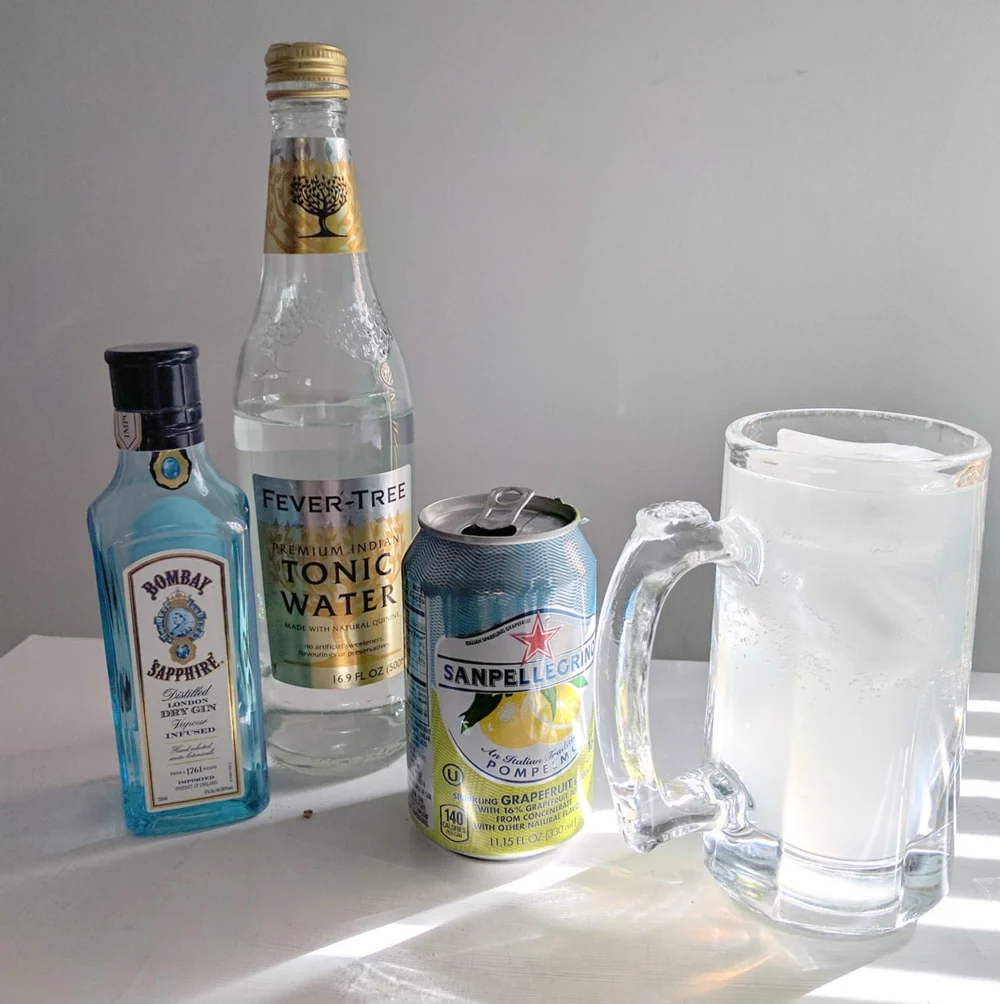
In regions where authentic Finnish long drinks are not readily available, a robust "Do-It-Yourself" (DIY) culture has emerged among enthusiasts. This phenomenon highlights the unique challenge of replicating the specific flavor profile of Finnish grapefruit soda, which differs significantly from standard North American varieties.
Replicating the Profile
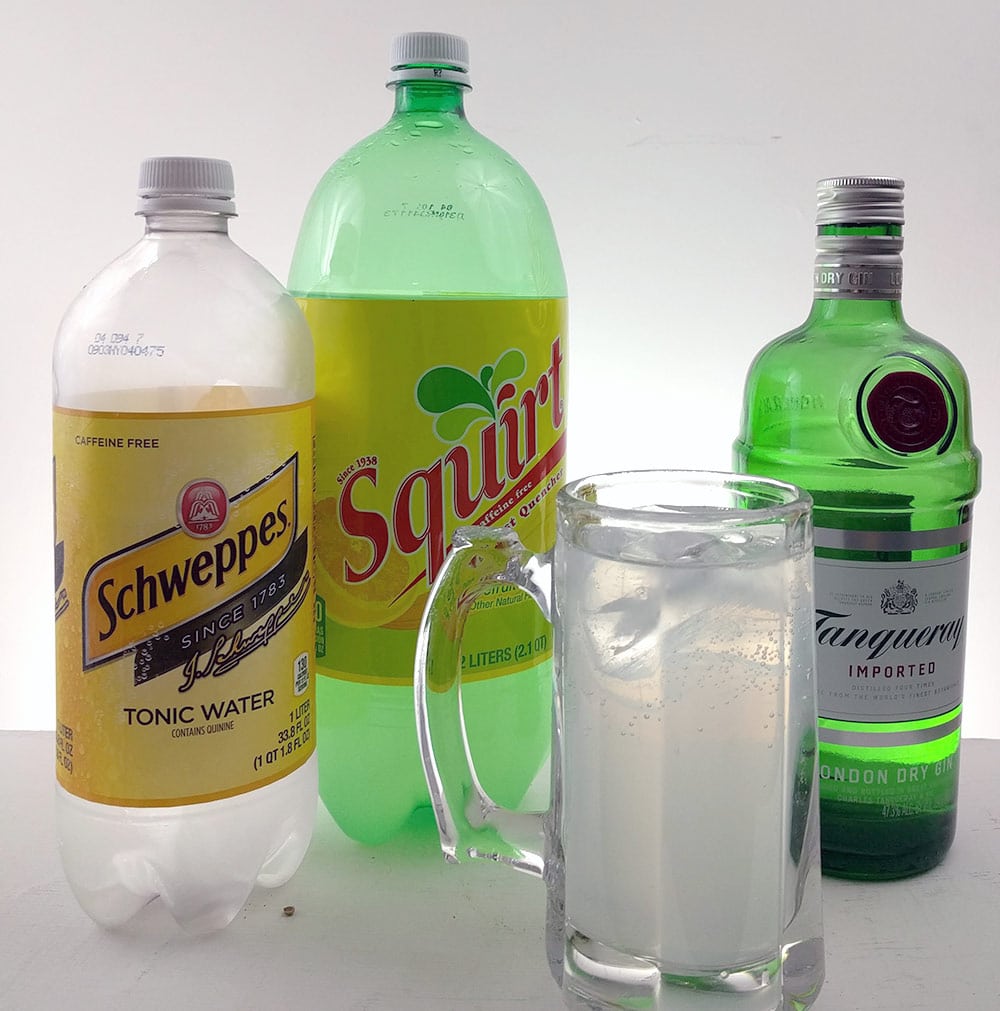
Analysis of various substitution methods indicates that standard grapefruit sodas like Squirt often prove too sweet for an authentic recreation. Conversely, sparkling juices such as Izze provide a more natural fruit flavor but lack the characteristic cloudy white appearance and specific tartness of the Finnish original.
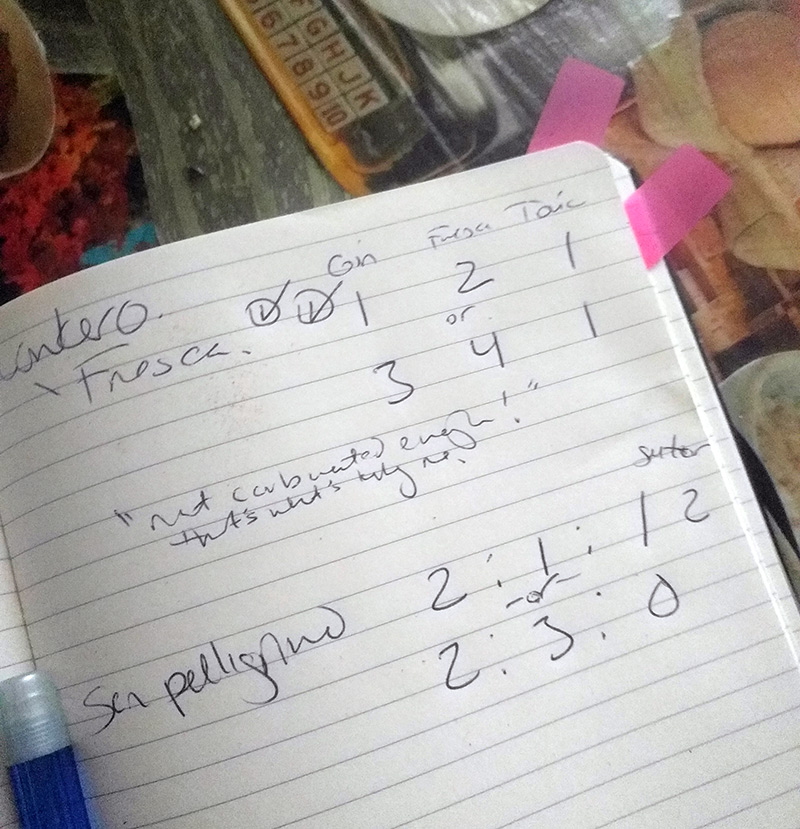
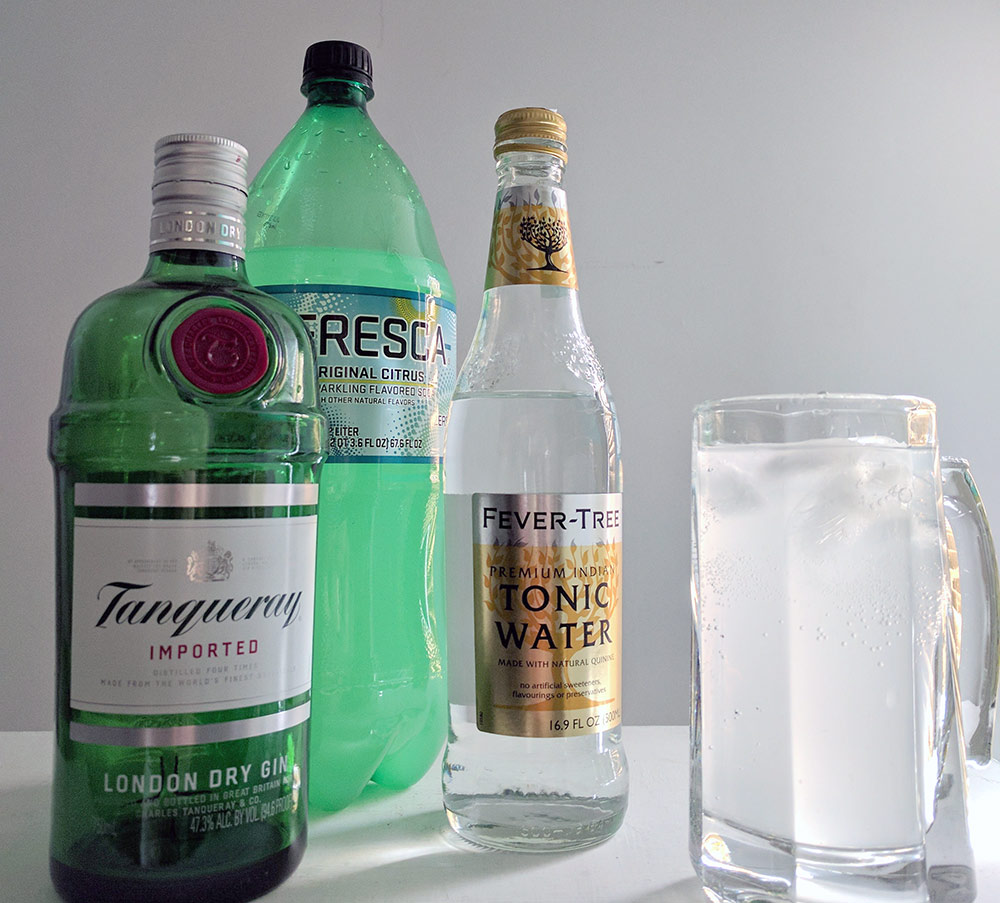
Industry experts and mixologists have found that the closest approximation in the North American market is often achieved using Fresca, a citrus-flavored soda produced by the Coca-Cola Company. The lack of sugar and the specific blend of citrus oils in Fresca more closely mimic the "dry" and "acidic" profile of the Hartwall original when combined with a juniper-forward gin like Tanqueray.
The Role of "Grape Tonic"
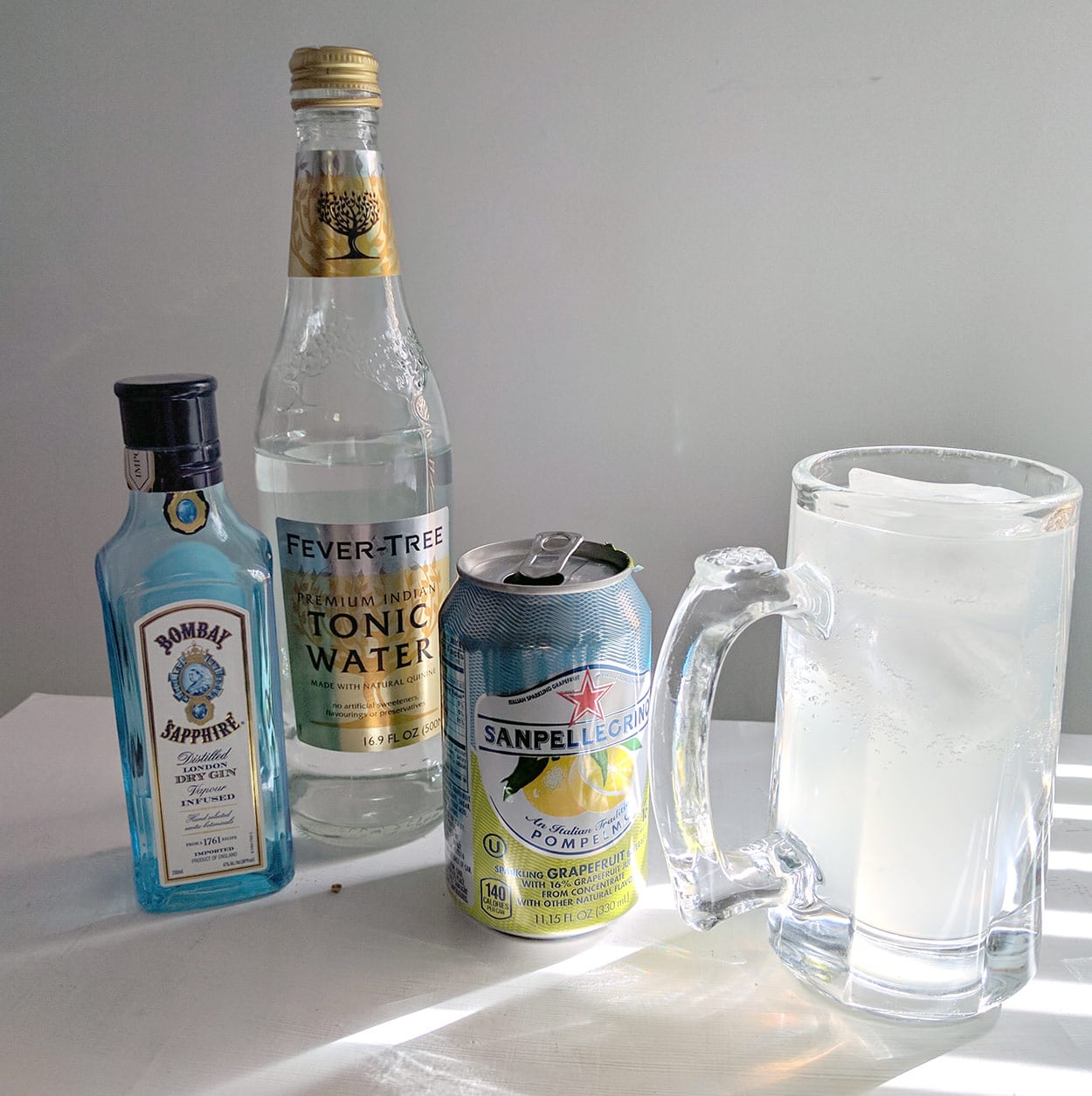
In Finland, a specific mixer known as "Grape Tonic" is frequently used. This product combines the bitterness of quinine with the tartness of grapefruit, a combination that is rare in other international markets. The absence of this specific mixer is cited as the primary hurdle for international consumers attempting to recreate the lonkero experience at home.
Broader Impact and Cultural Significance
The lonkero is more than a beverage; it is a cultural artifact of the Finnish "Social Contract." In Finland, alcohol consumption is often associated with the sauna—a space of egalitarianism and relaxation. The long drink, with its refreshing qualities and moderate ABV, has become the de facto beverage for this ritual.
Implications for the RTD Sector
The success of the lonkero has served as a blueprint for the modern RTD industry. While many contemporary "hard seltzers" rely on malt bases or neutral grain spirits with artificial flavoring, the Finnish long drink emphasizes a "real spirit" base (gin). This distinction is becoming increasingly important as consumers move toward "premiumization," seeking products with transparent ingredient lists and traditional craftsmanship.
Future Outlook
As the Finnish long drink continues its expansion into North America and further into Asia, it faces the challenge of maintaining its "Finnishness" while appealing to local palates. The success of the category has already led to the emergence of American-made "Long Drink" brands, which utilize the name and the gin-grapefruit formula. While this increases competition for Finnish heritage brands like Hartwall, it also validates the category on a global scale.
Conclusion
The journey of the Finnish long drink from a 1952 Olympic convenience to a global beverage category illustrates the power of heritage and the enduring appeal of a well-balanced flavor profile. As international markets continue to embrace gin-based ready-to-drink options, the lonkero stands as a pioneer of the format. Whether consumed in a traditional Finnish sauna or purchased in a Japanese convenience store, the "Long Drink" remains a testament to Finnish ingenuity and a significant player in the evolving global spirits landscape. For those in regions yet to receive official distribution, the reliance on DIY approximations underscores the product’s unique appeal—a blend of history, crisp citrus, and the timeless character of gin.