

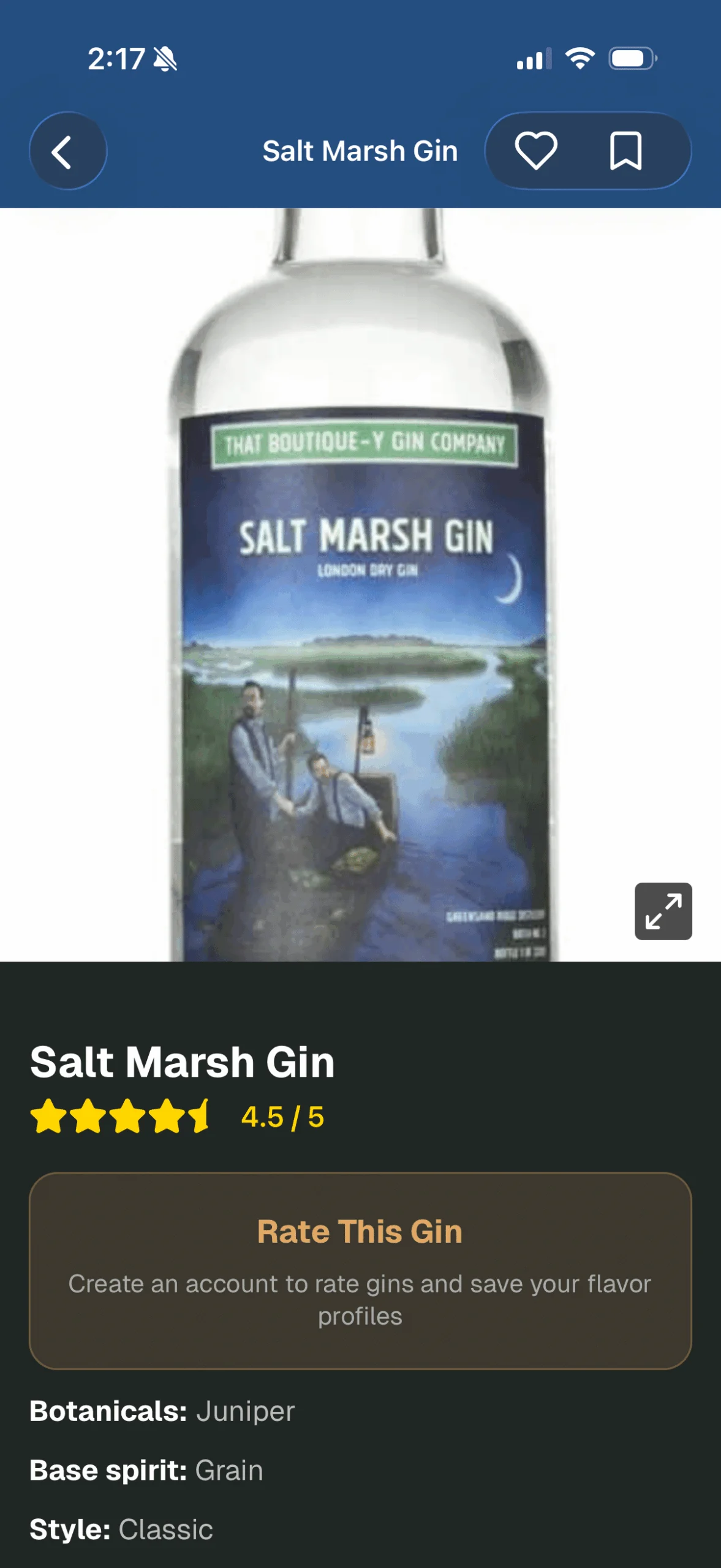
The GIN is IN, a premier online resource for gin enthusiasts and industry professionals, has officially announced the launch of its dedicated mobile application on the Apple App Store. This digital expansion marks a significant milestone for the platform, which has transitioned from a comprehensive review website into a portable, interactive tool designed to assist consumers in navigating the increasingly complex global gin market. Available as a free download, the application introduces a suite of features aimed at democratizing spirit education and providing users with a personalized method for cataloging their tasting experiences.
The launch of the application comes at a time when the gin industry is experiencing a sustained "renaissance," characterized by an explosion of craft distilleries and an unprecedented diversification of flavor profiles. By moving its extensive archive of reviews into a mobile format, The GIN is IN aims to provide real-time utility for consumers standing in retail aisles or browsing bar menus. While the initial release is exclusive to the iOS platform, the developer has confirmed that an Android version is currently in development, though a specific release date has yet to be finalized.
A Data-Driven Approach to Flavor Classification
Central to the utility of the new application is its sophisticated search functionality, which utilizes a seven-dimension flavor matrix. Historically, gin was predominantly defined by its juniper-forward character, as dictated by legal definitions in many jurisdictions. However, the modern market has seen a shift toward "Contemporary" or "New Western" styles where juniper takes a backseat to other botanicals. To address this, the app allows users to search the entire archive by seven distinct flavor dimensions: Juniper, Citrus, Floral, Heat, Herbal, Spice, and the newly introduced Fruited category.
The addition of the "Fruited" category in 2024 reflects a broader trend within the spirits industry. Over the last five years, the market has seen a surge in gins infused with whole fruits or natural fruit flavors, moving beyond traditional citrus peels to include berries, stone fruits, and exotic varieties. By isolating these seven dimensions, the application provides a granular level of searchability that traditional review platforms often lack. This methodological approach allows users to filter hundreds of gins based on their specific palate preferences, whether they seek a traditional London Dry or a modern, fruit-forward expression.
Empowering the Consumer Through Personal Archives
Beyond its function as a searchable database, the application introduces interactive tools that allow users to build a personal "flavor journey." A standout feature is the ability for users to create and save their own flavor diagrams. On the website version of The GIN is IN, flavor diagrams have long been a hallmark of the platform’s objective review style, visually representing the intensity of different botanical notes. The mobile app now places this tool in the hands of the consumer.
Users can keep track of the gins they have tried, assign their own scores, and generate custom flavor diagrams based on their individual perceptions. This feature addresses the subjective nature of tasting; while a professional reviewer might note a strong herbal finish, an individual consumer might perceive a more dominant spice profile. By allowing users to record these nuances, the app serves as a digital cellar book, helping enthusiasts refine their palates and maintain a permanent record of their tasting history.
Contextualizing the Development: A Solo Technical Achievement
The development of the app represents a significant technical undertaking, particularly as it was coded entirely by the founder of The GIN is IN. In an era where many spirit-related apps are produced by large media conglomerates or marketing firms with significant venture capital backing, the solo-coded nature of this project highlights a commitment to independent journalism and niche expertise.
The decision to launch on iOS first was a strategic choice dictated by the resources available to a single developer. By focusing on one operating system, the developer ensured that the core functionalities—search, database management, and the diagramming tool—were stable before expanding to the broader Android market. This "software-as-a-service" (SaaS) approach to spirit education ensures that the app remains lean, fast, and focused on the user experience without the clutter of excessive third-party advertising.
The Evolution of the Gin Market: 2010–2024
To understand the necessity of such an application, one must look at the trajectory of the gin industry over the last decade. In the early 2010s, the "Gin Craze" began in the United Kingdom and quickly spread to Western Europe, North America, and Australia. According to data from the Wine and Spirit Trade Association (WSTA), gin sales have seen record-breaking growth, with hundreds of new distilleries opening annually.
In 2023 and early 2024, the market reached a point of hyper-saturation. Consumers are no longer choosing between three or four major brands; they are faced with thousands of local and international options. This saturation has led to "choice paralysis" among consumers. The GIN is IN application acts as a navigational aid in this crowded marketplace. The inclusion of the "Fruited" category is particularly relevant here, as market research indicates that younger demographics are increasingly drawn to flavored spirits, which often serve as an entry point into the broader world of gin.
Industry Implications and Future Growth
The release of the app has significant implications for both consumers and producers. For craft distillers, the platform offers a way to be discovered by a highly targeted audience. When a user searches for a specific flavor profile—such as a "High Floral, Low Heat" gin—smaller brands that might not have the marketing budget of global conglomerates have the opportunity to appear alongside industry leaders based on the merit of their flavor profile.
From a community perspective, the developer has signaled that the current iteration of the app is only the beginning. Future updates are expected to include:
- Community Reviews: Allowing users to contribute their own written assessments to the platform.
- Flavor Sharing: Enabling users to share their custom diagrams and tasting notes with friends or on social media.
- Expanded Database Integration: Further syncing between the mobile app and the main website’s historical data.
The app is currently available in all international markets where the distribution of alcohol-related content is legally permitted. To maintain a low barrier to entry, the search functions are accessible without an account, though users must sign up with an email address to access the saving and diagramming features.
Technical Analysis of Digital Spirit Cataloging
The GIN is IN follows in the footsteps of successful beverage-tracking applications like Untappd for beer or Vivino for wine. However, the spirit category presents unique challenges. Unlike wine, which is often tied to vintage and geography, or beer, which has established style categories (IPA, Stout, etc.), gin is defined by its botanical composition, which is often a proprietary secret.
The app’s use of a "flavor diagram" is a sophisticated solution to this problem. It moves away from binary "good/bad" ratings and toward a descriptive model. This shift is essential for spirits, where a gin that is "bad" for a classic Martini might be "excellent" for a Negroni or a Gin and Tonic. By focusing on flavor dimensions, the app provides a utility that is both educational and practical, helping users match specific gins to specific cocktails.
Conclusion and Market Outlook
The launch of The GIN is IN on the Apple App Store represents a pivotal moment for digital spirits journalism. By providing a free, high-utility tool for flavor discovery, the platform is well-positioned to remain a leader in the niche field of gin education. As the "Fruited" gin trend continues to evolve and as more consumers seek out artisanal products, the demand for transparent, data-driven review platforms is expected to grow.
While the gin industry may eventually see a cooling of its meteoric growth, the move toward "premiumization"—where consumers drink less but choose higher-quality bottles—suggests that tools like The GIN is IN will become even more relevant. For now, iOS users can begin their "flavor journey" immediately, while the Android community awaits the next phase of the app’s rollout. The developer’s invitation for feedback and suggestions indicates that the application will continue to evolve in tandem with the tastes of its user base, potentially setting a new standard for how spirits are cataloged and enjoyed in the digital age.