

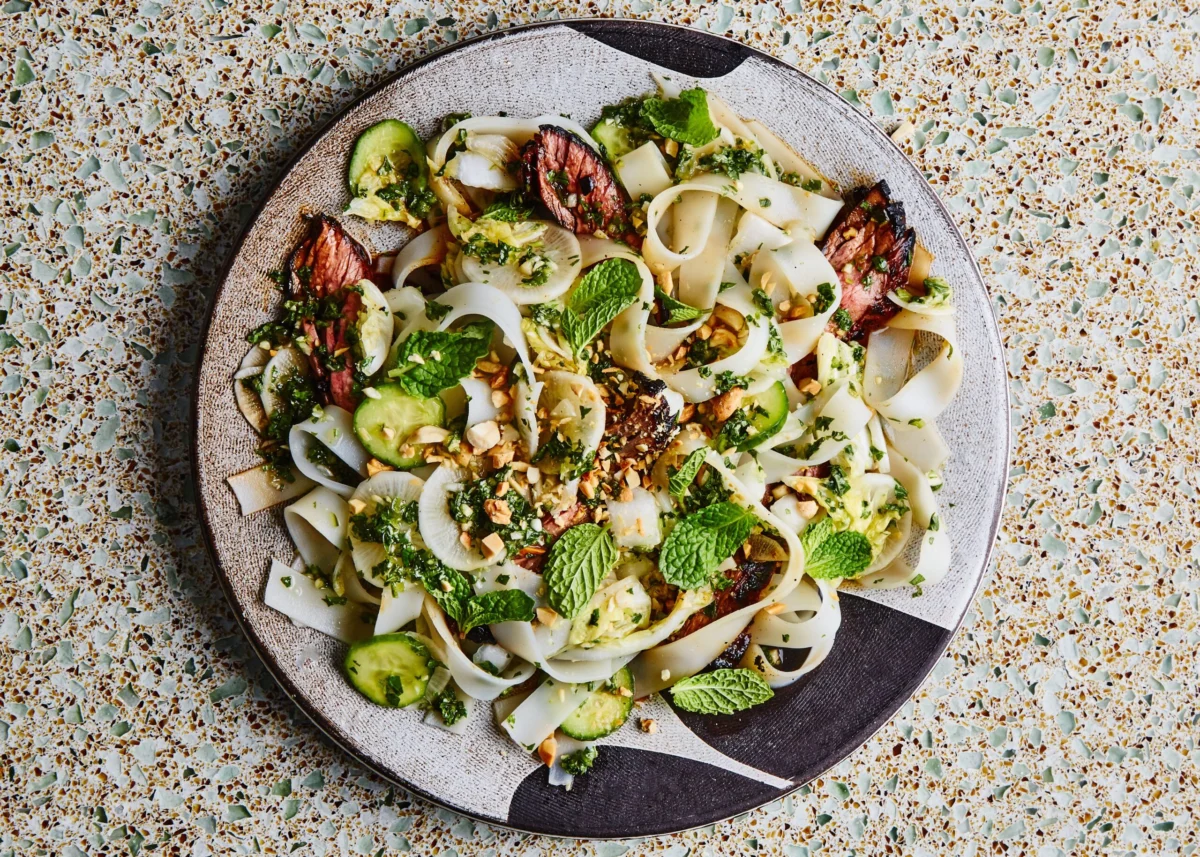
Yes, all of these rice noodle recipes center on a star ingredient (the noodles), but there’s so much variety within the category, establishing a culinary canon as expansive as it is delicious. From brothy bowls that soothe the soul to punchy stir-fries that awaken the palate, and from vibrant, chilled noodle salads perfect for warmer climes, these are the rice noodle preparations that have transcended geographical boundaries to become enduring favorites worldwide. This versatile staple, often underestimated in its complexity, represents a cornerstone of numerous global cuisines, reflecting centuries of culinary innovation and cultural exchange. Its adaptability, quick cooking time, and remarkable ability to absorb and amplify diverse flavors have cemented its status not merely as a dish component but as a culinary phenomenon warranting a deeper exploration into its origins, varieties, and far-reaching impact.
Historical Roots and Cultural Significance
The origins of rice noodles are deeply intertwined with the history of rice cultivation itself, tracing back to ancient China, particularly in the southern regions where rice was a primary crop. While exact timelines are debated among culinary historians, evidence suggests rice noodles have been a dietary staple for over a millennium, possibly emerging as early as the Qin Dynasty (221-206 BC) or even earlier during the Han Dynasty (206 BC – 220 AD). The development of milling techniques to process rice into flour paved the way for various forms of rice-based foods, including noodles. Initially, these noodles were likely simple, sun-dried strands, evolving over centuries into the myriad shapes and textures recognized today.
The migration of people, trade routes like the Silk Road, and subsequent colonial influences played pivotal roles in disseminating rice noodle traditions across Asia. From China, rice noodles traveled to Southeast Asian nations such as Vietnam, Thailand, Cambodia, Laos, and beyond, adapting to local ingredients and culinary philosophies. In Vietnam, for instance, rice noodles became integral to iconic dishes like Phở, a testament to French culinary influence combined with local Vietnamese flavors, and Bún Chả, a vibrant combination of grilled pork and fresh herbs. Thailand developed its own distinctive noodle culture, giving rise to Pad Thai, a globally celebrated stir-fried noodle dish, and Khao Soi, a rich coconut curry noodle soup. Malaysia and Singapore boast Char Kway Teow, a smoky, wok-fried flat rice noodle dish that exemplifies the culinary melting pot of the region. Each adaptation not only embraced the rice noodle but also imbued it with unique characteristics that spoke to the local palate and culinary heritage. This historical spread underscores rice noodles not just as food, but as a vehicle for cultural identity and exchange.
The Craft of Rice Noodle Production
The production of rice noodles, whether through traditional artisanal methods or modern industrial processes, fundamentally revolves around the transformation of rice grains into a pliable, stable noodle form. The primary ingredients are typically simple: rice flour and water, sometimes with the addition of tapioca starch for enhanced elasticity and chewiness.
Traditionally, the process begins with soaking rice grains, often overnight, to soften them. The soaked rice is then ground into a fine paste, which is subsequently diluted with water to achieve a specific consistency. This slurry is then spread thinly onto steaming trays and cooked for a few minutes until it forms a delicate, translucent sheet. These sheets are then cooled, often lightly oiled to prevent sticking, and cut into desired noodle shapes and widths—from ultra-fine vermicelli to broad, flat ribbons. The noodles are then typically dried, either naturally under the sun or in controlled drying environments, to extend their shelf life. This labor-intensive process, often passed down through generations, ensures a product with a distinctive texture and purity of flavor.
Modern industrial production scales this process, utilizing automated machinery for grinding, steaming, cutting, and drying. While efficiency is significantly increased, maintaining the authentic texture and quality remains a paramount concern for manufacturers. Advanced quality control measures are employed to ensure consistency in thickness, elasticity, and cooking performance. The choice of rice variety—long-grain, short-grain, or glutinous—also significantly impacts the final texture and flavor profile of the noodle, with different rice types preferred for specific noodle applications. For instance, non-glutinous long-grain rice is commonly used for noodles requiring a firmer, more distinct bite.
A Spectrum of Shapes and Textures: Navigating the Rice Noodle Canon
You’ll encounter a vast array of names at the store—rice sticks, rice vermicelli, flat rice noodles; it’s worth familiarizing yourself with the differences and understanding each noodle’s actual name. Each type brings something distinct to the table, influencing the mouthfeel, cooking time, and overall character of a dish. The diversity in shapes, widths, and thicknesses allows for an astonishing range of culinary applications.
-
Bún Phở (Medium-Width Flat Noodles): These iconic noodles are perhaps most famously associated with Vietnamese Phở. Their medium width and flat profile make them ideal for absorbing the rich, aromatic broth of the soup without becoming overly soft. They offer a satisfying chew that complements the tender meat and fresh herbs found in Phở. Beyond soups, they can also be found in certain stir-fried dishes where a substantial, yet not overly heavy, noodle is desired. The term "bún" generally refers to round rice vermicelli in Vietnamese cuisine, but in the context of Phở, the flat noodles are distinct.
-
Ho Fun (or Hor Fun) / Kway Teow (Wide, Chewy Flat Noodles): Originating from Cantonese cuisine, these wide, broad, and remarkably chewy flat rice noodles are perfect for high-heat stir-fries. Their robust texture allows them to withstand vigorous tossing in a wok, developing a characteristic smoky flavor known as ‘wok hei’. Dishes like Char Kway Teow (Malay/Singaporean) and Beef Chow Fun (Cantonese) are prime examples of their application. Their surface area also allows for excellent sauce adhesion, making them incredibly flavorful.

-
Hsinchu Mifen (Delicate Rice Vermicelli): Hailing from Hsinchu, Taiwan, these extremely thin, delicate rice vermicelli noodles are known for their quick-cooking properties and ability to absorb flavors rapidly. They excel in lighter stir-fries, noodle salads, and sometimes in broths where a fine, almost hair-like noodle is preferred. Their delicate nature means they cook very quickly, requiring careful timing to prevent overcooking, which can lead to a mushy texture. They are also popular in various Southeast Asian cuisines, often labeled simply as "rice vermicelli" or "rice sticks."
-
Bún (Thin Rice Vermicelli): Distinct from the Bún Phở in shape, these thin, round vermicelli noodles are widely used across Vietnamese cuisine in dishes like Bún Chả (grilled pork with noodles), Bún Bò Huế (spicy beef noodle soup), and spring rolls (Gỏi Cuốn). Their fine texture makes them excellent for absorbing lighter dressings and sauces, and they provide a delicate counterpoint to richer ingredients.
-
Sen Lek / Sen Yai (Thai Rice Noodles): In Thailand, rice noodles are categorized by width. Sen Lek refers to thin or medium-width flat noodles, commonly used in Pad Thai and Pad See Ew. Sen Yai are the wider, thicker flat noodles, often found in Pad See Ew and Rad Na (noodles with gravy). These variations allow for specific textural experiences crucial to the authenticity of Thai dishes.
-
Glutinous Rice Noodles: While less common than their non-glutinous counterparts, some regional varieties utilize glutinous rice flour, resulting in a chewier, stickier texture. These are often found in specific dessert applications or savory dishes where a distinctively dense and chewy noodle is desired.
No matter the shape or name, one thing holds true across the board: rice noodles cook fast and absorb flavor like a dream. This characteristic is precisely what makes them so versatile and beloved by chefs and home cooks alike. Their relatively neutral flavor profile also means they serve as an excellent canvas for a wide array of seasonings, spices, and ingredients.
The Global Market and Economic Impact
The global rice noodle market is a significant segment of the broader Asian food market, experiencing steady growth driven by increasing demand for convenient, healthy, and ethnically diverse food options. While precise, real-time figures fluctuate, industry analyses have consistently pointed to a robust market valuation. For instance, market research reports have estimated the global rice noodle market to be valued in the range of several billion U.S. dollars, with projections indicating continued growth at a Compound Annual Growth Rate (CAGR) of approximately 5-7% over the next decade. This expansion is fueled by rising disposable incomes, urbanization, and a growing interest in international cuisines, particularly in Western markets.
Major producing countries include China, Vietnam, Thailand, and other Southeast Asian nations, which are not only primary consumers but also significant exporters of rice noodles. These countries benefit from their extensive rice cultivation, established processing infrastructure, and deep-rooted culinary traditions. The export of rice noodles contributes substantially to their agricultural and food processing sectors, supporting numerous small and medium-sized enterprises (SMEs) and providing livelihoods for countless farmers and factory workers. For example, Vietnam’s exports of rice and rice products, including noodles, play a crucial role in its national economy, with substantial shipments directed to markets in North America, Europe, and other parts of Asia.
The increasing demand for gluten-free alternatives has also provided a significant boost to the rice noodle market. As more consumers seek out gluten-free options due to dietary restrictions or preferences, rice noodles offer a natural and flavorful substitute for wheat-based pasta and noodles, further expanding their market reach beyond traditional consumers. This trend has led to increased investment in production facilities and distribution networks, aiming to cater to a diverse global consumer base.
According to Dr. Li Wei, a food industry analyst specializing in Asian markets, "The rice noodle market is a microcosm of global food trends. Its growth reflects not only the increasing appreciation for authentic Asian flavors but also a broader shift towards healthier, more inclusive dietary choices. Manufacturers are continually innovating to meet diverse consumer demands, from organic varieties to instant noodle formats."
Culinary Innovation and Western Adoption
In recent decades, rice noodles have moved beyond specialty Asian markets to become a mainstream ingredient in Western kitchens and restaurants. This surge in popularity is a direct result of several factors: the globalization of food culture, the increasing number of Asian restaurants and eateries worldwide, and the aforementioned demand for gluten-free products.

Chefs in contemporary Western cuisine are increasingly incorporating rice noodles into innovative fusion dishes, moving beyond traditional Asian preparations. This includes everything from rice noodle salads with Mediterranean ingredients to unexpected pairings in fine dining establishments. The versatility of rice noodles allows for creative experimentation, offering different textures and mouthfeels compared to wheat pasta. This adaptability positions them as a dynamic ingredient for culinary exploration.
At the consumer level, the accessibility of rice noodles in major supermarkets has made them a pantry staple for many home cooks. Online recipe platforms and cooking shows have further demystified their preparation, encouraging individuals to experiment with dishes like homemade Pad Thai or quick Vietnamese noodle bowls. This widespread adoption signifies a deeper integration of Asian culinary traditions into the global gastronomic landscape.
"The beauty of rice noodles lies in their universal appeal," comments Chef Anya Sharma, a culinary instructor focusing on Asian techniques. "They are simple, elegant, and incredibly versatile. We’re seeing a new generation of cooks embrace them, not just for their authenticity in traditional dishes, but for their potential in wholly new culinary creations. They represent a blank canvas for flavor."
Nutritional Profile and Dietary Considerations
From a nutritional standpoint, rice noodles primarily consist of carbohydrates, providing an efficient source of energy. They are naturally gluten-free, making them an excellent alternative for individuals with celiac disease or gluten sensitivity. While they typically contain minimal protein and fat, they are often paired with protein-rich ingredients (meat, tofu, eggs) and an abundance of vegetables, creating balanced and wholesome meals.
Compared to wheat noodles, rice noodles generally have a similar caloric and carbohydrate content per serving. However, their gluten-free nature is a distinct advantage for a growing segment of the population. They are also relatively low in sodium, especially in their plain, uncooked form, allowing for greater control over the sodium content of the final dish through seasonings and sauces.
Challenges and Future Outlook
Despite their widespread appeal and economic significance, the rice noodle industry faces certain challenges. Supply chain resilience, particularly concerning rice cultivation, can be affected by climate change, water scarcity, and geopolitical factors. Ensuring sustainable sourcing of rice and minimizing environmental impact throughout the production process are becoming increasingly important considerations for manufacturers and consumers alike.
Maintaining the balance between traditional artisanal quality and the efficiencies of mass production is another ongoing challenge. Consumers often seek authentic textures and flavors, which can be difficult to replicate consistently on an industrial scale without careful attention to process and ingredients. Innovation in packaging, shelf-stable formats, and specialized varieties (e.g., organic, brown rice noodles) will continue to drive market evolution.
Looking ahead, the future of rice noodles appears bright. Their enduring appeal, coupled with continuous culinary innovation and increasing global accessibility, ensures their place as a fundamental and evolving component of the world’s culinary tapestry. As global palates become more adventurous and health-conscious, the versatility, gluten-free nature, and flavor-absorbing prowess of rice noodles will continue to captivate and nourish, solidifying their status as a truly global culinary staple.