

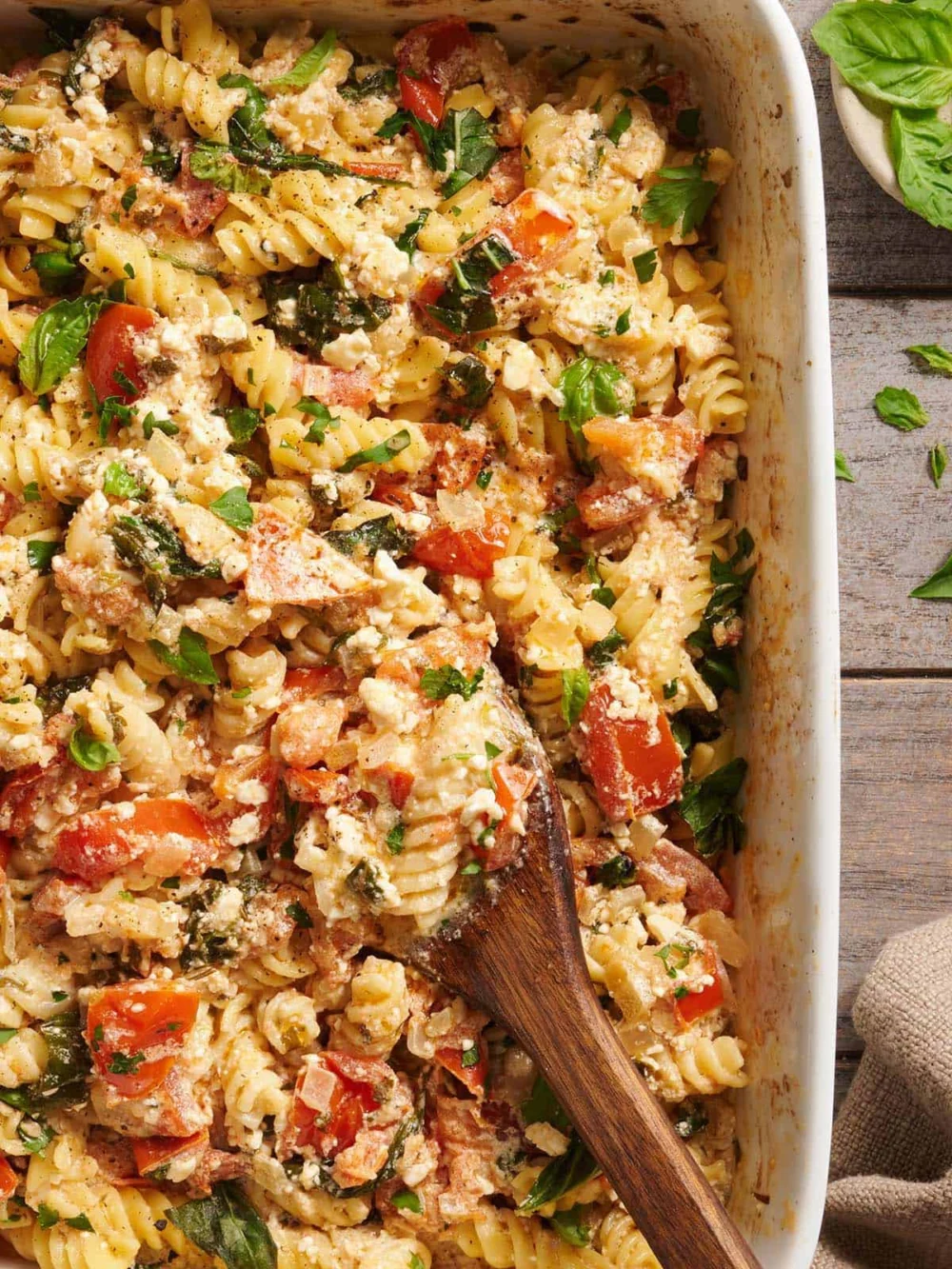
The global culinary landscape underwent a significant transformation with the emergence of the "uunifetapasta," a dish that transitioned from a regional Finnish specialty to a worldwide social media phenomenon. Originally conceived by Finnish food artist Jenni Häyrinen in 2019, the recipe’s simplicity—a block of feta cheese roasted with tomatoes and olive oil—triggered a cultural shift in home cooking. As the recipe permeated global markets via platforms like TikTok and Instagram, it eventually led to documented shortages of feta cheese in various regions, most notably in the United States and Finland during early 2021. In the years following its initial viral peak, the dish has evolved further, reflecting broader economic trends. Modern adaptations, such as those developed in the Nashville Test Kitchen, emphasize cost-efficiency and accessibility, substituting expensive ingredients like cherry tomatoes with more economical Roma varieties to combat rising grocery inflation.
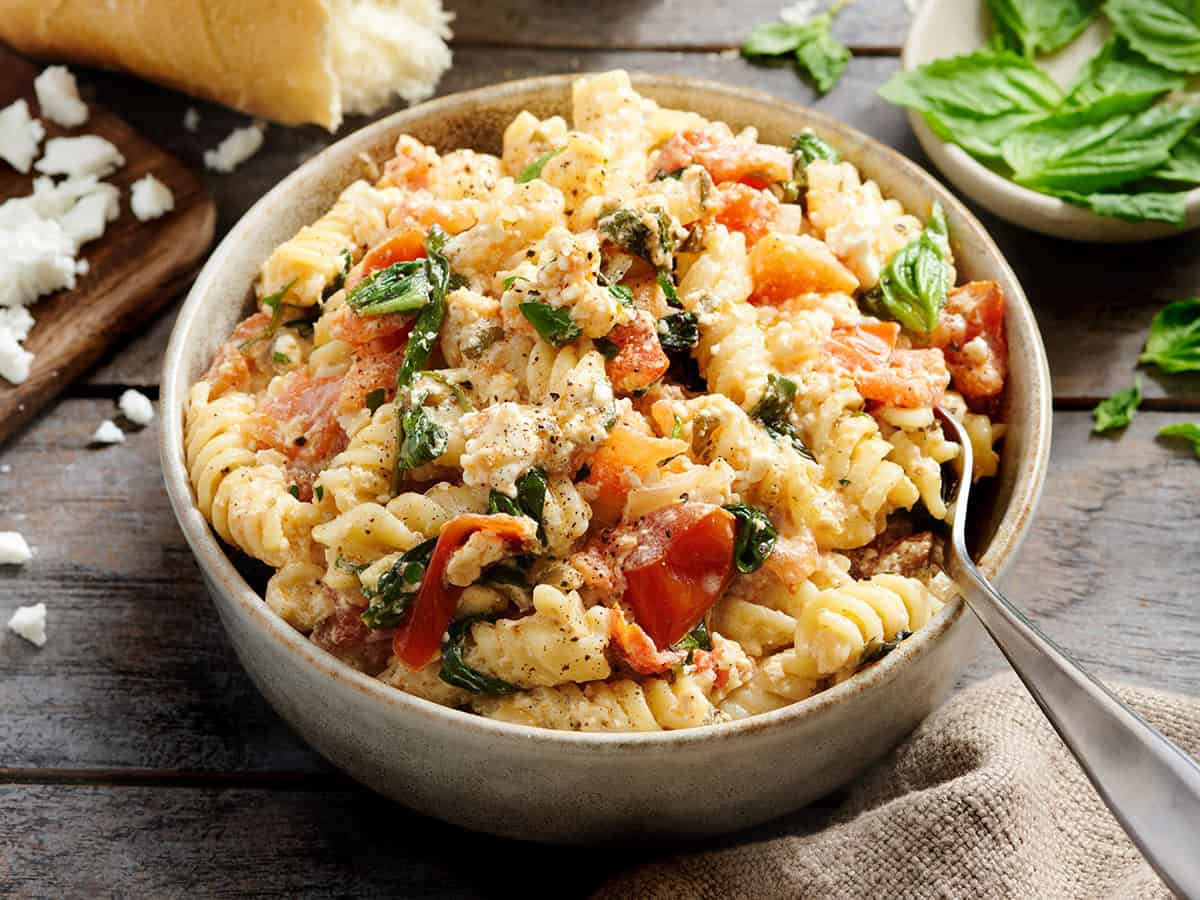
The Chronology of a Global Food Phenomenon
The trajectory of baked feta pasta provides a case study in the power of digital virality. In February 2019, Jenni Häyrinen shared a recipe for uunifetapasta (oven-baked feta pasta) on her blog. The post caused such an immediate surge in demand that feta sales in Finland reportedly rose by 300 percent, exhausting the nation’s supply. However, the dish did not achieve true global saturation until early 2021, when American creators began sharing their versions of the recipe.
By mid-2021, the #fetapasta hashtag had garnered over one billion views on TikTok. This surge in interest coincided with the COVID-19 pandemic, a period when home cooking was at an all-time high and consumers were seeking high-reward, low-effort meals. Industry analysts noted that the "one-pan" nature of the dish appealed to a demographic that valued both aesthetic "Instagrammable" results and minimal cleanup. Following the initial craze, the recipe entered a phase of refinement. Culinary professionals began experimenting with the core components, leading to the current iteration of the dish which prioritizes budget-conscious substitutions and nutritional density.
Economic Analysis of Ingredient Substitution
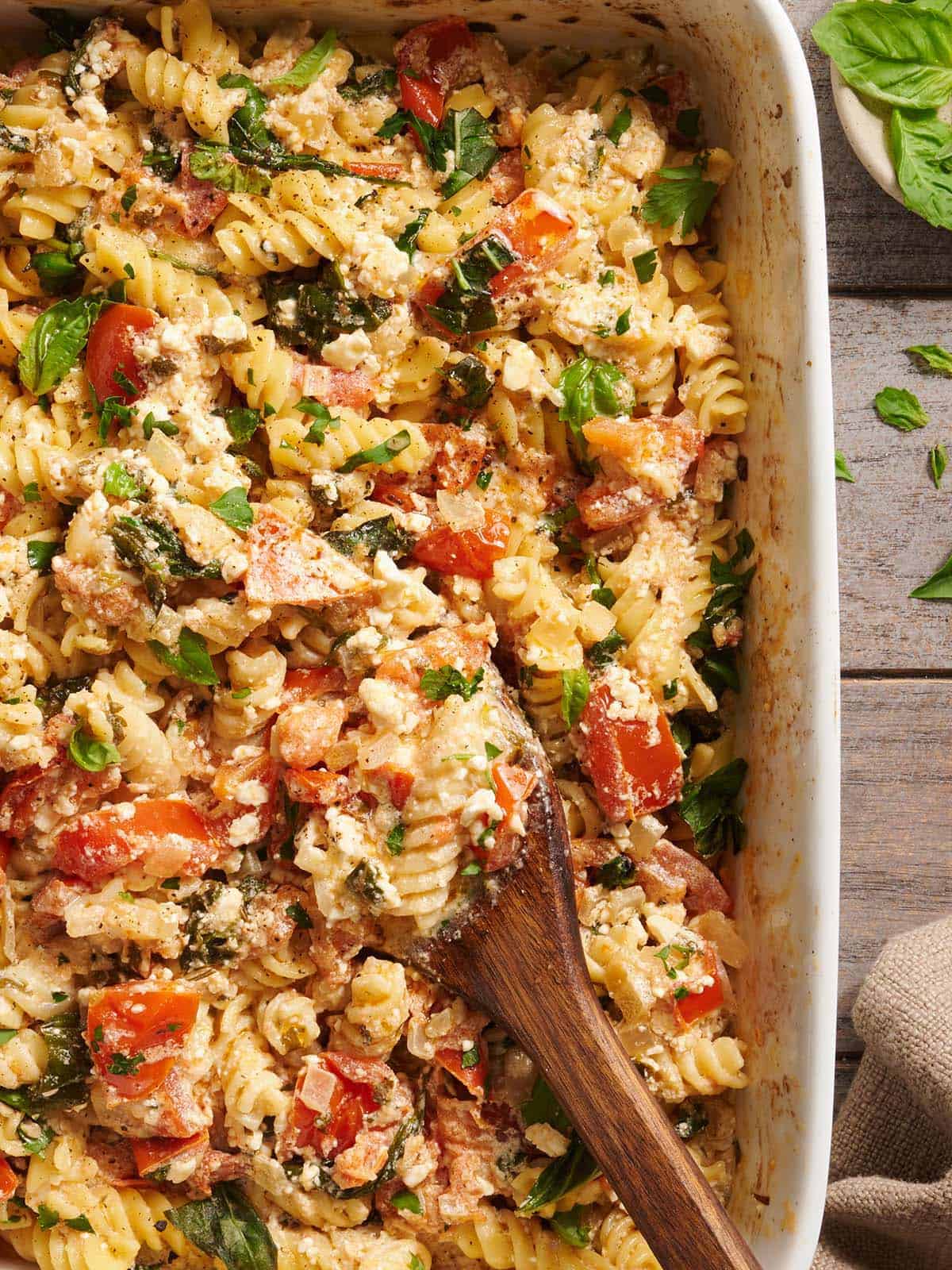
A primary factor in the sustained popularity of baked feta pasta is its adaptability to varying economic conditions. In the original viral iteration, the recipe called for approximately four cups of cherry or grape tomatoes. At current market rates in major North American urban centers, this quantity of premium small-format tomatoes can cost upwards of $8.32. In contrast, five large Roma tomatoes, which provide a similar volume and flavor profile once roasted, are priced at approximately $1.20.
This 85 percent reduction in the cost of the primary vegetable component illustrates a significant shift in consumer behavior toward "budget-friendly" cooking. Roma tomatoes, often referred to as plum tomatoes, possess a lower moisture content and a firmer flesh compared to other varieties, making them ideal for roasting. When diced and subjected to high heat, they achieve a "jammy" consistency that mimics the sweetness of expensive cherry tomatoes at a fraction of the price.

The total cost for a four-serving batch of this modernized feta pasta is estimated at $11.05, resulting in a per-serving cost of $2.76. This price point positions the meal well below the average cost of a fast-casual dining experience, which currently exceeds $12.00 per person in the United States.
Technical Culinary Specifications and Methodology
The preparation of baked feta pasta involves a specific sequence of chemical reactions—primarily the caramelization of sugars in the vegetables and the emulsification of fats in the cheese. The process begins with the preheating of a standard oven to 400°F (204°C).
The Roasting Phase
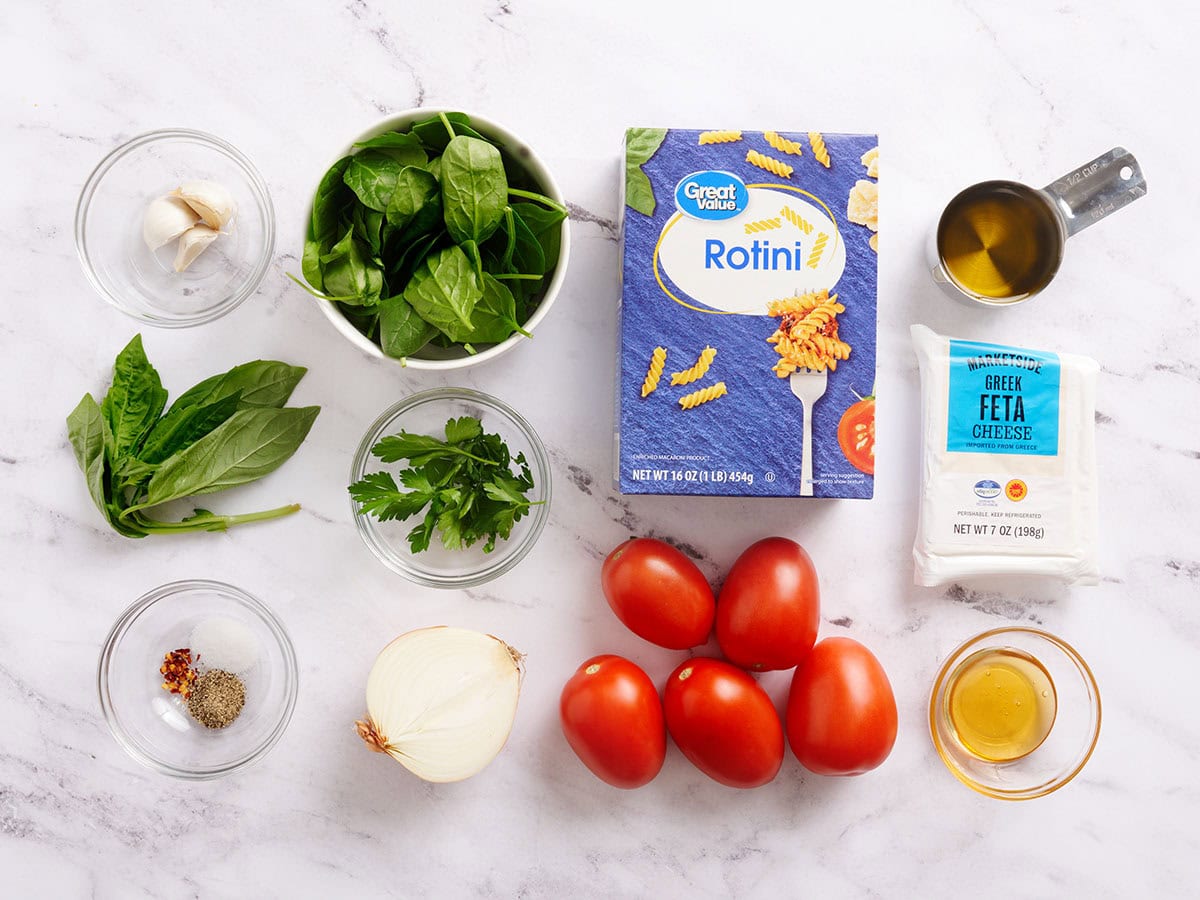
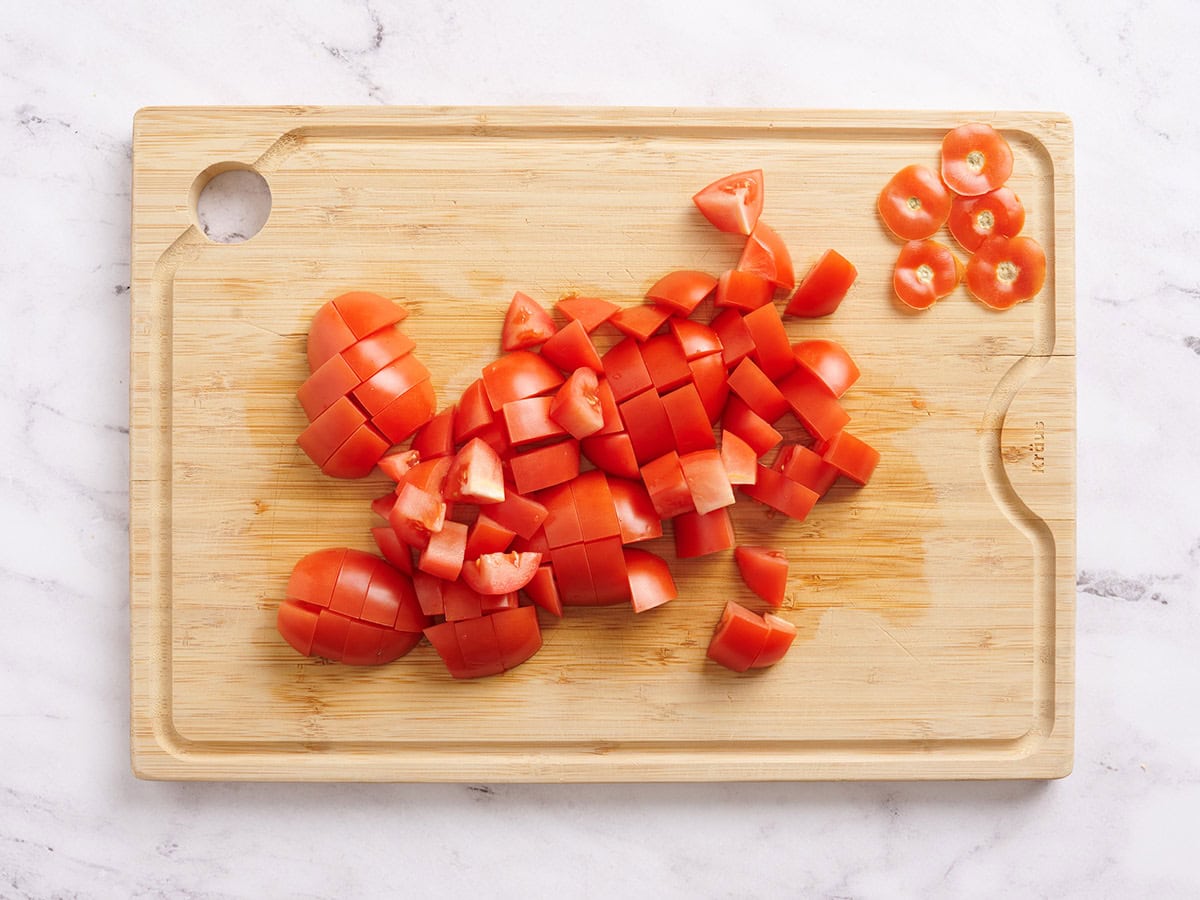
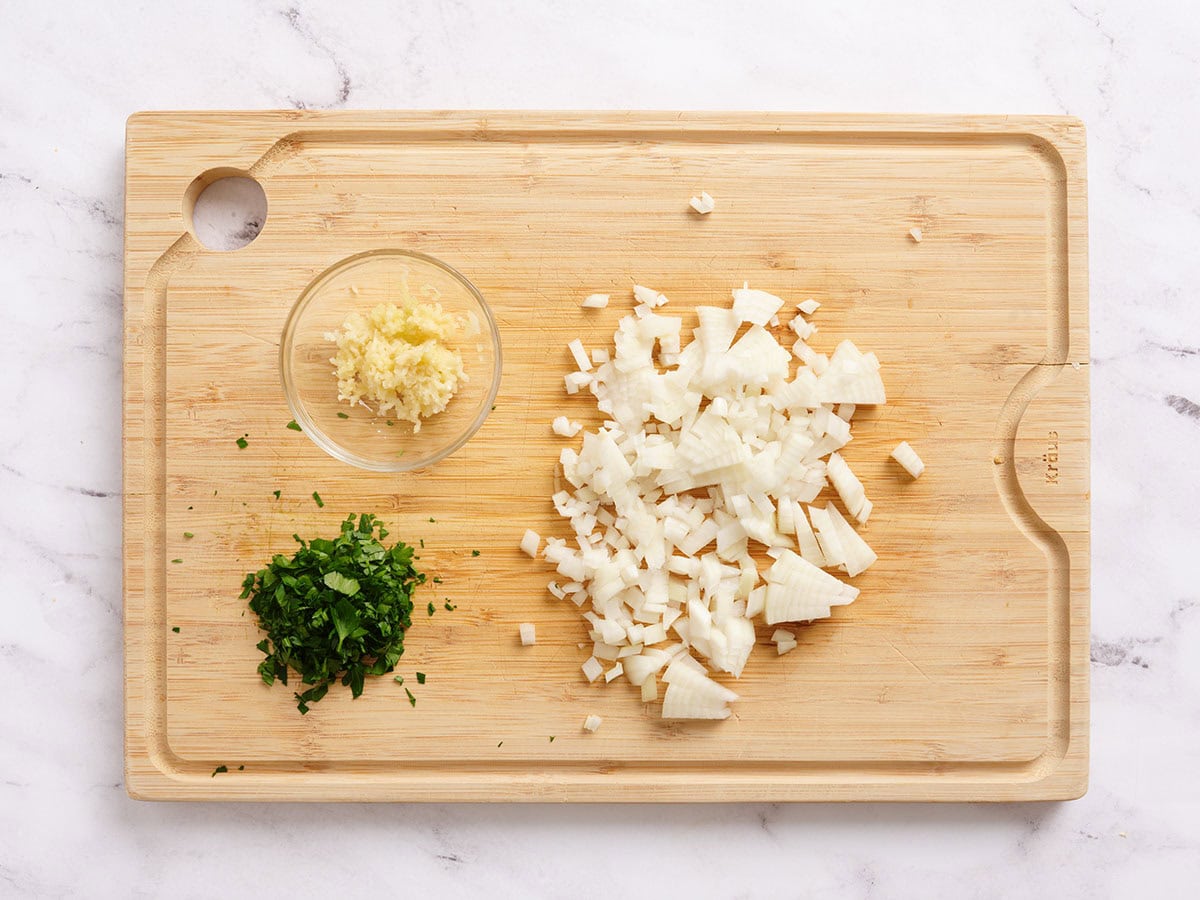
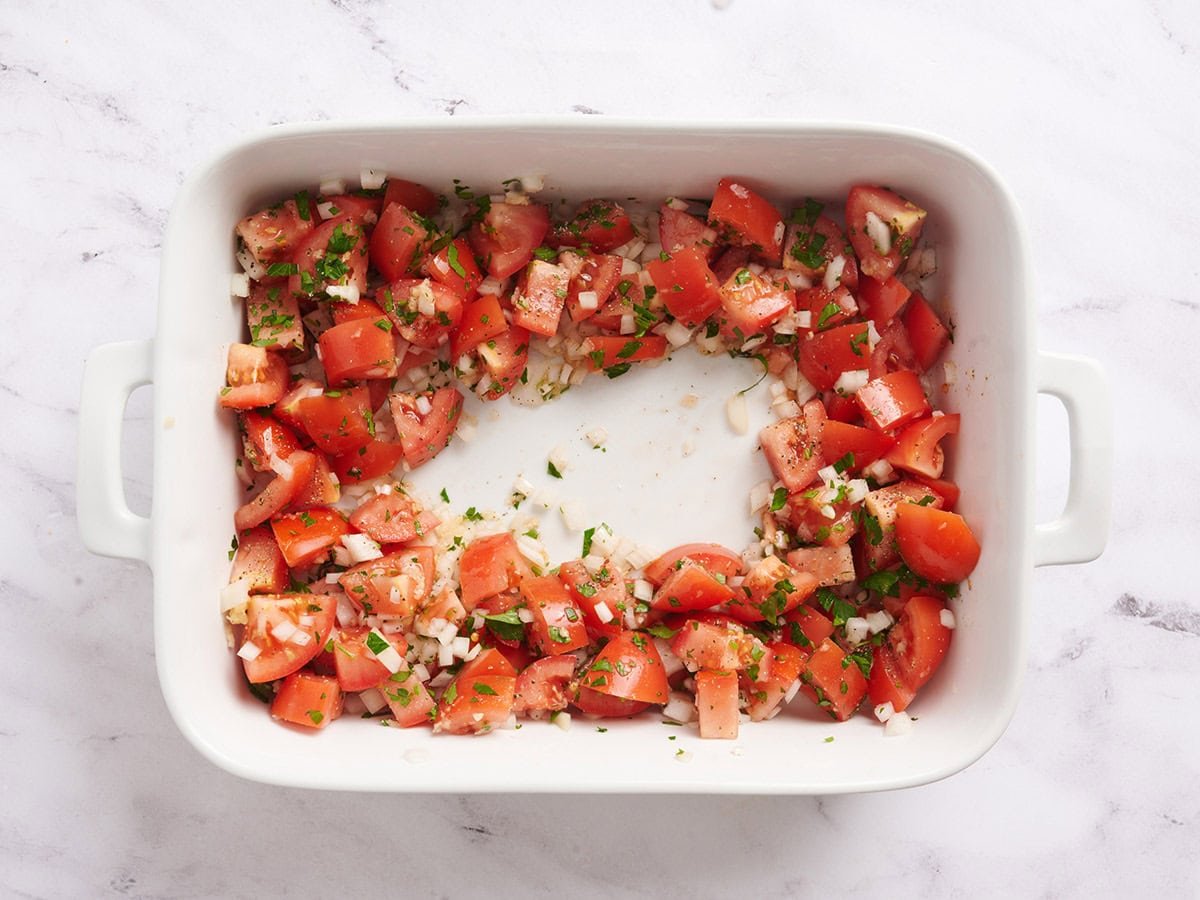
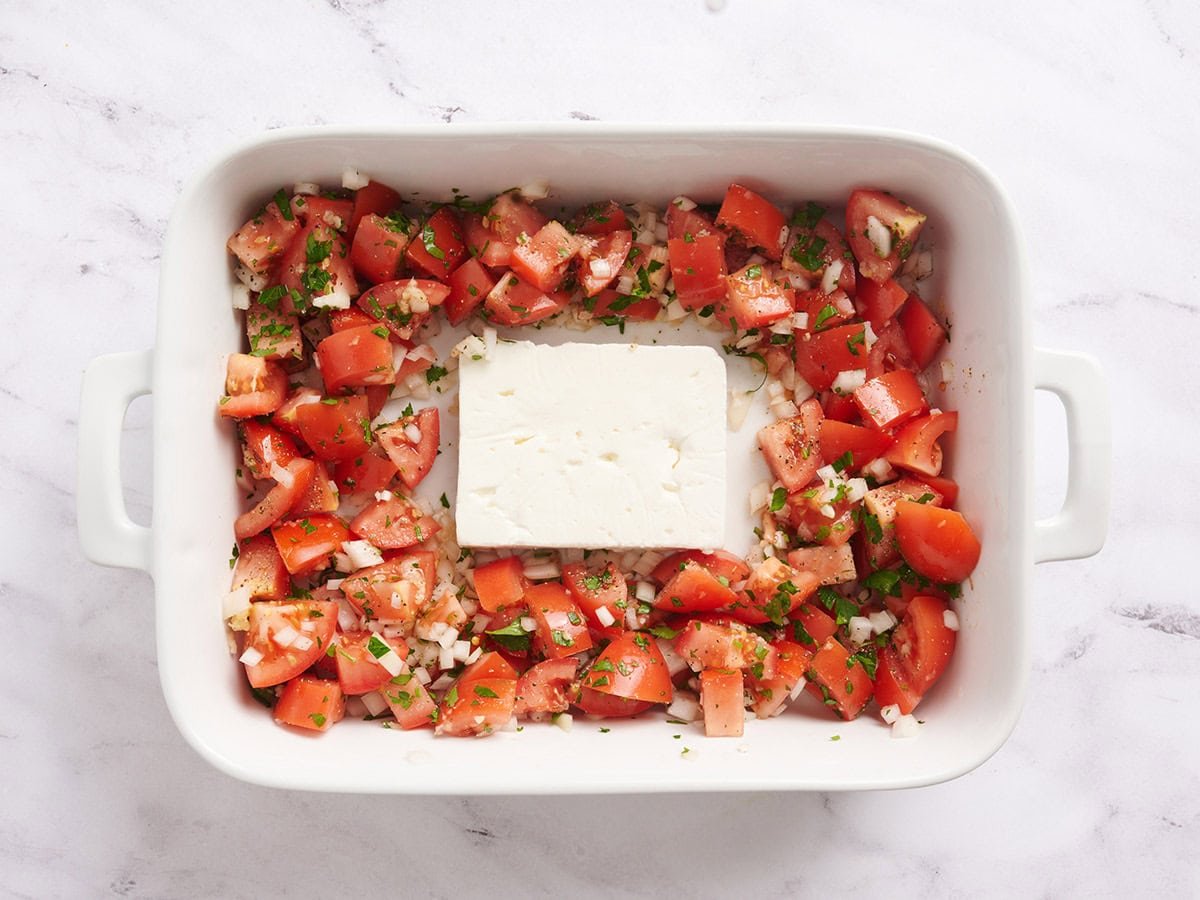
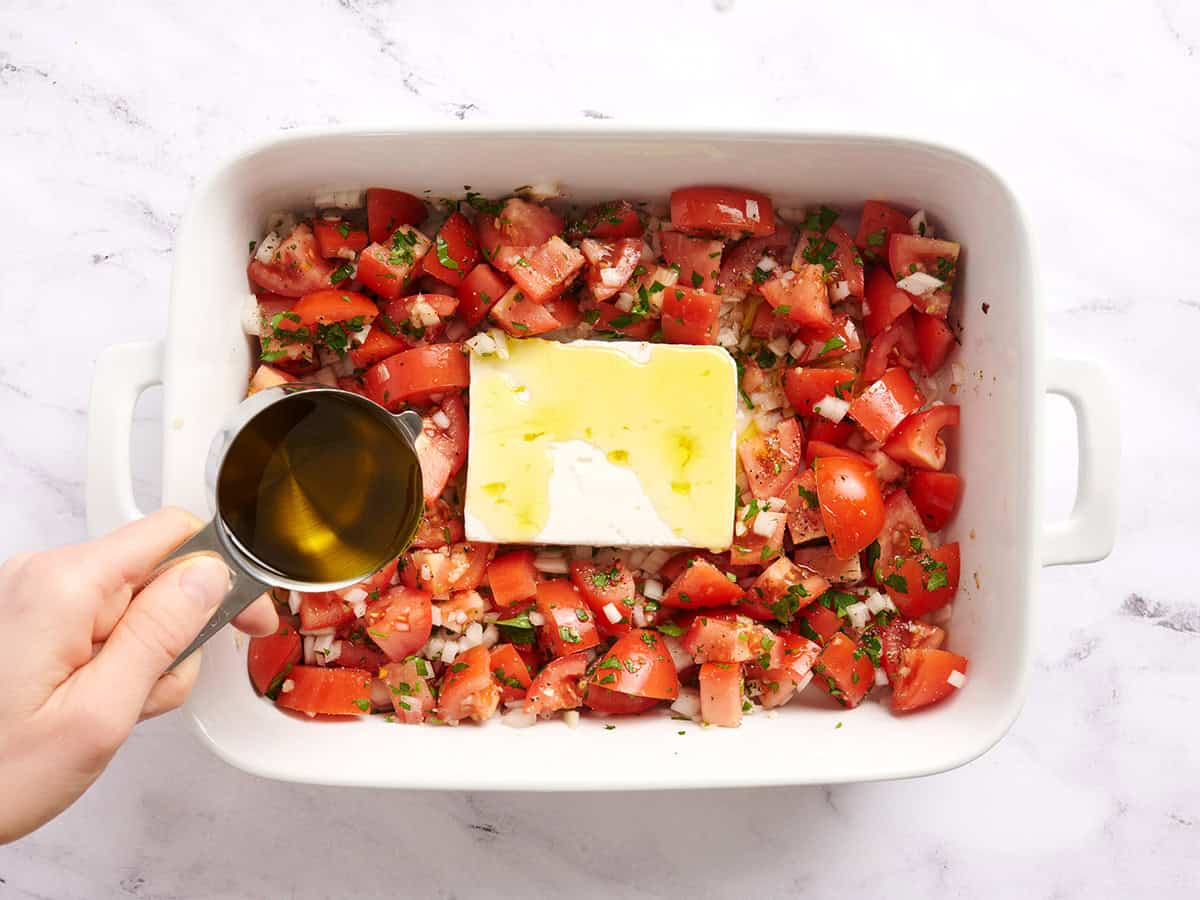
The foundation of the sauce is built directly within a 9×13-inch ceramic or glass baking dish. Five Roma tomatoes are diced into one-inch segments and combined with half of a yellow onion and three minced garlic cloves. The addition of aromatics like fresh parsley, along with seasonings such as red pepper flakes, salt, and black pepper, creates a complex flavor base. A seven-ounce block of high-quality feta cheese is placed in the center of the vegetable mixture. The entire assembly is then submerged in half a cup of extra virgin olive oil.
During the 40 minutes of roasting, the heat breaks down the cellular structure of the tomatoes, releasing their juices to mingle with the oil. Simultaneously, the feta cheese softens significantly. Unlike many other cheeses, feta has a high acid content and a unique protein structure that prevents it from melting into a liquid; instead, it becomes incredibly creamy and spreadable.
Emulsification and Integration
The second phase of the process involves the integration of starches. While the vegetables roast, eight ounces of rotini pasta are boiled in salted water. A critical step in the success of the sauce is the reservation of half a cup of pasta cooking water. This liquid, enriched with starch from the wheat, acts as a binding agent.
Once the baking dish is removed from the oven, fresh spinach is added to the hot mixture, wilting instantly. The addition of half a tablespoon of honey provides a counter-acidic balance to the tangy feta and tomatoes. When the reserved pasta water is stirred into the roasted feta and tomatoes, it creates a stable emulsion, resulting in a cohesive, silky sauce that coats the rotini.
Nutritional Profile and Dietary Implications
From a nutritional standpoint, the baked feta pasta represents a balanced Mediterranean-style meal. A single serving contains approximately 614 calories, with a macronutrient breakdown that includes 52 grams of carbohydrates, 16 grams of protein, and 39 grams of fat.
While the fat content is relatively high, it is primarily derived from olive oil and feta cheese, which are staples of the Mediterranean diet—a dietary pattern frequently cited by health organizations for its heart-health benefits. The inclusion of fresh spinach and tomatoes provides essential vitamins A and C, as well as antioxidants like lycopene. To further enhance the nutritional value, culinary experts often suggest serving the dish alongside lean proteins such as chicken or roasted vegetables like broccoli and asparagus.
Industry and Retailer Responses
The impact of the feta pasta trend was felt acutely by the dairy and produce industries. During the height of the trend, retailers like Walmart and Kroger reported unprecedented demand for block feta, as opposed to the more common crumbled variety. In response, some cheese producers increased production of 7-ounce and 8-ounce blocks to cater specifically to the "TikTok recipe" demographic.
"The feta pasta trend was a unique moment where social media directly dictated grocery store inventory," noted a Nashville-based culinary instructor, Jess Rice. "It proved that a simple, accessible recipe could move the needle on global commodity sales." Rice, who has worked as a chef professor and private chef for high-profile clients, emphasizes that the longevity of such trends depends on their ability to be modified. "By using Roma tomatoes and frozen spinach, we make the dish sustainable for the average household budget, ensuring it remains a kitchen staple rather than a passing fad."
Broader Implications and Future Outlook
The success of the baked feta pasta has paved the way for a new genre of "one-pot" or "dump-and-bake" recipes that dominate modern food media. This trend reflects a broader societal shift toward efficiency and the democratization of culinary skills. As inflation continues to impact global food prices, the focus of these viral trends is expected to lean further into "pantry staples" and affordable produce.
Furthermore, the transition from expensive cherry tomatoes to Roma tomatoes signifies a growing consumer intelligence regarding ingredient functionality. Home cooks are increasingly aware that flavor profiles can be replicated through technique—such as roasting—rather than relying solely on high-cost ingredients.
In conclusion, the baked feta pasta is more than a social media relic; it is a testament to the intersection of digital culture, culinary science, and economic pragmatism. As it continues to be adapted in test kitchens and home ovens around the world, its legacy remains defined by its ability to provide a high-quality, flavorful dining experience that remains accessible to a wide demographic of consumers. The dish stands as a benchmark for future food trends, highlighting the importance of simplicity, cost-effectiveness, and the undeniable appeal of melted cheese.