

The Finnish "lonkero," or Long Drink, has transitioned from a temporary logistical solution for the 1952 Helsinki Summer Olympics into a permanent fixture of Nordic culture and a burgeoning competitor in the international spirits market. Characterized by its signature blend of gin and grapefruit soda, the beverage has transcended its origins as a pre-mixed cocktail designed for efficiency to become a symbol of Finnish national identity. Today, as the global ready-to-drink (RTD) market experiences unprecedented growth, the traditional Finnish Long Drink is expanding its footprint across Europe, Asia, and North America, fueled by a combination of nostalgia, unique flavor profiles, and a dedicated cult following.
The Historical Genesis of the Long Drink
The origins of the Long Drink are inextricably linked to the socio-economic climate of post-war Finland. As Helsinki prepared to host the 1952 Summer Olympics, the Finnish government and the state-owned alcohol monopoly, Alko, faced a significant logistical challenge. The nation expected an influx of over 600,000 visitors, a number that threatened to overwhelm the capacity of local bartenders and service staff. To ensure that thirsty tourists and athletes could be served quickly and efficiently, Alko commissioned the production of a pre-mixed, bottled cocktail.
The Hartwall beverage company was tasked with creating this innovation. The result was two distinct products: a brandy-based long drink and the now-iconic gin-based version mixed with grapefruit soda. While the brandy version eventually faded from the mainstream, the gin and grapefruit combination—colloquially termed "lonkero" (the Finnish phonetic approximation of "long drink")—became an immediate sensation.
The 1952 Olympics were a turning point for Finland, marking its reintegration into the international community following the devastation of World War II. It was also a year of cultural transition. Notably, 1952 was the first year since 1912 that the Olympic Games did not award medals for art and literature. This shift meant that local luminaries, such as the 1948 gold medalist Aale Tynni, were unable to defend their titles in the arts. However, while the Long Drink was ineligible for an Olympic medal, its success in the commercial market provided a lasting legacy for the Games that remains visible in Finnish grocery stores and bars seven decades later.
A Chronology of Lonkero: From Crisis to Cult Status
The timeline of the Long Drink reflects the evolving tastes and regulatory environments of the Nordic region:
- 1952: Hartwall launches the Original Long Drink for the Helsinki Olympics. It was intended to be a temporary product, discontinued after the Games concluded.
- Post-1952: Due to overwhelming public demand, production continued. The drink became a staple of the Finnish "sauna culture" and a standard offering in public houses.
- The 1970s: Amidst shifting beverage trends, the product faced a period of discontinuation. However, the absence of the drink created a vacuum in the market, leading to a resurgence of consumer interest driven by nostalgia and the unique flavor profile that could not be easily replicated by other sodas.
- 1995: Following Finland’s entry into the European Union, the liberalization of alcohol laws allowed for more competition in the long drink category, leading to the introduction of fermented versions (typically 4.7% ABV) that could be sold in grocery stores.
- 2015: Hartwall initiates a strategic international expansion, securing distribution agreements in the Netherlands, Sweden, and Belgium.
- 2016: The brand enters the Asian market, with a particular focus on Japan, where the high-ball and RTD culture aligns closely with the Lonkero profile.
- 2018–Present: The "Long Drink" category enters the United States and North American markets, often marketed as a premium alternative to hard seltzers.
Market Analysis and Product Profiles
The contemporary Finnish Long Drink market is dominated by two primary styles: the traditional gin-based spirit and the fermented malt or wine-based alternatives. According to industry data, the authentic gin-based Lonkero generally maintains an alcohol-by-volume (ABV) of 5.0% to 7.5%.
Hartwall Original Long Drink
As the pioneer of the category, Hartwall’s "Original" remains the benchmark for the industry. Sensory analysis reveals a sophisticated balance between the acidity of white grapefruit and the botanical depth of London Dry Gin. Unlike many modern RTDs that rely heavily on artificial sweeteners, the Hartwall profile is noted for its crispness and a gently dry finish that mimics the experience of a high-quality Gin and Tonic. The prominent notes of juniper and citrus provide a refreshing quality that has allowed it to maintain market dominance for over 70 years.
Laitilan Gini Long Drink
Laitilan, a prominent craft brewery and distillery in Finland, offers a competing take on the classic. While Hartwall emphasizes the juniper-forward nature of the gin, Laitilan’s version is often described as fruit-heavy, incorporating notes of ruby red grapefruit alongside the traditional white grapefruit base. While this appeals to consumers seeking a sweeter, more juice-forward beverage, industry critics note that the juniper presence is often overshadowed by the citrus components, positioning it as a more approachable, albeit less traditional, entry in the category.
Global Expansion and the "Cult Following"
The international trajectory of the Finnish Long Drink is a case study in organic brand growth. For decades, the drink was a "hidden gem" known primarily to those who visited Finland. However, as global travel increased and social media allowed for the sharing of niche culinary experiences, the beverage developed a cult following.
In the United Kingdom, specifically in coastal cities like Brighton, the presence of Lonkero in "quirky" bars has become a point of distinction for travelers and locals alike. Trip Advisor reviews and social media mentions often highlight the availability of the Finnish Long Drink as a primary reason for visiting specific establishments. This "underground" popularity provided the necessary market proof for Hartwall and other Finnish producers to pursue formal export strategies.
The expansion into Japan in 2016 was particularly strategic. Japan’s "Chu-hi" culture—a beverage category consisting of Shochu and fruit juice—shares many characteristics with the Finnish Long Drink. By positioning Lonkero as a premium, European version of the familiar canned highball, Finnish producers have tapped into a high-volume market with a sophisticated appreciation for carbonated alcoholic beverages.
The Chemistry of Lonkero: Challenges in Replication
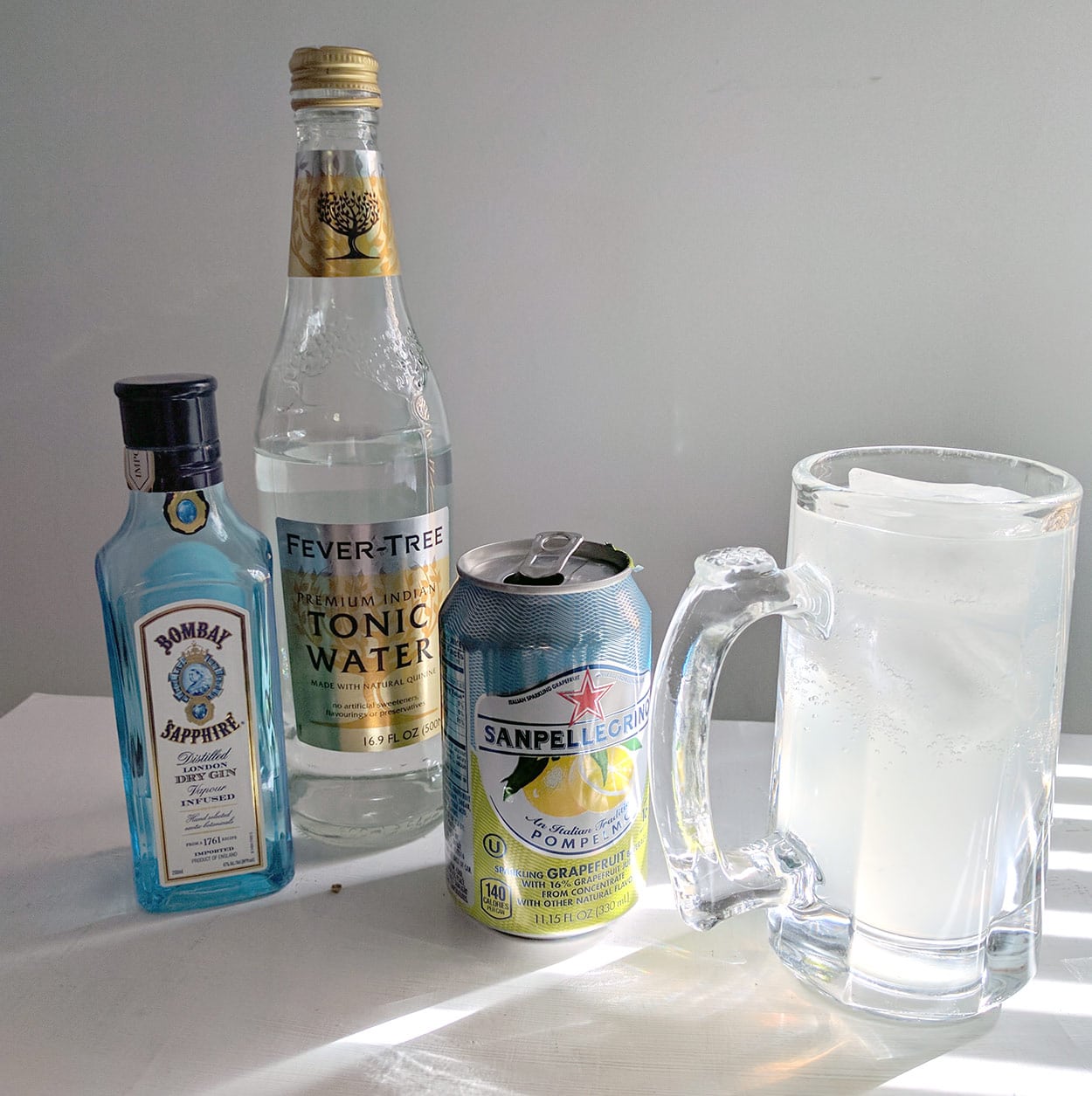
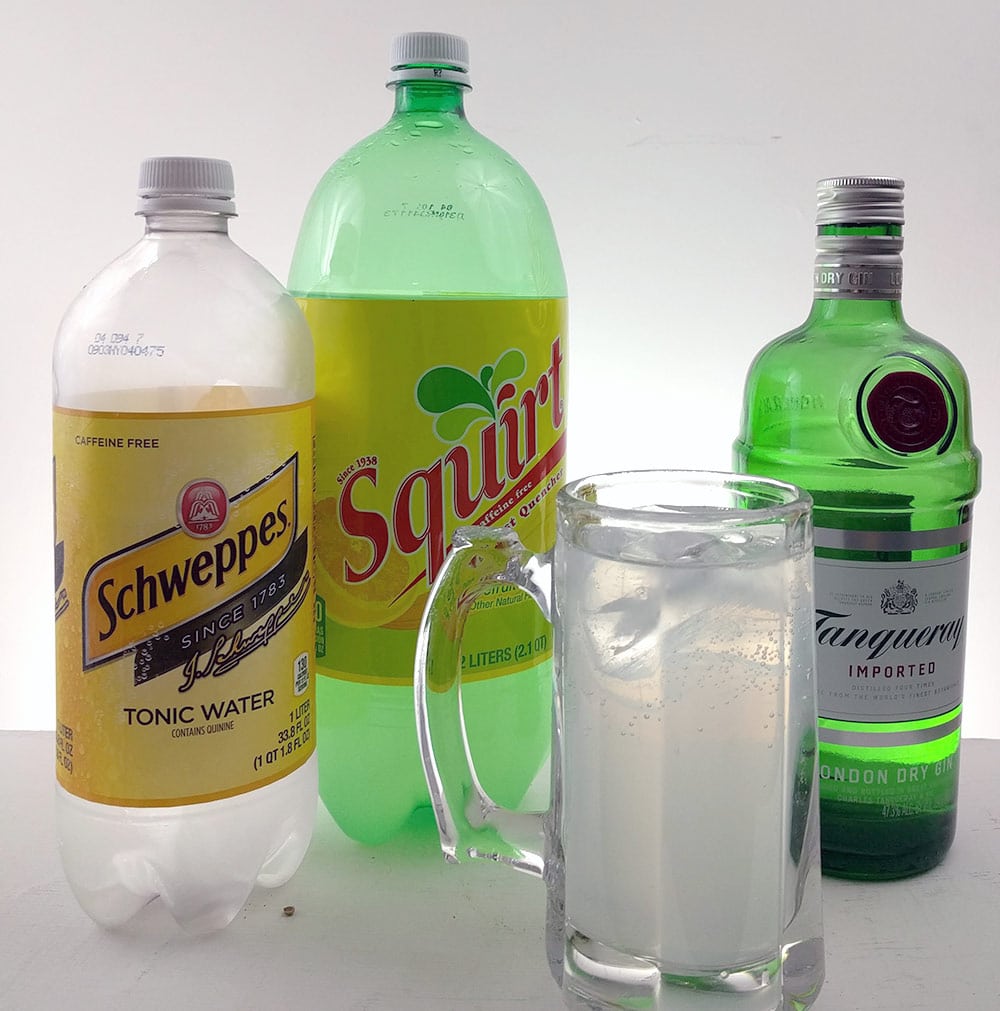
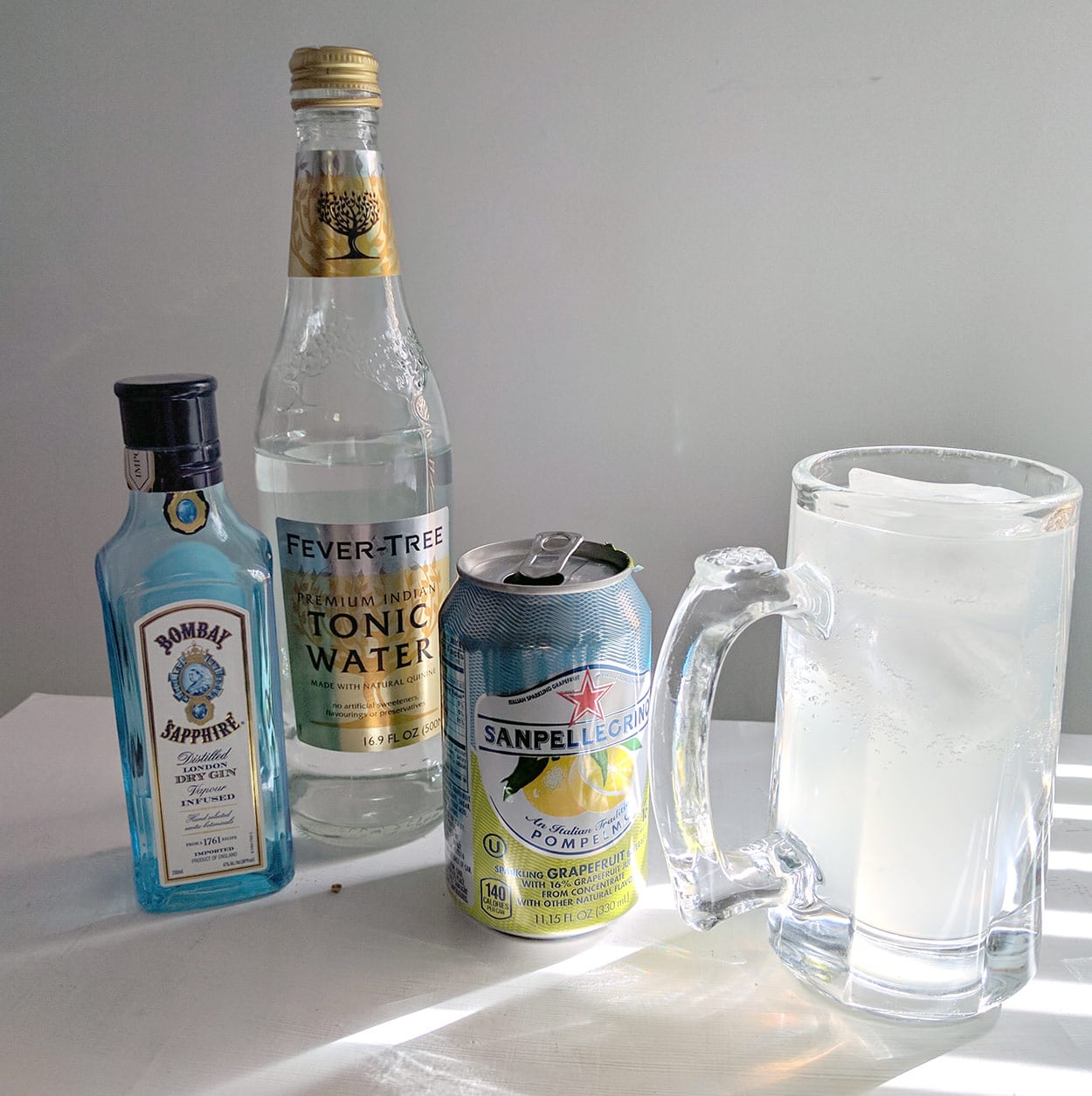
For enthusiasts living outside of distribution zones, replicating the Finnish Long Drink at home has become a common pursuit. However, the drink’s unique profile relies on a specific type of grapefruit soda that is difficult to find in many Western markets.
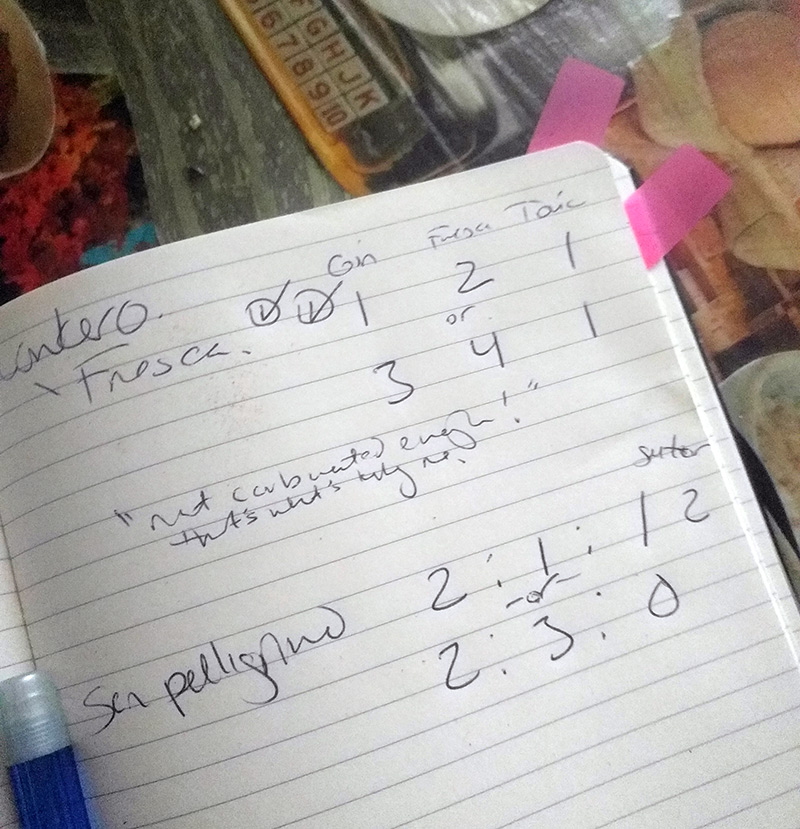
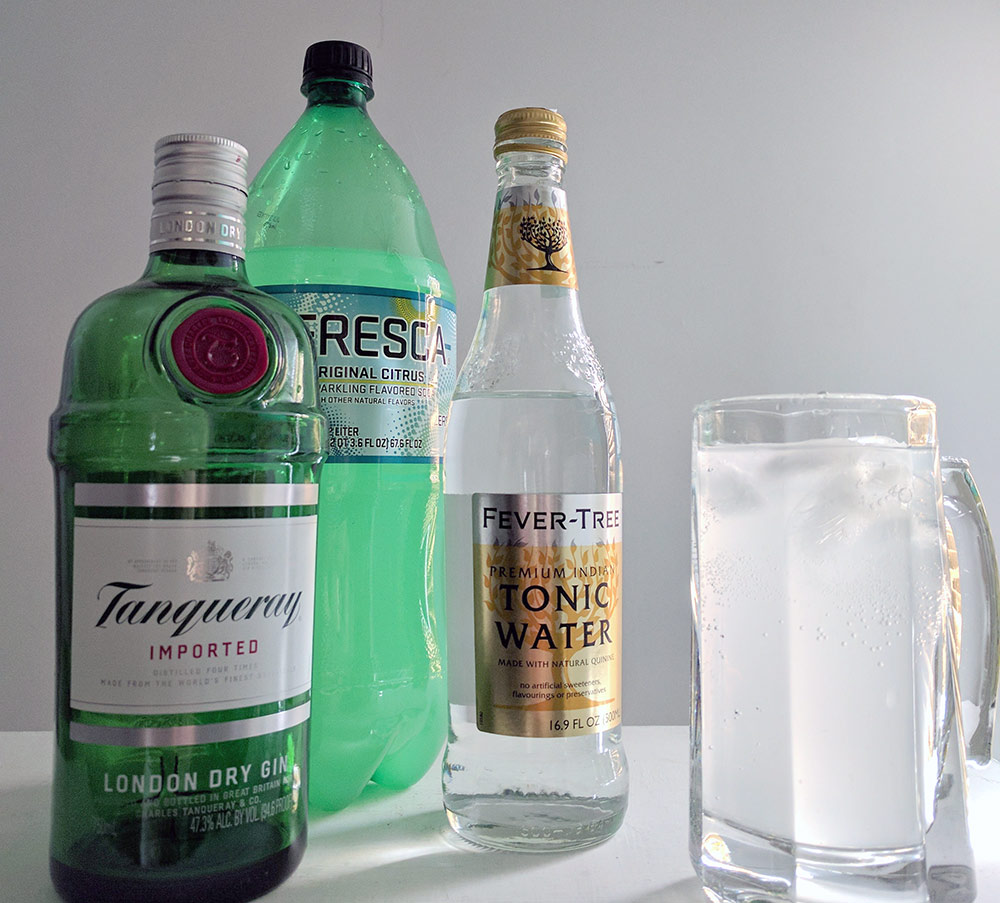
Domestic alternatives in the United States, such as Squirt or Fresca, offer varying degrees of success. Squirt, a grapefruit-flavored soda owned by Keurig Dr Pepper, is often cited as being too high in sugar content, which masks the gin’s botanical profile. Conversely, Coca-Cola’s Fresca—which is sugar-free and contains a more complex citrus blend—is frequently cited by enthusiasts as the closest substitute for the original Finnish grapefruit soda.
The difficulty in home-replication lies in the "unreplicable note" of the Finnish soda, which balances bitterness, acidity, and carbonation in a way that typical commercial sodas do not. In Finland, "Grape Tonic" is a dedicated mixer category that bridges the gap between traditional tonic water and fruit soda, a product that remains largely unavailable in the North American market.
Broader Implications for the RTD Industry
The rise of the Finnish Long Drink reflects a broader shift in global alcohol consumption. The Ready-to-Drink (RTD) category is currently one of the fastest-growing segments in the spirits industry, with a projected compound annual growth rate (CAGR) of over 12% through 2030. Consumers are increasingly seeking convenience without sacrificing quality, moving away from malt-based hard seltzers toward spirit-based canned cocktails.
The Finnish Long Drink is uniquely positioned to capitalize on this trend. Unlike many modern RTDs that are perceived as "artificial" or "trendy," the Lonkero carries a historical pedigree and a clear cultural origin. This "provenance" is a significant marketing asset in an era where consumers value authenticity and heritage.
Furthermore, the expansion of the Long Drink provides an economic boost to the Finnish spirits industry. By exporting a finished, value-added product rather than raw spirits, Finnish companies are able to capture a larger share of the global value chain. The success of the drink has also encouraged other Finnish distilleries to innovate within the category, experimenting with naturally fermented variations and local botanicals like lingonberry or sea buckthorn.
Conclusion
From its humble beginnings as a solution to an Olympic crowd-control problem, the Finnish Long Drink has evolved into a global symbol of Nordic refreshment. Its journey from the stadiums of 1952 to the shelves of international retailers highlights the enduring appeal of simple, well-crafted flavors. As Hartwall and its competitors continue to push into new territories, the "Lonkero" stands as a testament to the power of a single, well-timed innovation to define a nation’s drinking culture for generations. Whether enjoyed in a traditional Finnish sauna or a trendy bar in Tokyo, the crisp, grapefruit-infused spirit continues to win the hearts of consumers, proving that some Olympic legacies are measured not in medals, but in the longevity of a well-mixed drink.