

The Finnish Long Drink, colloquially known in its homeland as "lonkero," has transitioned from a temporary solution for a mid-century logistical challenge into a permanent fixture of Finnish beverage culture and a burgeoning international export. Originally conceived to streamline service during the 1952 Summer Olympics in Helsinki, this pre-mixed cocktail of gin and grapefruit soda has defied the typical lifecycle of event-specific products. Today, the beverage represents a significant segment of the Nordic "Ready-to-Drink" (RTD) market and is currently undergoing a strategic global expansion across Europe, Asia, and North America.
The 1952 Helsinki Olympics: The Genesis of an Icon
The origins of the Finnish Long Drink are inextricably linked to the post-war reconstruction and modernization of Finland. As the host of the 1952 Summer Olympics, Helsinki faced the daunting task of welcoming an unprecedented influx of international tourists and athletes. At the time, Finland’s hospitality industry was strictly regulated, and the state-owned alcohol monopoly, Alko, recognized that local bartenders would be unable to keep pace with the demand for complex cocktails.
To mitigate this bottleneck, Alko commissioned the Hartwall brewery to produce a pre-mixed, bottled beverage that could be served quickly without sacrificing quality. The result was the "Original Long Drink," a blend of Finnish gin and grapefruit soda. While the 1952 Games are often noted by historians for being the final year that Olympic medals were not awarded for art—marking the end of a tradition that saw Finnish poet Aale Tynni win gold in 1948—the "lonkero" became the unofficial winner of the event’s social sphere.
Though initially intended only for the duration of the Olympics, the drink’s popularity among locals ensured its survival. It became a staple of Finnish life, particularly in the unique context of the country’s sauna culture and outdoor summer festivities.
Composition and Variations: The Lonkero Profile
The traditional Finnish Long Drink typically maintains an alcohol by volume (ABV) of between 5% and 8%. The classic iteration features a crisp, dry profile characterized by the botanical notes of London Dry-style gin balanced by the tart, slightly bitter acidity of white grapefruit. Unlike many modern RTD beverages that rely heavily on sugar or artificial sweeteners, the authentic Finnish version is prized for its refreshing, clean finish.
While Hartwall remains the most prominent producer, the market has diversified significantly since the deregulation of Finnish alcohol sales. Notable competitors include Laitilan Wirvoitusjuomatehdas, which produces the Laitilan Gini Long Drink. Industry analysis of these variations highlights distinct flavor profiles:
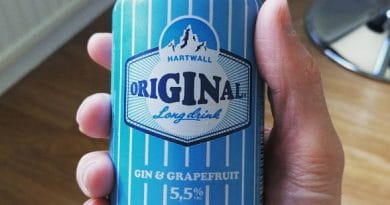
- Hartwall Original: Recognized for its balanced acidity and prominent juniper notes. It is often described as having a "gentle dry finish" that mimics a high-quality gin and tonic but with a citrus-forward body.
- Laitilan Gini: Often noted for a sweeter profile, utilizing notes that lean closer to ruby red grapefruit. Critics frequently observe that this version may appeal more to those who prefer soda-forward beverages, as the gin botanicals are often secondary to the fruit flavors.
- Fermented Variations: Due to Finnish tax laws that historically favored fermented beverages over distilled spirits in grocery stores, many "long drink" branded products in supermarkets were actually made from fermented apple or pear wine flavored with grapefruit. However, purists maintain that a true lonkero must contain distilled gin.
A Chronology of Resilience and Growth
The history of the Long Drink is marked by a period of absence and a subsequent, nostalgia-driven revival. In the 1970s, production of the original Hartwall recipe was briefly discontinued. However, a significant consumer backlash and a growing demand for heritage brands forced its return to the market.
The 21st century has seen the beverage move beyond its domestic borders. The timeline of its international expansion reflects a calculated effort to tap into the global "premium RTD" trend:
- 2015: Hartwall secured major distribution agreements to place the Original Long Drink on shelves in the Netherlands, Belgium, and Sweden. This move targeted the European "apéro" culture, positioning the drink as a sophisticated alternative to beer or cider.
- 2016: The brand expanded into Asian markets, most notably Japan. The Japanese market, already accustomed to "Chu-hi" (canned shochu highballs), proved to be a fertile ground for the gin-based Finnish equivalent.
- 2018–Present: The "The Finnish Long Drink" brand, backed by high-profile investors and celebrities, launched in the United States. This expansion targeted major urban centers such as New York and Chicago, capitalizing on the "Hard Seltzer" boom while differentiating itself through its authentic gin base.
Market Impact and the Global RTD Trend
The international success of lonkero is part of a broader shift in global alcohol consumption patterns. According to market research data, the RTD category has seen a Compound Annual Growth Rate (CAGR) of approximately 12% over the last five years. Consumers are increasingly seeking convenience without compromising on the quality of ingredients—a niche that the Finnish Long Drink occupies perfectly.
In markets where the authentic product is not yet widely available, a "cult following" has emerged. In the United Kingdom, specifically in coastal cities like Brighton, specialty bars have gained notoriety simply for stocking the imported Finnish cans. This scarcity has led to a rise in "home-brewing" or DIY adaptations among cocktail enthusiasts.
Domestic Substitution and Consumer Adaptation
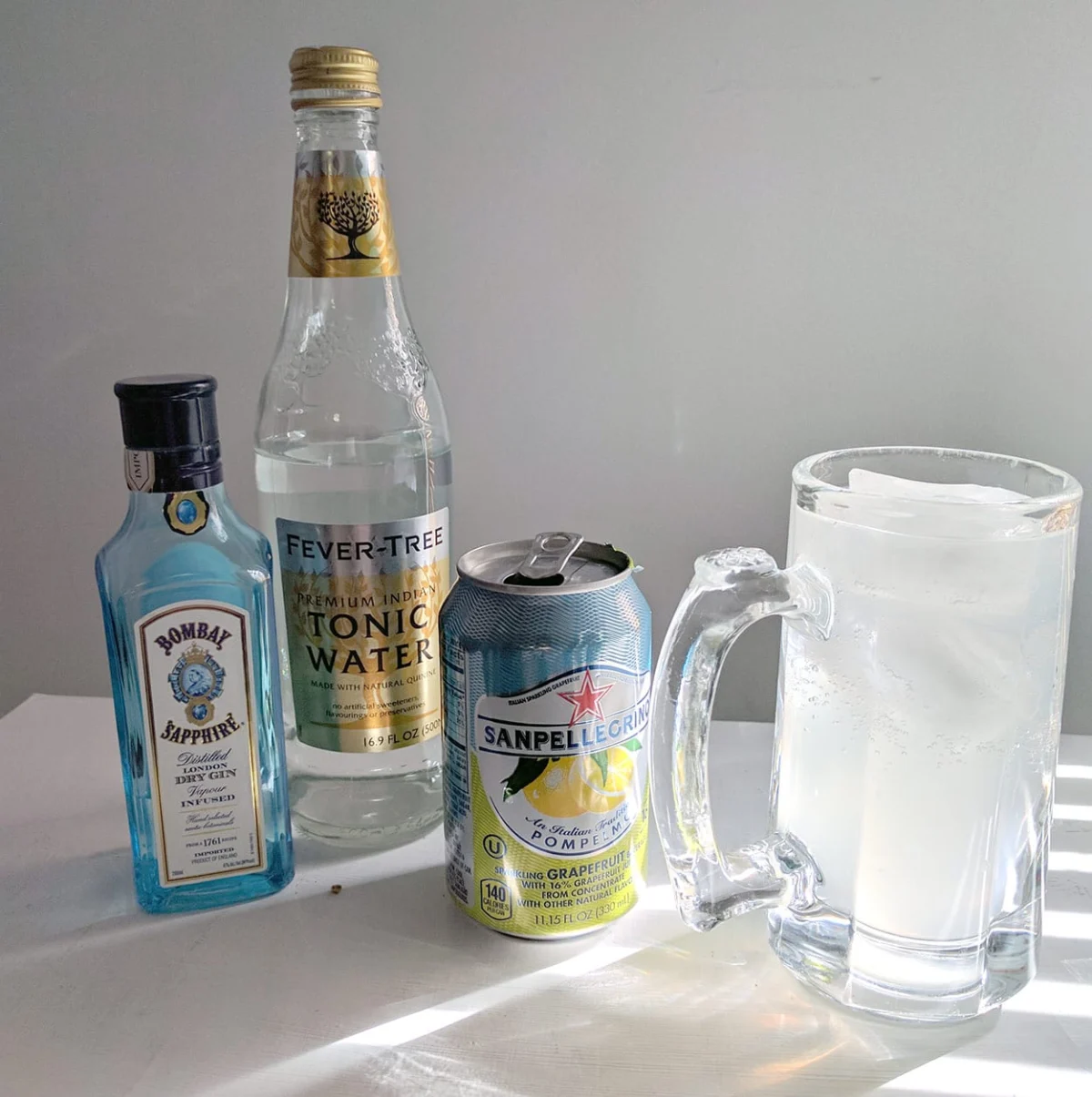
The difficulty of sourcing authentic Finnish grapefruit soda—which is less sweet and more acidic than common North American sodas—has led to various substitution strategies in the United States and Canada. Journalistic testing and consumer reviews suggest that standard grapefruit sodas like Squirt are often too saccharine to replicate the Finnish experience.
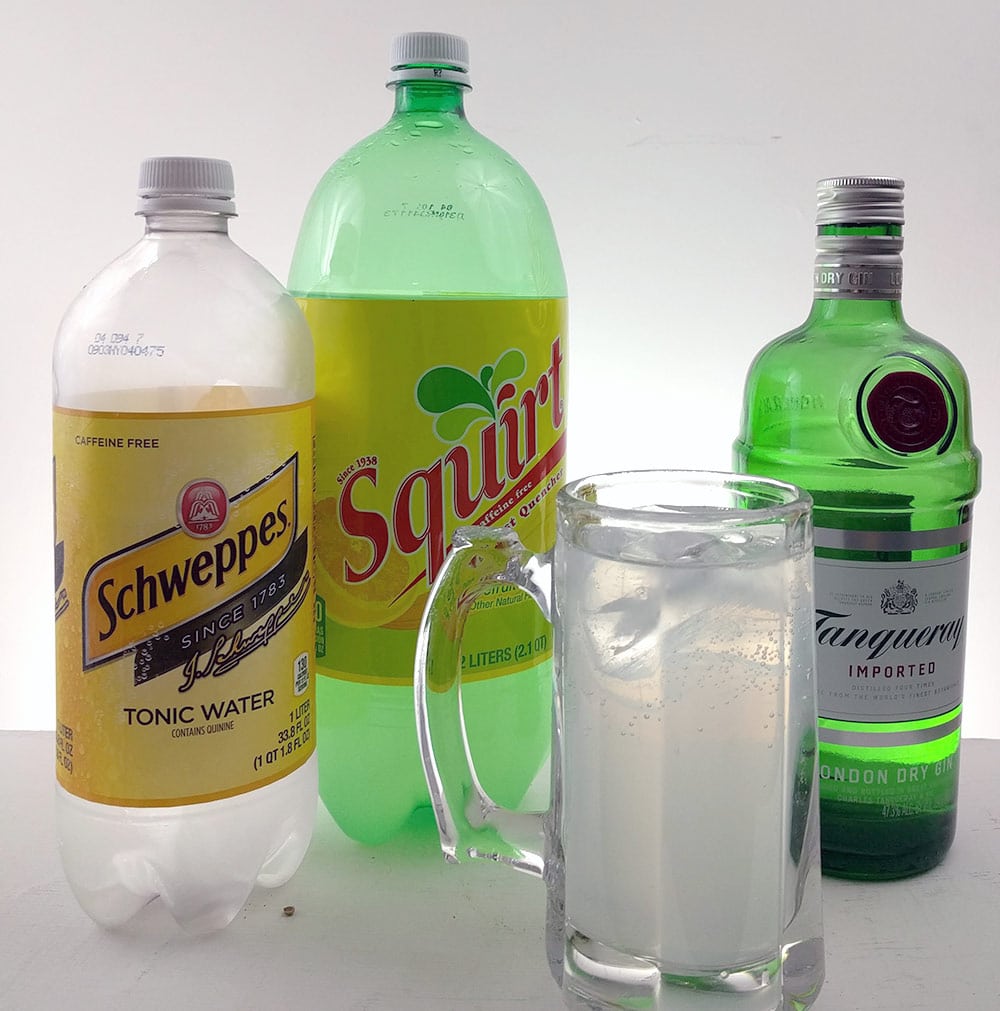
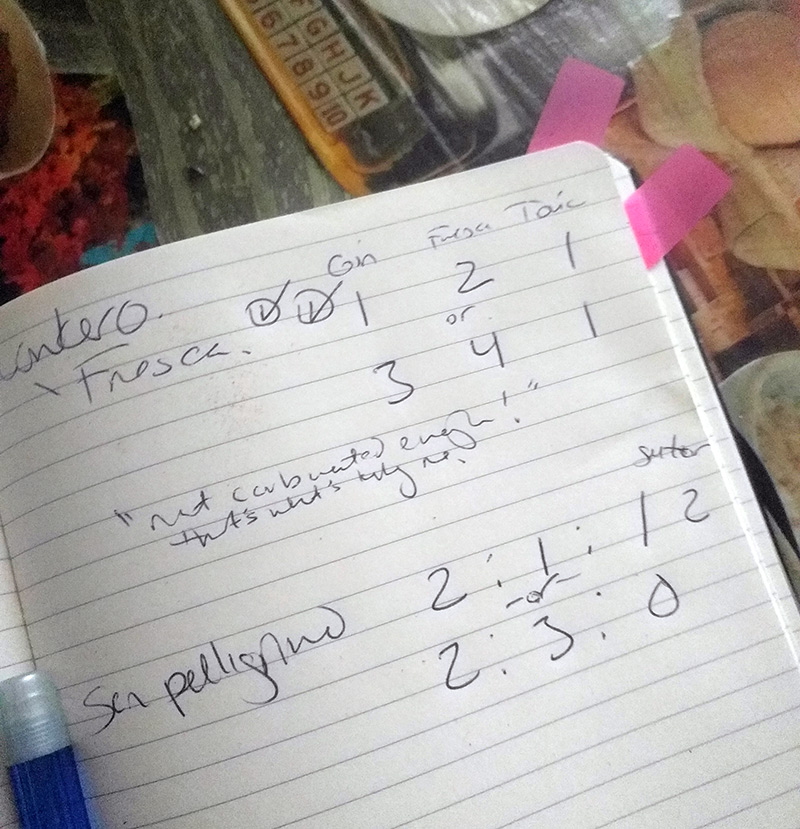
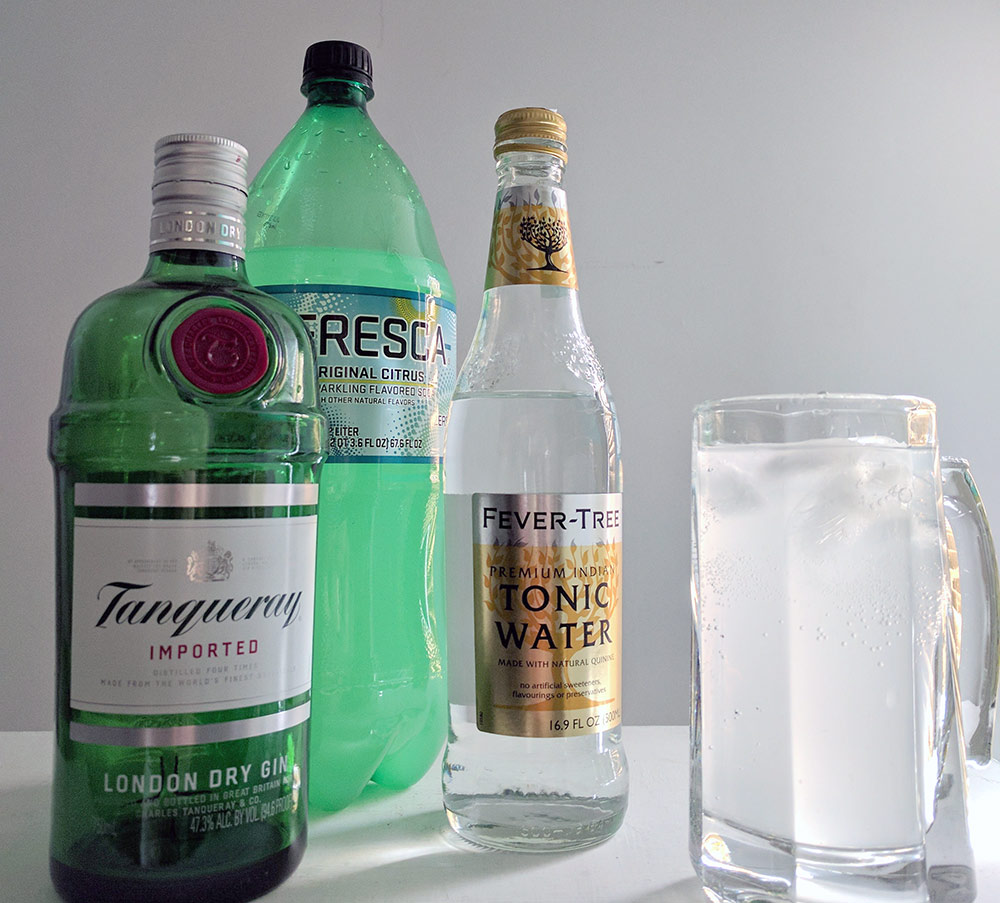
Objective analysis of substitution ratios suggests that Coca-Cola’s Fresca, which utilizes a different sweetener profile and a higher acidity level, provides the closest approximation to the canned Finnish product. Another emerging trend involves the use of sparkling grapefruit juices, such as Izze or San Pellegrino Pompelmo, though these often lack the specific "cloudy" aesthetic and balanced bitterness of the original Hartwall recipe.
The most successful DIY ratios reported by enthusiasts typically involve:
- 3 parts London Dry Gin (such as Tanqueray)
- 4 parts Fresca or low-sugar grapefruit soda
- 1 part Tonic Water (to introduce necessary quinine bitterness)
Implications for the Finnish Beverage Industry
The global rise of the Long Drink has significant implications for Finland’s national branding and export economy. Once a well-kept secret of the North, the beverage now serves as a "liquid ambassador" for Finnish design and lifestyle. The success of lonkero has paved the way for other Finnish craft spirits, particularly small-batch gins from distilleries like Kyrö, to enter international markets.
Furthermore, the expansion has forced a maturation of the product’s identity. While it remains a "drink of the people" in Finland, available in every convenience store, it is marketed as a premium, "heritage" craft cocktail abroad. This dual identity allows the brand to maintain high volume sales at home while commanding a premium price point in export markets.
Conclusion and Future Outlook
As the Finnish Long Drink continues its trajectory into North American and broader European markets, it faces the challenge of maintaining its "original" status in an increasingly crowded RTD field. However, its unique historical connection to the 1952 Olympics and its distinct flavor profile—rooted in a specific Finnish preference for dry, tart citrus—provide a level of brand authenticity that many modern competitors lack.
Industry analysts predict that as consumer palates continue to shift away from overly sweet beverages toward more complex, botanical flavors, the Finnish Long Drink is well-positioned for sustained growth. Whether through direct export or localized production under strict quality controls, the "lonkero" has successfully evolved from a temporary Olympic solution into a global staple of the modern cocktail landscape. For those in regions yet to see the iconic blue-and-white cans on shelves, the growing demand suggests that it is only a matter of time before the "Original" Finnish export becomes a local mainstay.