

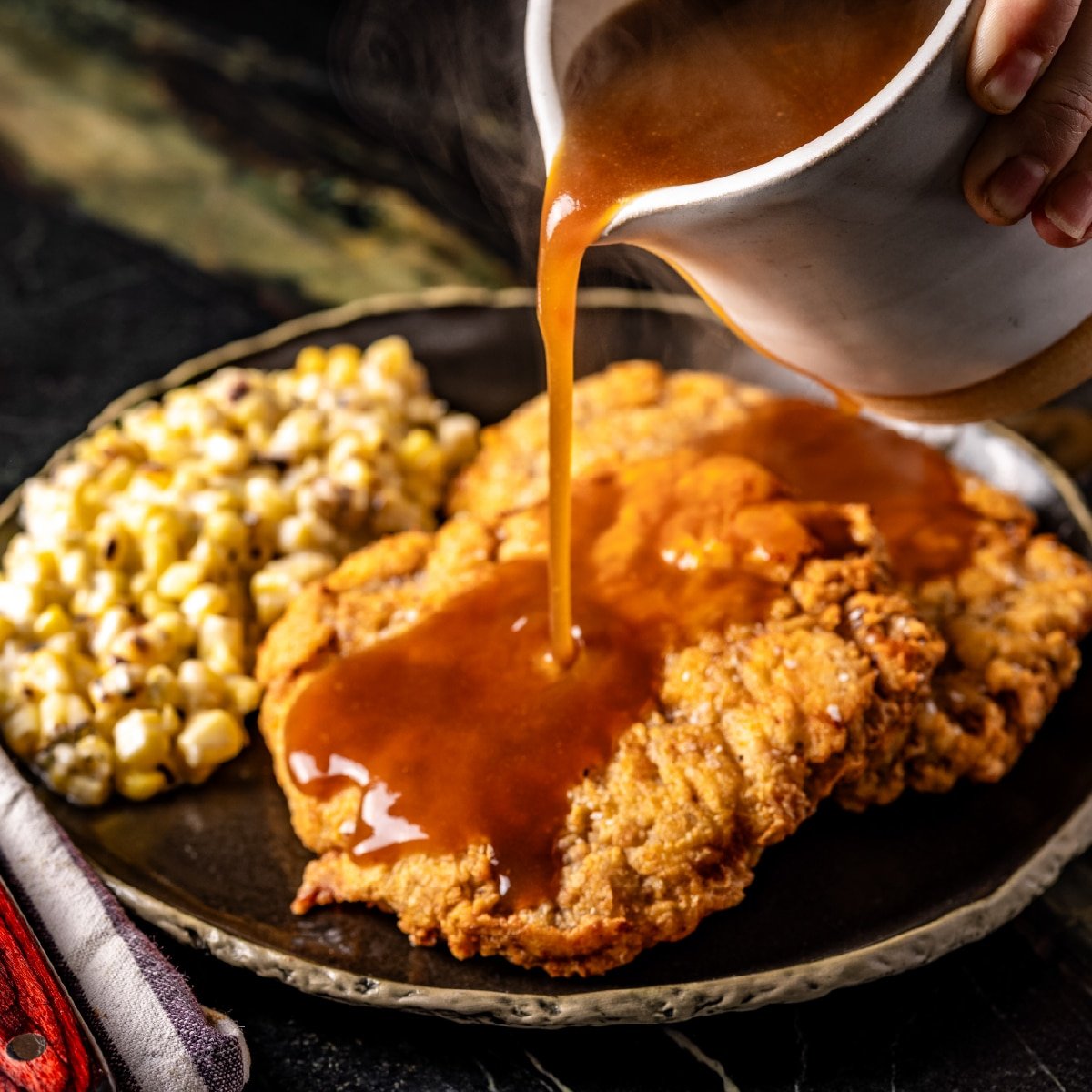
The resurgence of traditional American comfort food has reached a new milestone as home culinary experts and digital platforms refine classic recipes to meet the demands of modern, time-constrained households. Among these developments, the formalization of the 30-minute Country Fried Steak with brown gravy stands as a testament to the enduring appeal of the "cube steak" and the strategic use of animal fats in domestic kitchens. This dish, often considered a cornerstone of Southern and Midwestern gastronomy, represents more than a mere meal; it is a convergence of 19th-century immigrant techniques and the practicalities of the contemporary American economy. By utilizing specialized dredging methods and high-smoke-point fats such as beef tallow, modern iterations of the recipe aim to bridge the gap between restaurant-quality texture and the accessibility of home preparation.
Technical Distinctions Between Country Fried and Chicken Fried Steak
In the landscape of American pan-fried meats, a significant degree of nomenclature confusion exists regarding the distinction between "Country Fried" and "Chicken Fried" steak. While both dishes utilize similar cuts of beef—predominantly the cube steak or tenderized round steak—the primary differentiator lies in the composition of the accompanying gravy and the regional origin of the preparation style.
Chicken Fried Steak, which gained immense popularity in the Texas Hill Country and surrounding regions, is traditionally served with a cream-based white gravy (often referred to as saw-mill gravy). This version typically employs a thick, batter-like coating reminiscent of fried chicken, from which it derives its name. Conversely, Country Fried Steak is defined by its association with a rich, beef-based brown gravy. Historically, Country Fried Steak is more prevalent in the Southeast and the Appalachian regions. While some traditionalists insist on a breadcrumb-based dredging for the "Country" variant, contemporary adaptations have increasingly favored a seasoned flour dredge to achieve a crisper, more resilient crust that can withstand the moisture of a heavy brown gravy without becoming prematurely soggy.

The Role of Cube Steak and Mechanical Tenderization
The selection of meat is the most critical logistical component of the dish. The industry standard for this preparation is the cube steak, a cut of beef—usually from the top round or bottom round—that has been subjected to mechanical tenderization. This process involves a specialized machine known as a meat tenderizer or "cuber," which utilizes sets of sharp blades to break down the dense connective tissues and muscle fibers inherent in tougher, more affordable cuts of beef.
From a culinary science perspective, the indentations created during the cubing process serve a dual purpose. First, they allow for rapid heat penetration, ensuring the meat cooks through within the narrow three-to-four-minute window required for pan-frying. Second, the increased surface area provides "nooks and crannies" that act as anchors for the dredging material. For consumers unable to procure pre-tenderized steak, the manual application of a meat mallet to sirloin or round cuts serves as a viable domestic alternative, reflecting the dish’s roots as a resourceful solution for utilizing less expensive bovine segments.
The Resurgence of Beef Tallow in Domestic Frying
A notable shift in the modern preparation of Country Fried Steak is the move away from refined vegetable oils toward animal-based fats, specifically beef tallow. Beef tallow, which is rendered bovine fat, has seen a significant revival in both professional and home kitchens due to its high smoke point (approximately 400°F or 205°C) and its ability to impart a depth of flavor that seed oils lack.
The use of tallow in frying the steak serves a functional and economic role. Because the fat is derived from the same animal as the protein, it creates a cohesive flavor profile. Furthermore, the fat remaining in the pan after the steaks are cooked—known as "fond" or drippings—becomes the foundational element for the roux used in the brown gravy. This "closed-loop" cooking method ensures that no flavor is wasted, adhering to the historical "nose-to-tail" philosophy that birthed the dish in the 19th century.

Historical Chronology: From the Alps to the American Frontier
The lineage of Country Fried Steak can be traced back to the mid-1800s, following the migration of German and Austrian immigrants to the United States. These settlers brought with them the tradition of Wiener Schnitzel—a breaded and fried veal cutlet. Upon settling in regions like Texas and the Great Plains, where veal was scarce but cattle were abundant, the recipe was adapted to accommodate tougher cuts of beef.
By the late 19th century, the dish had become a staple of "ranch house" cooking. The necessity of stretching a single beef carcass to feed large families or labor crews led to the innovation of heavy breading, which added caloric density and volume to the meal. The transition from the Austrian Schnitzel to the American Country Fried Steak was solidified by the availability of cast iron cookware, which allowed for even heat distribution over open fires or wood-burning stoves.
Economic Implications and Consumer Behavior
In the current economic climate, characterized by fluctuating grocery prices and inflation, Country Fried Steak has re-emerged as a strategic "value meal." Data from the United States Department of Agriculture (USDA) indicates that while premium cuts like ribeye and tenderloin have seen sharp price increases, round and sirloin cuts remains relatively accessible.
The ability to transform a pound of affordable beef into a high-protein, satiating meal for a family of four in under 30 minutes aligns with modern consumer trends toward "at-home indulgence." Market research suggests that during periods of economic uncertainty, consumers gravitate toward "comfort foods" that provide a sense of nostalgia and security. The simplicity of the ingredients—flour, eggs, milk, and spices—further enhances the dish’s appeal as a low-barrier entry point for novice home cooks looking to replicate restaurant-style dining.

Nutritional Analysis and Modern Dietary Considerations
From a nutritional standpoint, Country Fried Steak is a calorie-dense entrée. A standard serving, including the breading and gravy, typically ranges between 1,200 and 1,700 calories, depending on the thickness of the dredging and the fat content of the beef. While the dish provides significant amounts of protein (approximately 48g per serving) and essential minerals such as iron and potassium, its high saturated fat and sodium content place it firmly in the category of "occasional" or "Sunday dinner" fare.
Culinary experts note that the high caloric load is a vestige of the dish’s history as fuel for manual laborers. In a modern context, many home cooks are mitigating the nutritional impact by pairing the steak with lighter vegetable sides, such as steamed green beans or roasted root vegetables, rather than the traditional heavy sides of mashed potatoes or creamed corn.
The Impact of Digital Food Media on Culinary Standards
The proliferation of digital platforms and creators, such as Susie Bulloch of "Hey Grill Hey," has played a pivotal role in the standardization of these classic recipes. By providing accessible, step-by-step instructions and technical tips—such as the "dry-wet-dry" dredging method—these creators have demystified complex frying techniques for a global audience.
The "Hey Grill Hey" model emphasizes the importance of the Maillard reaction—the chemical reaction between amino acids and reducing sugars that gives browned food its distinctive flavor. By instructing home cooks to scrape the "browned bits" from the bottom of the pan into the gravy roux, digital educators are effectively teaching foundational French culinary techniques (deglazing and roux-making) under the guise of simple comfort food preparation.

Broader Cultural Impact and Future Outlook
As the American culinary identity continues to evolve, the Country Fried Steak remains a resilient symbol of regional heritage. Its ability to adapt to new cooking technologies—from the cast iron skillet to the modern air fryer—ensures its longevity. However, the traditional pan-fried method remains the gold standard for those seeking the specific textural contrast between the crispy exterior and the tenderized beef interior.
Looking forward, the trend toward "homesteading" and "from-scratch" cooking suggests that dishes like Country Fried Steak will continue to occupy a prominent place in the American kitchen. The emphasis on transparency in ingredients and the rejection of highly processed "frozen dinners" have led a new generation of cooks back to the stove. In this context, the 30-minute Country Fried Steak is not just a recipe; it is a manifestation of the modern desire for authenticity, efficiency, and a connection to the culinary past. The ongoing dialogue between tradition and convenience will likely continue to refine this dish, ensuring that it remains a "family favorite" for decades to come.