

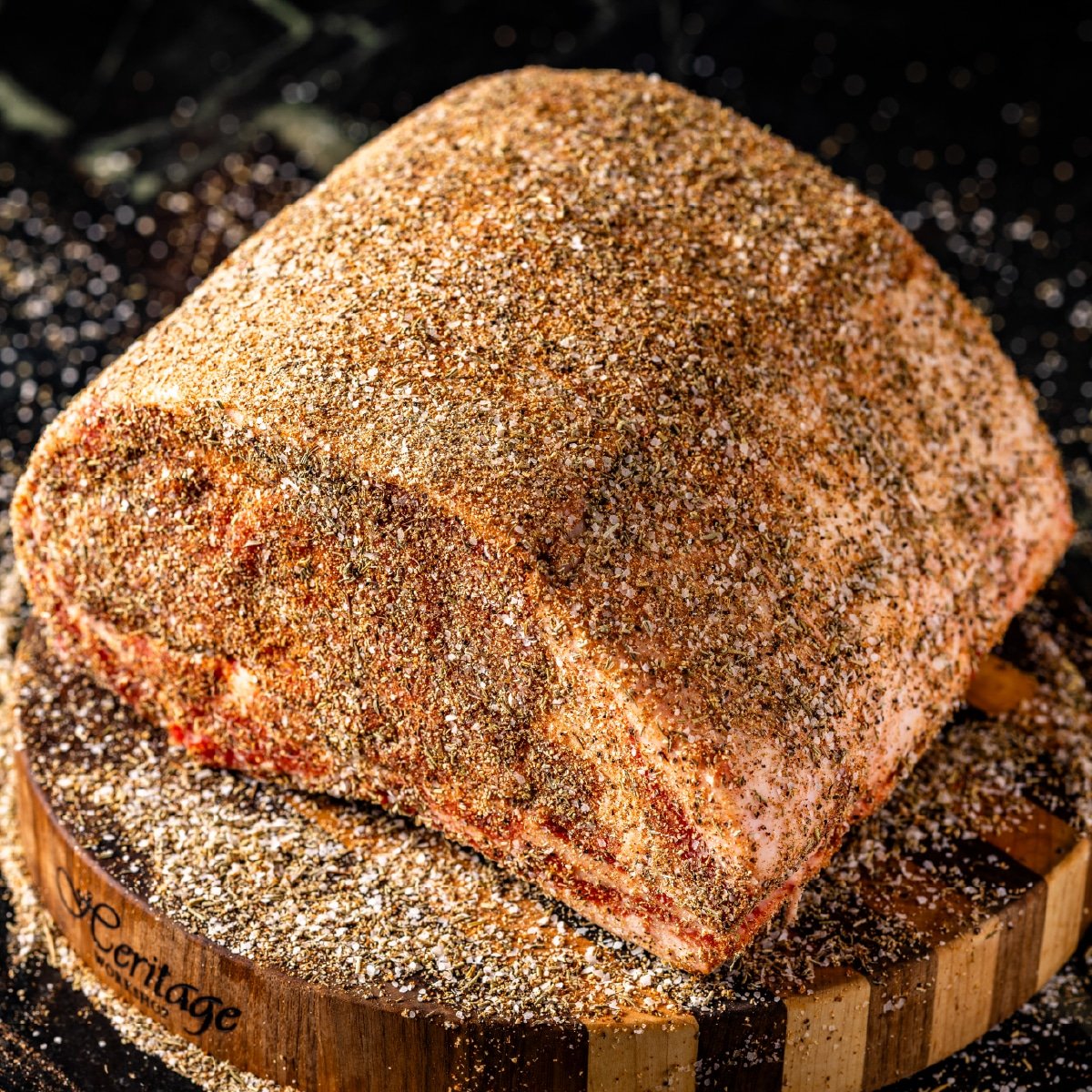
The prime rib roast, often referred to as the "King of Roasts," remains one of the most significant investments a home cook can make for a holiday or special occasion. As of late 2024, market data indicates that USDA Prime and Choice beef prices have remained at a premium, making the preparation of these cuts a high-stakes culinary endeavor. To protect this investment, culinary experts emphasize the importance of a well-balanced seasoning profile. The transition from store-bought, preservative-laden shakers to a meticulously crafted homemade rub is a pivotal step in elevating the flavor profile of the meat while ensuring the natural quality of the beef remains the primary focus.
The Economic and Culinary Significance of Prime Rib
Prime rib is a specific cut from the primal rib section of the cow, known for its exceptional marbling and tenderness. Because it is a "muscle of luxury"—meaning it does not perform heavy labor like the shoulder or leg—it possesses a fine grain and high intramuscular fat content. According to recent consumer reports, a full standing rib roast can cost anywhere from $15 to $30 per pound depending on the grade and region.
Given these costs, the application of a "Prime Rib Rub" serves a dual purpose: it creates a savory crust (the bark) through the Maillard reaction and enhances the deep, umami flavors of the beef. A professional-grade rub must be savory and herbaceous, designed to highlight rather than overpower the protein. The shift toward homemade blends allows chefs to control sodium levels and eliminate anti-caking agents often found in commercial products, such as silicon dioxide or sodium ferrocyanide.

The Science of the Seven-Ingredient Blend
The most effective prime rib rubs rely on a foundation of classic steakhouse flavors. The specific blend developed by culinary professionals involves seven key ingredients, each serving a chemical or sensory purpose:
- Kosher Salt: Unlike table salt, the larger flakes of kosher salt adhere better to the meat’s surface and dissolve more slowly, allowing for deeper penetration through osmosis.
- Coarse Black Pepper: Provides a sharp, pungent heat that cuts through the richness of the beef fat.
- Garlic Powder: Adds a foundational savory note that becomes toasted and sweet during the roasting process.
- Onion Powder: Provides a subtle sweetness and aromatic depth that complements the garlic.
- Dried Rosemary: A traditional pairing for beef, rosemary contains oils that withstand high heat and provide a pine-like, woodsy aroma.
- Dried Thyme: Offers an earthy, slightly floral note that rounds out the sharper herbs.
- Optional Smoked Paprika or Chili Powder: While not always standard, these can be added to provide a hint of color and a faint smoky undertone without the need for a wood-fired smoker.
Technical Chronology: From Preparation to Application
The process of seasoning a prime rib is as much about timing as it is about the ingredients themselves. To achieve the best results, the following chronology is recommended by professional pitmasters and chefs.
Phase I: Component Integration
The first step involves the precise measurement and mixing of the dry ingredients. It is essential to ensure that the herbs are evenly distributed throughout the salt and pepper base. If the rub is prepared in large batches, it should be shaken or stirred immediately before use to prevent the heavier salt crystals from settling at the bottom.
Phase II: Surface Preparation
Before the rub is applied, the roast must be patted dry with paper towels. Excess moisture on the surface of the meat can lead to steaming rather than searing, which prevents the development of a crisp crust. Some chefs choose to apply a thin "binder," such as a light coating of olive oil or a thin layer of horseradish mustard, to help the dry rub adhere, though the natural moisture of the meat is often sufficient.

Phase III: The Application Process
The amount of rub used is critical. For an average 8 to 10-pound roast, approximately 1/4 to 1/2 cup of the rub is required. The rub should be applied generously to all sides of the roast, including the fat cap and the bone side. This creates a uniform barrier that will eventually render into a flavorful crust.
Phase IV: The Dry Brining Period (Optional but Recommended)
For optimal results, the seasoned roast should be placed in the refrigerator, uncovered, for 12 to 24 hours. This process, known as "dry brining," allows the salt to draw moisture out of the meat, dissolve, and then be reabsorbed into the muscle fibers, seasoning the roast from the inside out. This also dries the exterior skin, leading to a superior sear.
Comparative Analysis: Dry Rub vs. Compound Butter
In the realm of prime rib preparation, two primary methods dominate: the traditional dry rub and the garlic butter crust.
- The Dry Rub Method: This approach is favored for those using smokers or those who prefer a "cleaner" beef flavor. It allows for the maximum development of "bark"—the dark, flavorful exterior common in barbecue.
- The Garlic Butter Method: This involves mixing the dry rub into softened butter and slathering it over the roast. While this adds richness, the high fat content can sometimes cause the seasoning to slide off the meat during the initial high-heat phase of cooking.
Industry experts suggest that if a butter binder is used, the dry rub should be applied slightly more sparingly to account for the added salt often found in butter.

Storage, Preservation, and Shelf Life
The chemistry of dried spices dictates that they lose their potency over time due to oxidation and light exposure. To maintain the integrity of a homemade prime rib rub, it must be stored in an airtight container—ideally glass—and kept in a cool, dark environment.
Data from the American Spice Trade Association (ASTA) suggests that ground spices and herb blends maintain peak flavor for approximately three to six months. Beyond this window, the volatile oils in the rosemary and thyme begin to dissipate, resulting in a "dusty" or muted flavor profile. While the rub remains safe to consume indefinitely, the culinary impact is significantly diminished after the six-month mark.
Market Trends and the Rise of the "Backyard BBQ Hero"
The surge in popularity of high-end home outdoor cooking equipment, such as pellet grills and ceramic kamado-style cookers, has driven a massive increase in the DIY seasoning market. Consumers are increasingly moving away from "black box" ingredients—pre-made mixes where the specific ratios are unknown—in favor of transparent, home-mixed recipes.
This movement is also fueled by health-conscious dining. By controlling the rub components, home cooks can reduce the sugar content (often used as a filler in commercial rubs) and manage sodium intake, which is a significant concern for many modern households.

Broader Impact on Home Entertaining
The mastery of a signature prime rib rub has implications beyond a single meal. It represents a shift in home entertaining where the host takes on the role of a "Backyard BBQ Hero" or amateur chef. This level of culinary involvement fosters a deeper connection to the food and the guests.
Furthermore, the versatility of this specific rub profile—salt, pepper, garlic, and herbs—extends to other proteins. Professional chefs often use similar ratios for roasted chicken, thick-cut pork chops, or even hearty root vegetables, making the "Prime Rib Rub" a versatile staple in the modern pantry.
Final Technical Specifications for the Ideal Roast
To ensure the rub performs as intended, the cooking method must be considered. Whether using the "Reverse Sear" method (low and slow followed by a high-heat finish) or the traditional "High-Heat Start" (searing at 450°F then dropping to 325°F), the rub acts as the primary interface between the heat and the meat.
Internal temperature remains the ultimate metric of success. For a medium-rare finish, the roast should be removed from the heat when it reaches an internal temperature of 125°F to 130°F, allowing for a 15-to-30-minute rest period. During this rest, "carryover cooking" will bring the final temperature to the ideal 135°F, and the juices—enhanced by the salt and herbs in the rub—will redistribute throughout the roast, ensuring every slice is seasoned to perfection.