

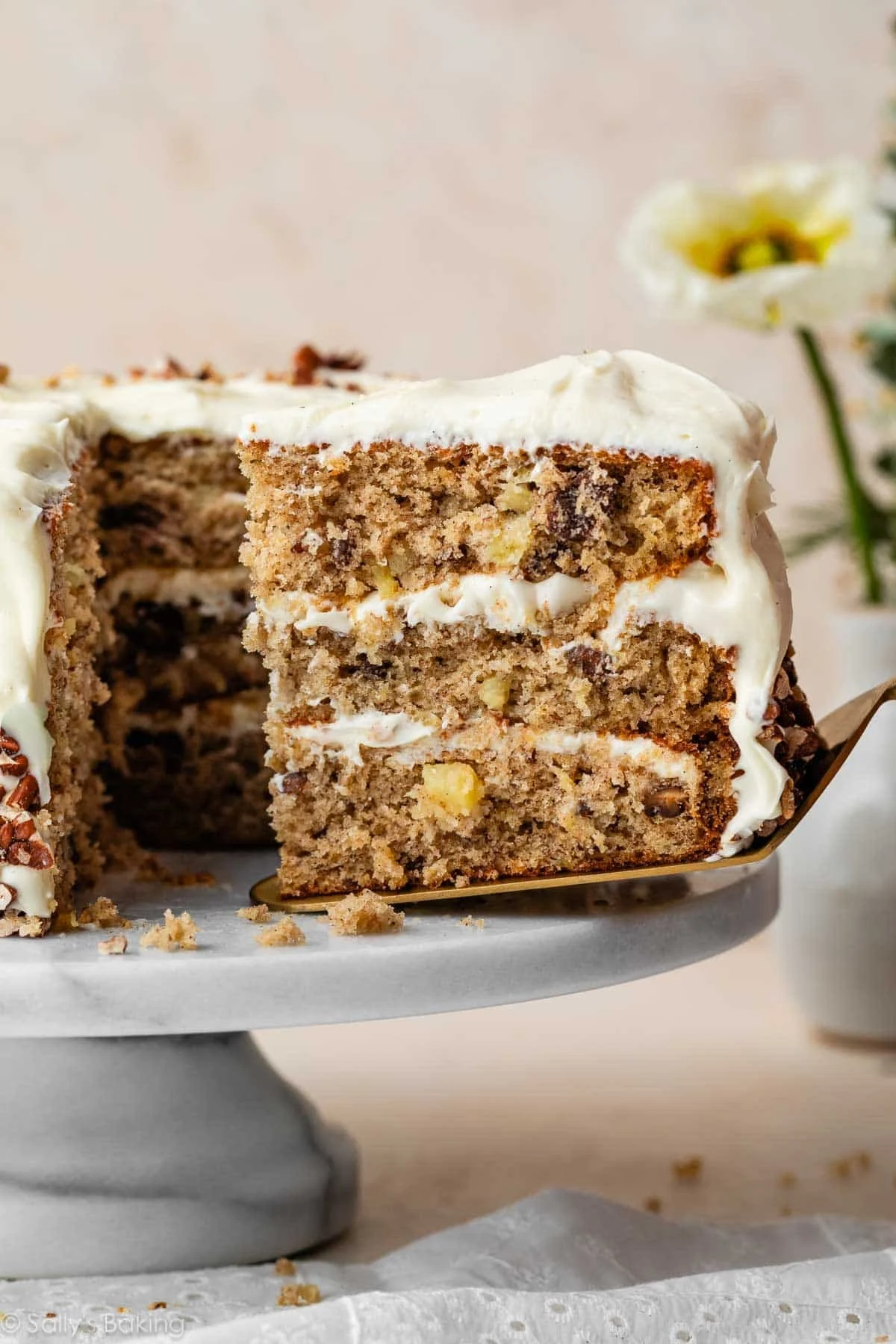
Hummingbird cake, a quintessential Southern layer cake renowned for its exceptional moistness and unique blend of tropical flavors, stands as a testament to the power of a well-crafted recipe to capture hearts and palettes across generations. Characterized by its rich batter infused with ripe bananas, crushed pineapple, warm spices, and toasted pecans, all harmoniously complemented by a generous slathering of tangy cream cheese frosting, this dessert has cemented its place in American culinary tradition. Its journey to widespread acclaim, significantly propelled by a pivotal feature in Southern Living magazine in 1978, reveals a fascinating narrative of cultural exchange and gastronomic evolution, with roots reaching back to the vibrant culinary landscape of Jamaica.
The Genesis: From "Doctor Bird" to American Stardom

Before its rise to prominence in the American South, the precursor to what is now widely recognized as Hummingbird Cake was a beloved treat in Jamaica, often referred to as "Doctor Bird Cake." The "doctor bird" is the local appellation for the Red-billed Streamertail, Jamaica’s national bird, celebrated for its vibrant plumage and agile flight. This evocative name subtly hints at the cake’s perceived lightness and delightful appeal, a dessert so enticing it might make one hum with pleasure, much like its namesake avian marvel. Jamaican cuisine, a rich tapestry woven from African, Spanish, British, Indian, and Chinese influences, naturally incorporated an abundance of local fruits. The "Doctor Bird Cake" typically featured bananas and pineapple, readily available and integral to the island’s agricultural bounty, combined with indigenous spices such as allspice, cinnamon, and nutmeg, which are staples in Caribbean cooking. These ingredients converged to create a dense, flavorful cake, often enriched with oil to ensure a moist crumb that endured well in a warm climate, making it a perfect dessert for both grand celebrations and everyday enjoyment.
The precise migratory path of the Doctor Bird Cake from Jamaica to the United States remains a subject of culinary speculation, though several theories are commonly discussed. One prominent hypothesis suggests that Jamaican tourists or expatriates introduced the recipe to the U.S., particularly within Southern states, where a fertile ground for similar tropical fruits and a robust baking tradition already existed. Another theory posits that the recipe was brought over by individuals visiting Jamaica who were captivated by the local flavors and sought to recreate them upon their return home. Regardless of the exact conduit, the cake found a welcoming environment in the American South, where its tropical sweetness and comforting spices quickly resonated with regional tastes. This organic assimilation into Southern culinary practices set the stage for its eventual explosion in popularity and widespread adoption across the nation.
The Southern Living Phenomenon of 1978
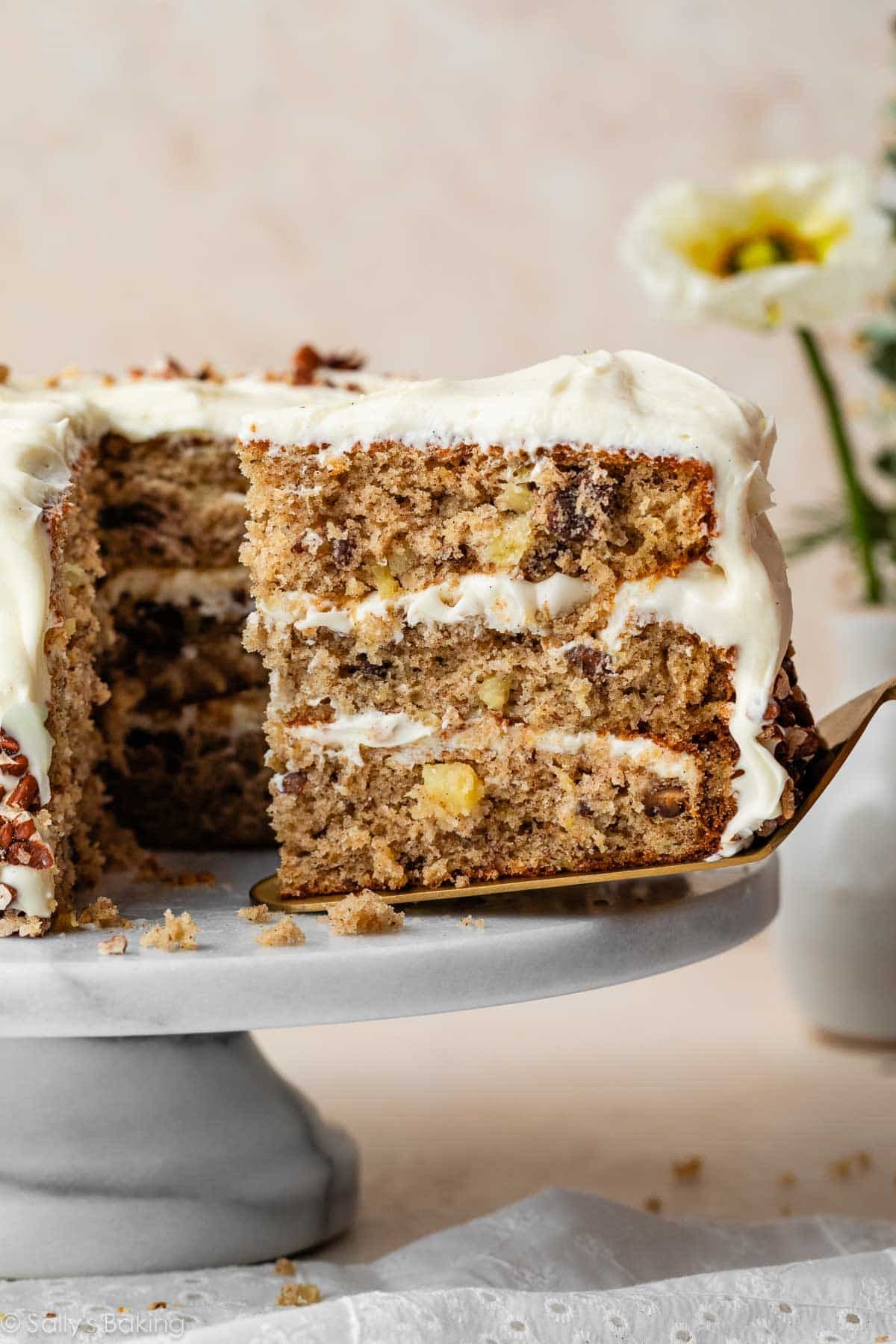
The true inflection point for Hummingbird Cake occurred in February 1978, when Southern Living magazine, an immensely influential publication known for its celebration of Southern culture, lifestyle, and, critically, its culinary heritage, published a recipe for "Hummingbird Cake." The recipe, submitted by Mrs. L.H. Wiggins of Greensboro, North Carolina, swiftly became an unprecedented sensation within the magazine’s readership. Southern Living had already established itself as a household name across the South, acting as a definitive guide for home entertaining, gardening, and, crucially, the preservation and promotion of traditional Southern cooking. Its recipes were meticulously tested, widely trusted, and enthusiastically replicated in kitchens spanning from the Mid-Atlantic to the Gulf Coast.
The immediate and overwhelming response to the Hummingbird Cake recipe was nothing short of remarkable. It rapidly ascended to become one of the most requested recipes in the magazine’s illustrious history, a testament to its irresistible qualities and broad appeal. This singular publication did more than simply disseminate a recipe; it effectively canonized the Hummingbird Cake, transforming it from a regional curiosity into a national culinary icon. The magazine’s vast readership, composed of millions of home cooks, eagerly embraced the cake, baking it for myriad occasions including family gatherings, church potlucks, bridal showers, and holiday feasts. Its appealing name, conjuring images of delicate beauty and sweet nectar, undoubtedly contributed to its charm, making it a memorable and frequently discussed dessert. The timing of its publication was also fortuitous; the late 1970s witnessed a burgeoning national interest in regional American cuisines, and Southern Living was at the forefront of showcasing the unique gastronomic identity of the South. The Hummingbird Cake perfectly encapsulated this ethos, offering a taste of tropical warmth blended seamlessly with comforting, familiar baking traditions.
Anatomy of a Beloved Dessert: A Symphony of Flavors and Textures
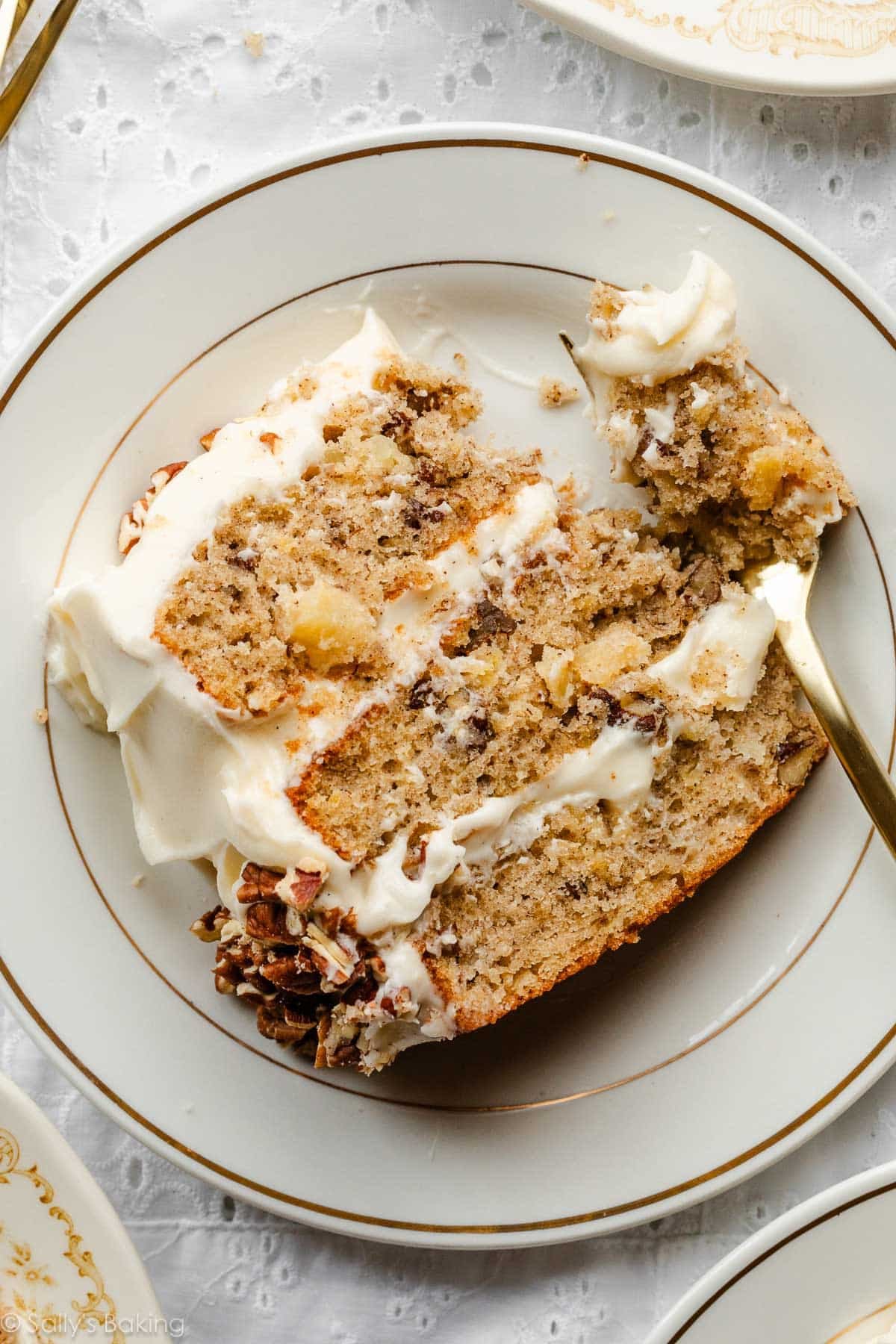
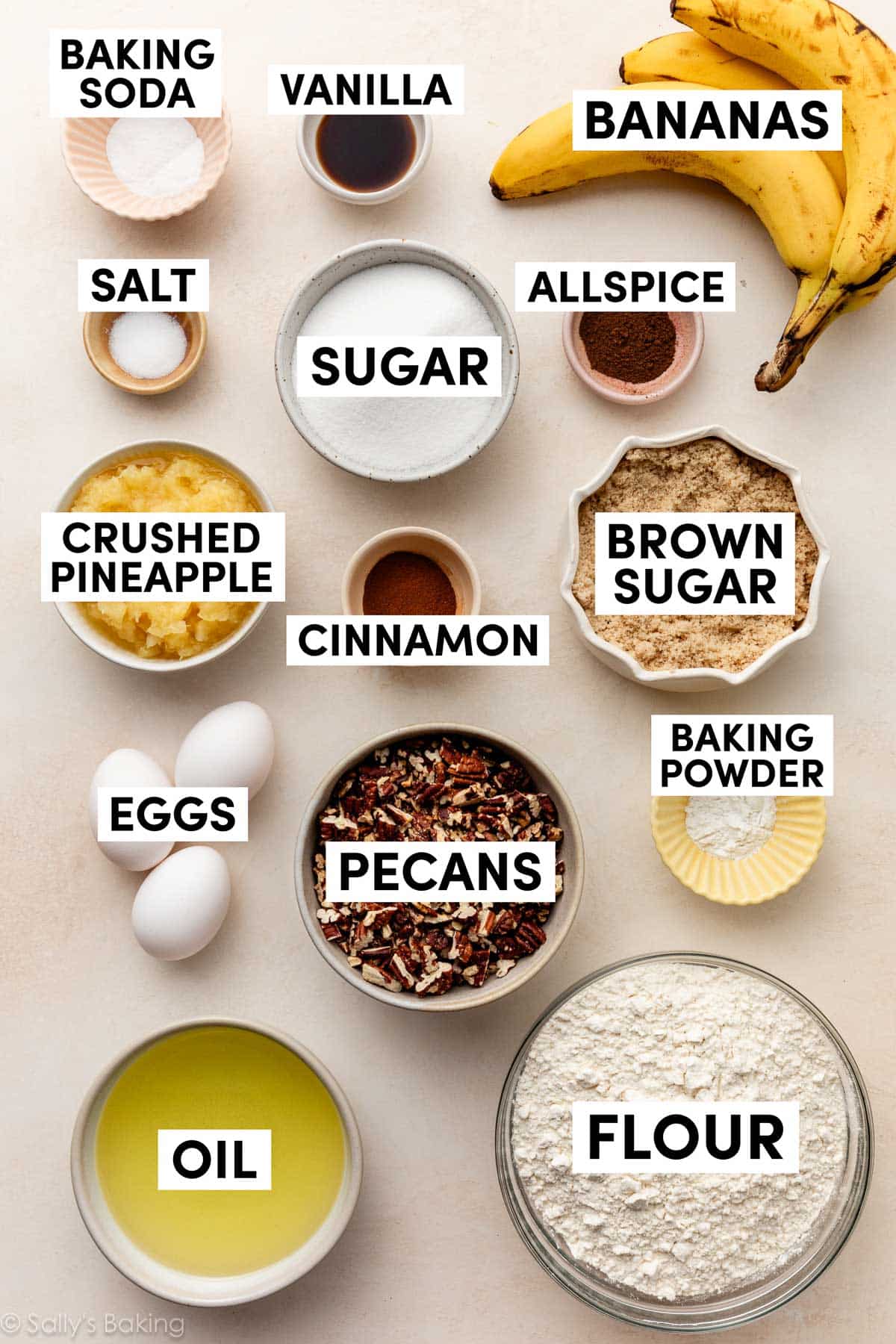
The enduring appeal of Hummingbird Cake is fundamentally rooted in its meticulously balanced flavor profile and its remarkably moist texture, attributes that distinguish it from many other traditional layer cakes. The core ingredients—ripe bananas, crushed pineapple, and pecans—are not mere additions but foundational components that contribute distinct characteristics to the cake’s overall sensory experience.
- Ripe Bananas: Overripe bananas, frequently hailed as a baker’s secret weapon for imparting unparalleled moisture and natural sweetness, are indispensable. As bananas mature, their starches convert into sugars, intensifying their flavor and rendering them softer and more amenable to incorporation into cake batter. They contribute a subtle, earthy sweetness and an incredibly tender crumb that resists drying out.
- Crushed Pineapple: The inclusion of crushed pineapple is a masterful touch. The natural acidity and high moisture content of the pineapple contribute significantly to the cake’s legendary moistness and simultaneously provide a tangy counterpoint to the sweetness of the bananas and sugars. The fine texture of crushed pineapple ensures its even distribution throughout the cake, imparting a delicate tropical aroma and flavor without being overtly cloying.
- Toasted Pecans: Pecans, a quintessential nut in Southern baking, introduce a delightful textural contrast and a rich, nutty depth. Toasting the pecans prior to their incorporation into the batter is a critical step, as it amplifies their flavor by releasing their essential oils and adds a subtle crunch that beautifully complements the soft cake layers. They are also frequently used as a decorative flourish, enhancing the cake’s visual appeal.
- Warm Spices: Cinnamon and allspice are the primary spices that define the cake’s aromatic warmth. Cinnamon provides a classic, comforting sweetness, while allspice, with its complex notes reminiscent of cloves, nutmeg, and cinnamon, adds a distinct Caribbean flair, subtly linking the cake back to its Jamaican origins. These spices are carefully balanced to enhance, rather than overpower, the natural fruit flavors, creating a harmonious blend that is both exotic and profoundly familiar.
- Oil-Based Batter: In contrast to many cakes that rely on butter for richness, Hummingbird Cake typically utilizes a neutral-flavored oil (such as vegetable or canola oil). Oil contributes to a profoundly moist cake that remains tender for several days, often surpassing butter-based cakes, which can sometimes dry out more rapidly. This characteristic is vital for a cake intended to be savored over time and contributes significantly to its renowned melt-in-your-mouth quality.
- Tangy Cream Cheese Frosting: No authentic Hummingbird Cake is complete without its signature cream cheese frosting. This frosting is not merely an aesthetic adornment but an indispensable component that provides crucial balance. Crafted from full-fat brick-style cream cheese, unsalted butter, confectioners’ sugar, and vanilla extract, its tangy sweetness expertly cuts through the richness of the cake, creating a perfect equilibrium of flavors. The smooth, creamy texture of the frosting also adds another luxurious layer to the overall sensory experience. Culinary experts frequently highlight this frosting as a critical element that elevates the cake from merely good to truly exceptional, mirroring its success in other beloved American cakes like carrot cake.
Accessibility and Enduring Appeal in the Home Kitchen
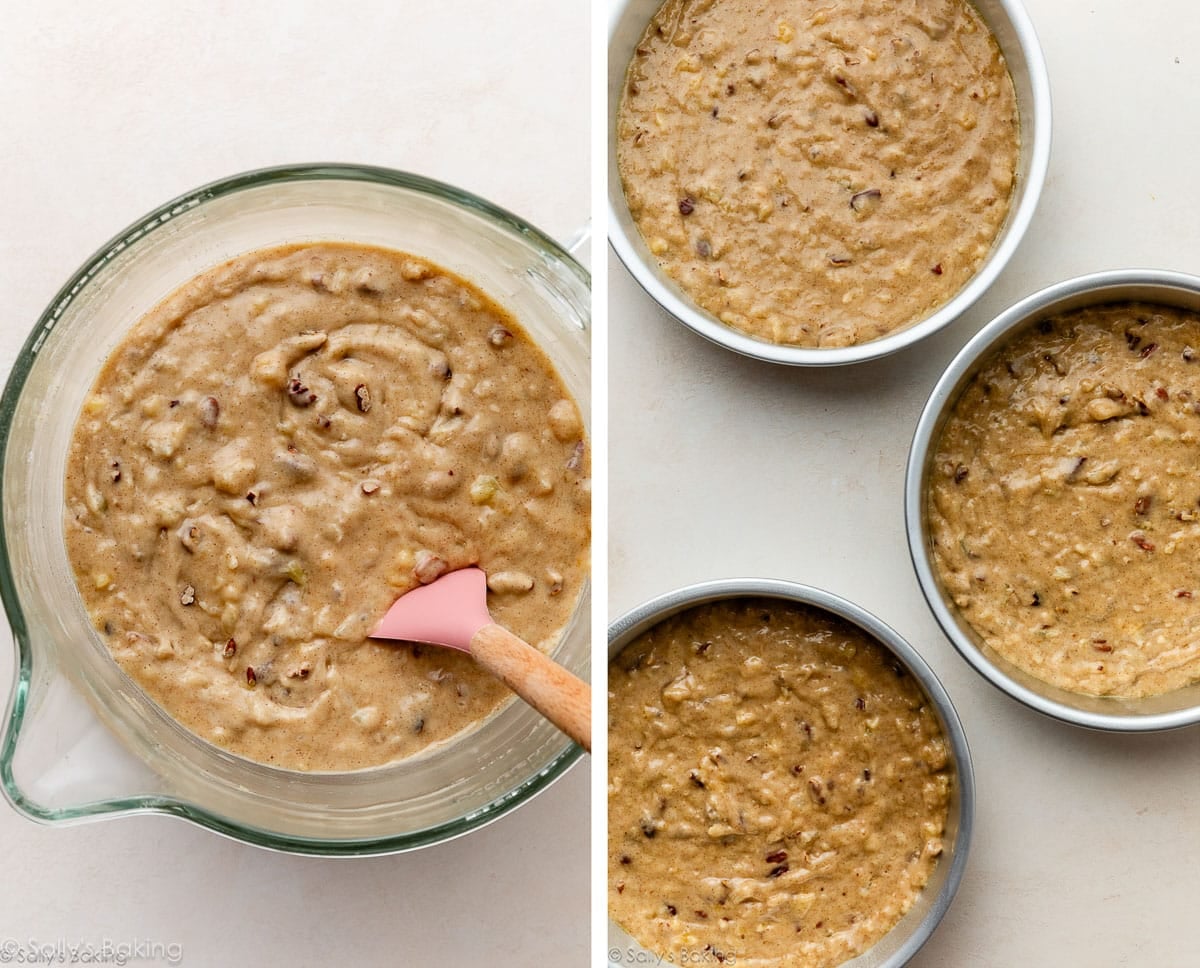
A significant factor contributing to the Hummingbird Cake’s widespread and sustained popularity is its surprising ease of preparation, particularly for a multi-layered dessert that consistently yields such impressive results. Many traditional recipes, including the refined versions developed over decades, emphasize that the cake batter itself often requires no electric mixer, making it highly accessible to home bakers of all skill levels. The typical process involves whisking dry ingredients in one bowl, mixing wet ingredients (including the mashed bananas and crushed pineapple) in a separate bowl, and then gently combining them before folding in the toasted pecans. This straightforward methodology effectively removes a common barrier for aspiring bakers and helps ensure consistent success.
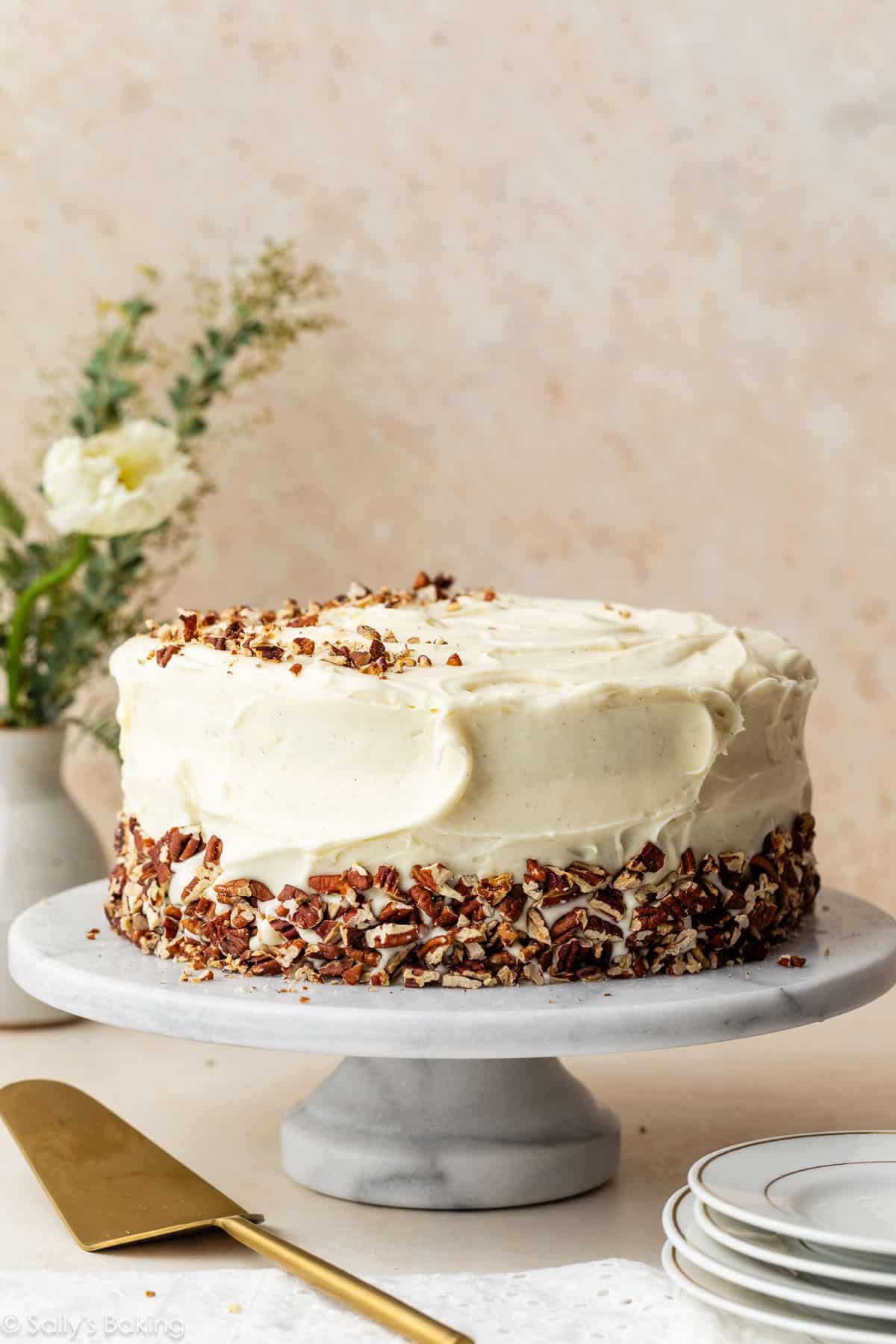
The inherent versatility of the Hummingbird Cake further solidifies its enduring appeal. It functions beautifully as a celebratory cake, perfectly suited for significant occasions such as Easter, Mother’s Day, or any festive spring gathering. Yet, it is equally cherished as a comforting dessert for everyday enjoyment, particularly opportune when one finds oneself with a bounty of overripe bananas. The cake’s flavor profile, which deepens and melds beautifully over time, makes it an excellent candidate for advance preparation, affording hosts the convenience of focusing on other aspects of entertaining. Many enthusiasts, including seasoned bakers, attest that the cake often tastes even better a day or two after baking, especially when served chilled, as the myriad ingredients have had ample opportunity to "marry" their distinct flavors. This characteristic further enhances its practicality for both home cooks and professional caterers.
Culinary Perspectives and Modern Interpretations
Culinary historians and food critics frequently cite Hummingbird Cake as a prime example of how Southern cuisine continually innovates by incorporating diverse influences while maintaining a strong, identifiable sense of regional character. Food commentators often praise its harmonious blend of tropical and comforting flavors, a culinary reflection of the South’s historical connections to Caribbean trade and cultural exchange.
"Hummingbird Cake represents a fascinating intersection of culinary traditions," observes one prominent food historian specializing in Southern gastronomy. "It takes the vibrant, fruit-forward approach common in Caribbean baking and integrates it seamlessly into the Southern tradition of rich, spiced layer cakes. The result is a dessert that feels both exotic and deeply comforting, a true reflection of the region’s diverse heritage and its ability to absorb and transform external influences into something uniquely its own."
In contemporary culinary circles, while the classic Hummingbird Cake remains deeply revered, chefs and home bakers alike continue to explore innovative interpretations. Variations might include incorporating alternative nuts, experimenting with additional complementary spices like fresh ginger or cardamom, or even infusing the cream cheese frosting with citrus zest for an extra layer of bright complexity. The emergence of adaptations such as the Hummingbird Bundt Cake speaks to the cake’s remarkable adaptability and enduring inspirational quality, offering a simpler, yet equally delicious, format for those seeking a less elaborate presentation. These modern iterations ensure the cake’s continued relevance and its dynamic evolution within the broader culinary landscape.
The Recipe’s Evolution and Refinement
Even the most celebrated recipes, particularly those passed down through generations or widely disseminated through popular media, often undergo subtle refinements and adjustments over time to achieve optimal results. The Hummingbird Cake is no exception to this continuous process of culinary evolution. Initial published recipes, while undoubtedly popular, sometimes presented opportunities for enhancement based on extensive testing, baker feedback, and a deeper understanding of ingredient interactions. For instance, some adaptations have seen a slight reduction in the amount of oil used to prevent an overly dense crumb, while others have increased leavening agents to ensure a consistently lighter yet still profoundly moist texture. Adjustments to the sugar balance, often incorporating a strategic mix of brown and granulated sugar, can add further depth of flavor and enhance moisture retention. The explicit introduction or emphasis of allspice in refined versions serves to deepen the connection to the cake’s Caribbean roots and enrich its overall spice profile. These iterative improvements, frequently shared through vibrant culinary communities and online platforms, highlight a collective pursuit of baking perfection, ensuring that each new generation of bakers can achieve consistently excellent and delicious results with this cherished dessert.
Beyond the Plate: Cultural Impact and Legacy
The Hummingbird Cake transcends its role as a mere dessert; it has firmly established itself as a cultural touchstone in the American South and, increasingly, across the nation. It embodies Southern hospitality, frequently gracing tables at gatherings where food is not simply sustenance but a profound expression of love, generosity, and community. Its widespread adoption into countless family recipe collections and its consistent presence in cookbooks and culinary blogs attest to its timeless appeal and its pivotal role in shaping shared food traditions.
The story of Hummingbird Cake serves as a vibrant and compelling example of how a recipe can travel across continents, adapt gracefully to new environments, and become deeply ingrained in a different culture’s identity. From its humble origins as the "Doctor Bird Cake" in Jamaica to its definitive popularization by Southern Living, the cake’s journey is a rich narrative of culinary exchange, thoughtful innovation, and enduring deliciousness. It continues to be a source of profound joy and comfort, reminding us that some of the most beloved dishes are those that carry a compelling story within every moist, flavorful bite. Its legacy is not just in its exquisite taste but in the countless cherished memories created around tables where this magnificent cake is served.