


Quiche, a dish often celebrated for its profound adaptability, has solidified its place in culinary traditions worldwide, seamlessly transitioning from a humble breakfast item to an elegant brunch centerpiece or a satisfying dinner option. Originating in the Lorraine region of France, this savory custard tart has evolved significantly, demonstrating a remarkable capacity to accommodate diverse ingredients, dietary preferences, and mealtime roles. Its fundamental composition—a rich filling of eggs, cream or milk, and various savory additions baked within a pastry crust—provides a robust framework for endless customization, making it a perennial favorite for both home cooks and professional chefs.
Historical Roots and Global Popularization
The culinary journey of quiche traces back to medieval Germany, where the word "Kuchen" (meaning cake) eventually gave rise to the French "quiche." The iconic Quiche Lorraine, with its quintessential filling of bacon (or lardons), eggs, and cream, set the standard for what many consider the classic rendition. Initially, the dish was a simple open-faced pie, often made with bread dough and a custard of eggs and cream, sometimes incorporating smoked pork or cheese. Over centuries, as culinary practices evolved and ingredients became more accessible, the dish refined itself, gaining particular prominence in French regional cuisine.

Quiche’s global ascent, particularly in English-speaking countries, saw a significant surge in popularity during the mid-20th century. Post-World War II, American soldiers returning from Europe brought with them a taste for French cuisine, including quiche. By the 1970s and 1980s, quiche had become a fashionable dish, often associated with sophisticated brunches and light lunches. Its ease of preparation and the ability to serve it hot or cold further contributed to its widespread adoption in home kitchens and restaurant menus. This period also saw the proliferation of numerous variations, as cooks experimented with different proteins, vegetables, and cheeses, moving beyond the strictures of the traditional Quiche Lorraine.
Defining Quiche: A Culinary Canvas
At its core, a quiche is essentially a savory custard pie. The foundational elements typically include eggs, a dairy component (such as heavy cream, milk, or a combination), and often a pastry crust. However, modern interpretations have broadened this definition considerably. The "crustless quiche," for instance, offers a lighter, often gluten-free alternative that retains the rich flavor and texture of the filling without the added carbohydrates of a traditional crust. Similarly, the advent of "mini quiches" caters to appetites seeking portion control or elegant appetizers for gatherings.
The adaptability of quiche stems from its versatile filling. Almost any ingredient that complements scrambled eggs can find a home in a quiche. This typically involves a combination of proteins, vegetables, and cheeses, allowing for a vast array of flavor profiles. Common protein additions include bacon, ham, sausage, or shredded chicken, offering a hearty base. For vegetables, options range from classic spinach and mushrooms to more contemporary choices like zucchini, broccoli, asparagus, or bell peppers. The choice of cheese also significantly influences the quiche’s character, with Gruyère being a staple for Quiche Lorraine, while cheddar, Swiss, feta, ricotta, or even pepper jack can introduce distinct regional or flavor nuances. Beyond these core ingredients, spices and seasonings, from a pinch of nutmeg to chili powder, cumin, or a dash of hot sauce, can elevate the dish, transforming it to suit various palates and culinary traditions.

Mealtime Versatility: Beyond Breakfast
One of quiche’s most compelling attributes is its remarkable versatility across mealtimes. While its egg-based foundation naturally positions it as an ideal candidate for breakfast or brunch, its savory depth and nutritional completeness make it equally suitable for lunch or dinner.
- Breakfast: For many, quiche serves as a convenient and satisfying make-ahead breakfast. A slice can be quickly reheated, providing a protein-rich start to the day. Its ability to incorporate various vegetables also makes it a practical way to consume essential nutrients early in the morning.
- Brunch: Quiche truly shines at brunch gatherings. Its elegant appearance, ease of serving, and capacity to be prepared in advance make it a stress-free option for entertaining. Varieties like zucchini quiche or spinach ricotta quiche often become standout dishes, offering both visual appeal and delightful flavors that complement a diverse brunch spread.
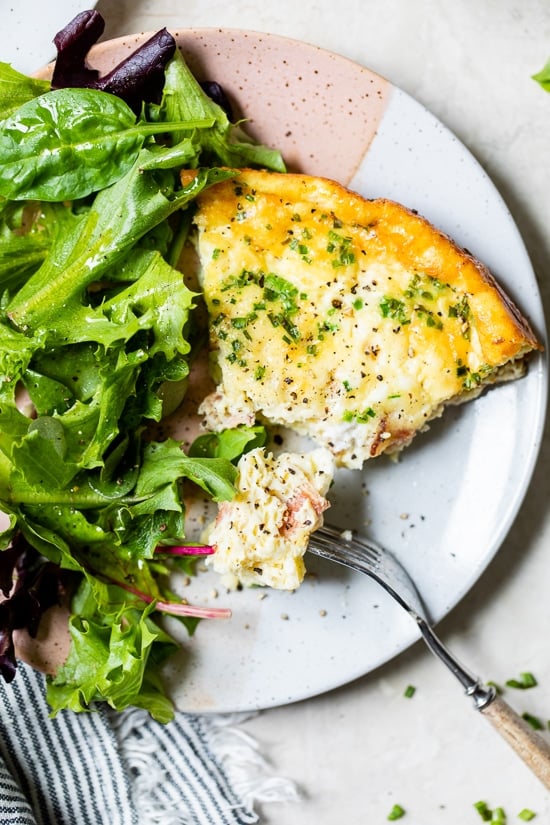
- Lunch: A cold slice of quiche, perhaps accompanied by a fresh green salad, constitutes a perfect light lunch. It’s a popular item in cafes and delis, often serving as a more substantial alternative to sandwiches or soups.
- Dinner: When paired with a simple side dish like a crisp salad, roasted vegetables, or a light soup, quiche transforms into a wholesome and comforting dinner. Its capacity to be loaded with various proteins and vegetables makes it a complete meal that can be tailored to individual preferences or seasonal availability.
Notable Quiche Variations and Their Culinary Significance
The vast array of quiche recipes available today underscores its adaptability. Each variation offers a unique culinary experience, catering to different tastes and dietary needs.

- Crustless Quiche Lorraine: This variation strips away the pastry, focusing entirely on the rich custard filling laden with bacon and Gruyère cheese. It’s a popular choice for those seeking a gluten-free option or a lighter meal, demonstrating that the essence of quiche lies in its savory custard. The absence of a crust also often translates to reduced preparation time and a lower calorie count.
- Mini Quiches: These bite-sized delights are perfect for appetizers, party platters, or as a component of a larger buffet. Often made with ham and cheese, or broccoli and cheddar, mini quiches offer portability and portion control, making them ideal for gatherings where guests prefer finger foods. They are particularly popular for catering events and celebratory brunches.
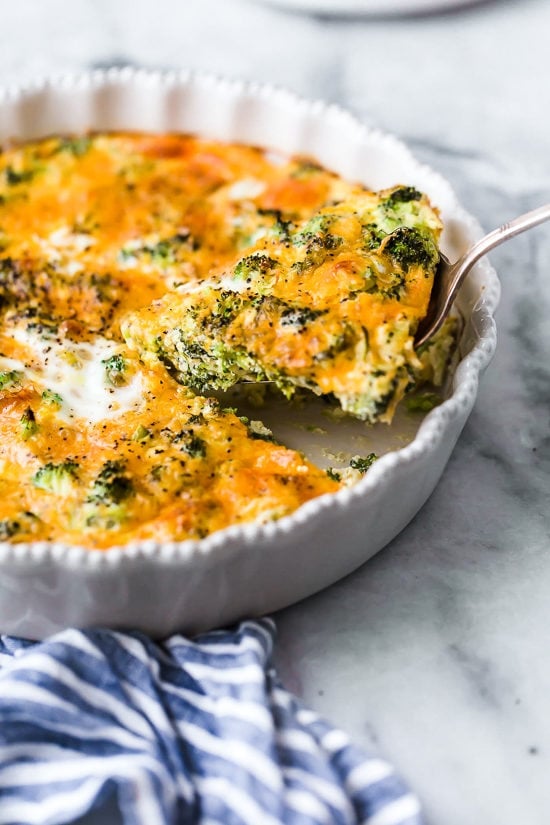
- Crustless Broccoli Cheddar Quiche: A vegetarian favorite, this version combines the earthy notes of broccoli with the sharp, comforting taste of cheddar cheese. It exemplifies how vegetables can take center stage, providing both flavor and texture without the need for meat.
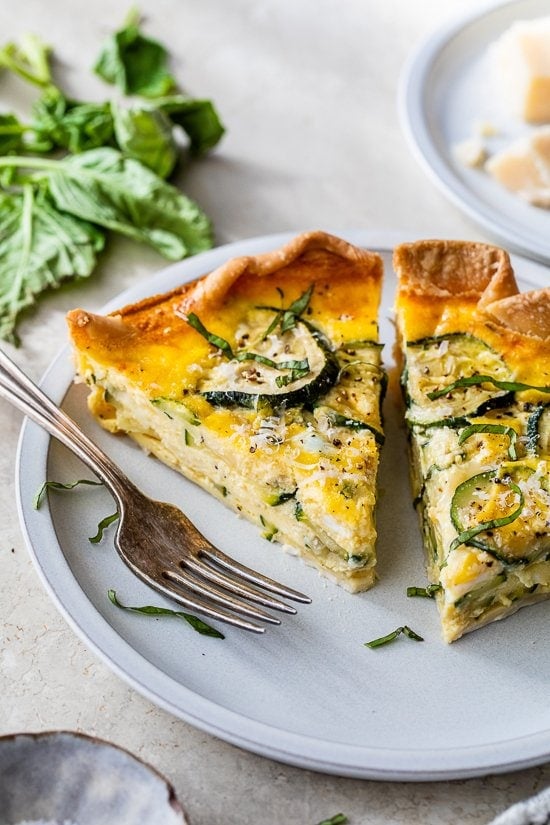
- Three-Cheese Zucchini Quiche: Capitalizing on seasonal produce, this quiche offers a delicious way to utilize abundant zucchini. The combination of multiple cheeses (often including ricotta, mozzarella, and parmesan) adds depth and creaminess, making it a hit at any meal. It showcases how quiche can be a vehicle for fresh, garden-picked ingredients.
- Crustless Potato Jalapeño Quiche: This bold variation introduces a Tex-Mex flair, incorporating diced potatoes, onions, and jalapeños, along with cheddar cheese and spices like chili powder, cumin, and paprika. It represents a departure from traditional French flavors, illustrating the global influence on quiche and its ability to absorb diverse culinary profiles.
- Spinach Ricotta Quiche: A classic vegetarian offering, this quiche combines the freshness of spinach with the creamy texture of ricotta cheese, often enhanced with tomatoes and basil. It’s a complete meal when served with a salad and highlights how simple, wholesome ingredients can create a sophisticated dish.
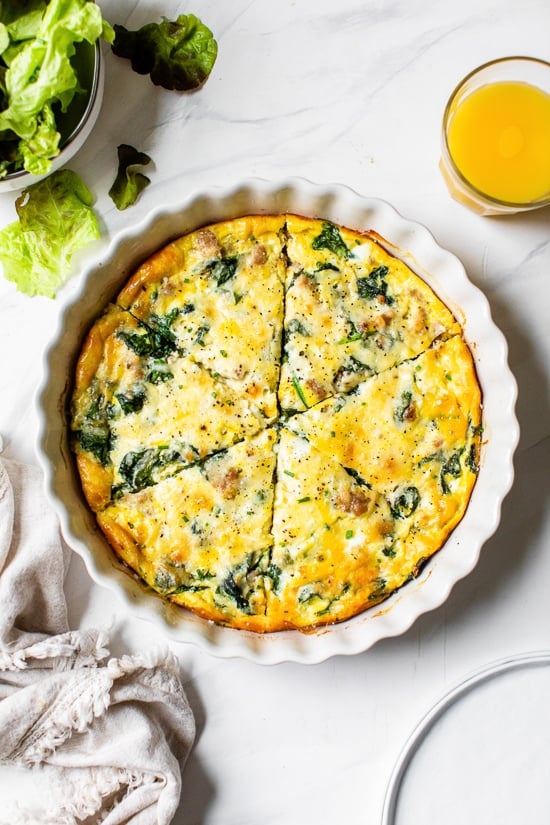
- Sausage and Spinach Quiche: This hearty option provides a robust flavor profile, combining the savory richness of sausage with the subtle earthiness of spinach. It’s an excellent choice for a more substantial meal, particularly popular for breakfast or dinner, offering a complete balance of protein and vegetables.
- Chicken Quiche: Ideal for utilizing leftover chicken, this quiche often features shredded chicken alongside vegetables like spinach and mushrooms. It’s a practical and delicious way to repurpose ingredients, embodying efficiency and flavor in one dish. The ability to customize with any combination of vegetables makes it a flexible option for clearing out the refrigerator.
- Petite Crustless Quiche: Similar to mini quiches but often emphasizing a healthier profile, these are typically made with lean proteins like turkey kielbasa, a variety of vegetables, and cheese. They are lauded as an excellent make-ahead option for busy weekday mornings, offering a gluten-free and convenient meal prep solution.
Storage and Freezing: Maximizing Convenience
Beyond its versatility in ingredients and serving times, quiche also excels in its practicality for meal planning and waste reduction. Proper storage ensures its longevity and maintains its quality for future enjoyment.

- Refrigeration: Leftover quiche should be stored in an airtight container or tightly wrapped in plastic wrap to prevent moisture loss and absorption of other refrigerator odors. When stored correctly, it typically remains fresh for 3 to 4 days. It is advisable to consult specific recipe guidelines, as certain ingredients, particularly fresh seafood or highly perishable vegetables, might slightly alter the recommended storage duration.
- Freezing: Quiche is an excellent candidate for freezing, making it an ideal choice for meal prepping or utilizing an abundance of fresh eggs or other ingredients. To freeze a quiche, it should be baked as usual and then allowed to cool completely to room temperature. Once cooled, wrap it tightly first in plastic wrap, then in aluminum foil, ensuring no air exposure to prevent freezer burn. Properly wrapped, quiche can be stored in the freezer for up to 3 months. For reheating, it is best to thaw the frozen quiche overnight in the refrigerator and then warm it in a preheated oven until heated through, which helps restore its texture and flavor.
Broader Impact and Culinary Implications
The enduring popularity of quiche extends beyond individual preferences, reflecting broader culinary trends and societal shifts. Its presence in cookbooks, food blogs, and restaurant menus over several decades attests to its consistent relevance. Culinary experts often point to quiche’s fundamental appeal in its balance of comfort and sophistication. It offers a sense of home-cooked warmth while easily adapting to more refined presentations.
In the context of modern dietary trends, quiche continues to evolve. The rise of plant-based diets has spurred innovations in vegan quiche recipes, utilizing tofu or plant-based milks as substitutes for eggs and dairy. Similarly, the demand for low-carb and gluten-free options has cemented the popularity of crustless varieties and alternative crusts. This constant evolution ensures quiche remains a dynamic and relevant dish in an ever-changing culinary landscape.
The sheer adaptability of quiche—from its historical origins to its contemporary iterations—underscores its status as a culinary staple. Whether prepared as a classic Quiche Lorraine, a vibrant vegetable-packed pie, or a convenient crustless option, it consistently delivers on flavor, convenience, and versatility, cementing its place as a beloved dish for any meal and any occasion.