

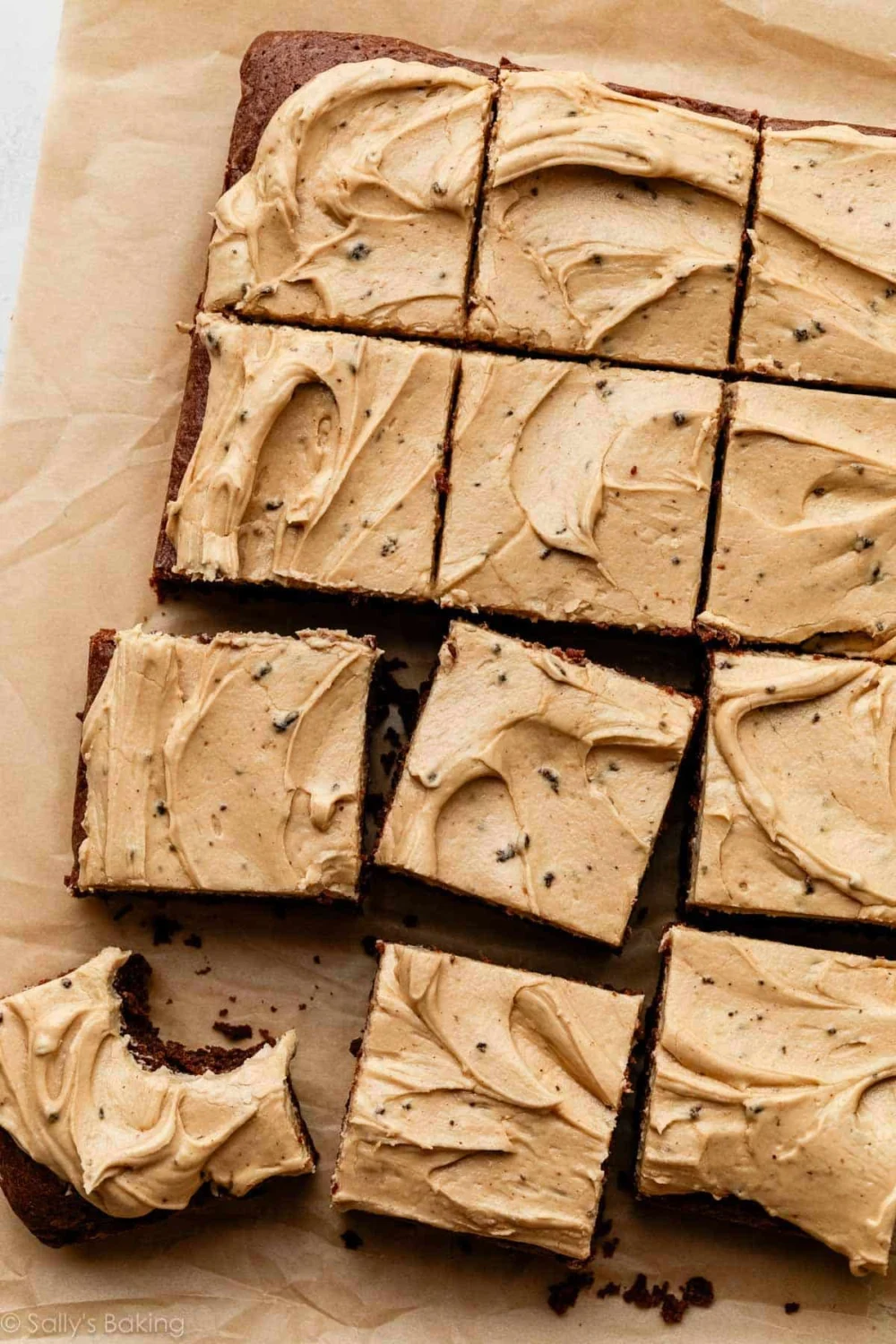
A new culinary trend is capturing the attention of dessert enthusiasts, particularly those with a penchant for rich, complex chocolate flavors: Guinness-infused brownies. These confections, characterized by their deeply fudgy texture and intensely chocolatey profile, are distinguished by a creamy, Guinness-infused frosting, promising a sophisticated twist on a classic treat. Contrary to initial assumptions, these brownies do not carry a strong beer taste; rather, the stout is meticulously integrated to enhance the inherent qualities of chocolate, making them a popular choice for celebrations, notably St. Patrick’s Day.
A Deep Dive into Flavor: The Guinness-Chocolate Symbiosis
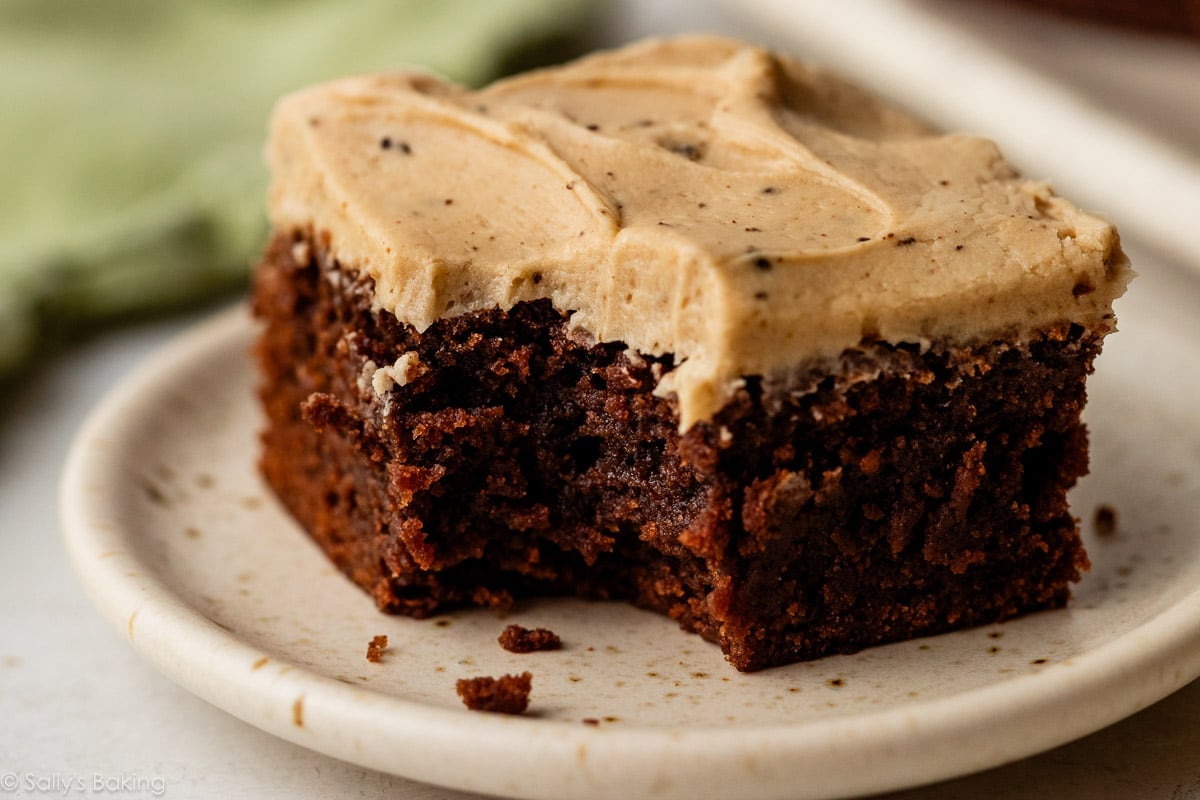
The primary misconception surrounding Guinness brownies is the expectation of a pronounced beer flavor. However, the integration of Guinness stout serves a more nuanced purpose. Instead of dominating the palate, the stout acts as a flavor enhancer, enriching the chocolate with its inherent roasted, coffee-like notes and a subtle hint of caramel sweetness. This synergistic relationship is a well-established principle in gastronomy, frequently observed in pairings such as stout and chocolate desserts, including various cakes and confections. The robust, malty character of Guinness naturally complements the bitterness and depth of high-quality cocoa, resulting in a dessert that is decadent and profoundly chocolatey without being cloyingly sweet, appealing to a more refined, adult palate.
The allure of these brownies lies in their distinctive flavor complexity and ultra-fudgy consistency, setting them apart from conventional chocolate brownies. The process of infusing Guinness into the dessert is a deliberate culinary technique designed to extract and concentrate specific flavor compounds. Guinness stout, renowned for its dark, smooth, and creamy texture, derives much of its unique profile from roasted barley. This ingredient contributes distinct notes reminiscent of roasted coffee, cocoa, and caramel. When paired with chocolate, these flavors are amplified, creating a more profound and multi-dimensional chocolate experience. This intensification of chocolate’s natural flavor is analogous to the effect coffee has when incorporated into chocolate-based recipes, underscoring the complementary nature of these ingredients.
Historical Roots: Guinness, Chocolate, and Culinary Pairings

The practice of pairing dark beers, particularly stouts, with chocolate is not a recent innovation but rather an evolution of long-standing culinary principles. Guinness, established in Dublin, Ireland, by Arthur Guinness in 1759, has a rich history as a staple beverage, celebrated for its unique flavor and cultural significance. Over centuries, brewers and chefs alike have recognized the potential for stout to transcend its role as a beverage, finding its way into savory dishes and, increasingly, into desserts.
The Maillard reaction, a chemical process responsible for the browning and flavor development in many foods, plays a significant role in both the production of roasted barley for Guinness and the creation of rich chocolate flavors. The complex array of aromatic compounds (pyrazines, furans, maltol) generated during the roasting process in barley shares similarities with those found in roasted cocoa beans. This overlap in flavor chemistry is precisely why stout and chocolate form such a harmonious union. The subtle bitterness of the stout also serves to balance the inherent sweetness of a dessert, preventing it from becoming one-dimensional and instead offering a balanced taste profile that lingers on the palate. This historical understanding of ingredient compatibility underpins the success of modern recipes like Guinness brownies, which leverage these deep-rooted flavor principles.
The Science of Reduction: Intensifying Flavor, Perfecting Texture
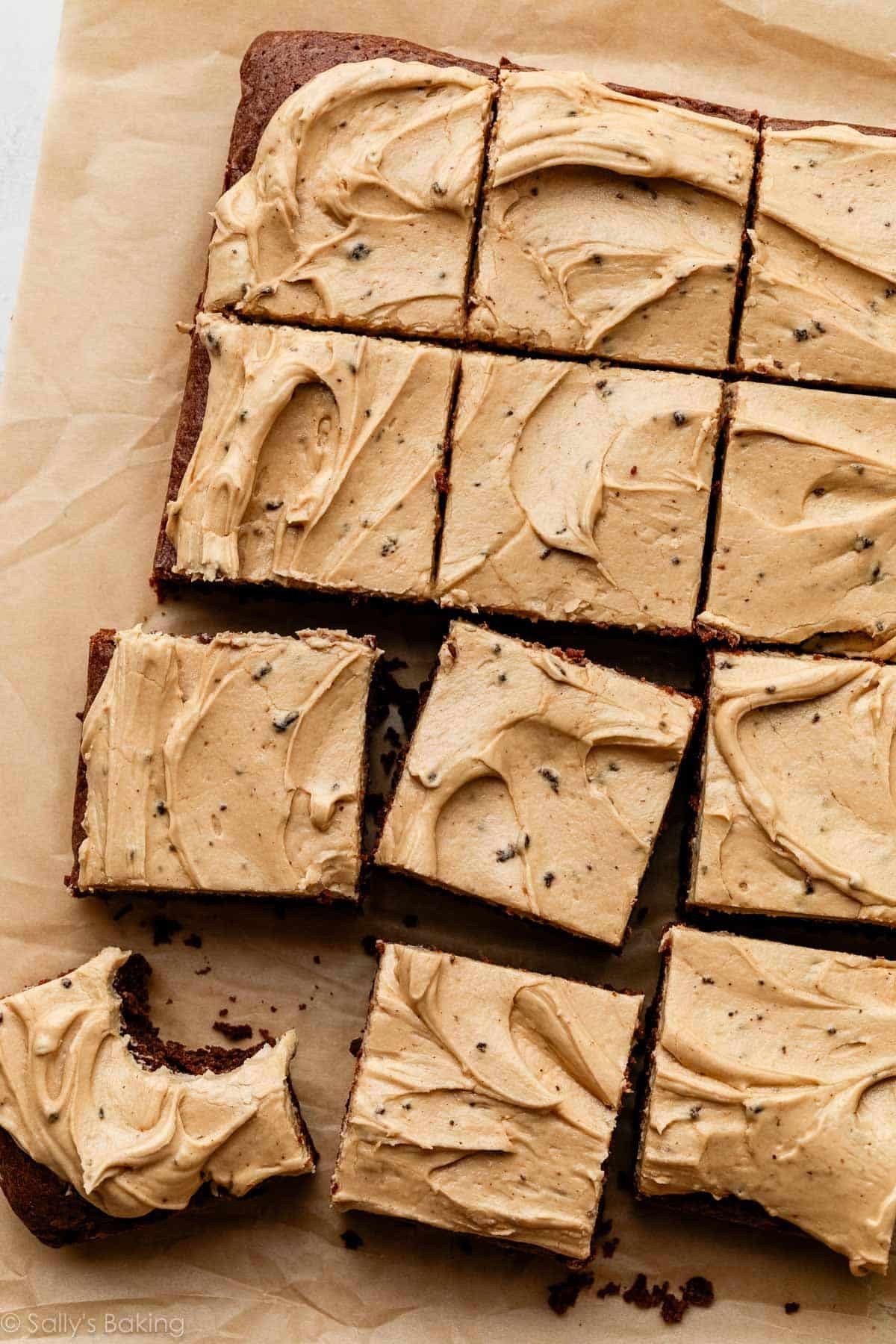
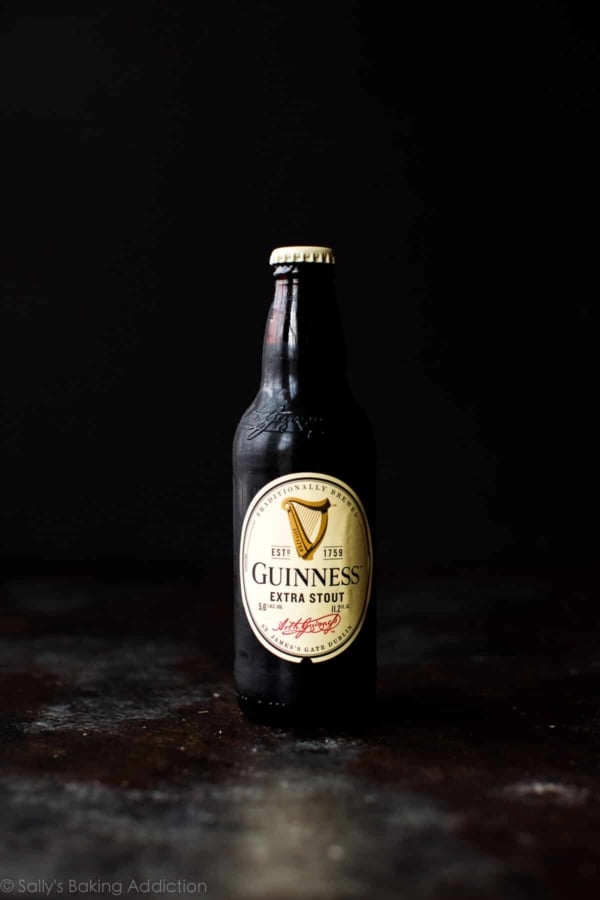
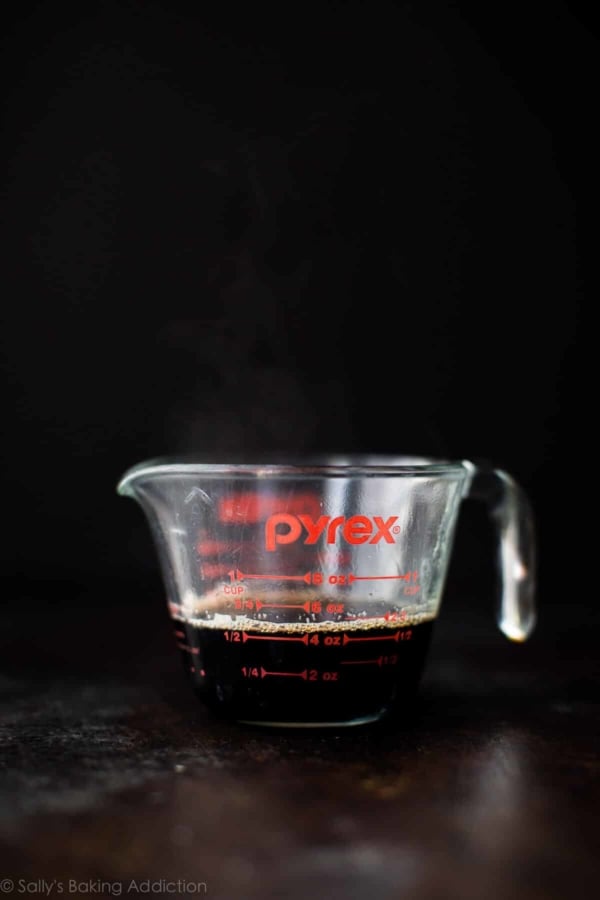
The pivotal step in crafting these exceptional Guinness brownies is the reduction of the beer. This seemingly simple technique is, in fact, a sophisticated culinary maneuver that addresses two critical aspects: flavor concentration and texture preservation. Simmering Guinness stout on the stovetop initiates a process of evaporation, wherein the water content of the beer diminishes while the non-volatile flavor compounds become concentrated. This intensification yields a more potent, malty stout flavor without introducing an excessive amount of liquid into the brownie batter.
The significance of this reduction cannot be overstated. Brownie batters are highly sensitive to moisture content; an imbalance can lead to undesirable outcomes, such as a cakey, dry, or even gummy texture. By carefully reducing the Guinness, bakers can infuse a robust stout essence into the brownies while ensuring they retain their signature dense, moist, and supremely fudgy consistency. This technique is a testament to precision baking, where controlling liquid ratios is paramount. Similar methods are employed in various other baking applications, such as concentrating fruit flavors for strawberry cakes, intensifying apple cider for donuts, or enriching champagne for cake rolls, all adhering to the principle of "less liquid, more flavor." For the Guinness brownies, approximately 1/2 cup (120g/ml) of the reduced stout is typically incorporated into the brownie batter, with an additional 2.5 tablespoons (40g/ml) reserved for the accompanying frosting, ensuring a cohesive flavor profile throughout the dessert.
Crafting the Fudgy Foundation: Beyond Basic Brownies
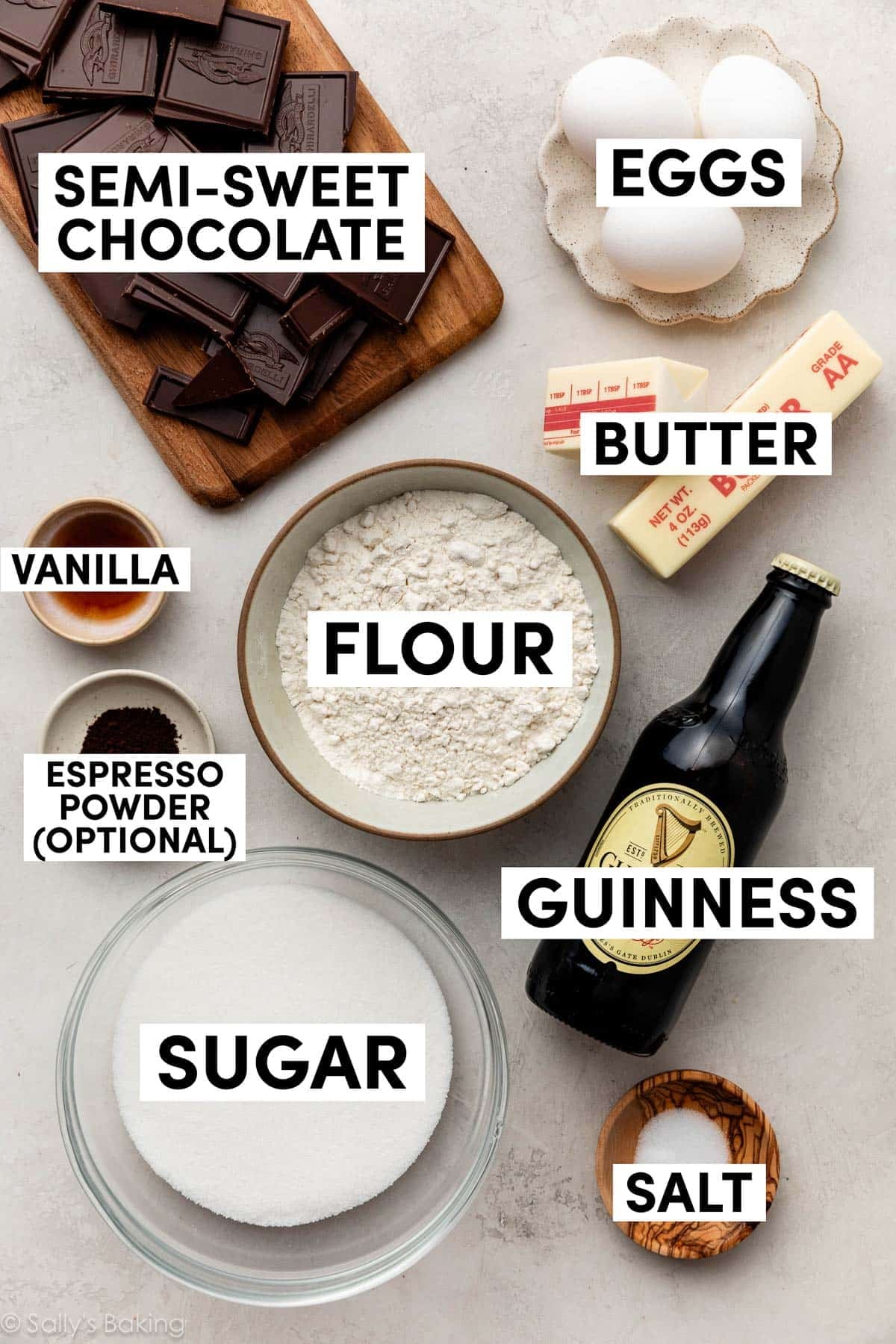
Beyond the Guinness, the success of these brownies hinges on a selection of standard yet high-quality ingredients. Essential components typically include premium unsweetened or semi-sweet chocolate, unsalted butter, granulated sugar, large eggs, vanilla extract, all-purpose flour, and a pinch of salt. A notable absence in the ingredient list is leavening agents such as baking powder or baking soda. This deliberate omission is crucial for achieving the desired ultra-fudgy texture. Leavening agents introduce air and lift, which would result in a cakier, lighter brownie, diverging from the dense, almost molten chocolate experience that defines these particular brownies. The goal is to create a dessert that is only a single step removed from pure, unadulterated chocolate, akin to other renowned fudgy brownie recipes.
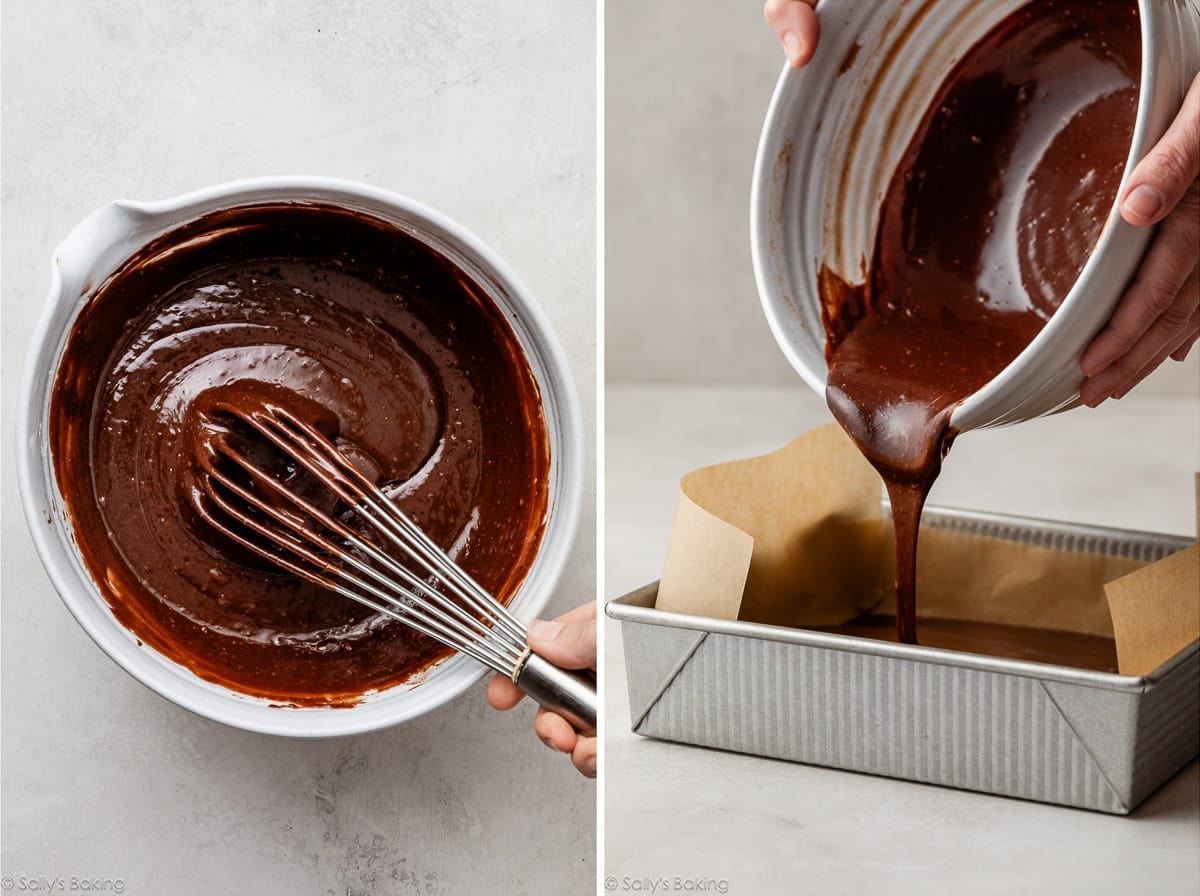
The preparation process is straightforward once the Guinness reduction is complete. It begins with melting the butter and chocolate together to form a rich, smooth base. Cutting the butter into smaller pieces facilitates even melting, whether accomplished in a microwave or over a stovetop. Subsequently, the sugar and the carefully measured reduced Guinness are whisked into the chocolate mixture, followed by the eggs and vanilla extract. The final step involves incorporating the dry ingredients, resulting in a thick, glossy batter. This batter is then spread into a lined 9-inch square metal baking pan—metal being preferred over glass or ceramic for its superior heat conductivity, ensuring even baking and consistent results.
The Art of the Guinness Frosting: A Harmonious Topping
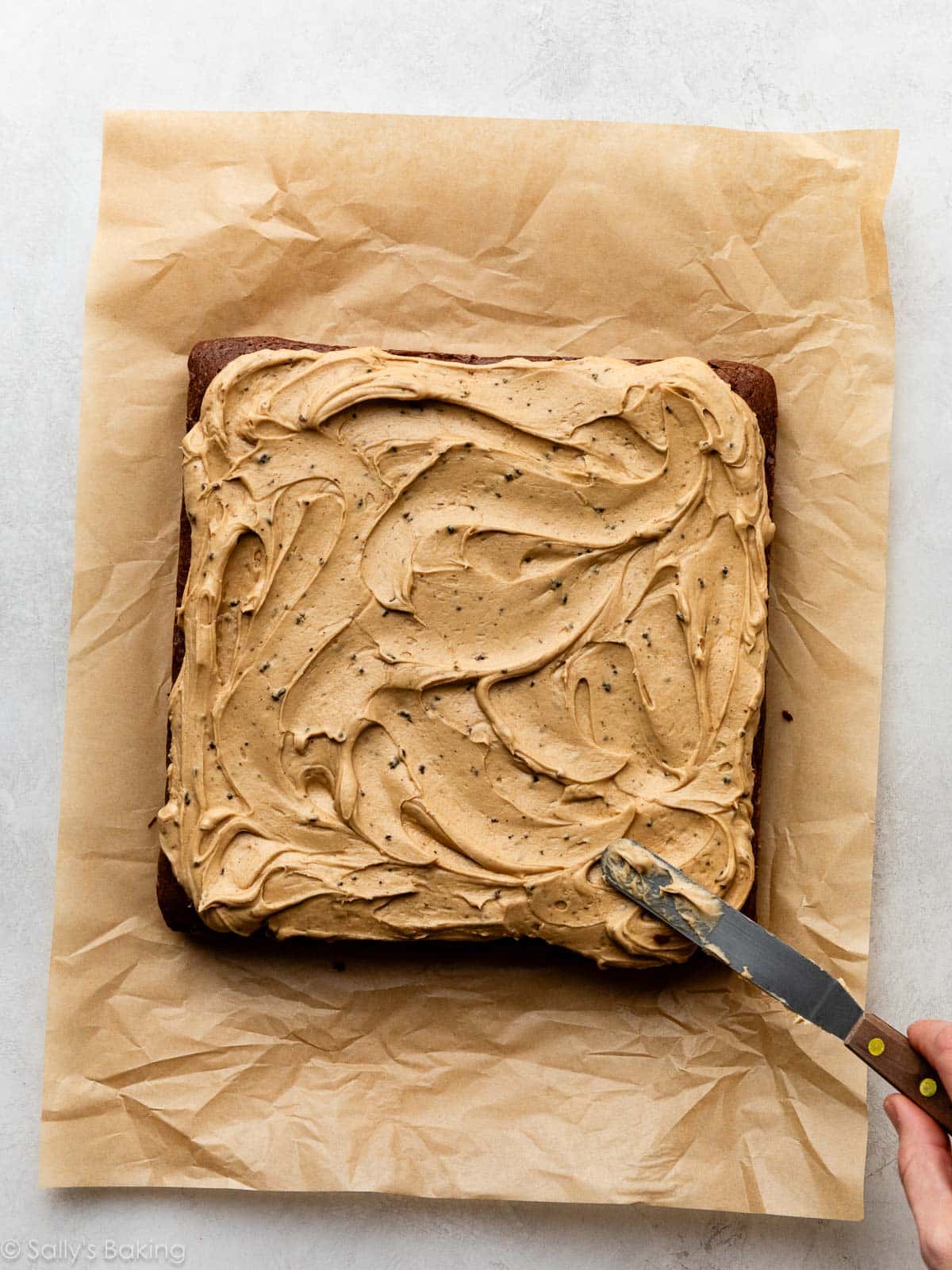
While the Guinness brownies are remarkably flavorful on their own, their inherent decadence invites the addition of a creamy counterpart. The Guinness frosting serves as the perfect complement, offering a harmonious balance of sweetness and subtle complexity. This frosting is typically crafted from ingredients such as softened unsalted butter, powdered sugar, the remaining reduced Guinness, espresso powder, and vanilla extract.
The flavor profile of this frosting is uniquely delicious and multifaceted. The espresso powder further amplifies the chocolate notes within the brownie, while the reduced Guinness contributes its signature malty, slightly caramelized undertones. The overall taste is often described as espresso-like with delicate hints of stout, creating an intriguing interplay of flavors that elevates the entire dessert. This sophisticated topping not only adds a creamy texture but also reinforces the distinct character of the Guinness brownie, transforming it into an unforgettable culinary experience. For those seeking alternatives, these brownies also pair exceptionally well with classic vanilla ice cream, homemade whipped cream, or a mocha whipped cream, offering versatile options for personalization.
Baking with Precision: From Batter to Brownie
Achieving the perfect Guinness brownie requires attention to detail throughout the baking process. Once the rich batter is prepared and evenly spread into the lined baking pan, it is typically baked in a preheated oven. The baking time is critical, and monitoring the brownies closely is essential to prevent overbaking, which can compromise their coveted fudgy texture.
The ideal doneness for brownies is achieved when a toothpick or thin skewer inserted into the center emerges with a few moist crumbs clinging to it. It should not be coated in wet batter, which indicates underbaking, nor should it come out completely clean, signaling that the brownies are overbaked and likely to be dry. Removing the brownies from the oven when the center is just set ensures they retain their optimal density, moisture, and fudginess. After baking, the brownies are typically allowed to cool completely in the pan before being cut into squares and frosted. This cooling period is vital for the brownies to set properly, making them easier to handle and ensuring a clean cut.
Cultural Resonance and Modern Culinary Trends
The emergence and sustained popularity of Guinness brownies underscore broader trends in contemporary baking and culinary innovation. Their particular resonance around St. Patrick’s Day is no coincidence; it taps into the cultural significance of Guinness as an iconic Irish symbol, allowing individuals to celebrate the holiday with a uniquely themed and delicious dessert. This phenomenon reflects a growing desire among home bakers and professional chefs to infuse traditional holidays and events with creative, ingredient-driven interpretations of classic dishes.
Furthermore, Guinness brownies exemplify a movement towards more gourmet and sophisticated home baking. Consumers are increasingly interested in recipes that utilize unconventional or artisan ingredients to elevate familiar comfort foods. The integration of stout into brownies transforms a simple dessert into a conversation piece, showcasing culinary adventurousness and a refined palate. The careful scientific approach to reducing the Guinness, combined with a deep understanding of flavor chemistry, positions these brownies within the realm of thoughtful, elevated cuisine rather than mere novelty.
The broad appeal of these brownies, even to those who typically dislike beer, highlights their accessibility and innovative nature. By transforming the stout’s character into a subtle, enhancing agent rather than a dominant flavor, the recipe invites a wider audience to experience its unique contribution to chocolate. This aspect speaks to a larger trend of demystifying ingredients and showcasing their versatility, encouraging culinary exploration without intimidation. The enduring interest in Guinness brownies demonstrates a blend of cultural celebration, scientific precision, and innovative flavor pairing that continues to captivate the culinary world.
Addressing Common Queries: Dispelling Myths and Clarifying Techniques
Several common questions frequently arise regarding Guinness brownies, primarily centering on taste, ingredient choices, and preparation methods.
- Do Guinness brownies taste like beer? As extensively discussed, the brownies do not have a strong beer flavor. The stout’s role is to enhance chocolate with subtle roasted notes reminiscent of coffee or dark caramel, resulting in a richer, deeper chocolate profile rather than a beer-flavored dessert.
- What type of Guinness should be used for baking? Classic Guinness Draught stout is generally recommended due to its smooth, roasted flavor that perfectly complements chocolate. While Extra Stout or other dark stouts can be used, they might impart a slightly stronger malt flavor.
- Is reducing the Guinness truly necessary? Yes, it is a critical step. Reducing the Guinness concentrates its flavor while removing excess liquid. Skipping this step would thin the brownie batter, potentially leading to cakey or gummy brownies, thereby compromising the desired dense, moist, and fudgy texture.
- Can Guinness brownies be made without alcohol? While the alcohol content is significantly reduced during simmering and baking, for a completely alcohol-free version, a stout-style nonalcoholic beer can be substituted to achieve a similar flavor profile.
- How to determine when brownies are fully baked? Brownies are optimally baked when a toothpick inserted into the center comes out with a few moist crumbs attached. It should not be coated in wet batter (underbaked) nor emerge completely clean (overbaked). Overbaking can lead to dry brownies, so precise timing and observation are key.
These FAQs reinforce the technical considerations and culinary nuances that contribute to the success and distinctiveness of Guinness brownies, solidifying their place as a noteworthy contribution to the dessert landscape.