

In the current economic climate, where global food prices remain volatile and supply chain disruptions persist, the management of household food resources has emerged as a critical component of domestic financial stability. Data from the United States Department of Agriculture (USDA) indicates that approximately 30 to 40 percent of the food supply in the United States is wasted, a figure that translates to billions of dollars in lost consumer value and significant environmental impact. Within this context, rice—a staple grain for more than half of the world’s population—presents a unique challenge and opportunity for waste reduction. While it remains one of the most cost-effective ingredients available, its tendency to be prepared in excessive quantities often leads to significant surplus. Culinary experts and food safety researchers are increasingly advocating for a shift in perspective: viewing leftover rice not as a waste product to be discarded, but as a deliberate, "planned" ingredient essential for specific gastronomic applications.
The Economic and Environmental Landscape of Food Waste
The financial implications of food waste are substantial. For the average American family of four, discarded food represents an estimated annual loss of $1,500. Grains, including rice, constitute a significant portion of this waste. Beyond the direct financial cost, the environmental toll of producing food that is never consumed includes the wasted use of water, land, energy, and labor, alongside the generation of greenhouse gases in landfills.
Strategic meal planning and the repurposing of leftovers are cited by economists as primary methods for households to combat food price inflation. Rice, due to its neutral flavor profile and structural versatility, serves as an ideal candidate for "upcycling." By integrating surplus rice into secondary meals, consumers can effectively lower their "cost per serving" across multiple days, maximizing the utility of a single bulk purchase.
Food Safety and the Science of Rice Storage
The transition from freshly cooked rice to a safe, repurposed ingredient requires strict adherence to microbiological safety standards. Rice is a known carrier of Bacillus cereus, a bacterium that can produce toxins leading to foodborne illness, often colloquially referred to as "fried rice syndrome." These spores can survive the initial cooking process and, if the rice is left at room temperature, can multiply and produce heat-resistant toxins.
To mitigate this risk, the Nashville Test Kitchen and other food safety organizations recommend a specific chronology for handling cooked rice:
- Rapid Cooling: Cooked rice should be cooled as quickly as possible. Spreading the rice on a baking sheet or portioning it into shallow, clean containers accelerates the cooling process.
- The Two-Hour Window: Per USDA guidelines, cooked perishables should not remain in the "danger zone" (between 40°F and 140°F) for more than two hours.
- Refrigeration and Freezing: Once cooled, rice should be stored in airtight containers. It remains safe for consumption for three to four days in the refrigerator. For long-term management, rice can be frozen for two to three months without significant degradation of quality.
- Thorough Reheating: When repurposing rice, it must be reheated to an internal temperature of 165°F to ensure any potential pathogens are neutralized.
The Culinary Advantage of Staled Grains
From a culinary perspective, "day-old" rice is often superior to freshly steamed rice for specific dishes. This is due to a process known as starch retrogradation. As cooked rice cools and sits, the starch molecules crystallize, and the grains lose surface moisture. This results in a firmer, less sticky texture. In applications such as fried rice, this structural integrity prevents the grains from clumping or becoming "mushy" when introduced to sauces and high-heat stir-frying.
Advanced Applications: Fried Rice Variants
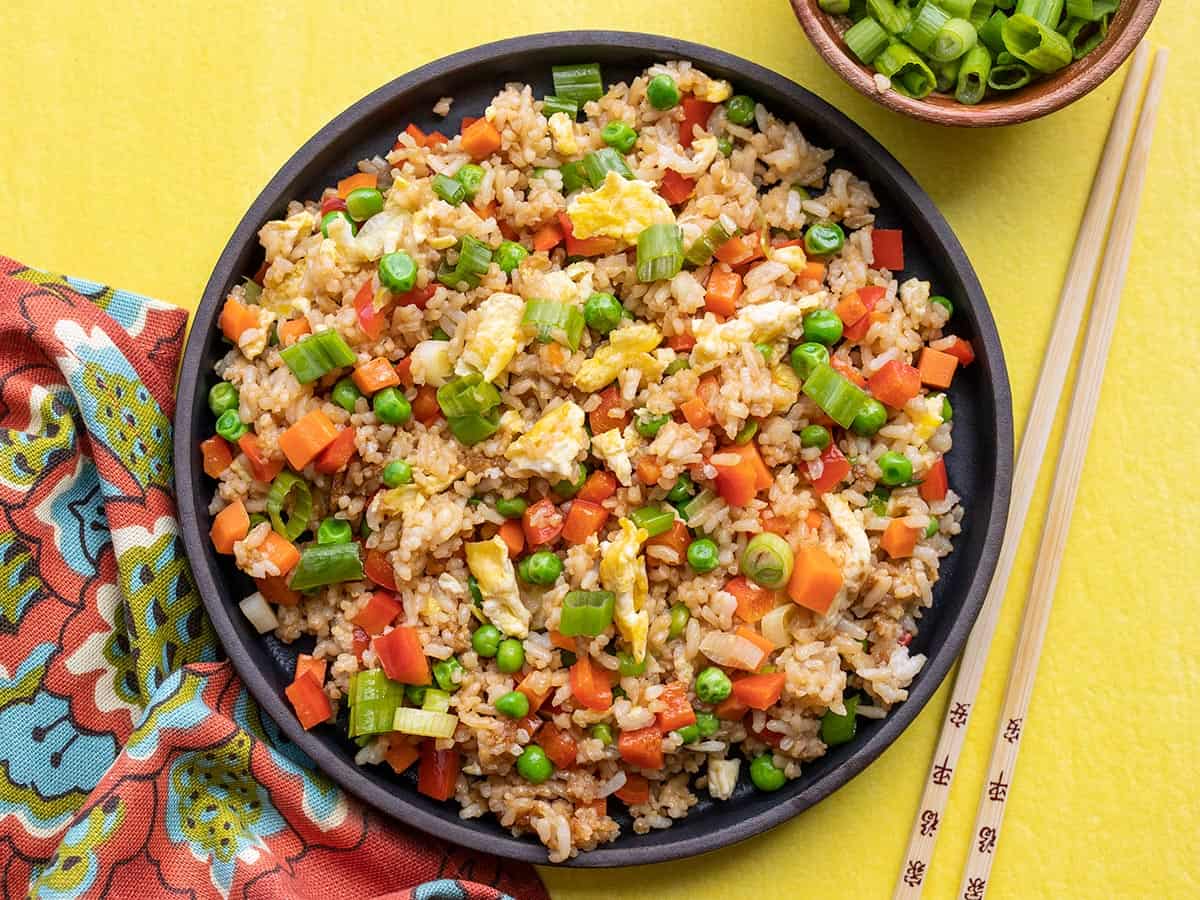
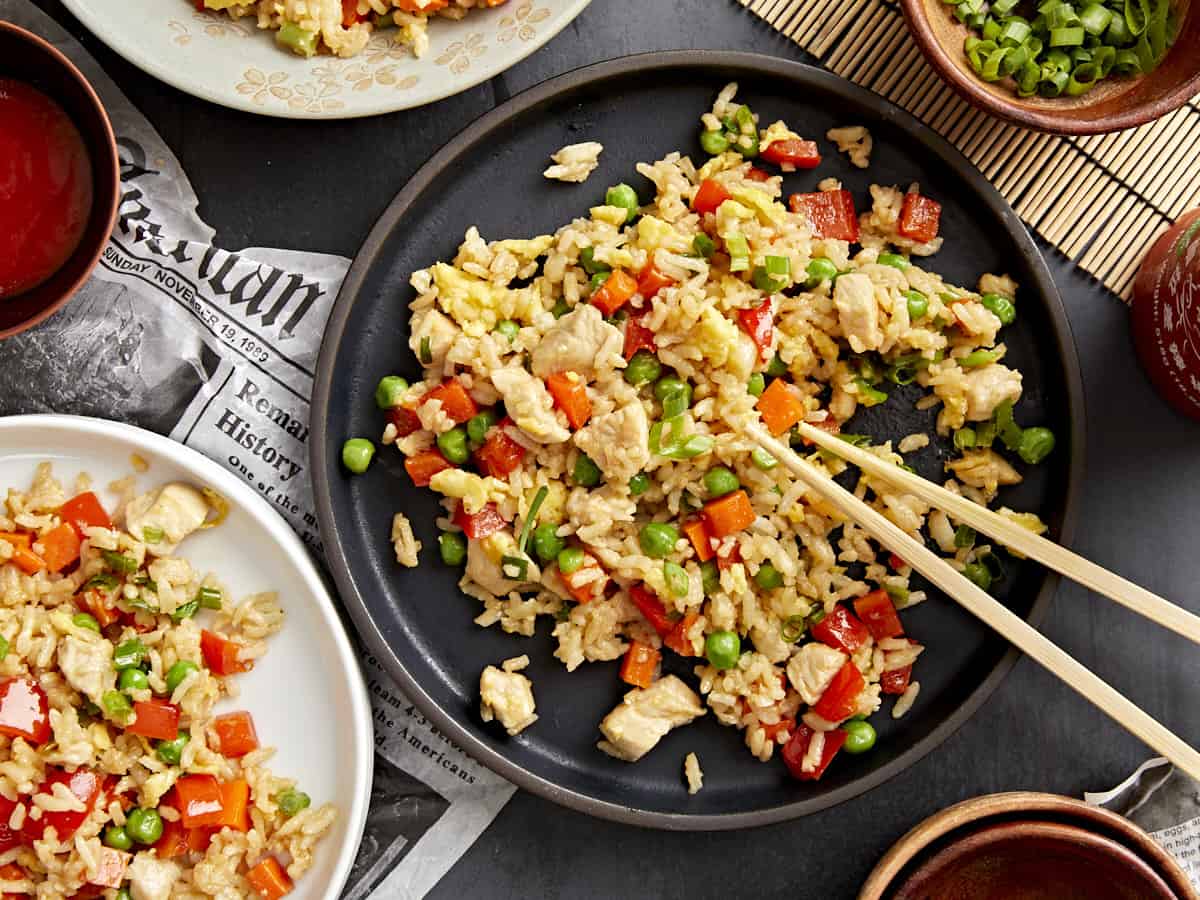
Fried rice is perhaps the most recognized application for repurposed grains. By utilizing chilled rice, chefs can achieve a distinct grain separation that is difficult to replicate with fresh rice.
- Vegetable-Centric Approaches: Utilizing aromatics such as garlic and ginger, combined with soy sauce and toasted sesame oil, allows for the integration of various vegetable "odds and ends," further reducing household waste.
- Protein Integration: The addition of chicken or other lean proteins can transform a side dish into a nutritionally complete meal. This method is noted for its ability to stretch a single chicken breast across four servings when bulked with rice and vegetables.
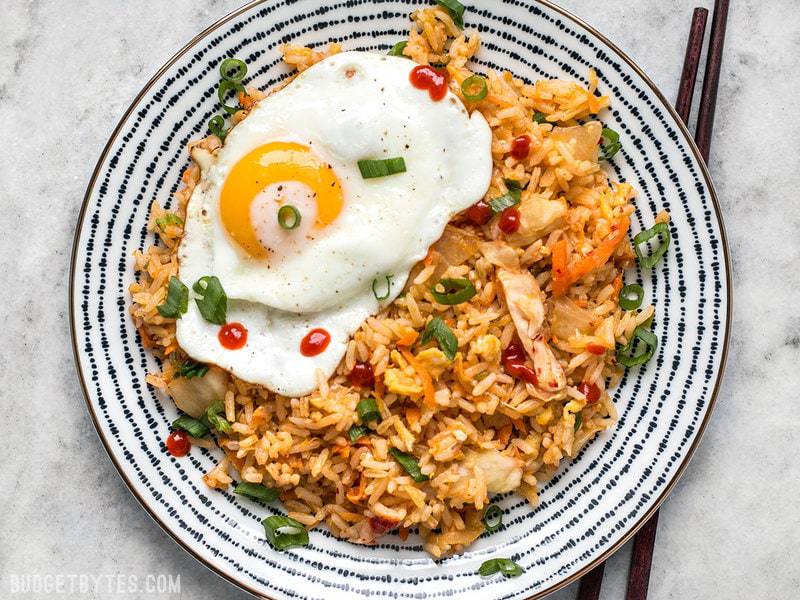
- Fermented Flavor Profiles: Kimchi fried rice utilizes the acidity and heat of fermented cabbage to "wake up" the neutral profile of stored rice. This application is particularly effective as it utilizes two different types of "leftovers"—the rice and the maturing kimchi.
Casseroles and the Architecture of Comfort Food
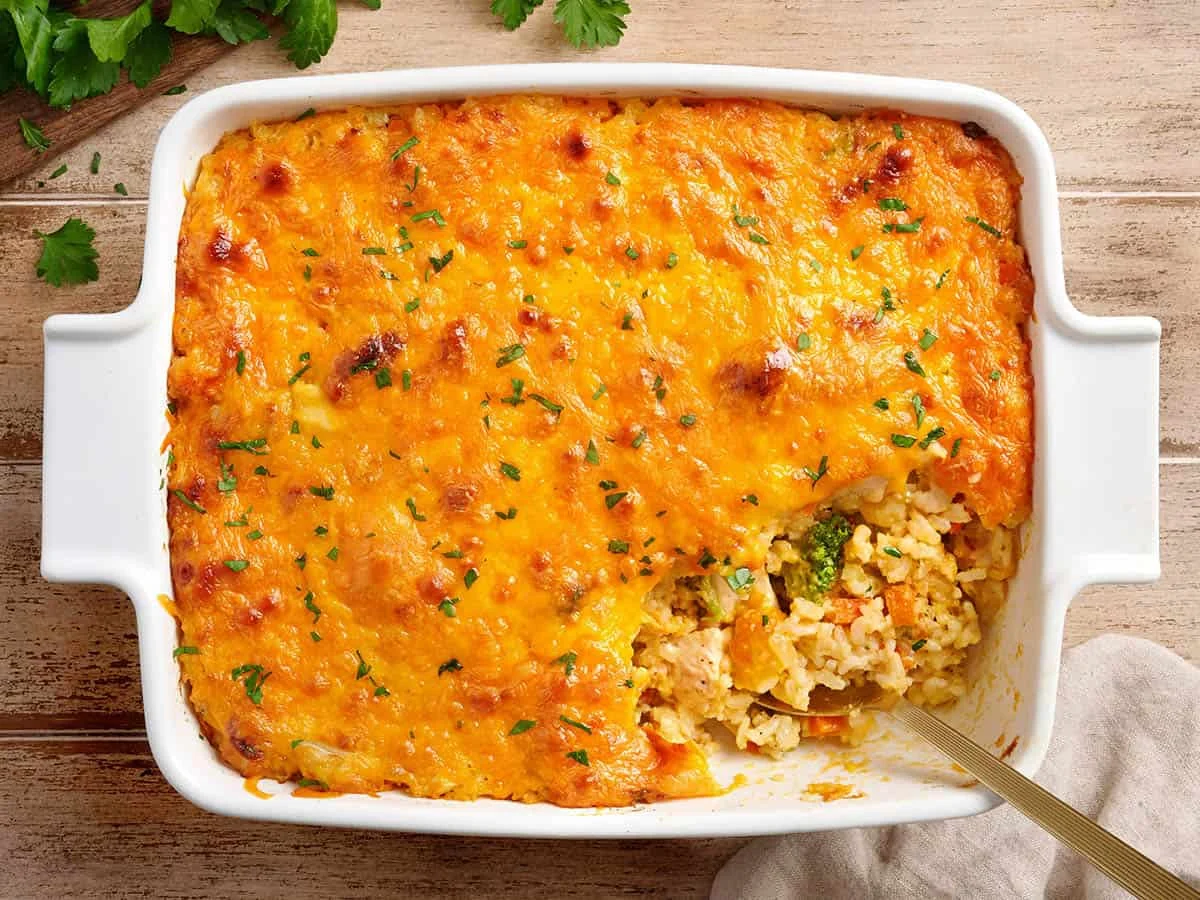
Casseroles and baked dishes represent another significant category for rice utilization. The firmer texture of refrigerated rice allows it to withstand the secondary cooking process of baking without losing its form.
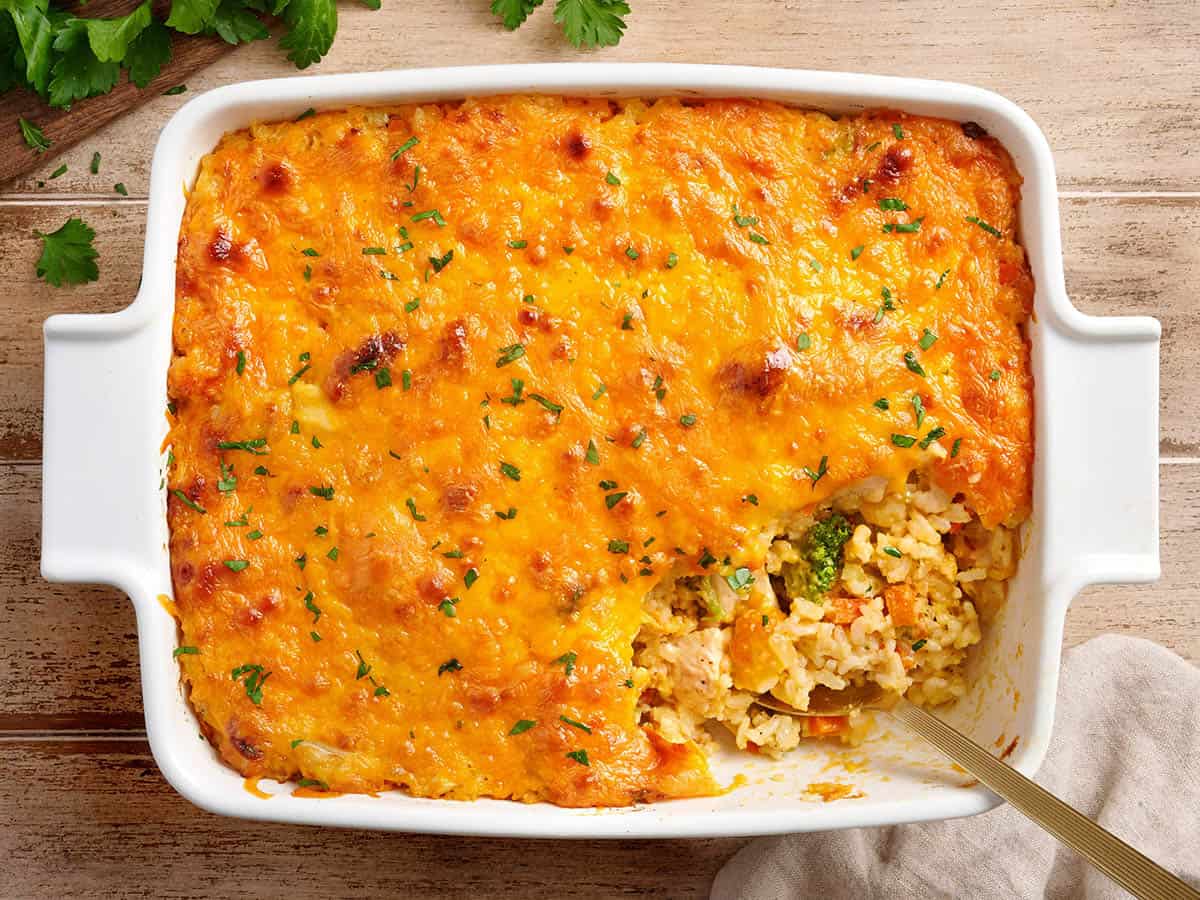
- Chicken and Rice Formations: When combined with cheese, vegetables, and a creamy binder, leftover rice provides the structural foundation for hearty, budget-friendly dinners. These dishes often utilize other pre-cooked items, such as rotisserie chicken, creating a synergy of repurposed ingredients.
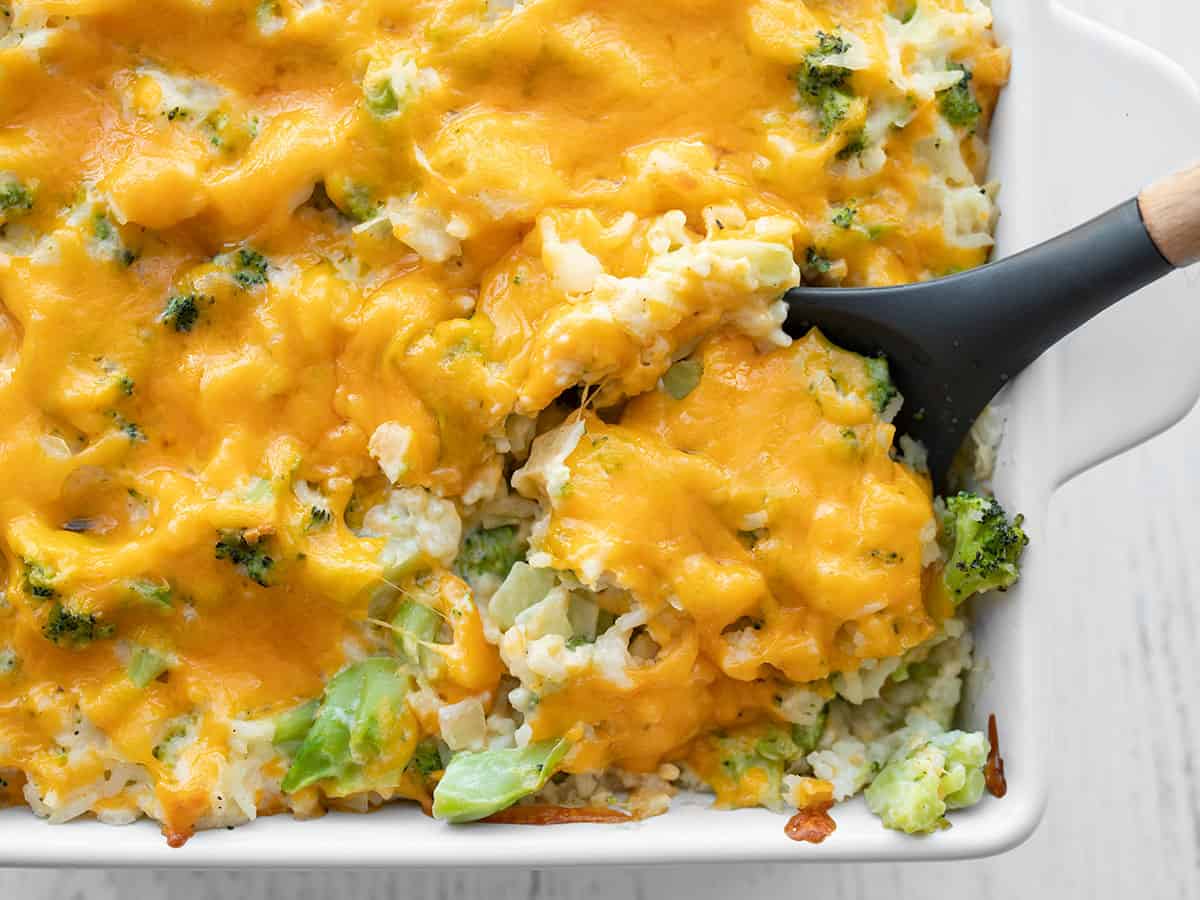
- Vegetable Gratin Styles: Broccoli and cheddar casseroles demonstrate how rice can act as a neutral carrier for bold flavors and creamy textures, effectively serving as both a filler and a functional component of a side dish or vegetarian main.
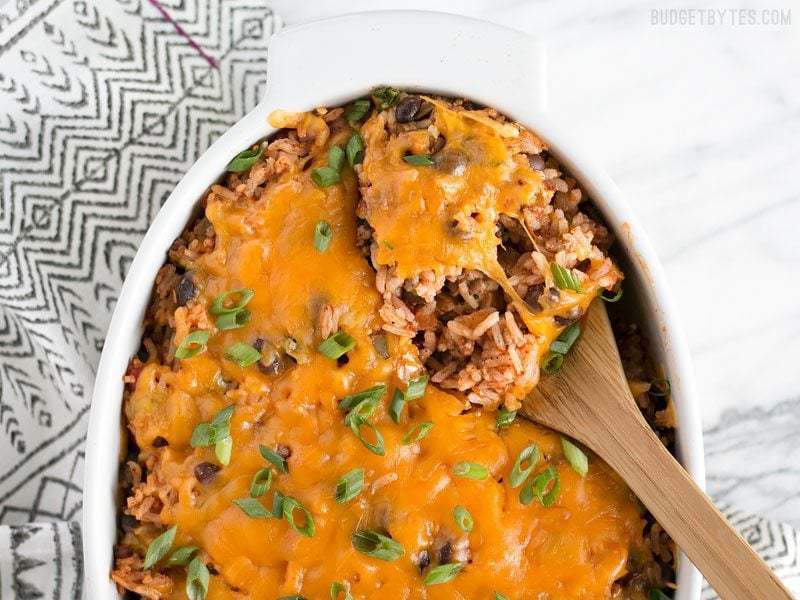
- Multicultural Casserole Adaptations: The "Beef Burrito Casserole" model illustrates the versatility of rice in Western-Mexican fusion cooking. By layering seasoned beef, black beans, and salsa with rice, households can replicate the flavors of a burrito in a format that is easier to store and reheat for subsequent lunches.
The Rise of the "Bowl Meal" in Modern Nutrition
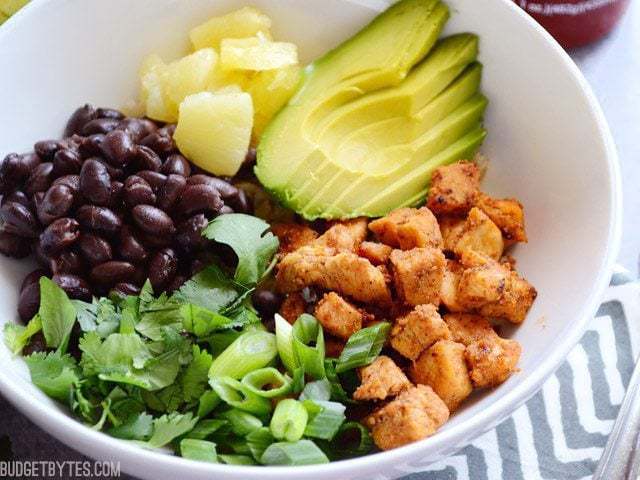
Nutritionists and culinary educators, including Chef Jess Rice, emphasize the "bowl meal" as a premier strategy for healthy, efficient eating. Rice bowls provide a customizable template that accommodates various dietary needs and flavor preferences.
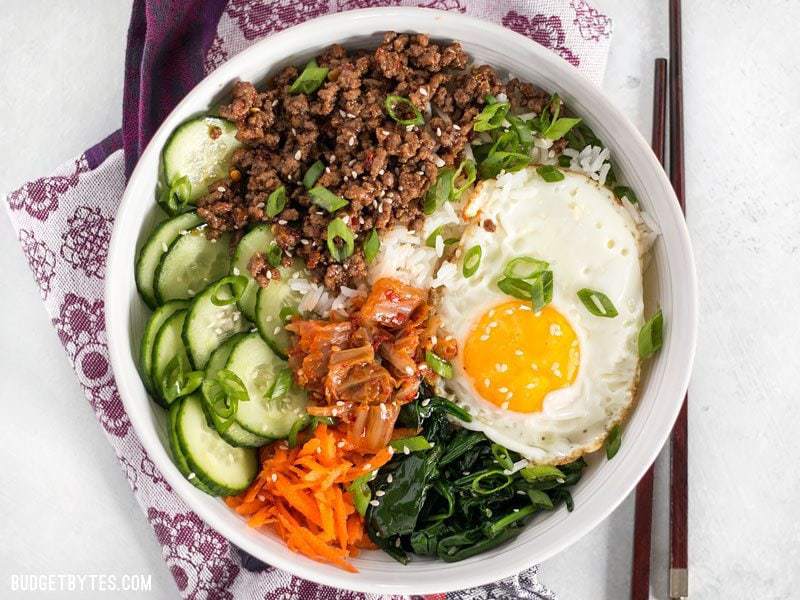
- Korean Bibimbap: A traditional "mixed rice" bowl that serves as a functional template for using small portions of various vegetables (spinach, carrots, sprouts) and a single protein source, topped with a fried or hard-boiled egg.
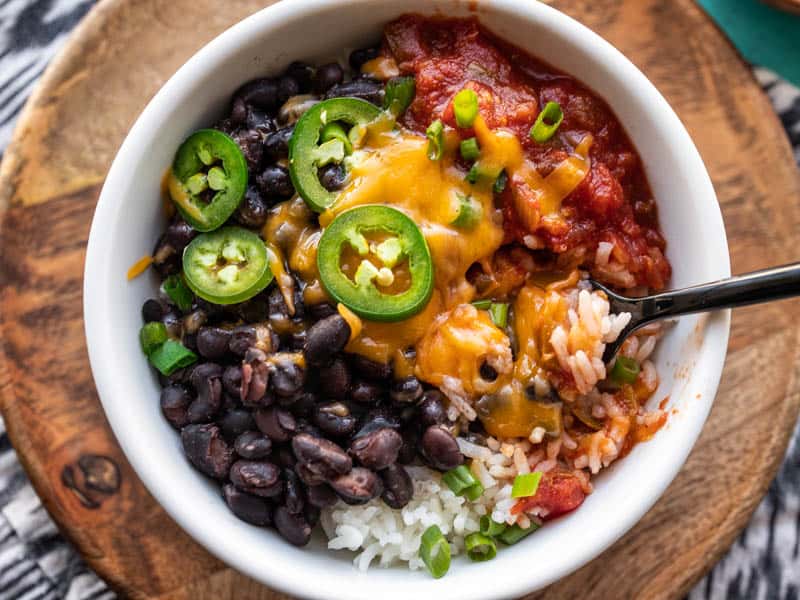
- Economical Burrito Bowls: Often referred to as "Poor Man’s Burrito Bowls," these dishes rely on the staples of rice and beans. This combination provides a complete protein profile at a fraction of the cost of meat-based meals.
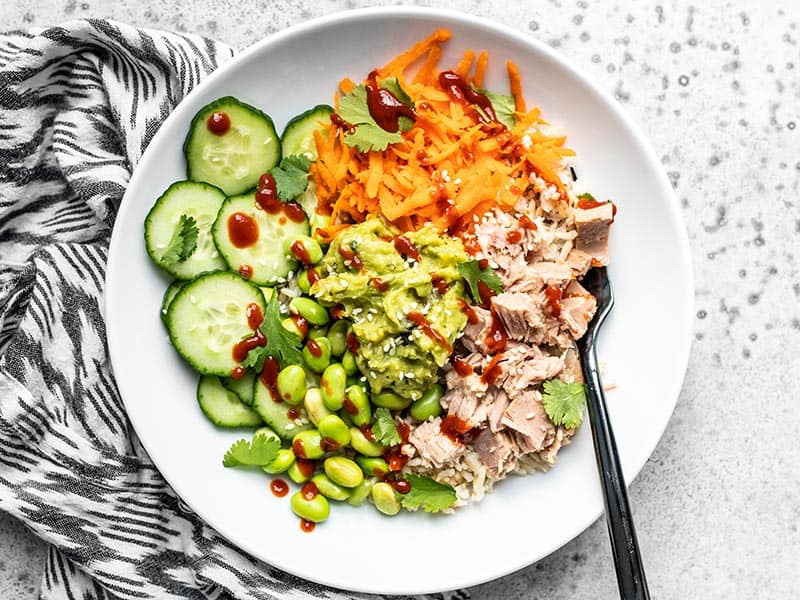
- No-Reheat Lunch Solutions: For consumers without access to heating appliances during the workday, chilled rice bowls—such as those featuring spicy tuna, guacamole, and edamame—provide a high-fiber, high-protein alternative to traditional sandwiches.
Diversification: From Breakfast to Dessert
The utility of leftover rice extends beyond savory lunch and dinner applications into more unconventional territories, such as breakfast and sweets.
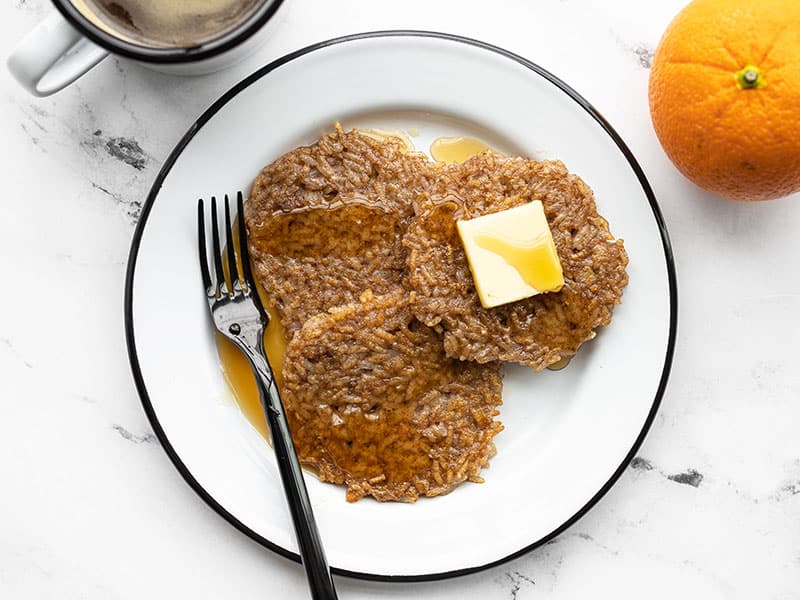
- Rice-Based Pancakes: By incorporating cooked rice into a batter, cooks can create pancakes with a unique texture—crisp on the exterior and soft in the center. This serves as a gluten-reduced or resource-efficient alternative to traditional flour-heavy breakfasts.
- Traditional Rice Pudding: While many traditional recipes call for raw rice, the use of pre-cooked rice significantly reduces the simmering time required to achieve a creamy dessert. By adjusting milk ratios and adding warm spices like cinnamon and nutmeg, leftover rice is transformed into a sophisticated, low-cost confection.
Broader Impact and Industry Implications
The movement toward "waste-free" cooking is not merely a domestic trend but is increasingly reflected in the professional culinary industry. Restaurants are under growing pressure to improve their "trash fish" utilization and reduce vegetable trimmings. In the home, the mastery of leftover rice represents a microcosm of this larger sustainability movement.
Chef Jess Rice, a former Chef Professor and restaurateur, notes that instructing home cooks on these techniques provides them with "joy and purpose" while simultaneously addressing the practicalities of a food budget. The ability to view a container of plain, cold rice as the starting point for a high-quality meal—rather than a burden in the back of the refrigerator—marks a significant shift in consumer behavior.
Conclusion: A Data-Driven Approach to the Pantry
As household budgets continue to be squeezed by macroeconomic factors, the "extra byte" of information regarding food repurposing becomes essential. The evidence suggests that by following scientific storage protocols and applying diverse culinary techniques, the average consumer can significantly reduce their environmental footprint and grocery expenditures. Whether integrated into a nutrient-dense bibimbap, a cozy broccoli cheese bake, or a quick batch of breakfast pancakes, leftover rice remains one of the most powerful tools in the modern, budget-conscious kitchen. The transition from "using things up" to "planned ingredient management" is the hallmark of a sophisticated and sustainable domestic food strategy.