

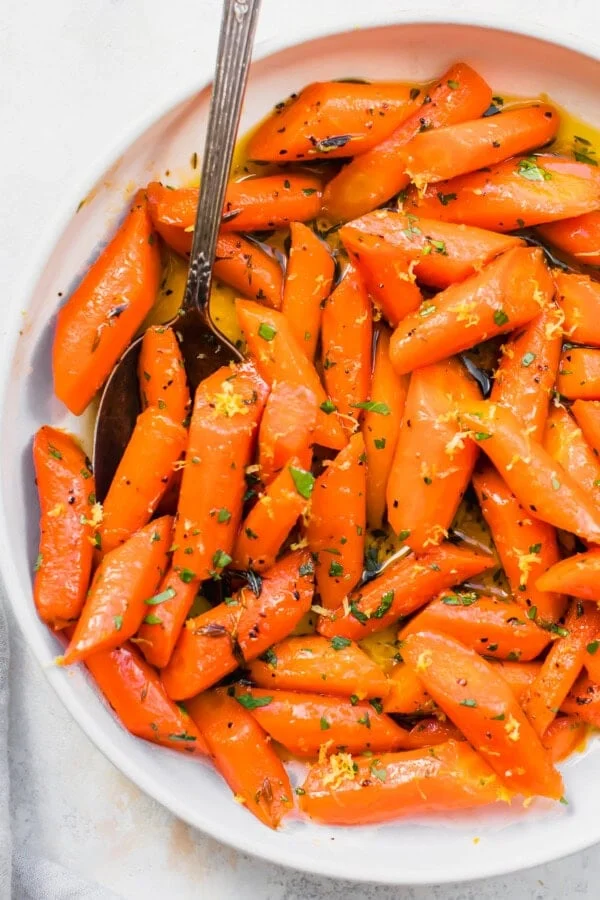
The preparation of easy honey butter glazed carrots on the stovetop represents a culinary practice deeply embedded in seasonal and celebratory dining traditions. This dish, characterized by its tender texture and a delicate balance of sweetness, routinely graces tables during significant holidays such as Easter and Thanksgiving, yet its simplicity and appeal extend its suitability to any festive meal. The method involves a gentle simmering process on the stovetop, which differentiates it from oven-roasted preparations by preserving moisture and imparting a distinct, glossy finish without requiring oven space—a valuable consideration during large-scale holiday cooking.
The core technique, as popularized in various culinary circles, involves carrots cooked in a combination of butter, honey, and often a sprig of thyme. This process typically spans approximately 20 minutes, allowing the carrots to achieve optimal tenderness while absorbing the rich, sweet glaze. The final presentation frequently incorporates fresh parsley and lemon zest, which introduce a bright, herbaceous counterpoint to the sweetness, enhancing the overall sensory experience. This stovetop approach offers a distinct alternative to roasted carrots, which caramelize in the oven to develop a deeper flavor profile and crispy edges, catering to varied textural and flavor preferences.

The Historical and Nutritional Significance of Key Ingredients
To understand the enduring appeal of honey butter glazed carrots, it is essential to delve into the history and nutritional contributions of its primary components: carrots, honey, and butter.
Carrots (Daucus carota subsp. sativus):
The carrot, a root vegetable, boasts a rich history spanning over a millennium. Originating in Central Asia, specifically Afghanistan, approximately 1,100 years ago, early carrots were purple or yellow, not the familiar orange variety we recognize today. The orange carrot, rich in beta-carotene, was selectively bred in the Netherlands during the 16th or 17th century as a tribute to the House of Orange. Since then, it has become a global staple.

Nutritionally, carrots are celebrated for their high content of beta-carotene, a precursor to Vitamin A, which is crucial for vision, immune function, and skin health. A typical 3/4 cup serving of carrots, as found in a glazed preparation, contributes significantly to daily Vitamin A requirements. Beyond this, carrots are a good source of dietary fiber, promoting digestive health, and contain various antioxidants that combat oxidative stress. According to the Food and Agriculture Organization (FAO) of the United Nations, global carrot production exceeds 40 million metric tons annually, with China, Uzbekistan, and the United States being among the largest producers, underscoring its widespread agricultural importance and dietary integration.
Honey:
Honey, nature’s sweetener, has been utilized by humans for millennia, with evidence suggesting its consumption dates back to prehistoric times. Ancient civilizations, including the Egyptians, Greeks, and Romans, valued honey not only for its sweetening properties but also for its perceived medicinal qualities. The production of honey by bees involves collecting nectar from flowers, which is then broken down into simple sugars and stored in honeycombs.
From a nutritional perspective, honey is primarily composed of fructose and glucose, along with trace amounts of vitamins, minerals, and antioxidants. While it is a sugar, its composition and enzymatic properties offer a distinct flavor profile and perceived health benefits compared to refined sugars. The global honey market is substantial, with countries like China, Turkey, and Argentina being major producers. The specific floral source impacts honey’s flavor, color, and even its nutritional nuances, allowing for a diverse range of culinary applications. The use of honey in glazing provides a complex sweetness that caramelizes beautifully when heated, contributing to the dish’s characteristic sheen and depth of flavor.

Butter:
Butter, a dairy product made from churning milk or cream, has been a culinary cornerstone for thousands of years. Its origins are often traced to ancient nomadic cultures who discovered it accidentally by agitating milk. Throughout history, butter has served as a vital source of fat and energy, particularly in colder climates.
In modern cuisine, butter is prized for its rich flavor and ability to carry other flavors. It is composed primarily of milk fats, along with water and milk solids. While often viewed through the lens of its saturated fat content, butter also provides fat-soluble vitamins such as A, D, E, and K2. Its role in the honey butter glaze is multifaceted: it provides a luxurious mouthfeel, helps to emulsify the glaze, and its fat content facilitates the absorption of fat-soluble nutrients from the carrots. The global dairy industry continues to produce vast quantities of butter, reflecting its indispensable role in cooking and baking worldwide.
The Stovetop Glazing Methodology: Efficiency and Flavor Development

The appeal of this particular recipe lies significantly in its stovetop preparation, offering a practical advantage during busy holiday meal preparations where oven space is often at a premium. The methodology is straightforward yet yields impressive results.
Preparation and Initial Simmering:
The process begins with preparing the carrots, typically peeled and cut into uniform pieces to ensure even cooking. These are then introduced to a skillet containing a combination of butter and a neutral oil. The addition of oil, often olive oil or vegetable oil, elevates the smoke point of the cooking fat, preventing the butter from burning while contributing to a smoother cooking medium. Fresh thyme is often added at this stage, infusing the carrots with its aromatic, slightly earthy notes as they begin to soften.
The carrots are then gently simmered, often with a small amount of water or broth, allowing them to steam and tenderize without browning excessively. This controlled cooking environment ensures the carrots remain succulent and develop a soft interior, a hallmark of well-prepared glazed carrots. This phase typically lasts for 15-20 minutes, depending on the thickness of the carrot pieces.

The Glazing Process:
Once the carrots are tender, the liquid in the pan is allowed to reduce, and honey is introduced. As the mixture continues to simmer, the honey, butter, and any remaining liquid emulsify and thicken, forming a lustrous glaze that coats each carrot piece. The sugars in the honey, combined with the fats from the butter, undergo a mild caramelization, intensifying the sweetness and adding a desirable sheen. This reduction process concentrates the flavors, creating a rich, syrupy coating that adheres beautifully to the vegetables.
Finishing Touches:
The dish is typically finished with a sprinkle of fresh parsley and a generous grating of lemon zest. The parsley introduces a fresh, herbaceous note, visually enhancing the dish with a vibrant green contrast. Lemon zest, rich in essential oils, provides a bright, acidic counterpoint that cuts through the sweetness of the glaze, preventing the dish from becoming cloyingly sweet and elevating its overall flavor complexity. This final step transforms a simple vegetable side into a sophisticated accompaniment.
Culinary Versatility and Broader Implications

This recipe’s popularity stems from its inherent versatility and its ability to complement a wide array of main dishes. Gina, a culinary expert frequently sharing recipes, notes that this simple honey-glazed carrot recipe strikes an ideal balance between sweet and savory, making it a highly adaptable side. It pairs seamlessly with diverse protein sources, from poultry like air-fried rotisserie chicken to seafood such as baked salmon, underscoring its utility for both elaborate holiday feasts and simpler weeknight dinners.
Holiday and Family Dinners:
The association of honey butter glazed carrots with holidays like Easter and Thanksgiving is not merely coincidental. These occasions often call for comforting, familiar dishes that can be prepared efficiently for larger gatherings. The stovetop method is particularly advantageous as it frees up valuable oven space, which is typically occupied by turkeys, hams, or roasted potatoes. Its relatively short preparation time, approximately 35 minutes total (15 minutes prep, 20 minutes cook), makes it an appealing option for home cooks managing multiple dishes simultaneously. The dish’s vibrant orange hue also adds a festive visual element to the holiday table.
Dietary Considerations and Adaptations:
From a dietary perspective, while the dish incorporates butter and honey, it remains a vegetable-centric offering. The nutritional breakdown provided—approximately 138.5 kcal, 20.5g carbohydrates, 1.5g protein, 6.5g fat (3g saturated), 10mg cholesterol, 159mg sodium, 4.5g fiber, and 13g sugar per 3/4 cup serving—highlights its energy contribution and beneficial fiber content. For those monitoring fat intake, options like reduced-fat butter or a blend of butter and olive oil can be considered, though the flavor and texture might subtly shift. Similarly, alternative sweeteners like maple syrup could be used, offering a different flavor profile. The dish is inherently vegetarian and can be easily made vegan by substituting butter with a plant-based alternative, making it suitable for a wider range of dietary preferences.

Make-Ahead and Storage:
Practicality extends to its make-ahead and storage capabilities. Cooked honey butter glazed carrots can be prepared up to two days in advance, stored in an airtight container in the refrigerator. Reheating can be done gently on the stovetop over low heat, possibly with a splash of water or broth to revive the glaze, or in the microwave. This feature is particularly valuable for holiday meal planning, allowing for staggered preparation and reducing last-minute stress. Leftovers, if properly stored, maintain their quality for several days, providing convenient subsequent meals.
Variations and Innovations:
While the classic honey butter and thyme combination is a staple, the recipe lends itself to numerous variations.
- Spice Additions: A pinch of cinnamon, nutmeg, or a dash of ginger can introduce warm, autumnal notes, particularly suitable for Thanksgiving. A subtle kick can be achieved with a tiny amount of red pepper flakes.
- Herb Alternatives: Rosemary or sage can be substituted for thyme, offering different aromatic profiles. Dill provides a fresh, slightly anisy flavor that pairs well with carrots.
- Citrus Enhancements: Beyond lemon zest, orange zest or a splash of orange juice can amplify the sweetness and add a distinct citrusy brightness.
- Root Vegetable Medley: Incorporating other root vegetables such as parsnips, sweet potatoes, or even pearl onions alongside the carrots can create a more diverse and visually appealing side dish, with the glaze complementing the varying textures and flavors.
- Nutty Additions: A sprinkle of toasted pecans or walnuts just before serving can add a delightful crunch and nutty flavor dimension.
Broader Impact and Culinary Trends:
The enduring popularity of dishes like stovetop honey butter glazed carrots reflects broader culinary trends towards comfort food, an appreciation for fresh, seasonal ingredients, and the desire for accessible yet flavorful recipes. In an era where home cooking is increasingly valued, recipes that combine simplicity with impressive results continue to gain traction. The emphasis on using natural sweeteners like honey aligns with consumer preferences for less processed ingredients. Furthermore, the dish serves as an excellent gateway to encouraging vegetable consumption, particularly for younger palates, by presenting carrots in an appealing, subtly sweet format.

In conclusion, the humble honey butter glazed carrot, prepared on the stovetop, is far more than a simple side dish. It is a testament to the power of basic ingredients combined with a straightforward cooking technique to create a dish that is both delicious and deeply resonant within culinary traditions. Its historical roots, nutritional value, adaptability, and practical advantages ensure its continued place as a cherished component of meals, from everyday dinners to grand holiday feasts.