

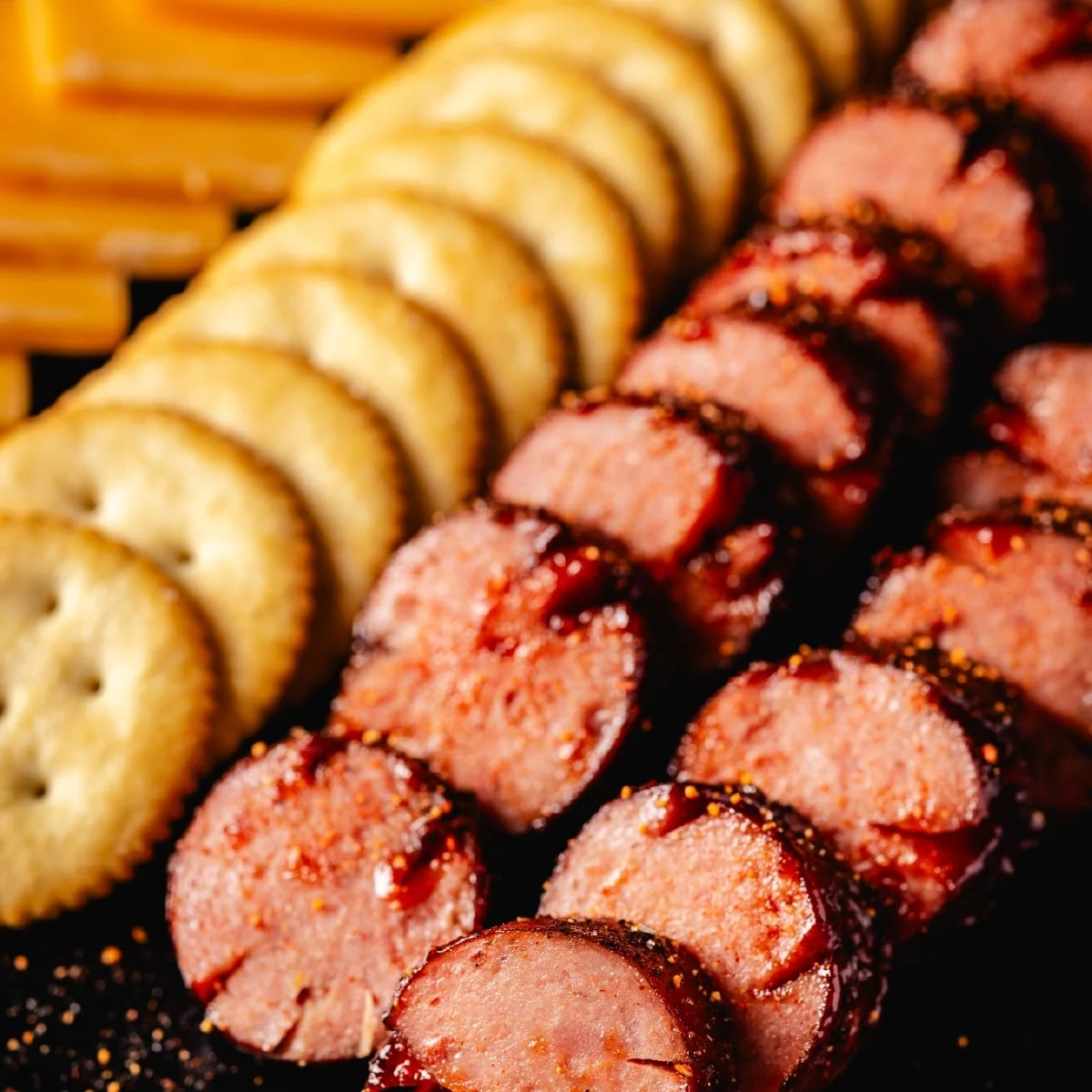
The Evolution of Kielbasa in American Barbecue Culture
To understand the significance of this specific preparation, one must examine the historical context of kielbasa. The term "kielbasa" is derived from the Polish word for sausage, encompassing a wide variety of styles. However, in the North American context, it typically refers to Kiełbasa Polska or smoked sausage, often seasoned with garlic, pimento, and black pepper. Historically, these sausages were developed as a preservation method, using salt and smoke to extend the shelf life of pork and beef cuts.
In recent years, the American barbecue circuit has seen a shift toward incorporating these European staples into traditional wood-fired cooking. While brisket and ribs remain the pillars of the craft, sausages like kielbasa offer a shorter cooking window and a consistent fat-to-lean ratio that makes them ideal for experimental glazes. The "Hot Honey Glaze" variant is a contemporary development, reflecting a broader consumer trend toward "swicy" (sweet and spicy) flavor profiles. Data from market research firms indicates that consumer interest in hot honey-related products has seen a double-digit percentage increase annually since 2021, influencing everything from fried chicken to artisanal pizza and, now, smoked meats.

Technical Analysis of the 90-Minute Smoking Process
The preparation of Smoked Kielbasa with Hot Honey Glaze is governed by specific thermodynamic and chemical principles that ensure the final product maintains its structural integrity while absorbing maximal flavor.
The Strategic Importance of Scoring
One of the foundational steps in this method is the scoring of the sausage casing. When meat is subjected to heat, the proteins and fats expand. In a traditional casing, this pressure can lead to "bursting," where the skin ruptures unpredictably, leading to a loss of internal juices and a compromised aesthetic. By scoring the kielbasa—creating shallow, rhythmic incisions along the length of the link—the cook provides a controlled release for steam and expansion.
Furthermore, scoring increases the surface area of the meat. This expanded surface area serves two purposes: first, it allows for deeper penetration of wood smoke (a process known as the "smoke ring" formation, though less pronounced in pre-cooked meats); and second, it creates "pockets" where the BBQ rub and glazes can settle and caramelize.

Thermal Calibration and Wood Selection
The recipe calls for a consistent temperature of 225 degrees Fahrenheit. This temperature is critical because it sits just above the boiling point of water but well below the searing temperatures used in grilling. At 225 degrees, the fat within the kielbasa renders slowly, lubricating the meat fibers without causing the protein to tighten and become rubbery.
Regarding wood selection, mild hardwoods such as apple, cherry, or maple are preferred. Because kielbasa often contains garlic and existing smoke notes, heavy woods like hickory or mesquite can overwhelm the delicate balance of the Hot Honey glaze. The use of fruitwoods introduces a subtle sweetness that complements the honey-based finish.
Chronological Breakdown of Preparation
The efficiency of this dish is highlighted by its structured 90-minute timeline, which can be divided into three distinct phases:

- Preparation and Binder Application (0–15 Minutes): The kielbasa is scored and coated in a "binder." In this specific method, a mustard-based "Zesty Gold" BBQ sauce is utilized. Unlike oil or water, mustard-based binders contain vinegar and solids that help the dry rub adhere to the meat while providing an acidic counterpoint to the richness of the pork. A "Sweet Rub" is then applied, introducing sugars that will eventually undergo the Maillard reaction.
- The Smoke Interval (15–80 Minutes): The seasoned links are placed in the smoker. During this hour-long window, the dry rub sets into a "bark" or crust. The low heat ensures that the pre-cooked internal structure of the sausage remains moist while the exterior takes on a deeper, mahogany hue from the wood smoke and sugar caramelization.
- The Glazing Phase (80–90 Minutes): The final ten minutes are dedicated to the application of the Hot Honey BBQ glaze. Applying the glaze too early would result in the sugars burning; applying it at the end allows the honey to become tacky and translucent, creating a professional-grade "sheen" that is highly valued in competitive barbecue.
The Role of Ingredients in Flavor Architecture
The success of the Smoked Kielbasa with Hot Honey Glaze relies on a four-pillar ingredient deck, each serving a specific culinary function:
- Kielbasa: Provides the savory, salty base. As a pre-smoked product, it offers food safety advantages and a shortened cook time compared to raw links.
- Zesty Gold BBQ Sauce: Acts as a binder and adds acidity. The mustard base cuts through the fattiness of the sausage.
- Sweet Rub: A blend typically consisting of brown sugar, paprika, and garlic powder. The sugar is essential for the caramelization process, while the spices bridge the gap between the meat and the glaze.
- Hot Honey BBQ Sauce: The finishing element. The capsaicin in the "hot" component triggers a sensory response that is balanced by the glucose in the honey, creating a complex lingering finish.
Market Trends: The Rise of the BBQ Charcuterie Board
The Smoked Kielbasa with Hot Honey Glaze is frequently cited as a centerpiece for "BBQ Charcuterie," a trend that has transformed traditional meat-and-cheese platters into warm, smoked hors d’oeuvres displays. Industry analysts suggest that this shift is driven by a desire for "social dining" experiences where guests can sample various high-quality meats in bite-sized portions.
The inclusion of smoked sausages on these boards provides a textural contrast to hard cheeses and crackers. From a cost-analysis perspective, kielbasa is a highly economical choice for hosts, offering a premium "smoked" experience at a fraction of the price per pound of brisket or pork belly.

Food Safety and Storage Protocols
As with all processed meats, adherence to safety standards is paramount. Most commercially available kielbasa is "pre-smoked" or "fully cooked," meaning it has been brought to an internal temperature of at least 160 degrees Fahrenheit during manufacturing to eliminate pathogens.
When reheating or further smoking these sausages at home, the goal is flavor infusion rather than sterilization. However, once the vacuum seal is broken and the meat is exposed to the environment and additional ingredients, the shelf life changes. According to standard food safety guidelines:
- Refrigeration: Leftover smoked kielbasa should be stored in an airtight container or a vacuum-sealed bag. It remains optimal for consumption for 3 to 4 days.
- Freezing: For long-term storage, the smoked product can be frozen for up to 2 months without significant degradation of texture, provided it is protected from freezer burn.
Impact on the Outdoor Cooking Industry
The popularity of accessible recipes like Smoked Kielbasa with Hot Honey Glaze has had a measurable impact on the outdoor cooking industry. Digital platforms and culinary creators, such as Susie Bulloch of "Hey Grill Hey," have played a pivotal role in demystifying the smoking process for the general public.

This "democratization of BBQ" has led to increased sales in the mid-range pellet grill and smoker market, as consumers look for equipment that can handle both long-form cooks and quick, 90-minute appetizers. Furthermore, the retail sector has seen a surge in "specialty" BBQ sauces and rubs, as home cooks seek to replicate professional results using branded products like Zesty Gold and Hot Honey glazes.
Conclusion and Future Outlook
The Smoked Kielbasa with Hot Honey Glaze stands as a testament to the evolution of backyard cooking. By combining the old-world tradition of Polish sausage with the new-world obsession with spicy-sweet glazes, the dish satisfies both the palate and the modern requirement for preparation efficiency. As the "BBQ Charcuterie" trend continues to grow, it is expected that variations of this recipe—incorporating different wood types, heat levels, and binder bases—will continue to proliferate, further cementing kielbasa’s place in the pantheon of great American barbecue. For the "Backyard BBQ Hero," the recipe offers a reliable, repeatable, and highly photogenic result that bridges the gap between simple snacking and artisanal culinary craft.