

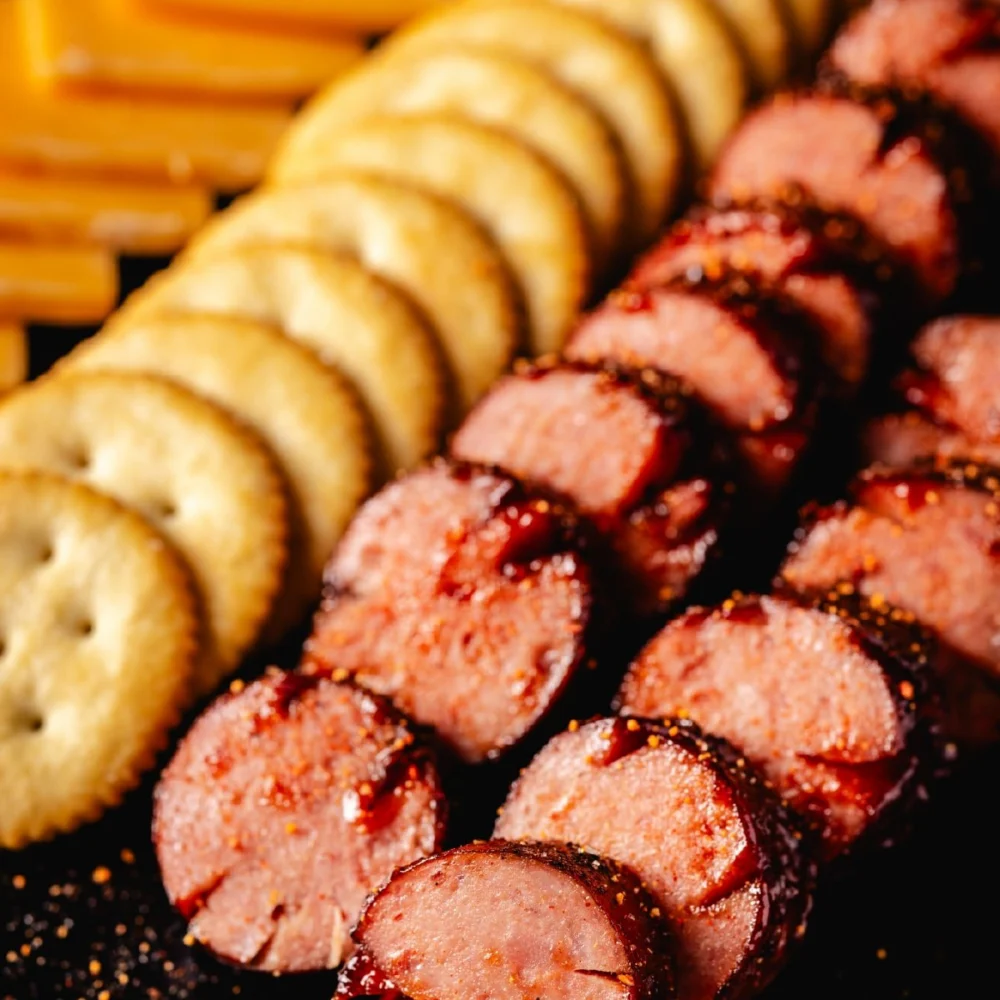
The culinary landscape of backyard barbecue has seen a significant shift toward high-efficiency, flavor-dense recipes that bridge the gap between traditional smoking techniques and modern convenience. A prominent example of this trend is the Smoked Kielbasa with Hot Honey Glaze, a four-ingredient dish designed for completion within a 90-minute window. This preparation method leverages the pre-cooked nature of commercial kielbasa while utilizing low-and-slow smoke application to enhance texture and depth of flavor. By integrating a multi-layered glazing process involving mustard-based binders and honey-centric finishes, the recipe represents a strategic approach to outdoor cooking that prioritizes accessibility without compromising the technical standards of professional barbecue.
Technical Methodology and Chronology of Preparation
The preparation of Smoked Kielbasa with Hot Honey Glaze follows a precise chronological sequence designed to maximize smoke absorption and surface caramelization. The process begins with the calibration of the smoking environment. For this specific application, a temperature of 225 degrees Fahrenheit (approx. 107 degrees Celsius) is maintained. This low temperature is critical for pre-smoked sausages; it allows the meat to reach an optimal serving temperature and absorb aromatic compounds from the wood smoke without causing the fat to render too quickly or the casing to shrivel.

The timeline for the preparation is as follows:
- Smoker Calibration (Minutes 0–15): The smoker is preheated to 225°F. Industry experts recommend mild hardwoods, such as apple, cherry, or pecan, to complement the existing spices in the kielbasa.
- Mechanical Tenderization and Scoring (Minutes 15–20): The kielbasa links are scored using a sharp knife. This involves making shallow cuts along the surface of the casing. This serves a dual purpose: it prevents the casing from bursting under internal pressure and creates a greater surface area for the smoke and glaze to penetrate.
- Application of Binder and Dry Rub (Minutes 20–25): A "Zesty Gold" BBQ sauce—typically a South Carolina-style mustard base—is applied as a binder. This is followed by a "Sweet Rub," which introduces sugars and spices that will eventually form a "bark" or crust.
- The Smoking Phase (Minutes 25–85): The seasoned kielbasa is placed directly on the grill grates. Over the course of 60 to 75 minutes, the sausage undergoes the Maillard reaction, where heat transforms the sugars and proteins into a complex savory-sweet exterior.
- The Glazing Interval (Minutes 85–90): In the final five minutes of the cook, a hot honey BBQ glaze is applied. This short duration prevents the honey’s high sugar content from burning, instead allowing it to "set" into a tacky, reflective finish.
Ingredient Profile and Flavor Architecture
The efficiency of this dish is predicated on a four-component ingredient list, each serving a specific structural or flavor-related role in the final product.
- Kielbasa: A staple of Central and Eastern European cuisine, the kielbasa used in this method is typically the "Polska" variety, which is often pre-smoked and seasoned with garlic, pimento, and cloves. The use of pre-smoked meat reduces the food safety risks associated with raw pork or beef, shifting the focus of the cook from lethality (killing bacteria) to palatability (flavor enhancement).
- Mustard-Based Binder: The use of a "Zesty Gold" sauce acts as an adhesive for the dry seasoning. Chemically, the vinegar in the mustard helps soften the casing, while the mustard seeds provide a sharp contrast to the rich fats of the sausage.
- Sweet Dry Rub: This component usually consists of brown sugar, paprika, garlic powder, and onion powder. The sugar is essential for caramelization, while the paprika provides the deep mahogany color characteristic of traditional American BBQ.
- Hot Honey BBQ Sauce: This final layer introduces "swicy" (sweet and spicy) notes. The capsaicin in the pepper-infused honey provides a heat that cuts through the fattiness of the pork, while the honey provides a glossy aesthetic appeal.
Nutritional Analysis and Dietary Impact
From a nutritional standpoint, the Smoked Kielbasa with Hot Honey Glaze is a calorie-dense appetizer or main course component. Based on standard serving sizes, the nutritional breakdown per serving is approximately:

- Calories: 416 kcal
- Total Fat: 33g (with 12g of Saturated Fat)
- Protein: 17g
- Carbohydrates: 12g
- Sugars: 6g
- Sodium: 1261mg
The high sodium content—over 50% of the recommended daily intake for some individuals—is a result of the curing process inherent in kielbasa production. However, the dish provides a significant amount of protein and is relatively low in carbohydrates compared to other glazed meat dishes, making it a popular choice for those following moderate-carbohydrate diets, provided the portion sizes are controlled.
The Rise of BBQ Charcuterie
The emergence of this recipe coincides with the broader "BBQ Charcuterie" movement. Traditionally, charcuterie boards consisted of cold, cured meats, cheeses, and crackers. However, social media trends and the evolution of backyard hosting have led to the "Hot Charcuterie" or "Meat Board" phenomenon. In this context, smoked sausages like kielbasa are sliced into bite-sized "coins" and served alongside sharp cheddar, butter crackers, and pickled elements.
Market analysts suggest that the popularity of these boards stems from their "shareability." According to consumer behavior reports in the culinary sector, modern diners prioritize "grazing" over traditional three-course meals during social gatherings. The Smoked Kielbasa with Hot Honey Glaze fits this demand by providing a warm, visually appealing centerpiece that can be prepared with minimal specialized equipment.

Food Safety and Storage Protocols
Because most commercially available kielbasa is sold "pre-smoked" or "fully cooked," the primary concern for the home cook is maintaining quality during storage and reheating. The United States Department of Agriculture (USDA) guidelines suggest that once a vacuum-sealed package of smoked sausage is opened, its shelf life in a refrigerated environment (at or below 40°F) is approximately 3 to 7 days.
For leftovers of the smoked and glazed variety, the following protocols are recommended:
- Cooling: The meat should be cooled to room temperature before being placed in an airtight container or a gallon-size zip-top bag to prevent condensation, which can make the glaze soggy.
- Reheating: To preserve the texture of the glaze, reheating should ideally occur in an oven or air fryer rather than a microwave, which can cause the casing to become rubbery.
- Freezing: While possible, freezing glazed meats is generally discouraged as the honey-based sauce may separate or lose its luster upon thawing.
Expert Insights and Industry Implications
Susie Bulloch, a recognized authority in the barbecue industry and founder of the "Hey Grill Hey" platform, has noted that the "reward-to-work ratio" is a primary driver for the success of such recipes. Bulloch, who has appeared on the Food Network and holds multiple Guinness World Records in the culinary space, emphasizes that the accessibility of backyard smoking is vital for the growth of the industry.

"By scoring the kielbasa first, you ensure the smoke penetrates deep into the meat without bursting the casing," Bulloch states regarding the technical aspects of the dish. This insight highlights a common frustration among novice smokers: the aesthetic failure of "exploded" sausages. By providing a simple mechanical solution (scoring), the recipe increases the success rate for amateur cooks, thereby fostering a deeper engagement with the hobby of outdoor cooking.
The broader implication for the BBQ industry is a shift toward "inclusive" recipes. While "low and slow" brisket (which can take 12 to 16 hours) remains the gold standard for enthusiasts, the 90-minute smoked kielbasa serves as an entry point for those with limited time. This democratization of barbecue culture has led to increased sales in the "pellet grill" market, where temperature control is automated, making recipes like this even more attainable for the general public.
Conclusion
The Smoked Kielbasa with Hot Honey Glaze represents a fusion of traditional meat curing and modern flavor profiles. Its reliance on a few high-quality ingredients and a streamlined 90-minute smoking process reflects current consumer desires for efficient yet artisanal home cooking. As the "BBQ Charcuterie" trend continues to expand, this dish stands as a foundational example of how professional-grade flavor can be achieved in a domestic setting with minimal complexity. Whether viewed as a technical exercise in smoke penetration or a simple social snack, it underscores the evolving nature of American backyard traditions.