

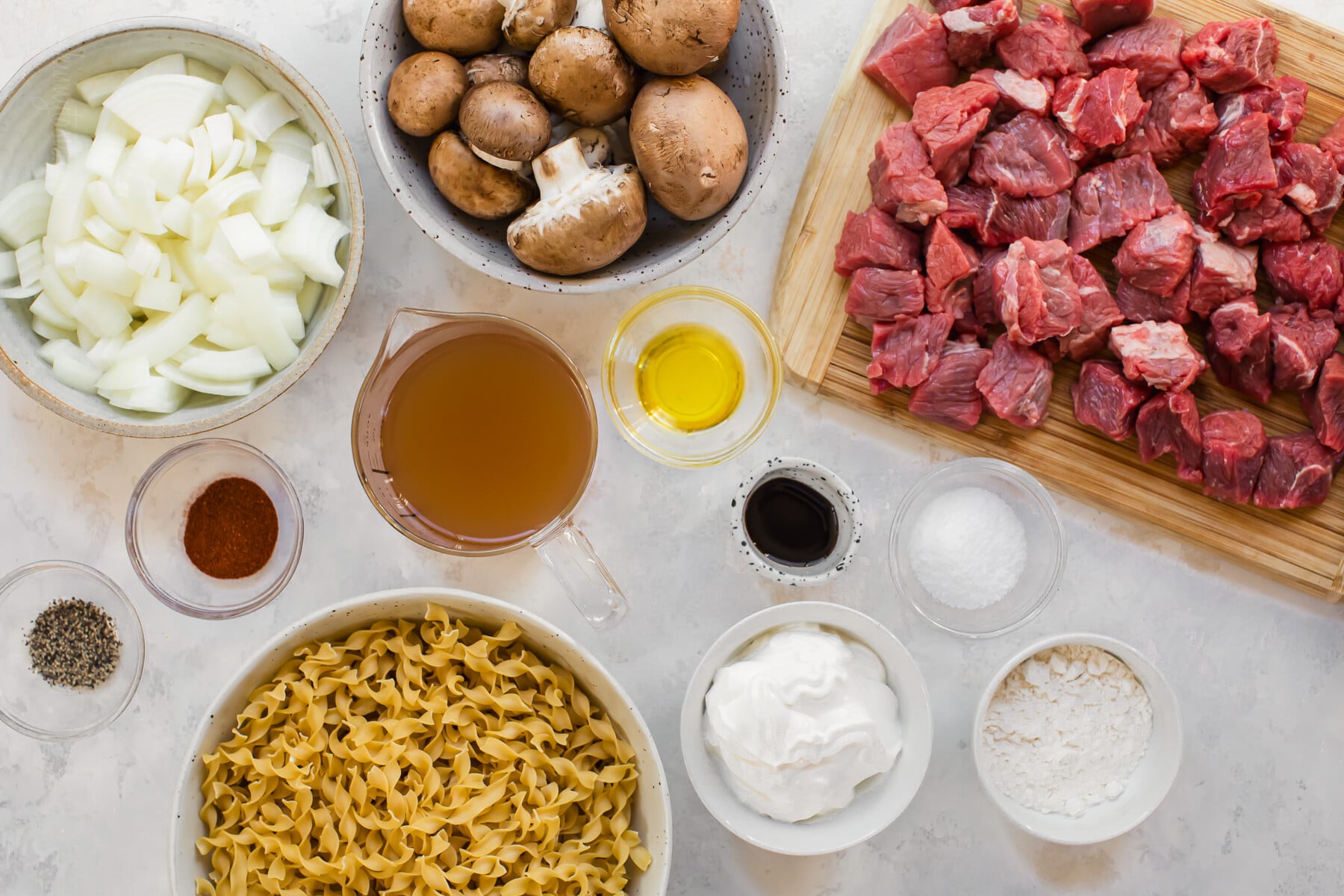
The enduring appeal of comfort food, coupled with a societal shift towards convenience and cost-effective home cooking, has propelled dishes like Slow Cooker Beef Stroganoff into the culinary spotlight. This classic, characterized by tender chunks of beef and earthy mushrooms simmered in a rich, savory sour cream sauce, represents more than just a meal; it embodies a practical solution for busy families seeking both nourishment and nostalgic comfort without extensive preparation time. Its resurgence highlights broader trends in food consumption, kitchen technology, and domestic lifestyle management.

The Enduring Legacy of Beef Stroganoff: A Culinary Journey
Beef Stroganoff, or "Befstroganov" as it was originally known, boasts a rich history dating back to 19th-century Imperial Russia. Named after Count Pavel Alexandrovich Stroganov, a prominent statesman, the dish first appeared in a cookbook by Elena Molokhovets in 1871. The original preparation involved thinly sliced beef, often sautéed with onions and mustard, finished with a sour cream sauce, and typically served with crisp potato straws. This sophisticated dish quickly gained traction among the Russian aristocracy before gradually migrating westward through European culinary traditions.

Its journey to global prominence saw various adaptations. In America, particularly after World War II, Beef Stroganoff became a staple of mid-century cuisine, often simplified with readily available ingredients and served over egg noodles. The advent of canned cream of mushroom soup further streamlined recipes, making it a popular choice for home cooks. This historical context underscores the dish’s inherent adaptability and its capacity to evolve with changing culinary landscapes and consumer demands, setting the stage for its modern slow-cooker iteration.
The Slow Cooker Revolution: A Paradigm Shift in Home Cooking

The invention of the slow cooker, or Crock-Pot, in the early 1970s marked a significant turning point in household culinary practices. Designed to allow for unattended cooking over extended periods, this appliance quickly became a symbol of convenience for working families. Its ability to transform tougher, more affordable cuts of meat into succulent, fall-apart tender meals revolutionized weeknight dinners, freeing up valuable time.
In recent years, the slow cooker has experienced a notable resurgence, moving beyond its initial reputation as a utilitarian kitchen gadget to a celebrated tool for gourmet and health-conscious cooking. Data from market research firms like Statista indicates a consistent demand for slow cookers, with sales often peaking during cooler months and periods of economic uncertainty when home cooking becomes more prevalent. This trend is driven by several factors:

- Time Efficiency: The "set it and forget it" nature allows for meal preparation without constant supervision, ideal for individuals with demanding schedules.
- Cost Savings: Slow cooking facilitates the use of less expensive cuts of meat, which become incredibly tender after hours of low-temperature cooking, offering significant budget advantages compared to premium cuts or dining out.
- Flavor Development: The long, slow cooking process allows flavors to meld and deepen, resulting in a richer, more complex taste profile often unattainable through faster cooking methods.
- Nutritional Benefits: Slow cooking can help retain nutrients, and the ability to cook large batches promotes healthy meal planning and reduces reliance on processed foods.
The integration of Beef Stroganoff into the slow cooker repertoire exemplifies this broader movement. By leveraging the appliance’s strengths, the dish is transformed from a potentially labor-intensive preparation into an accessible, hands-off meal that delivers on taste and texture.
Crafting the Modern Slow Cooker Beef Stroganoff: Ingredients and Techniques

The contemporary Slow Cooker Beef Stroganoff recipe, such as the one highlighted by popular food blogs, typically centers on a few key components:
- Beef Chuck Roast: This cut is preferred for its rich marbling and connective tissue, which breaks down beautifully during slow cooking, yielding exceptionally tender meat. From an economic standpoint, chuck roast is significantly more affordable per pound than leaner, quicker-cooking cuts like sirloin or tenderloin, making it an ideal choice for budget-conscious cooks.
- Mushrooms: Often cremini or button mushrooms, they contribute an essential umami depth to the sauce. Their earthy flavor complements the beef and adds textural variety.
- Sour Cream: The hallmark of Stroganoff, sour cream provides the characteristic tangy, creamy finish. Its addition at the end of the cooking process is crucial to prevent separation and maintain a smooth consistency, particularly when reheating.
- Aromatic Vegetables and Spices: Onions, garlic, beef broth, and a blend of seasonings form the foundational flavor base, simmering for hours to infuse the beef with savory notes.
While the slow cooker streamlines the process, culinary experts often recommend an initial browning of the beef and sautéing of the onions. This step, while optional for speed, significantly enhances the dish’s flavor profile through the Maillard reaction, which creates complex, savory compounds, adding depth and richness that simply simmering cannot achieve. This small investment of time at the outset yields a profoundly more flavorful result, a detail frequently emphasized by chefs and food enthusiasts.

Nutritional Profile and Dietary Adaptability
A typical serving of Slow Cooker Beef Stroganoff, including beef, vegetables, and egg noodles, can be a substantial and energy-rich meal. Analyzing its nutritional components reveals:

- Protein: Beef chuck roast is an excellent source of high-quality protein, essential for muscle repair and growth, contributing significantly to satiety. A serving often contains upwards of 40-50 grams of protein.
- Fats: While beef and sour cream contribute saturated fats, the overall fat content can be managed by choosing leaner cuts or reduced-fat dairy options. The fat content also contributes to the dish’s richness and flavor.
- Carbohydrates: Served traditionally over egg noodles, the dish provides a good source of carbohydrates for energy. Alternative bases like mashed potatoes, rice, or gluten-free pasta offer flexibility for various dietary needs.
- Vitamins and Minerals: Beef provides iron, zinc, and B vitamins, while mushrooms offer B vitamins and selenium.
For those with specific dietary requirements, Slow Cooker Beef Stroganoff is remarkably adaptable:
- Gluten-Free: Easily achieved by substituting traditional egg noodles with gluten-free pasta or serving over rice or mashed potatoes.
- Lower Fat: Leaner beef cuts and reduced-fat sour cream can reduce the fat content without compromising flavor significantly.
- Vegetable Enrichment: Additional vegetables such as carrots, celery, or spinach can be incorporated during the slow cooking process to boost fiber and nutrient intake.
Serving Suggestions and Meal Planning Advantages

Traditionally, Beef Stroganoff finds its perfect partner in a bed of wide egg noodles, which absorb the creamy sauce beautifully. However, its versatility extends to a range of accompaniments:
- Mashed Potatoes: A classic pairing, offering a comforting, creamy base.
- Rice: White or brown rice provides an alternative grain base.
- Gluten-Free Pasta: Various shapes can be used to accommodate dietary needs.
- Cauliflower Rice or Mashed Cauliflower: For lower-carb options.
- Steamed Green Vegetables: A side of green beans, broccoli, or asparagus offers a fresh contrast and balances the richness of the main dish.
Beyond its immediate serving, Slow Cooker Beef Stroganoff shines as a meal prep hero. The flavors often deepen and meld further upon refrigeration, making leftovers arguably even more delicious than the fresh preparation. This characteristic is a significant boon for individuals and families engaged in weekly meal planning. For optimal storage, separating the sauce and pasta is often recommended to prevent the noodles from becoming overly saturated. When freezing, it is advised to omit the sour cream from the main batch, adding it fresh upon reheating, as dairy-based sauces can sometimes separate or become grainy after thawing. This practical advice underscores the dish’s utility in modern kitchen management.

Consumer Sentiment and Culinary Trends: Beyond the Recipe
Food bloggers and culinary influencers, like Gina of Skinnytaste, frequently highlight how well-received dishes like Slow Cooker Beef Stroganoff are within their own families. Gina’s personal anecdote about her husband, typically averse to leftovers, enthusiastically returning for a second helping, serves as a powerful testament to the dish’s appeal. This sentiment resonates widely among home cooks who prioritize delicious, family-approved meals that minimize kitchen labor.

Culinary trend analysts observe that comfort foods, especially those with nostalgic ties, gain particular prominence during periods of economic instability or social stress. The act of preparing and sharing a comforting meal can provide a sense of security and well-being. The slow cooker, in this context, becomes an enabler of this comfort, offering a reliable path to hearty meals even on the busiest days.
The broader implications of such dishes extend to the promotion of communal dining and family engagement. In an era where individual schedules often diverge, a "hands-off" meal that can be prepared in advance facilitates shared mealtimes, fostering connection and tradition. Furthermore, the cost-effectiveness associated with slow-cooked meals supports household budgeting, allowing families to enjoy high-quality, flavorful food without excessive expenditure.

Conclusion: A Timeless Dish for Modern Times
The Slow Cooker Beef Stroganoff is more than just a recipe; it is a culinary phenomenon that skillfully marries historical tradition with modern convenience. Its capacity to deliver tender beef, rich flavors, and comforting textures with minimal active preparation time positions it as an ideal solution for contemporary households. As consumers continue to seek efficient, economical, and delicious ways to nourish their families, the slow cooker, and the timeless dishes it enables, will undoubtedly remain a cornerstone of the home kitchen, reflecting ongoing shifts in how we cook, eat, and connect through food. Its enduring popularity is a testament to its adaptability, its rich heritage, and its ability to consistently deliver a satisfying meal that brings comfort to the table.