

The humble quiche, a savory custard tart often encased in a flaky pastry crust, has long held a cherished place in global cuisine. However, its modern resurgence and adaptability have solidified its status as a remarkably versatile dish, transcending traditional mealtime boundaries to become a go-to option for breakfast, brunch, lunch, and dinner alike. This enduring appeal is rooted in its simple yet flexible composition, allowing for endless variations that cater to diverse palates, dietary preferences, and culinary trends.
Historical Genesis and Culinary Evolution
The origins of quiche can be traced back to the Lorraine region of France, where the term "quiche" is believed to derive from the German word "Kuchen," meaning cake. Historically, it emerged as a rustic dish, initially conceived as an open-faced pie filled with an egg and cream custard, often incorporating leftover bacon or other readily available ingredients. The classic Quiche Lorraine, with its iconic blend of eggs, cream, bacon (lardon), and Gruyère cheese, serves as the benchmark for this culinary creation. Its journey from a regional French specialty to an international phenomenon began in earnest in the mid-20th century, particularly gaining widespread popularity in American households and restaurants, symbolizing a touch of continental sophistication. This historical trajectory underscores quiche’s inherent ability to adapt and integrate into various culinary landscapes, evolving from a simple peasant dish to a celebrated item on restaurant menus and a staple in home kitchens.
Deconstructing the Quiche: Core Components and Adaptations
At its heart, a quiche is fundamentally an egg pie. The basic structure comprises a rich custard made from eggs, typically combined with milk or cream, which forms the binding base for an array of savory additions. While a traditional pastry crust is characteristic, modern innovations have seen a significant rise in crustless varieties, catering to health-conscious consumers, those seeking gluten-free options, or simply a lighter meal. This flexibility in presentation highlights a key aspect of quiche’s enduring relevance in contemporary diets.

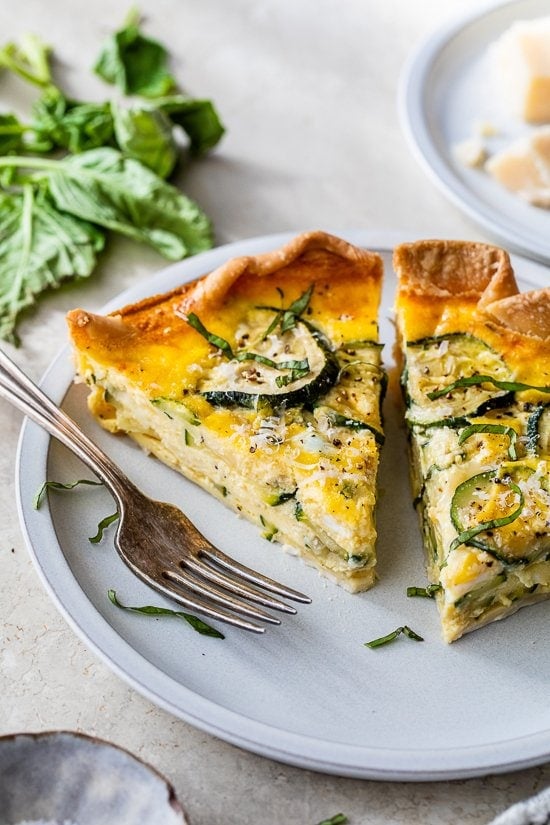
The choice of add-ins is where quiche truly showcases its versatility. These ingredients can transform the dish’s flavor profile, nutritional content, and suitability for different occasions. Proteins are a common inclusion, ranging from classic bacon and ham to breakfast sausage, smoked salmon, or even shredded chicken, offering substantial satiety. Vegetables provide essential nutrients, fiber, and vibrant flavors, with popular choices including spinach, broccoli florets, sautéed mushrooms, caramelized onions, asparagus, bell peppers, and zucchini. The article highlights a "Three-Cheese Zucchini Quiche," exemplifying how a simple vegetable can be elevated with a blend of cheeses, offering a delightful twist on the traditional.
Cheese is another cornerstone, contributing depth of flavor and a creamy texture. Gruyère remains a classic, but cheddar, Swiss, feta, goat cheese, and pepper jack are frequently used to introduce different dimensions, from sharp and tangy to spicy and rich. Seasonings, such as freshly ground black pepper, a pinch of nutmeg, chives, parsley, thyme, or more adventurous spices like chili powder, cumin, and paprika (as seen in a "Crustless Potato Jalapeño Quiche"), further customize the dish to regional or personal preferences. The capacity to integrate such a wide spectrum of ingredients means quiche can be tailored to seasonal produce, dietary needs, or even cultural culinary fusions, making it a truly global dish.
The Quiche’s Multifaceted Role in Modern Dining
The article aptly points out quiche’s unique position as a dish that defies typical mealtime categorization. Its egg base naturally positions it for breakfast and brunch, offering a protein-rich start to the day. For those engaged in meal preparation, a large quiche can be baked, portioned, and refrigerated for quick, nutritious breakfasts throughout the week. Culinary trend watchers observe a consistent demand for convenient, yet wholesome, morning options, a niche perfectly filled by quiche.
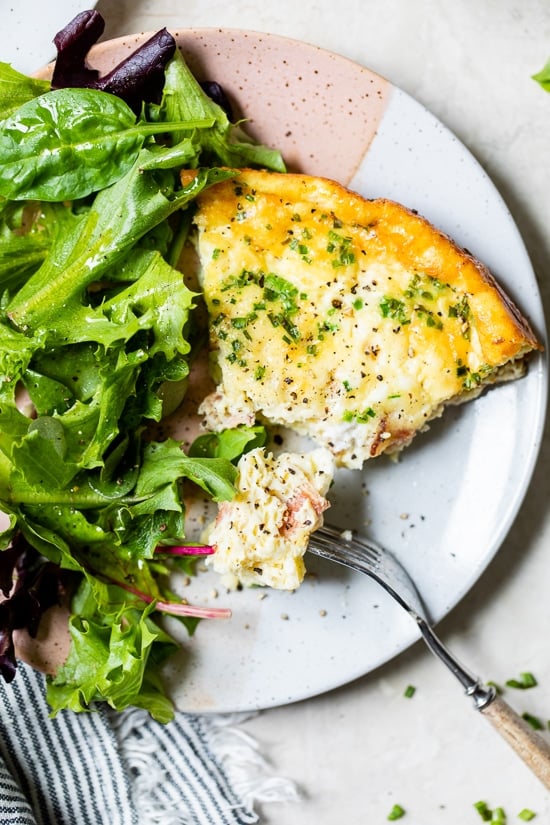
Beyond the morning, quiche seamlessly transitions into a satisfying lunch, often paired with a light salad for a balanced meal. Its elegance also makes it a popular choice for brunches and mid-day gatherings, where its presentation and ability to be served warm or at room temperature are advantageous. The mention of "non-traditional quiches, like zucchini quiche," being "an extra hit at brunches" underscores this point, indicating a shift towards more innovative and vegetable-forward options for social dining.
Perhaps one of its most compelling attributes is its viability as a dinner option. The savory fillings, combined with the substantial nature of eggs and often a crust, make it a surprisingly hearty and complete meal. This versatility is particularly appealing in busy households seeking easy, yet wholesome, weeknight dinners that cater to varying tastes. "Chicken Quiche," for example, offers a practical solution for utilizing leftover poultry, reducing food waste while providing a nutritious family meal.

Dietary Considerations and Health-Conscious Adaptations
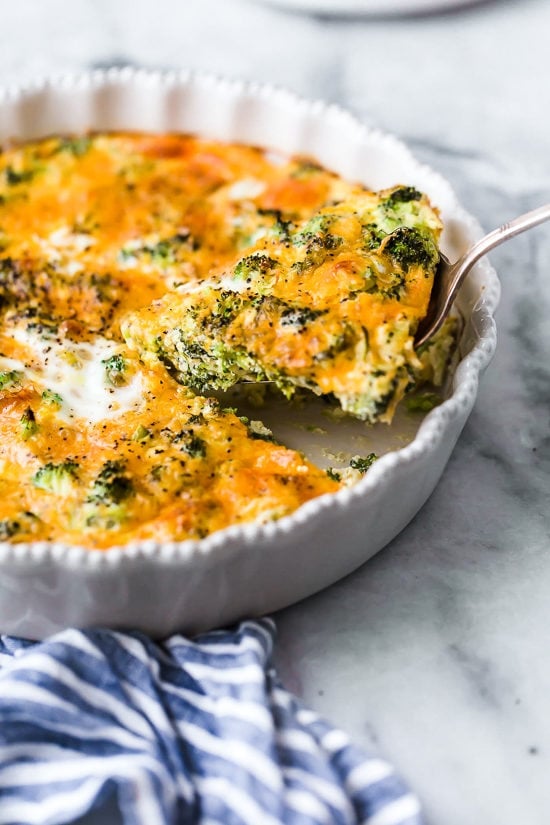
In an era of increasing health awareness, quiche has demonstrated remarkable adaptability. The emergence of crustless quiches directly addresses concerns regarding carbohydrate intake and gluten sensitivity, offering a lighter, protein-forward alternative without compromising flavor or satisfaction. Recipes like "Crustless Quiche Lorraine" and "Crustless Broccoli Cheddar Quiche" exemplify how the essence of the dish can be maintained while making it more accessible to broader dietary needs.
From a nutritional standpoint, eggs are a powerhouse, providing high-quality protein, essential vitamins (A, D, E, B12), and minerals. When combined with a variety of vegetables, quiches become excellent vehicles for incorporating vital nutrients into the diet. Dairy products contribute calcium and other minerals. By controlling the type and quantity of cheese, and opting for leaner proteins or a higher vegetable-to-egg ratio, quiches can be easily modified to align with specific dietary goals, such as weight management or increased fiber intake. The "Petite Crustless Quiche" with turkey kielbasa, veggies, and cheese, highlighted as "naturally gluten-free" and perfect for make-ahead breakfast, illustrates the convenience and health benefits inherent in these adaptable recipes.
Economic and Market Implications
The sustained popularity of quiche has notable implications for the food industry. Its consistent demand supports various market segments, from the dairy and egg industries to specialty cheese producers and vegetable growers. The convenience food sector also benefits significantly, with ready-to-bake and frozen quiches offering quick meal solutions for consumers with limited time. Food service establishments, including cafes, bakeries, and catering companies, frequently feature quiche due to its make-ahead nature, ease of serving, and broad appeal. The ability to prepare quiche in large batches and its excellent storage properties contribute to operational efficiency and cost-effectiveness in these settings.
Furthermore, the trend towards customizable and health-conscious food options has fueled innovation in quiche ingredients. The market for alternative flours for crusts, plant-based dairy substitutes for the custard, and diverse protein and vegetable fillings continues to expand, reflecting evolving consumer preferences and opening new avenues for product development and sales. This continuous evolution ensures quiche remains a relevant and economically significant dish.

Optimal Storage and Meal Preparation Advantages
One of quiche’s most practical benefits, especially for modern lifestyles, is its excellent keeping quality. Proper storage ensures both food safety and convenience. Leftover quiche should be stored in an airtight container or tightly wrapped in plastic wrap and can be safely refrigerated for 3 to 4 days. This characteristic makes it an ideal candidate for meal preparation, allowing individuals and families to cook larger batches and enjoy them over several days, reducing daily cooking burdens.
Moreover, quiche excels as a freezer meal, offering a strategic solution for leveraging bulk ingredients or preparing meals in advance. After baking and allowing it to cool completely, a quiche can be tightly wrapped in plastic wrap and then foil, and frozen for up to three months. This feature positions quiche as a highly efficient option for long-term meal planning, catering to busy schedules and minimizing food waste. Thawing overnight in the refrigerator and reheating in the oven restores its texture and flavor, providing a convenient, wholesome meal on demand. This ease of preparation and storage underscores its value as a truly adaptable and practical culinary item.

Conclusion: A Culinary Chameleon for the Ages
In summary, quiche stands as a testament to the power of culinary versatility. From its historical roots in Lorraine to its contemporary adaptations as crustless, mini, and globally-inspired variations, it consistently meets the evolving demands of modern dining. Its ability to serve as a satisfying meal at any time of day, coupled with its nutritional benefits and adaptability to various dietary needs, firmly cements its place as a culinary staple. Supported by its ease of preparation, excellent storage properties, and ongoing innovation in ingredients, quiche is more than just a savory tart; it is a culinary chameleon that continues to captivate palates and simplify meal planning for a diverse global audience, promising its enduring relevance for years to come.