

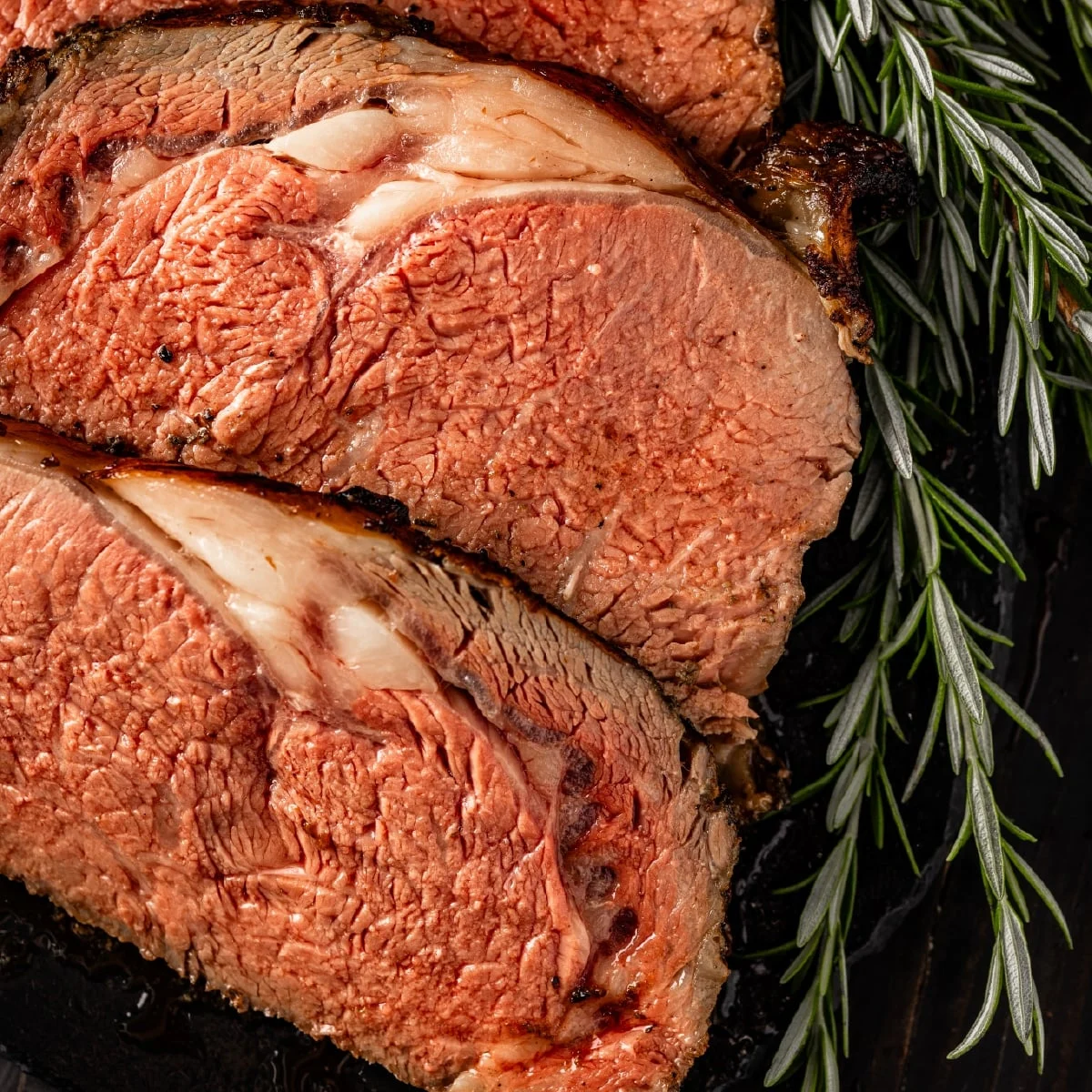
The landscape of domestic culinary arts has undergone a significant transformation over the last decade, driven by the democratization of professional-grade technology. Among these advancements, the sous vide method has emerged as a primary technique for preparing high-value proteins, most notably the standing rib roast, commonly referred to as prime rib. By utilizing precise thermal control, this method addresses the inherent risks associated with traditional roasting—namely uneven heat distribution and the narrow margin of error between a perfect medium-rare and overcooked meat. This report examines the technical specifications, the scientific principles of low-temperature immersion, and the logistical considerations of preparing a sous vide prime rib roast for large-scale service.
The Technical Foundation of Sous Vide Preparation
The term "sous vide," originating from the French for "under vacuum," describes a process where food is vacuum-sealed in a non-reactive plastic pouch and submerged in a temperature-controlled water bath. Unlike a conventional oven, which relies on fluctuating air temperatures to transfer heat, a sous vide system utilizes an immersion circulator to maintain a consistent water temperature within a fraction of a degree.
For a prime rib roast, the objective is typically to achieve a uniform internal temperature of 129 degrees Fahrenheit (54 degrees Celsius), which corresponds to a classic medium-rare doneness. In traditional roasting, the exterior of the meat is subjected to temperatures exceeding 350 degrees Fahrenheit, resulting in a "gray band" of overcooked protein surrounding a small center of pink meat. The sous vide method eliminates this gradient, ensuring that the protein remains at the target temperature from the center to the immediate edge.

Chronology of the Sous Vide Prime Rib Process
The preparation of a six-pound prime rib roast involves a multi-stage timeline that requires significant foresight compared to traditional high-heat methods. The process is categorized into four distinct phases: preparation, sealing, immersion, and finishing.
Phase I: Preparation and Seasoning
The initial stage requires the application of a dry rub to the exterior of the beef. Culinary standards for prime rib often dictate a blend of kosher salt, coarse black pepper, garlic powder, onion powder, and dried herbs such as rosemary and thyme. Because the meat is sealed in a bag, the seasoning remains in direct contact with the surface throughout the entire cooking duration, allowing for deep flavor penetration.
Phase II: Vacuum Sealing
Once seasoned, the roast is placed into a heavy-duty, BPA-free plastic bag. A vacuum sealer is employed to remove all oxygen, which serves two purposes: it ensures the bag sinks in the water bath and facilitates efficient heat transfer from the water to the meat. For those without professional vacuum equipment, the "water displacement method" using a heavy-duty zip-top bag is a recognized alternative, where the pressure of the water is used to force air out of the bag before sealing.
Phase III: The Immersion Bath
The duration of the immersion is dictated by the thickness and total weight of the roast. While a single ribeye steak may reach thermal equilibrium in two to three hours, a six-pound roast requires approximately eight hours of immersion at 129 degrees Fahrenheit. This extended timeframe is necessary not only to bring the core to temperature but also to allow for the slow breakdown of connective tissues without toughening the muscle fibers.

Phase IV: The Maillard Reaction and Finishing
A common critique of the sous vide method is the lack of a traditional "crust" or "bark" upon removal from the water bath. To rectify this, the roast must undergo a secondary high-heat process. After being removed from the bag and patted dry—a critical step, as moisture inhibits browning—the meat is either seared in a heavy cast-iron skillet, placed under a high-intensity broiler, or subjected to the direct heat of a grill. This phase lasts only minutes, as the goal is to trigger the Maillard reaction (the chemical reaction between amino acids and reducing sugars) without raising the internal temperature of the roast.
The Science of Moisture Retention and Protein Denaturation
The primary advantage of the sous vide method is its impact on moisture retention. Beef is composed of approximately 75% water. When subjected to temperatures above 140 degrees Fahrenheit, the muscle fibers (actin and myosin) begin to contract aggressively, squeezing out internal juices. By maintaining a steady 129 degrees Fahrenheit, the culinary practitioner ensures that the proteins denature slowly and gently, retaining the majority of their natural moisture.
Furthermore, the collagen found in the marbled fat of a prime rib begins to soften during the long, low-temperature bath. In a traditional oven, the time required to soften this fat often results in the surrounding meat becoming dry. Sous vide allows for the "rendering" of intramuscular fat over an eight-hour window, resulting in a texture that is often described as "buttery" or "silken."
Economic and Market Implications for the Home Consumer
The adoption of sous vide for holiday meals like prime rib is also a reflection of economic prudence. Prime rib is among the most expensive cuts of beef on the market, with prices often surging during the fourth quarter of the fiscal year. In the United States, the USDA Choice and Prime grades of ribeye roasts can represent a significant financial investment for a single meal.

Culinary analysts suggest that the "insurance policy" provided by sous vide technology is a major driver of its popularity. The risk of overcooking a $150 roast in a traditional oven is a high-stakes variable that many home cooks seek to eliminate. By using an immersion circulator, the margin for error is virtually removed, ensuring a return on the consumer’s investment in high-quality protein.
Safety Standards and Long-Term Storage
Food safety is a paramount concern in low-temperature cooking. The USDA generally recommends cooking beef to an internal temperature of 145 degrees Fahrenheit; however, the sous vide community relies on the principle of pasteurization through time rather than just temperature. According to culinary safety research, holding beef at 129 degrees Fahrenheit for several hours is sufficient to significantly reduce pathogen counts, provided the meat was handled correctly prior to sealing.
Regarding leftovers, the vacuum-sealed nature of this method provides distinct advantages. A cooked prime rib can remain in its original vacuum bag and be rapidly chilled in an ice bath, extending its refrigerator shelf life to several days. For long-term preservation, the sealed roast can be frozen for up to three months.
Reheating sous vide prime rib is perhaps the most effective application of the technology. Traditional reheating methods—such as the microwave or oven—inevitably overcook the meat. By returning a chilled slice of prime rib to a 129-degree water bath for 60 to 90 minutes, the meat returns to its original serving temperature without losing any of its medium-rare properties.

Comparative Analysis: Sous Vide vs. Traditional Roasting
| Feature | Traditional Roasting | Sous Vide Method |
|---|---|---|
| Temperature Gradient | Significant (Gray Band) | Minimal (Edge-to-Edge Pink) |
| Moisture Loss | 15% – 25% | 5% – 10% |
| Active Labor | High (Monitoring/Basting) | Low (Set and Forget) |
| Total Time | 2 – 4 Hours | 8 – 10 Hours |
| Texture | Firm/Roasted | Tender/Uniform |
While traditional roasting offers the advantage of a shorter total time and the aromatic benefit of fat dripping onto roasting pans, the sous vide method is increasingly favored for its consistency and the "democratization of perfection." It allows the novice cook to produce results that were previously reserved for high-end steakhouses with specialized infrared broilers and master chefs.
Broader Culinary Impact and Implications
The rise of sous vide prime rib is more than a trend; it is indicative of a broader shift toward "precision cooking" in the domestic sphere. As consumers become more educated on the science of food, the demand for tools that offer repeatable, high-quality results continues to grow. This shift has forced traditional appliance manufacturers to integrate "precision cook" and "air fry" modes into standard ovens, attempting to bridge the gap between convection heating and the accuracy of immersion circulators.
In conclusion, the sous vide prime rib represents the intersection of traditional holiday values and modern technological precision. By understanding the timeline, the equipment requirements, and the underlying thermal science, the modern culinarian can ensure a successful outcome for one of the most celebrated dishes in the Western gastronomic canon. As the technology continues to become more affordable and accessible, it is likely that the "water bath" will become as common a fixture in the holiday kitchen as the roasting pan once was.