

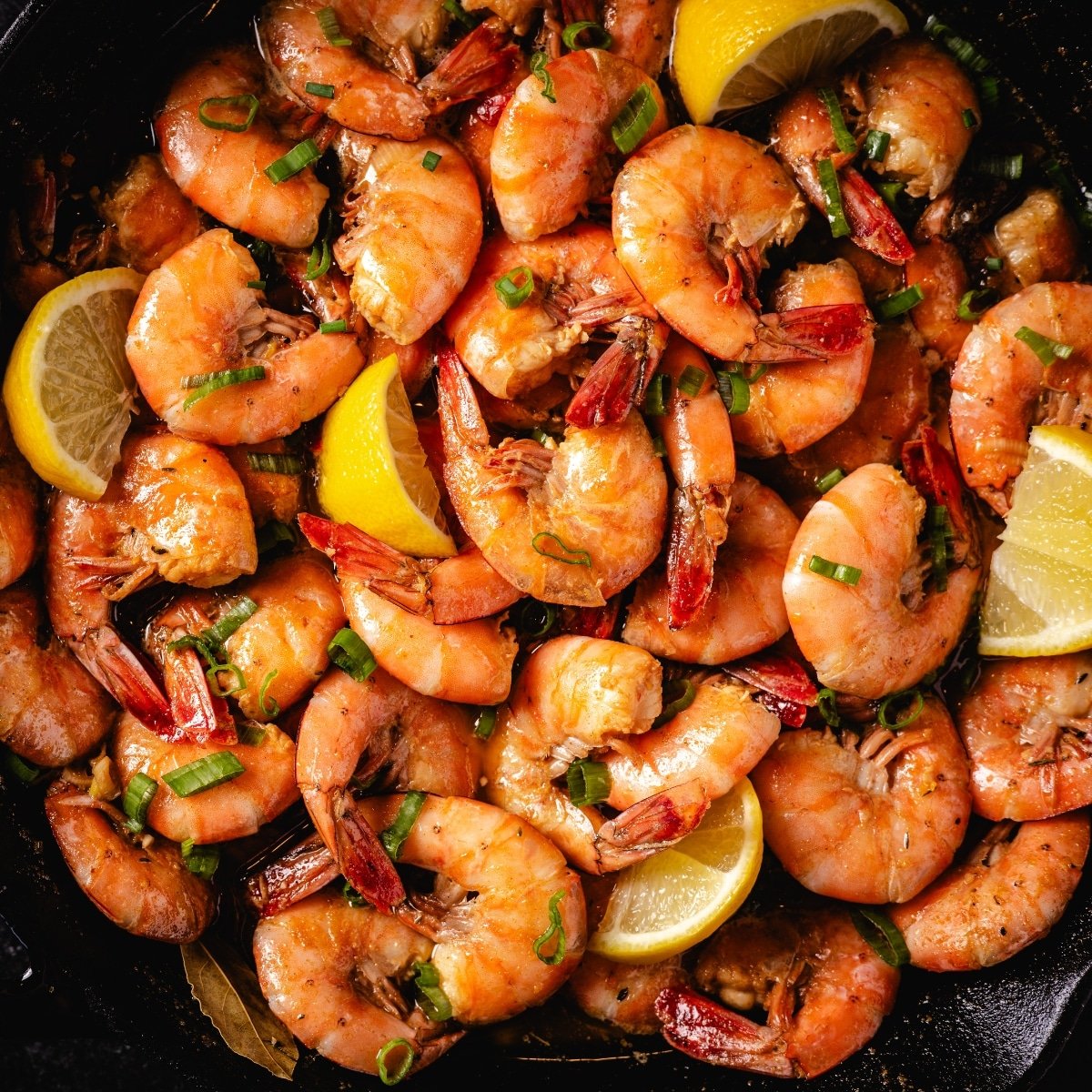
The culinary landscape of the American South is frequently defined by its ability to merge disparate cultural influences into cohesive, iconic dishes. Among these, New Orleans BBQ shrimp stands as a primary example of regional ingenuity, despite a name that often confuses those unacquainted with Louisiana’s specific terminology. Traditionally a stovetop or oven-baked dish characterized by a rich, peppery butter sauce, the recipe has recently undergone a contemporary transformation. Culinary experts, most notably Susie Bulloch of the digital platform Hey Grill Hey, have reimagined this classic by introducing wood-fired smoke into the preparation process, effectively bridging the gap between the dish’s deceptive name and actual barbecue techniques.
The Intersection of Tradition and Innovation
New Orleans BBQ shrimp is a misnomer that has persisted for over seven decades. Unlike traditional American barbecue, which involves slow-cooking meats over indirect heat or charring them over an open flame, the classic preparation involves sautéing or baking whole shrimp in a high-fat, high-acid broth. The modern adaptation presented by Bulloch seeks to honor the flavor profile of the original while utilizing the smoker—a tool that has seen a massive surge in residential popularity over the last decade.
By moving the preparation from the kitchen range to the outdoor grill, the recipe introduces a "kiss of smoke" that complements the heavy Worcestershire and garlic notes of the sauce. This evolution reflects a broader trend in the American culinary scene: the "outdoor kitchen" movement, where traditional indoor recipes are adapted for pellet grills, ceramic kamados, and offset smokers to enhance depth and complexity.

Historical Foundations of the New Orleans Barbecue Shrimp
To understand the significance of this recipe, one must look to its origins in the mid-20th century. The dish is widely credited to Pascal’s Manale, a legendary Italian-Creole restaurant in New Orleans. According to culinary historians, the recipe was created in 1953 after a regular customer returned from a trip to Chicago and described a dish he had eaten there. The chef at Pascal’s Manale attempted to recreate it based on the description, and while he failed to replicate the Chicago dish, he inadvertently created a masterpiece of Louisiana cuisine.
The "BBQ" in the name does not refer to the cooking method but rather to the spicy, dark, and robust nature of the sauce, which mimics the appearance of some barbecue glazes. The traditional timeline of the dish involves a quick sear and a long soak in a seasoned butter emulsion. Over the decades, it has become a staple of the Crescent City, served in white-tablecloth establishments and casual seafood shacks alike, always accompanied by a mandatory loaf of French bread to absorb the residual sauce.
The Technical Methodology of the Smoked Adaptation
The transition of this dish to the smoker requires a nuanced understanding of heat management and protein chemistry. Shrimp are delicate crustaceans that can easily become rubbery if exposed to high heat for too long. The smoked adaptation typically utilizes a "hot and fast" smoking method, often ranging between 300°F and 350°F.
- Preparation and Shell Integrity: The recipe insists on cooking the shrimp with the shells on. From a scientific perspective, the chitin in the shells acts as a thermal buffer, protecting the delicate meat from the direct intensity of the heat while simultaneously contributing deep, umami-rich flavors to the surrounding sauce.
- The Emulsification Process: The sauce is a high-fat emulsion consisting primarily of butter, lemon juice, garlic, and Worcestershire sauce. In the smoker, the butter melts slowly, allowing the aromatics (garlic and Cajun spices) to infuse more thoroughly than they might in a rapid stovetop boil.
- Smoke Infusion: Unlike beef brisket or pork shoulder, which require hours of smoke exposure, shrimp absorb smoke flavors rapidly. The use of mild fruitwoods, such as apple or cherry, or traditional hardwoods like pecan, adds a layer of complexity that mirrors the charred notes often found in high-end restaurant versions of the dish.
Ingredient Composition and Flavor Profiles
The success of New Orleans BBQ shrimp depends on the quality and proportion of its ingredients. The "Hey Grill Hey" iteration emphasizes a streamlined list that prioritizes the natural sweetness of the seafood.

- Shrimp: Ideally sourced from the Gulf of Mexico, the shrimp must be large (U-12 or U-15 count) to withstand the cooking time without overmaturing.
- The Acid Component: Lemon juice and Worcestershire sauce provide the necessary acidity to cut through the richness of the butter. Worcestershire sauce, in particular, contributes fermented anchovy notes and molasses sweetness, which are essential to the "BBQ" flavor profile.
- Cajun Flare: The use of a Cajun or Creole spice blend introduces cayenne pepper, paprika, and dried herbs, providing the "back-of-the-throat" heat that defines New Orleans’ palate.
Economic Context of the Gulf Coast Seafood Industry
The relevance of this recipe extends beyond the kitchen and into the broader economic landscape of the Southern United States. According to data from the National Oceanic and Atmospheric Administration (NOAA), shrimp is the most consumed seafood in the United States, with the average American consuming approximately 5.9 pounds per year.
The Gulf of Mexico is the primary domestic source for these crustaceans. In 2022, the Gulf shrimp industry was valued at hundreds of millions of dollars, supporting thousands of jobs across Louisiana, Mississippi, Alabama, and Florida. However, the industry faces significant challenges, including competition from cheaper, pond-raised imported shrimp and the rising costs of fuel and labor for domestic trawlers. Recipes that emphasize "shell-on" and "head-on" preparation—often the hallmark of domestic, wild-caught shrimp—help promote the superior flavor and texture of the local catch, providing a vital marketing boost for domestic fisheries.
Nutritional Considerations and Dietary Analysis
From a nutritional standpoint, New Orleans BBQ shrimp is a study in contrasts. A standard serving, as calculated by the original recipe, contains approximately 444 calories. While shrimp themselves are a low-calorie, high-protein food source—rich in selenium, vitamin B12, and omega-3 fatty acids—the preparation method introduces a significant amount of saturated fat.
The dietary breakdown reveals:

- Total Fat: 46g (with 29g of saturated fat, largely derived from the butter base).
- Protein: While shrimp are protein-dense, the overall dish in this specific portioning focuses heavily on the sauce, resulting in about 2g of protein per serving in the sauce-heavy calculation (though the shrimp themselves significantly increase this when the meat is consumed).
- Micronutrients: The dish is a significant source of Vitamin A (1534 IU) and Vitamin C (35 mg), thanks to the inclusion of lemon and paprika.
While not categorized as "health food," the dish fits into a balanced diet as a high-flavor, celebratory meal. The inclusion of garlic and lemon also provides antioxidant properties that are staple components of the Mediterranean-style influence often found in Creole cooking.
The Cultural Ritual of Shell-On Consumption
A critical aspect of the New Orleans BBQ shrimp experience is the tactile nature of the meal. Journalistic observations of New Orleans dining culture frequently highlight the "messy" nature of the dish. Serving the shrimp in their shells necessitates a hands-on approach, where diners must peel each individual piece.
This ritual serves a dual purpose. Socially, it slows down the pace of the meal, encouraging conversation and a communal dining experience. Gastronomically, it ensures that the diner’s fingers become coated in the seasoned butter sauce, which is then transferred to the palate. The recommendation to serve the dish with crusty French bread is not merely a suggestion but a functional requirement; the bread acts as a vehicle for the sauce, ensuring that the labor-intensive broth does not go to waste.
Implications for the Modern Outdoor Cooking Market
The adaptation of regional classics for the backyard griller reflects the explosive growth of the outdoor cooking industry. Market research indicates that the global BBQ grill market is expected to reach over $7 billion by 2030. Within this market, the "content-to-table" pipeline—whereby creators like Susie Bulloch disseminate recipes via social media and digital platforms—has become a primary driver of consumer behavior.

As more home cooks invest in high-end smoking equipment, the demand for versatile recipes that move beyond ribs and brisket has increased. New Orleans BBQ shrimp represents a perfect entry point for the "Backyard BBQ Hero," offering a sophisticated, restaurant-quality result with a relatively low barrier to entry in terms of time and technical difficulty.
Conclusion and Broader Impact
The transformation of New Orleans BBQ shrimp from a 1950s restaurant accident to a 21st-century smoker staple illustrates the fluid nature of American foodways. By enriching the traditional buttery, garlicky base with the aromatic complexity of wood smoke, modern cooks are not just following a recipe; they are participating in the ongoing evolution of Creole cuisine.
This dish serves as a reminder that "barbecue" is as much a flavor profile and a social event as it is a specific cooking technique. As digital media continues to democratize culinary knowledge, the lines between professional chef techniques and home-grilling practices will continue to blur, ensuring that regional treasures like the New Orleans BBQ shrimp remain relevant for generations to come. Whether prepared in a cast-iron skillet on a stovetop in the French Quarter or in a pellet smoker in a suburban backyard, the essence of the dish remains the same: a celebration of bold spices, fresh seafood, and the simple joy of a shared, messy, and deeply flavorful meal.