

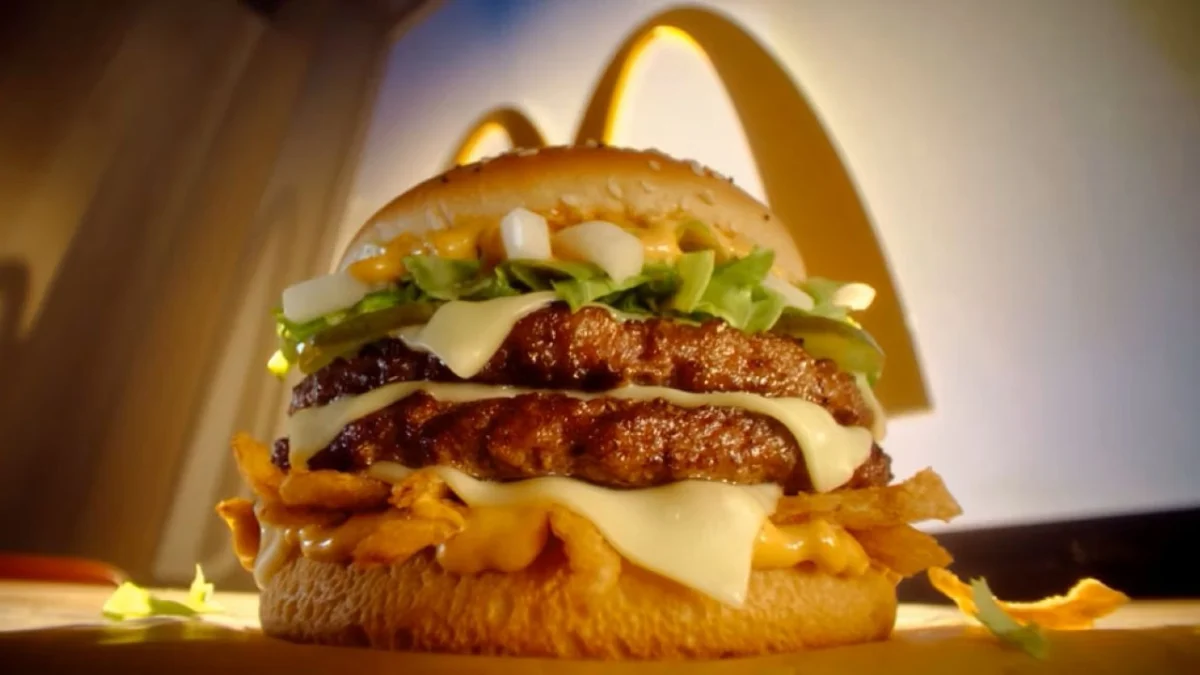
McDonald’s recent introduction of the Big Arch Burger, launched on March 3, generated a notable, albeit modest, increase in customer traffic, registering a 2.2% year-over-year rise in the week following its debut. This data, compiled by Placer.ai, a leading location analytics firm, provides a nuanced look at consumer behavior in the fast-food giant’s landscape, particularly in the context of evolving economic pressures and the company’s strategic menu development. While the surge was not as dramatic as previous limited-time offers (LTOs), it marked a positive turnaround from the preceding week, which saw a 0.5% decline in traffic.
The introduction of the Big Arch Burger occurred against a backdrop of fluctuating consumer engagement for McDonald’s. In late January, the company, like much of the broader industry, experienced a significant dip in foot traffic, down by 5.5%, attributed to severe weather conditions brought on by Winter Storm Fern. However, the period leading up to the Big Arch launch, encompassing February, demonstrated a much stronger performance, with McDonald’s traffic increasing in the mid-single digits. This sustained positive momentum underscores the brand’s resilience and its ability to attract customers even before the latest LTO.
Analyzing the Big Arch’s Impact: More Than Just a Traffic Driver
Placer.ai’s analysis suggests that the limited impact of the Big Arch Burger on overall traffic numbers may indicate a growing discernment among consumers regarding their spending. In a blog post detailing their findings, Placer.ai noted, "consumers may be growing more selective in their spending amid ongoing economic pressure." This observation is critical, as it implies that while promotional items can still draw customers, the decision to visit and purchase is increasingly influenced by perceived value and necessity, rather than solely novelty.
However, it is crucial to understand that the Big Arch Burger was not primarily designed as a short-term traffic-driving initiative. Its strategic purpose appears to be more complex, focusing on margin protection and menu diversification within McDonald’s established "barbell" strategy. This approach aims to balance high-volume, value-oriented offerings with more premium, higher-margin items. The heavy lifting for driving consistent customer traffic is largely entrusted to McDonald’s enduring value propositions, such as the Extra Value Meals, and its upcoming "McValue 2.0" initiative, which is slated to introduce select items at a compelling $3 price point.
The Big Arch’s Global Success and Future Potential in the U.S.
While the immediate traffic bump in the United States may have been modest, the Big Arch Burger’s performance in other global markets, particularly the United Kingdom, offers a compelling glimpse into its long-term potential. The burger, which is McDonald’s largest ever, has reportedly performed strongly enough in these international territories to warrant a permanent place on their menus. This is a significant indicator, especially considering that burger consumption rates in some of these regions are not as high as in the United States.
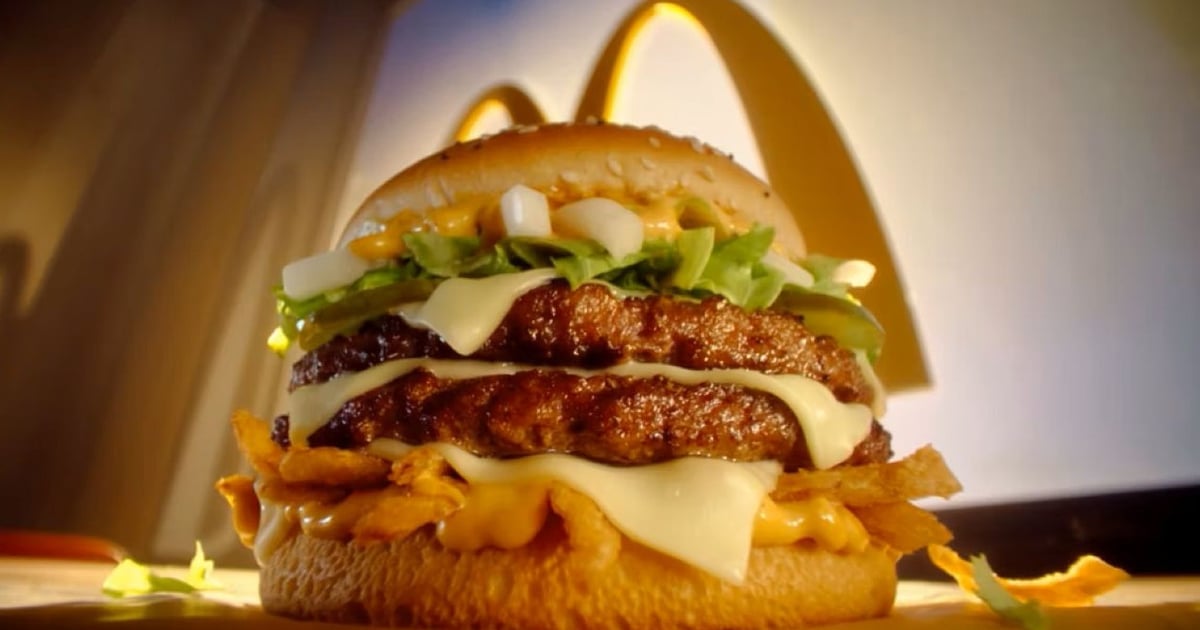
The ingredients of the Big Arch Burger – two quarter-pound beef patties, three slices of melted white cheddar cheese, crispy and slivered onions, lettuce, pickles, tangy sauce, and a toasted bun – contribute to its premium positioning. This composition suggests a deliberate effort to cater to consumers willing to pay a higher price point for a more substantial and indulgent offering. In an increasingly bifurcated economic climate, the existence of a segment of consumers willing to opt for such premium items, even if smaller than those seeking value deals, is vital for a comprehensive menu strategy. The ability to cater to both ends of the economic spectrum – from the $3 McValue meal to the premium Big Arch – is considered a critical factor for sustained success in the current economic environment.
McDonald’s Strategic "Barbell" Approach: Balancing Value and Premium
The concept of the "barbell strategy" in retail and fast-food industries refers to offering products at both ends of the price spectrum – the very low-cost, high-volume value items and the high-end, premium products. McDonald’s has demonstrably honed this strategy. The success of their value offerings is evident in their fourth-quarter earnings reports, where CEO Chris Kempczinski highlighted a 6.8% increase in same-store sales. This growth was partly driven by increased traffic from lower-income consumers, who had previously been more hesitant to spend throughout 2024 and 2025.
The concurrent, albeit smaller, traffic increase from the Big Arch launch is equally significant. It demonstrates McDonald’s ability to appeal to a different consumer segment while simultaneously protecting its profit margins. In an era where consumer spending and sentiment remain under pressure, as evidenced by reports linking tax refunds to the inability to outpace rising gas prices for restaurants, companies that can effectively manage this "barbell" approach are better insulated from economic downturns. This dual strategy allows McDonald’s to capture a wider customer base and mitigate risks associated with economic volatility.
Historical Context: LTOs and Traffic Fluctuations
The performance of the Big Arch Burger should also be viewed within the historical context of McDonald’s LTOs. Previous promotional campaigns have often yielded more substantial traffic surges. For instance, The Grinch Meal, launched in December, was widely reported as a significant driver of customer visits. These past successes highlight the brand’s capability to create buzz and attract customers with novelty items.
However, the current economic climate and potentially evolving consumer priorities may be recalibrating the impact of LTOs. While they can still generate interest, their ability to single-handedly drive massive traffic increases might be diminishing if consumers are more cautious with their discretionary spending. The Big Arch Burger’s performance, therefore, suggests a strategic shift where LTOs might serve a more multifaceted role, including margin enhancement and brand reinforcement, rather than solely focusing on immediate foot traffic surges.
The Importance of Data in Strategic Menu Development
The data provided by Placer.ai is invaluable for McDonald’s in understanding consumer behavior and refining its strategic approach. By tracking foot traffic and analyzing the impact of various menu items and promotions, the company can make informed decisions about future LTOs, value offerings, and overall menu architecture. The granularity of such data allows for a precise understanding of how different economic conditions and marketing initiatives influence customer choices.
For example, the sustained strength in February traffic, prior to the Big Arch launch, suggests that McDonald’s core offerings and ongoing value promotions were already performing well. The Big Arch then acted as an additional, albeit smaller, catalyst. This nuanced understanding prevents the company from over-relying on any single promotional strategy and encourages a balanced approach that caters to diverse consumer needs and economic realities.
Broader Implications for the Fast-Food Industry
The Big Arch Burger’s performance and McDonald’s strategic response offer key insights for the broader fast-food industry. As economic pressures persist, other quick-service restaurant (QSR) chains are likely grappling with similar challenges in driving traffic and maintaining profitability. The success of McDonald’s "barbell" strategy suggests that a balanced approach, offering both compelling value and desirable premium options, is a resilient model.
Furthermore, the growing selectivity of consumers implies that promotions need to be carefully considered not just for their novelty but for their perceived value and alignment with consumer needs. Brands that can effectively communicate the value proposition of both their budget-friendly and premium offerings are likely to fare better in the current economic climate. The ability to adapt to shifting consumer sentiment and economic headwinds, while maintaining a diverse and appealing menu, will be crucial for sustained success in the competitive QSR landscape.
Conclusion: A Multi-Faceted Strategy for a Complex Market
In conclusion, the McDonald’s Big Arch Burger’s introduction has yielded a modest, yet positive, traffic increment, signaling a shift in how consumers engage with limited-time offers amidst economic uncertainties. While not a blockbuster traffic driver on its own, its strategic significance lies in its role within McDonald’s broader "barbell" strategy, aimed at protecting margins and balancing premium and value offerings. The burger’s international success foreshadows its potential for greater integration into the U.S. menu, catering to a segment of consumers willing to invest in a premium product.
The data from Placer.ai underscores the evolving nature of consumer spending, highlighting a growing discernment that necessitates a nuanced approach from fast-food giants. McDonald’s ability to leverage both its robust value menu and its premium options, exemplified by the Big Arch, positions it well to navigate the current economic landscape. As the industry continues to adapt, the chains that master this dual approach – offering compelling value for the budget-conscious and desirable premium experiences for those willing to spend more – will likely emerge as the most insulated and successful. The ongoing development of initiatives like McValue 2.0, coupled with the strategic placement of premium items like the Big Arch, demonstrates McDonald’s commitment to a comprehensive and adaptable market strategy.
Contact Alicia Kelso at [email protected]
Follow her on TikTok: @aliciakelso