

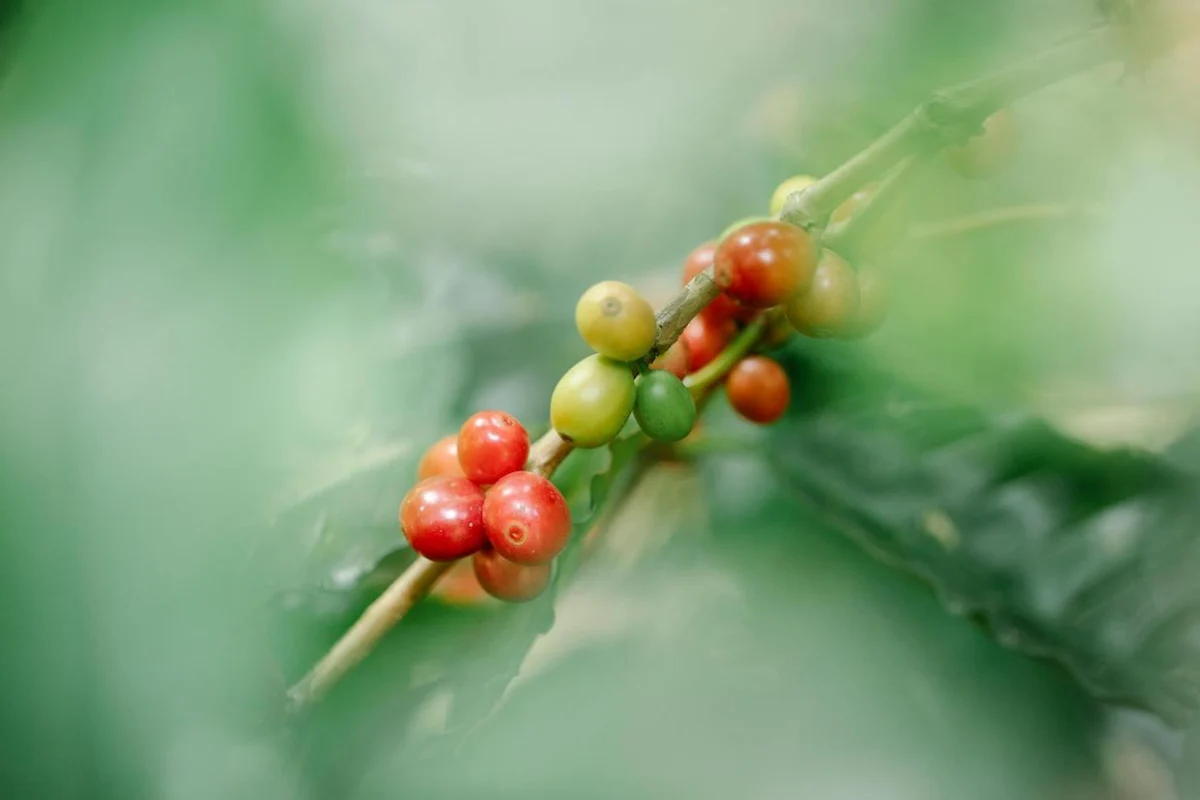
A sobering new analysis from global agricultural lender Rabobank has sounded an alarm for the future of arabica coffee production, projecting significant land losses in key growing regions due to escalating climate change impacts. The report, published last week, warns that by 2050, a substantial portion of land currently dedicated to the cultivation of this prized coffee varietal could become climatically unsuitable, with profound implications for the global coffee supply chain, particularly for specialty and brand-origin coffees.
The study, titled "Climate Change Redefines Suitability and Resilience in Global Arabica Coffee Production," meticulously applies a four-category classification system—very suitable, suitable, marginally suitable, and unsuitable—to current arabica production zones. It then projects how these classifications are likely to shift by mid-century under a warming scenario. The findings are stark: while 8% of global arabica growing areas are already deemed climatically unsuitable, this figure could balloon to approximately 20% within the next quarter-century. This represents a significant contraction of the land available for one of the world’s most popular and economically vital coffee types.
The report emphasizes that the next decade will be a critical turning point. "Whether coffee chains can remain resilient in the face of climate change will depend on the choices made today by producers, buyers and investors alike," the authors state, underscoring the urgent need for proactive adaptation and mitigation strategies.
Deep Dive into Regional Impacts: A Patchwork of Prospects
The Rabobank analysis paints a varied picture across major arabica-producing nations, highlighting both regions facing severe decline and those with potential for expansion.
Brazil, the undisputed titan of global arabica exports, is projected to experience the most significant reduction in suitable growing areas by absolute volume. Currently, 81% of its land is classified as suitable for arabica. However, the report forecasts this figure to shrink to 62% by 2050. This decline, while substantial, is less severe in percentage terms than some other nations, reflecting Brazil’s vast landmass and diverse agroecological zones. Nevertheless, a 19% reduction in suitable land, even from a high base, will necessitate considerable adaptation for its massive export volumes, which stood at 36.5 million 60-kilogram bags in the 2023/24 period.
Colombia, renowned for its high-quality arabica, faces a more widespread geographic challenge. The report estimates that unsuitable arabica zones will rise from the current 7% to 18% by 2050. Consequently, suitable areas are projected to shrink from 56% to 45%. This implies a substantial reshaping of Colombia’s coffee-growing landscape, potentially impacting the iconic branding and consistent quality associated with its coffee. Colombia’s exports for 2023/24 were around 11 million 60-kilogram bags.
The situation in Honduras is particularly concerning. The report predicts a dramatic contraction of suitable arabica growing areas, plummeting from the current 53% to a mere 12% by 2050. This means an estimated 85% of its current production areas could be relegated to marginal conditions, posing an existential threat to its coffee sector. Honduras exported approximately 4.7 million 60-kilogram bags in 2023/24.
In stark contrast, Ethiopia, the birthplace of arabica coffee, presents a more optimistic outlook in certain regions. The report indicates an expansion of suitable arabica zones from the current 39% to 50% by 2050. Crucially, highly suitable areas are projected to triple, increasing from 4% to 13%. This expansion could offer new opportunities for Ethiopian coffee producers, though it also necessitates careful management to ensure sustainable growth and preserve the unique characteristics of its diverse coffee origins. Ethiopia’s exports for 2023/24 were approximately 5.6 million 60-kilogram bags.
Guatemala is expected to remain relatively stable, with marginal zones continuing to dominate its coffee-growing landscape. While conditions may not drastically worsen, the existing reliance on marginal lands suggests a continued need for resilience and adaptation measures to maintain productivity and quality.
These four countries—Brazil, Colombia, Ethiopia, and Honduras—collectively accounted for a significant 58% of global arabica exports in the 2023/24 season, underscoring the global reach and impact of these findings.
The Threat to Specialty Coffee and Terroir
A key concern highlighted by Rabobank’s authors is the potential disproportionate impact on specialty coffees and brand origins. The report explains that the intricate interplay of soil type, altitude, sunlight, rainfall, and temperature—akin to "terroir" in the wine industry—fundamentally shapes the unique flavor profiles of arabica beans. As climate change alters these crucial environmental factors, the distinctive characteristics that define specific coffee origins may shift, diminish, or become increasingly difficult to maintain.
This poses a significant challenge for the specialty coffee sector, which relies heavily on the distinctiveness and traceability of its products. Consumers who seek out specific flavor notes and provenance may find their preferences harder to satisfy as growing conditions evolve. The economic implications are also considerable, as specialty coffees often command premium prices, supporting livelihoods in producing communities.
Building on Existing Research: A Growing Consensus
The Rabobank report builds upon a growing body of scientific research that has been sounding the alarm about climate change and coffee for years. Notably, it references a 2022 peer-reviewed study by researchers at the Zurich University of Applied Sciences, which projected sharp declines in coffee suitability by 2050, including a potential drop of over 50% in the highest-suitability areas across various climate scenarios.
Furthermore, a recent analysis from Climate Central, released approximately six weeks prior to the Rabobank report, found that coffee-growing regions in major producing countries have already been exposed to significantly more coffee-harming heat in recent years due to climate change. This corroborates the Rabobank findings by indicating that the negative impacts are not merely theoretical future projections but are already manifesting.
A wide array of research over the past decade has consistently pointed towards significant arabica suitability losses in many established producing regions, particularly in parts of the Americas and Asia. Conversely, these studies have often suggested more favorable prospects in certain higher-elevation areas and parts of East Africa, aligning with the optimistic projections for Ethiopia in the Rabobank report.
The Path Forward: Adaptation and Investment
The implications of these projected land losses are far-reaching. For coffee-producing nations, it signifies a need for urgent investment in climate-resilient agricultural practices. This could include developing and planting more heat-tolerant arabica varieties, improving water management systems, exploring agroforestry techniques to enhance shade and biodiversity, and potentially relocating cultivation to higher altitudes or more suitable microclimates where feasible.
For global coffee companies and buyers, the findings underscore the importance of diversifying sourcing strategies, investing in farmer support programs that facilitate adaptation, and collaborating on research and development for climate-resilient coffee. The report’s emphasis on the "choices made today" by buyers and investors suggests a call for greater transparency in supply chains, a commitment to fair pricing that allows producers to invest in adaptation, and potentially the development of climate-related financial instruments to support the sector.
The challenge of climate change in coffee production is multifaceted. It not only threatens the physical availability of arabica beans but also jeopardizes the unique sensory qualities that consumers cherish and the economic stability of millions of smallholder farmers. As the planet continues to warm, the coffee industry faces an unprecedented test of its resilience and its capacity for collective action. The insights provided by Rabobank serve as a critical reminder that the future of coffee is inextricably linked to the health of the planet and the proactive measures taken today.