


The culinary landscape is witnessing the ascendancy of a dessert that harmoniously marries vibrant citrus with delicate nuttiness: the lemon pistachio loaf cake. This particular confection, characterized by its remarkably soft, plush texture and an intense burst of fresh lemon flavor, is rapidly gaining traction among discerning palates and bakers alike. Its distinctive appeal lies in the strategic incorporation of finely ground pistachios, which subtly replaces a portion of traditional flour, imparting a nuanced richness and a delicate, earthy undertone to the cake’s crumb. This sophisticated yet approachable dessert has demonstrated remarkable versatility, seamlessly fitting into diverse occasions, from elegant brunch tables and elaborate spring dessert spreads to the more intimate setting of afternoon tea.
The Allure of a Balanced Flavor Profile
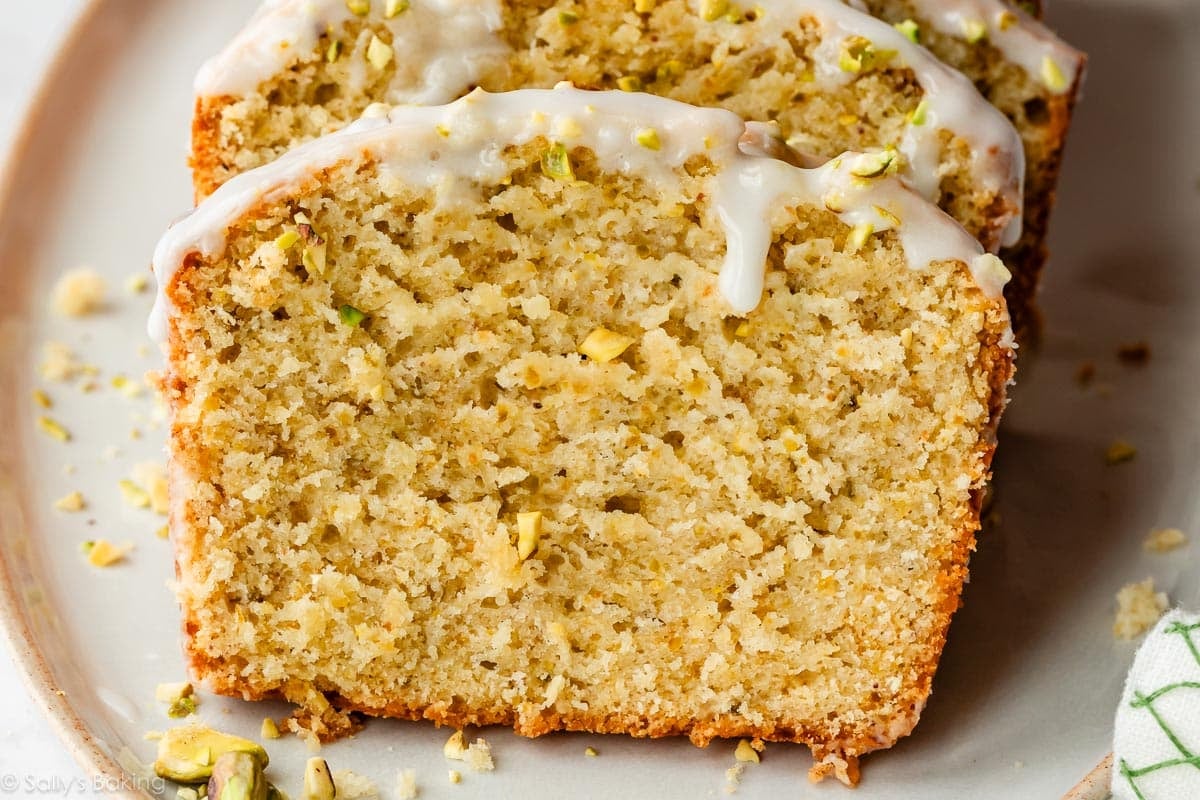
The intrinsic charm of the lemon pistachio loaf cake stems from its perfectly calibrated flavor synergy. Unlike many desserts that feature a dominant flavor, this loaf cake achieves a rare equilibrium where neither lemon nor pistachio overpowers the other. The lemon component is presented as fresh and vibrant, carefully calibrated to avoid any sharp or overly sour notes, instead offering a bright, uplifting zest that awakens the palate. Complementing this citrus brilliance is the pistachio, whose flavor profile is characterized as soft, warm, and subtly nutty, providing a grounding counterpoint that enhances the overall complexity. This harmonious blend creates a sensory experience that is both invigorating and comforting, evoking the gentle optimism associated with the first glimpses of spring sunshine and nascent foliage.
This delicate balance is not a matter of chance but the result of meticulous culinary development. The recipe for such a loaf cake typically undergoes rigorous testing to ensure optimal texture, flavor integration, and structural integrity. Early iterations, for instance, might suffer from excessive density, insufficient rise, or premature browning. The evolution of the recipe highlights the critical role of fat in baked goods, particularly when incorporating ground nuts. Research and development phases often reveal that precise adjustments to fat content are paramount for achieving the desired structure and moisture retention when a portion of the flour is replaced by ground nuts. A butter-based batter, for example, consistently proves superior for achieving a rich, tender crumb, while leavening agents like baking soda may be deemed unnecessary, simplifying the ingredient list without compromising quality.
Historical Context and Culinary Trends

The concept of loaf cakes, or quick breads, boasts a rich history, tracing its roots back to simpler baking methods that didn’t require yeast. These versatile cakes gained popularity for their ease of preparation and their ability to incorporate various fruits, nuts, and spices. The 20th and 21st centuries have seen a resurgence in artisanal baking, where classic comfort foods are reinterpreted with gourmet ingredients and refined techniques. The lemon pistachio loaf cake perfectly embodies this trend, elevating a humble loaf cake into a sophisticated offering suitable for premium bakeries and home kitchens alike.
Pistachios, native to the Middle East and Central Asia, have been cherished for millennia, revered for their distinctive flavor and vibrant green hue. Their historical significance in Persian, Turkish, and Mediterranean cuisines, particularly in sweets like baklava and halva, underscores their long-standing appeal. Lemons, originating in Asia, have similarly traversed continents, becoming a staple in global gastronomy, celebrated for their refreshing acidity and aromatic zest. The marriage of these two ancient ingredients in a contemporary loaf cake format represents a thoughtful fusion of culinary traditions, appealing to a consumer base increasingly interested in global flavors and high-quality, natural ingredients.
Market analysis suggests a growing consumer demand for desserts that offer both familiarity and an element of sophisticated novelty. Data from recent food industry reports indicates a steady rise in the popularity of nut-based baked goods, driven by a perception of health benefits and a desire for richer, more complex textures. Similarly, citrus flavors, particularly lemon, consistently rank high in consumer preference surveys for their refreshing qualities and versatility across various dessert categories. The lemon pistachio loaf cake capitalizes on both these trends, positioning itself as a prime example of modern dessert innovation.

Key Ingredients and Their Functional Significance
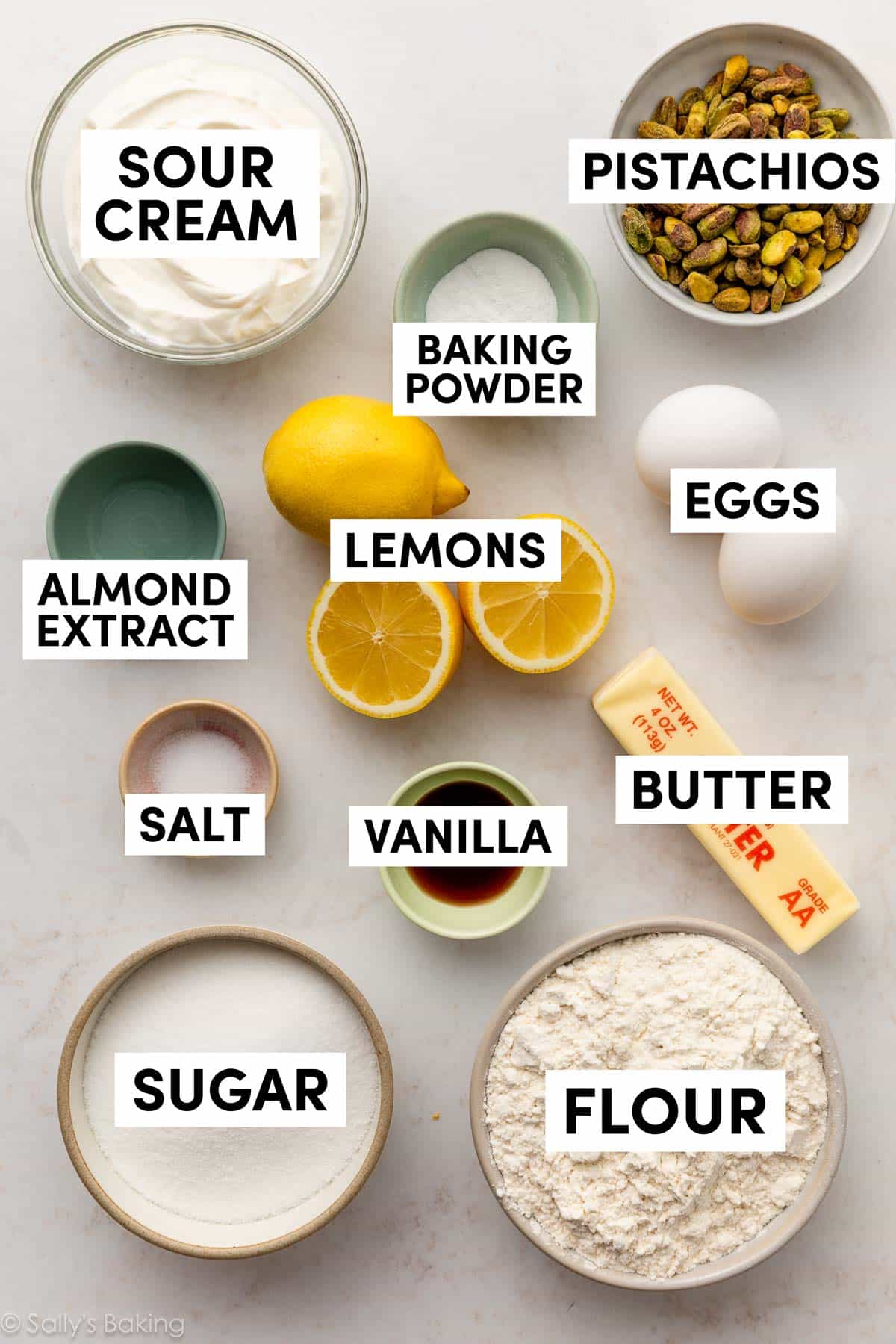
The success of the lemon pistachio loaf cake hinges on a carefully selected roster of high-quality ingredients, each playing a specific functional role in achieving the desired taste and texture:
- All-Purpose Flour: Provides the foundational structure for the cake. Its gluten network creates the framework that holds the cake together.
- Granulated Sugar: Contributes sweetness, tenderizes the crumb, and aids in moisture retention.
- Pistachios: Finely ground, they replace a portion of the flour, adding a delicate nutty flavor, a subtle green tint, and a unique texture to the crumb. Their natural oils also contribute to the cake’s richness.
- Baking Powder: The primary leavening agent, responsible for the cake’s rise and light texture.
- Salt: Enhances and balances all the other flavors, preventing the cake from tasting bland or overly sweet.
- Unsalted Butter: Provides richness, moisture, and contributes to the cake’s tender crumb. Creaming butter with sugar incorporates air, crucial for a light texture.
- Large Eggs: Act as emulsifiers, binding ingredients together, adding richness, and contributing to the cake’s structure and moisture.
- Sour Cream (or Plain Yogurt): A critical ingredient for moisture and tenderness. Its acidity activates the baking powder and contributes to a finer crumb, while its fat content ensures a moist result.
- Lemon Zest and Fresh Lemon Juice: The dual source of the cake’s bright lemon flavor. Zest provides aromatic oils for intense flavor, while juice adds acidity and moisture.
- Pure Vanilla Extract: A flavor enhancer that complements both the lemon and pistachio, adding depth and warmth.
For the quintessential sweet lemon icing, confectioners’ sugar is combined with additional fresh lemon juice and a touch of heavy cream or milk. This creates a thick, glossy glaze that not only adds another layer of vibrant lemon flavor but also sets to form a pleasingly crisp yet sweet outer layer, often adorned with a sprinkle of chopped pistachios for textural contrast.
Methodology and Technical Considerations
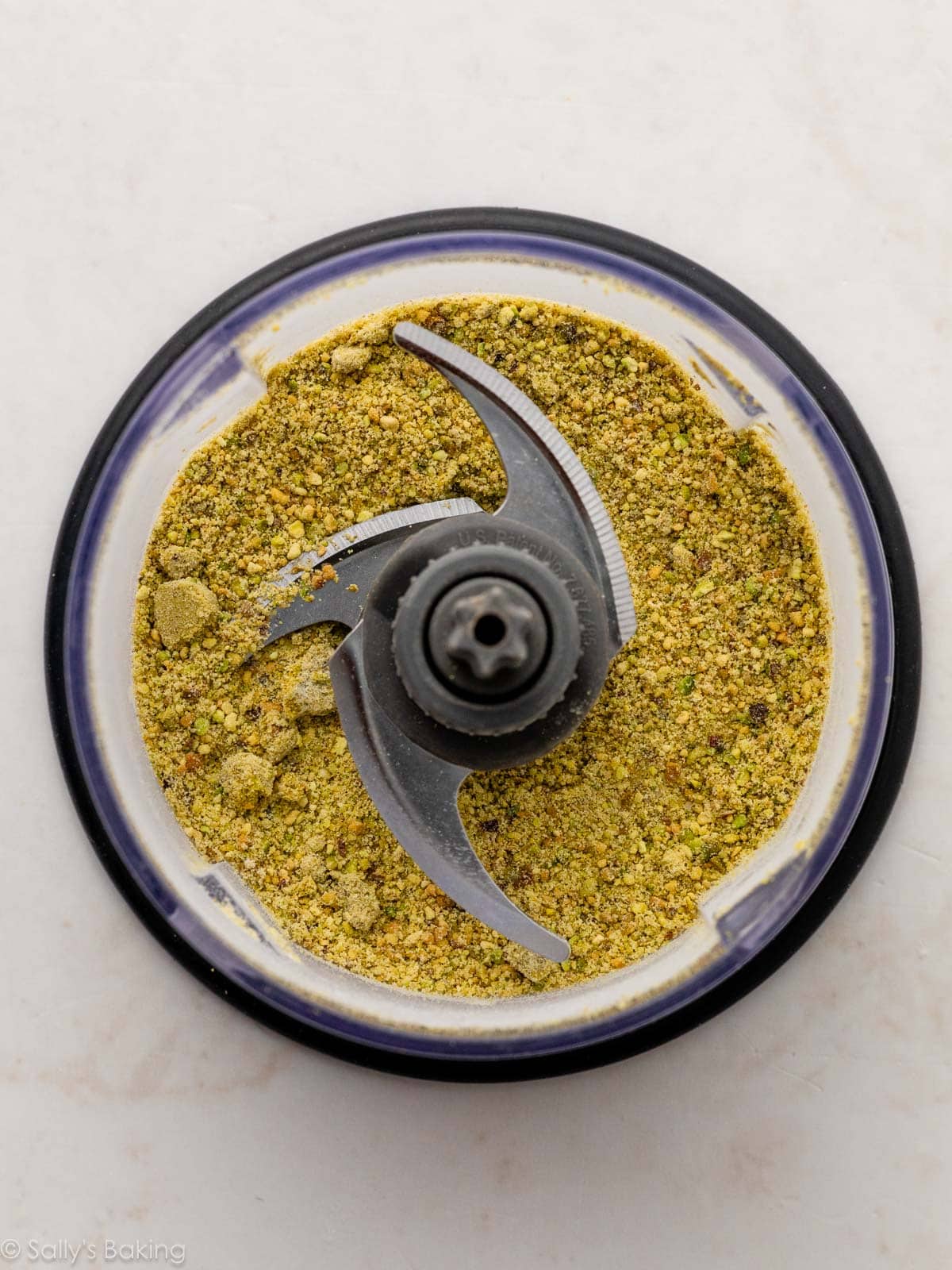
The preparation of the lemon pistachio loaf cake follows a precise methodology designed to optimize ingredient integration and final product quality. The process typically begins with the meticulous preparation of the dry ingredients. Pistachios are ground, often with a small amount of flour, to prevent them from releasing too much oil and turning into a paste. This mixture is then combined with the remaining dry components.
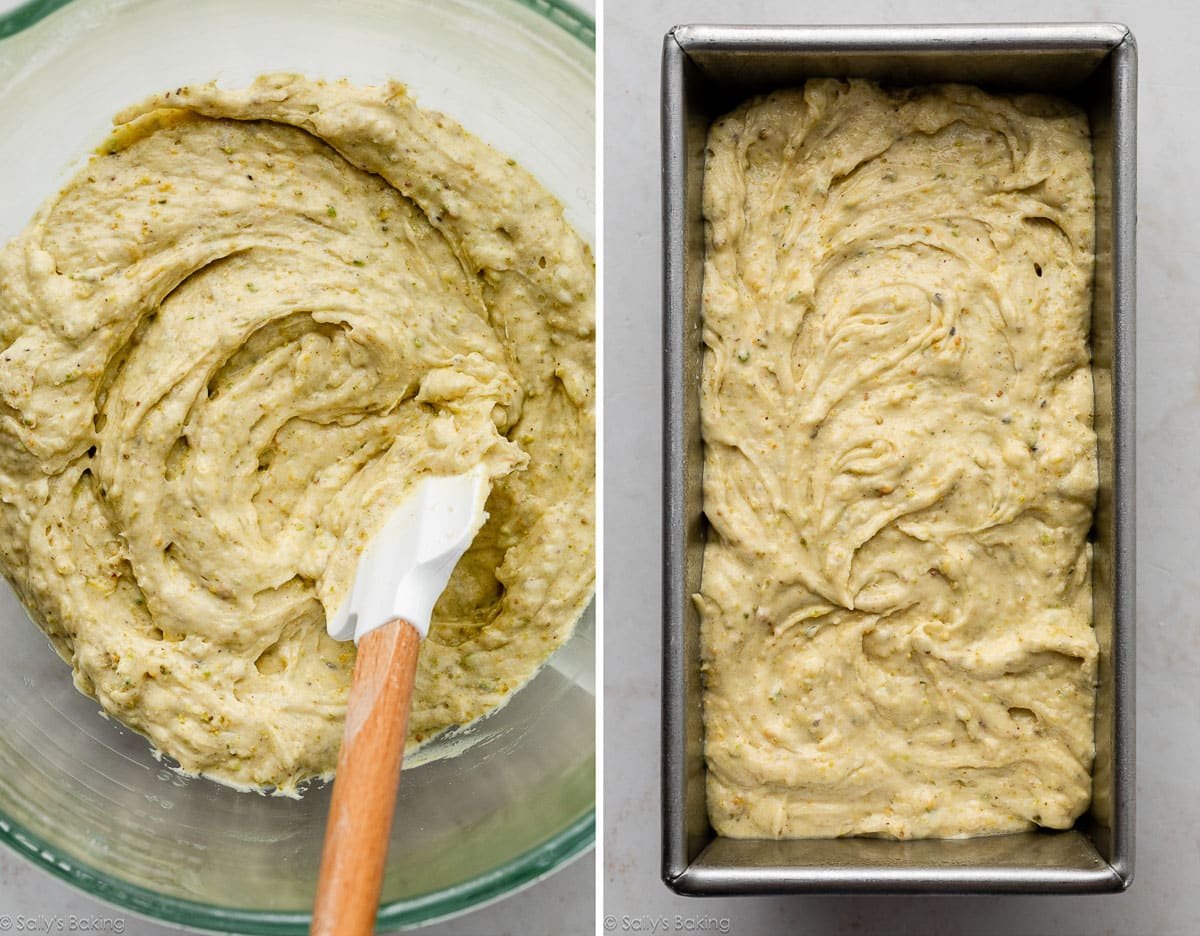
Concurrently, the wet ingredients are prepared, starting with the creaming of softened butter with granulated sugar and lemon zest. This step is crucial, as creaming the zest with sugar helps to release the essential oils from the lemon peel, intensifying the citrus aroma and flavor throughout the cake. Eggs are then incorporated, followed by the remaining wet ingredients such as sour cream, lemon juice, and vanilla extract. The dry and wet mixtures are then carefully combined, resulting in a batter that is notably thick, reminiscent of a traditional pound cake batter. This density is a key indicator of the rich, moist crumb that the finished loaf will possess.
A significant technical detail for bakers is the choice of loaf pan. While many standard quick bread recipes are designed for a 9×5-inch loaf pan, this particular formulation often benefits from a slightly smaller 1-lb. 8×4-inch pan. This seemingly minor adjustment yields a taller, more aesthetically pleasing loaf with a superior internal structure. Consequently, a smaller pan may necessitate a slightly extended baking time to ensure the cake is cooked through to the center. Should a 9×5-inch pan be the only option, bakers can anticipate a slightly shorter and flatter loaf, with a potentially reduced baking duration. These precise recommendations underscore the scientific approach often adopted in high-quality recipe development.
Finishing Touches: The Lemon Glaze
The sweet lemon icing serves not merely as a decorative element but as an integral flavor component. Crafted from confectioners’ sugar, fresh lemon juice, and heavy cream (or a suitable dairy alternative like half-and-half or milk), this glaze provides a final flourish of bright, sweet-tart lemon flavor. When applied to the cooled loaf, the icing gradually thickens and sets, forming a delightful layer that contributes both textural contrast and an intensified citrus punch. The addition of a sprinkling of chopped pistachios immediately after glazing, before the icing fully sets, provides a visually appealing garnish and an extra layer of crunch, elevating the cake’s overall sensory experience.
Implications and Broader Impact
The popularity of desserts like the lemon pistachio loaf cake reflects several broader trends within the food industry and consumer culture:
- Premiumization of Home Baking: Consumers are increasingly seeking out recipes that allow them to create gourmet-quality desserts in their own kitchens, valuing fresh, high-quality ingredients and sophisticated flavor combinations.
- Flavor Fusion and Global Influences: The successful pairing of lemon and pistachio exemplifies a growing openness to combining flavors from different culinary traditions, leading to innovative and exciting new taste experiences.
- Focus on Natural Ingredients: The emphasis on fresh lemon and real ground pistachios aligns with a broader consumer preference for natural, recognizable ingredients over artificial flavors and colors.
- Versatility in Occasion: The cake’s adaptability for various settings—from casual treats to celebratory centerpieces—highlights a demand for flexible dessert options that can serve multiple purposes.
- Economic Impact on Ingredient Suppliers: Increased demand for specific ingredients like high-quality pistachios and fresh lemons can have a positive economic ripple effect on agricultural producers and specialty food suppliers.
Culinary experts, such as Dr. Elara Vance, a food anthropologist at the Gastronomy Institute, note, "The lemon pistachio loaf cake is a testament to the enduring appeal of comfort food, thoughtfully elevated. It speaks to a desire for familiarity but with an undeniable touch of gourmet sophistication, reflecting a maturing palate among the general public." Similarly, Chef Julian Mercer, a renowned pastry chef, comments, "Achieving that perfect balance between vibrant citrus and warm, nutty notes is the hallmark of a truly well-developed recipe. It’s a precise art, and when done right, the result is simply exquisite."
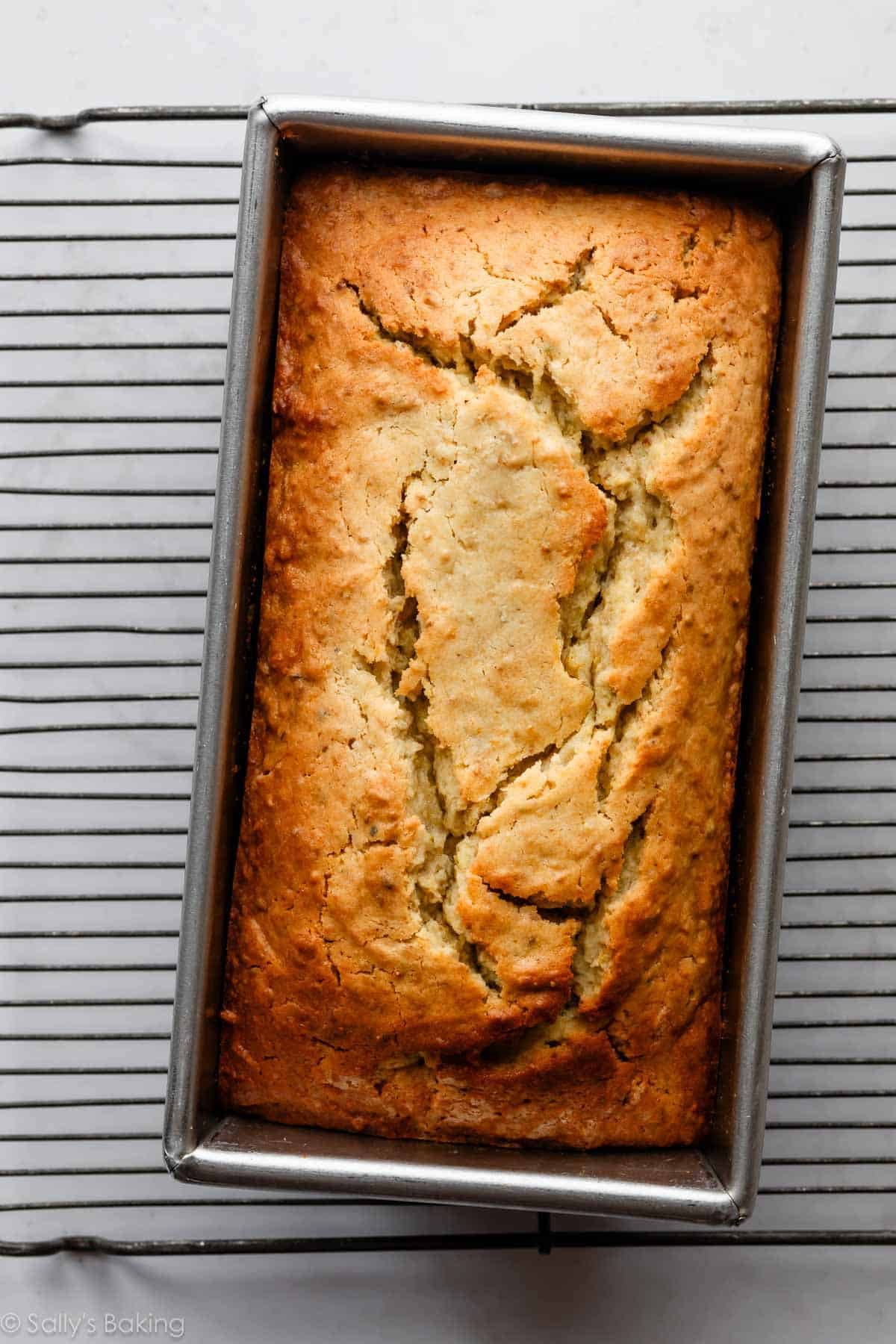
In conclusion, the lemon pistachio loaf cake is more than just a recipe; it is a culinary phenomenon that skillfully blends classic techniques with modern flavor preferences. Its meticulously developed profile, combining the refreshing zest of lemon with the subtle richness of pistachio, positions it as a sophisticated yet accessible dessert that is set to continue captivating bakers and consumers for seasons to come. It stands as a prime example of how thoughtful ingredient selection and precise execution can transform simple components into an extraordinary gastronomic experience, cementing its status as a cherished item in the modern dessert repertoire.