

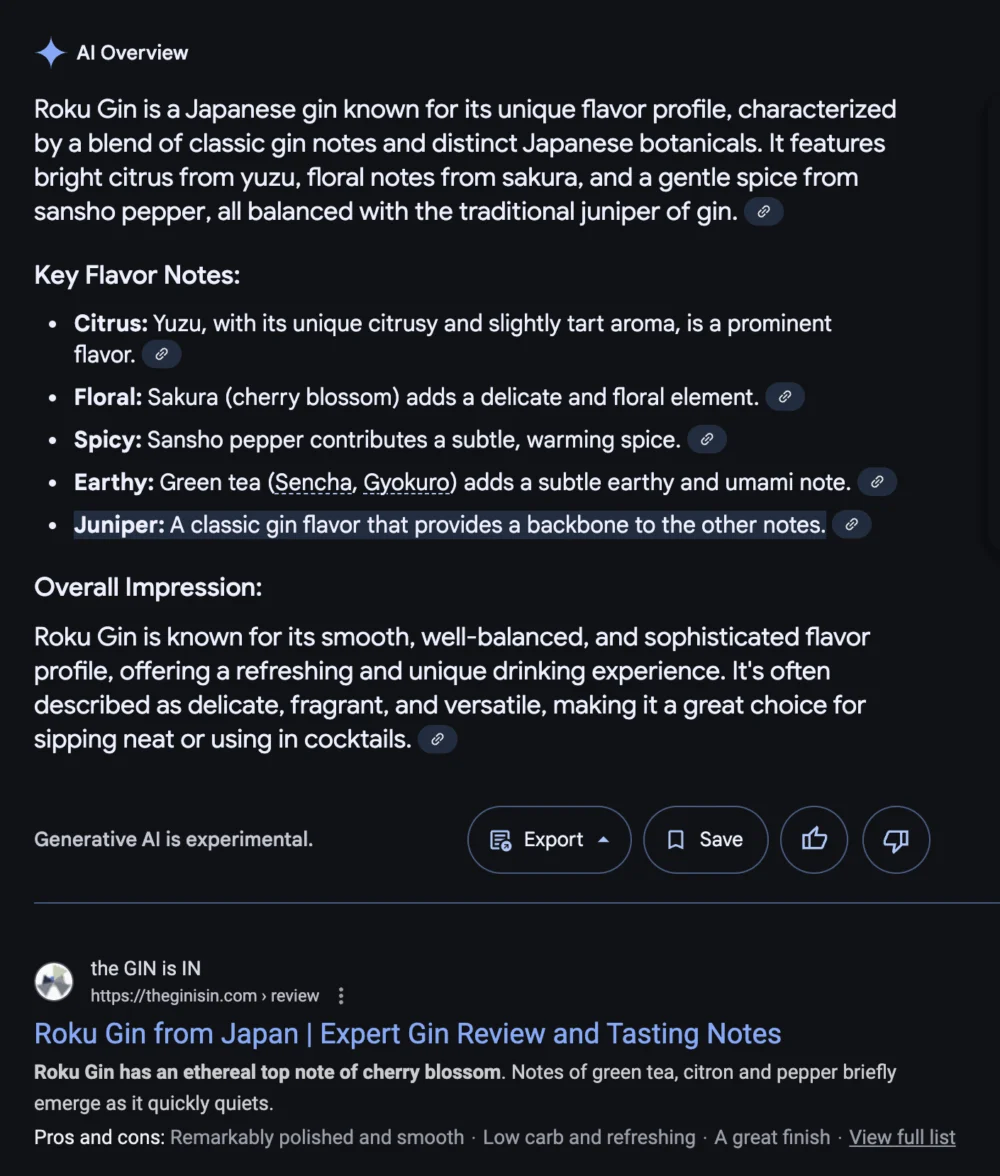
The digital publishing landscape is currently navigating a period of profound instability as long-standing independent outlets face an existential threat from the integration of generative artificial intelligence into mainstream search engines. For sixteen years, The GIN is IN, a premier independent resource for gin reviews and industry insights, has operated as a cornerstone of the niche spirits community. However, its founder, Aaron Knoll, recently issued a public appeal for support, highlighting a precarious financial situation driven by the convergence of high infrastructure costs and a catastrophic decline in organic traffic. This development serves as a microcosm for a broader crisis affecting independent creators who rely on search engine visibility to sustain their operations.
The Evolution of Independent Spirits Criticism
The GIN is IN was established in 2009, during a period often referred to as the "Gin Renaissance." As the spirits industry shifted away from mass-produced commodities toward craft-oriented, botanical-forward distillations, there was a corresponding demand for rigorous, independent evaluation. Knoll built the platform on a foundation of strict editorial integrity, refusing to charge distillers for reviews or accept promotional content from brand marketers. This model was designed to provide consumers with objective data and tasting notes, filling a void left by traditional lifestyle magazines that often blurred the lines between advertising and editorial content.
Over the course of a decade and a half, the site grew from a personal project into a significant industry resource, at one point attracting nearly one million visitors annually. As the audience expanded, so did the technical requirements. Managing a database of hundreds of detailed reviews, high-resolution imagery, and interactive features necessitated robust hosting solutions. For years, these costs were managed through a combination of personal investment and traditional display advertising. However, the efficacy of the ad-supported model began to wane as user experience became a priority and the digital advertising market consolidated around a few dominant players.
The May 2024 Inflection Point: AI and the Zero-Click Search
The most significant disruption to the platform’s viability occurred in May 2024, coinciding with the widespread rollout of AI-driven search features by major technology companies, including Google and OpenAI. These features, often categorized as Search Generative Experience (SGE) or AI Overviews, utilize large language models to synthesize information from various web sources and present a comprehensive answer directly on the search results page.
For independent reviewers, this technology has created a "zero-click" environment. In his assessment of the site’s performance, Knoll noted that search queries for specific products, such as "Roku Gin Review," now frequently yield elaborate AI-generated summaries that incorporate his original findings and specific phrasing. While these AI tools often include attributions or links to the source material, the immediate availability of the answer removes the incentive for the user to click through to the original website.
Data from the digital marketing industry supports this observation. According to recent studies by SEO analytics firms, the implementation of AI Overviews has resulted in a projected 18% to 25% decrease in organic traffic for informational and review-based websites. For a niche site like The GIN is IN, where traffic is the primary driver of ad revenue and brand awareness, this "plummeting" traffic directly translates to a loss of the financial resources required to maintain the site’s infrastructure.
The Revenue Dilemma and the Rejection of Paywalls
As traditional advertising revenue failed to cover hosting and operational costs, many independent publishers have transitioned to subscription-based models or "walled gardens" using platforms like Substack. While this provides a steady income stream from a dedicated core audience, it creates a barrier to information for the general public.
Knoll has expressed a strategic and ethical reluctance to adopt a full paywall model. The primary reasoning involves the relationship between the reviewer and the producer. When distillers provide samples for review, they do so with the expectation of public visibility. Placing those reviews behind a paywall limits the reach of the content to a few hundred subscribers, potentially undermining the public service aspect of the site. Knoll’s commitment to remaining a public resource reflects a broader tension in digital media: the desire to keep information accessible versus the necessity of securing the financial means to produce that information.

Supporting Data and Technical Infrastructure Costs
The financial strain on independent sites is compounded by the rising costs of digital infrastructure. High-traffic websites require scalable hosting, content delivery networks (CDNs), and cybersecurity measures to protect against automated bot traffic and data breaches. For an independent writer, these "out of pocket" expenses can reach thousands of dollars annually.
In the case of The GIN is IN, the site’s extensive archive—spanning 16 years of content—requires significant storage and processing power. When traffic was high, Google Ads provided a mechanism to "defray some of the costs," but the intrusion of ads often compromised the user interface. The current transition toward direct reader support via platforms like Patreon, Venmo, and Ko-Fi represents a pivot toward a "community-supported" model of journalism. This model seeks to bypass the volatility of the search engine economy by establishing a direct financial link between the creator and the consumer.
Industry Reactions and the Legal Landscape
The situation facing The GIN is IN has resonated across the digital publishing industry, sparking discussions regarding the ethics of AI training and content scraping. While Google and OpenAI have begun to establish licensing agreements with major media conglomerates—such as News Corp and Axel Springer—small, independent publishers remain largely unprotected.
Legal experts and media advocates have raised concerns that the current trajectory of generative AI constitutes a "fair use" violation, as it creates derivative works that directly compete with the original content in the marketplace. While some creators have attempted to block AI crawlers via robots.txt files, doing so often results in a total loss of search engine visibility, effectively "de-indexing" the site from the modern internet. This presents a "catch-22" for independent writers: allow AI to scrape and summarize their work for free, or remain invisible to potential new readers.
Broader Implications for the Information Ecosystem
The potential closure of independent sites like The GIN is IN carries implications beyond the loss of a single niche resource. Independent reviewers provide a level of granular expertise and historical context that AI models, which operate on statistical probability rather than sensory experience, cannot replicate.
If the financial incentive for independent, non-sponsored reviews disappears, the digital information landscape may become increasingly dominated by two types of content:
- AI-Generated Syntheses: Which may lack the nuance of human tasting notes and are susceptible to "hallucinations" or factual errors.
- Sponsored Content: Where reviews are paid for by brands, leading to a loss of objectivity and consumer trust.
The erosion of the "middle class" of digital publishers—those who are too small for major licensing deals but too large to operate without significant overhead—threatens the diversity of voices available to consumers. The shift toward a tip-based or subscription-based economy for these creators is an attempt to preserve that diversity, but its long-term viability remains unproven.
Chronology of The GIN is IN and the Search Landscape
- 2009: The GIN is IN launches as an independent review site during the early stages of the global gin boom.
- 2015-2020: The site experiences peak organic growth, reaching milestones of 1M visitors and establishing a reputation for non-sponsored, objective criticism.
- 2021-2023: Rising hosting costs and a shift in the digital ad market force a greater reliance on Google Ads, despite concerns over user experience.
- May 2024: Google integrates AI Overviews into search results, leading to a sharp decline in click-through rates for product reviews.
- April 2025: Founder Aaron Knoll issues a public appeal for direct reader support to maintain the site’s independence and public accessibility.
Conclusion: The Future of Niche Media
The challenges articulated by Aaron Knoll highlight a pivotal moment for the internet. The "open web," which allowed independent experts to build audiences through merit and search visibility, is being replaced by an "answered web," where platforms capture and redistribute the value of original reporting without necessarily compensating the creators.
The GIN is IN’s move toward Patreon and Ko-Fi is more than a plea for survival; it is a test of whether the public values independent expertise enough to fund it directly. As AI continues to reshape how information is consumed, the survival of niche, independent voices will likely depend on a fundamental shift in how digital content is valued and monetized. For now, the "lifeline" for these sites remains in the hands of the readers who have spent the last sixteen years relying on their expertise.