

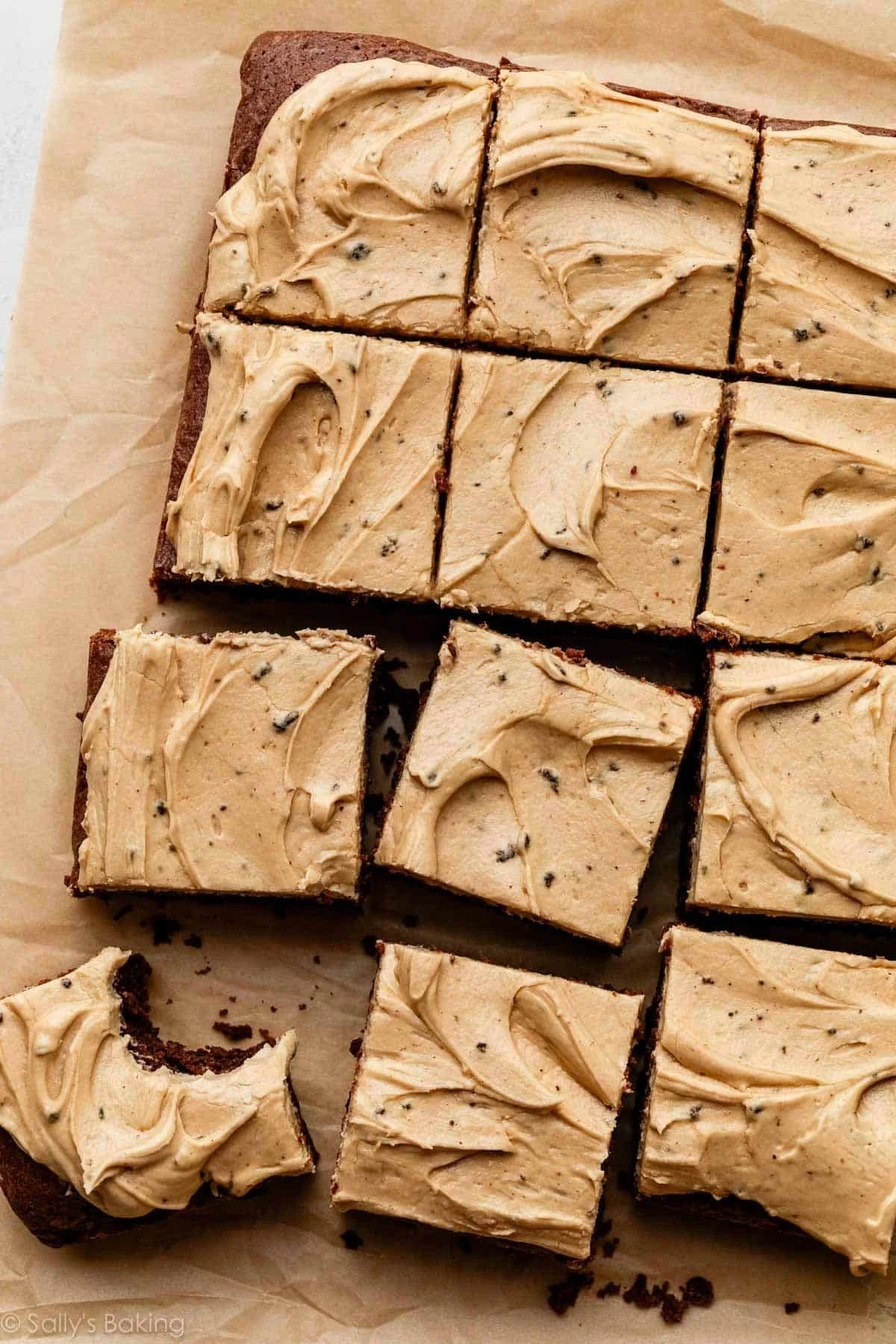
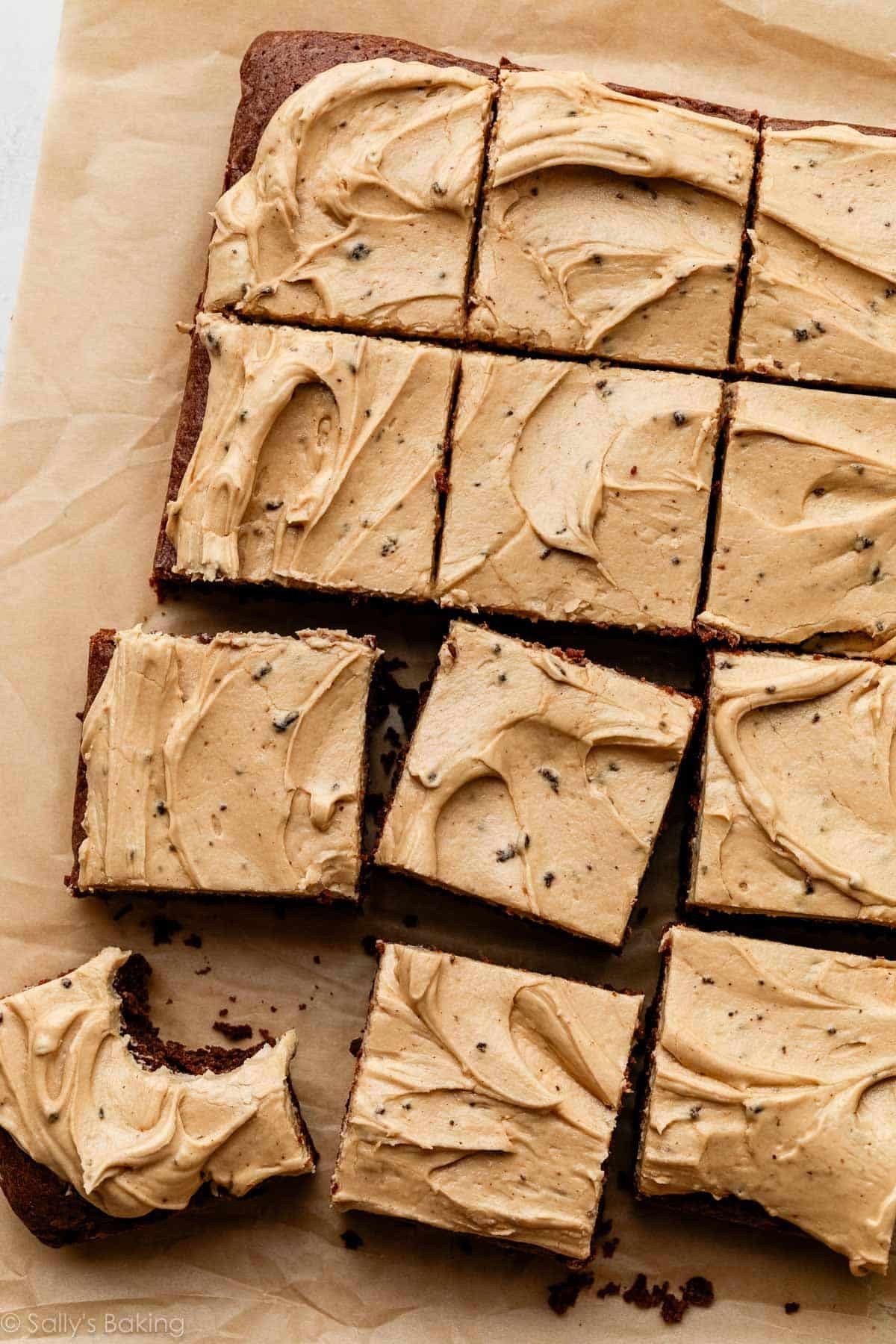
These Guinness brownies represent a sophisticated fusion of traditional dessert crafting and innovative flavor enhancement, offering a deeply fudgy, intensely chocolatey experience crowned with a creamy, Guinness-infused frosting. First published in 2018 and subsequently updated with enhanced photography and refined preparation guidance, this recipe has established itself as a staple for those seeking a complex chocolate dessert, particularly resonant with St. Patrick’s Day celebrations. The unique appeal lies in the strategic incorporation of Guinness stout, which, contrary to common assumption, does not impart a discernible beer flavor but rather amplifies and enriches the chocolate notes with subtle undertones of roasted coffee, dark caramel, and malt. This culinary approach transforms a familiar treat into an elevated indulgence, appealing to a broad palate that appreciates depth over overt sweetness.
The Culinary Synergy of Stout and Chocolate
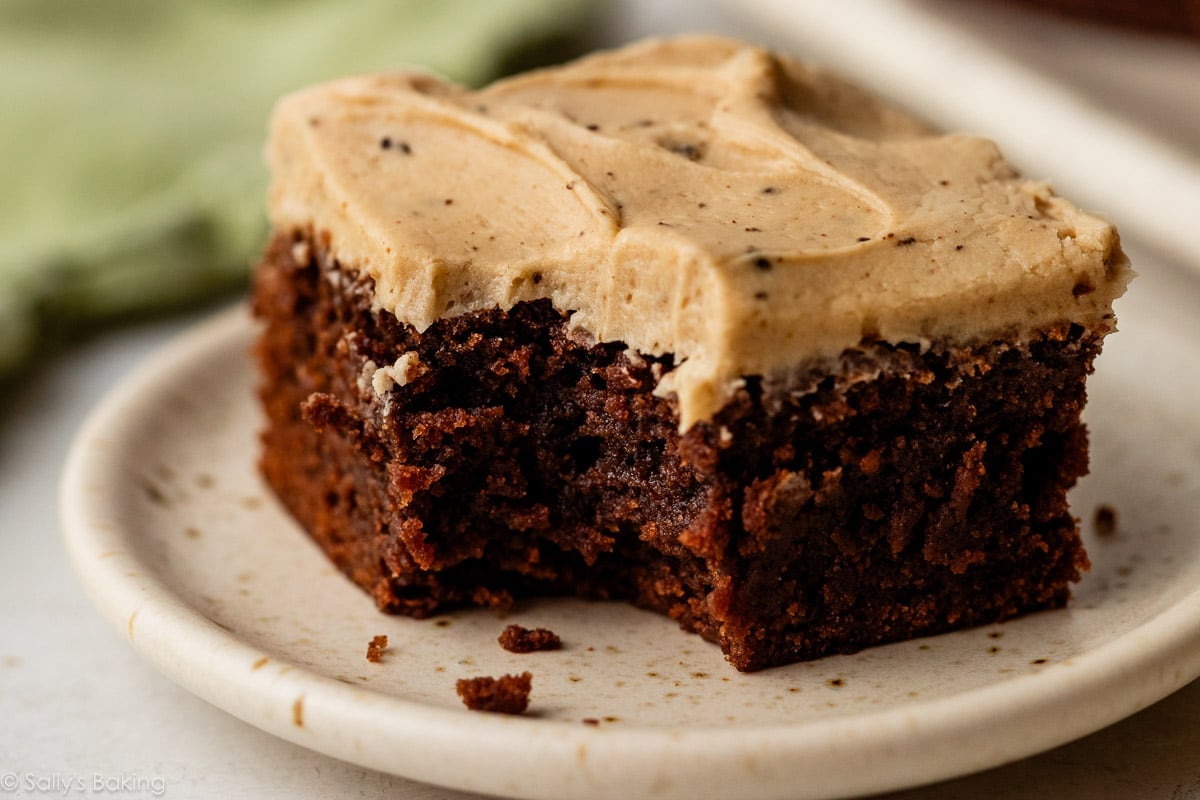
The pairing of Guinness stout with chocolate desserts is a well-established practice in modern gastronomy, rooted in the complementary flavor profiles of the two ingredients. Guinness, a dark, creamy stout renowned for its distinctive taste, derives much of its character from roasted barley. This roasting process develops complex flavors reminiscent of coffee, dark cocoa, and caramel, which align harmoniously with the inherent qualities of high-quality chocolate. When integrated into a chocolate-based recipe, Guinness acts as a flavor enhancer, akin to how a touch of espresso powder can deepen chocolate’s intensity without making the dessert taste like coffee.
Food scientists and culinary experts frequently highlight the Maillard reaction, a chemical process responsible for browning and flavor development, as a key factor in this synergy. The roasted notes in Guinness are a product of this reaction, and when combined with chocolate, they create a more profound and multi-layered flavor experience. This interaction prevents the chocolate from tasting one-dimensional, introducing subtle bitterness and umami that balance its inherent sweetness. The result is a dessert that satisfies the craving for rich chocolate while offering an intriguing complexity that appeals to a more "grown-up palate." This principle is also evident in other popular recipes such as Guinness chocolate cakes and cupcakes, where the stout consistently elevates the chocolate base without dominating it.
The Essential Technique: Guinness Reduction

A cornerstone of achieving the distinct, nuanced flavor in these Guinness brownies without compromising their texture is the precise technique of reducing the stout. This involves simmering a full bottle of Guinness on the stovetop until a significant portion of its water content has evaporated, leaving behind a concentrated liquid. This reduction process serves a dual purpose: it intensifies the inherent malty, roasted, and caramel notes of the Guinness, and crucially, it prevents the introduction of excess liquid into the brownie batter.
Baking, particularly with dense items like brownies, demands careful control over liquid ratios. An overly wet batter can lead to a cakey, crumbly, or even gummy texture, detracting from the desired fudginess. By reducing the Guinness, bakers can incorporate its concentrated flavor without altering the delicate balance of moisture required for a dense, moist, and perfectly fudgy brownie. The process typically yields a specific volume of reduced stout – in this recipe, 1/2 cup (120g/ml) for the brownie batter and an additional 2.5 tablespoons (40g/ml) reserved for the frosting. This meticulous approach ensures that the stout’s contribution is purely flavor-centric, preserving the structural integrity and desired mouthfeel of the brownie. This technique is not unique to stout-infused desserts; it mirrors methods used to concentrate flavors in other baking applications, such as reducing fruit purees for strawberry cakes, apple cider for donuts, or champagne for cake rolls, all aimed at maximizing flavor impact with minimal liquid interference.
Crafting the Ultra-Fudgy Brownie Base
The foundation of these Guinness brownies is an ultra-fudgy texture, a characteristic achieved through a specific blend of ingredients and a deliberate omission of leavening agents. Unlike cake-like brownies that rely on baking powder or baking soda for rise and an airy crumb, these brownies are designed to be dense and rich, almost a step away from pure chocolate. The core ingredients include high-quality unsalted butter, premium unsweetened chocolate, granulated sugar, large eggs, all-purpose flour, cocoa powder, salt, and pure vanilla extract, alongside the star ingredient, reduced Guinness.
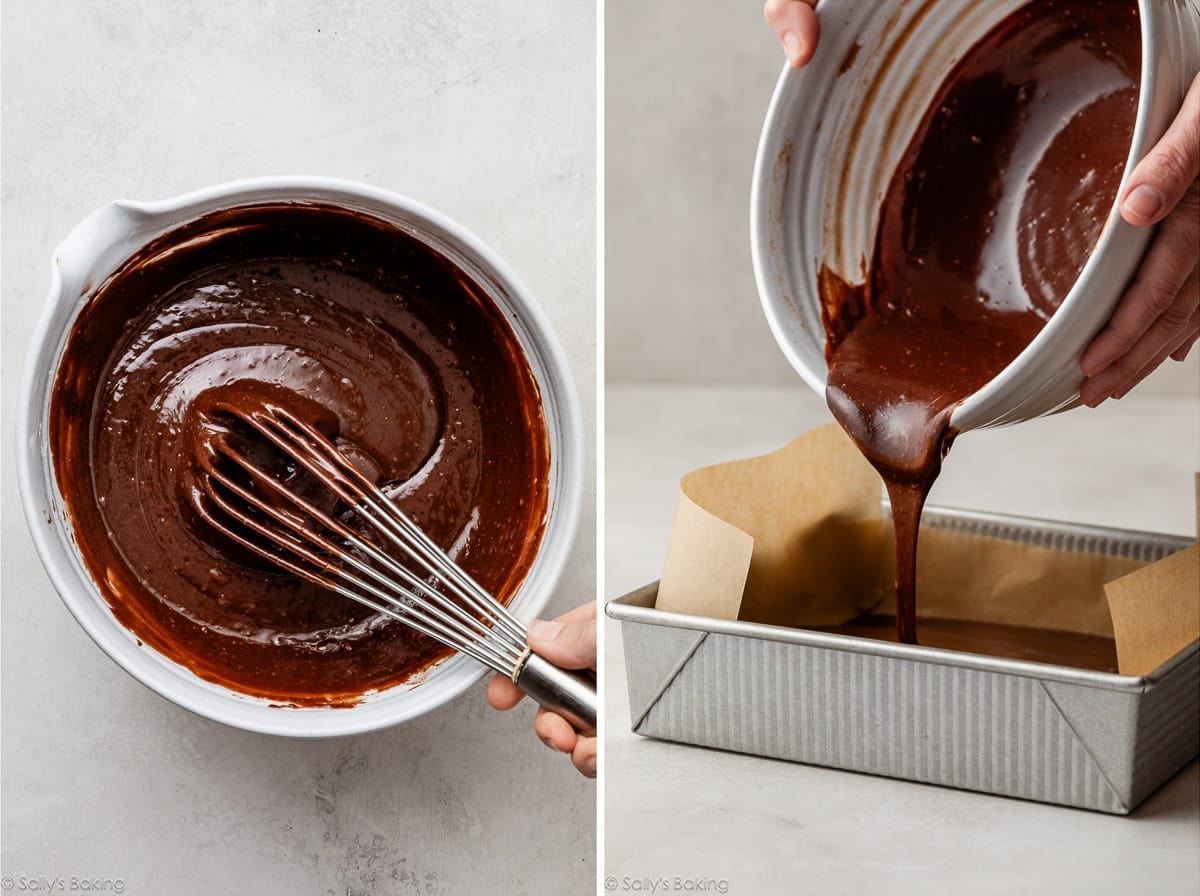
The preparation begins by melting the butter and chocolate together. This step is crucial for creating a smooth, emulsified base that contributes to the brownies’ luxurious texture. Cutting the butter into smaller pieces facilitates even melting, whether executed on a stovetop or in a microwave. Following this, the granulated sugar and the carefully measured reduced Guinness are whisked into the warm chocolate mixture, followed by the eggs and vanilla. The eggs play a vital role in binding the ingredients and adding richness, while vanilla extract rounds out the flavor profile. Finally, the dry ingredients—flour, cocoa powder, and salt—are gently incorporated. The resulting batter is notably thick and possesses a glossy sheen, indicative of its high fat and sugar content, which are key to fudginess. For optimal and even baking, the batter is spread into a parchment-lined 9-inch square metal baking pan. Metal pans are preferred over glass or ceramic due to their superior heat conductivity, which promotes consistent baking and prevents over-browning of the edges before the center is fully set.
The Guinness-Infused Frosting: A Decadent Complement
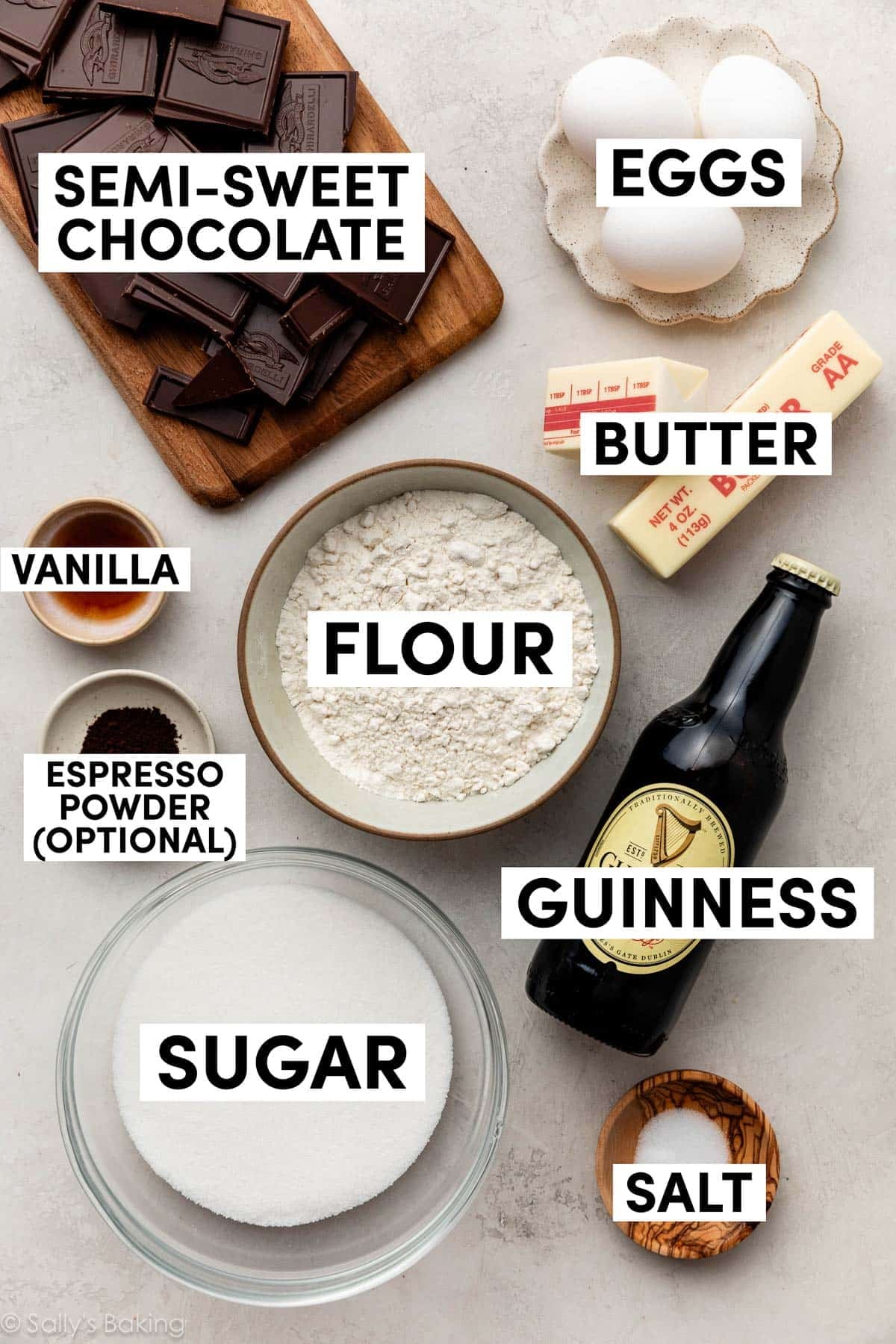
While the Guinness brownies are exceptionally flavorful on their own, their inherent richness and depth are perfectly complemented by the addition of a creamy, Guinness-infused frosting. This topping elevates the dessert, providing a contrasting texture and an additional layer of nuanced flavor. The frosting is crafted from softened unsalted butter, powdered sugar, unsweetened cocoa powder, a pinch of salt, pure vanilla extract, a touch of espresso powder, and the remaining portion of the reduced Guinness.
The espresso powder in the frosting, much like the Guinness in the brownie batter, serves to intensify the chocolate flavor without making the frosting taste distinctly of coffee. It deepens the cocoa notes, creating a more robust and sophisticated taste. The reduced Guinness contributes its subtle malty and caramelized undertones, harmonizing with the chocolate and espresso. The texture of the frosting is designed to be smooth and creamy, providing a delightful counterpoint to the dense fudginess of the brownie. Its flavor profile is often described as a complex blend of espresso-like notes with a faint, intriguing sweetness derived from the stout. This frosting transforms the brownies into a truly indulgent experience, though for those preferring alternative toppings, vanilla ice cream, homemade whipped cream, or a mocha whipped cream also present excellent choices, each offering a different textural and flavor dynamic.
Historical and Cultural Significance

The integration of Guinness into baking, particularly for celebratory occasions like St. Patrick’s Day, is a testament to the stout’s enduring cultural significance. Guinness, first brewed by Arthur Guinness in Dublin, Ireland, in 1759, has grown from a regional beverage to an iconic global brand, deeply intertwined with Irish identity and celebrations. St. Patrick’s Day, observed annually on March 17th, commemorates the death of Saint Patrick, Ireland’s foremost patron saint. While traditionally a religious holiday, it has evolved into a global celebration of Irish culture, characterized by parades, festive gatherings, and, of course, the consumption of Guinness. Incorporating Guinness into desserts like these brownies provides a unique culinary tribute, allowing individuals to partake in the spirit of the holiday through a gourmet experience.
The brownie itself has a rich history, believed to have originated in the United States in the late 19th or early 20th century. Its evolution from a simple bar cookie to a diverse category of fudgy, cakey, or chewy variations highlights its adaptability. The introduction of ingredients like Guinness stout into classic recipes reflects a broader trend in modern culinary arts towards experimentation and the infusion of traditional flavors into contemporary dishes. This particular recipe, initially introduced in 2018 and refined over time, exemplifies how classic ingredients can be reimagined to create innovative and memorable desserts.
Baking Best Practices and Expert Insights

Achieving consistently excellent results with these Guinness brownies relies on adherence to several baking best practices, many of which are reinforced by professional bakers. The choice of pan, for instance, is critical; a metal 9-inch square pan ensures even heat distribution, preventing the brownies from drying out at the edges while the center remains underbaked. Overbaking is a common pitfall that can transform a potentially fudgy brownie into a dry, crumbly one. Experts advise that brownies are perfectly baked when a toothpick inserted into the center emerges with a few moist crumbs attached, rather than being completely clean (indicating overbaking) or coated in wet batter (indicating underbaking).
Furthermore, the quality of ingredients plays a significant role. Using a good quality unsweetened chocolate and cocoa powder will yield a richer, more complex chocolate flavor. The type of Guinness also matters; classic Guinness Draught stout is recommended for its smooth, balanced roasted flavor that complements chocolate without being overpowering. While the brownies contain Guinness, the alcohol content is significantly reduced during the simmering process and subsequent baking, making them suitable for most palates. For those seeking an entirely alcohol-free option, a stout-style non-alcoholic beer can be substituted to achieve a similar flavor profile without the alcohol. These professional insights and detailed instructions ensure that home bakers can replicate the depth of flavor and ideal texture intended by the recipe developers.
Broader Implications and Culinary Trends
The popularity of specialized desserts like Guinness brownies underscores several ongoing trends in the culinary world. There is a growing consumer appreciation for sophisticated, multi-layered flavors that move beyond simple sweetness. Desserts that incorporate elements traditionally associated with savory or complex beverages, such as stout, coffee, or even certain spices, cater to an increasingly adventurous and discerning palate. These "adult-oriented" desserts offer an experience that combines comfort with a touch of gourmet innovation.
Moreover, the emphasis on detailed instructions, like the Guinness reduction technique, reflects a broader educational approach in online recipe platforms. By demystifying complex steps and explaining the "why" behind each action, these resources empower home bakers to achieve professional-level results and expand their culinary skills. The periodic updates to recipes, as seen with this Guinness brownie offering, also highlight the dynamic nature of recipe development, where continuous refinement based on feedback and improved techniques leads to enhanced user experience and consistently superior outcomes. These brownies, therefore, are not merely a seasonal treat but an emblem of evolving baking trends, demonstrating how traditional ingredients can be skillfully transformed into contemporary masterpieces that captivate and satisfy.