

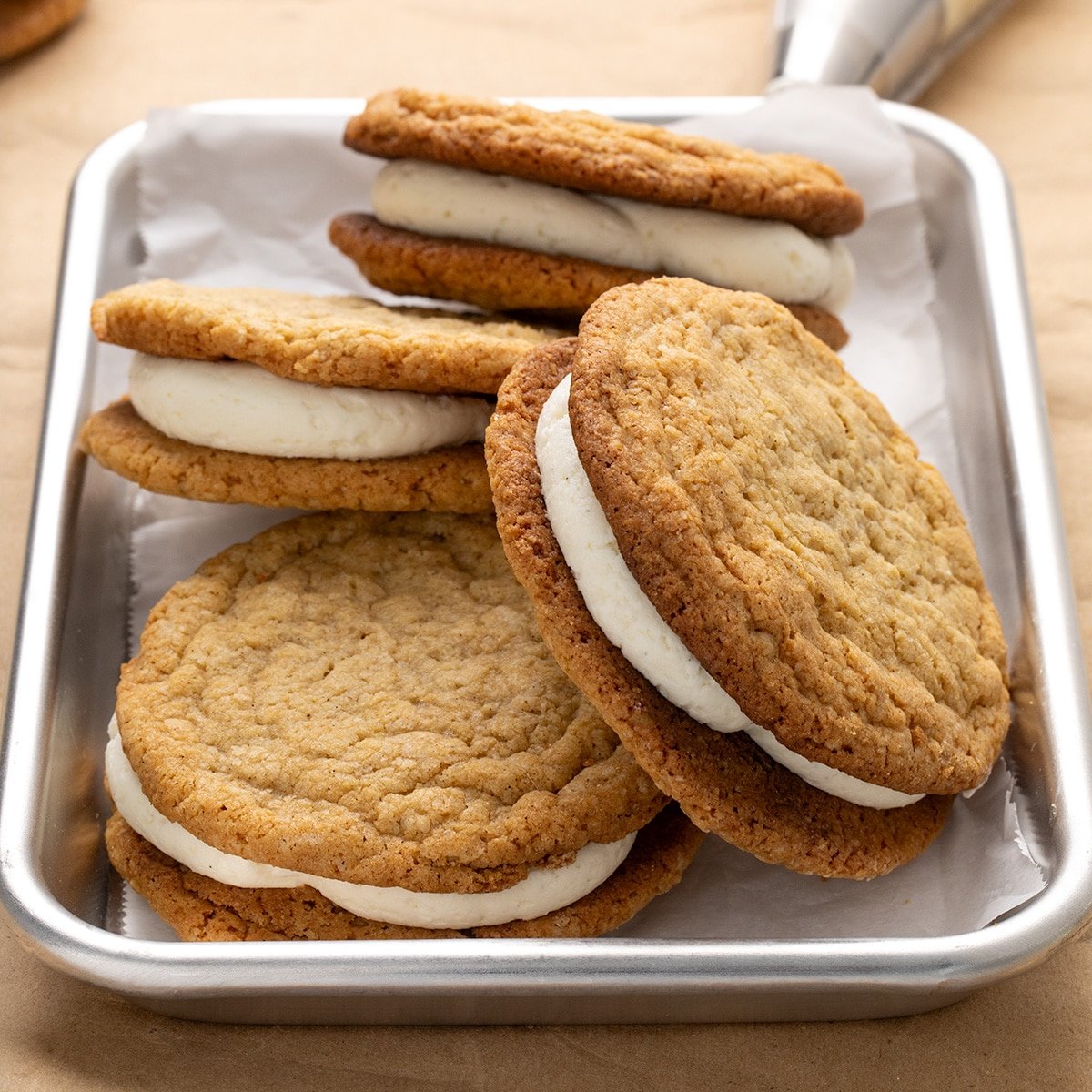
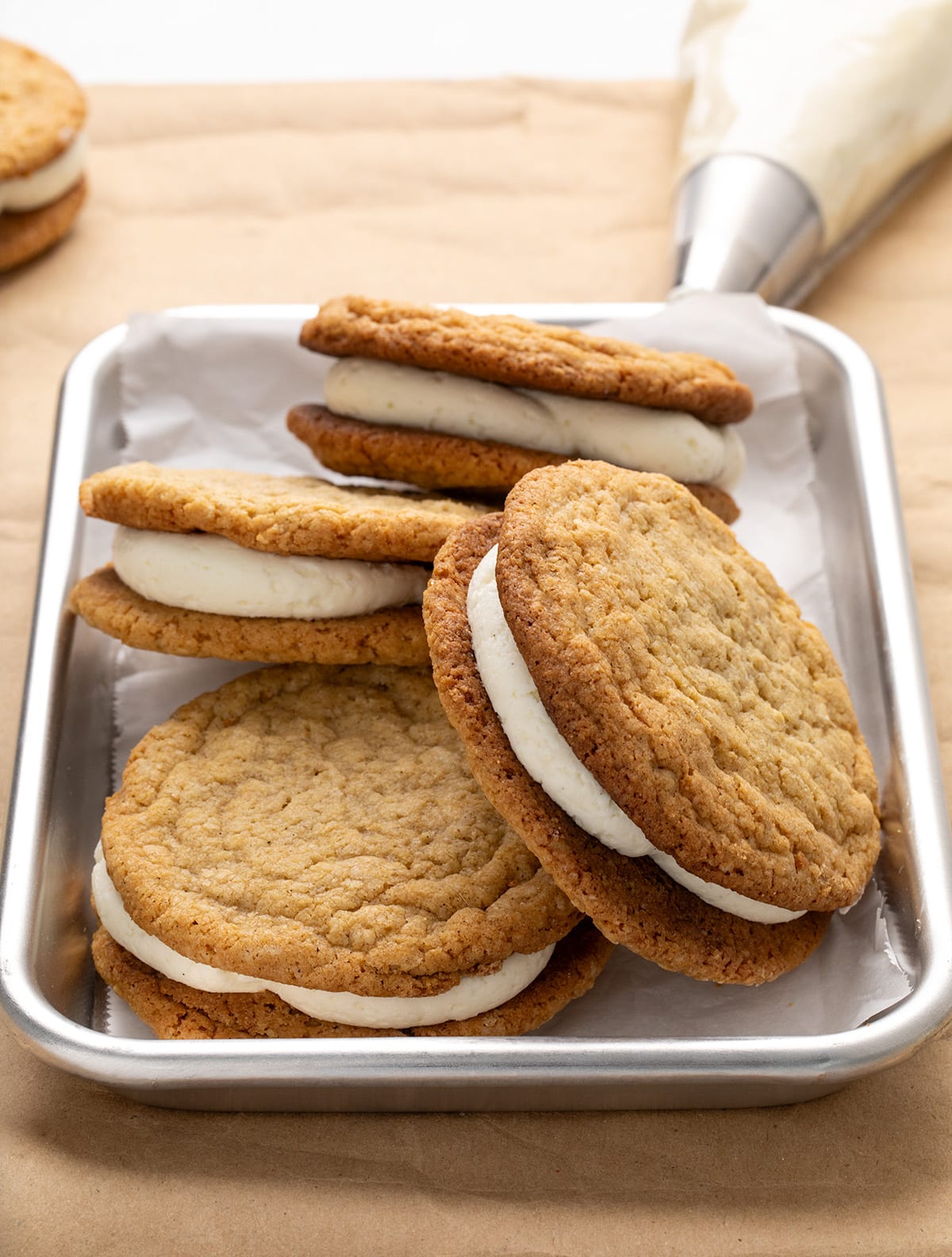
The beloved Little Debbie Oatmeal Cream Pie, a nostalgic staple for many, has been reimagined in a gluten-free iteration, promising the same comforting flavors and textures without the gluten. This from-scratch recipe aims to capture the essence of the original: thin, chewy oatmeal cookies enveloping a sweet swirl of vanilla cream. Unlike some gluten-free baked goods that can lean towards a cakey or overly dense texture, this recipe meticulously focuses on achieving a thin, chewy cookie with a subtly crinkled surface, mirroring the beloved characteristics of the classic snack cake.
The Science Behind the Chew: Why This Recipe Excels
The success of these gluten-free oatmeal cream pies hinges on a few key culinary techniques. The oats, a critical component of the signature flavor and texture, are processed to a specific point. They are broken down just enough to integrate seamlessly into the cookie dough without becoming a fine flour. This method ensures that the cookies retain a tender, cohesive structure while delivering a genuine oatmeal flavor, distinct from the heartier chew of traditional gluten-free oatmeal cookies.
The vanilla cream filling is equally important. It’s crafted as a sweet buttercream, enhanced with a touch of meringue powder. This addition is not merely for flavor; it serves a functional purpose by providing stability. The meringue powder helps the filling maintain its fluffy consistency and structural integrity at room temperature, preventing it from softening or separating over time, a common challenge with cream-filled baked goods.
A Closer Look at the Ingredients
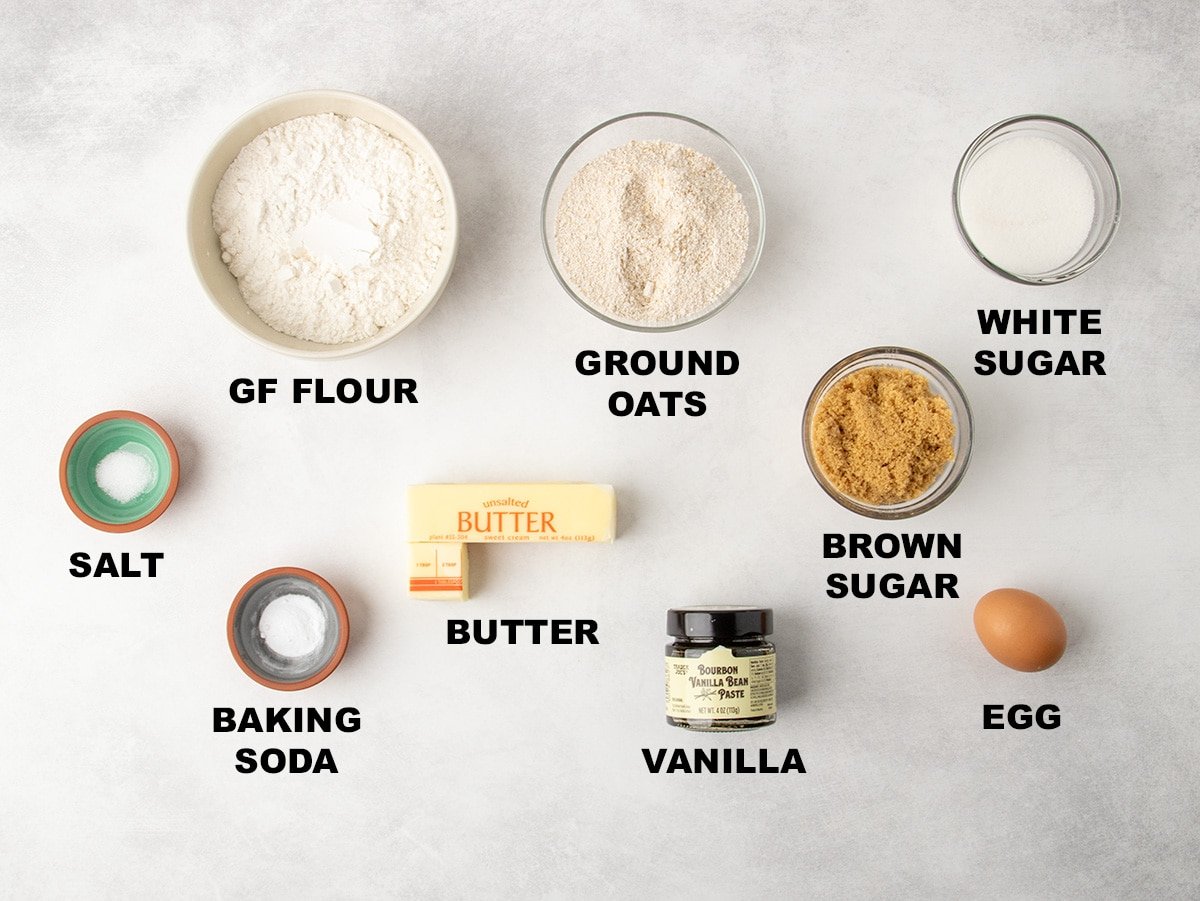
Crafting these gluten-free delights requires a careful selection of ingredients. For the oatmeal cookies, the foundation lies in a high-quality gluten-free all-purpose flour blend. The inclusion of xanthan gum is crucial for providing structure and binding in the absence of gluten. Rolled oats, processed to the described consistency, are central to the characteristic flavor. A combination of granulated and light brown sugar contributes to both sweetness and chewiness, while baking soda acts as a leavening agent, promoting spread and tenderness. Salt is used to balance the sweetness and enhance the overall flavor profile. Unsalted butter, softened to room temperature, provides richness and contributes to the cookie’s texture. A large egg acts as a binder and adds moisture, and pure vanilla extract infuses the cookies with their signature aroma and taste.
The filling is a testament to simple, effective confectionary. Softened unsalted butter forms the creamy base. Confectioners’ sugar is the primary sweetener, creating a smooth, pipeable consistency. A small amount of milk is used to achieve the desired spreadability, and vanilla extract enhances the classic vanilla flavor. Meringue powder, as mentioned, is the secret ingredient for stability, ensuring the filling holds its form.
The Art of Creation: Step-by-Step Baking
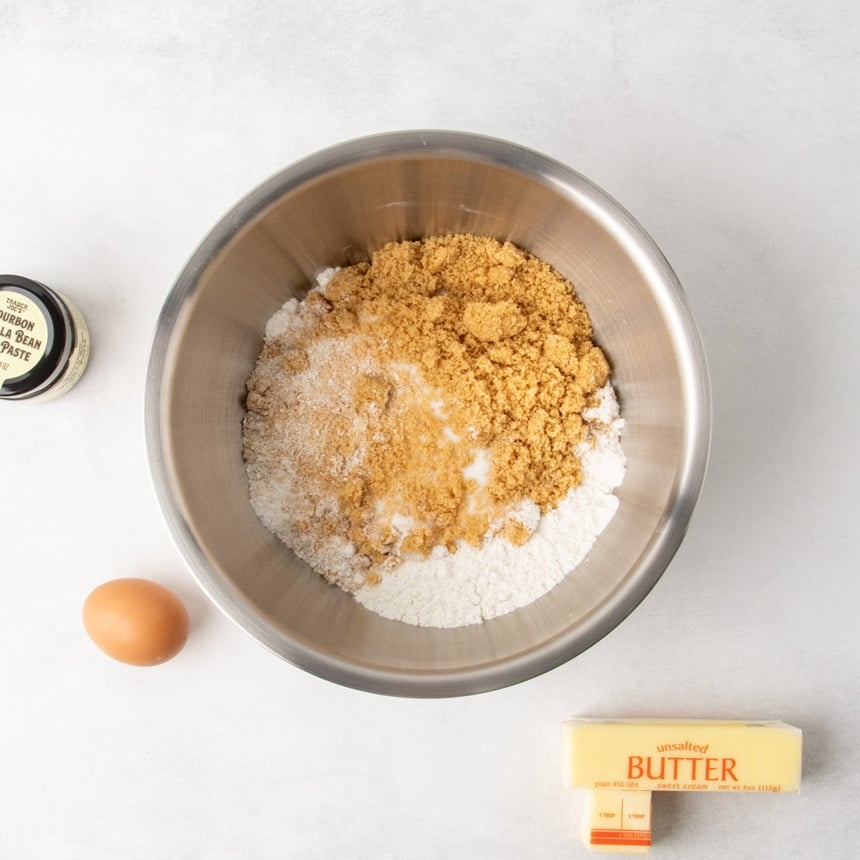
The process begins with the meticulous preparation of the cookie dough. All dry ingredients – the gluten-free flour blend, xanthan gum (if not already in the blend), ground oats, granulated sugar, brown sugar, baking soda, and salt – are whisked together in a mixing bowl. This ensures even distribution and prevents pockets of unmixed ingredients.
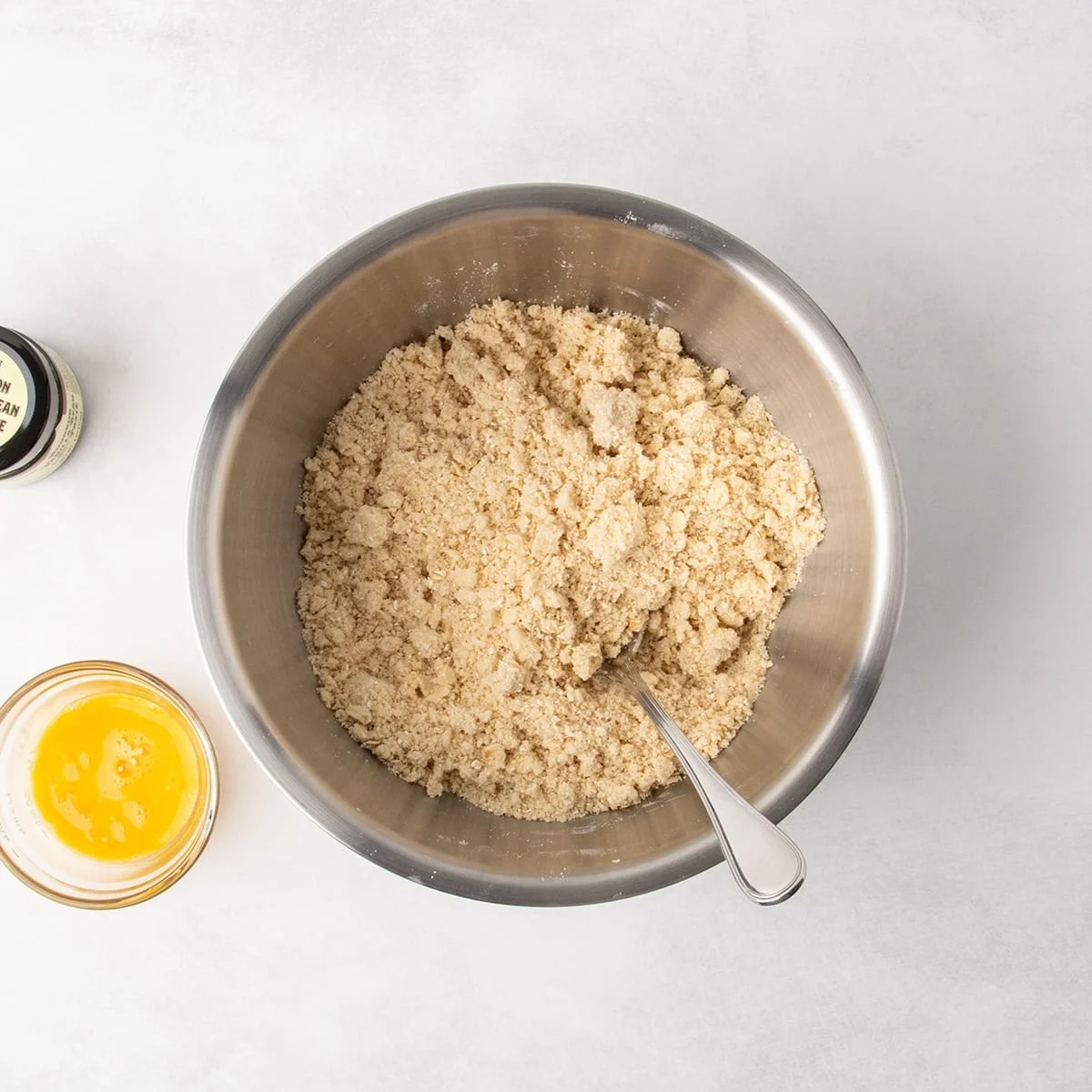
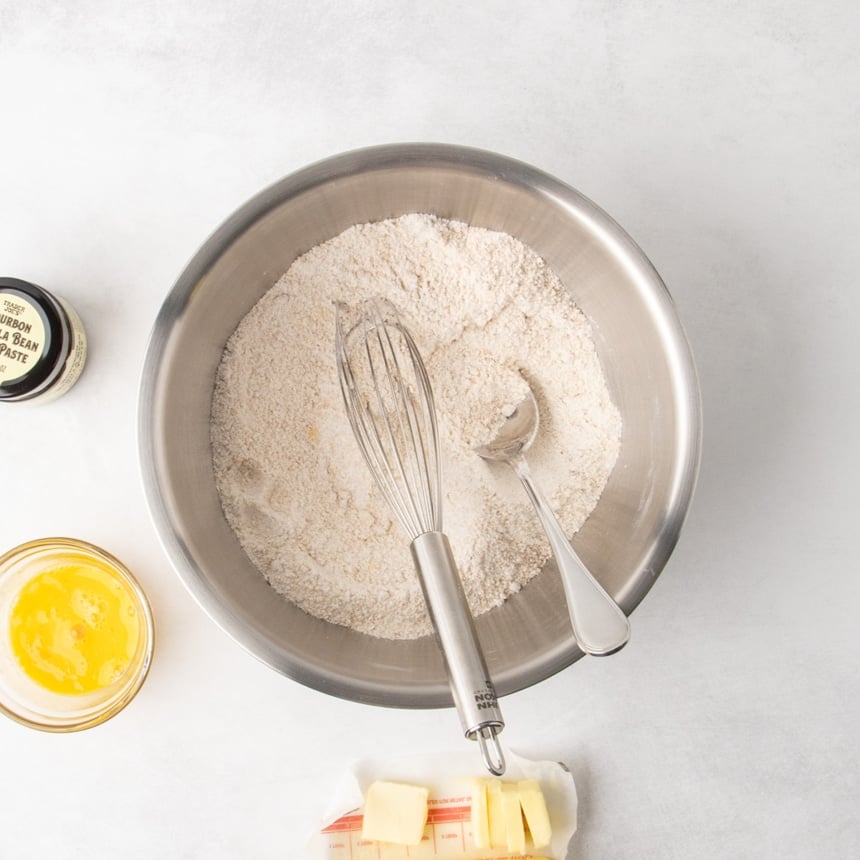
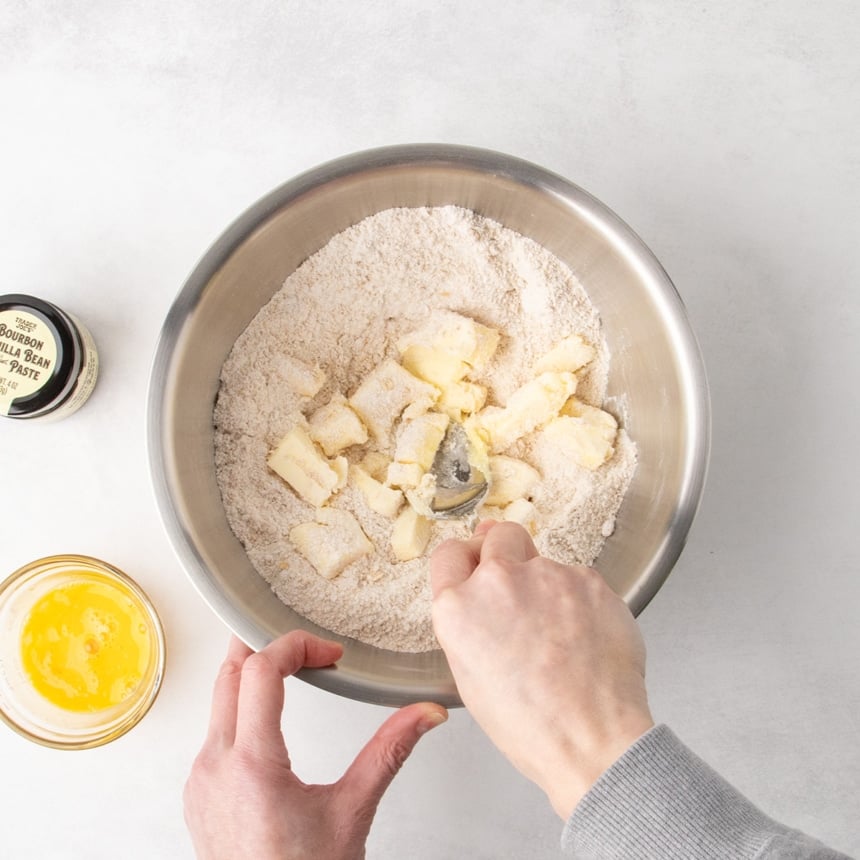
Next, room-temperature butter is cut into substantial chunks, roughly tablespoon-sized, and added to the dry ingredients. Using the underside of a sturdy spoon, the butter is pressed firmly into the dry mixture until it resembles coarse, moistened crumbs. This technique not only helps integrate the butter evenly but also coats the flour particles, which can aid in controlling the cookie’s spread during baking.
A well is then created in the center of the bowl, into which the beaten egg and vanilla extract are added. The ingredients are then mixed until a smooth, cohesive, and light brown cookie dough forms. The dough should be thick and somewhat stiff, but notably not dry.
Portioning the dough is key to achieving uniform cookies. A medium spring-loaded ice cream scoop, such as a #40 or an OXO medium scoop, is recommended, yielding portions of approximately two ounces each. Crucially, this dough is not chilled before baking. The recipe is designed for the dough to spread in the oven, maximizing chewiness. Chilling the dough could lead to the ground oats absorbing too much moisture and softening, thereby diminishing the desired texture.
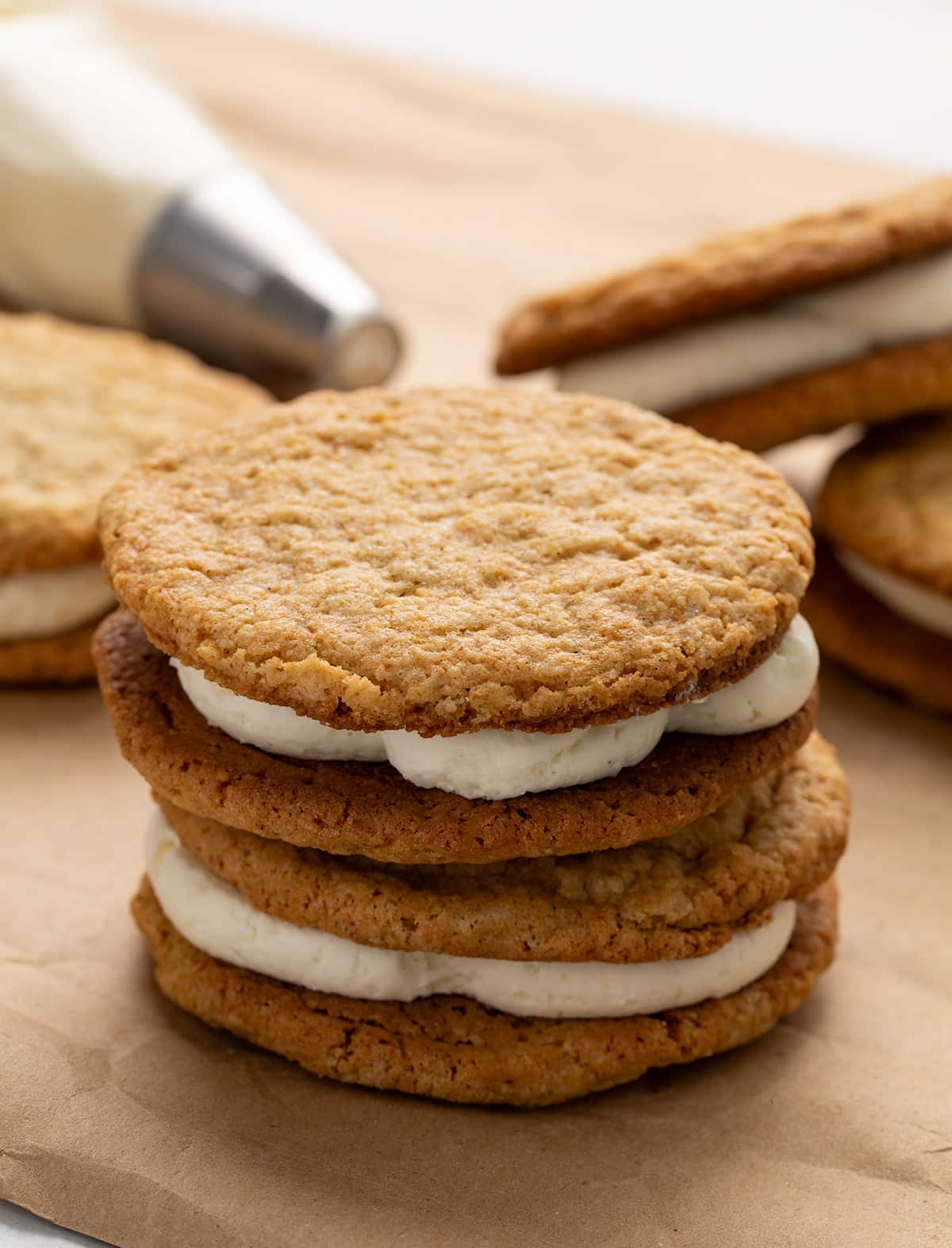
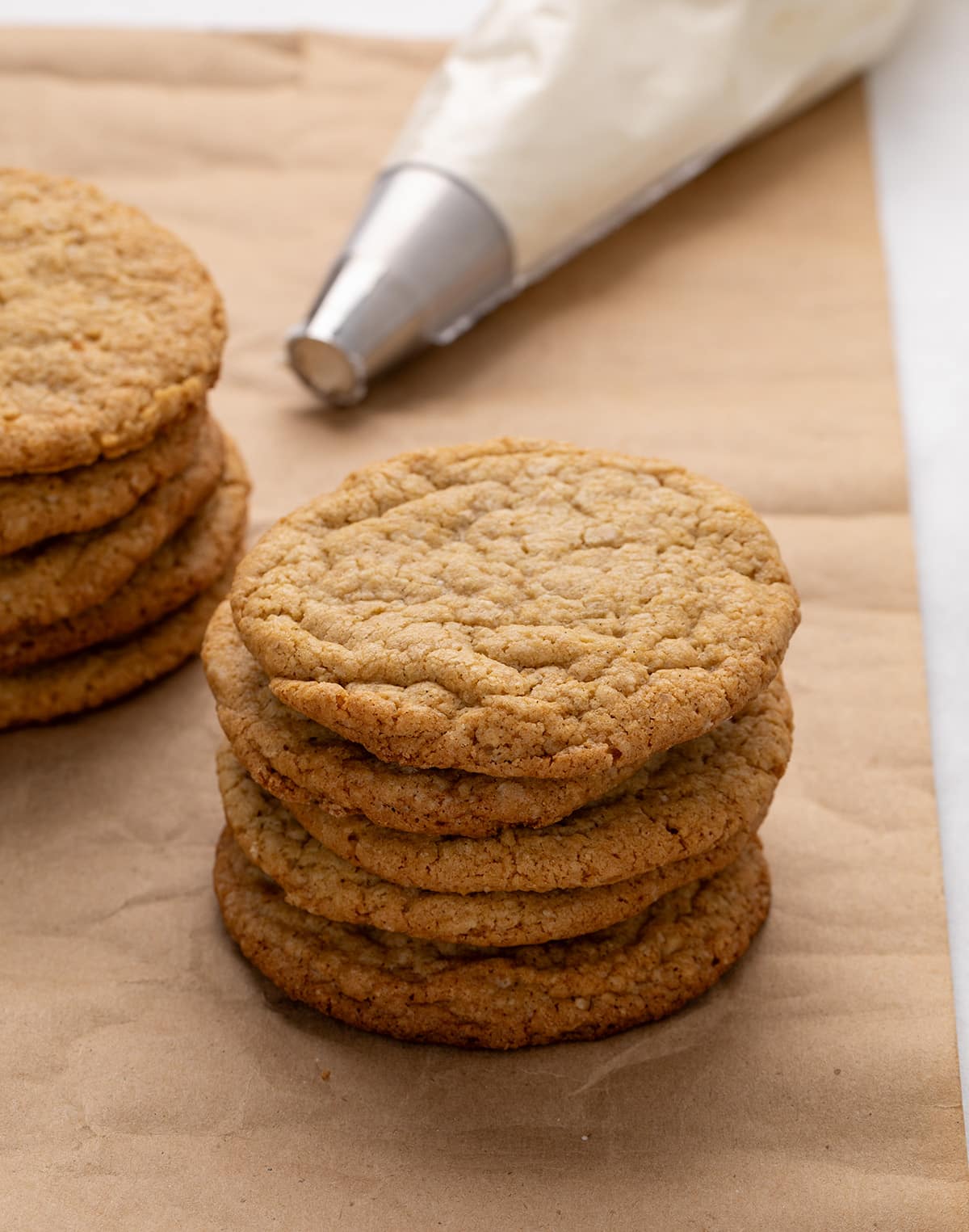
The dough portions are then placed on baking sheets lined with parchment paper, ensuring at least two inches of space between them to allow for spreading without merging. The cookies are baked until they achieve a light golden-brown hue all over and have spread to approximately four inches in diameter. Freshly baked, they will be fragile. Allowing them to cool on the baking sheet for about ten minutes before transferring them to a wire rack for complete cooling is essential to prevent breakage.
While the cookies cool, the filling is prepared. Softened butter is creamed with a small amount of milk and vanilla extract using an electric mixer until smooth. Confectioners’ sugar is then gradually added until a spreadable yet firm filling is achieved, suitable for piping. The inclusion of meringue powder, similar to its use in stabilized frostings for cut-out cookies, is vital for its ability to stiffen the filling and enhance its stability.
The final assembly involves spooning the prepared filling into a piping bag fitted with a large open tip or a zip-top bag with a corner snipped off. A generous layer of filling is piped onto the underside of half of the cooled cookies. To replicate the iconic visual of the original, a three-leaf clover pattern is piped onto the filling before the remaining cookies are gently pressed on top to create the sandwich.
Adapting for Dietary Needs: Ingredient Substitutions
For those with specific dietary restrictions, this recipe offers flexibility.
Dairy-Free Adaptations
To make the recipe dairy-free, vegan block-style butter alternatives such as Melt, Miyoko’s, or Trader Joe’s brand can be used in place of dairy butter. It is noted that the cookies may spread slightly more; in such cases, adding approximately 10 grams more of the gluten-free flour blend can help manage this. For the filling, melting is not a concern, and the meringue powder remains essential for firmness.
Egg-Free Alternatives
For an egg-free version, the single egg can be replaced with a chia egg or a flax egg. While a flax egg might impart a slightly bitter flavor, its impact may be minimal given the small quantity. An alternative is to increase the gluten-free flour blend by 10 grams and incorporate 25 grams of plain Greek-style yogurt. In this egg-free adaptation, the meringue powder should be omitted from the filling recipe. To maintain the filling’s firmness, a slightly reduced amount of milk may be necessary.
Storage and Longevity
The finished gluten-free oatmeal cream pies can be stored in an airtight glass container at room temperature, retaining their texture for approximately five days. For extended storage, it is recommended to tightly wrap unfilled cookies in freezer-safe wrap or bags and freeze them for up to two months. They can then be thawed at room temperature before being filled according to the recipe. Alternatively, filled pies can be wrapped individually in freezer-safe material and frozen, then thawed at room temperature.
The development of this gluten-free recreation of the classic oatmeal cream pie underscores a growing trend in the culinary world: the demand for beloved comfort foods to be accessible to individuals with dietary restrictions. By carefully balancing traditional flavors with modern baking science, this recipe offers a delicious and nostalgic treat for a wider audience.