

The culinary landscape of gluten-free baking continues to evolve, offering delectable alternatives to traditional favorites. Among these, the gluten-free carrot cake cupcake has emerged as a standout treat, celebrated for its moist texture, warm spices, and authentic carrot flavor. This article delves into the intricacies of creating these beloved cupcakes, exploring the science behind their perfect crumb, offering expert tips for success, and examining potential ingredient substitutions for various dietary needs.
The Allure of Gluten-Free Carrot Cake Cupcakes
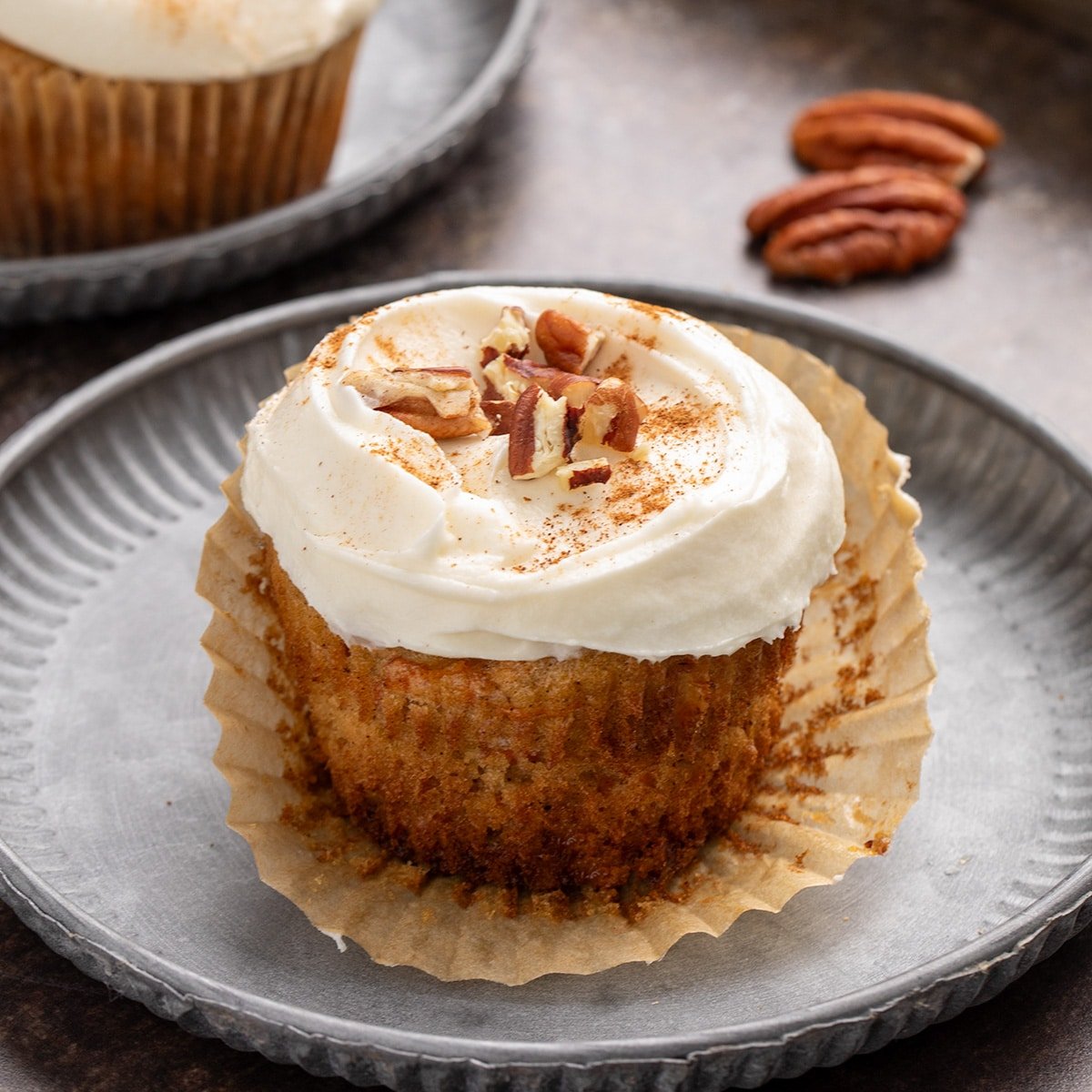
Gluten-free carrot cake cupcakes offer a comforting and familiar taste in a convenient, individual portion. Unlike their full-sized cake counterparts, these cupcakes benefit from the structural support of muffin wells, allowing for a higher ratio of moist ingredients to flour. This results in an exceptionally tender crumb that strikes an ideal balance between sweetness and spice, without becoming overwhelmingly rich. The presence of real carrot flavor, enhanced by the specific grating technique employed, ensures an authentic and satisfying dessert experience.
The Science Behind the Perfect Crumb
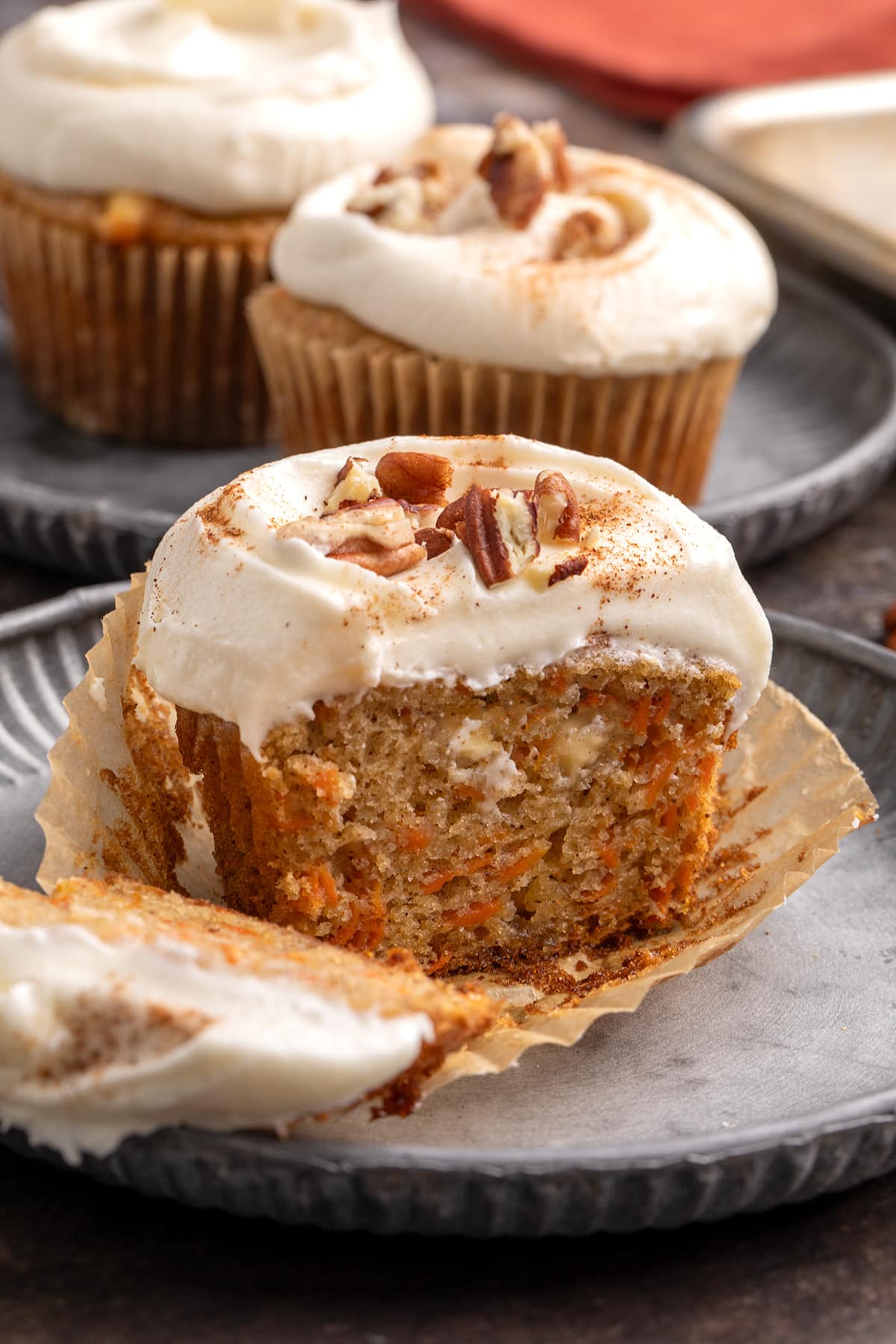
The secret to these exceptional gluten-free carrot cake cupcakes lies in a meticulous approach to ingredient preparation and proportion. A key technique involves the way the carrots are grated. By opting for larger shreds on a box grater, rather than finely mincing them, the carrots soften during baking while retaining their structural integrity. This allows them to contribute sweetness and body to the cupcake without dissolving into the batter. This method enables the recipe to incorporate a substantial amount of carrot—nearly as much as flour—leading to a moist, flavorful crumb with visible flecks of carrot throughout.
The careful balance of oil, brown sugar, and spices further enhances the flavor and texture. The oil ensures a tender crumb that remains moist even when chilled, a common challenge in gluten-free baking. The brown sugar contributes a nuanced sweetness and moisture, while the blend of spices evokes the classic warmth associated with carrot cake. This thoughtful combination prevents the cupcakes from feeling greasy or excessively sweet, allowing the natural flavors of the ingredients to shine.
Key Ingredients and Their Roles
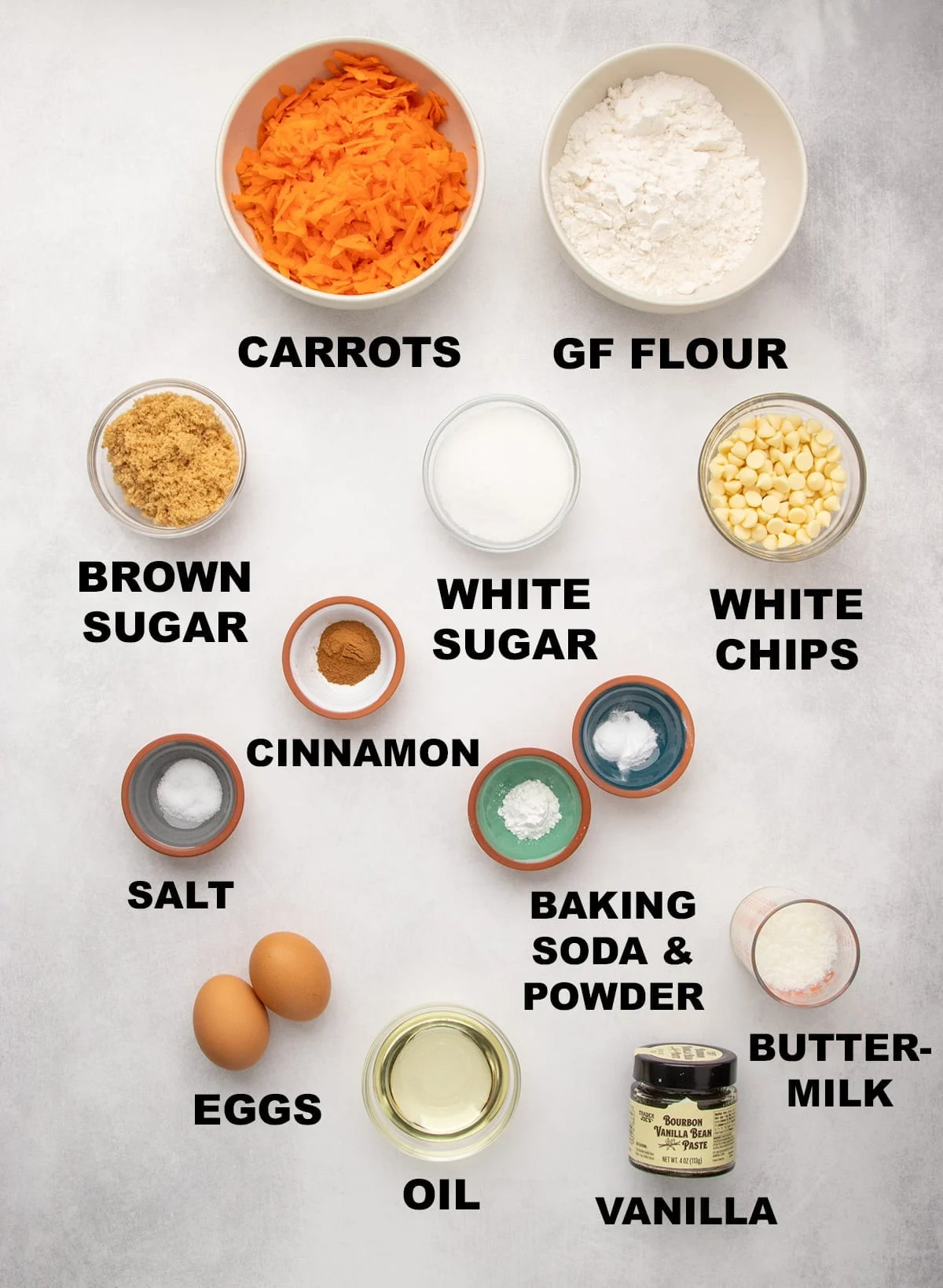
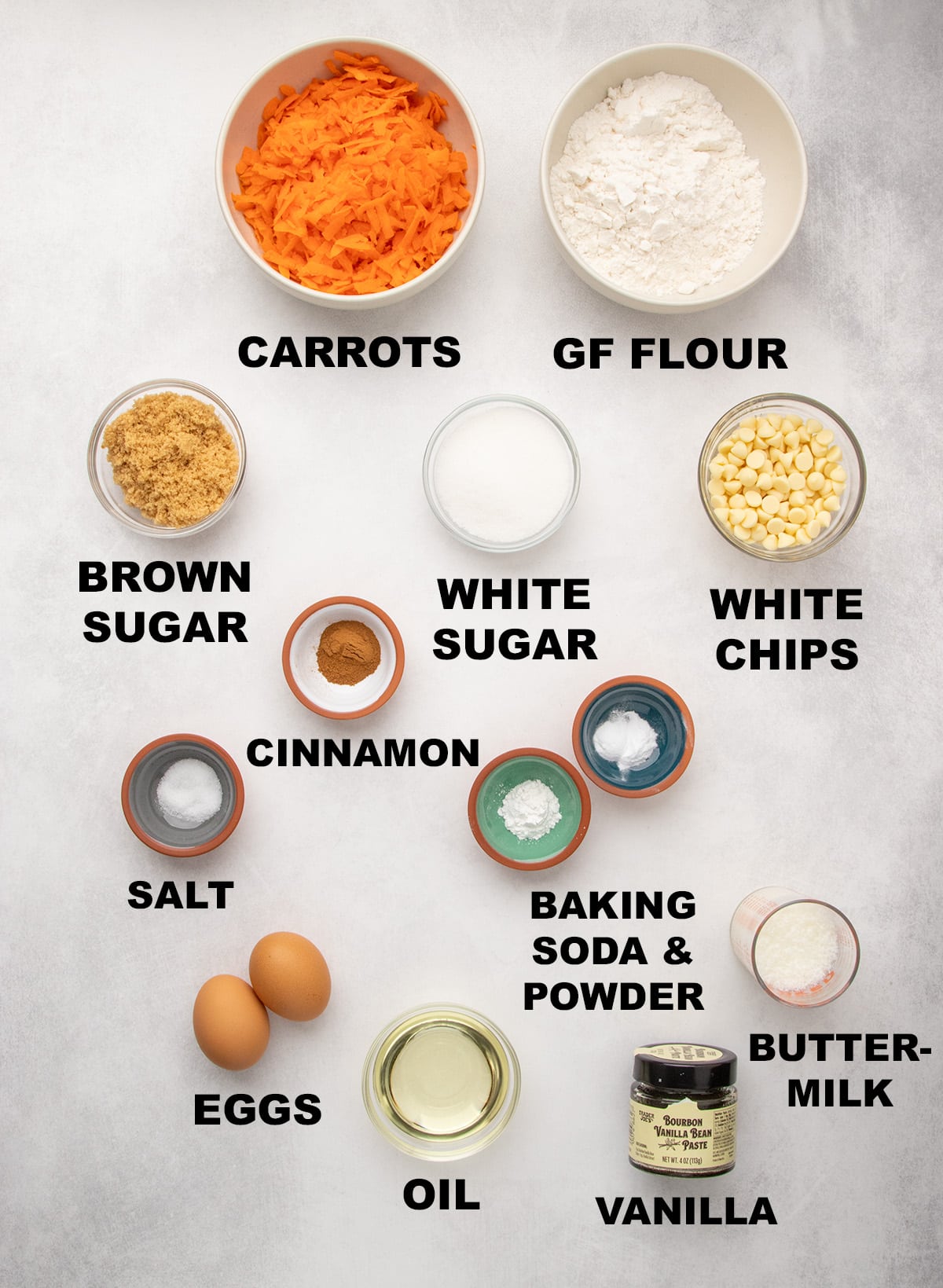
Crafting these gluten-free carrot cake cupcakes involves a selection of ingredients, each playing a crucial role in achieving the desired outcome:
- Gluten-Free Flour Blend: A high-quality all-purpose gluten-free flour blend is foundational. The inclusion of xanthan gum is essential for providing structure and elasticity, mimicking the properties of gluten. For specific blends, such as Bob’s Red Mill 1-to-1, an additional measurement of xanthan gum may be recommended to prevent a crumbly texture.
- Leavening Agents (Baking Soda and Baking Powder): These are critical for ensuring the cupcakes rise properly, creating a light and airy texture. Baking soda reacts with acidic ingredients, while baking powder provides a double-acting lift.
- Sweeteners (Granulated Sugar and Brown Sugar): The combination of granulated and brown sugar offers a complex sweetness. Brown sugar, with its molasses content, adds moisture and a deeper flavor profile.
- Spices (Cinnamon): Cinnamon is the quintessential spice for carrot cake, providing its characteristic warm and comforting aroma and taste.
- Carrots: Freshly grated carrots are paramount. The size of the grate significantly impacts the final texture and moisture content.
- Fat (Neutral Oil): Oil contributes to the moistness and tenderness of gluten-free baked goods, remaining liquid at room temperature and preventing a dry or crumbly texture.
- Eggs: Eggs act as binders, provide structure, and contribute to the richness of the cupcakes.
- Dairy (Buttermilk): Buttermilk’s acidity tenderizes the crumb and reacts with baking soda, contributing to a lighter texture.
- Flavor Enhancers (Vanilla Bean Paste): Vanilla bean paste offers a more intense vanilla flavor compared to extract, adding depth to the overall taste.
- Mix-ins (White Chocolate Chips, Nuts): Optional additions like white chocolate chips, chopped pecans, or walnuts can add texture and bursts of flavor.
Step-by-Step Culinary Process
Creating these gluten-free carrot cake cupcakes is a straightforward process, suitable for bakers of all skill levels.
Preparation of Dry Ingredients
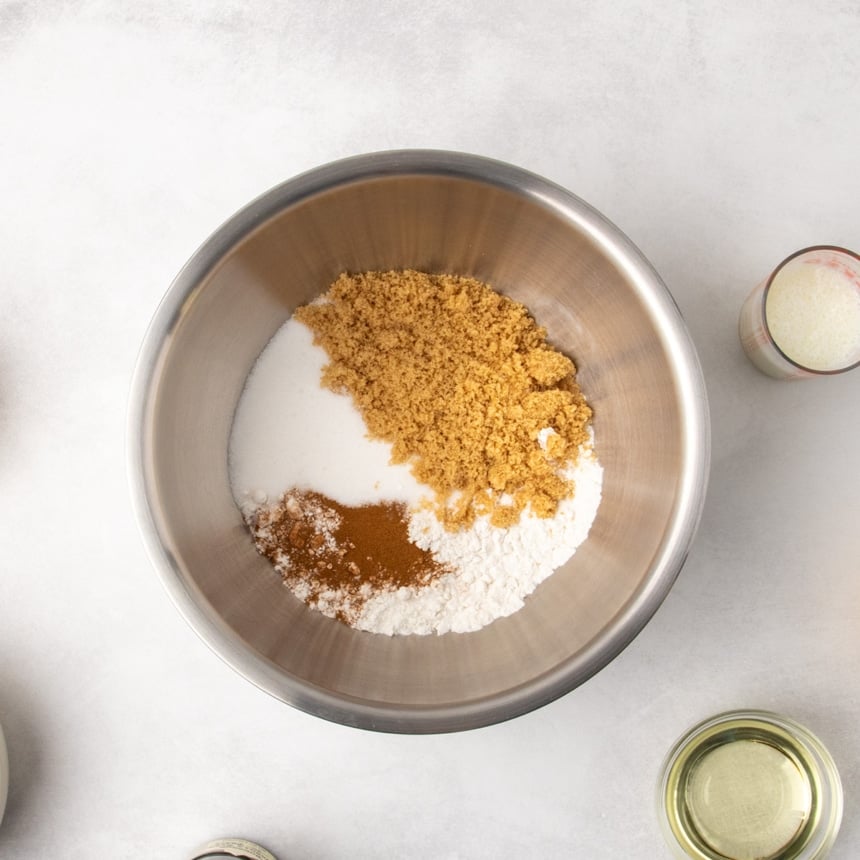
The process begins with combining all dry ingredients in a large mixing bowl. This typically includes the gluten-free flour blend, baking soda, baking powder, salt, cinnamon, granulated sugar, and brown sugar. It is important to ensure the brown sugar is free of lumps, which can be achieved by breaking them up with the back of a mixing spoon.
Incorporation of Wet Ingredients
A well is then made in the center of the dry ingredients, facilitating the incorporation of the wet ingredients. These usually include neutral oil, beaten eggs, buttermilk, and vanilla bean paste. The mixture is stirred until it achieves a smooth consistency. The batter will appear soft, particularly due to the liquid nature of the oil at room temperature.
Adding the Mix-Ins
The grated carrots and any chosen mix-ins, such as white chocolate chips or chopped nuts, are then added to the batter. These are mixed until uniformly distributed. Adding these components at a later stage ensures that the primary batter is thoroughly combined before the heavier mix-ins are introduced.
Baking the Cupcakes
Standard, lined 12-well cupcake tins are used for baking. The wells are filled approximately three-quarters of the way with batter. It is crucial not to overfill the tins, as this can lead to domed cupcakes that are more challenging to frost. If the batter exceeds the capacity of the tin, it is advisable to bake additional cupcakes rather than overfilling the existing ones. The cupcakes are then baked until a toothpick inserted into the center comes out clean.
Expert Insights for Baking Success
Achieving bakery-quality gluten-free carrot cake cupcakes involves a few key considerations:

Mastering the Cupcake Tin Fill
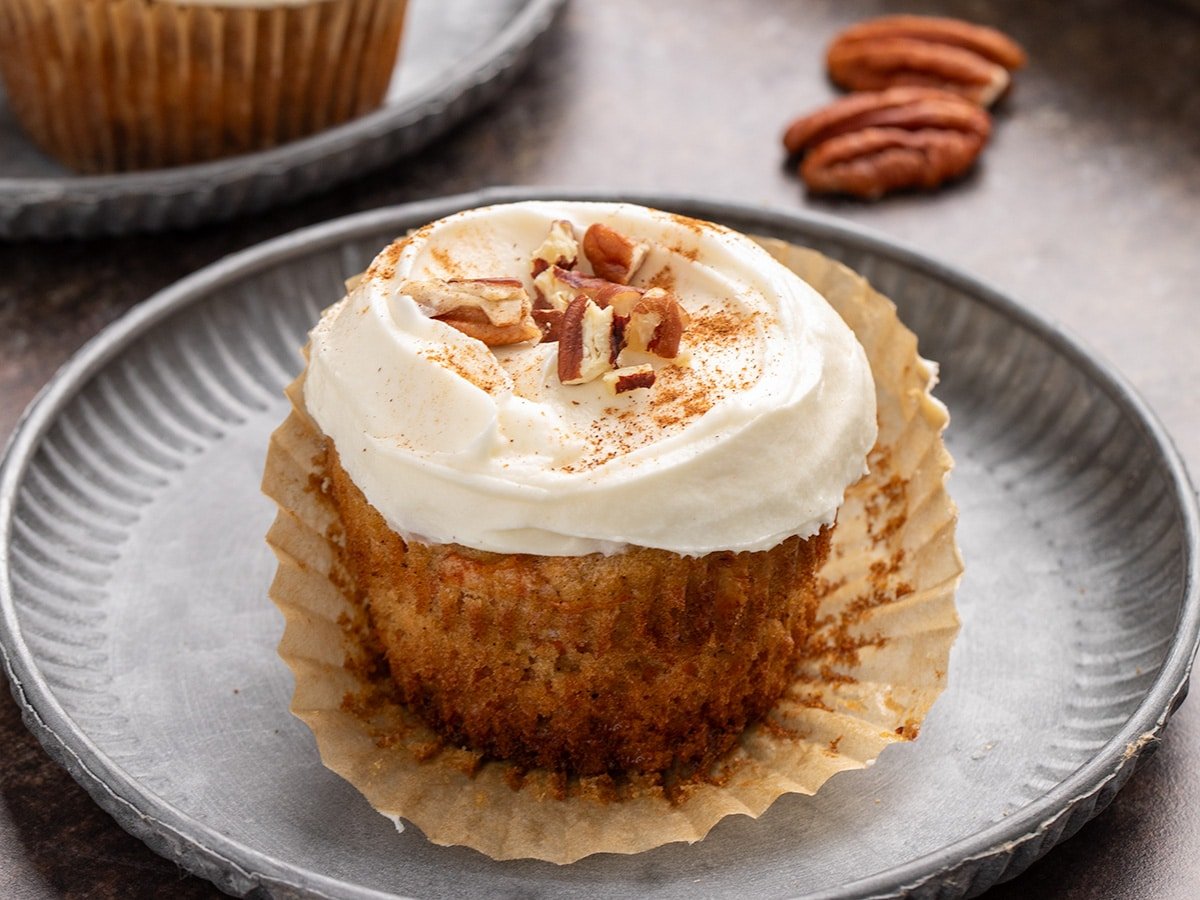
The objective for cupcakes is a flat top, ideal for frosting, rather than the domed appearance of muffins. This is achieved by using a slightly thinner batter, baking at a moderate temperature to promote even rising without excessive doming, and carefully controlling the amount of batter in each liner. Filling the wells no more than three-quarters full is a critical step. Any excess batter should be used to create additional cupcakes, ensuring optimal baking and frosting surfaces.
The Art of Grating Carrots
The choice of grater holes is paramount. Using the largest holes on a standard box grater, approximately ¼-inch in diameter, ensures the carrots soften sufficiently during baking while still retaining some texture. These larger shreds contribute to the cupcake’s moisture and structure, preventing them from becoming lost in the batter.

Prioritizing Freshly Grated Carrots
Pre-shredded carrots, often thicker and drier, can negatively impact the outcome. They may not soften adequately during baking and lack the sweetness and moisture of freshly grated carrots. For the sweetest and most flavorful cupcakes, it is recommended to grate carrots from the middle to the tapered end, where their sugar content is highest.
Versatility in Mix-Ins
The recipe accommodates a variety of preferences for mix-ins. Beyond white chocolate chips, consider incorporating raisins, other dried fruits, chopped pecans, walnuts, or even cinnamon chips for an added flavor dimension. For precise baking, measuring these optional ingredients by weight is recommended.

The Convenience of Canned Frosting
For a streamlined baking experience, particularly when time is a constraint, commercially available canned frosting can be an excellent choice. Brands like Duncan Hines or Betty Crocker offer cream cheese frosting that complements the flavors of carrot cake beautifully. This option simplifies the process without compromising the overall deliciousness of the finished cupcakes.
Adapting for Dietary Needs: Ingredient Substitutions
Gluten-free baking often intersects with other dietary requirements. Fortunately, these carrot cake cupcakes can be adapted for common allergies and intolerances.

Dairy-Free Modifications
To make the cupcakes dairy-free, the buttermilk can be replaced with a combination of 3 tablespoons of dairy-free sour cream or Greek-style yogurt and 3 tablespoons of unsweetened dairy-free milk, such as coconut or soy milk. For the mix-ins, dairy-free white chocolate chips, small dried fruits, or chopped nuts are suitable alternatives. Commercially available canned cream cheese frostings are often dairy-free and gluten-free, providing a convenient frosting solution.
Egg-Free Baking
For an egg-free version, several substitutes can be employed. Chia eggs, Bob’s Red Mill Egg Replacer, or JustEgg liquid egg replacer are viable options that can help bind the ingredients and provide structure.

Nutritional Considerations and Storage
While specific nutritional information is an approximation, these gluten-free carrot cake cupcakes typically contain around 256 calories, 48g of carbohydrates, 3g of protein, and 15g of fat per frosted serving. The fat content includes healthy monounsaturated and polyunsaturated fats, contributing to the moist texture.
These oil-based cupcakes can be stored in an airtight container in the refrigerator for up to five days. It is advisable to allow them to reach room temperature before serving to enhance their flavor and texture. For longer storage, unfrosted cupcakes can be frozen for up to three months when tightly wrapped. Frosted cupcakes can also be frozen, but they will require thawing at room temperature to maintain their integrity.

Conclusion
The gluten-free carrot cake cupcake stands as a testament to the advancements in gluten-free baking, offering a delicious and accessible treat for a wide audience. Through careful attention to ingredient selection, preparation techniques, and expert tips, home bakers can consistently create these moist, warmly spiced delights. The adaptability of the recipe further ensures that individuals with various dietary needs can enjoy this classic dessert, solidifying its place as a cherished staple in the gluten-free repertoire.