

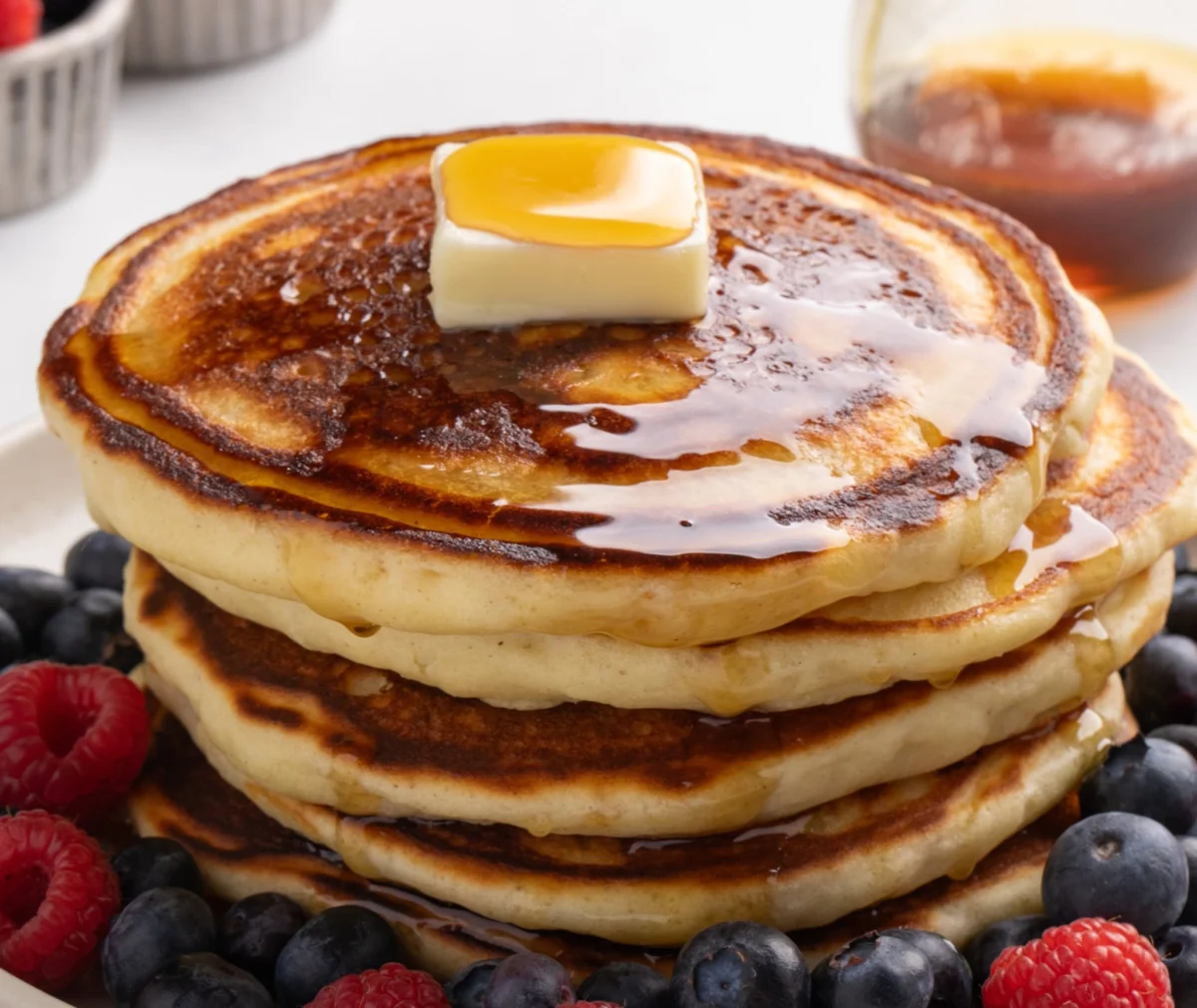
The quest for the perfect pancake, especially within the gluten-free realm, often leads to a delicate balance between texture, flavor, and that elusive diner-style fluffiness. A recent culinary exploration into gluten-free baking has unveiled a recipe for "Gluten-Free Buttermilk Pancakes" that promises to deliver precisely that: classic diner-style flavor with an extra boost of height, perfect for crafting that coveted tall stack. This recipe builds upon the foundation of traditional gluten-free pancake mixes but introduces key modifications to elevate the final product.
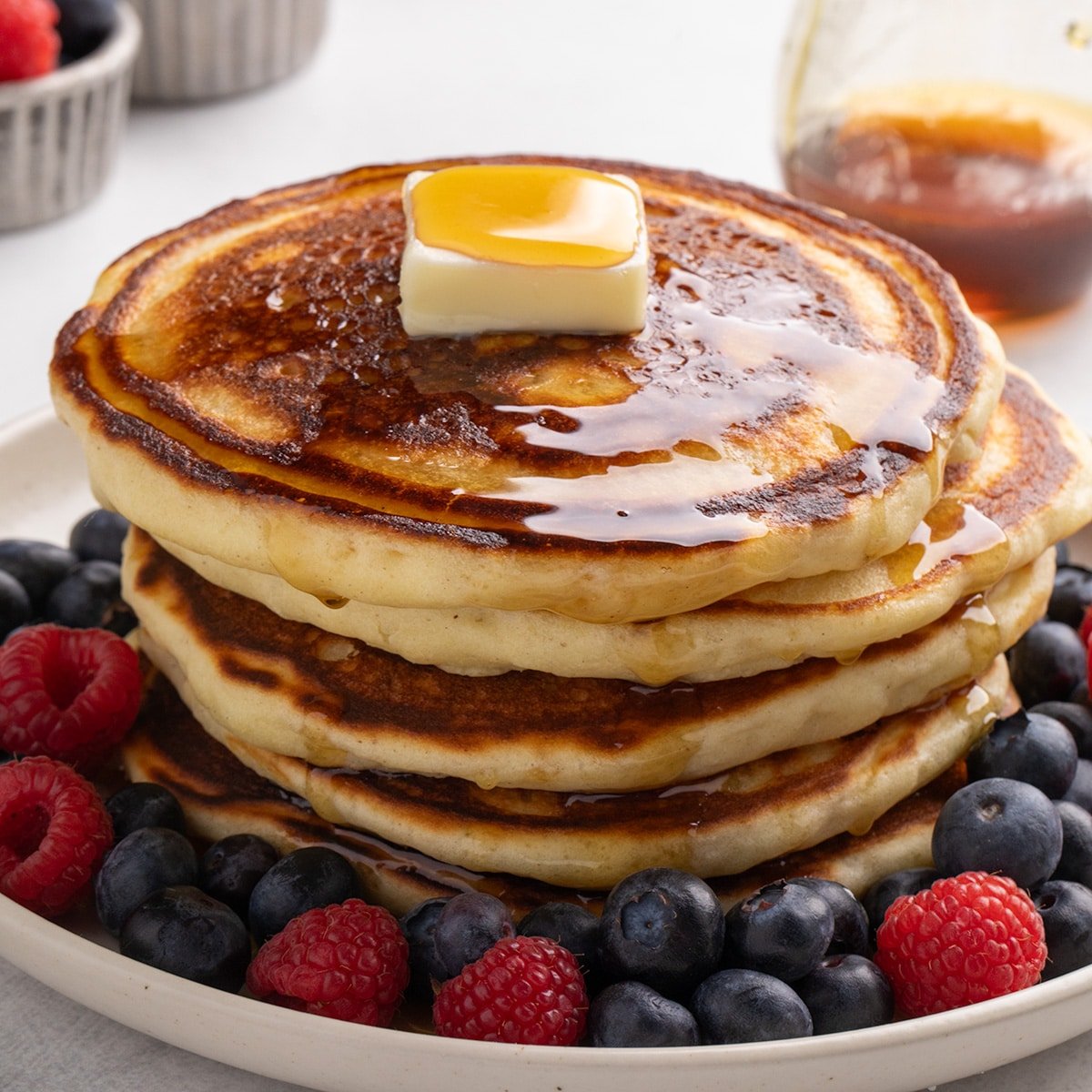
The fundamental principle behind these enhanced gluten-free buttermilk pancakes lies in a few strategic ingredient adjustments. While the dry mix components remain consistent with a standard gluten-free pancake recipe, the wet ingredients undergo a significant transformation. The inclusion of real buttermilk, as opposed to regular milk, is central to this recipe’s success. Buttermilk, known for its inherent tang and lower water content compared to milk, contributes a distinct flavor profile and aids in creating a lighter, more tender crumb.
Furthermore, the recipe calls for the addition of melted butter, not only for richness but also to provide a more robust flavor that is often associated with classic diner pancakes. Perhaps the most impactful change for achieving superior height and structure is the doubling of eggs. This crucial element provides the necessary scaffolding within the batter, enabling the pancakes to rise higher and maintain their form during the cooking process, a common challenge in gluten-free baking.

Understanding the Science Behind the Rise
The structural integrity of any pancake, particularly those made without gluten, is paramount. Gluten, a protein complex found in wheat, barley, and rye, provides elasticity and structure to baked goods. In its absence, gluten-free recipes often rely on a combination of alternative flours, starches, and binding agents like xanthan gum. The increased egg content in this buttermilk pancake recipe serves a dual purpose: it adds moisture and fat, contributing to tenderness, but more importantly, the proteins in the eggs coagulate during cooking, forming a network that traps the leavening gases produced by baking soda and baking powder. This entrapment is what allows for a significant rise and a fluffy interior.
The use of buttermilk also plays a scientific role. Its acidity reacts with baking soda, a key leavening agent, creating carbon dioxide gas. This reaction, when timed correctly with the cooking process, results in a quick and effective rise. The slightly thicker consistency of the batter, due to the reduced water content of buttermilk and the increased egg ratio, also helps to hold its shape on the griddle, further contributing to a taller pancake.

Key Ingredients for Success
The foundation of this recipe lies in a well-balanced gluten-free flour blend. For optimal results, the original article recommends using a gum-free blend, such as Nicole’s Best, a homemade 3-ingredient gum-free blend, or a blend with low xanthan gum content like Bob’s Red Mill 1-to-1. Blends with standard xanthan gum levels can lead to a batter that is too thick and results in chewy, gummy pancakes, undermining the desired light and fluffy texture.
The core ingredients for this recipe are:

- Gluten-Free Flour Blend: A carefully selected blend is crucial for texture and structure.
- Xanthan Gum (Optional): While optional, it can further enhance the rise. If omitted, a slight adjustment to the buttermilk quantity is advised.
- Baking Soda and Baking Powder: These chemical leaveners work in tandem to provide lift.
- Salt: Enhances overall flavor.
- Sugar: Balances the tang of the buttermilk and aids in browning.
- Vanilla Powder (Optional): Adds an extra layer of flavor complexity.
- Buttermilk: The star ingredient, providing tang and contributing to tenderness and rise.
- Melted Butter: Adds richness and flavor.
- Eggs: The structural backbone, ensuring height and a cohesive pancake.
Step-by-Step Preparation: Crafting the Perfect Pancake
The process of creating these gluten-free buttermilk pancakes is designed to be straightforward, even for novice bakers.
-
Prepare Dry Ingredients: In a large mixing bowl, thoroughly whisk together the gluten-free flour blend, xanthan gum (if using), baking soda, baking powder, salt, sugar, and vanilla powder (if using). Ensuring thorough mixing at this stage is vital to prevent clumps, which can lead to uneven rising and texture.

-
Prepare Wet Ingredients: In a separate bowl or large measuring cup, vigorously whisk together the buttermilk, melted butter, and eggs until the mixture is very smooth. It is important that the buttermilk and eggs are at room temperature to facilitate seamless emulsification. Avoid using butter that is not fully melted, as this can result in a batter that is too thick and difficult to pour evenly.
-
Heat the Skillet or Pan: While preparing the batter, begin preheating your cooking surface. An electric skillet set to 350°F (175°C) or a nonstick pan over medium heat is ideal. Once the surface is adequately warm, lightly grease it to prevent sticking and promote even browning.

-
Combine Wet and Dry Ingredients: Gradually pour the whisked wet ingredients into the bowl containing the dry ingredients. Whisk gently until just combined and smooth. The batter should be a pale yellow and a whisk should leave a visible trail, but it should not be stiff. Expect the batter to be noticeably thicker than that of a standard gluten-free pancake recipe.
-
Portion the Batter: Using a ladle or a 1/4 cup measuring cup, pour the batter directly onto the hot, greased griddle. For uniform, 4-inch diameter pancakes, gently spread the batter with the back of the ladle or cup. Alternatively, for extra-tall, fewer pancakes, you can skip spreading the batter, allowing it to form a thicker mound. This will, however, require a slightly longer cooking time on the first side.

-
Cook the First Side: Allow the pancakes to cook undisturbed for approximately 3 minutes. They are ready to flip when the outer perimeter, about 2 inches in, appears set and no longer wet. Bubbles should have formed and broken through the surface, indicating that the pancake is cooking through evenly. This visual cue helps prevent the formation of undesirable "feet" at the edges.
-
Finish Cooking: Employ a wide, flat spatula to carefully flip the pancakes. Continue cooking until the second side is lightly golden brown. For optimal browning and even cooking on the second side, gently press down on each pancake with the spatula immediately after flipping. This ensures full contact with the hot griddle.

-
Serve or Keep Warm: Once cooked, transfer the pancakes to a parchment-lined tray. To keep a batch warm while cooking the remaining pancakes, place the tray in a preheated oven set to 200°F (95°C).
Addressing Dietary Needs: Substitutions and Adaptations
The recipe also provides thoughtful guidance for accommodating common dietary restrictions.

Dairy-Free Adaptations
For those avoiding dairy, the recipe suggests using a block-style vegan butter, such as Melt or Miyoko’s brand, in place of traditional butter. While Earth Balance buttery sticks can be used, the author notes their higher moisture content may be less ideal in baking, though less critical here. It is advised to omit added salt if using Earth Balance due to its salt content.
To replace buttermilk, a combination of half unsweetened non-dairy milk (coconut milk in the carton is recommended for its similar consistency to cow’s milk) and half dairy-free sour cream or Greek-style plain yogurt (by volume) is suggested. This blend aims to mimic the tang and texture of traditional buttermilk.

Egg-Free Options
The role of eggs in providing structure and height to these pancakes is significant. The recipe acknowledges that egg-free results may not be identical. Suggested egg replacements include two "chia eggs," a commercially available liquid egg replacement like Just Egg from the refrigerated section, or Bob’s Red Mill’s egg replacer. While these alternatives can help bind the ingredients, the final height and texture might differ.
Storage and Reheating
While pancakes are undeniably best enjoyed fresh off the griddle, this recipe offers practical storage solutions. Leftover pancakes should be cooled completely before being stored. They can be wrapped tightly in an airtight container or plastic wrap, stacked in portions of 2 or 3, and refrigerated for up to two days or frozen for up to three months.

For reheating frozen pancakes, a quick microwave defrost for approximately 15 seconds is recommended. To restore crispness, lightly sprinkle the pancakes with lukewarm water and then refresh them in a toaster or a warm oven until heated through.
The Broader Context of Gluten-Free Baking
The development of recipes like these gluten-free buttermilk pancakes reflects a broader trend in the culinary world: the increasing demand for high-quality, gluten-free options that do not compromise on taste or texture. As awareness of celiac disease and gluten sensitivities grows, so does the innovation in creating dishes that are inclusive and satisfying for everyone. The success of such recipes underscores the importance of understanding the fundamental science of baking and adapting it to the unique challenges presented by gluten-free ingredients. This particular recipe’s focus on achieving height and classic diner flavor demonstrates a thoughtful approach to replicating beloved comfort foods in a gluten-free format, making it a valuable addition to the repertoire of home bakers and culinary enthusiasts alike. The commitment to providing detailed instructions and adaptable substitutions further solidifies its potential as a go-to recipe for achieving bakery-quality pancakes without gluten.