

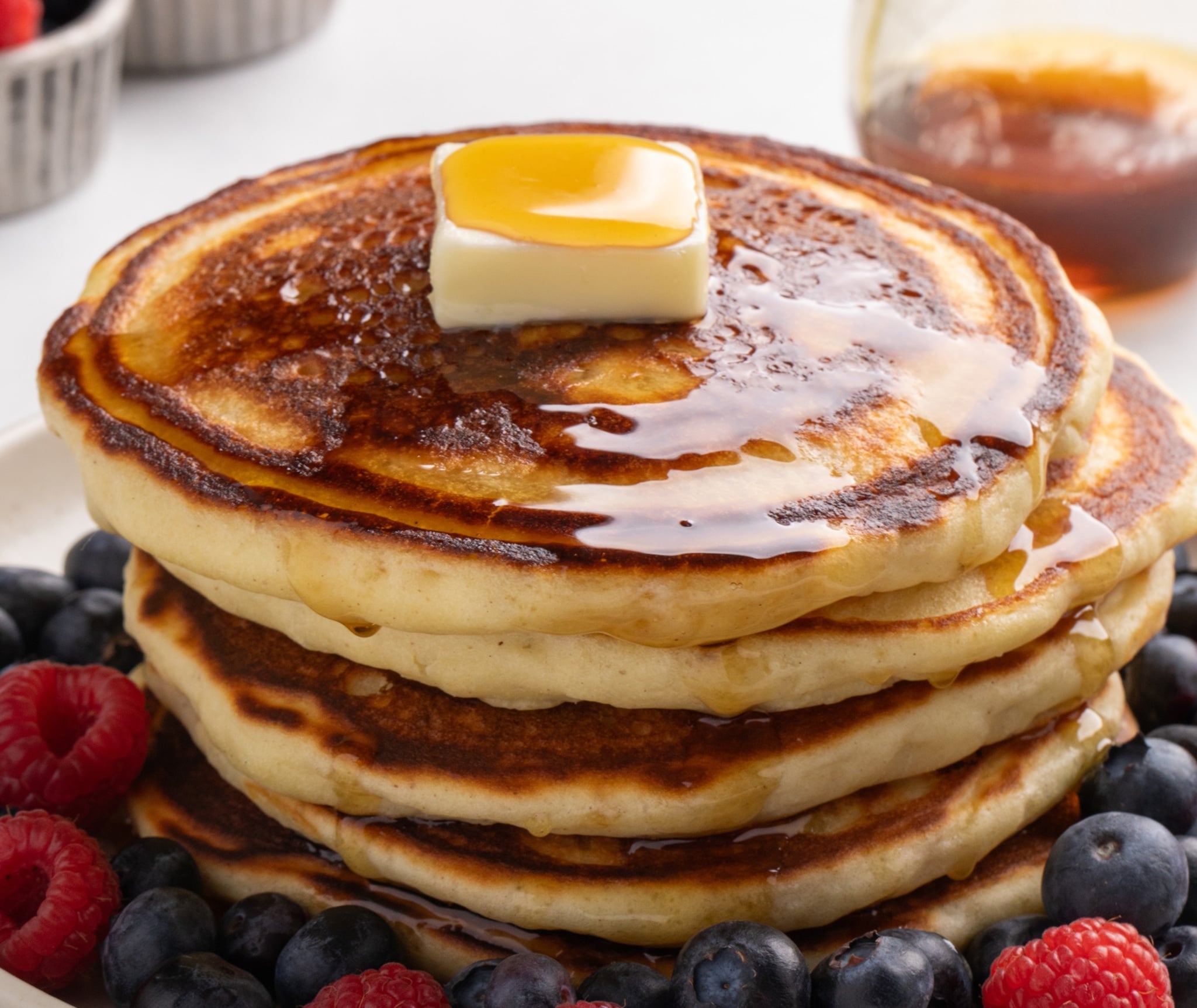
The quest for the perfect gluten-free pancake, one that rivals its traditional wheat-based counterpart in texture and taste, is a common culinary endeavor for those navigating dietary restrictions. A recent development in this area offers a promising solution: gluten-free buttermilk pancakes designed to deliver classic diner-style flavor and an impressive, tall stack. This recipe variation builds upon existing gluten-free pancake foundations by introducing key adjustments that contribute to enhanced height and a more robust, tangy profile.
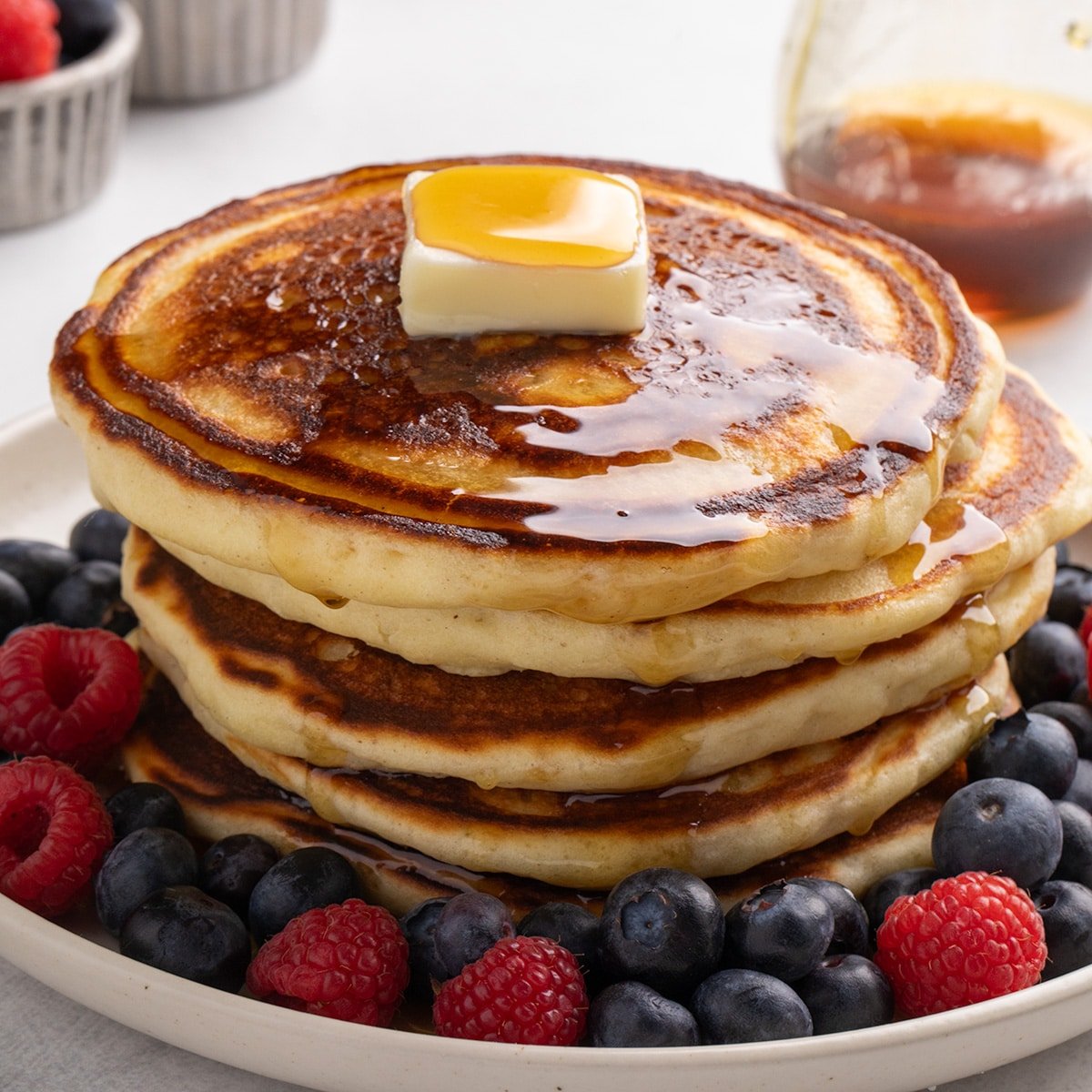
The innovation lies in a thoughtful modification of a standard gluten-free pancake recipe, focusing on specific ingredient choices and proportions. Unlike many gluten-free recipes that rely solely on milk, this iteration incorporates real buttermilk, a dairy product known for its inherent tang and lower water content compared to regular milk. This acidic component plays a crucial role in activating leavening agents, contributing to a lighter and fluffier final product.
Further enhancing the richness and flavor, melted butter is introduced into the wet ingredients. Butter, a staple in traditional pancake recipes, adds a desirable depth of flavor and a subtle richness that is often sought after in classic diner breakfasts. The recipe also doubles the number of eggs typically used. This increase in egg content is a strategic move, providing additional structure and binding power. In gluten-free baking, where the absence of gluten can sometimes lead to crumbly or fragile results, extra eggs are vital for holding together the batter and supporting the rise, ultimately contributing to those sought-after taller pancakes.

The Science Behind the Rise: Key Recipe Components
The foundation of these gluten-free buttermilk pancakes mirrors that of a classic gluten-free pancake recipe, utilizing a well-balanced blend of gluten-free flours. However, the magic truly happens in the careful selection and combination of the wet ingredients. The dry mix typically includes a gluten-free flour blend, xanthan gum (though optional, it aids in structure), baking soda and baking powder for leavening, sugar for sweetness, and salt for flavor balance. Some recipes may also include vanilla powder for an added aromatic note.
The critical deviations occur in the wet components:

- Real Buttermilk: Replacing standard milk with one cup of real buttermilk is a cornerstone of this recipe. The lactic acid in buttermilk reacts with the leavening agents (baking soda and baking powder), creating carbon dioxide gas bubbles that expand during cooking, leading to a lighter, fluffier pancake. The inherent tang of buttermilk also imparts a characteristic flavor profile that is reminiscent of traditional diner pancakes.
- Melted Butter: The inclusion of melted butter not only enriches the flavor but also contributes to a tender crumb. Fat molecules in butter interfere with gluten development (though not a concern in GF baking, the principle of tenderness remains), leading to a softer texture.
- Double the Eggs: The recipe calls for two eggs, a significant increase from the typical one egg used in many pancake recipes. Eggs provide essential protein and fat, acting as binders and emulsifiers. In gluten-free baking, they are particularly crucial for structural integrity, helping the pancakes maintain their height and preventing them from collapsing after cooking.
Crafting the Perfect Pancake: A Step-by-Step Culinary Journey
The preparation of these gluten-free buttermilk pancakes is a straightforward process, designed to be accessible even for novice bakers. The key is to ensure proper ingredient preparation and careful mixing to achieve the desired texture.
Step 1: Prepare Dry Ingredients
Begin by combining all the dry ingredients in a large mixing bowl. This typically includes your chosen gluten-free flour blend, xanthan gum (if using), baking soda, baking powder, sugar, and any dry flavorings like vanilla powder. Whisk these ingredients together thoroughly to ensure an even distribution and to break up any clumps. This step is vital for preventing pockets of unmixed ingredients, which could lead to unevenly risen or inconsistently textured pancakes.

Step 2: Prepare Wet Ingredients
In a separate bowl or a large liquid measuring cup, whisk together the buttermilk, melted butter, and eggs. It is crucial that the buttermilk and eggs are at room temperature. This ensures they emulsify smoothly and combine evenly with the other wet ingredients. Vigorous whisking is recommended to create a homogenous mixture. Ensure the butter is fully melted; partially solidified butter can lead to a thicker batter that is more difficult to pour evenly.
Step 3: Combine Wet and Dry Ingredients
Gently pour the whisked wet ingredients into the bowl containing the dry ingredients. Using a whisk, combine the mixtures until just incorporated and a smooth batter forms. Overmixing should be avoided, as it can lead to a tougher texture, even in gluten-free recipes. The batter should be a pale yellow and possess a consistency that is noticeably thicker than that of a traditional pancake batter made with milk. A properly mixed batter will leave a visible trail when the whisk is lifted, indicating it has enough body.

Step 4: Heat the Cooking Surface
While the batter rests briefly, prepare your cooking surface. An electric skillet set to 350°F (175°C) or a nonstick pan over medium heat is ideal. Allow the surface to heat thoroughly before cooking. Lightly grease the skillet or pan with butter or oil to prevent sticking and to promote even browning.
Step 5: Portion the Batter
Using a ladle or a 1/4 cup measuring cup, pour the batter onto the hot, greased griddle. For standard-sized pancakes, you can gently spread the batter into a 4-inch round using the bottom of the ladle. For exceptionally tall pancakes, you can forgo spreading the batter, allowing it to form a thicker mound. These will take slightly longer to cook but will yield impressive height.

Step 6: Cook the First Side
Allow the pancakes to cook undisturbed for approximately 3 minutes. They are ready to flip when the edges appear set, and small bubbles have formed and broken through the surface. This visual cue indicates that the pancake is cooking through and is ready for its transformation. This cooking stage is crucial for developing structure and preventing the dreaded "feet" or dense bottoms often associated with undercooked pancakes.
Step 7: Finish Cooking
Carefully flip the pancakes using a wide, flat spatula. Continue cooking for another 2-3 minutes, or until the second side is lightly golden brown. Gently pressing down on the pancake with the spatula after flipping ensures consistent contact with the hot griddle, promoting even browning and cooking of the second side.

Step 8: Serve and Enjoy
Once cooked to perfection, transfer the pancakes to a plate. They are best served immediately, hot off the griddle, with your favorite toppings such as butter, syrup, fresh berries, or whipped cream.
Adapting the Recipe: Dairy-Free and Egg-Free Considerations
For individuals with additional dietary restrictions, this recipe offers flexibility through ingredient substitutions.

Dairy-Free Adaptations
To make these pancakes dairy-free, several swaps can be employed. For the butter component, opt for a block-style vegan butter substitute, such as those from Melt or Miyoko’s Kitchen. While Earth Balance buttery sticks can be used, be mindful that they often contain more moisture, which is less of a concern here but can affect other baking recipes. If using buttery sticks, it’s advisable to omit the added salt in the recipe, as these products are typically already salted.
The buttermilk can be replicated by combining unsweetened non-dairy milk (coconut milk from a carton is a good option due to its similar consistency to cow’s milk) with dairy-free sour cream or a plain Greek-style non-dairy yogurt. The ratio should be approximately half milk and half sour cream or yogurt by volume to achieve the desired tang and thickness.

Egg-Free Alternatives
Eggs play a significant role in providing structure and lift to these pancakes, so achieving the exact same results without them can be challenging. However, several egg replacers can be utilized. Two "chia eggs" (1 tablespoon chia seeds mixed with 3 tablespoons water, allowed to sit for 5-10 minutes) can be used. Alternatively, commercial egg replacements like Just Egg liquid egg substitute or Bob’s Red Mill egg replacer can be employed. It is important to note that the final texture and height may vary when using egg substitutes.
Notes on Flour Blends and Xanthan Gum
The choice of gluten-free flour blend is paramount to the success of this recipe. For optimal results, it is recommended to use a gum-free gluten-free flour blend. Options include Nicole’s Best blend or a homemade 3-ingredient gum-free blend. Alternatively, a gluten-free flour blend with a low xanthan gum content, such as Bob’s Red Mill 1-to-1 Baking Flour, is suitable. Blends with a standard or high xanthan gum content can result in a batter that is too thick to pour and pancakes that are chewy and gummy.

Xanthan gum, while optional, is beneficial for enhancing the rise and overall structure of the pancakes, contributing to their taller appearance. If omitting xanthan gum, it is advised to slightly reduce the amount of buttermilk by approximately two tablespoons (to 7 fluid ounces) to compensate for the slight difference in batter consistency.
Storage and Reheating
While pancakes are undeniably best enjoyed fresh, this recipe allows for preparation in advance. Leftover pancakes can be stored in an airtight container or wrapped tightly in plastic wrap in stacks of two or three. Refrigerated pancakes will remain fresh for up to two days, while frozen pancakes can be stored for up to three months.

To reheat frozen pancakes, microwave them for approximately 15 seconds. For a crisper texture, lightly sprinkle them with lukewarm water and then refresh them in a toaster or a warm oven until heated through.
Nutritional Information (Approximate)
For a single pancake (based on 8 servings), the approximate nutritional breakdown is as follows:

- Calories: 152 kcal
- Carbohydrates: 23g
- Protein: 5g
- Fat: 6g
- Saturated Fat: 3g
- Sugar: 7g
It is important to note that this nutritional information is automatically calculated and serves as an approximation. Actual values may vary based on specific ingredients used.
Broader Implications and Culinary Trends
The development of recipes like these gluten-free buttermilk pancakes reflects a broader trend in the culinary world towards creating inclusive and satisfying options for individuals with dietary restrictions. As awareness of food sensitivities and preferences grows, chefs and home cooks alike are dedicated to replicating beloved dishes without compromising on taste or texture. The focus on replicating the nostalgic flavors and textures of classic diner fare, such as the fluffy, tall pancakes, speaks to a desire to maintain culinary traditions while adapting them to modern dietary needs. This innovation not only benefits those who are gluten-intolerant but also broadens the appeal of classic breakfast dishes to a wider audience, proving that delicious and satisfying meals are achievable for everyone.