

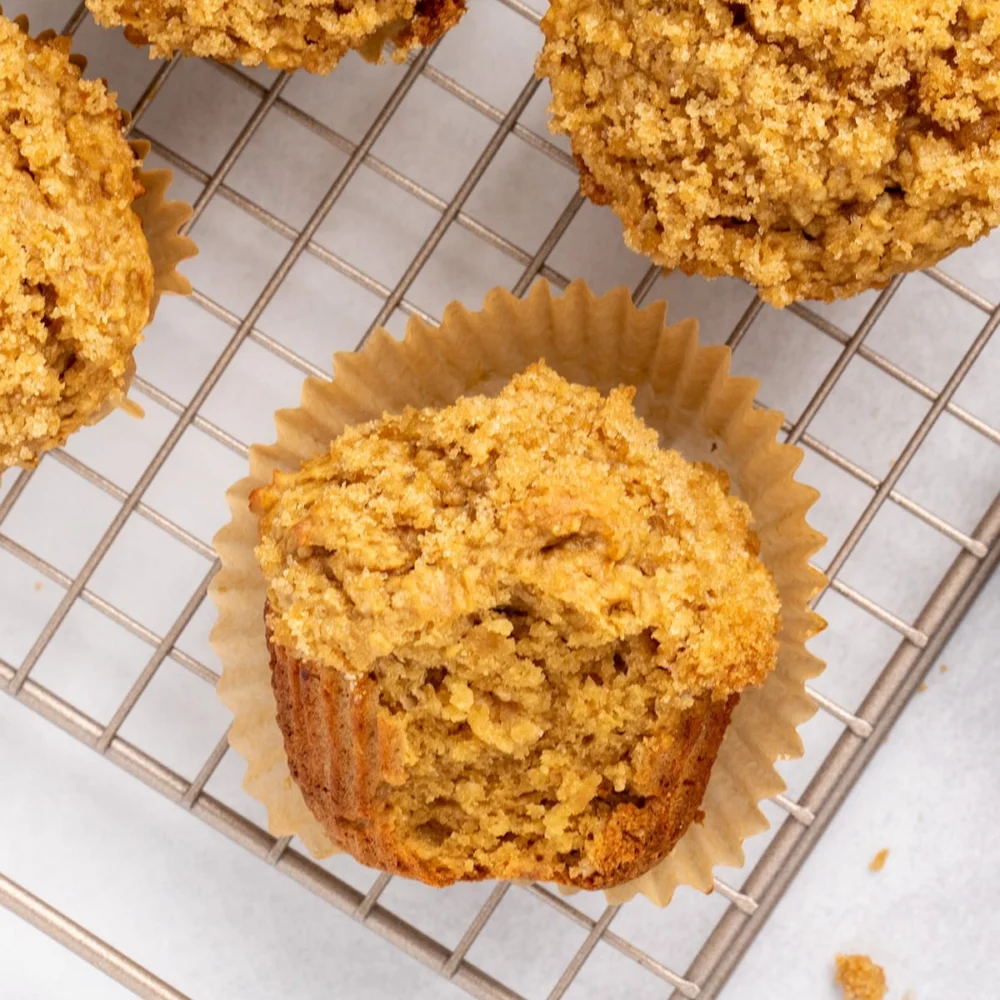
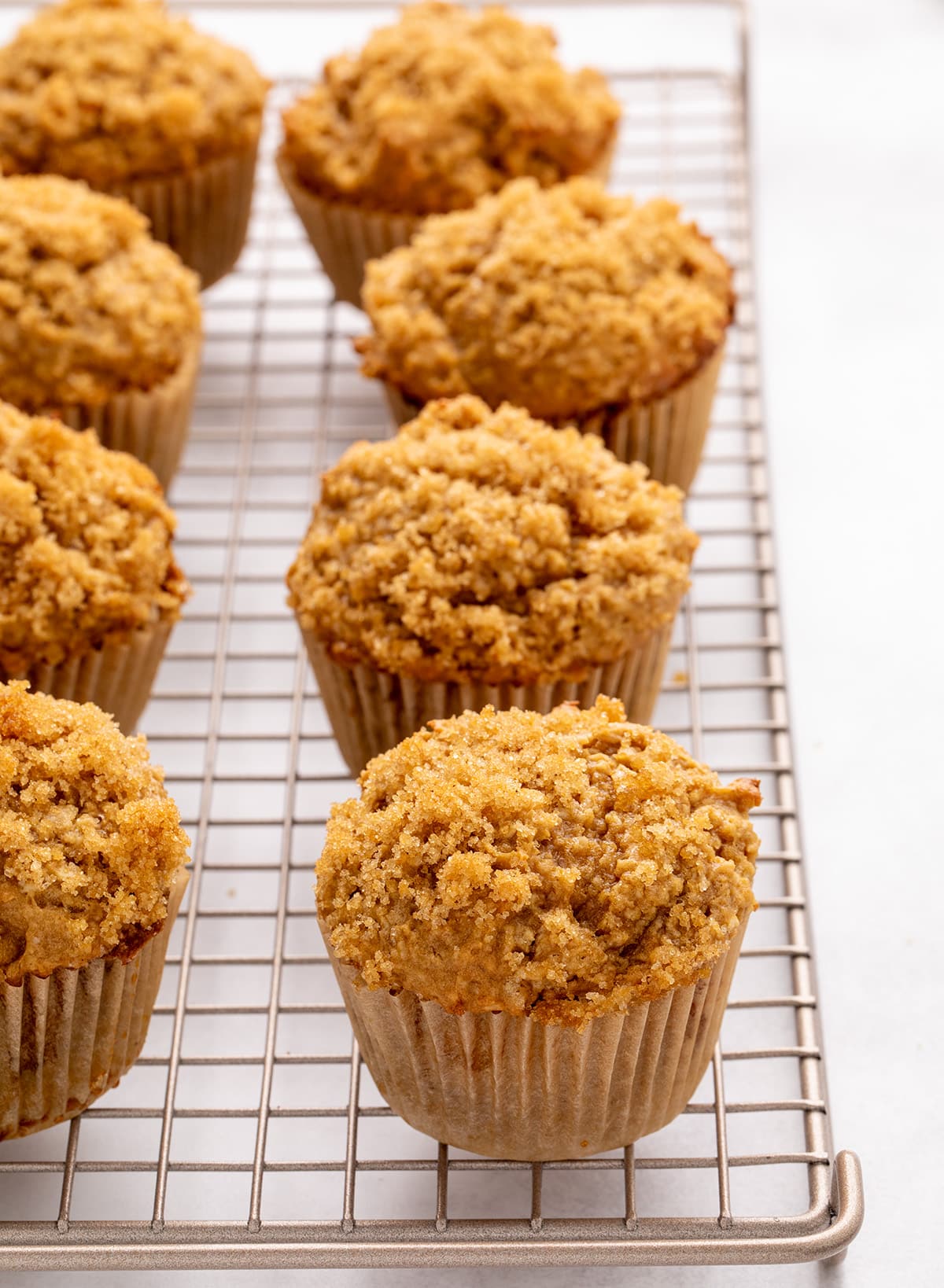
These gluten-free bran muffins offer a satisfying and tender texture, enriched by the deep, complex flavors of honey and molasses. Crafted with a balanced blend of gluten-free flour and chewy oat bran, they represent a significant step forward in gluten-free baking, providing a delicious and wholesome option for individuals managing dietary restrictions or seeking increased fiber intake. The recipe, developed by Nicole Hunn of Gluten Free on a Shoestring, aims to deliver a taste and texture that rivals traditional wheat-based muffins, a common challenge in the gluten-free culinary landscape.
The Rise of Gluten-Free Baking and the Appeal of Bran Muffins
The gluten-free market has experienced exponential growth over the past two decades, driven by an increasing awareness of celiac disease, non-celiac gluten sensitivity, and a general consumer trend towards perceived healthier eating. This surge in demand has spurred innovation in gluten-free flour blends and baking techniques, moving beyond the often dry and crumbly results of early gluten-free products.
Bran muffins, historically, have been a staple for their perceived health benefits, primarily due to their high fiber content. Traditional bran muffins typically utilize wheat bran, a byproduct of the milling process. The introduction of gluten-free oat bran into this recipe addresses a key dietary concern: the need for fiber-rich options that are also safe for those with gluten intolerance. Oat bran offers a distinct nutritional profile, with a significant amount of soluble fiber, which has been linked to improved heart health and blood sugar regulation, alongside insoluble fiber, crucial for digestive regularity. The inclusion of both types of fiber in this gluten-free formulation aims to provide comprehensive digestive benefits.
Recipe Development and Nutritional Considerations
Nicole Hunn’s recipe emphasizes a dual approach to achieving desirable texture and flavor in gluten-free baking. The use of approximately half all-purpose gluten-free flour and half oat bran is a strategic choice. This ratio aims to balance the structural contribution of the gluten-free flour blend with the hearty, absorbent qualities of oat bran. The recipe highlights the importance of specific gluten-free flour blends, noting that variations may require slight adjustments, such as adding extra xanthan gum when using Bob’s Red Mill 1-to-1 Gluten Free Baking Flour. Xanthan gum is a critical ingredient in gluten-free baking, acting as a binder and emulsifier to replicate the elasticity typically provided by gluten.
The flavor profile is intentionally rich, drawing on the natural sweetness and depth of honey and molasses. These liquid sweeteners contribute not only to taste but also to moisture and a tender crumb, though they can also lead to faster browning and potential burning. This aspect is addressed through specific baking instructions, including an initial high-heat phase to encourage a good rise, followed by a reduced temperature to ensure even cooking.
Key Ingredients and Their Roles
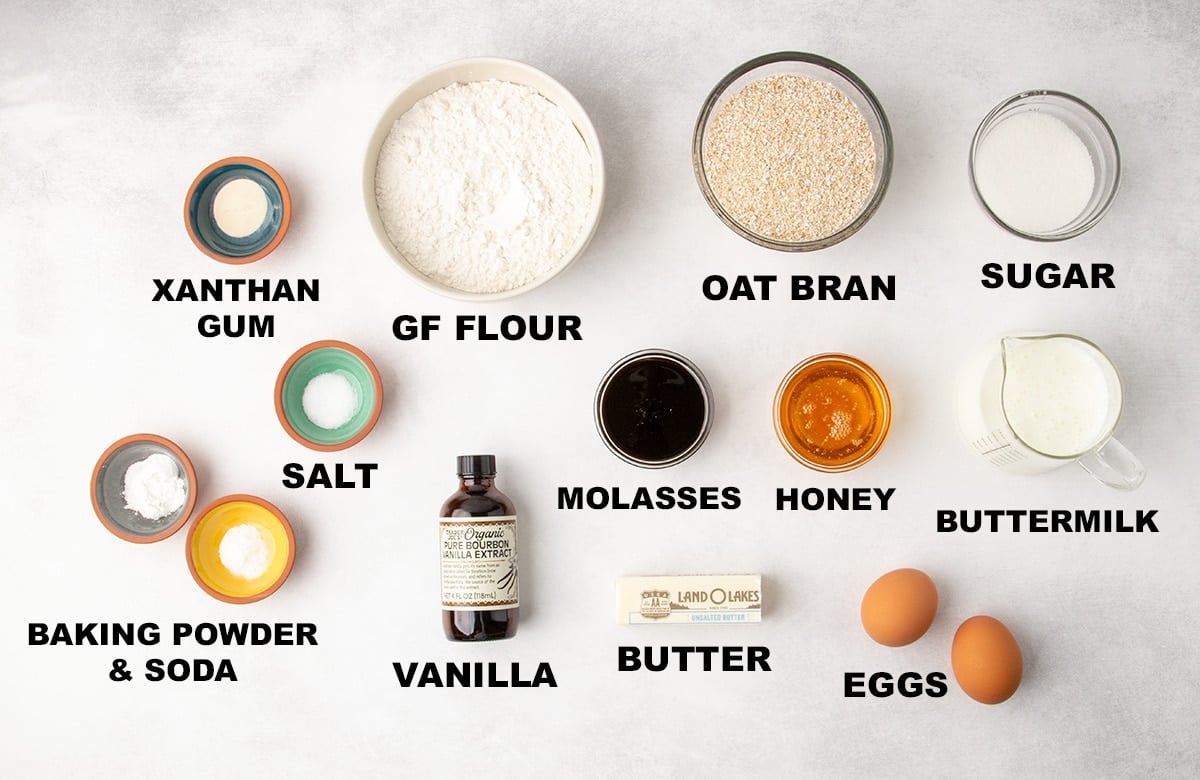
- Gluten-Free Flour Blend: Forms the structural base of the muffin. The choice of blend can significantly impact texture, with recommendations for brands like Better Batter and Nicole’s Best, alongside guidance for DIY blends.
- Xanthan Gum: Essential for binding and providing structure in the absence of gluten.
- Oat Bran: Provides fiber, a chewy texture, and a nutty flavor. The recipe specifies gluten-free oat bran, emphasizing the need to check labels carefully, as not all oat bran products are certified gluten-free.
- Honey and Molasses: Contribute natural sweetness, moisture, and a deep, complex flavor. Molasses, in particular, adds a characteristic richness and color.
- Buttermilk: Adds moisture and tenderness, and its acidity helps to activate baking soda for leavening. Dairy-free alternatives are suggested.
- Eggs: Act as binders and contribute to richness and structure. Egg-free substitutions, such as flax eggs, are offered.
- Butter: Provides richness, tenderness, and contributes to the overall texture. Vegan butter alternatives are recommended for dairy-free versions.
- Baking Powder and Baking Soda: Chemical leaveners that create a light and airy texture.
The Baking Process: A Step-by-Step Approach
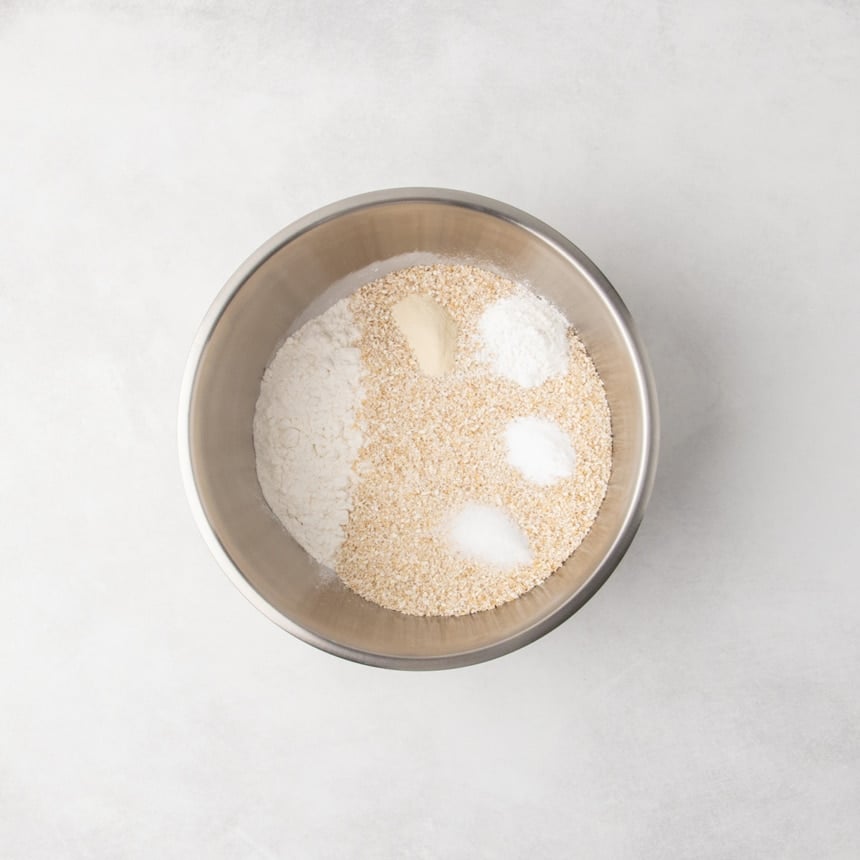
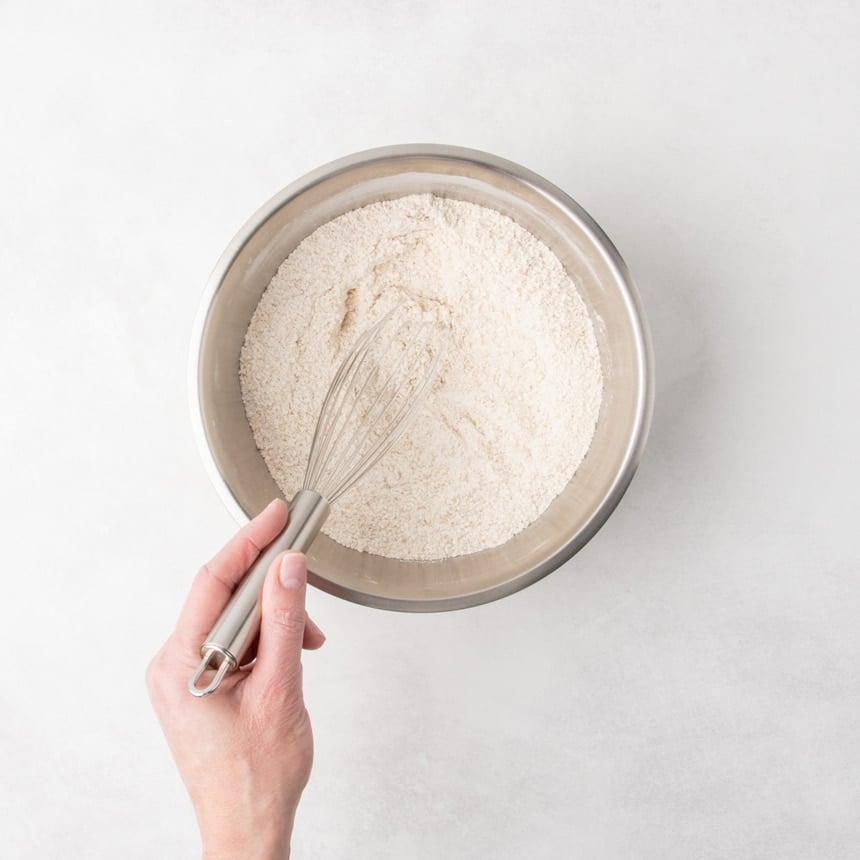
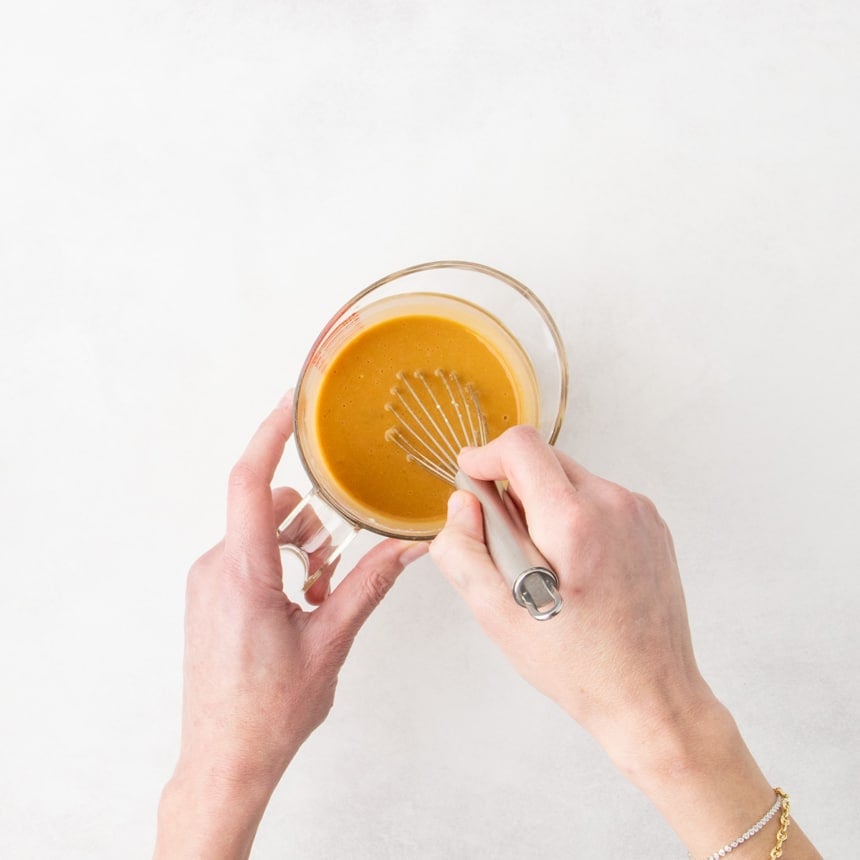
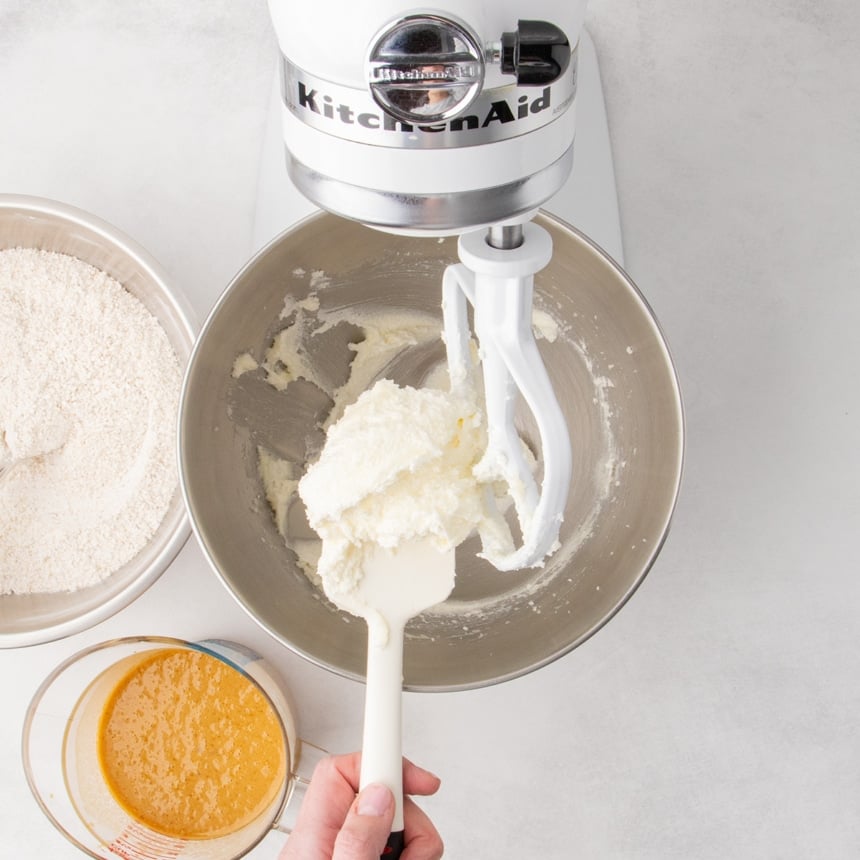
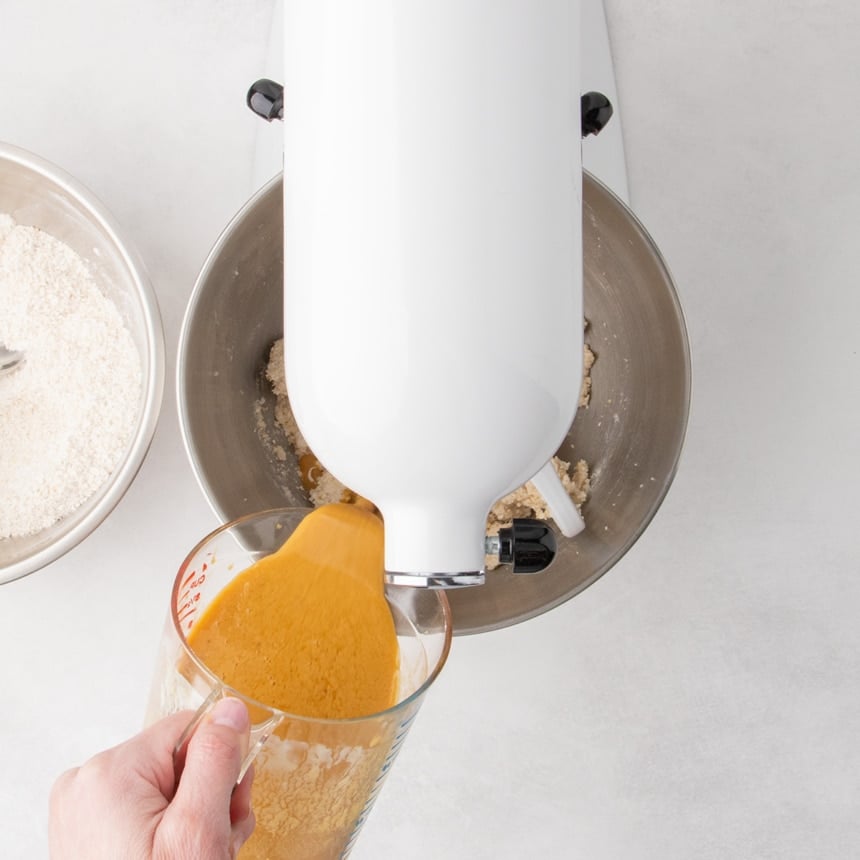
The preparation of these gluten-free bran muffins follows a methodical approach designed to maximize flavor and achieve an optimal crumb structure. The process begins with combining the dry ingredients, ensuring even distribution of leavening agents and bran. Separately, the wet ingredients—buttermilk, honey, molasses, eggs, and vanilla—are whisked together. A crucial step involves creaming softened butter with granulated sugar. This technique, often overlooked in simpler recipes, introduces air into the batter, leading to a lighter, taller muffin and counteracting the potential density associated with liquid sweeteners.
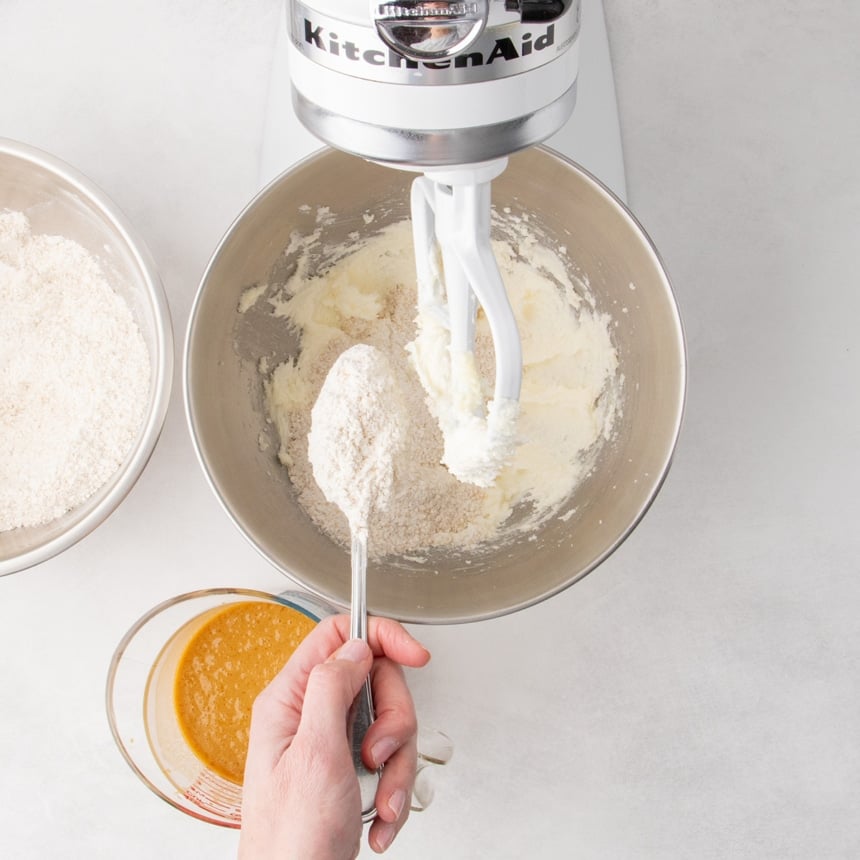
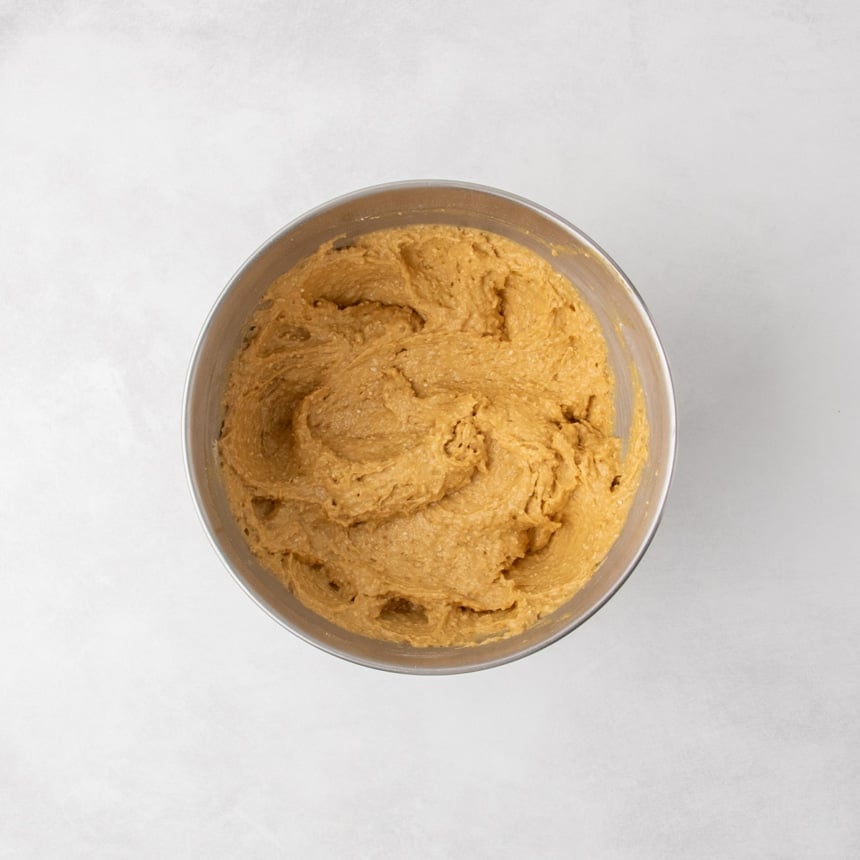
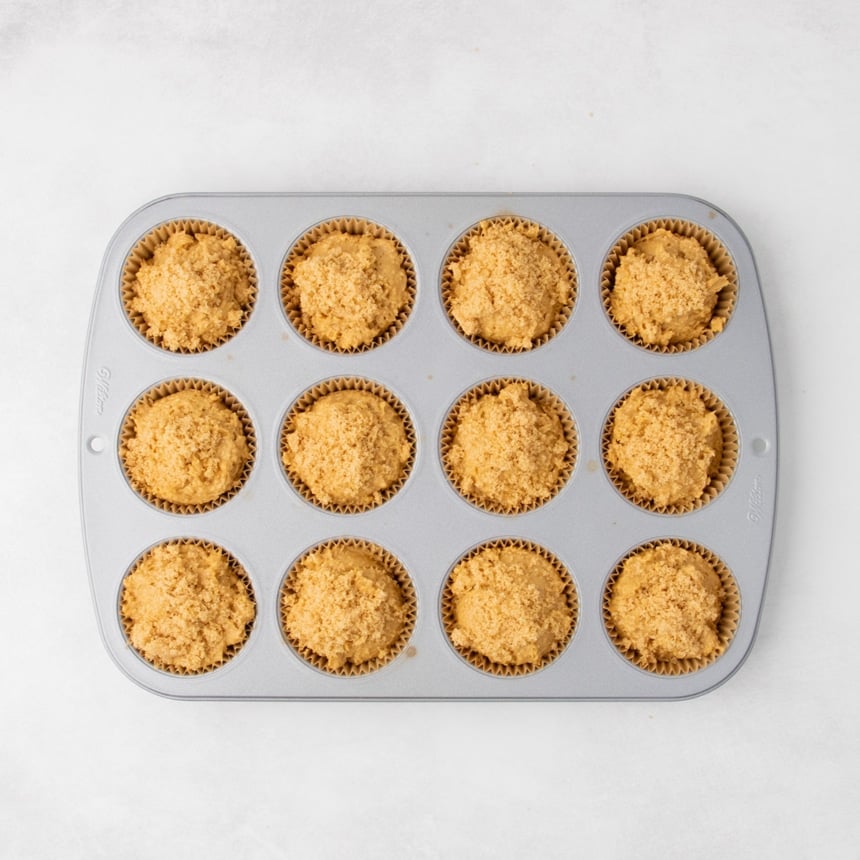
The dry and wet ingredients are then incorporated in alternating batches, a standard baking practice to ensure a well-emulsified batter. A key element of this recipe is the resting period for the batter. Allowing the batter to sit for approximately 20 minutes permits the oat bran to soften and the ingredients in the gluten-free flour blend to hydrate. This results in a thicker batter that bakes into a higher, more developed muffin.
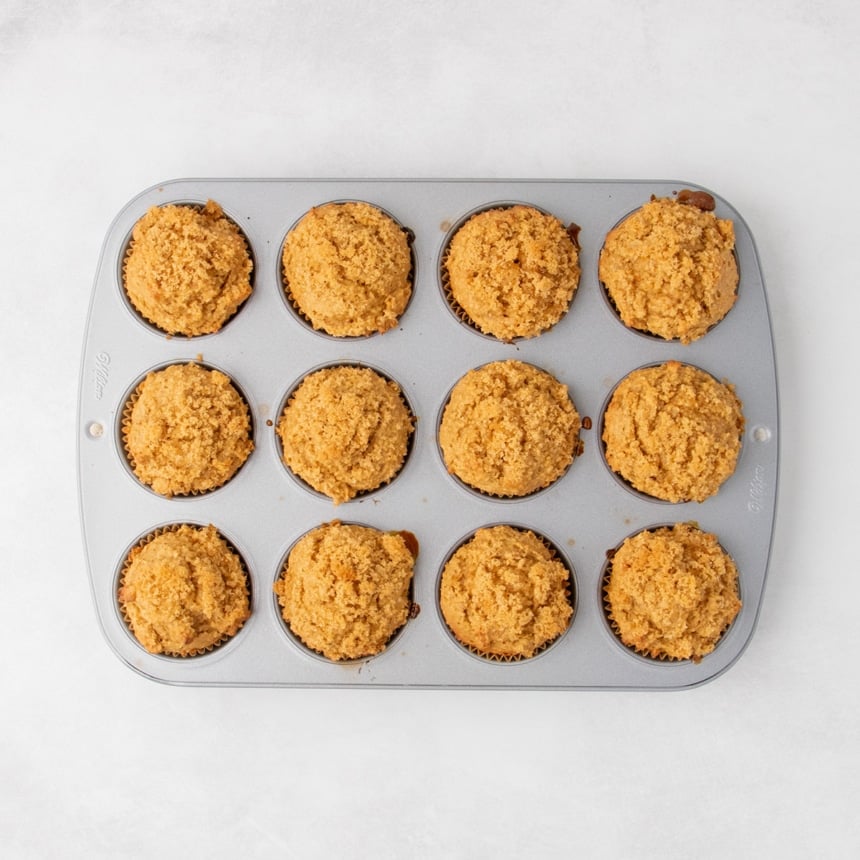
The baking process itself is carefully orchestrated. An initial high temperature of 400°F (200°C) for seven minutes is employed to rapidly activate the leavening agents, promoting a significant rise. This is followed by a reduction in oven temperature to 350°F (175°C) for an additional 12 minutes, or until a toothpick inserted into the center comes out clean. This two-stage baking strategy is critical for achieving a well-risen muffin without compromising the interior or over-browning the exterior. The recipe also provides advice for adjusting the temperature further if needed, to prevent burning, a common issue with recipes high in liquid sweeteners.
Addressing Common Challenges in Gluten-Free Baking
One of the persistent challenges in gluten-free baking is achieving a desirable texture. The absence of gluten means baked goods can sometimes be dense, dry, or crumbly. This recipe tackles these issues through several strategies:
- Balanced Flour and Bran Ratio: The significant proportion of oat bran contributes to moisture retention and a satisfying chew, while the gluten-free flour blend provides the necessary structure.
- Creaming Method: Incorporating air through creaming butter and sugar is vital for a lighter crumb.
- Resting Period: Allowing the batter to hydrate improves texture and aids in a better rise.
- Careful Baking Temperatures: The two-stage baking process ensures proper leavening and prevents premature burning.
Substitutions and Dietary Adaptations
The recipe is designed with flexibility in mind, offering clear guidance for dietary modifications:
- Dairy-Free: Block-style vegan butters, such as Miyoko’s or Melt, are recommended. For buttermilk, a combination of unsweetened non-dairy milk and plain non-dairy yogurt is suggested to replicate its tang and consistency.
- Egg-Free: Flax eggs are proposed as a robust replacement, potentially enhancing the muffin’s chewy texture.
- Oat Bran Alternatives: While oat bran is central to the recipe’s identity, rice bran is mentioned as a historical alternative, though its availability is noted as a limiting factor. For those seeking a non-bran muffin, a general gluten-free muffin recipe is referenced.
- Sweetener Substitutions: Lyle’s golden syrup or light corn syrup are suggested as alternatives to honey, while maple syrup is deemed unsuitable due to its thinner consistency. The unique flavor contribution of molasses is acknowledged, with a note that replacing it will alter the final taste profile.
Storage and Refreshing for Extended Enjoyment
Proper storage is crucial for maintaining the quality of these muffins. They are best stored at room temperature in an airtight container for up to two days. For longer storage, freezing is recommended, with instructions for single-layer freezing followed by placement in freezer-safe bags for up to three months. Tips for preventing freezer burn and effective defrosting, including a refreshing step in a toaster oven, are provided. This attention to detail ensures that the muffins can be enjoyed over an extended period without significant loss of quality.
The development of this gluten-free bran muffin recipe represents a significant advancement in the realm of gluten-free baking. By thoughtfully combining ingredients and employing precise baking techniques, it offers a delicious, texturally satisfying, and nutritionally beneficial option that caters to a growing segment of the population seeking gluten-free alternatives without compromising on taste or quality.