

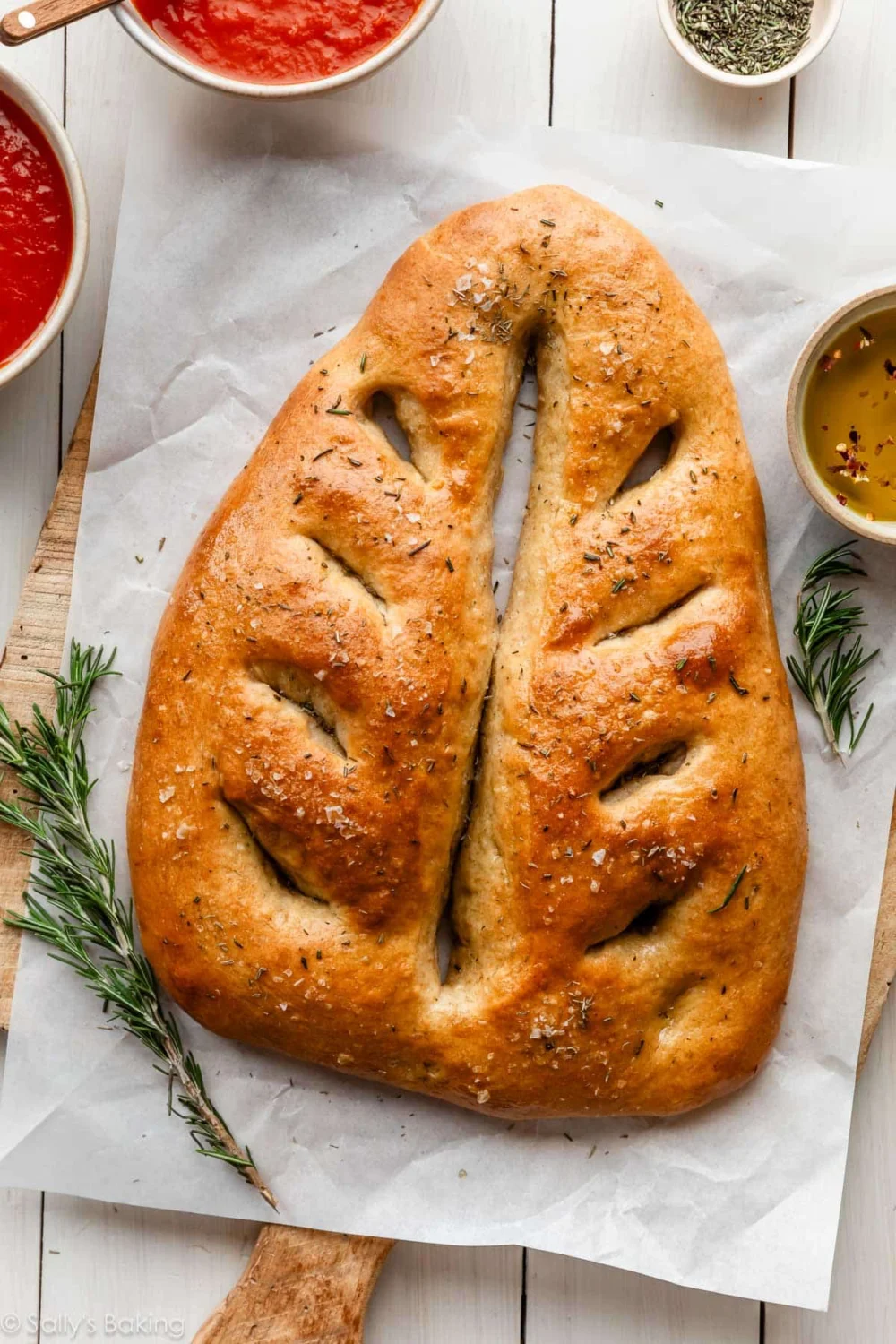
Fougasse, a distinguished French flatbread originating from the sun-drenched region of Provence, embodies a rich culinary heritage, presenting itself as a beautifully crafted, leaf- or wheat-ear-shaped loaf. Often described as the French counterpart to Italy’s renowned focaccia, this "hearth bread" is celebrated for its distinctive chewy texture, crisp crust, and deeply savory, rustic flavor profile. The creation of an authentic fougasse, particularly one achieving bakery-quality results in a home kitchen, hinges significantly on a critical preparatory step: the preferment, a simple mixture prepared a day in advance that profoundly impacts the bread’s flavor complexity and structural integrity.
The Provençal Legacy: A Flatbread Rooted in Tradition
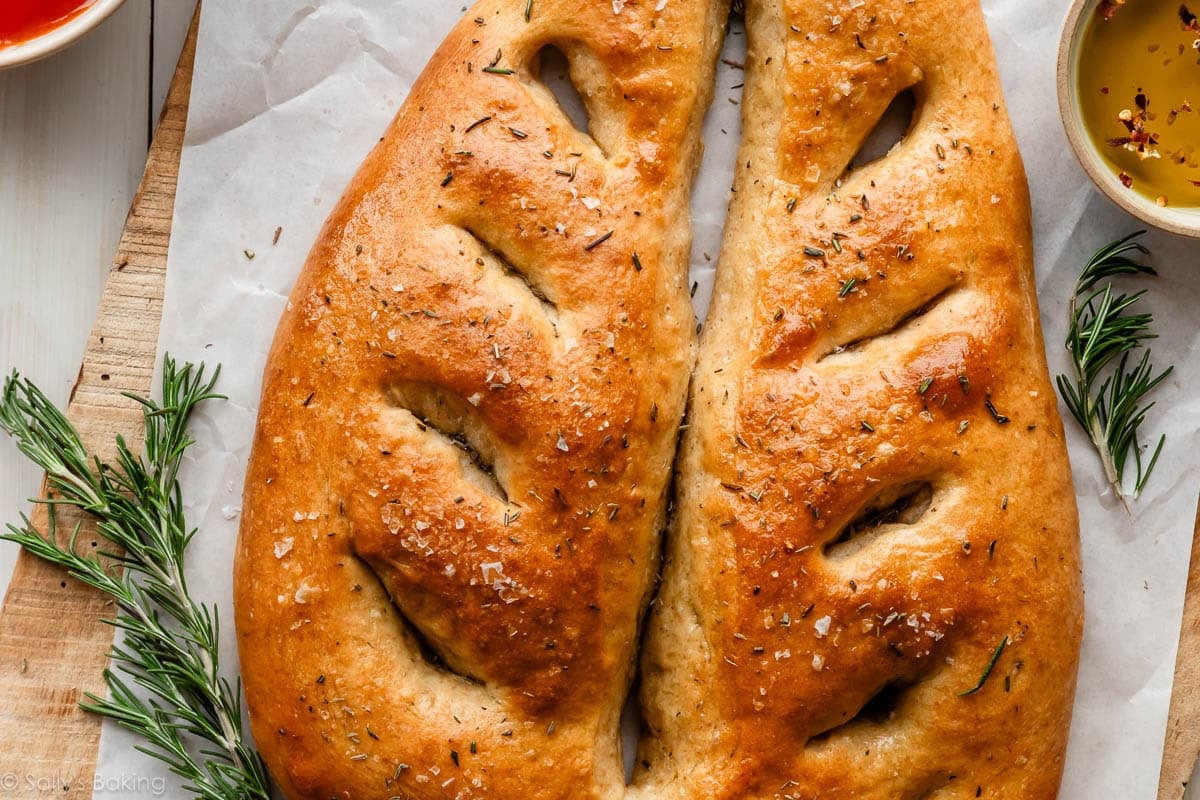
Fougasse is more than just a bread; it is a culinary emblem of Provence, a region celebrated for its vibrant flavors, aromatic herbs, and the ubiquitous presence of olive oil. Historically, flatbreads like fougasse served as practical sustenance, often baked in the embers of a wood-fired oven and consumed fresh. Its characteristic shape, resembling a leaf, a stalk of wheat, or sometimes even a ladder, is not merely decorative. The deliberate slashes create an expansive surface area, which, during baking, transforms into delightful pockets of extra crispiness, offering a textural contrast to the bread’s tender interior. This design also facilitates tearing and sharing, reinforcing its traditional role as a communal bread, perfect for dipping into olive oil or accompanying a simple Provençal meal.
While traditional French boulangeries might employ elaborate techniques refined over generations, modern culinary approaches have successfully streamlined the fougasse-making process for the home baker without compromising authenticity or quality. This adaptation serves as an excellent introduction to the rewarding world of preferment breads, an advanced yet accessible home baking project that yields impressive, professional-grade results. The journey from raw ingredients to a golden, aromatic fougasse is a testament to the power of time and thoughtful technique in developing profound flavors and desirable textures.
Understanding Fougasse: A Symphony of Texture and Taste
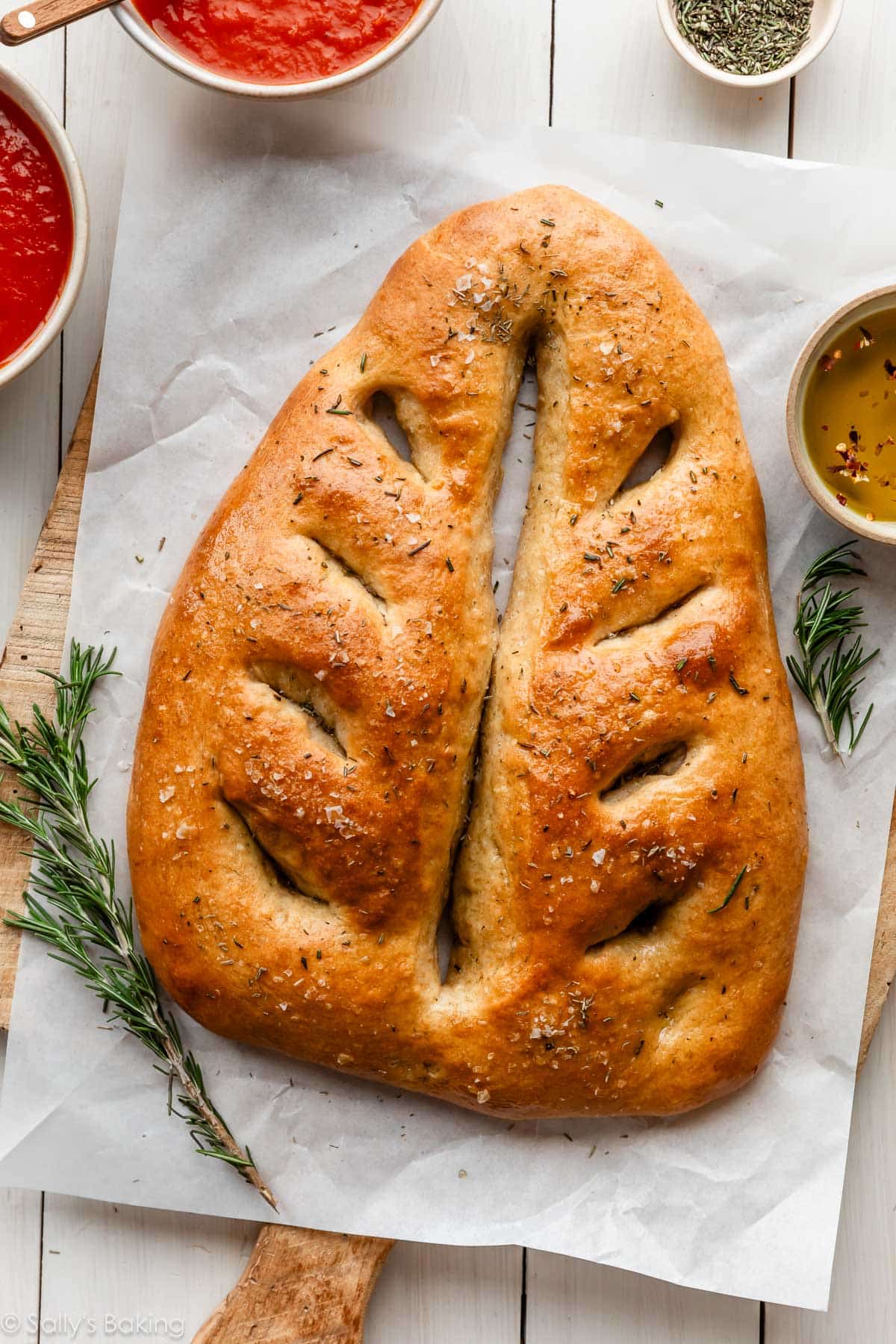
At its core, fougasse is characterized by its balanced textural profile—a delicate interplay between a robust, rustic crust and a surprisingly tender, chewy crumb. This balance is meticulously achieved through specific ingredient ratios and a carefully orchestrated baking process. The bread’s inherent savory depth is enhanced by its signature olive oil infusion, which contributes to both flavor and a moist crumb, preventing dryness.
Key elements contributing to fougasse’s special character include:
- Crusty Exterior: The high baking temperature and the unique slashes promote the development of a deeply golden, crackly crust.
- Chewy Interior: A combination of specific flour types and the preferment process contributes to the desirable chewiness.
- Rustic Savory Flavor: Derived from the preferment, quality olive oil, and often, aromatic herbs.
- Distinctive Shape: The leaf or wheat stalk design is both traditional and functional, maximizing crispy edges.
The meticulous development of fougasse recipes often involves extensive testing to achieve the perfect equilibrium of flavor, texture, and structure. Culinary teams experiment with varying hydration levels, different percentages of whole wheat flour, and precise yeast quantities. Minor adjustments in these parameters can significantly alter the final product, influencing everything from the dough’s workability to the bread’s density, dryness, and structural integrity. The aim is always to strike a balance between crisp edges, a satisfyingly chewy interior, and a sufficient olive oil content to ensure tenderness without losing the bread’s rustic essence. This rigorous testing underscores the scientific precision behind artisanal baking, confirming that even small changes can have a profound impact on hearth-style breads.

The Indispensable Role of the Preferment
A cornerstone of artisanal bread making, the preferment—or "biga" in the context of this fougasse recipe—is a foundational technique that elevates the bread from good to exceptional. Preferments involve fermenting a portion of the flour, water, and yeast mixture hours or even days before the main dough is assembled. This seemingly simple step is a powerful catalyst for flavor development, structural enhancement, and an extended shelf life.
The science behind preferments is fascinating:
- Flavor Development: During the preferment’s extended fermentation, yeast and natural enzymes break down complex carbohydrates into simpler sugars and produce organic acids (lactic and acetic acids) and various aromatic compounds. These metabolic byproducts are responsible for the nuanced, complex, and slightly tangy flavors characteristic of artisanal breads, flavors that cannot be achieved with a direct, single-day dough.
- Gluten Structure: The long fermentation period allows for the gradual development of gluten, the protein network that gives bread its elasticity and structure. A well-developed gluten network traps the carbon dioxide produced by the yeast, resulting in a lighter, more open crumb with desirable chewiness.
- Improved Hydration: Preferments typically have a higher hydration level than the final dough, allowing the flour to fully hydrate over time. This leads to a more extensible dough that is easier to work with and contributes to a moister final product.
- Enhanced Shelf Life: The increased acidity from the organic acids produced during fermentation acts as a natural preservative, slowing down staling and extending the bread’s freshness.
While "preferment" is a broad term, specific types like biga (a stiff Italian preferment), poolish (a wetter French preferment), and levain (sourdough starter) each impart unique characteristics. For fougasse, a biga-style preferment is often favored for its ability to contribute significant complexity and robust structure without overly complicating the overall process. This strategic planning ahead transforms a home-baked loaf into a product rivaling those from a professional bakery.
Essential Ingredients for an Authentic Fougasse
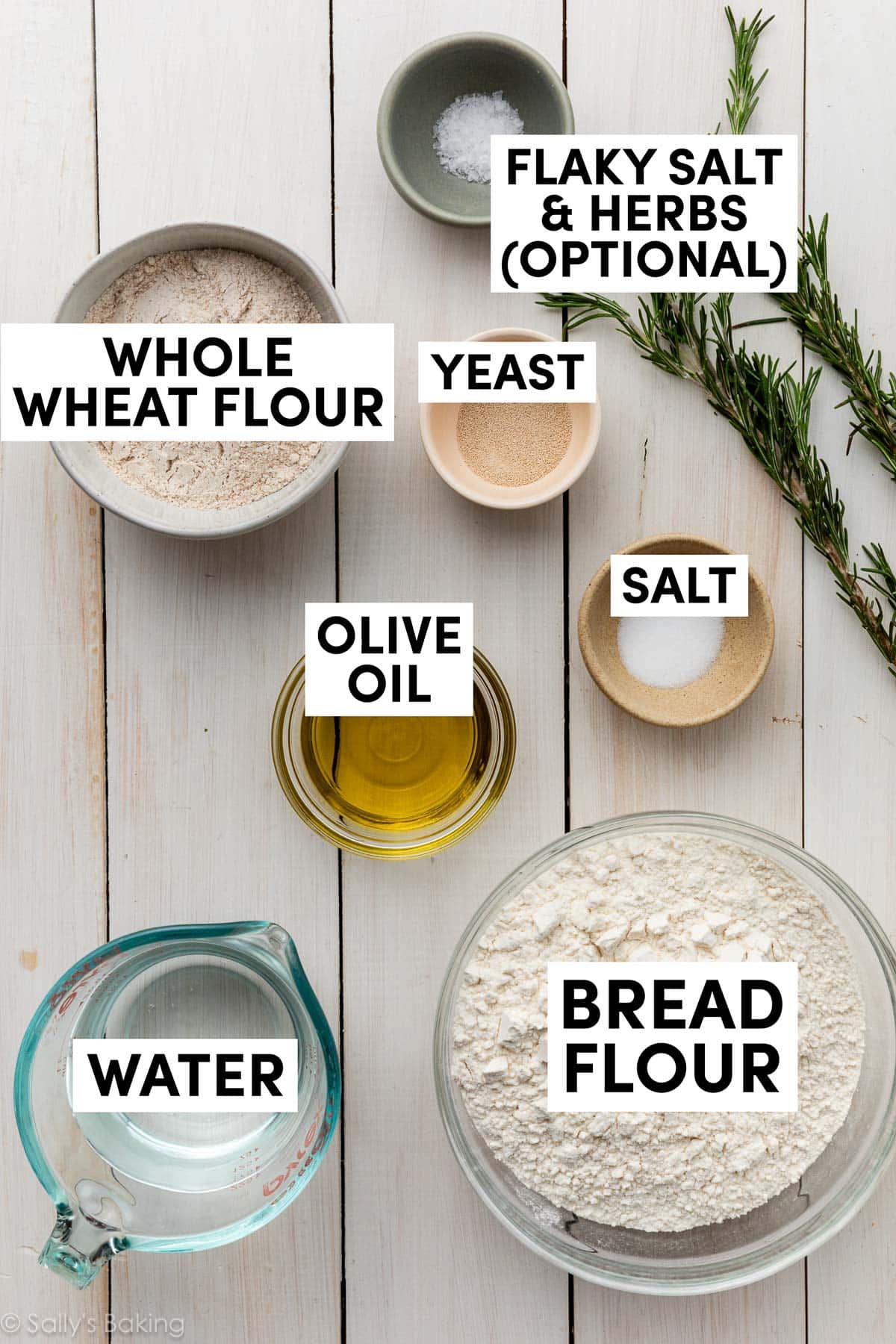
The quality of ingredients plays a pivotal role in the final outcome of any bread, and fougasse is no exception. While seemingly simple, each component contributes significantly to the bread’s character.
- Bread Flour: High in protein, bread flour is essential for developing a strong gluten network, which provides the characteristic chewiness and structural integrity of fougasse.
- Whole Wheat Flour: A small percentage of whole wheat flour adds a layer of earthy depth and nutty flavor, enriching the bread’s rustic profile without making it too dense.
- Active Dry Yeast: The leavening agent responsible for the dough’s rise, transforming simple flour and water into a light, airy crumb.
- Fine Sea Salt: Crucial for seasoning the dough, enhancing flavor, and regulating yeast activity.
- Olive Oil: A hallmark of Mediterranean cuisine, high-quality extra virgin olive oil is indispensable for fougasse. It contributes to the bread’s tenderness, adds a rich fruity flavor, and helps create a crisp crust when brushed on before baking.
- Water: The solvent that activates the yeast and hydrates the flours, critical for gluten development.
- Flaky Sea Salt (for topping): Provides a delightful textural crunch and bursts of salinity on the finished bread.
- Fresh Rosemary or Dried Herbes de Provence: Aromatic herbs are traditional additions, infusing the bread with fragrant, herbaceous notes that complement its savory profile.
Beyond these tangible ingredients, there is an "invisible ingredient": time. The deliberate resting periods, the overnight preferment, and the patient proofing stages are not merely passive waits; they are active periods during which flavor compounds develop, gluten structures strengthen, and the dough slowly transforms, ultimately culminating in a bread of unparalleled depth and character.
The Meticulous Chronology of Fougasse Creation
Crafting fougasse is a methodical process that, while requiring patience, involves mostly hands-off time as the dough rests and develops. The flexible timing allows this artisanal project to integrate smoothly into a busy schedule.
Day 1: Preparing the Preferment
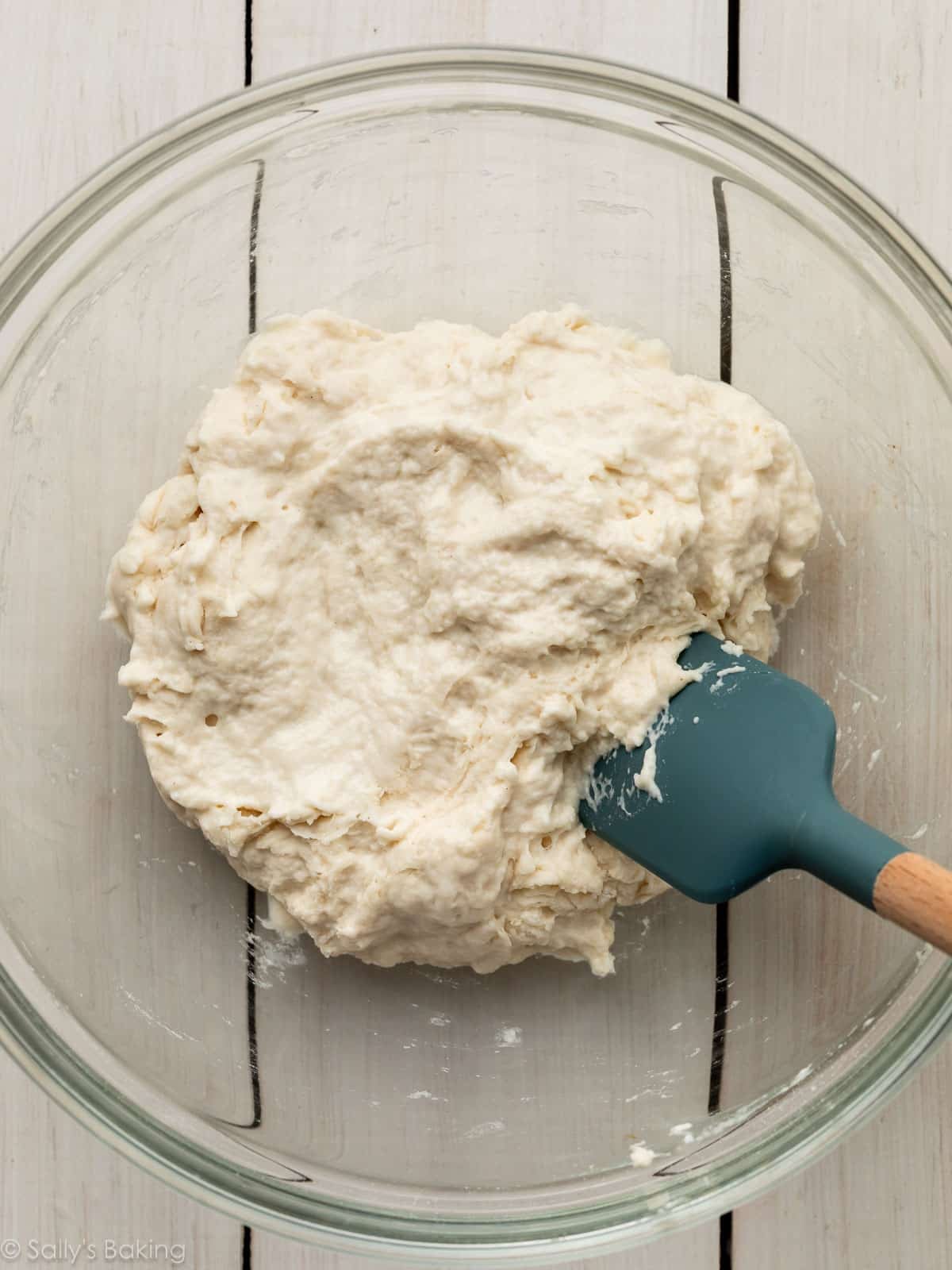
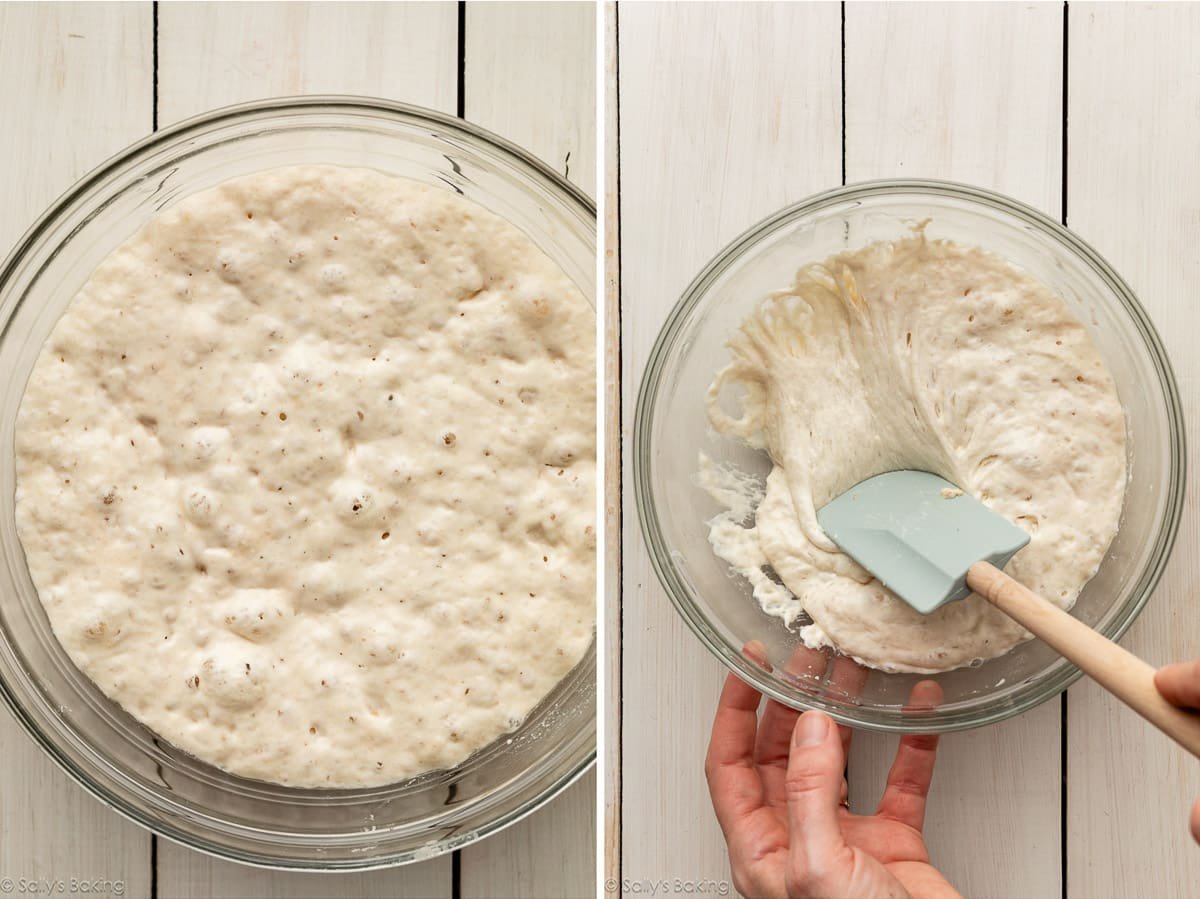
The journey begins by preparing the biga-style preferment. This involves combining a portion of the bread flour, a small amount of yeast, and water. The mixture is then lightly covered and allowed to ferment at room temperature for approximately 18-24 hours. During this period, the yeast consumes sugars, producing alcohol and carbon dioxide, along with the organic acids and flavor compounds that will define the final bread’s taste. After 24 hours, the preferment will appear bubbly and slightly acidic, ready to infuse the main dough with its developed flavors and strength.
Day 2: Assembling and Developing the Dough
The second day commences with the integration of the matured preferment into the main dough. In a substantial mixing bowl, the remaining bread and whole wheat flours, fresh yeast, and fine sea salt are whisked together. The activated preferment is then added, followed by water and olive oil. The mixture is stirred by hand or with a stand mixer fitted with a dough hook until a shaggy, cohesive dough forms.
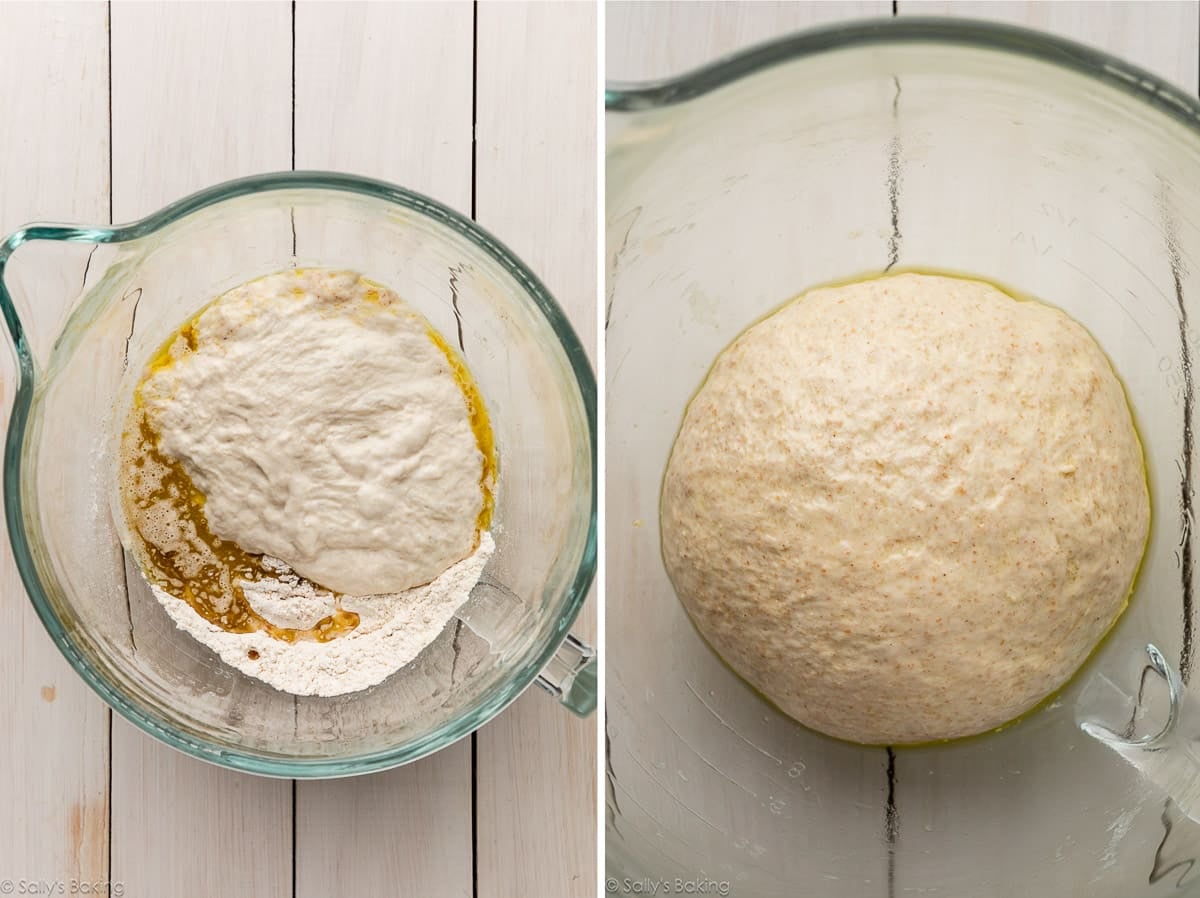
The dough is then transferred to a lightly floured surface for kneading, a crucial step lasting 3-5 minutes. Kneading develops the gluten, transforming the sticky mass into a smooth, elastic, and workable dough that remains slightly tacky to the touch. Once kneaded, the dough is placed in an oiled bowl, covered, and allowed an initial rest for approximately 45 minutes. This rest, known as bulk fermentation, permits the yeast to begin its work, gently expanding the dough and further developing its structure.
The Stretch-and-Fold Technique: Building Internal Strength
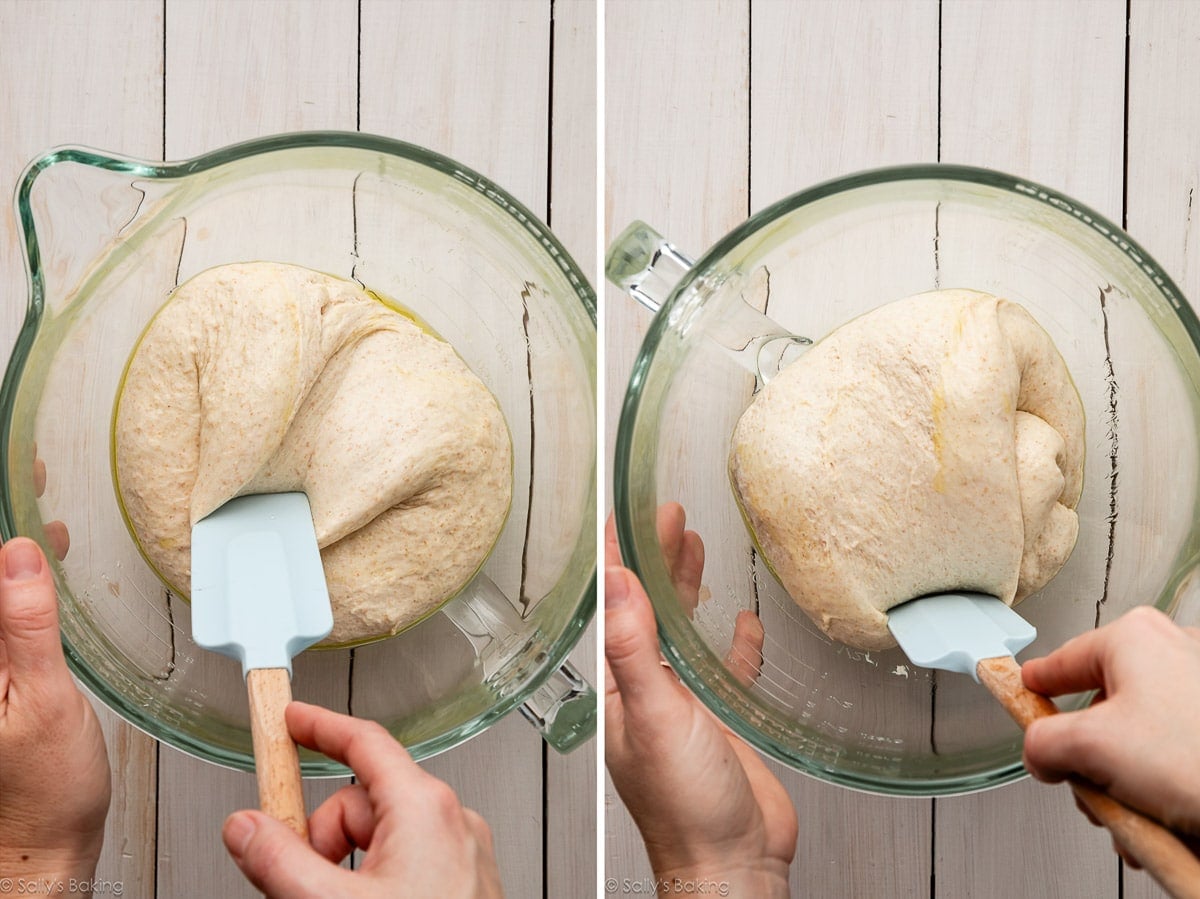
Following the initial rest, a single round of the stretch-and-fold technique is performed. This gentle method is preferred for sticky, high-hydration doughs, as it strengthens the gluten network without the aggressive manipulation of traditional kneading. The baker lightly greases their fingers or a silicone spatula with olive oil. Visualizing the dough as a clock face, one side of the dough (e.g., 12 o’clock) is gently lifted, stretched upwards, and then folded down towards the opposite side (6 o’clock). The bowl is then rotated 90 degrees, and the process is repeated, completing a total of four folds. This action realigns the gluten strands, building internal structure and improving the dough’s ability to hold its shape and volume. After this crucial step, the dough is allowed to rest again for at least 45 minutes, allowing the gluten to relax and fermentation to continue.
Shaping the Signature Fougasse
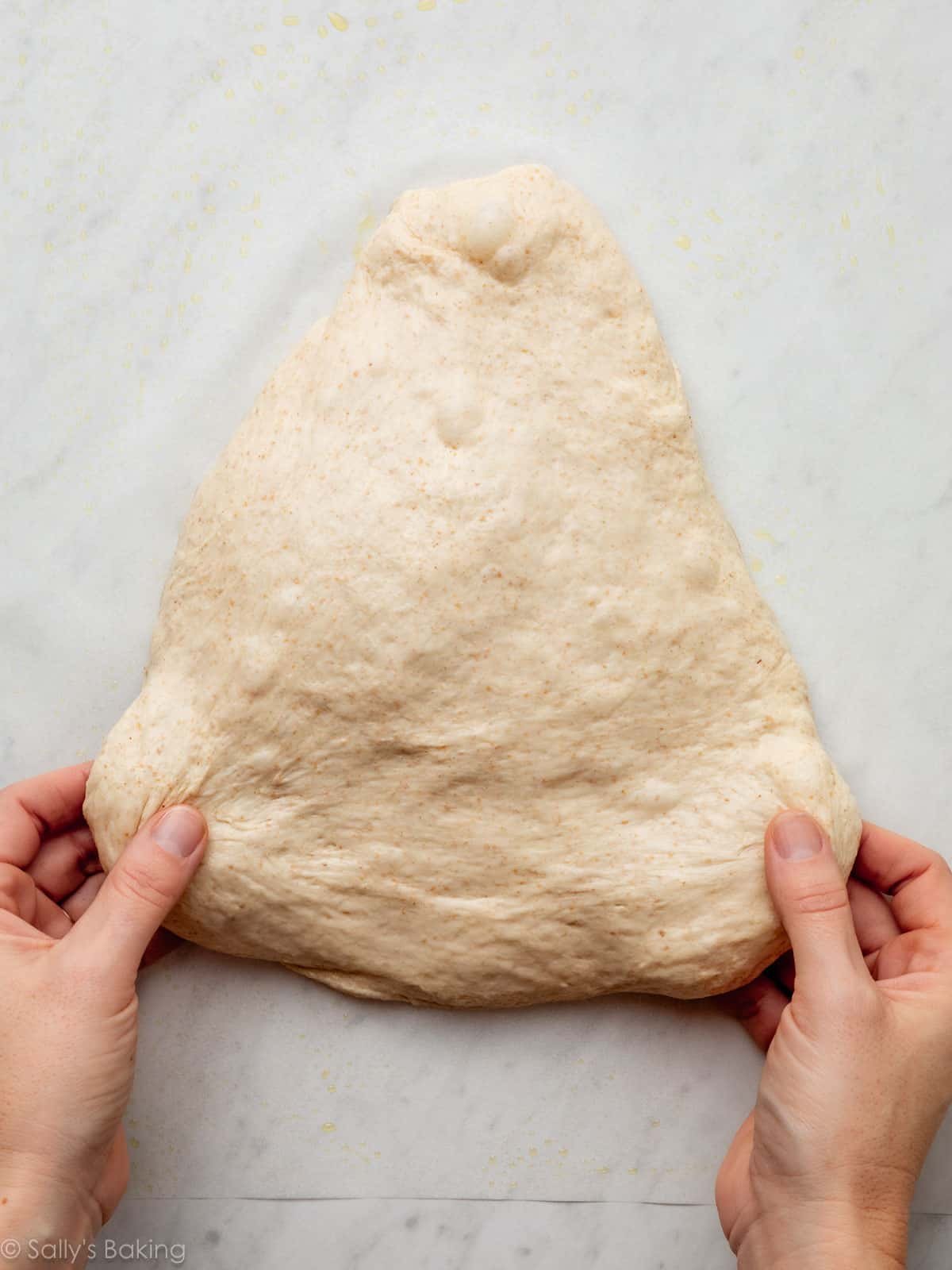
The distinctive shape of fougasse is integral to its identity. The rested dough is gently pressed and stretched into a rounded triangular form, approximately 12 inches long and 6 inches wide at its base. This shape is then covered and allowed to rest for another 30 minutes, a short proofing period that allows the gluten to relax, making the dough more amenable to shaping without tearing.
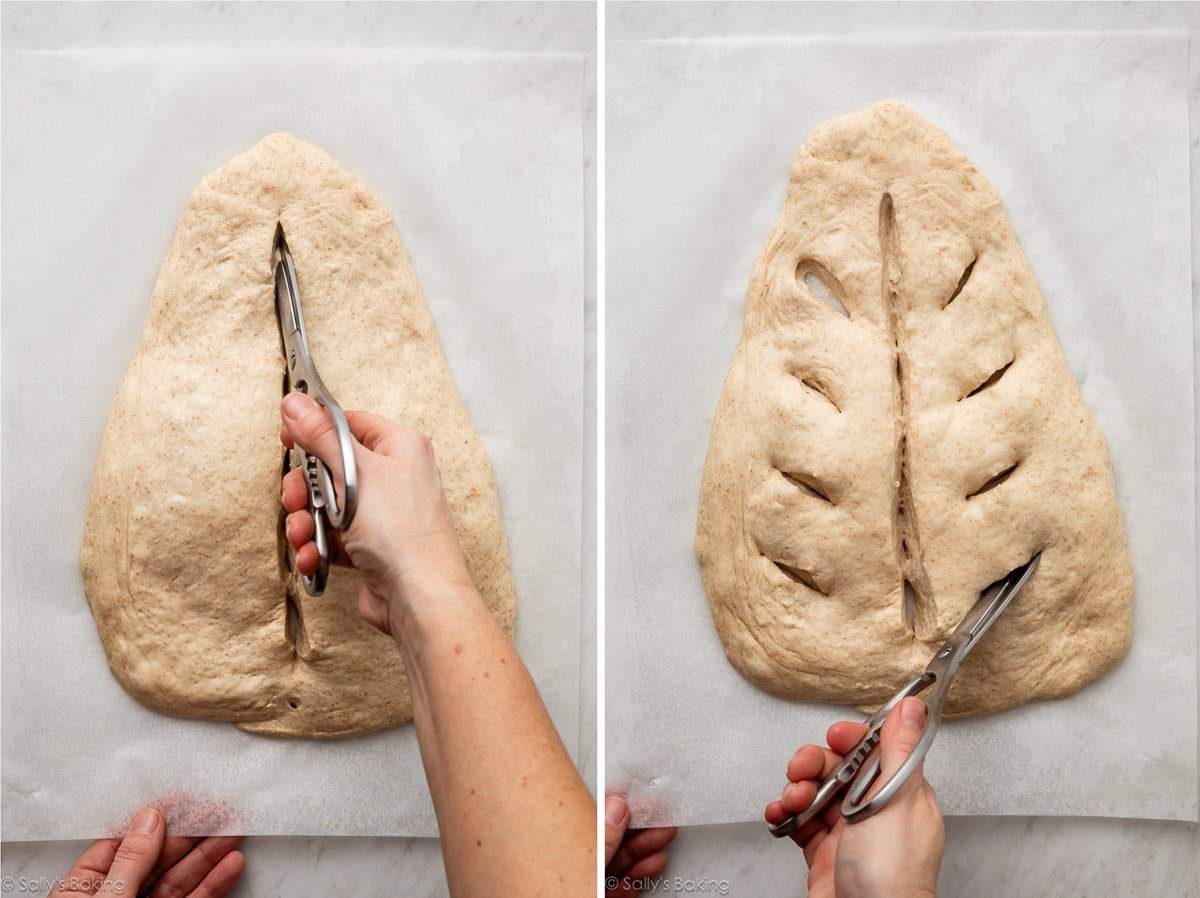
Using a sharp knife or kitchen shears, the dough is meticulously scored. A single long slash is made down the center, leaving an inch of dough untouched at each end. Subsequently, 3-4 diagonal slashes are added on each side, extending from the central cut towards the edges. These cuts are then gently stretched open to create distinct 2-inch gaps, enhancing the leaf-like or wheat-stalk appearance and maximizing the surface area for crisping.
Final Proofing and High-Heat Baking
Once shaped, the fougasse undergoes a final brief proofing for 30 minutes while the oven preheats to a high temperature of 450°F (232°C). A crucial element for achieving a superb crust is to preheat a baking stone or an inverted baking sheet within the oven. This hot surface provides an immediate burst of heat to the dough upon contact, promoting rapid oven spring and an exceptionally crisp bottom crust.
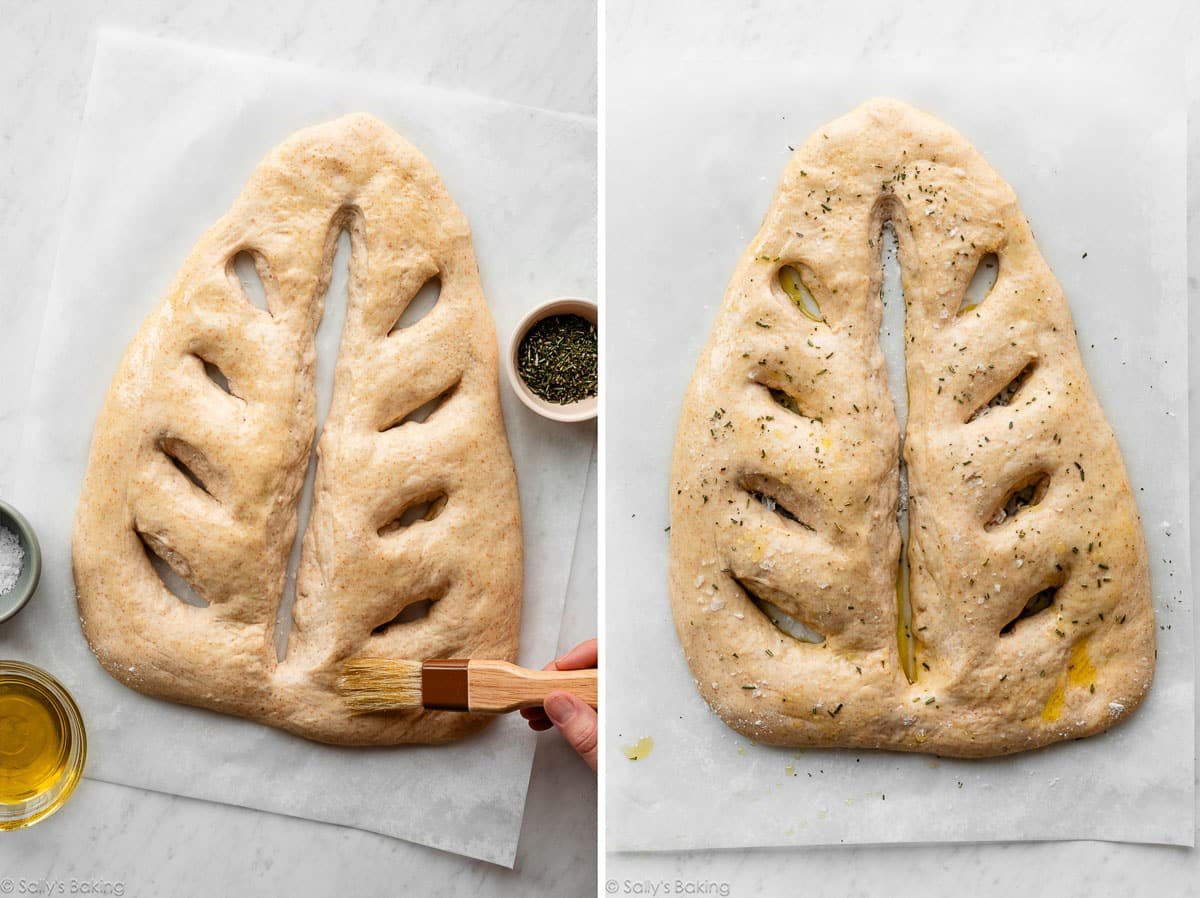
Just before baking, the shaped dough is brushed generously with olive oil. This not only contributes to the golden color of the crust but also adds flavor and helps create that desirable crackle. A sprinkle of flaky sea salt and fresh herbs, such as chopped rosemary or a blend of dried Herbes de Provence, adds both visual appeal and aromatic complexity.
The fougasse, still on its parchment paper, is then carefully slid onto the preheated baking surface. It bakes for approximately 20 minutes, or until it achieves a deep golden hue and sounds hollow when tapped, indicating a fully baked interior. Upon removal from the oven, it is allowed to cool slightly before serving warm, allowing the crust to set and the flavors to meld.
Broader Implications and Culinary Trends
The resurgence of interest in artisanal breads like fougasse reflects a broader culinary movement towards "slow food," traditional techniques, and a deeper appreciation for handmade goods. The recent global emphasis on home-based activities has further fueled this trend, with many individuals discovering the meditative and rewarding aspects of baking. Fougasse, with its impressive appearance and accessible complexity, stands out as an ideal project for both novice and experienced bakers seeking to expand their repertoire.
Culinary experts and food historians often highlight fougasse’s versatility within modern cuisine. Beyond its traditional role as a simple bread for dipping, it serves as an excellent accompaniment to soups, salads, and charcuterie boards. Its robust flavor profile also makes it a superb base for various toppings, from olives and sun-dried tomatoes to goat cheese and caramelized onions, transforming it into a sophisticated appetizer or light meal. The integration of high-quality olive oil and fresh herbs aligns perfectly with the principles of the Mediterranean diet, underscoring its appeal not only as a delicious indulgence but also as a component of a healthy lifestyle.
While this specific recipe prioritizes a biga-style preferment, the adaptability of fougasse allows for experimentation. For instance, some bakers might consider using a sourdough starter, although it’s important to note that starter hydration levels can vary, potentially altering the dough’s consistency and final outcome. Replacing the biga with approximately 1 cup (240g) of an active sourdough starter would require careful observation and potential adjustments to water content, a testament to the dynamic nature of bread baking.
In conclusion, fougasse represents a harmonious blend of historical tradition, scientific precision, and culinary artistry. Its journey from a simple Provençal staple to a celebrated artisanal bread underscores the enduring appeal of handcrafted food. Through careful technique, quality ingredients, and the transformative power of a preferment, home bakers can recreate this exquisite French flatbread, delivering a taste of Provence to their own tables, characterized by its irresistible crispness, satisfying chew, and profound savory notes.