

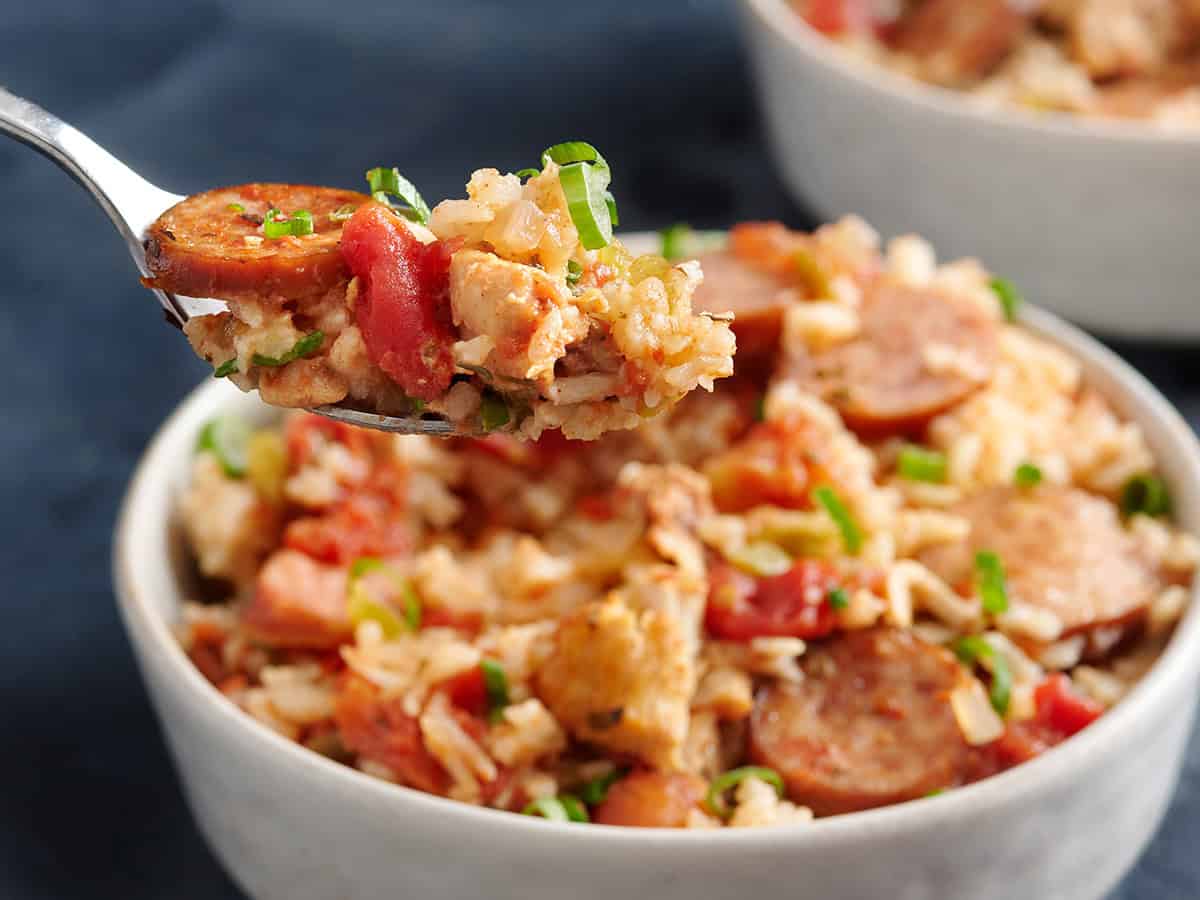
The integration of traditional Louisiana Creole flavors into modern domestic kitchen routines represents a significant shift in how regional American heritage is preserved and consumed in the 21st century. Jambalaya, a hallmark of Gulf Coast culinary identity, has historically required attentive stovetop management to ensure the proper texture of rice and the depth of the "Holy Trinity" vegetable base. However, contemporary culinary research conducted by institutions such as the Nashville Test Kitchen suggests that the transition to slow-cooker methodologies offers a viable, cost-effective, and nutritionally balanced alternative for busy households. By leveraging the low-and-slow heat profile of the crockpot, home cooks can achieve the complex flavor profiles traditionally associated with hours of manual labor, provided that specific technical parameters—particularly regarding the introduction of long-grain rice—are strictly maintained.
Historical Context and Cultural Synthesis
To understand the significance of a modernized jambalaya, one must examine its origins as a byproduct of cultural convergence in 18th-century Louisiana. The dish is widely recognized by food historians as a New World adaptation of Spanish paella. When Spanish settlers arrived in the Louisiana territory, they attempted to recreate their native rice dishes. However, the lack of affordable saffron necessitated a pivot toward tomatoes and local spices, leading to the "red" jambalaya characteristic of Creole New Orleans.
The dish further evolved through French and African influences. The French contributed the technique of the "mirepoix," which was adapted into the "Holy Trinity" of Louisiana cooking: onions, celery, and green bell peppers. African culinary traditions introduced specific seasoning profiles and a reliance on hearty, one-pot grains. This synthesis created a dish that was historically used to stretch expensive proteins by combining them with abundant, low-cost rice and vegetables—a principle that remains the foundation of its modern "budget-friendly" status.
Economic Analysis and Resource Management
In an era of fluctuating food prices and rising consumer price indices, the economic profile of jambalaya serves as a case study in affordable nutrition. Data provided by the Nashville Test Kitchen indicates that a full eight-serving recipe of slow-cooker jambalaya can be produced for approximately $11.02. This results in a per-serving cost of $1.37, significantly lower than the average cost of a fast-food meal, which currently ranges between $8.00 and $12.00 in the United States.
The cost-efficiency is achieved through the strategic selection of "budget" proteins. Smoked sausage and chicken thighs are prioritized over more expensive cuts like shrimp or beef tenderloin. Chicken thighs, in particular, are favored in slow-cooker applications due to their higher fat content and connective tissue, which break down into gelatin during the four-hour cooking cycle, providing a moist texture that chicken breasts cannot replicate under the same conditions.
Technical Specifications and the Starch Dilemma
One of the primary challenges in adapting rice-based dishes to slow cookers is the prevention of "mushy" or over-hydrated grains. The Nashville Test Kitchen’s methodology addresses this through a tiered cooking chronology. The initial four-hour window on a "High" setting is dedicated to the breakdown of vegetables and the infusion of spices into the liquid base.
The Finishing Phase
The critical technical maneuver occurs in the final 20 to 25 minutes of the process. Unlike traditional slow-cooker recipes where all ingredients are added simultaneously, the long-grain rice is introduced only after the liquid has reached a sustained boiling point.
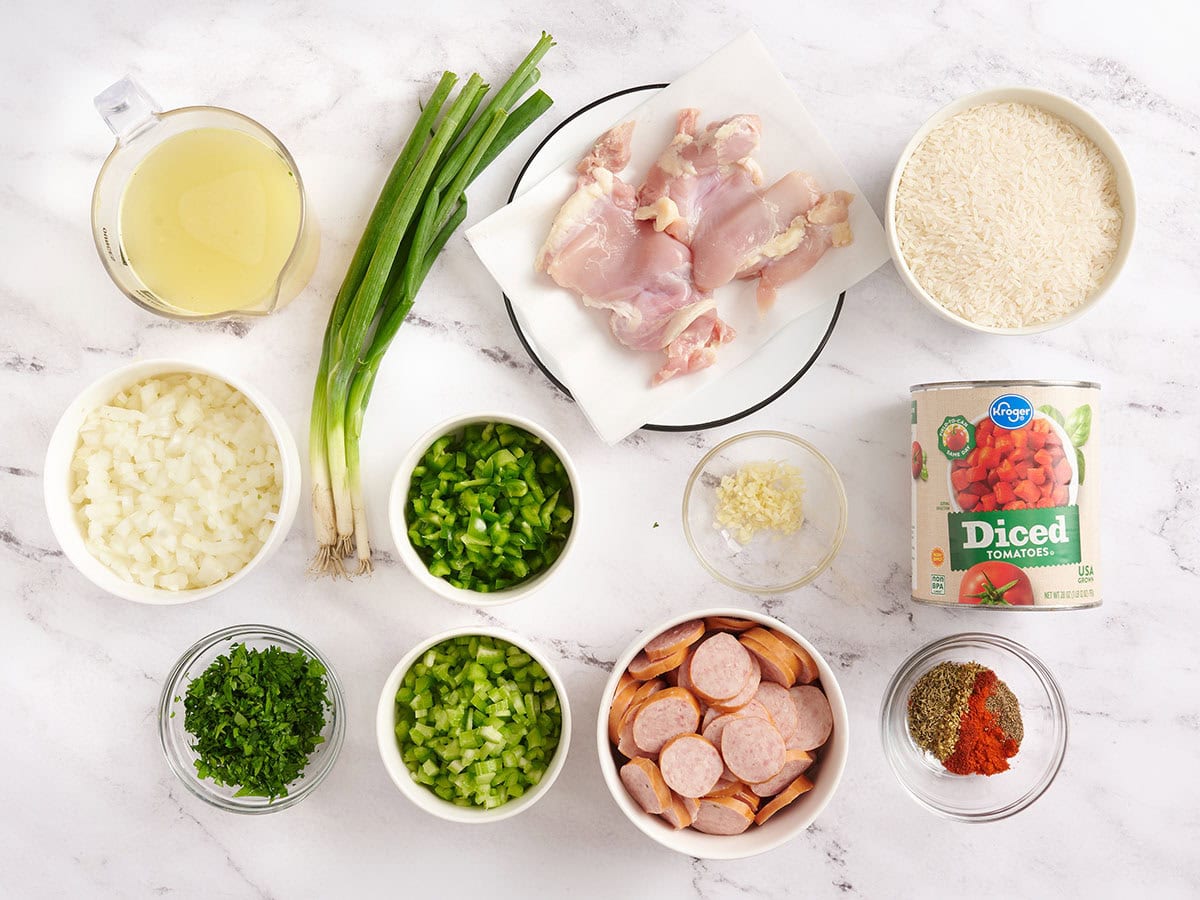
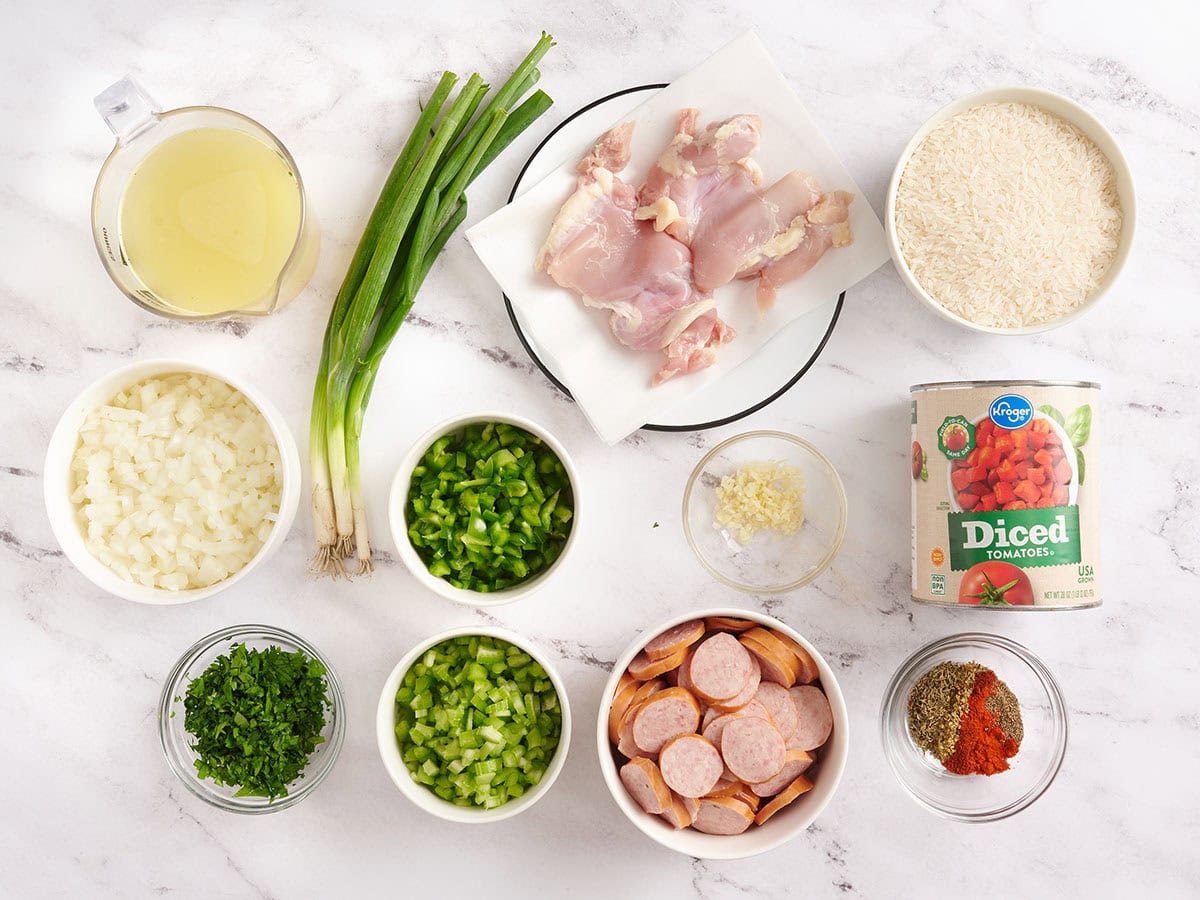
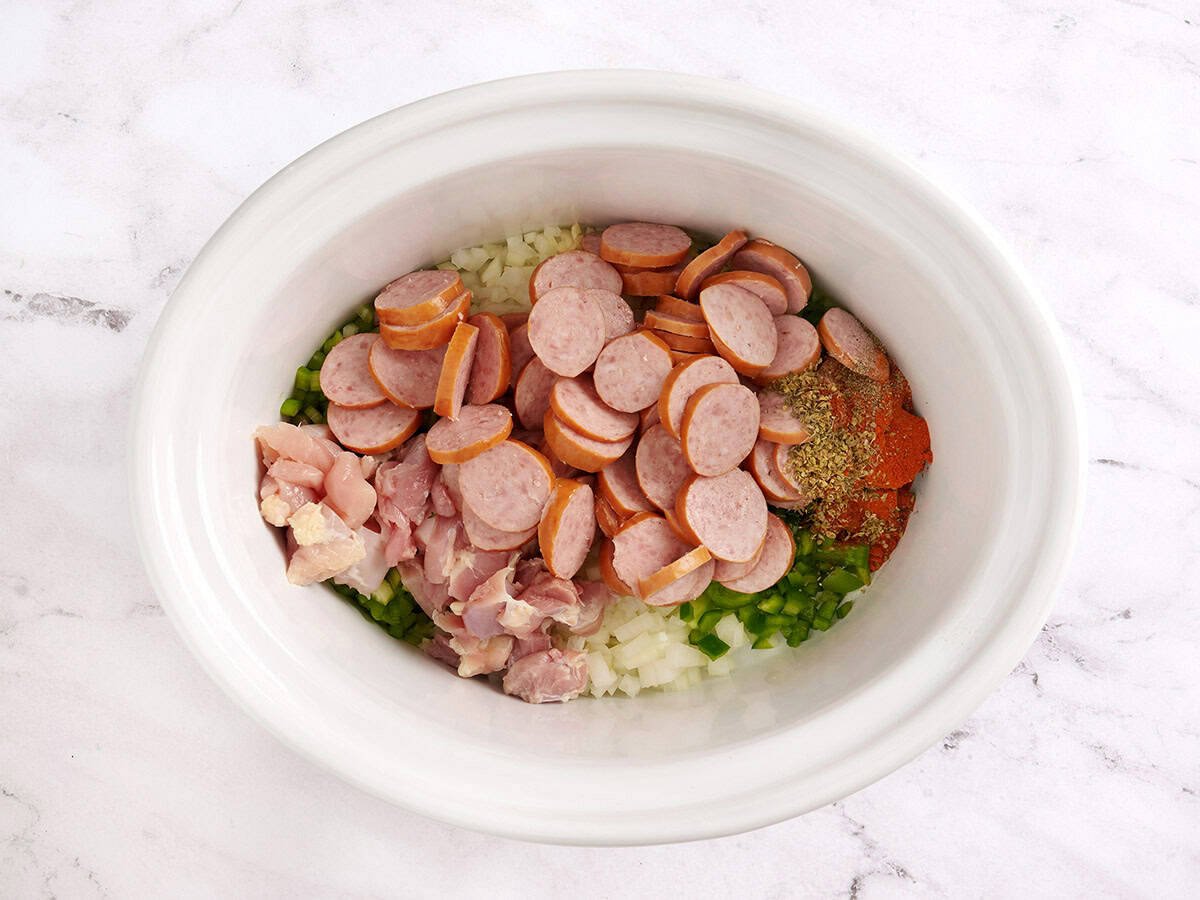
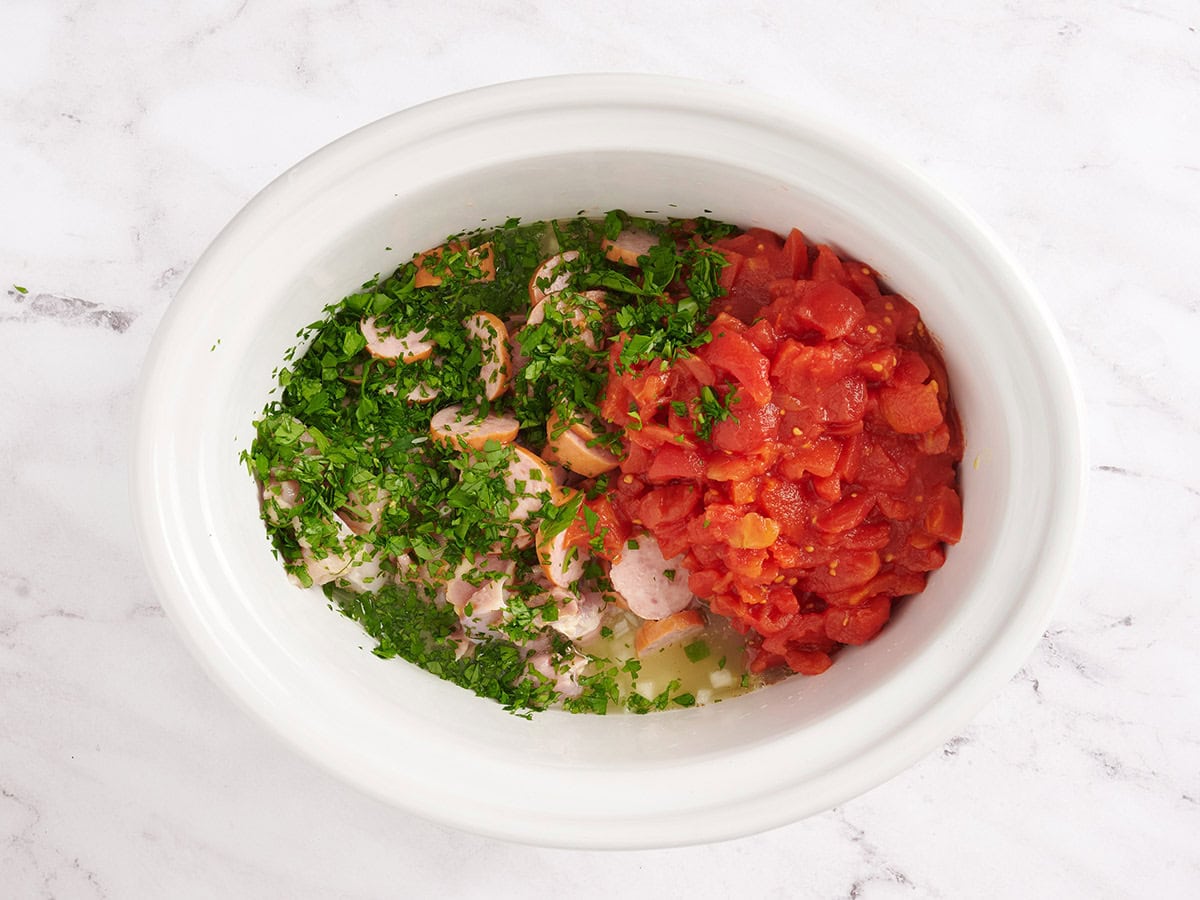
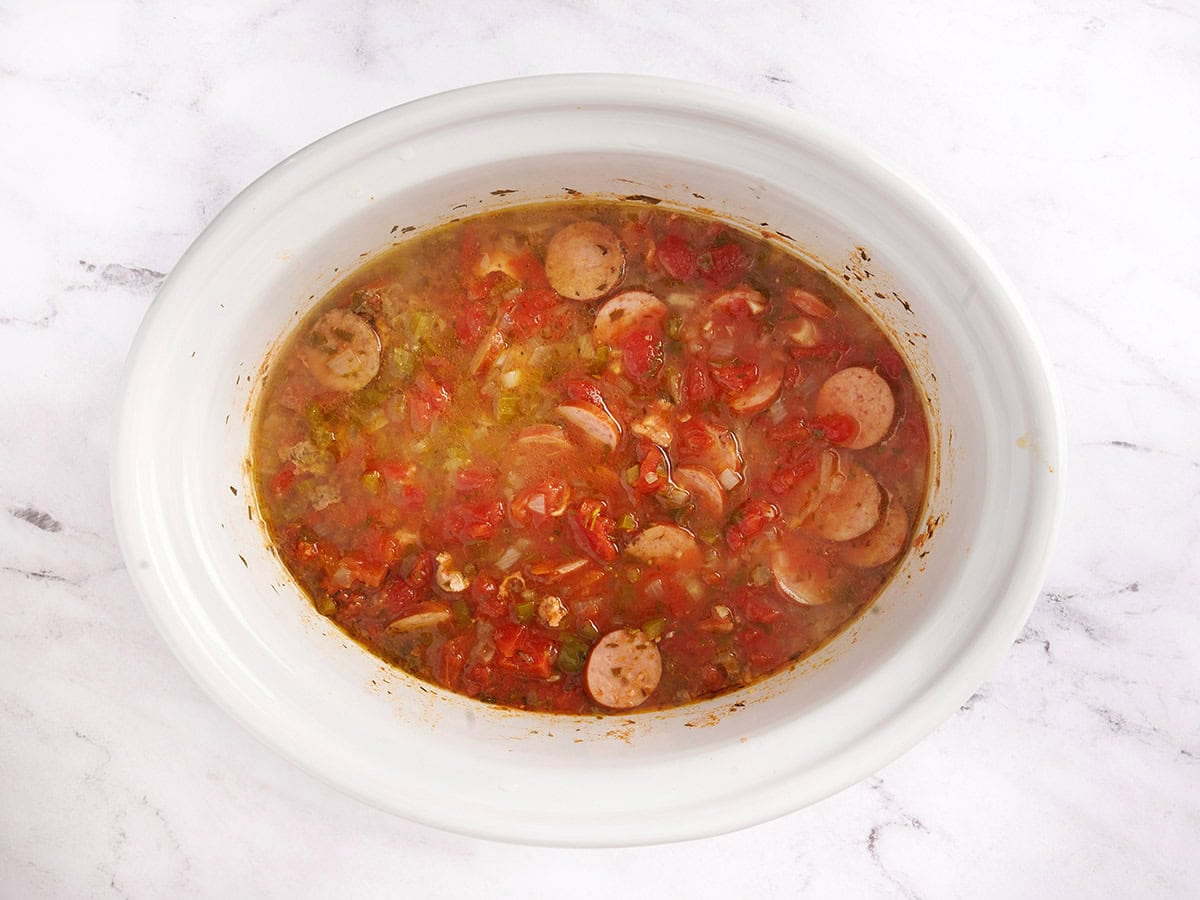
- Initial Phase: Sliced smoked sausage (12-16 oz.), chicken thighs, and the "Holy Trinity" are simmered with 28 oz. of diced tomatoes and 2 cups of chicken broth.
- The Extraction: After four hours, the chicken thighs are removed for shredding. This prevents the protein from over-cooking into a stringy consistency.
- The Rice Integration: Two cups of uncooked long-grain rice are submerged into the boiling liquid.
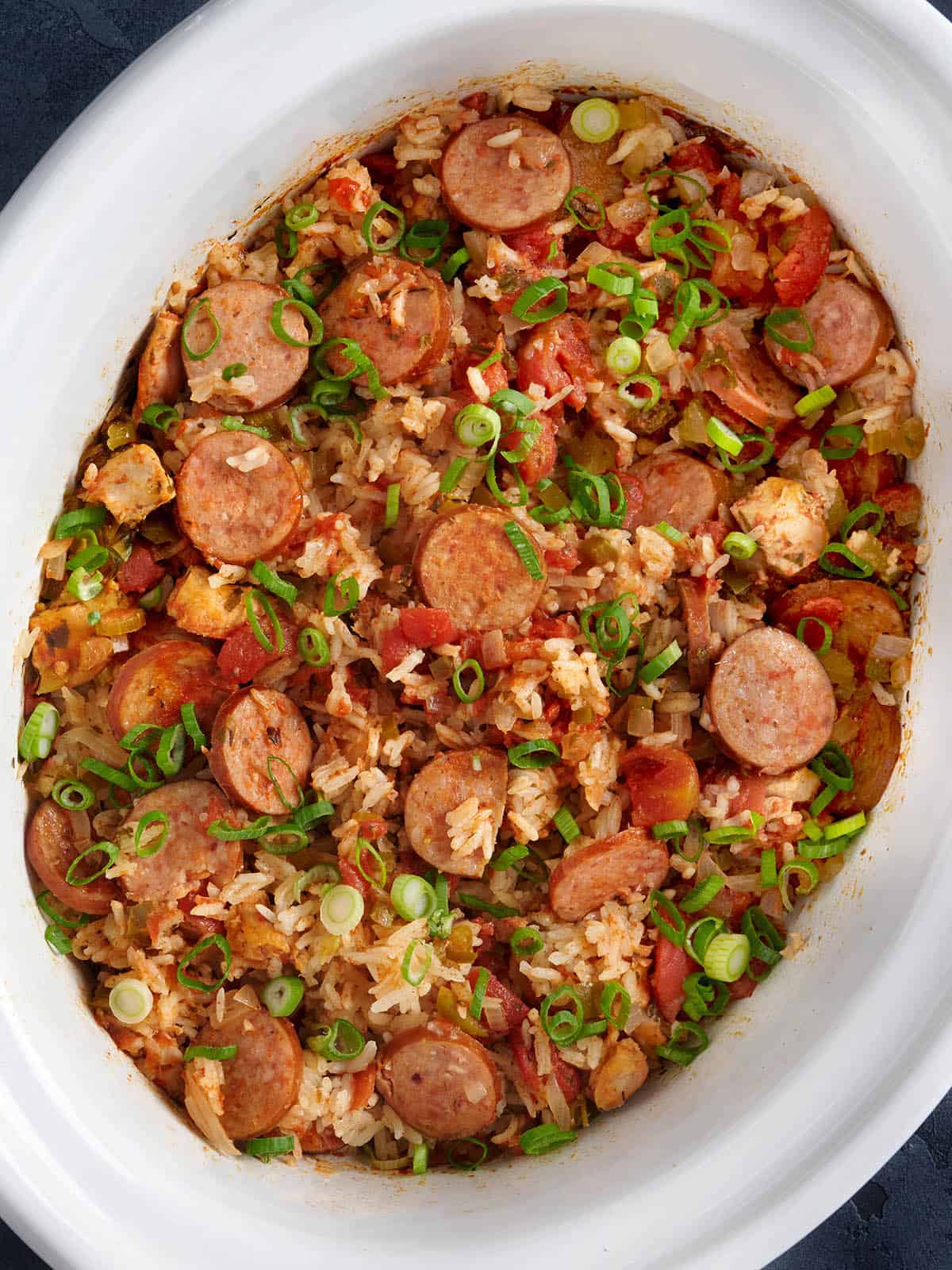
- Final Absorption: The unit remains on "High" for approximately 20 minutes. This precise window allows the rice to reach the al dente stage without the starch granules rupturing and creating a gummy texture.
Nutritional Profile and Public Health Implications
As domestic health concerns regarding processed foods rise, the nutritional data of home-cooked jambalaya offers a favorable alternative. A single serving of this slow-cooker variant contains 348 calories, with 15 grams of protein and 13 grams of fat.
While the sodium content remains a point of consideration at 611mg (27% of the recommended daily value), culinary analysts point out that this is largely dependent on the choice of smoked sausage and broth. The use of concentrated bases like "Better Than Bouillon" allows for more granular control over sodium levels compared to canned alternatives. Furthermore, the inclusion of fresh parsley and green onions as garnishes provides essential micronutrients and antioxidants that are often absent in commercially prepared "heat-and-eat" meals.
Market Reception and Consumer Feedback
The transition to slow-cooker jambalaya has met with positive reception among demographic groups characterized by high time-scarcity, such as parents of young children and working professionals. Testimonials from users, such as a consumer identified as Natalie, highlight the "leftover potential" of the dish, which retains its structural integrity through microwave reheating—a rare quality for rice-based meals.
"This is such an easy weeknight meal for my house," the consumer reported. "I love that there are leftovers for the rest of the week, too! Even our three-year-old twins love the jambalaya!" This feedback underscores the dish’s role as a "comfort food" that bridges the gap between regional specialty and universal family staple.
Strategic Ingredient Selection: The Sausage Variable
Journalistic inquiry into the recipe’s success reveals that the choice of smoked sausage is the primary determinant of the final flavor profile. Traditionalists argue for the use of Andouille, a double-smoked pork sausage of French origin that is synonymous with Louisiana cooking. However, the Nashville Test Kitchen notes that variations such as smoked turkey sausage can be utilized to reduce fat content, though this often results in a less robust flavor profile.
The consensus among culinary testers is that while chicken can be omitted to further reduce costs, the smoked pork sausage is an "essential" component due to its role in seasoning the broth from within. The fat rendered from the sausage during the four-hour simmer acts as the primary vehicle for the fat-soluble spices, including smoked paprika and cayenne pepper.
Broader Culinary Trends and Implications
The modernization of jambalaya via the slow cooker is part of a broader trend of "One Pot Meals" that has seen a surge in popularity on digital recipe platforms. These methods prioritize efficiency without sacrificing the "slow food" ethos of deep flavor development.
From a journalistic perspective, the evolution of this recipe suggests that traditional foodways are not being lost, but rather translated. By adapting a complex 18th-century dish for a 21st-century appliance, the culinary community ensures that regional identities remain relevant in a globalized food market. The ability to produce a culturally significant, nutritionally dense meal for under $1.50 per serving represents a triumph of modern domestic science.
Future Outlook for Slow-Cooked Regional Staples
As slow-cooker technology continues to advance—with newer models offering more precise temperature control and programmable phases—it is likely that more complex Cajun and Creole dishes, such as Gumbo or Etouffee, will undergo similar rigorous testing and adaptation. The Nashville Test Kitchen’s work on jambalaya serves as a blueprint for this process: respect the history of the ingredients, analyze the economics of the components, and solve the technical challenges of the hardware.
In conclusion, the slow-cooker jambalaya is more than a simple recipe; it is a manifestation of culinary resilience. It proves that even in a fast-paced society, the flavors of the Louisiana bayou can be maintained through smart resource management and a fundamental understanding of food science. For the home cook, it offers a rare trifecta: affordability, ease of preparation, and a direct link to one of America’s most storied culinary traditions.