

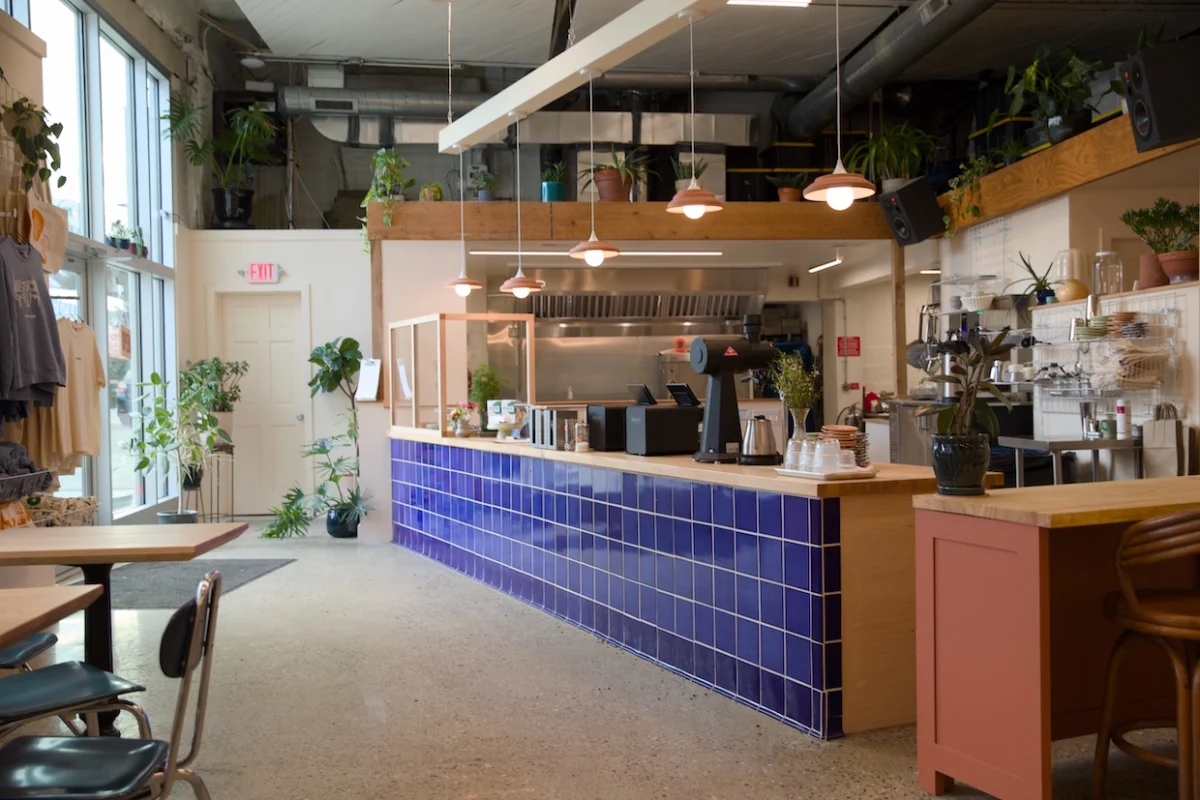
Ann Arbor, Michigan – A new culinary and coffee destination, Espy Cafe, has opened its doors in Ann Arbor, aiming to redefine the cafe experience through a meticulous focus on ingredient sourcing, innovative culinary creations, and a deep commitment to employee well-being. Located at 404 W Huron St., the cafe occupies a transformed light-industrial building, bringing natural light and a welcoming atmosphere to the western edge of downtown Ann Arbor.
Espy Cafe distinguishes itself by offering a menu of scratch-made food and beverages infused with subtle global flavors. This approach is evident in signature dishes such as a trout sandwich served on house-made Palestinian-style taboon flatbread, enhanced with the vibrant notes of chermoula and harissa. Salads are elevated with pistachio aillade, and a unique house-made apple soda, crafted from a reduction of local cider, further showcases the cafe’s dedication to artisanal preparation. For espresso beverages, patrons can opt for house-made hazelnut orgeat syrup, adding a distinctive nutty sweetness.
The cafe’s commitment to quality extends to its dairy and non-dairy milk options. Classic espresso drinks, featuring Espy’s own roasted coffee, can be prepared with A2 dairy or with Ope Milk, a proprietary house-made milk. Co-founder Peter Littlejohn described Ope Milk as a beverage engineered to closely mimic the nutritional profile of dairy milk, theoretically matching its levels of protein, sugars, fat, calcium, and phosphorus. "We’re using amylase enzymes to break down the starches of oat porridge just like the commercial brands do, but we’re blending in stone-ground sunflower butter as opposed to neutral oil, which also brings along the naturally occurring lecithin and proteins," Littlejohn explained. "It’s super creamy and tastes great." This innovative approach to alternative milk production underscores Espy Cafe’s dedication to both flavor and dietary considerations.
A Space Designed for Connection and Craftsmanship
The physical space of Espy Cafe is as thoughtfully curated as its menu. Long communal tables set a tone of shared experience, encouraging interaction among patrons. Carpenter Jim Pudar, who has a history of collaborating on projects that blend functionality with artistic integrity, was instrumental in crafting the cafe’s interior. He milled Michigan-native hard maple and red oak to fashion the bar, tables, and cabinets, imbuing the space with a distinct handcrafted aesthetic. The tabletops, a substantial two inches thick, rest on robust wooden trestle bases constructed with oversized mortise-and-tenon joinery, designed for durability and to withstand the daily wear and tear of a bustling cafe environment.
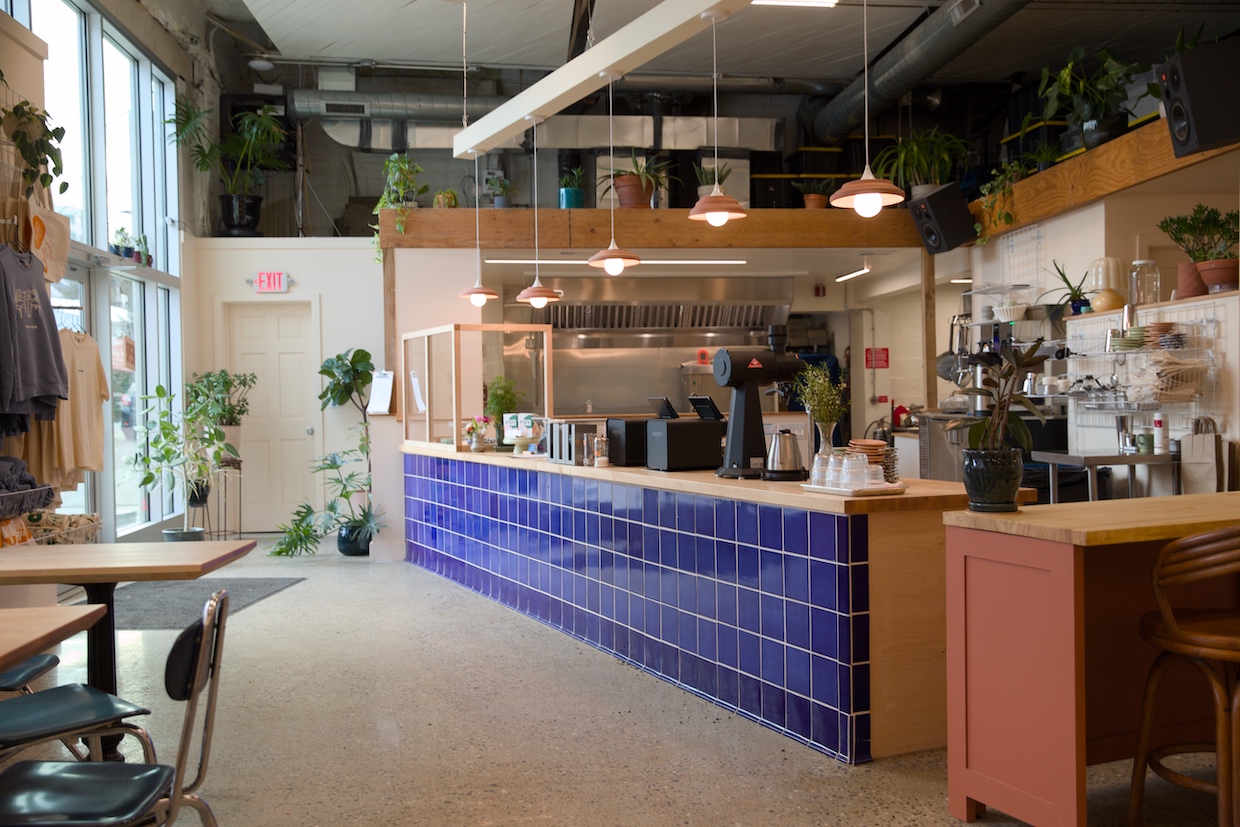
Pudar commented on the unique atmosphere he helped create: "The juxtaposition of the heirloom quality tables with the thrift store school chairs captures something specific about the project. I can’t quite put my finger on what to call it, but it’s perfect." This intentional blending of styles contributes to the cafe’s approachable yet sophisticated ambiance.
The bar area is a testament to Espy Cafe’s commitment to high-quality coffee preparation and a streamlined customer experience. Two single-group Decent DE1XXL espresso machines are integrated into recessed bar stations, minimizing visual clutter and allowing for open sightlines. A Mahlkönig EK43 grinder is employed for single-dose grinding, ensuring optimal freshness for each shot. Rinse stations and other tools are also recessed, creating a low-profile platform that facilitates conversation between baristas and customers. The beverages are served in more than 300 unique ceramic pieces, meticulously handcrafted over a year and a half by Anna Schwartz of Ypsi Clay House, further emphasizing the cafe’s dedication to artisanal production.
"For whatever reason, people really talk here, both to friends and to strangers," Littlejohn observed. "I think that has to be at least partially because of how the space was built and all of the millions of choices made along the way." This sentiment highlights the intentional design choices aimed at fostering a sense of community and encouraging genuine human connection.
The Genesis of Espy Cafe: A Journey of Resilience and Refinement
The story behind Espy Cafe is one of adaptation and perseverance. Co-founders Sam Schaefer and Peter Littlejohn, who initially met while pursuing music studies at the University of Michigan, originally envisioned launching Mockingbird Coffee, a roastery and tasting room concept for Ann Arbor. However, the project faced an unexpected setback when Mockingbird’s investor withdrew due to personal circumstances.
Undeterred, Schaefer and Littlejohn salvaged what they could of the project’s green coffee inventory. They found crucial support from friends at Anthology Coffee in Detroit, owned by Josh Longsdorf. Anthology provided essential storage facilities and access to roasting equipment, enabling Schaefer and Littlejohn to regroup and re-strategize.

During this period of transition, Schaefer also joined the Anthology team as a barista, a role that allowed him to maintain hands-on experience in the coffee industry. He continues to roast Espy’s coffee beans at the Detroit facility, utilizing Anthology’s IMF RM-15 machine for production. This collaborative arrangement highlights the strong community ties within the Michigan coffee scene.
Espy Cafe sources its green coffee beans through reputable traders such as Semilla and Sundog Trading. Schaefer emphasized their selection criteria: "Semilla is committed to implementing equity in a specific and practical way, and that’s the metric for how we pick our coffees," he stated. "We commit to multi-year buying from one project at a time and we only add variety as we can sustain more volume, rather than leaving our annual commitment behind." This deliberate approach to sourcing coffee not only ensures quality but also supports ethical and sustainable practices within the global coffee supply chain, often focusing on long-term partnerships with producers.
A Commitment to Equity: Beyond Sourcing
Espy Cafe’s dedication to equity extends beyond its coffee procurement practices to its internal operations and employee relations. While a long-term vision includes exploring worker ownership, current funding structures, particularly those tied to a Small Business Administration loan that facilitated the cafe’s build-out, present certain limitations. Nevertheless, the founders are committed to fostering a democratic workplace. Decisions will continue to be made collaboratively, hourly wages will be standardized across the team, and profit-sharing will be distributed based on hours worked, ensuring a transparent and equitable compensation model.
This commitment to equitable employment practices is increasingly becoming a significant differentiator in the food and beverage industry, resonating with consumers who are more conscious of the ethical standards of the businesses they support. By prioritizing fair wages and profit-sharing, Espy Cafe aims to cultivate a loyal and motivated workforce, which in turn contributes to a positive customer experience.
Refining the Vision: Surprise and Delight

With the cafe now operational and engaging with the public, Schaefer and Littlejohn are focused on refining their offerings and gathering feedback from their guests. They view Espy Cafe as a space designed to evoke a sense of surprise and delight, a core tenet of the cafe experience.
"I think that this is the kind of space that people really crave. We’re not doing anything super heavy-handed from a service perspective, just having fun making the bevs and foods we like," Littlejohn remarked. "I think cafe magic, compared to restaurants, often comes down to surprise and delight and flexibility, so we’re trying to do our best at a lot of different things.” This philosophy suggests an agile approach to operations, open to innovation and responsive to customer preferences.
The cafe’s location on the western edge of downtown Ann Arbor places it in a vibrant urban environment, yet slightly removed from the immediate hustle, potentially offering a more relaxed atmosphere for patrons. The city of Ann Arbor itself, with its strong academic presence from the University of Michigan and a growing appreciation for artisanal food and beverage establishments, provides a fertile ground for a concept like Espy Cafe. The cafe’s emphasis on handcrafted products, global flavors, and community engagement is well-aligned with the demographic and cultural landscape of the region.
The success of Espy Cafe will likely be measured not only by its culinary and coffee offerings but also by its ability to foster a genuine sense of community. The deliberate design of the space, the thoughtful sourcing of ingredients, and the commitment to employee well-being all contribute to a holistic vision that aims to offer more than just a place to grab a drink or a meal. It seeks to be a destination that surprises, delights, and perhaps even inspires its patrons. As Espy Cafe continues to evolve, its dedication to these core principles will undoubtedly shape its identity and its impact on the Ann Arbor dining scene.