


An easy, rustic, one-pan dish featuring eggs delicately poached in a rich, savory, and garlicky tomato sauce, "Eggs in Purgatory" is a testament to the power of simple, high-quality ingredients coming together to create a profoundly satisfying meal. This Italian-inspired dish, often referred to as uova in purgatorio, is more than just a recipe; it’s an experience, best savored with generous portions of crusty bread for dipping into its flavorful depths. The name itself evokes a vivid image: the vibrant red tomato sauce representing the flames of purgatory, with the poached eggs symbolizing the souls finding solace within.
This culinary gem offers a compelling alternative to more complex breakfast or brunch dishes, emphasizing ease of preparation without compromising on taste or visual appeal. Its one-pan nature translates to minimal cleanup, a significant advantage for busy individuals or those seeking a stress-free meal. The core of the dish lies in its deceptively simple construction: a robust tomato base infused with garlic, providing a warm, comforting embrace for the gently cooked eggs. The resulting dish is a harmonious blend of textures and flavors, appealing to a wide range of palates.

Understanding the Origins: Eggs in Purgatory vs. Shakshuka
While sharing a common thread of eggs poached in a tomato-based sauce, "Eggs in Purgatory" has distinct characteristics that set it apart from its North African cousin, Shakshuka. "Eggs in Purgatory," or uova in purgatorio, is an Italian creation. Its hallmark is a rich, savory tomato sauce, often enhanced with garlic and sometimes finished with fresh herbs and cheese. The dish’s name is a poetic interpretation of its visual and thematic elements, drawing a parallel between the fiery red sauce and the spiritual concept of purgatory, with the eggs representing souls in a state of transition.
Shakshuka, on the other hand, originates from North Africa and features a tomato sauce that typically incorporates a more complex spice profile, often including cumin and paprika. A key distinguishing feature of Shakshuka is the frequent inclusion of bell peppers, adding a different layer of sweetness and texture to the sauce. While both dishes offer a comforting and flavorful egg-and-tomato experience, the Italian version leans towards a more straightforward, garlic-forward tomato base, while Shakshuka embraces a more spiced and vegetable-rich profile. This distinction highlights the diverse culinary interpretations of a shared cooking technique across different cultures.
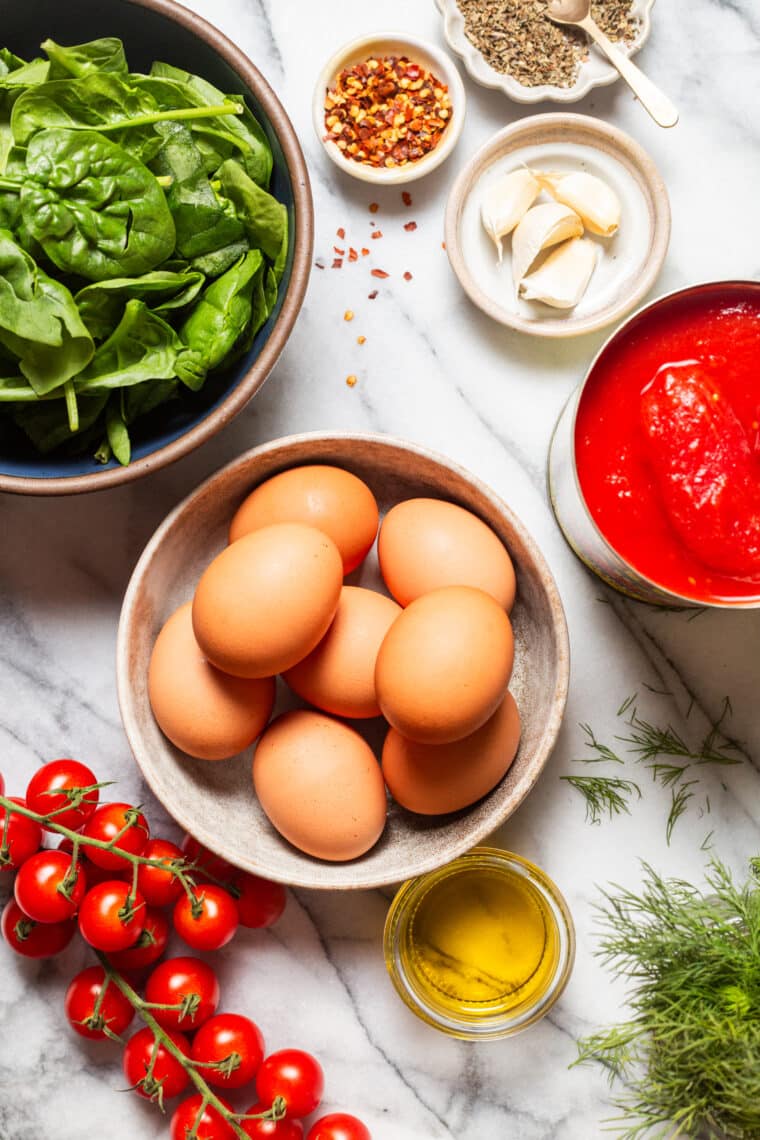
The Allure of Simplicity: Why "Eggs in Purgatory" Captivates
The appeal of "Eggs in Purgatory" lies in its inherent simplicity and the comforting familiarity of its ingredients. It’s a dish that speaks to the soul, offering warmth and satisfaction with every bite. Its rustic charm and straightforward preparation make it an accessible culinary endeavor for cooks of all skill levels.
- Ease of Preparation: The beauty of a one-pan dish cannot be overstated. The minimal number of dishes used translates directly to less time spent on cleanup, allowing for more enjoyment of the meal and the company it is shared with. This efficiency makes it an ideal option for weeknight dinners or leisurely weekend brunches.
- Flavorful Foundation: The success of "Eggs in Purgatory" hinges on the quality of its tomato sauce. A well-made sauce, infused with aromatic garlic, forms a robust and savory base that perfectly complements the delicate eggs. The rich flavor profile is a testament to the power of slow simmering and the strategic use of simple seasonings.
- Versatility and Customization: While the basic recipe is delicious on its own, "Eggs in Purgatory" offers a remarkable canvas for culinary creativity. The dish can be easily adapted to individual preferences and dietary needs through a variety of optional additions. This adaptability ensures that the dish remains fresh and exciting, even with repeated preparation.
- Nutritional Value: Eggs are a fantastic source of high-quality protein, essential vitamins, and minerals. Tomatoes, the other primary component, are rich in antioxidants like lycopene and vitamin C. When greens are added, the dish further boosts its nutritional profile with fiber, vitamins, and minerals. This makes "Eggs in Purgatory" a wholesome and satisfying meal choice.
- Cost-Effectiveness: The core ingredients for "Eggs in Purgatory" – eggs, tomatoes, garlic, and pantry staples – are generally very affordable. This makes it an economically viable option for regular inclusion in a meal rotation, providing delicious and nourishing meals without breaking the bank.
Crafting the Perfect "Eggs in Purgatory": Tips and Techniques

Achieving a truly exceptional "Eggs in Purgatory" involves a few key considerations and techniques that elevate the dish from good to great. While the recipe is inherently forgiving, paying attention to these details can significantly enhance the final outcome.
- The Tomato Sauce Base: The foundation of this dish is a rich, flavorful tomato sauce. Using high-quality canned crushed or diced tomatoes is often recommended, as they provide a consistent and deep tomato flavor. Sautéing the garlic until fragrant but not browned is crucial to avoid bitterness. A touch of sweetness, perhaps from a pinch of sugar or a drizzle of honey, can balance the acidity of the tomatoes. For a more complex flavor, consider adding a splash of red wine or a bay leaf during the simmering process.
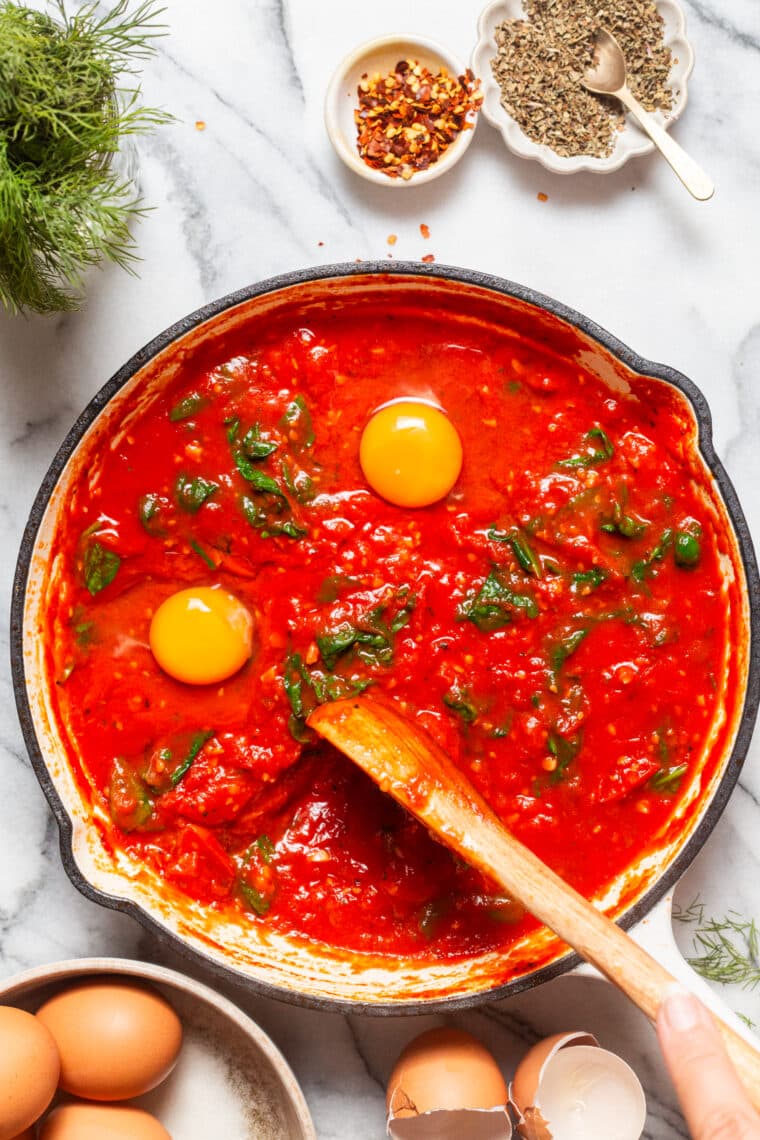
- Poaching the Eggs: The eggs are the stars of the show, and their perfect poaching is paramount. Once the sauce has reached a gentle simmer, create small wells in the sauce for each egg. Carefully crack the eggs directly into these wells, ensuring the yolks remain intact. Cover the pan and allow the eggs to poach gently. The cooking time will depend on your desired level of yolk runniness. For a truly runny yolk, about 5-7 minutes is typically sufficient.
- Achieving the Right Consistency: The sauce should be thick enough to coat the back of a spoon but not so thick that it becomes paste-like. If the sauce appears too thin, allow it to simmer uncovered for a few extra minutes to reduce. Conversely, if it’s too thick, a small amount of water or vegetable broth can be added to achieve the desired consistency.
- The Crusty Bread Imperative: The inclusion of crusty bread is not merely a suggestion but an essential element of the "Eggs in Purgatory" experience. A good quality baguette, ciabatta, or sourdough, lightly toasted or warmed, provides the perfect vehicle for sopping up the rich tomato sauce and runny egg yolks. This interactive element is key to the dish’s communal and comforting nature.
- Finishing Touches: A sprinkle of fresh herbs like basil or parsley adds a burst of freshness and color. A dusting of grated Parmesan or Pecorino Romano cheese can further enhance the savory notes of the dish. A drizzle of good quality olive oil just before serving adds a final touch of richness and visual appeal.
Pro Tip: Strategic Sauce Preparation for Time Efficiency
A valuable strategy for maximizing efficiency when preparing "Eggs in Purgatory" is to prepare the tomato sauce in advance. The robust flavor of the sauce often benefits from resting, allowing the ingredients to meld and deepen. The sauce can be made up to three days ahead of time and stored in an airtight container in the refrigerator.
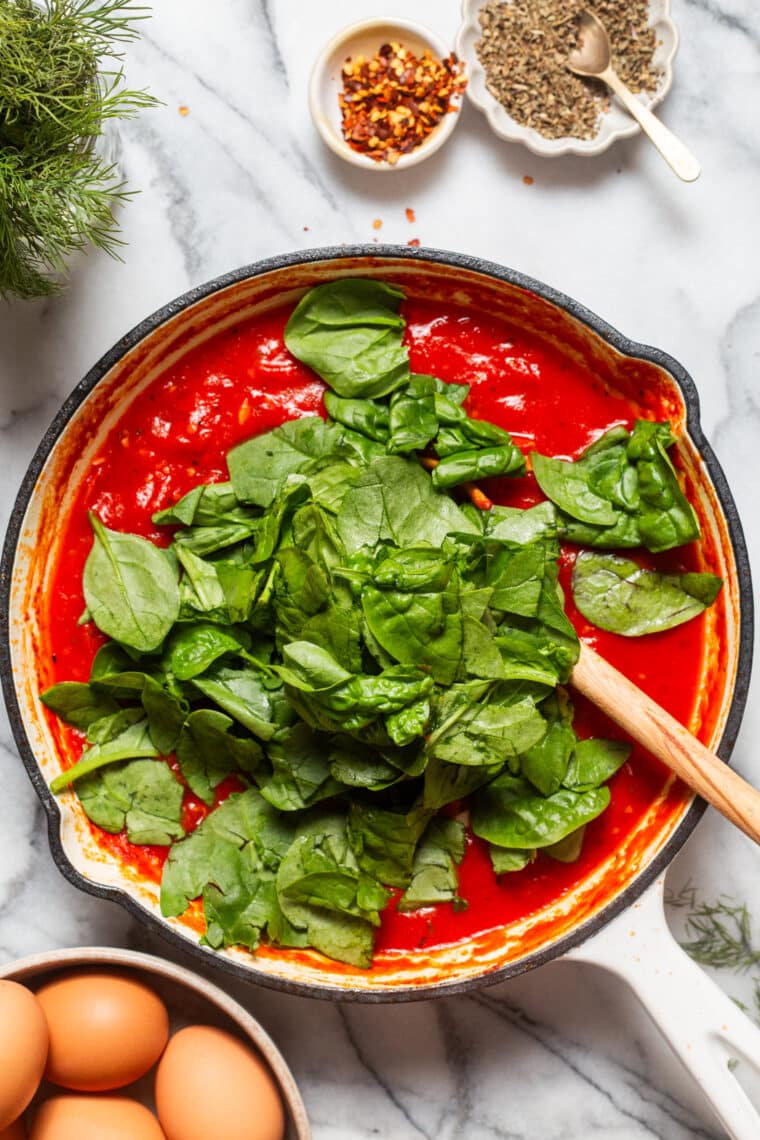
When ready to serve, gently reheat the sauce over medium-low heat. Once it reaches a simmer, it can then be used as the base for poaching the eggs. This "make-ahead" approach significantly streamlines the cooking process on busy days, transforming a potentially time-consuming meal into a quick and effortless delight. This proactive step ensures that a delicious and comforting meal is always within easy reach.
Exploring Culinary Horizons: Variations and Mix-ins
The inherent versatility of "Eggs in Purgatory" allows for a delightful array of variations and additions, catering to diverse tastes and culinary explorations. These enhancements can transform the dish from a simple staple into a more elaborate and personalized creation.
- Meaty Delights: For those seeking a heartier meal, the addition of cooked meats can provide a significant flavor and texture boost. Crumbled Italian sausage, whether sweet or spicy, introduces a savory depth. Diced pancetta or crispy bacon offers a salty, smoky counterpoint to the tomato base. These additions can be sautéed before the sauce is made, allowing their rendered fat to infuse the sauce with additional flavor.
- Briny Accents: Olives and capers contribute a distinct briny, salty, and slightly piquant flavor that cuts through the richness of the tomato sauce. Black or green olives, pitted and halved or sliced, work wonderfully. Capers, with their intense flavor, should be used sparingly.
- Legumes for Substance: Incorporating beans like cannellini or chickpeas can add a creamy texture and a boost of fiber and protein, making the dish even more substantial and satisfying. These can be added towards the end of the sauce simmering to warm through.
- Vegetable Medley: Beyond the tomato base, a variety of vegetables can be incorporated to add complexity and nutritional value. Sautéed bell peppers (red, yellow, or green) offer sweetness and a slight crunch. Zucchini, mushrooms, or eggplant, when diced and cooked until tender, absorb the flavors of the sauce beautifully.
- Embracing Leafy Greens: The addition of leafy greens is a popular and healthy way to enhance "Eggs in Purgatory." Spinach wilts quickly and adds a mild, earthy flavor. Kale, collard greens, or Swiss chard, while requiring a bit more cooking time, offer a more robust texture and a wealth of nutrients. Arugula, added at the very end, provides a peppery bite.
- Aromatic Herb Garden: Fresh herbs are crucial for elevating the final dish. Basil, with its sweet, peppery notes, is a classic pairing. Parsley adds a clean, herbaceous finish. Thyme, rosemary, dill, or chives can also be used to impart unique aromatic qualities, depending on personal preference.
Addressing Common Inquiries: Frequently Asked Questions
The widespread popularity of "Eggs in Purgatory" has naturally led to a series of common questions from home cooks seeking to perfect their preparation and understand its nuances.
- What can I substitute for the spinach?
If spinach is not to your liking or availability is an issue, several excellent alternatives exist. Heartier greens like kale, collard greens, or Swiss chard offer a more robust texture and a richer nutrient profile; they may require a slightly longer cooking time to soften. Arugula, added in the final moments of cooking, provides a peppery kick. - Can I make eggs in purgatory ahead of time?
Yes, the tomato sauce base for "Eggs in Purgatory" can absolutely be prepared in advance. It can be made up to three days ahead of time and stored in an airtight container in the refrigerator. This allows the flavors to meld and deepen. When ready to serve, simply reheat the sauce gently over medium-low heat until it simmers before adding the spinach and eggs for poaching. - How can I store leftovers?
Leftovers of "Eggs in Purgatory" can be stored in an airtight container in the refrigerator for approximately 3-4 days. For optimal quality, it is recommended to store the poached eggs and the tomato sauce separately. This prevents the eggs from becoming overcooked or rubbery during reheating. When ready to consume, gently reheat the sauce and then carefully reintroduce the eggs or poach fresh ones in the warmed sauce.
Broader Culinary Context and Implications

The enduring popularity of "Eggs in Purgatory" speaks to a broader culinary trend: the appreciation for simple, comforting, and globally inspired dishes. In an era often characterized by complex gastronomy, the appeal of a dish that relies on fundamental flavors and straightforward techniques is undeniable. Its Italian heritage, coupled with its similarities to other dishes like Shakshuka, highlights the interconnectedness of global cuisines and the way similar ingredients and cooking methods can be interpreted in distinct and delicious ways across cultures.
The ease with which "Eggs in Purgatory" can be adapted and personalized also reflects a growing interest in home cooking as a form of creative expression. The ability to customize the dish with various meats, vegetables, and herbs allows individuals to tailor it to their specific dietary needs and flavor preferences, fostering a sense of ownership and culinary engagement.
Furthermore, the dish’s affordability and nutritional value make it an important consideration for those seeking budget-friendly yet wholesome meal options. In a time of rising food costs, recipes like "Eggs in Purgatory" provide a accessible pathway to healthy and satisfying eating. Its emergence in popular food media and recipe blogs underscores its status as a modern comfort food classic, appreciated for its deliciousness, simplicity, and the warmth it brings to the table. The enduring appeal of this rustic Italian dish suggests it will continue to be a beloved staple for home cooks for years to come.