


The culinary landscape of 2024 and 2025 has been increasingly defined by a return to foundational cooking, as evidenced by the recent release of a specialized Chicken Broth Bowl protocol from the Nashville Test Kitchen. This development comes at a time when consumer interest in "broth bowls"—a contemporary rebranding of traditional nutrient-dense soups—has surged across social media platforms. While the terminology may suggest a passing digital trend, culinary analysts and home economists suggest that the rise of these dishes is rooted in a pragmatic response to fluctuating grocery prices and a heightened focus on high-protein, cost-effective nutrition. The Nashville-based recipe highlights a strategic use of pantry staples and accessible proteins, achieving a cost-to-yield ratio that significantly undercuts the current average price of fast-casual dining.

The Economic Context of the Broth Bowl Phenomenon
According to recent data from the Bureau of Labor Statistics (BLS), the Consumer Price Index for food at home has remained a primary concern for American households. In this economic climate, the Chicken Broth Bowl serves as a case study in "budget-optimized" nutrition. The total cost for a four-serving batch is calculated at approximately $7.53, resulting in a per-serving cost of $1.89. This figure represents a fraction of the cost of a comparable meal at a national soup-and-salad chain, where prices for similar bowls frequently range between $12.00 and $16.00.

The choice of ingredients within the Nashville Test Kitchen’s model reflects a deep understanding of market availability. By utilizing boneless chicken thighs, which were sourced at approximately $2.18 per pound, the recipe prioritizes a higher fat content and flavor profile over more expensive, leaner cuts like chicken breast. Furthermore, the reliance on white rice—a global pantry staple with a long shelf life—ensures that the bulk of the meal remains shelf-stable and inexpensive. The use of concentrated bases, such as "Better Than Bouillon," further optimizes the cost, as these products offer a significantly lower price-per-ounce compared to pre-packaged liquid cartons.
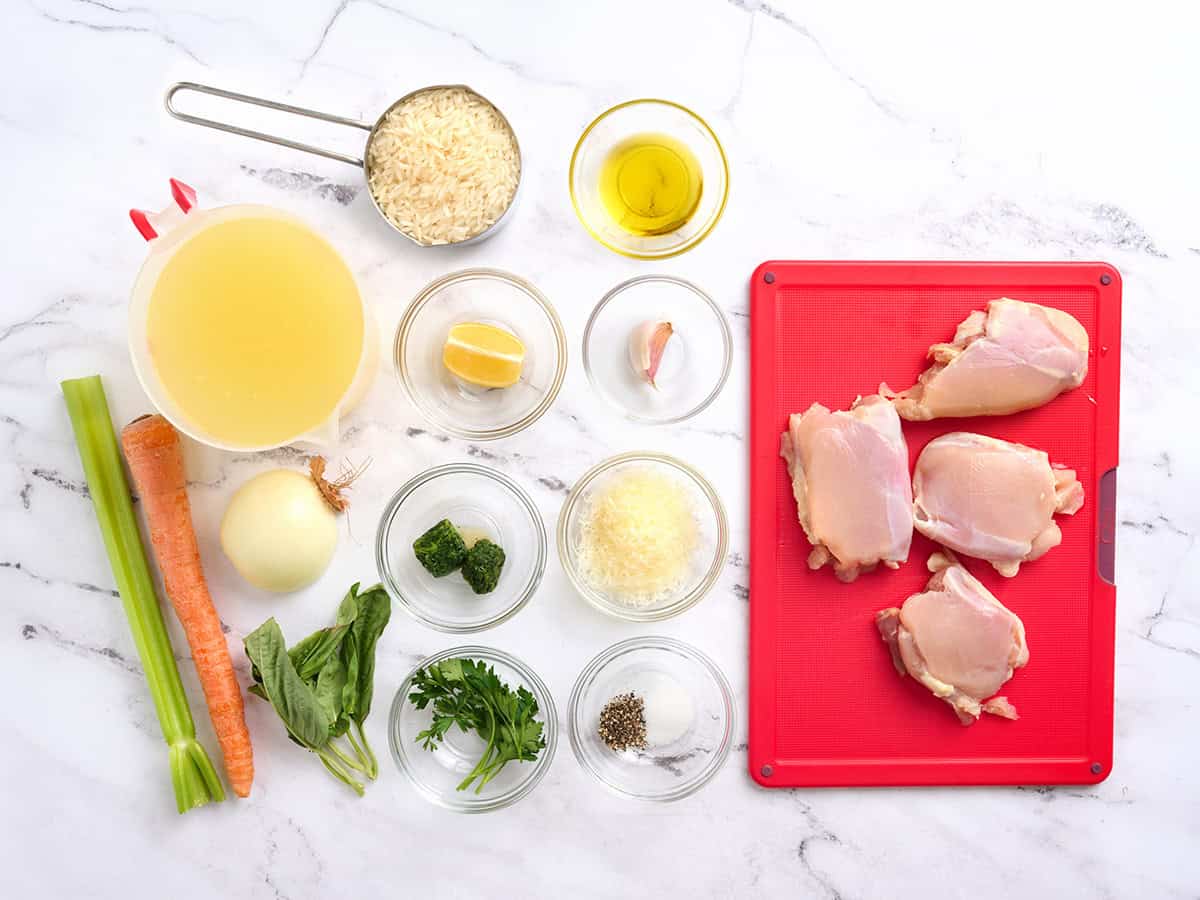
Culinary Chronology and Technical Methodology
The preparation of the Chicken Broth Bowl follows a strict technical sequence designed to maximize flavor extraction within a one-pot framework. This "one-pot" philosophy is not merely a convenience but a culinary strategy to preserve all nutrient runoff and "fond"—the caramelized proteins left on the bottom of a pan.
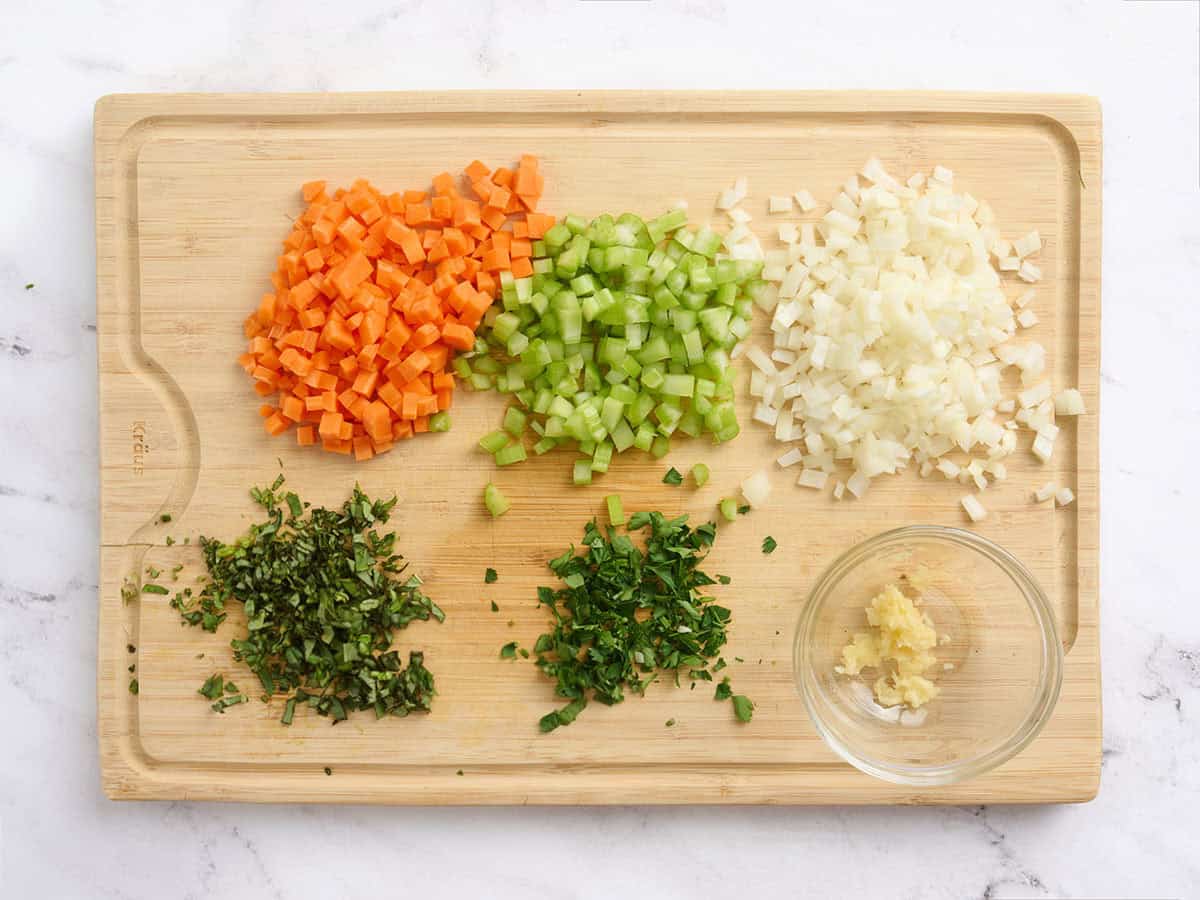
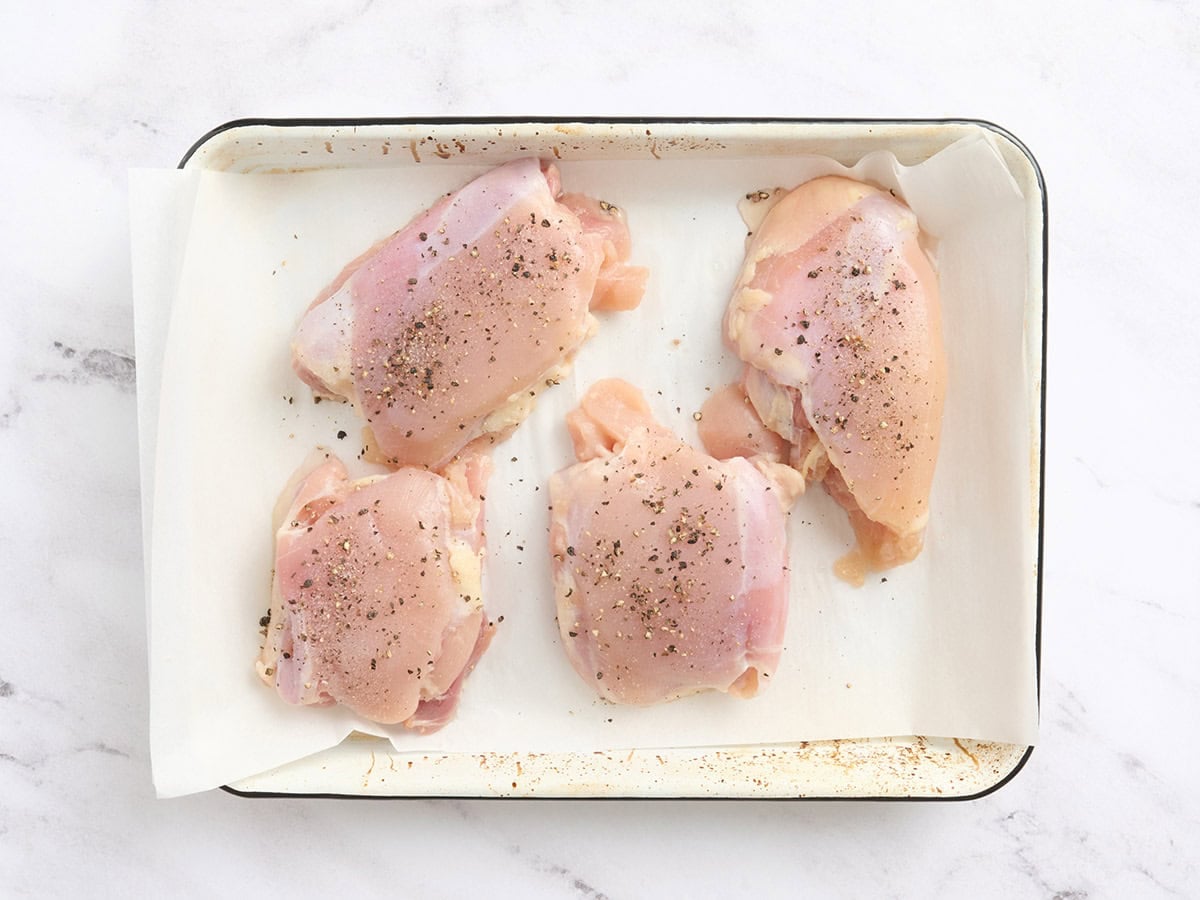
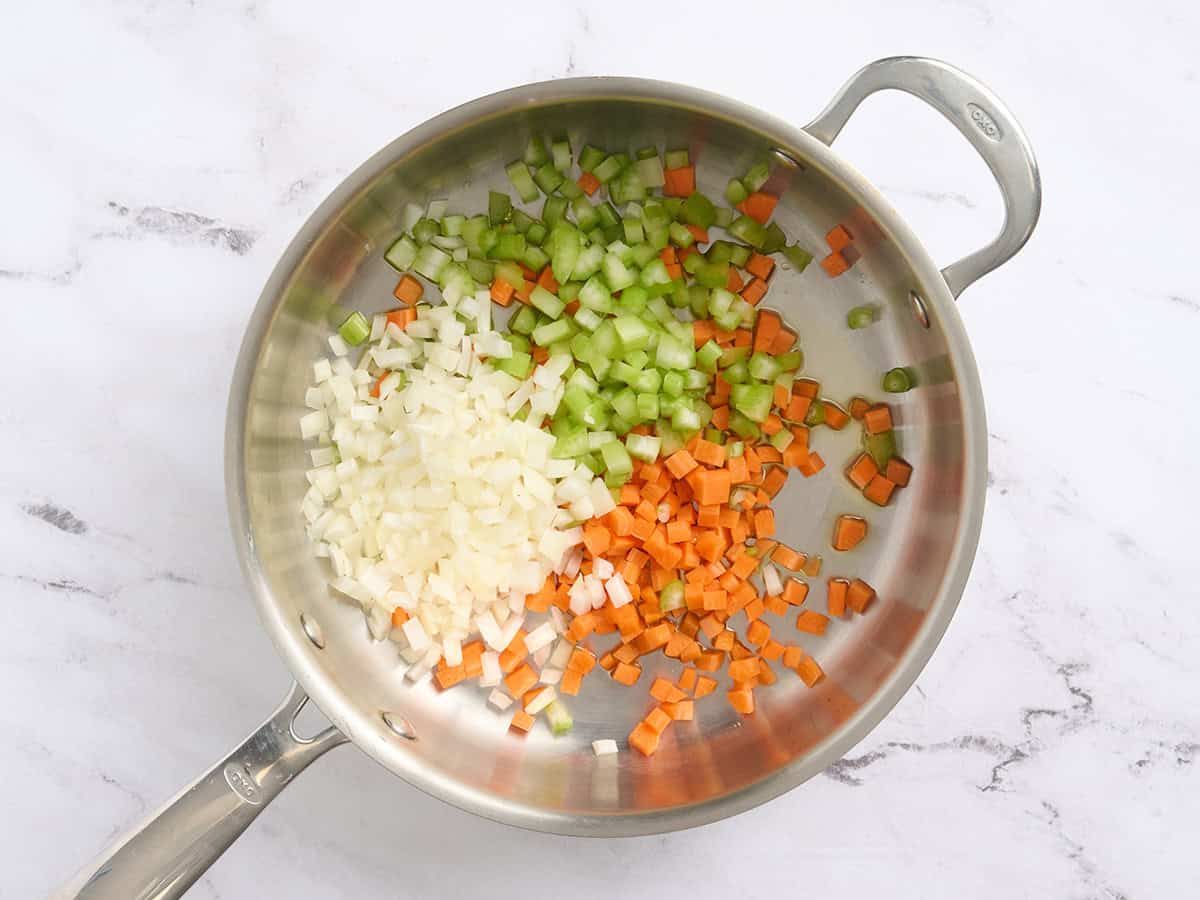
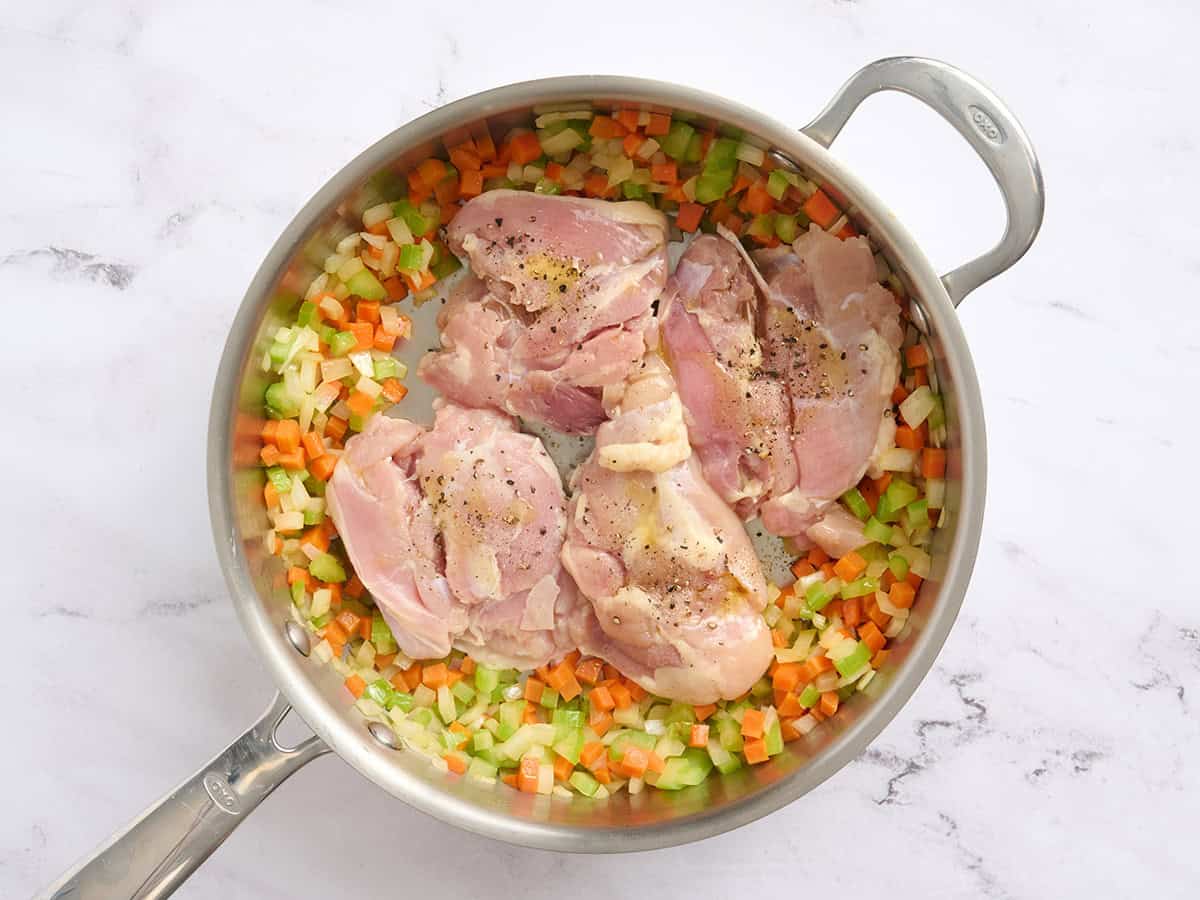
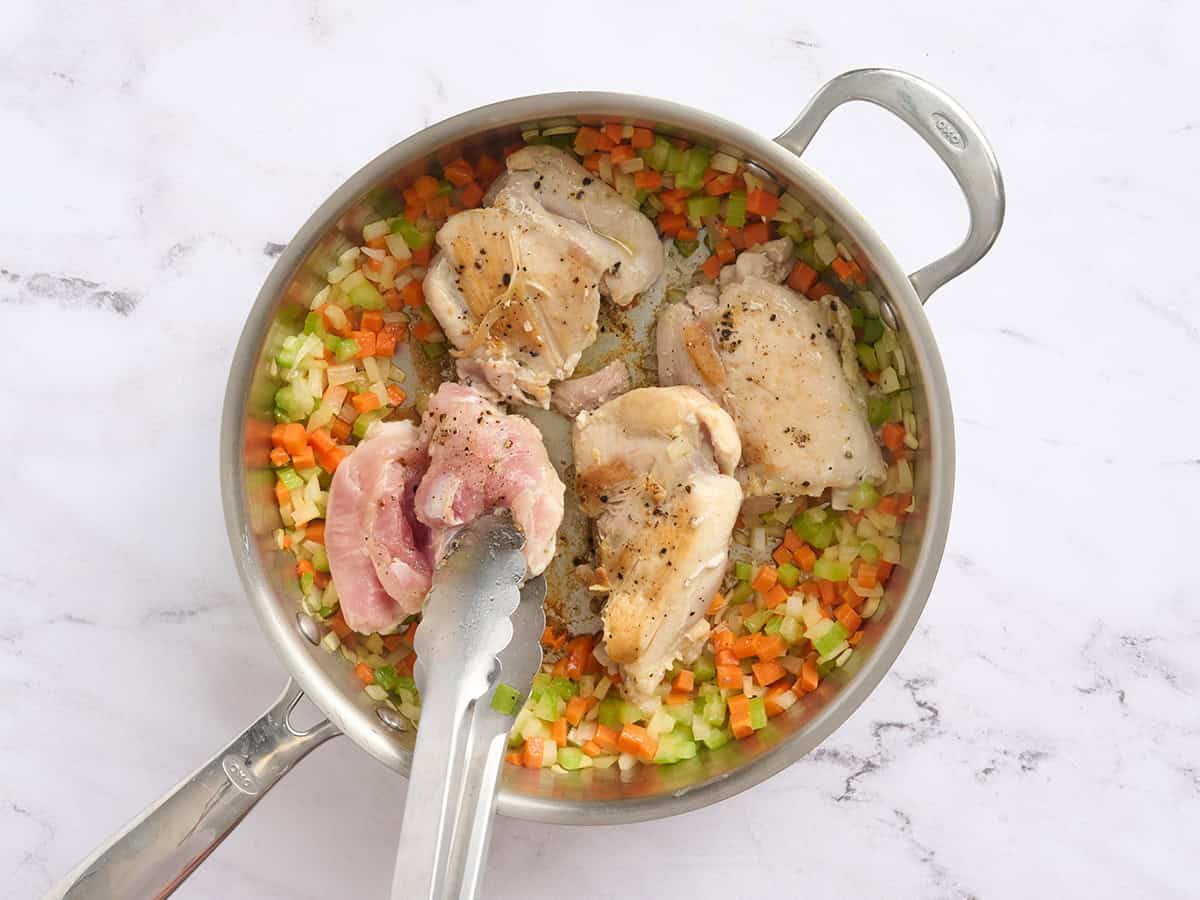
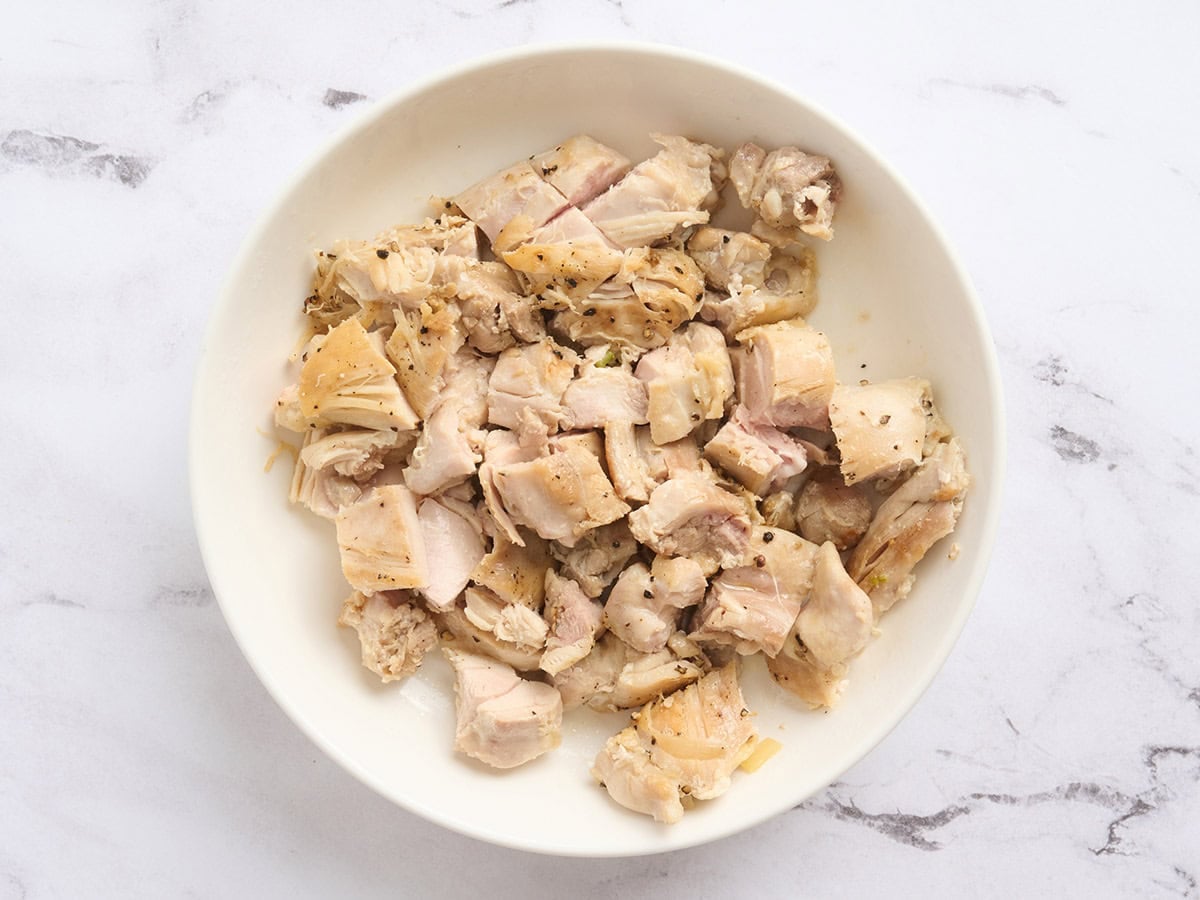
The process begins with the preparation of a mirepoix, the traditional French aromatic base consisting of finely diced carrots, celery, and onions. In the Nashville protocol, this base is sautéed in olive oil until softened, providing the foundational flavor profile for the broth. Following the softening of the vegetables, the technical focus shifts to the protein. The chicken thighs are seasoned with basic salt and pepper and seared directly in the center of the pot. This step utilizes the Maillard reaction, a chemical reaction between amino acids and reducing sugars that gives browned food its distinctive flavor.
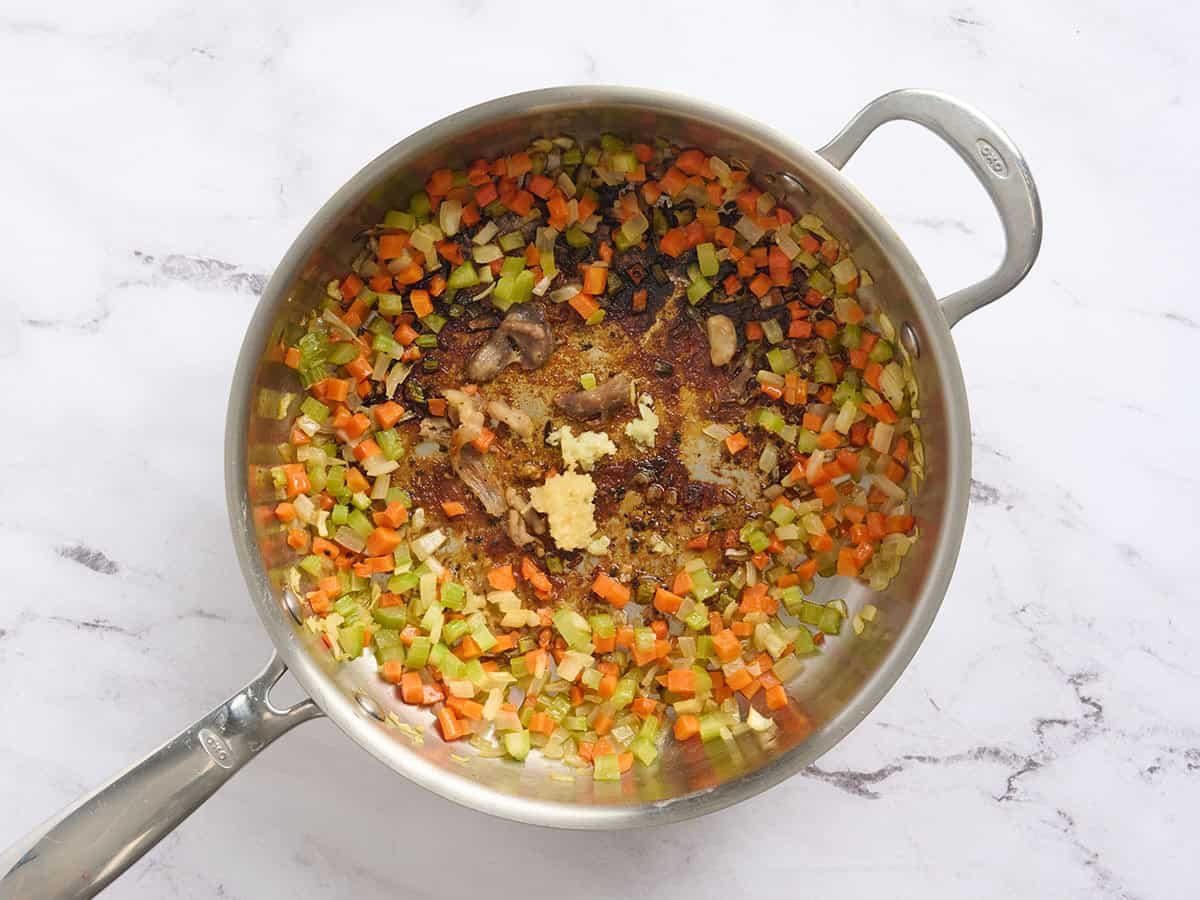
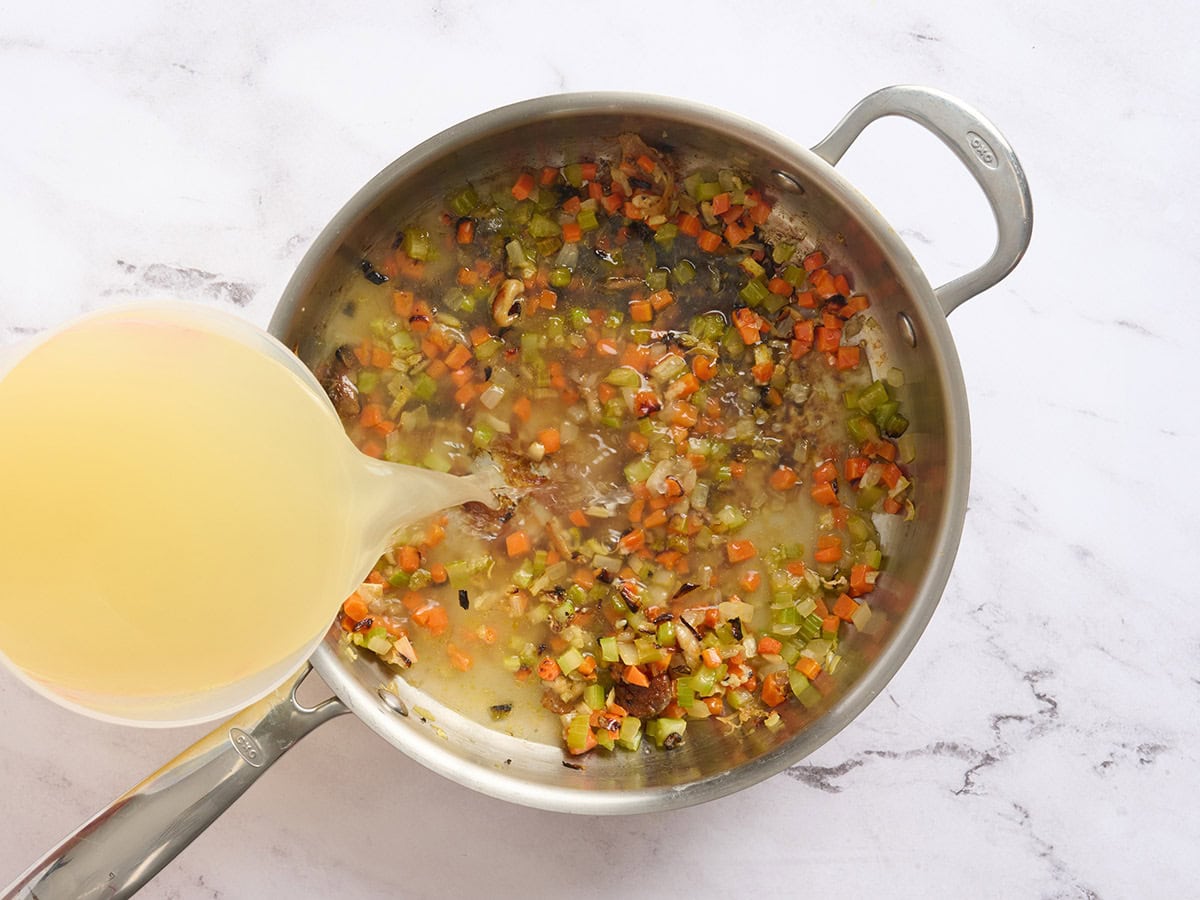
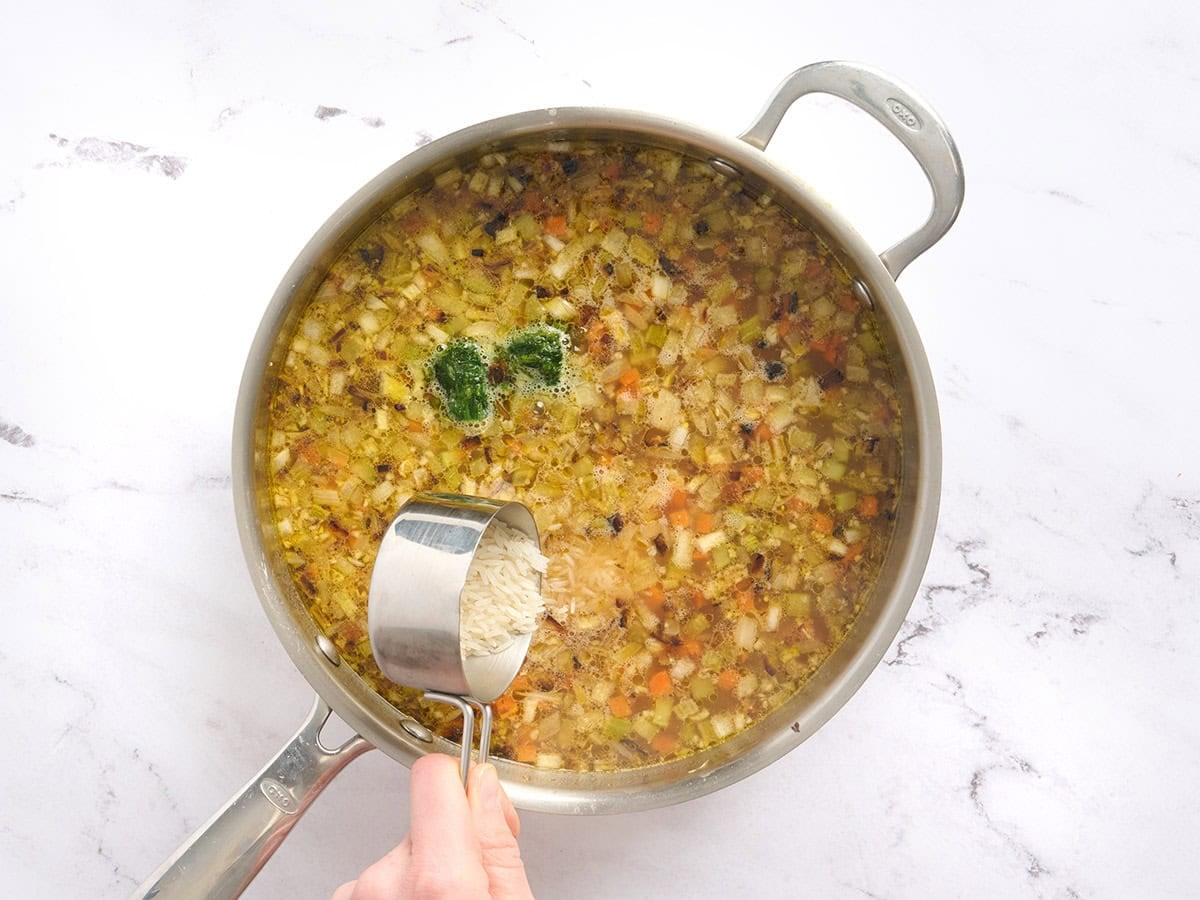
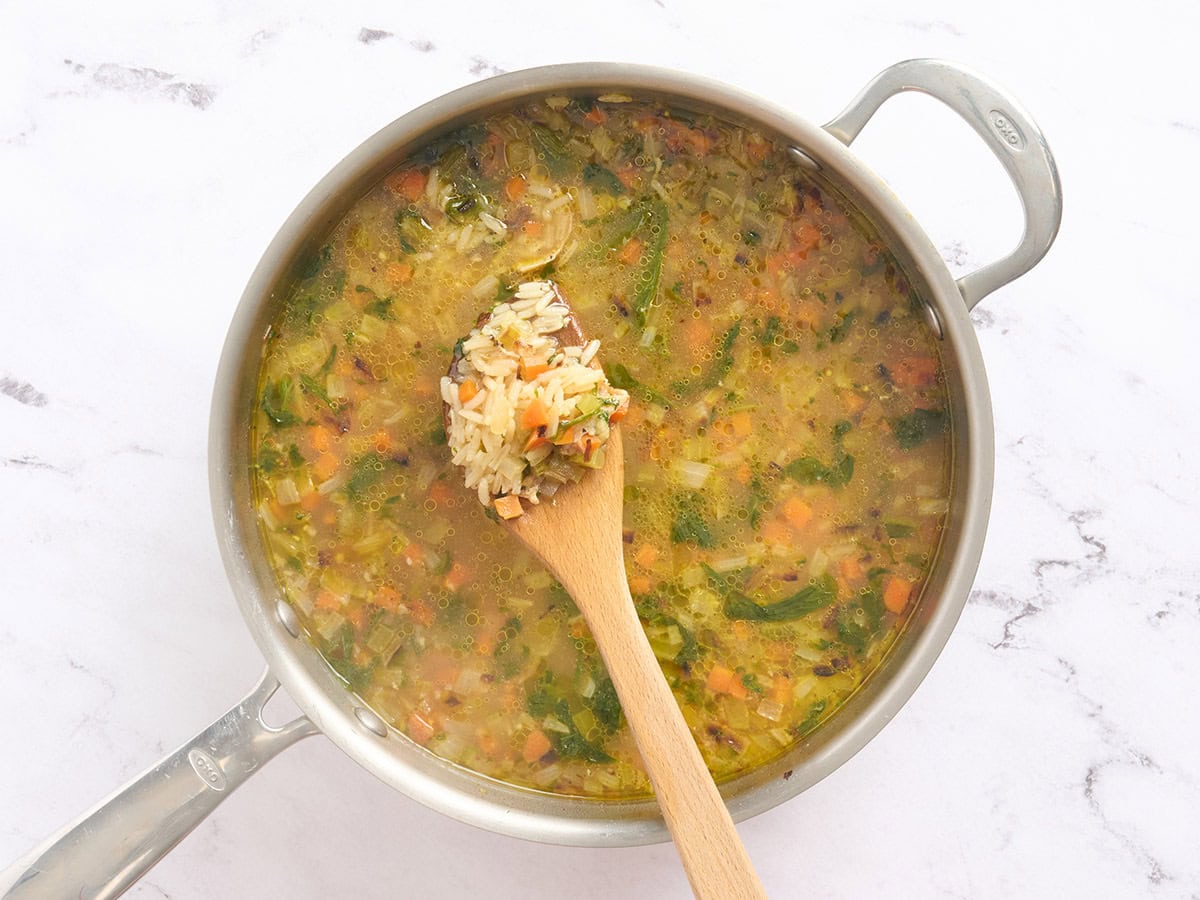
A critical phase of the chronology is the deglazing of the pan. After the chicken reaches an internal temperature of 160°F, it is removed to rest—a standard practice to allow muscle fibers to reabsorb juices. The pan is then deglazed with chicken broth, ensuring that all browned bits are integrated into the liquid. The subsequent addition of long-grain white rice and frozen spinach introduces the grain and leafy green components. The rice is simmered for approximately 15 minutes, a duration calculated to allow the grains to absorb the savory broth, effectively transforming the liquid into a hearty, thickened base.
Nutritional Profile and Health Implications
From a nutritional standpoint, the Chicken Broth Bowl provides a dense source of protein while maintaining a moderate caloric footprint. Each 1.5-cup serving contains 299 calories and 27 grams of protein, accounting for roughly 54% of the recommended daily value for an average adult. This high protein-to-calorie ratio makes the dish an attractive option for individuals focusing on muscle maintenance or satiety.
However, the dish also presents a significant sodium profile, a common characteristic of broth-based meals. With 1428 mg of sodium per serving—approximately 62% of the daily recommended limit—the recipe highlights the necessity of consumer discretion regarding broth selection. The Nashville Test Kitchen notes that the use of concentrated bouillon often precludes the need for additional salt. Health advocates suggest that for populations with hypertension or sodium sensitivity, the use of low-sodium or homemade broths could mitigate these levels while maintaining the dish’s structural integrity.
Market Trends and Social Media Influence
The "broth bowl" trend is inextricably linked to the "wellness" movement that has dominated social media feeds over the last 24 months. Platforms like TikTok and Instagram have seen a proliferation of content tagged with #BrothBowl and #NourishingMeals, often emphasizing the "gut health" benefits of warm liquids and lean proteins. While the Nashville Test Kitchen acknowledges the trendiness of the name, their analysis suggests the dish’s popularity is more about "soul food" comfort and the psychological satisfaction of a warm, homemade meal.
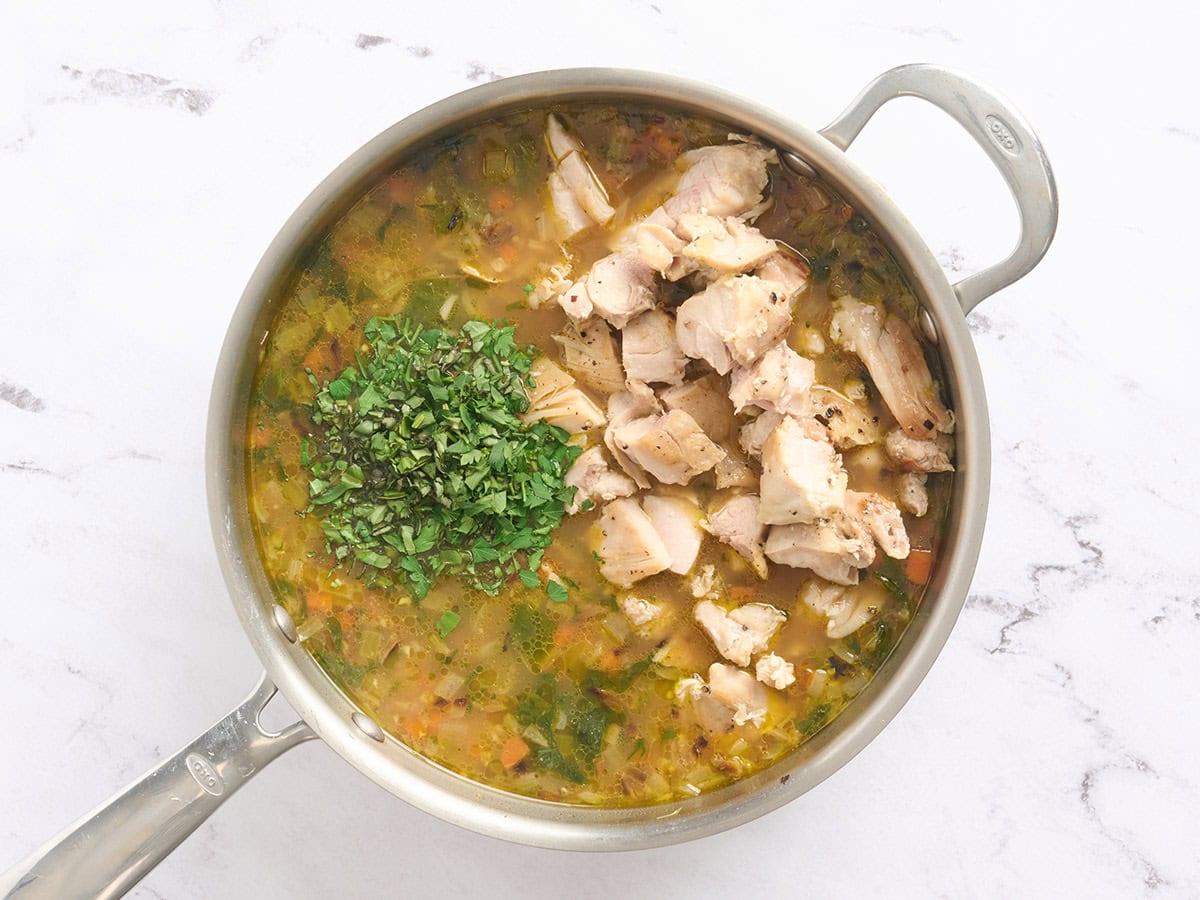
Industry experts believe the rebranding of "soup" as a "broth bowl" is an attempt to distance the dish from the image of canned, processed products. By focusing on fresh mirepoix, fresh herbs like basil and parsley, and a finishing squeeze of lemon, these recipes align themselves with the "clean eating" aesthetic that appeals to younger, health-conscious demographics. The addition of Parmesan cheese as a final garnish adds a layer of umami and fat, further elevating the dish from a simple soup to a multi-dimensional "bowl meal."
Broader Implications for Home Cooking and Sustainability
The release of this recipe also touches upon the broader theme of culinary sustainability. By encouraging the use of frozen spinach and long-lasting aromatics, the Nashville Test Kitchen promotes a reduction in food waste. Frozen vegetables often retain higher nutrient levels than fresh produce that has spent days in transit, and they offer a significantly longer window of usability.
Furthermore, the versatility of the broth bowl format allows for high levels of customization based on regional availability or dietary restrictions. The framework—mirepoix, protein, green, and grain—is infinitely adaptable. Analysts suggest that this "template-style" cooking is the future of home economics, as it empowers consumers to swap expensive ingredients for cheaper alternatives (e.g., substituting beef for chicken or quinoa for rice) without sacrificing the meal’s fundamental quality.
Official Responses and Culinary Expert Analysis
Chef Jess Rice, a contributor to the Nashville Test Kitchen and an experienced restaurateur, emphasized the accessibility of the recipe. "Everyone can make this chicken brothy rice soup in no time at all," Rice stated, noting that the focus was on using "super-duper common and budget-friendly" ingredients. Rice’s background, which includes teaching international culinary techniques and managing high-end vegan establishments, brings a level of professional rigor to a dish that might otherwise be dismissed as simple.
Culinary educators have reacted positively to the "one-pot" approach, noting that it lowers the barrier to entry for novice cooks. By reducing the number of dishes and simplifying the heat management, such recipes encourage a demographic that has historically relied on takeout to experiment with home-cooked meals.
Future Outlook: The Longevity of the Broth Bowl
As the global economy continues to navigate inflationary pressures, the demand for meals like the Chicken Broth Bowl is expected to grow. The intersection of low cost, high protein, and ease of preparation creates a "triple threat" in the food market that appeals to students, working professionals, and families alike.
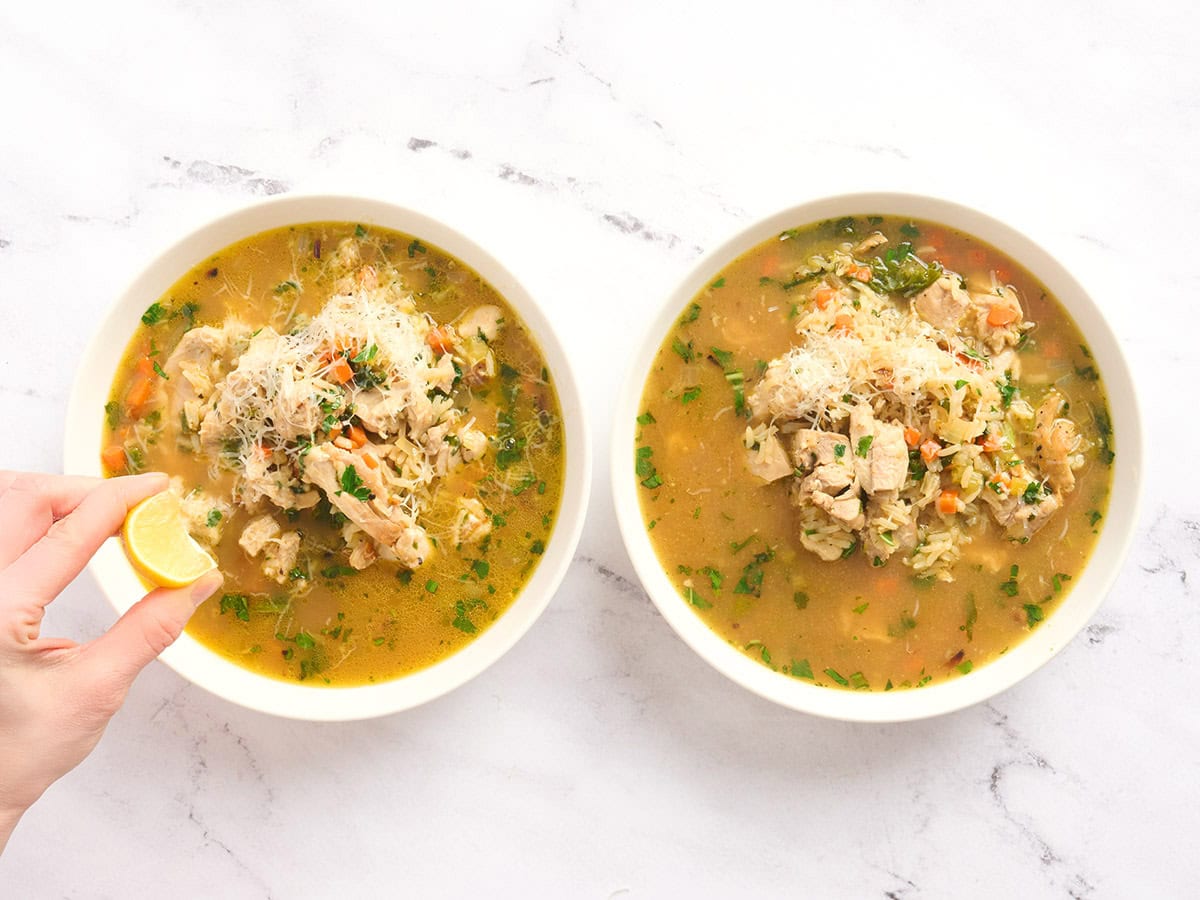
While the term "broth bowl" may eventually be replaced by the next linguistic trend, the underlying structure of the dish—a savory liquid base enriched with grains and proteins—remains a timeless staple of human nutrition. The Nashville Test Kitchen’s data-driven approach to recipe development ensures that as long as there is a need for affordable comfort, the chicken and rice combination will remain a cornerstone of the American pantry. The ongoing success of these budget-friendly models suggests a permanent shift in consumer behavior toward value-oriented, nutritionally dense home cooking.