

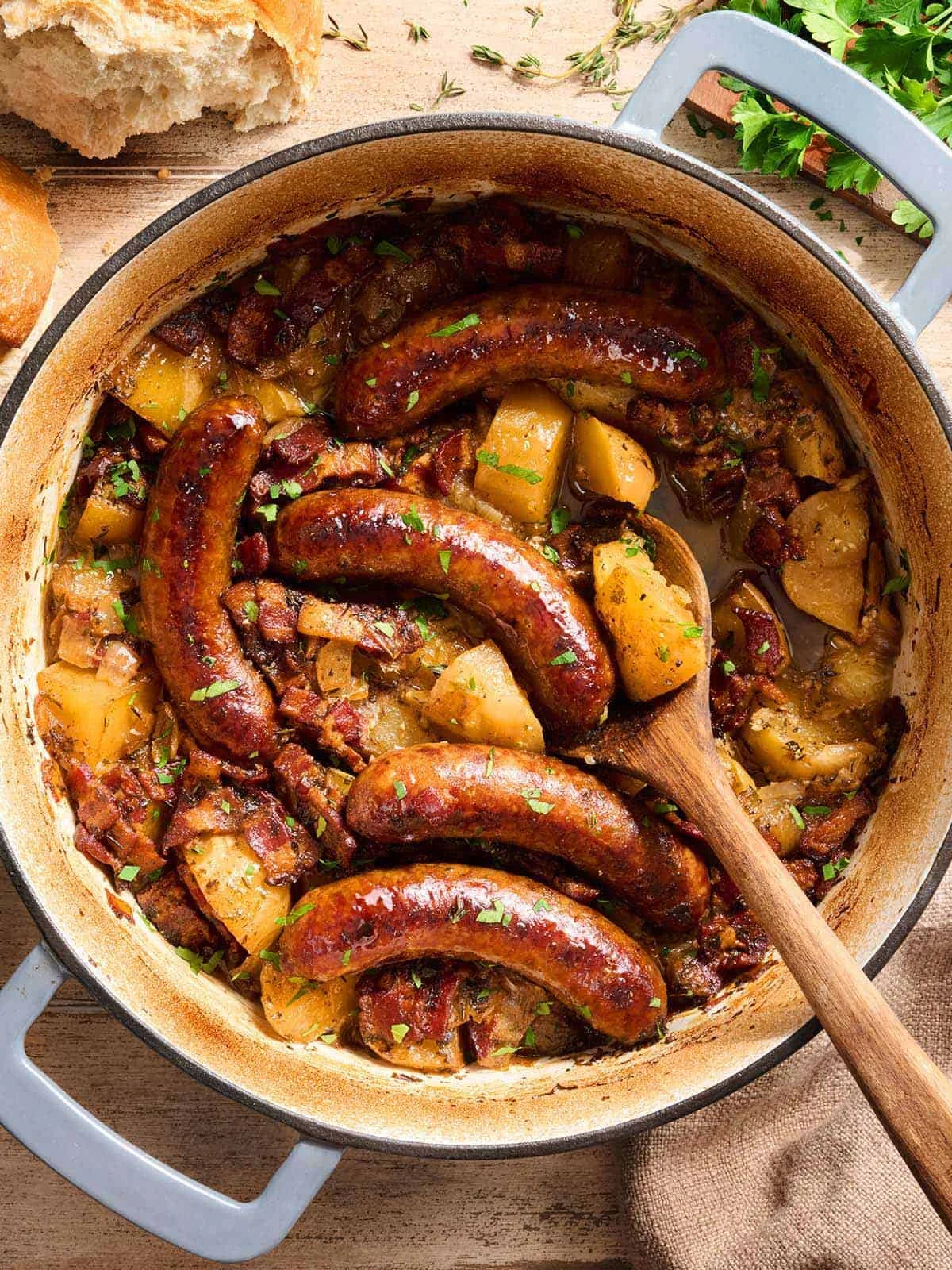
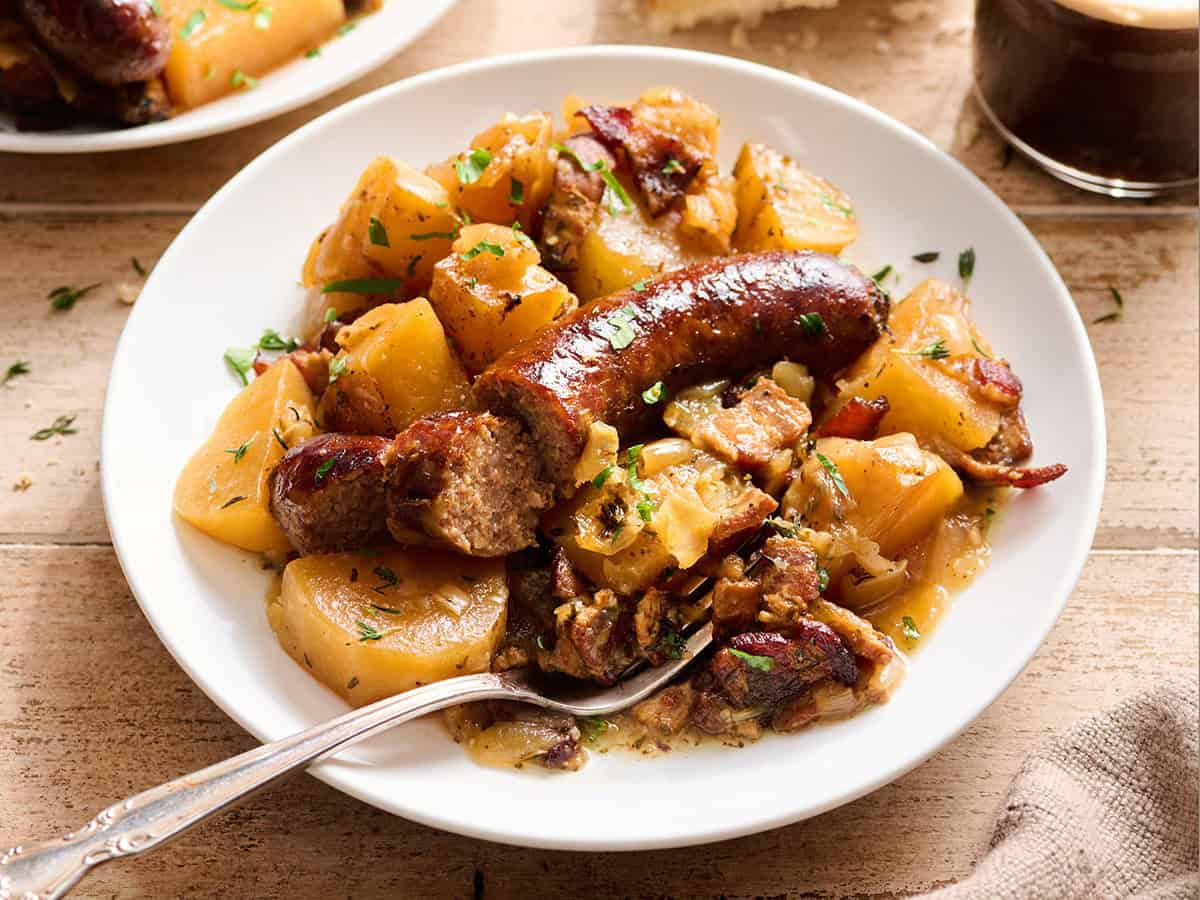
Dublin Coddle, a cornerstone of Irish working-class culinary history, has re-emerged as a significant focal point for budget-conscious home cooks seeking nutrient-dense, cost-effective meal solutions. Traditionally composed of basic pantry staples including potatoes, onions, bacon, and sausage, the dish represents a historical intersection of thrift and sustenance. As food inflation continues to impact global households, the revitalization of such "poverty meals" provides a case study in how historical recipes are being adapted for modern nutritional and financial requirements. This particular iteration, refined in the Nashville Test Kitchen, emphasizes accessibility and flavor depth while maintaining a strict price point of approximately $2.26 per serving.
Historical Context and the Evolution of the Coddle
The origins of Dublin Coddle are deeply rooted in the 18th-century urban landscape of Ireland’s capital. Historians generally trace the dish back to the early 1700s, a period marked by significant economic hardship and the rise of the potato as a primary caloric source for the Irish population. The name "coddle" is derived from the French word caudle, meaning to boil gently, parboil, or stew. Unlike a traditional Irish stew, which typically utilizes lamb or mutton, the coddle was a city-dweller’s dish, designed to utilize the remnants of the week’s provisions.
Sociocultural factors played a pivotal role in the dish’s popularity. In 18th and 19th-century Dublin, the city’s Catholic population often observed a meat-free fast on Fridays. Consequently, the Saturday night meal became a significant event where the remains of the week’s bacon (rashers) and sausages were slow-cooked to be ready when men returned from the pubs. The dish even found its way into the literary canon, with notable mentions in the works of James Joyce, signifying its status as a cultural emblem of Dublin life.
Technical Culinary Analysis: The "Low and Slow" Methodology
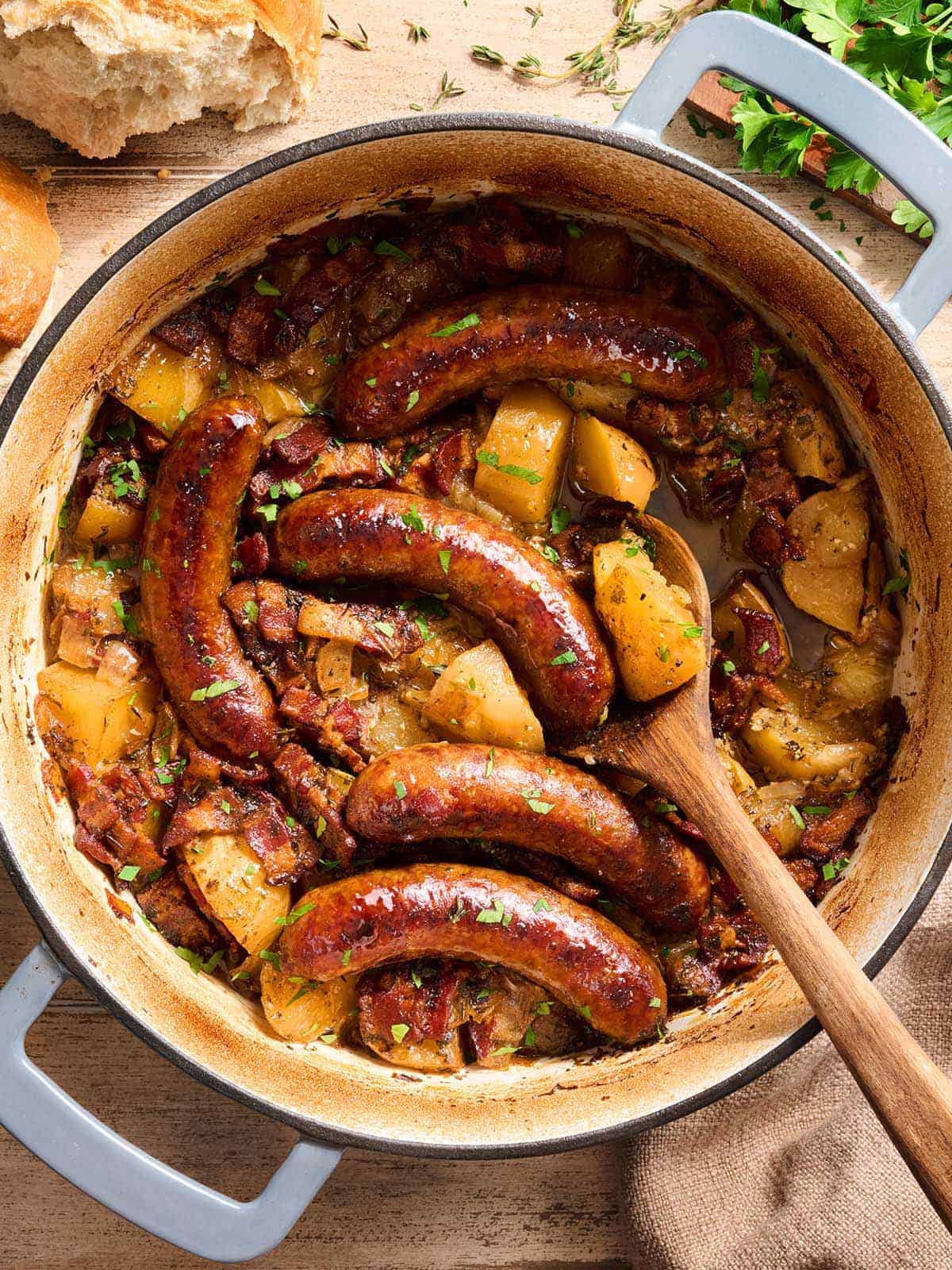
The efficacy of the Dublin Coddle lies in its preparation method, which utilizes a Dutch oven for consistent heat distribution. The process begins with the rendering of fat from bacon, followed by the searing of sausages. This initial step is crucial for the Maillard reaction—a chemical reaction between amino acids and reducing sugars that gives browned food its distinctive flavor. While traditional recipes call for Irish sausages, modern adaptations often utilize beer brats to provide a similar flavor profile when regional ingredients are unavailable.
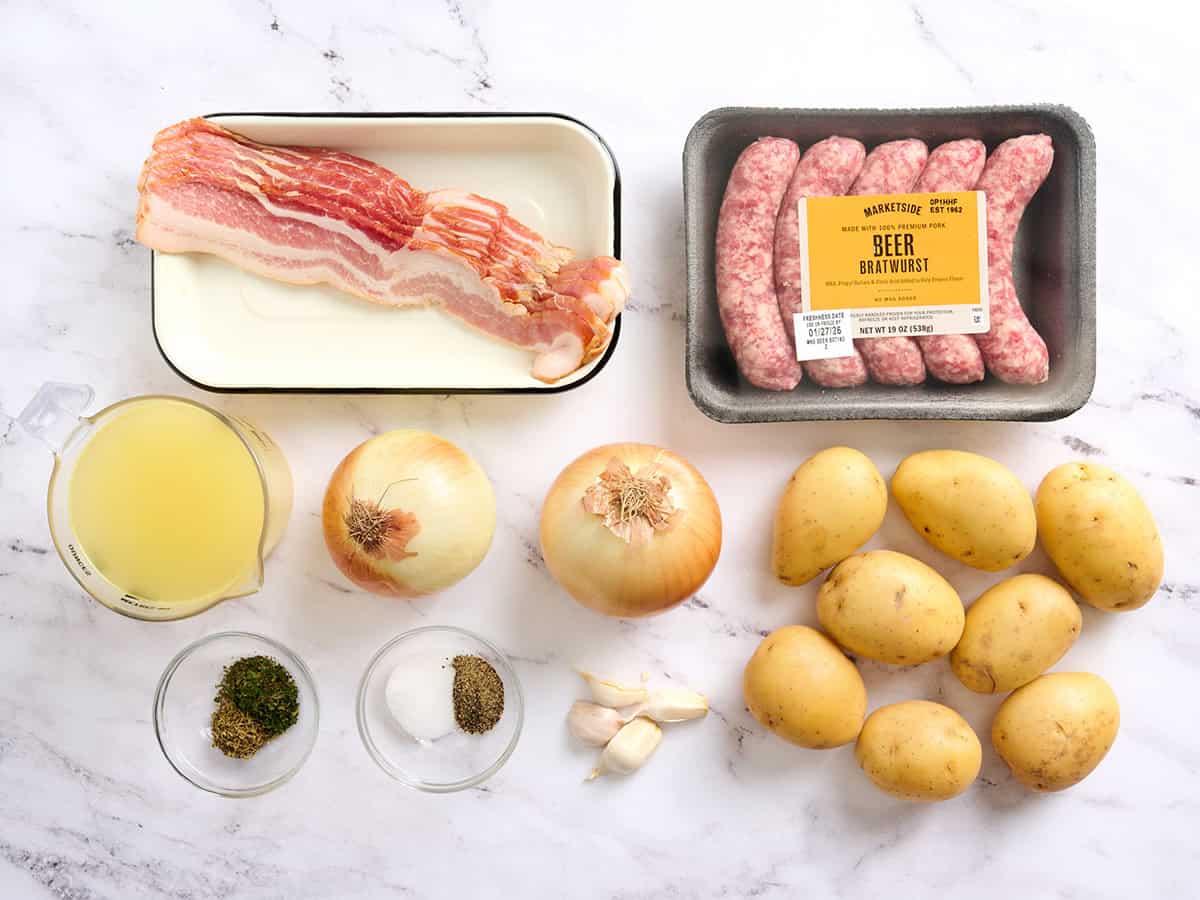
The "coddling" phase involves layering the seared meats over a bed of aromatics and starch. Diced onions and minced garlic serve as the aromatic base, while gold potatoes are selected for their high starch content and ability to maintain structural integrity during prolonged cooking. The addition of chicken broth, enriched with dried parsley and thyme, provides the liquid medium necessary for the slow-cooking process. The dish is then transferred to an oven preheated to 300°F (149°C), where it simmers for a total of two hours. This temperature is specifically calibrated to remain just below the boiling point, ensuring that the sausage remains tender and the potatoes absorb the fat-soluble flavors of the bacon and herbs without disintegrating into a mash.
Economic Breakdown and Cost-Efficiency Data
A primary driver for the modern interest in Dublin Coddle is its remarkable cost-to-nutrient ratio. According to data provided by the Nashville Test Kitchen, the total cost for a five-serving recipe is $11.31. This translates to a per-serving cost of $2.26, which is significantly lower than the average cost of a prepared meal in the United States, which typically ranges from $10.00 to $15.00.
| Ingredient Category | Estimated Cost (Total) |
|---|---|
| Meat (Bacon & Beer Brats) | $6.50 |
| Produce (Potatoes, Onions, Garlic) | $2.80 |
| Broth & Pantry Staples (Bouillon, Herbs) | $2.01 |
| Total Recipe Cost | $11.31 |
The use of "Better Than Bouillon" or similar concentrated bases further reduces costs by eliminating the need for expensive pre-packaged liquid broths. Furthermore, the selection of gold potatoes, while slightly more expensive than russet varieties, provides a superior culinary outcome that reduces food waste by ensuring the meal is palatable and satisfying.
Nutritional Profile and Dietary Implications
From a nutritional standpoint, Dublin Coddle is a calorie-dense meal designed for satiety. A single serving contains approximately 577 calories, with a macronutrient distribution that favors fats and carbohydrates.
- Calories: 577 kcal
- Protein: 20g (40% of Daily Value)
- Total Fat: 38g (58% of Daily Value)
- Carbohydrates: 40g (13% of Daily Value)
- Sodium: 1918mg (83% of Daily Value)
- Fiber: 5g (21% of Daily Value)
While the dish is high in sodium and fat—typical of traditional preserved-meat recipes—it provides a significant amount of protein and essential minerals from the potatoes and onions. Modern health-conscious adaptations may include skimming excess fat from the surface before serving or utilizing low-sodium broth to mitigate the high salt content inherent in bacon and sausage products.
Chronology of Preparation: From Stove to Table
The production of a Dublin Coddle follows a specific chronological sequence to maximize flavor extraction and texture management:
- Oven Calibration (T-0): The oven is preheated to 300°F, and the rack is adjusted to accommodate a large Dutch oven.
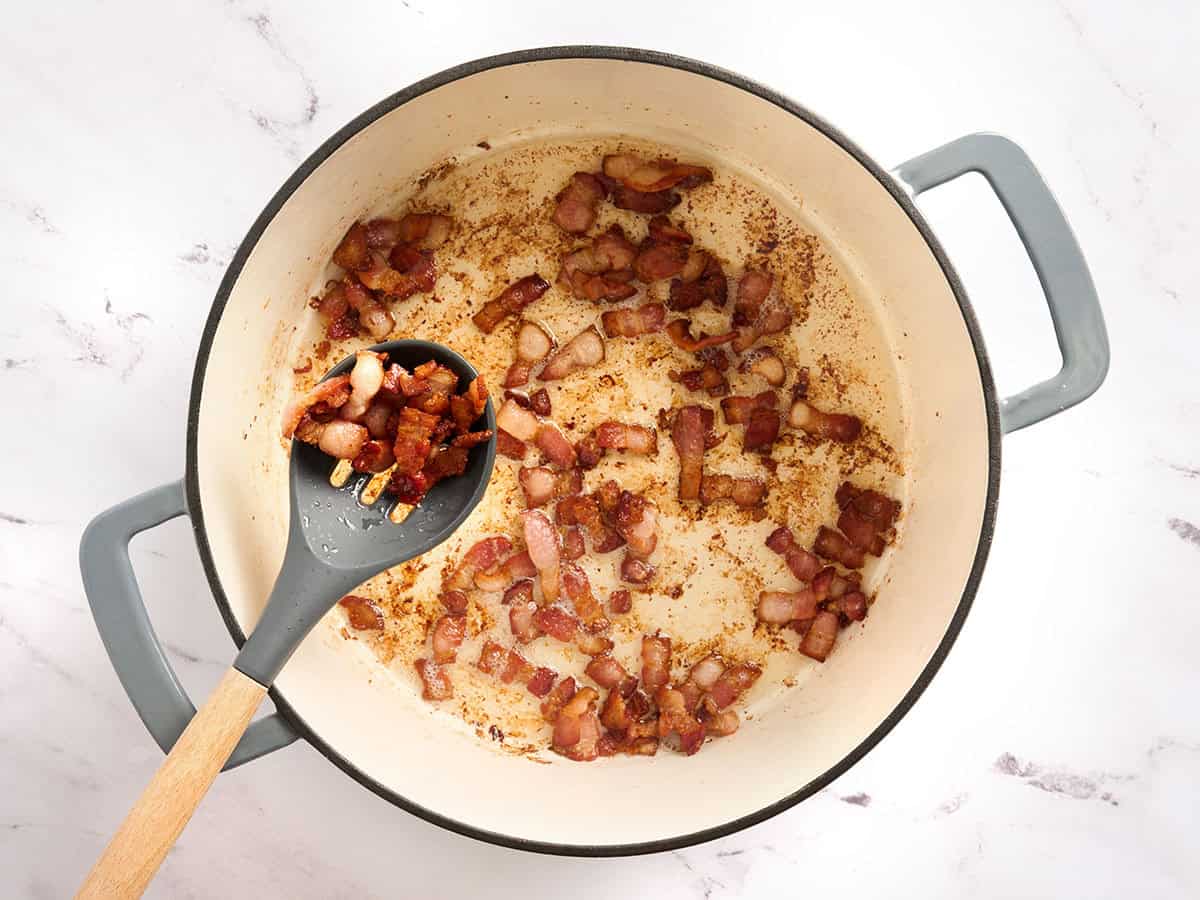
- Bacon Rendering (T+15 mins): Eight ounces of chopped bacon are cooked over medium heat for 10 to 15 minutes until crisp. The fat is retained as the primary cooking medium.
- Sausage Searing (T+25 mins): Five beer brats are browned in the bacon grease for approximately 8 minutes.
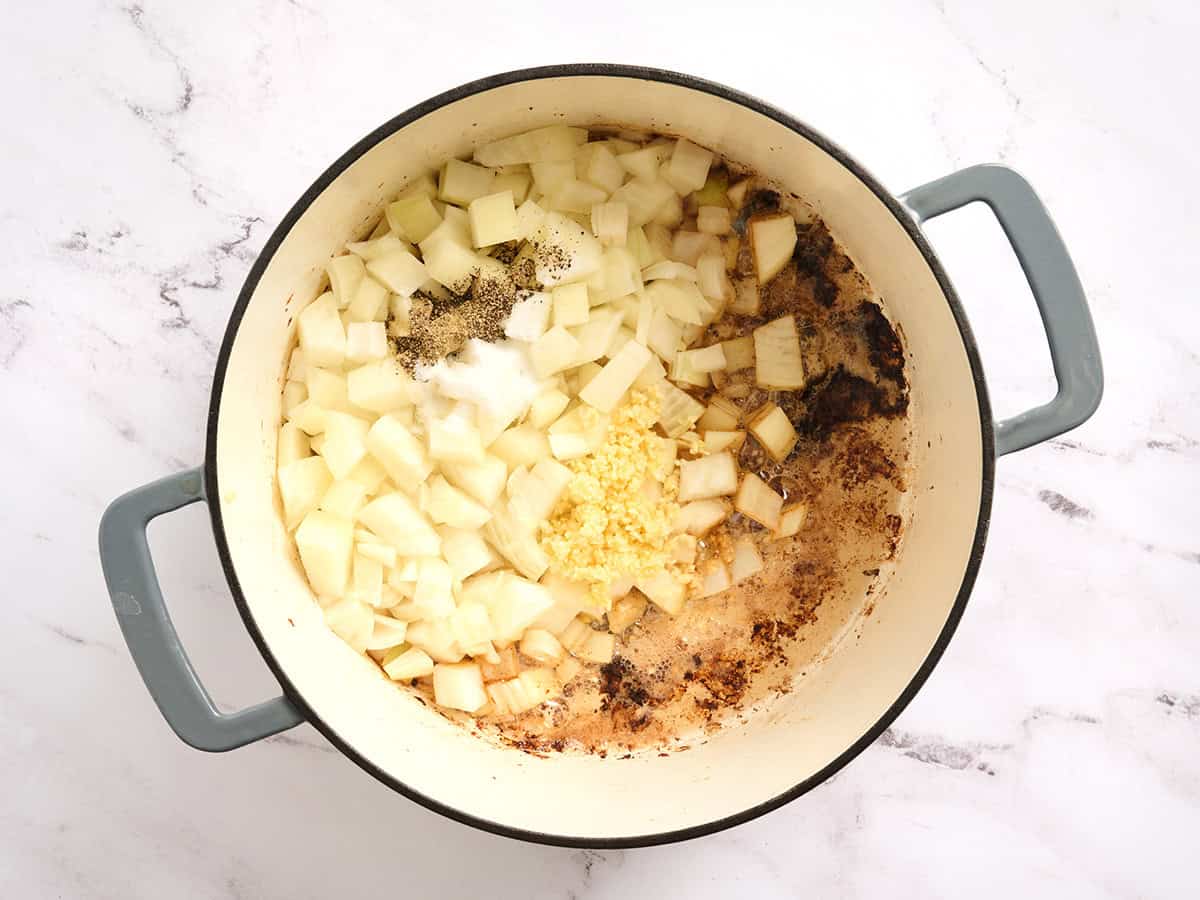
- Aromatic Softening (T+30 mins): Diced onions and garlic are sautéed with salt and pepper until translucent.
- Assembly (T+35 mins): Cubed gold potatoes, chicken broth, and herbs are added to the pot and stirred. The sausages and bacon are then nestled on top.
- Initial Coddling (T+2 hours): The pot is covered and baked for 90 minutes.
- Final Browning (T+2 hours 30 mins): The lid is removed for the final 30 minutes of baking to allow the surface to brown and the broth to reduce slightly.
- Service (T+2 hours 40 mins): The dish is allowed to rest briefly before being divided into portions.
Professional Insights and Regional Substitutions
Melissa Nolan, a recipe developer and chef instructor, emphasizes the importance of ingredient selection in maintaining the dish’s integrity. "Traditional Dublin Coddle uses Irish sausage, which can be difficult to find in the U.S. Beer brats are an excellent substitute because they introduce a subtle malty flavor that mimics the ale often used in Irish cooking," Nolan stated during the recipe’s testing phase.

The choice of potato is equally critical. Starchy potatoes like Russets tend to break down and thicken the broth into a gravy, whereas waxy potatoes like Red Bliss or Gold potatoes maintain their shape. The Nashville Test Kitchen recommends Gold potatoes for their "creamy, buttery texture," which complements the saltiness of the pork products.
Broader Impact on Modern Sustainable Cooking
The resurgence of the Dublin Coddle reflects a broader trend in the culinary world: the return to "nose-to-tail" and "root-to-stem" philosophies. By utilizing every part of the ingredients—including the rendered bacon fat for sautéing and the potato skins for texture—home cooks are participating in a form of sustainable consumption that mirrors the thrift of previous centuries.
Furthermore, the one-pot nature of the dish reduces energy consumption and water usage for cleanup, aligning with modern environmental concerns. As households look for ways to navigate economic instability, the Dublin Coddle serves as a reminder that culinary excellence does not require expensive ingredients, but rather time, patience, and a respect for the historical foundations of home cooking.
Conclusion and Future Outlook
Dublin Coddle remains a testament to the resilience of Irish culture and the universal necessity of affordable, hearty meals. Its transition from a famine-era staple to a celebrated holiday dish and a modern budget-friendly dinner highlight its versatility. As culinary trends continue to shift toward authenticity and economic mindfulness, the Dublin Coddle is well-positioned to remain a favorite in households worldwide. Whether served with traditional soda bread and a Guinness or enjoyed as a standalone weeknight meal, its legacy of comfort and thrift continues to resonate three centuries after its inception.