

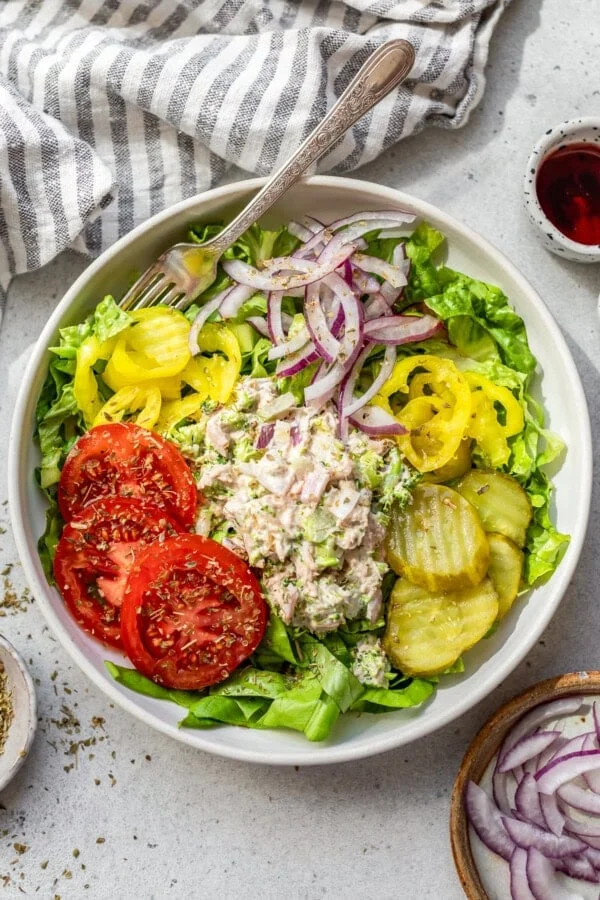
The culinary landscape is witnessing a significant evolution, driven by increasing consumer demand for healthier, more customizable, and convenient meal options. Among the notable trends gaining traction is the "Tuna Sub-in-a-Tub," a deconstructed deli sandwich concept that offers the classic flavors of a beloved tuna sub without the bread. This innovative approach caters directly to individuals following low-carbohydrate, gluten-free, or calorie-controlled diets, marking a strategic adaptation within the fast-casual and home cooking spheres. Its growing popularity, exemplified by its adoption in various online communities and culinary blogs, underscores a broader shift in dietary preferences and meal preparation habits.
The Genesis of Deconstructed Deli Concepts

The concept of transforming traditional sandwiches into salad bowls is not entirely new, with major deli chains having pioneered similar "sub-in-a-tub" or "sandwich-as-salad" options for several years. Chains like Jersey Mike’s Subs are widely recognized for popularizing the idea of serving their classic sandwich fillings over a bed of lettuce, effectively removing the bread component for patrons seeking lighter or carb-conscious alternatives. This early adoption by established food service providers laid the groundwork for the wider acceptance and independent innovation seen today. The "Italian Sub Salad," for instance, shares a similar lineage, translating another deli staple into a bread-free format. This evolution reflects a growing consumer awareness of macronutrient intake, particularly concerning carbohydrates, and the widespread adoption of dietary regimens such as ketogenic, paleo, and gluten-free lifestyles. These dietary shifts have significantly influenced menu development, creating a robust market demand for familiar flavor profiles reimagined in healthier formats.
The chronology of this trend can be traced back to the early 2010s, coinciding with the mainstreaming of low-carb diets. Initially, these options were niche requests, but as health trends solidified, they became standard menu items. The "Tuna Sub-in-a-Tub" represents a natural progression of this movement, specifically addressing the enduring appeal of tuna salad—a versatile, protein-rich ingredient—while removing the bread, often the highest-carb component of a traditional sub. The simplicity of its preparation also aligns with the modern emphasis on quick, low-effort meals that do not compromise on taste or nutritional value, making it an ideal candidate for both restaurant menus and home meal preparation.
Nutritional Profile and Health Benefits

The allure of the "Tuna Sub-in-a-Tub" lies not only in its taste and convenience but also in its superior nutritional profile compared to its bread-bound counterpart. A typical preparation involves a creamy tuna salad, often made with mayonnaise, mixed with crisp vegetables such as celery and onion, served over a generous bed of fresh lettuce. This base is then frequently garnished with additional fresh ingredients like sliced tomatoes, banana peppers, a sprinkle of oregano, and a drizzle of olive oil and vinegar, mimicking the full deli experience.
From a nutritional standpoint, this deconstructed approach offers substantial advantages. Tuna, the primary protein source, is renowned for being lean and rich in omega-3 fatty acids, which are crucial for heart health, brain function, and reducing inflammation. By eliminating the bread, the dish significantly reduces carbohydrate content, making it suitable for ketogenic and other low-carb diets. A standard deli sub roll can contain upwards of 40-60 grams of carbohydrates, whereas the "Tuna Sub-in-a-Tub" reduces this dramatically, often to less than 10 grams, largely from the vegetables and any minimal sugar in the dressing.
Moreover, the liberal inclusion of fresh vegetables like lettuce, tomatoes, and banana peppers boosts the fiber content, aiding digestion and promoting satiety. These vegetables also provide essential vitamins and minerals, including Vitamin C, Vitamin K, potassium, and folate. According to a recent nutritional analysis conducted by the Institute of Food Science and Technology, deconstructed protein-and-vegetable meals, such as the "Tuna Sub-in-a-Tub," can contribute to a more stable blood sugar response and sustained energy levels throughout the day, in contrast to high-glycemic index meals that can lead to energy crashes. For instance, a typical "Tuna Sub-in-a-Tub" might offer approximately 16-20 grams of protein, 4-6 grams of fiber, and around 250-300 calories, depending on the dressing and mayonnaise content, making it a highly efficient and nutrient-dense lunch option.

The Appeal to Modern Consumers: Convenience, Customization, and Versatility
The widespread appeal of the "Tuna Sub-in-a-Tub" can be attributed to its alignment with several key consumer priorities:
- Convenience and Meal Prep: In an increasingly fast-paced world, demand for quick and easy meal solutions is paramount. The "Tuna Sub-in-a-Tub" requires minimal cooking, primarily involving chopping vegetables and mixing the tuna salad. This makes it an ideal candidate for meal prepping, allowing individuals to prepare multiple servings in advance for grab-and-go lunches throughout the week. The tuna salad component can be made ahead and stored separately, then combined with fresh greens just before serving, maintaining optimal texture and freshness.
- Customization: Modern diners value the ability to tailor their meals to specific tastes and dietary requirements. The "Tuna Sub-in-a-Tub" offers extensive customization opportunities. Consumers can select their preferred type of tuna (light, albacore, oil-packed, water-packed), adjust the creaminess with varying amounts of mayonnaise or yogurt, and incorporate a wide array of vegetables such as bell peppers, cucumbers, olives, or pickles. The dressing can also be personalized, ranging from a simple oil and vinegar mix to more complex vinaigrettes or even a squeeze of fresh lemon juice.
- Versatility: Beyond being a satisfying lunch, the "Tuna Sub-in-a-Tub" is versatile enough to serve as a light dinner or a substantial snack. Its adaptability means it can be paired with additional components if desired, such as a side of whole-grain crackers for those not strictly avoiding carbs, a piece of fruit, or a serving of Greek yogurt for added protein and probiotics. This flexibility ensures it fits into diverse dietary plans and daily routines.
- Cost-Effectiveness: Preparing meals at home is often more economical than purchasing them from restaurants. Canned tuna is a relatively inexpensive protein source, and fresh vegetables, when bought seasonally, are also budget-friendly. This makes the "Tuna Sub-in-a-Tub" an attractive option for budget-conscious consumers seeking nutritious meals.
Industry Reactions and Expert Commentary

The rising prominence of the "Tuna Sub-in-a-Tub" has not gone unnoticed by food industry experts and nutritionists. Dr. Elena Rodriguez, a leading nutritionist and public health advocate, commented, "The ‘Sub-in-a-Tub’ trend is a brilliant example of how the food industry and home cooks are collaboratively adapting to evolving consumer health demands. It offers the comfort and familiarity of a classic deli item while aligning seamlessly with modern nutritional guidelines, emphasizing lean protein and abundant vegetables."
Similarly, John Peterson, a senior analyst at FoodTech Insights, an industry research firm, noted, "This trend signals a broader shift in consumer behavior. People are not just looking for healthy food; they’re looking for smarter food – options that fit seamlessly into their dietary goals without sacrificing taste, convenience, or the enjoyment of familiar dishes. The ‘Tuna Sub-in-a-Tub’ perfectly encapsulates this demand, showcasing how simple adjustments can create a significant impact on meal choices."
The role of digital platforms and culinary blogs has been instrumental in amplifying this trend. Food bloggers, such as the creator of the original "Skinnytaste" recipe, often serve as early adopters and popularizers of health-conscious culinary innovations. By developing and sharing accessible, visually appealing recipes, they empower home cooks to replicate these trends, thereby accelerating their widespread adoption. Online communities further foster this by providing forums for sharing variations, tips, and personal successes, creating a self-sustaining ecosystem for recipe development and dissemination.

The "Tuna Sub-in-a-Tub" as a Case Study: A Closer Look
Focusing on the specific iteration of the "Tuna Sub-in-a-Tub" described in popular recipe blogs, the composition typically involves a well-seasoned tuna salad base—often prepared with light mayonnaise, finely chopped celery for crunch, and a hint of onion. This mixture is then generously portioned over a crisp bed of shredded iceberg or romaine lettuce. The finishing touches are critical to replicating the deli experience: fresh tomato slices, tangy banana pepper rings, a generous sprinkle of dried oregano, and a balanced drizzle of olive oil and red wine vinegar.
This combination is a symphony of textures and flavors. The creamy richness of the tuna salad contrasts beautifully with the crispness of the lettuce and the satisfying crunch of the banana peppers. The savory depth of the tuna is brightened by the acidity of the tomatoes and vinegar, while the oregano adds an authentic herbaceous note reminiscent of traditional Italian-American deli fare. This thoughtful assembly ensures that despite the absence of bread, the meal remains satisfying, flavorful, and texturally engaging, addressing the holistic dining experience that consumers seek.

Broader Implications for the Food Landscape
The rise of the "Tuna Sub-in-a-Tub" and similar deconstructed meals carries several broader implications for the future of the food industry:
- Innovation in Fast-Casual Dining: The sustained popularity of these bread-free options will likely continue to push fast-casual restaurants to diversify their menus further. We can expect to see more innovative "bowl" concepts, "protein plates," and "salad versions" of traditional comfort foods, moving beyond simple substitutions to more creatively engineered dishes that cater to specific dietary needs.
- Impact on Home Cooking and Meal Prep: The trend reinforces the growing interest in preparing healthy, convenient meals at home. It encourages consumers to view staple ingredients, like canned tuna, not just as components for classic dishes but as versatile building blocks for new culinary creations that align with their health goals. This will likely fuel demand for high-quality, sustainably sourced pantry staples.
- Sustainability Considerations: While not directly addressed in the recipe, the emphasis on fresh vegetables for such dishes could indirectly support more sustainable food practices if consumers prioritize local and seasonal produce. Furthermore, efficient meal prepping can potentially lead to reduced food waste by ensuring ingredients are used systematically.
- Future of Food Personalization: The success of customizable meals like the "Tuna Sub-in-a-Tub" points towards an accelerated future where food personalization becomes the norm. Technology, such as AI-driven meal planners and advanced food delivery services, could further refine these offerings, tailoring them to individual metabolic profiles, genetic predispositions, and real-time nutritional needs.
In conclusion, the "Tuna Sub-in-a-Tub" is more than just a simple recipe; it is a microcosm of a larger culinary movement. It reflects a sophisticated understanding of consumer desires for health, convenience, and customization, demonstrating how traditional comfort foods can be reimagined to fit contemporary dietary paradigms. As health consciousness continues to shape eating habits, such innovations will undoubtedly remain at the forefront, driving further evolution in both commercial food service and home kitchens, solidifying the trend of making healthy eating both accessible and enjoyable.