

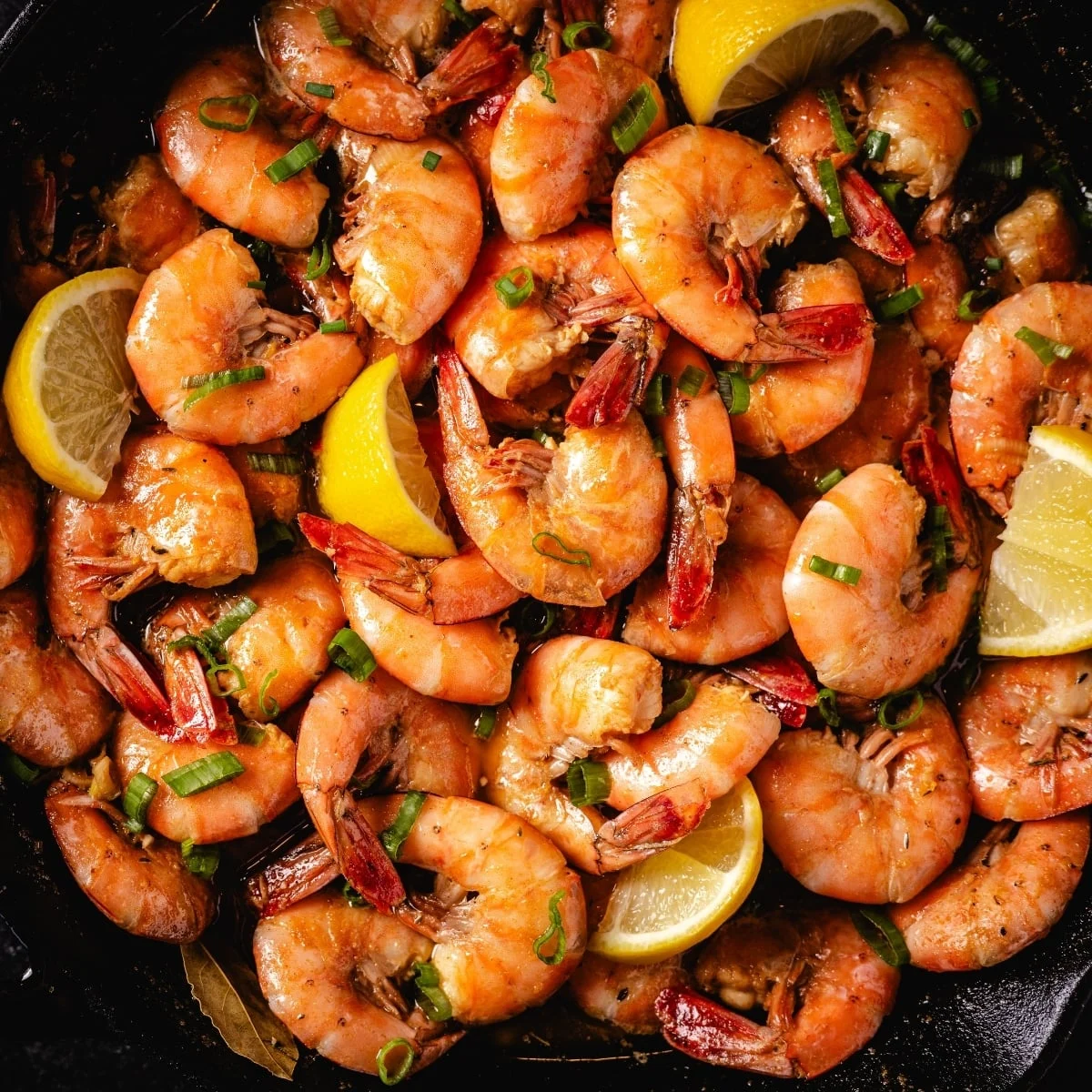
The traditional landscape of Louisiana Creole and Cajun cuisine is currently undergoing a technical transformation as culinary experts and home enthusiasts adapt classic recipes for modern outdoor smoking apparatuses. Central to this movement is the reimagining of New Orleans BBQ Shrimp, a dish that, despite its nomenclature, has historically lacked any direct contact with a barbecue grill or smoke source. The recent emergence of wood-fired iterations of this classic represents a synthesis of 20th-century restaurant tradition and 21st-century backyard pitmaster techniques, emphasizing a shift toward complex flavor profiles that incorporate hardwood smoke into the traditional buttery, acidic, and piquant sauce base.
The Historical Genesis of a Misnomer
To understand the current evolution of New Orleans BBQ Shrimp, one must examine its atypical origins. The dish was famously conceptualized in 1953 at Pascal’s Manale, a restaurant located in the Uptown neighborhood of New Orleans. According to culinary historians, a regular patron returned from a trip to Chicago and described a dish he had eaten involving shrimp, butter, and pepper. The chef at Pascal’s Manale, attempting to replicate the description, created a deep-dish preparation of whole, shell-on shrimp submerged in a potent sauce of melted butter, cracked black pepper, and Worcestershire sauce.
The "barbecue" designation in the name did not refer to the cooking method—which was traditionally a stovetop sauté or oven bake—but rather to the deep, reddish-brown hue of the sauce and its intense, savory-sweet complexity. For nearly seven decades, the standard for New Orleans BBQ Shrimp remained a high-heat, indoor preparation. However, the modern culinary landscape has seen a push to "bring the BBQ back to BBQ shrimp," utilizing smokers and pellet grills to introduce actual smoke rings and wood-fired essence to the crustacean’s delicate meat, a move that purists and innovators alike are increasingly embracing.

Technical Analysis of Shell-On Preparation
A defining characteristic of the New Orleans BBQ Shrimp recipe is the requirement for the shrimp to be cooked in their shells. From a food science perspective, the shell serves several critical functions during the high-heat exposure of a grill or smoker. First, the chitinous exoskeleton acts as a thermal buffer, protecting the delicate protein of the shrimp from seizing and becoming rubbery. This is particularly vital in a smoking environment where air circulation can quickly dehydrate exposed seafood.
Secondly, the shells are a concentrated source of glutamate and minerals. As the shrimp simmers in the butter-based broth, the shells undergo a process of extraction, contributing a deep, "oceany" richness to the sauce that cannot be achieved with peeled shrimp. Culinary experts note that the head-on variation of this dish further intensifies the flavor, as the hepatopancreas (often referred to as the "fat" in the head) melts into the sauce, providing a creamy, umami-rich finish. The messy nature of the consumption—requiring diners to de-shell the shrimp by hand—is considered an essential part of the communal dining experience, fostering a tactile connection to the meal.
The Integration of Wood-Fired Smoke Profiles
The transition from indoor ovens to outdoor smokers introduces a new variable into the New Orleans flavor matrix: hardwood smoke. When preparing this dish on a smoker, chefs typically utilize fruitwoods such as apple or cherry, or traditional Southern woods like pecan and hickory. The smoke particles adhere to the butter and the oil-soluble compounds in the Cajun seasoning, creating a layered flavor profile that complements the sharp acidity of the lemon and the fermented depth of the Worcestershire sauce.
Data from the outdoor cooking industry suggests a significant uptick in the use of smokers for non-traditional items like seafood. According to market research, the pellet grill market has grown at a compound annual growth rate (CAGR) of over 10% in the last five years, driven by consumers seeking to replicate restaurant-quality "low and slow" flavors at home. Adapting New Orleans BBQ Shrimp for these units involves maintaining a temperature range that allows for smoke penetration without overcooking the shrimp, typically between 225°F and 350°F depending on the desired speed and smoke intensity.

Economic Context of the Gulf Shrimp Industry
The popularity of New Orleans-style seafood recipes has a direct impact on the regional economy of the Gulf Coast. Louisiana is the largest producer of shrimp in the United States, with the industry contributing over $1.3 billion annually to the state’s economy. The use of large-sized shrimp (typically 16/20 or 10/15 count) in BBQ shrimp recipes supports the commercial fishing fleets that operate out of ports like Houma, Venice, and Delcambre.
However, the industry faces ongoing challenges, including competition from imported farm-raised shrimp and the fluctuating costs of fuel and labor. Culinary initiatives that emphasize "shell-on" and "wild-caught" Gulf shrimp help to differentiate domestic products in the marketplace. By promoting recipes that require the specific texture and flavor of wild Gulf shrimp, culinary influencers and chefs provide a vital marketing channel for the regional industry, ensuring that traditional fishing practices remain viable in a globalized economy.
Nutritional Profile and Dietary Implications
While New Orleans BBQ Shrimp is celebrated for its indulgence, a factual analysis of its nutritional composition reveals a high-calorie, high-fat profile largely driven by the butter-based sauce. A standard serving can contain approximately 444 calories, with fat accounting for a significant portion of the energy density.
Nutritional Breakdown per Serving:

- Total Fat: 46g (with 29g of Saturated Fat)
- Cholesterol: 121mg
- Sodium: 628mg
- Carbohydrates: 11g
- Protein: 2g (Note: This figure varies significantly based on the quantity of shrimp consumed; the shrimp itself is a lean protein source).
The dish is notably high in Vitamin A (1534 IU) and Vitamin C (35 mg), largely due to the inclusion of lemon juice and specific spices in the Cajun seasoning blends. For those on ketogenic or low-carbohydrate diets, the dish is highly compatible, provided it is consumed without the traditional accompaniment of crusty French bread. However, the high sodium and saturated fat content necessitate moderation for individuals with cardiovascular or hypertensive concerns.
Chronology of the Modern Recipe Adaptation
The refinement of the "Hey Grill Hey" iteration of this recipe follows a specific timeline of culinary development:
- Preparation phase: Selection of high-quality, shell-on Gulf shrimp. The seasoning blend is prepared, typically involving paprika, garlic powder, onion powder, cayenne, and dried herbs.
- Aromatic Infusion: Garlic and lemon are integrated into a base of melted unsalted butter. The Worcestershire sauce is added to provide the necessary enzymatic "kick" and fermented depth.
- Smoking Process: The shrimp are arranged in a single layer in a cast-iron skillet or heavy pan, ensuring maximum surface area exposure to both the sauce and the smoke.
- Thermal Execution: The smoker is stabilized at a high heat (often 350°F or higher for seafood) to ensure the shrimp cook through in under 20 minutes, preventing the meat from becoming mushy while allowing the sauce to emulsify.
- Resting and Emulsification: The dish is removed from the heat just as the shrimp turn opaque. A brief rest allows the butter sauce to thicken slightly, ensuring it adheres to the shells.
Broader Impact on the American Culinary Identity
The evolution of New Orleans BBQ Shrimp from a localized restaurant specialty to a national backyard staple reflects broader trends in American food culture. There is an increasing democratization of regional cuisines, where digital platforms allow for the rapid dissemination of specific cultural techniques. The "Backyard BBQ Hero" phenomenon, as popularized by figures like Susie Bulloch, emphasizes the empowerment of home cooks to master complex, historically significant dishes.
Furthermore, the adaptation of this dish highlights the ongoing dialogue between tradition and innovation. While the core ingredients—shrimp, butter, garlic, and Worcestershire—remain unchanged from the 1953 original, the change in heat source from a gas burner to a wood-fired grill represents a legitimate evolution of the flavor profile. This innovation ensures that the dish remains relevant to a new generation of cooks who prioritize outdoor living and artisanal cooking methods.

In conclusion, New Orleans BBQ Shrimp stands as a testament to the resilience and adaptability of Louisiana’s culinary heritage. By embracing the messiness of the shell-on preparation and the technical challenge of wood-fired smoking, modern cooks are not just preparing a meal; they are participating in a multi-decadal tradition of flavor exploration. As the Gulf shrimp industry continues to navigate economic shifts, the continued popularity of such robust, culturally significant recipes remains a cornerstone of the region’s gastronomic and economic stability. For the consumer, the result is a sensory experience that combines the history of New Orleans with the primal appeal of the smokehouse.