

As the arrival of spring heralds the Easter holiday, culinary traditions worldwide experience a vibrant resurgence, particularly in the realm of desserts. This festive period inspires a diverse array of sweet creations, characterized by light, fresh flavors and visually appealing pastel palettes. From intricate layer cakes to simple, celebratory cookies, Easter desserts play a central role in family gatherings and communal feasts, embodying both deeply rooted cultural heritage and contemporary culinary innovation. The emphasis on seasonal ingredients such as lush lemon, fluffy coconut, and juicy berries underscores a connection to renewal and the bounty of spring, while homemade confections like peanut butter and buttercream Easter eggs offer a personalized touch to the celebrations.
The Enduring Allure of Springtime Flavors
The selection of ingredients for Easter desserts is largely dictated by the season itself, with a clear preference for bright, invigorating flavors that symbolize rebirth and freshness. Lemon, with its sharp acidity and aromatic zest, is a perennially popular choice, cutting through the richness of other components and providing a refreshing palate cleanser. Coconut, often associated with tropical warmth and light textures, lends itself beautifully to cakes, custards, and candies, evoking a sense of lightness. Berries—strawberries, raspberries, and blueberries—are also prominent, offering bursts of natural sweetness and vibrant color, especially when fresh produce begins to appear in abundance.
Culinary historians note that the tradition of incorporating seasonal fruits and flavors into holiday celebrations dates back centuries, reflecting the agricultural cycles and the availability of fresh produce. For Easter, these particular ingredients align perfectly with the theme of spring awakening. The use of eggs, dairy, and fruits, once scarce during winter fasts, became central to celebratory meals following the Lenten period, symbolizing abundance and indulgence. This historical context underscores why these "light and fresh" flavors are not merely a modern preference but a continuation of ancient culinary practices.
Carrot Cake: A Staple of the Easter Table
Among the myriad of Easter desserts, carrot cake holds a special place, often considered the unofficial cake of the season. Its popularity during Easter is not just coincidental; the association with bunnies and spring gardens makes it a thematic fit. The cake itself boasts a rich history, evolving from medieval carrot puddings designed to utilize natural sweeteners before sugar became widely available. Over centuries, it transformed into the spiced, moist layer cake we know today, typically featuring cream cheese frosting.
Modern variations abound, ranging from classic recipes with toasted pecans and warm spices like cinnamon, ginger, and nutmeg, to more elaborate versions incorporating pineapple or raisins. The versatility of carrot cake allows for adaptation to various preferences, maintaining its core appeal while offering new experiences. The underlying principle of a deeply moist cake, often enhanced by brown sugar and a generous application of tangy cream cheese frosting, remains a constant, making it a dependable crowd-pleaser for any Easter gathering. Its robust flavor profile and comforting texture resonate deeply with the festive atmosphere, providing a hearty counterpoint to lighter, fruit-based desserts.

The Art of Homemade Easter Chocolates and Confections
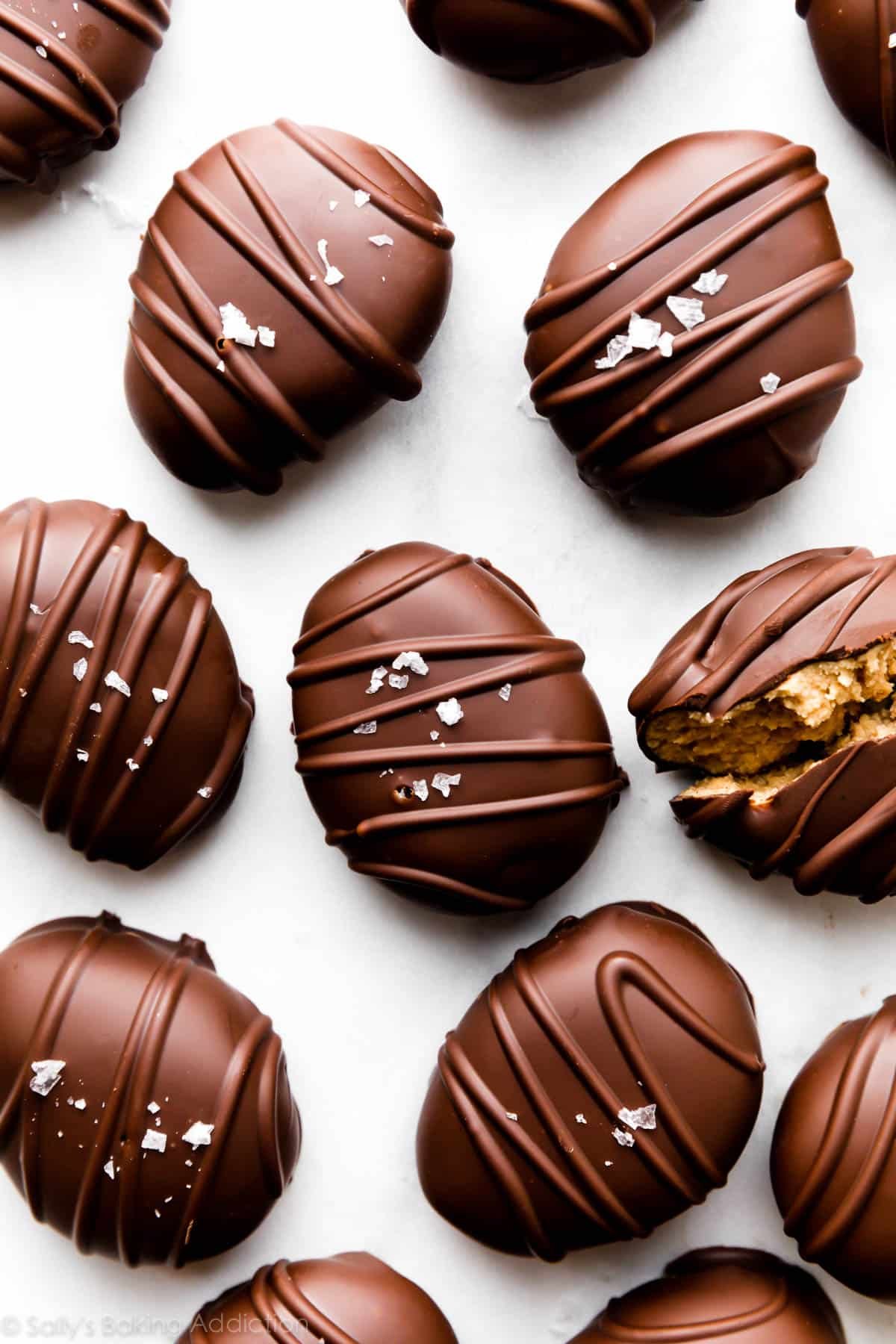
Beyond cakes and pies, homemade chocolates and candies are a significant aspect of Easter confectionery. The tradition of Easter eggs, rooted in ancient symbolism of new life and rebirth, has evolved into a global phenomenon involving chocolate and sugary treats. Crafting these at home adds a unique charm and allows for customization that store-bought options rarely offer. Recipes for peanut butter Easter eggs, for instance, evoke a nostalgic comfort, resembling popular commercial candies but often with a softer texture and richer flavor. The addition of coarse salt, as some recipes suggest, provides a sophisticated counterpoint to the sweetness, elevating the homemade experience.
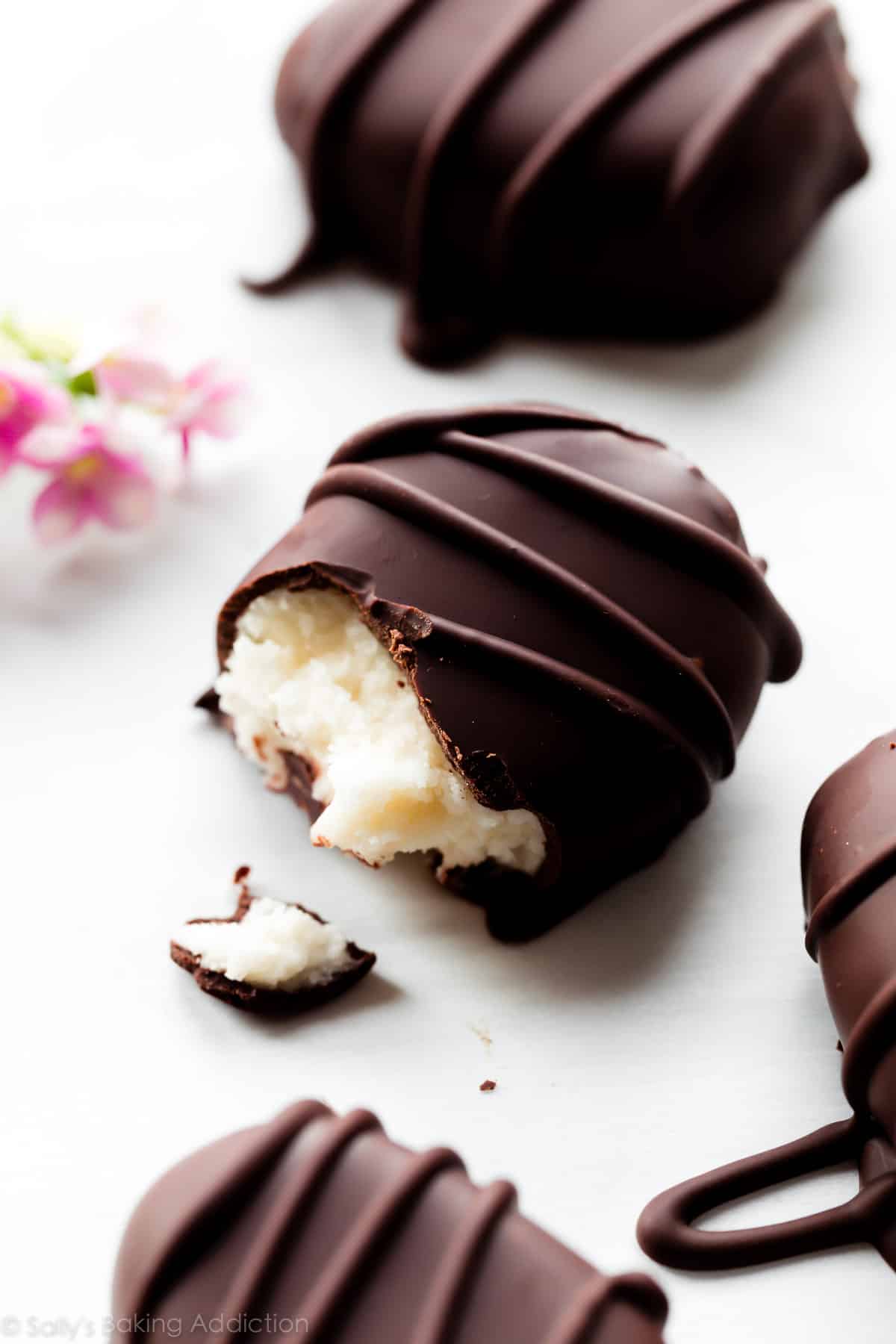
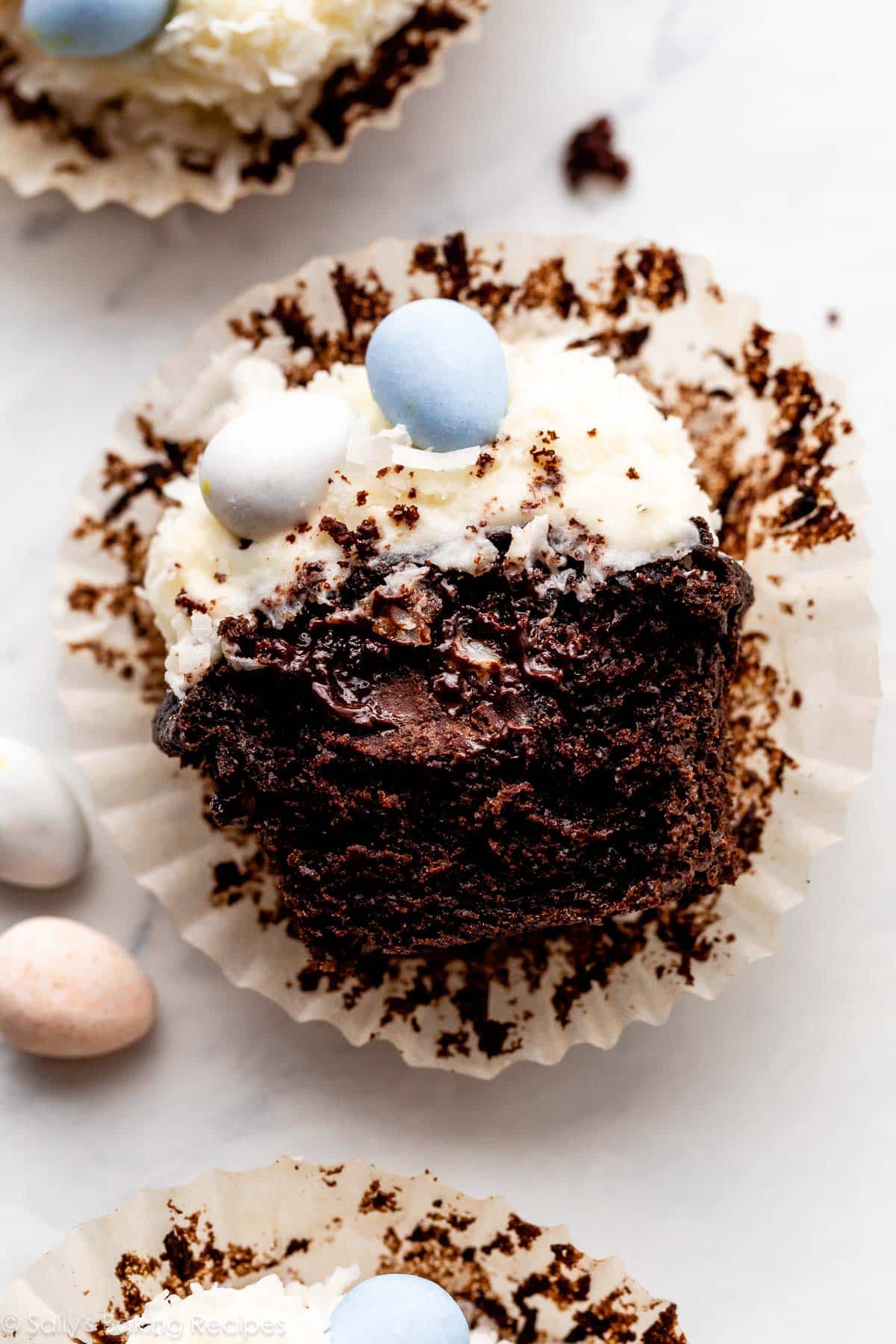
Similarly, chocolate buttercream Easter egg candies offer a delightful alternative, allowing for varied flavor extracts and additions like shredded coconut in the filling. The process of shaping and dipping these confections in chocolate can be a meditative and rewarding activity, culminating in treats that melt exquisitely in the mouth. Culinary enthusiasts and home bakers increasingly appreciate the control over ingredients and the joy of creating personalized gifts or dessert platters. This trend towards artisanal home confectionery reflects a broader movement in the food industry, where consumers seek authenticity and a connection to the creation process.
Easter Cookies: A Canvas for Creativity and Family Engagement
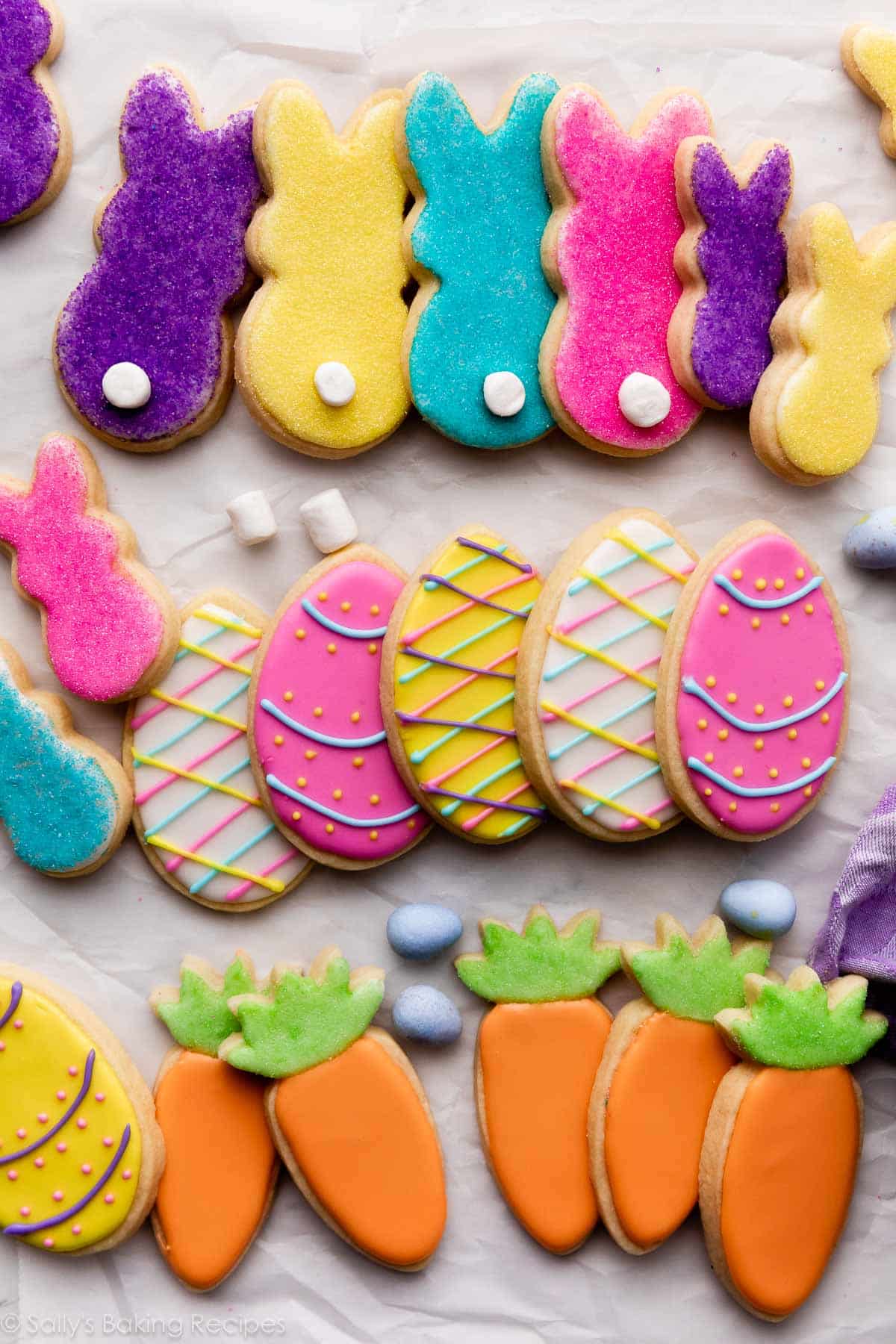
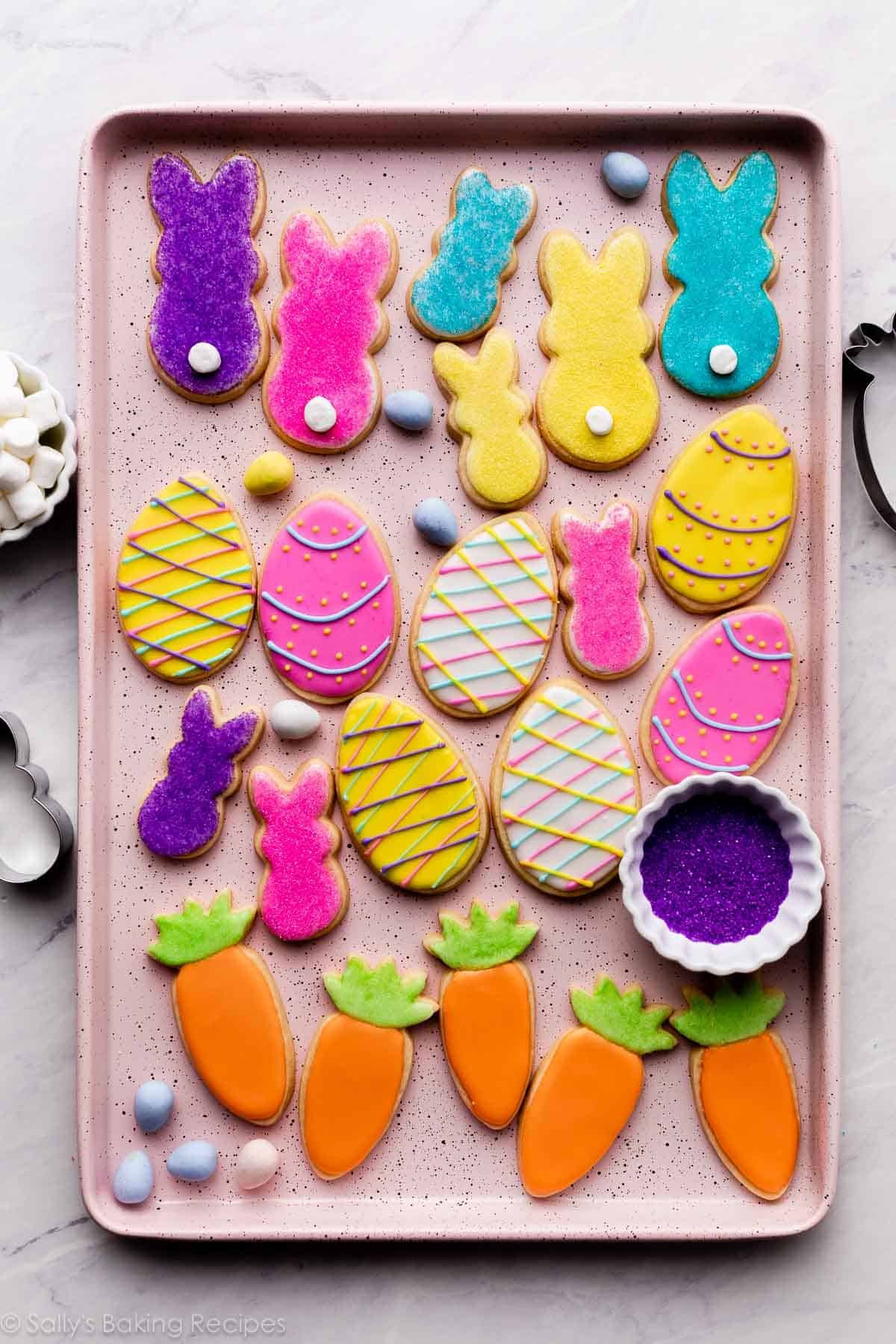
Easter cookies are another cornerstone of the holiday’s dessert repertoire, serving as both delicious treats and a beloved activity for families. Soft and chewy sugar cookies, often flavored with hints of vanilla and almond, provide an ideal base for festive decoration. The visual appeal of pastel-shaded cookies, shaped like bunnies with marshmallow tails, vibrant Easter eggs, or charming carrots, enhances the holiday spirit.
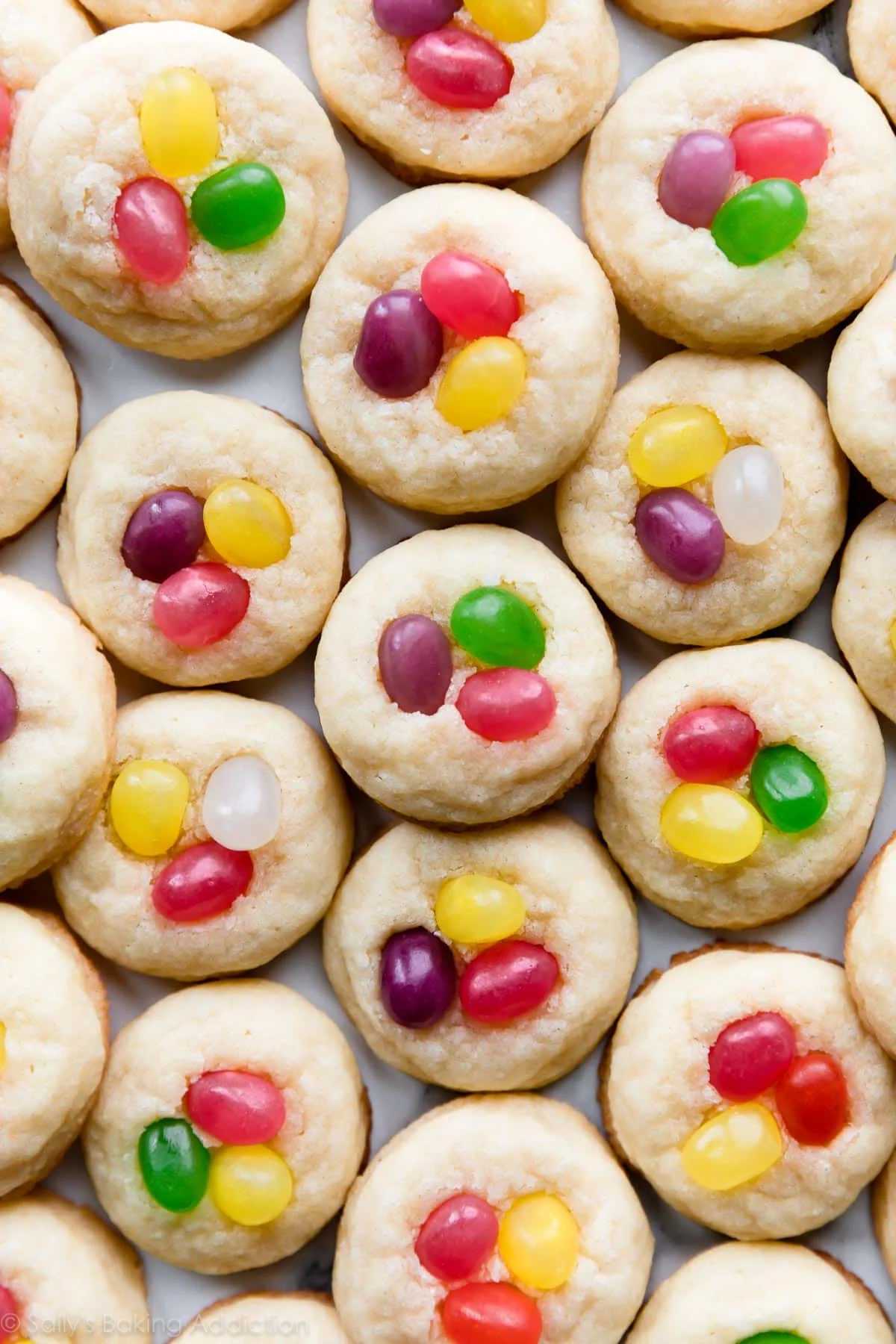
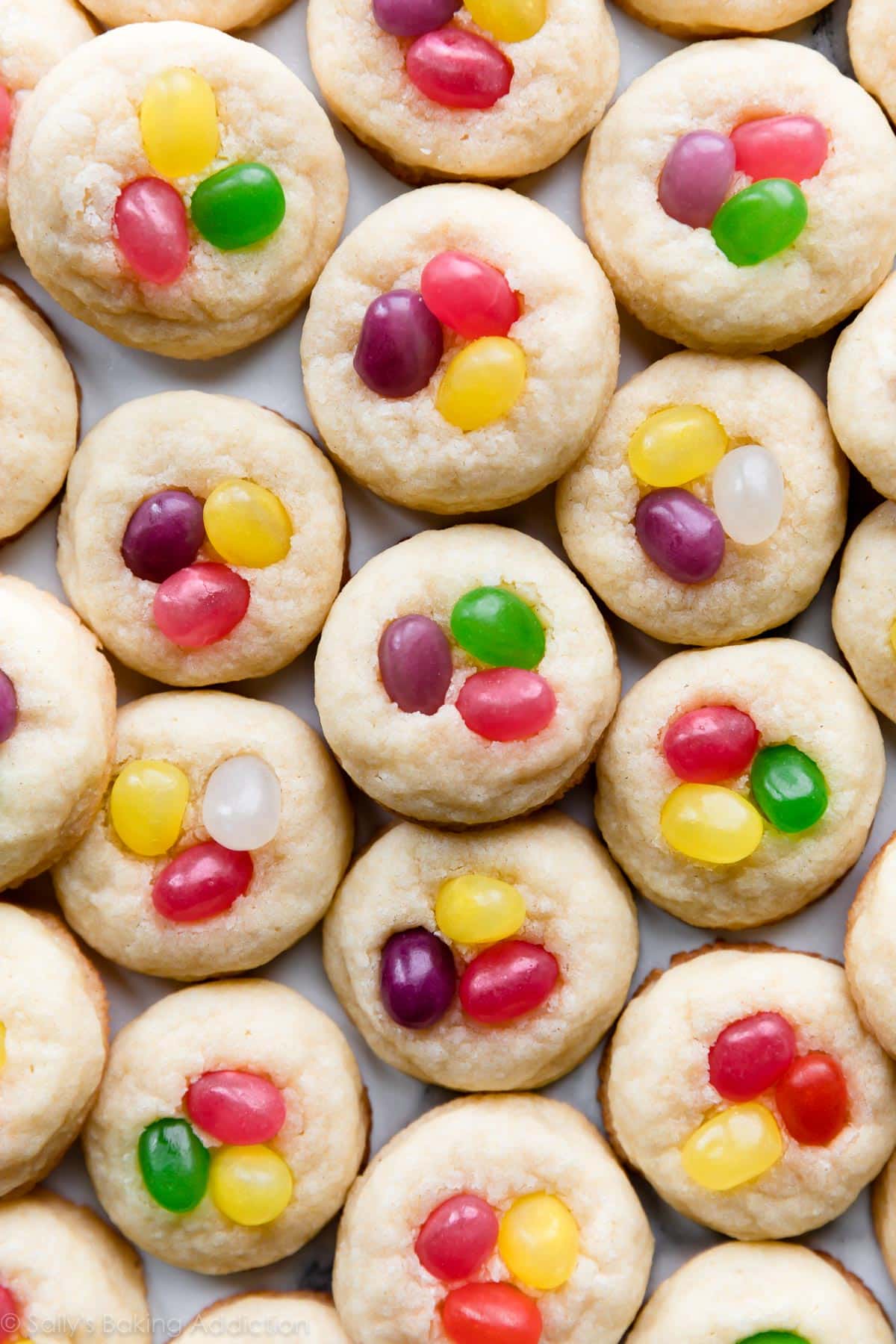
The act of decorating cookies offers a creative outlet and an opportunity for intergenerational bonding. Children, often referred to as "young bakers," relish the chance to participate, making it a memorable afternoon activity. Various icing techniques, from simple drizzles to intricate royal icing designs, allow for different levels of artistic expression. Jellybean sugar cookies, requiring only the pressing of candies into warm cookies post-baking, exemplify how easy yet festive these treats can be, appealing to those seeking simplicity without sacrificing charm. The market for cookie decorating supplies sees a significant surge leading up to Easter, indicating the widespread popularity of this particular baking tradition.
Show-Stopping Cakes and Pies: Centerpieces of the Easter Table
For those aiming to create a truly memorable finale to their Easter meal, a variety of show-stopping cakes and pies stand ready to impress.
-
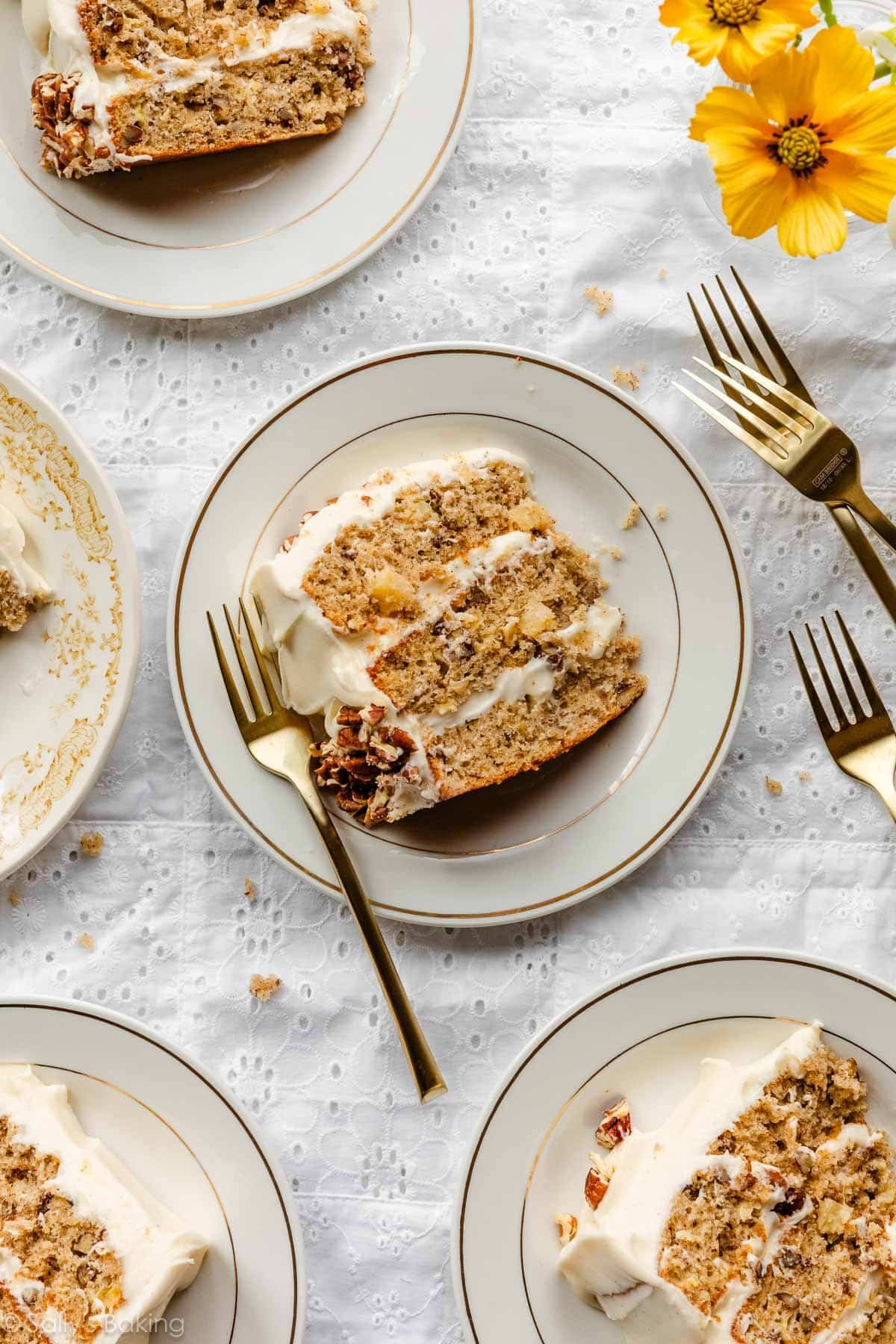
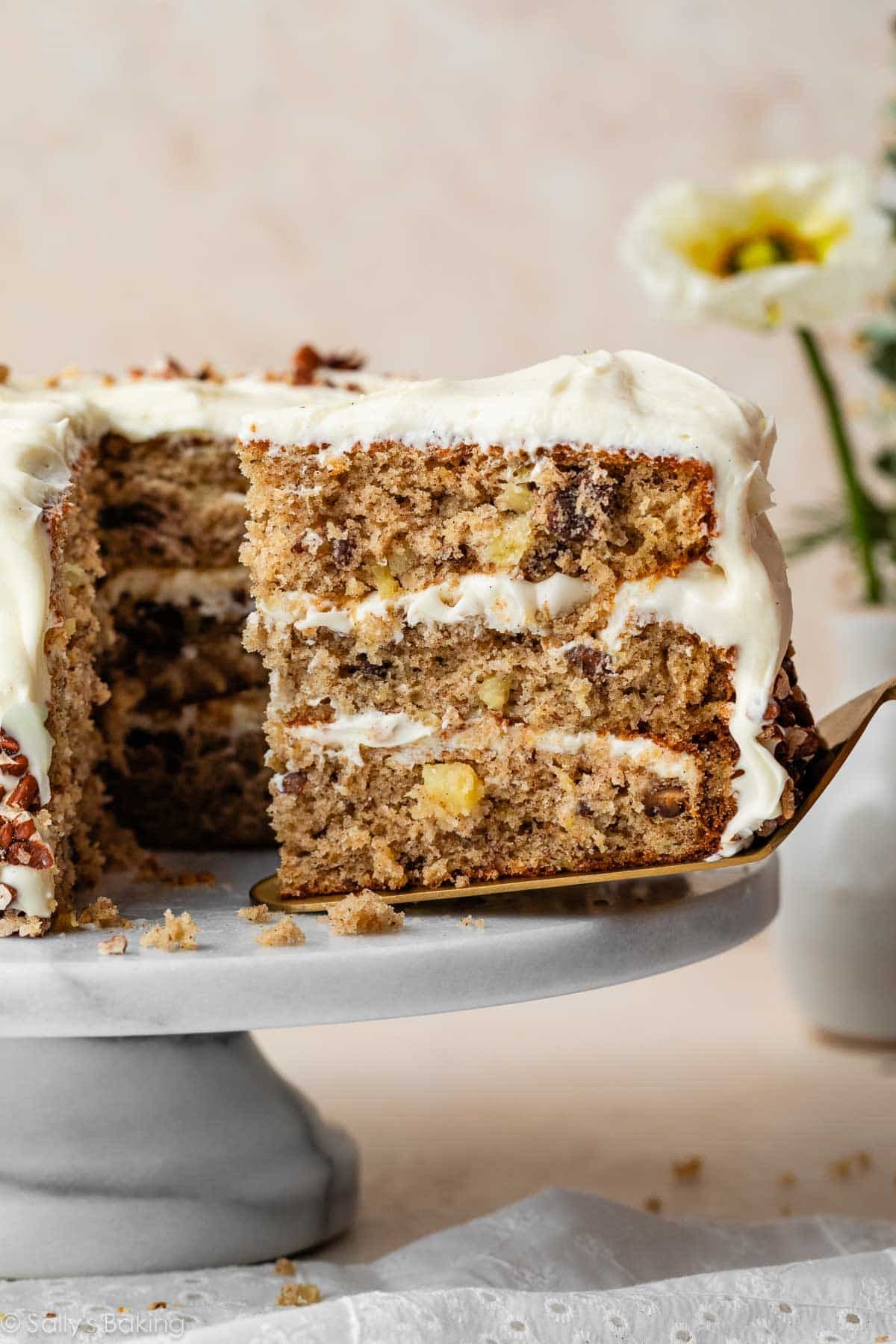
Hummingbird Layer Cake: Originating in the Southern United States, this ultra-moist cake is a symphony of flavors, combining ripe bananas, crushed pineapple, warm spices, and toasted pecans, all crowned with a tangy cream cheese frosting. Its rich history and unique flavor profile make it a distinctive choice. The ease of preparation, often requiring no mixer, belies its sophisticated taste and texture, cementing its status as a spring and holiday favorite.
-
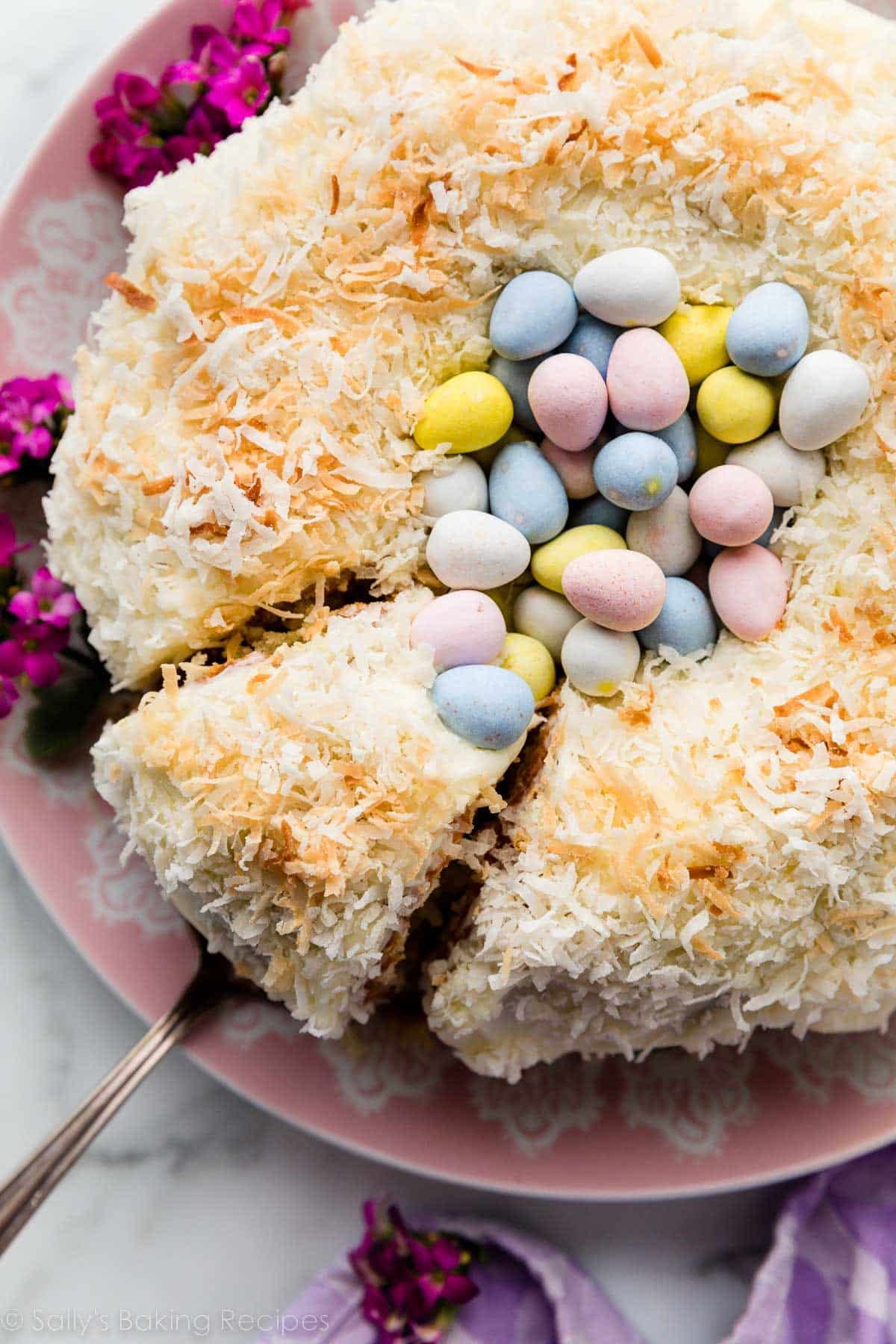
Coconut Easter Nest Cake: This visually delightful Bundt cake is subtly sweet and infused with coconut, then artfully transformed into an edible nest. Topped with creamy lemon cream cheese frosting, feathery sweetened coconut, and an abundance of candy-coated chocolate eggs, it’s a testament to imaginative dessert presentation. Its relative simplicity in decoration makes it accessible even for novice cake decorators, fostering a sense of accomplishment.
-
Lemon Blueberry Layer Cake: A popular choice for its vibrant flavor, this cake features moist, soft layers somewhere between a vanilla cake and a pound cake, studded with juicy blueberries. The silky cream cheese frosting, often described as tasting like "spreadable cheesecake," provides a luxurious finish, balancing the zingy lemon and sweet blueberries. This cake exemplifies the fresh, fruity profile that many seek during spring celebrations.
-
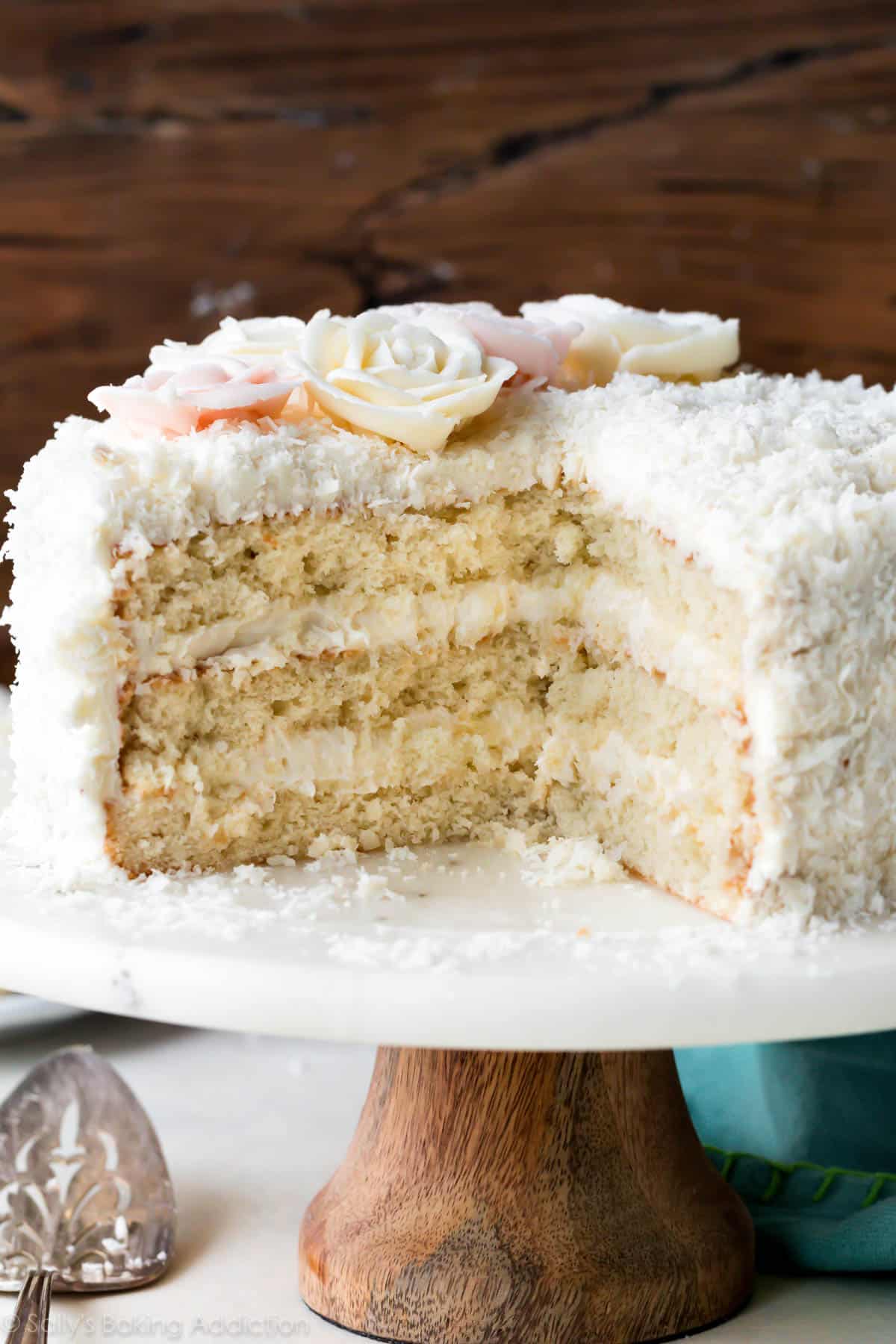
Fluffy & Moist Coconut Cake: For dedicated coconut enthusiasts, a pure coconut cake, moist and flavorful, is an undeniable treat. Its dedication to a single, beloved flavor ensures a rich and satisfying experience, often converting even those who claim not to be coconut lovers. The texture and aroma alone make it a compelling centerpiece.

-
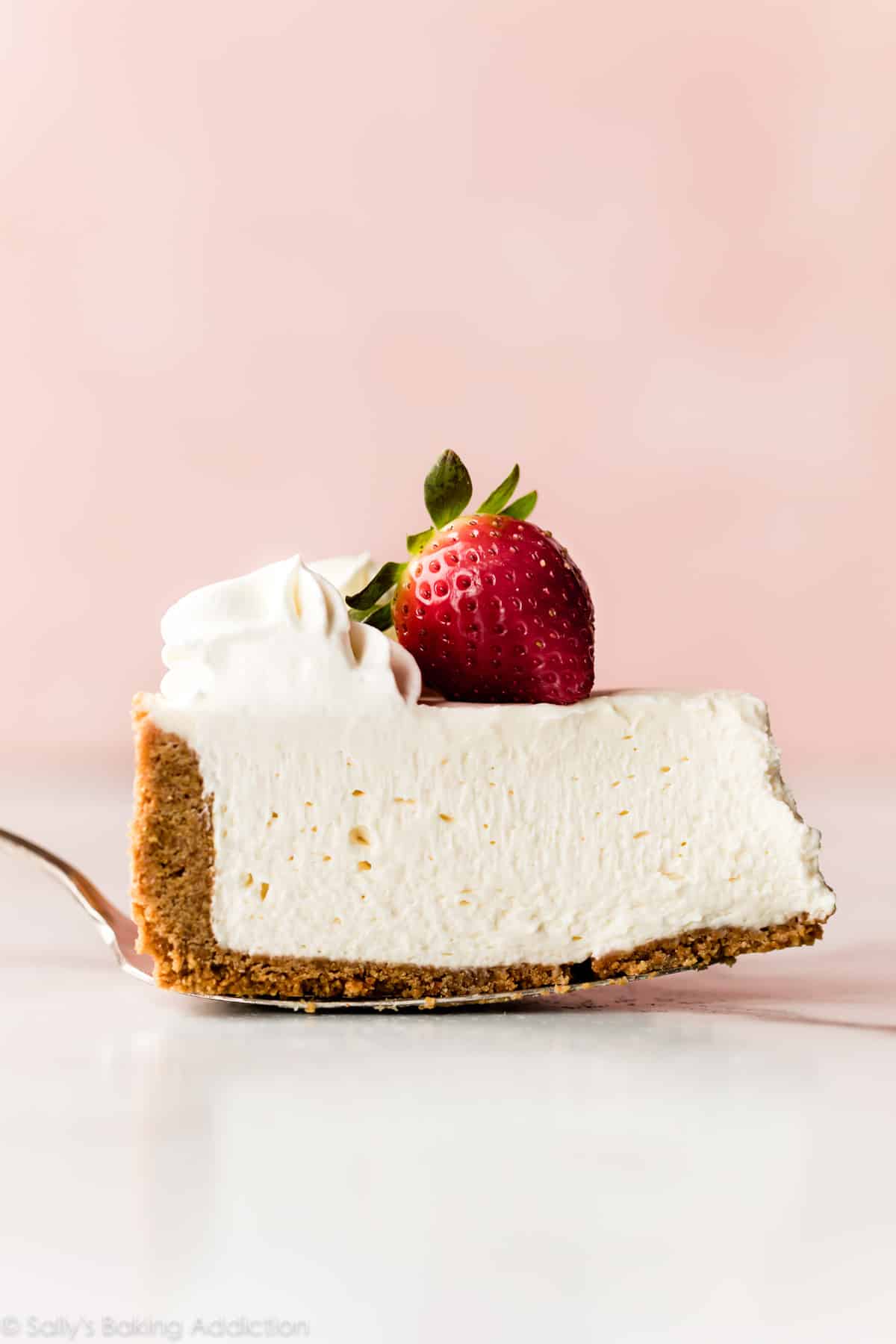
Classic and No-Bake Cheesecakes: Cheesecakes offer both classic elegance and practical convenience. A traditional baked cheesecake, with its creamy texture and rich flavor, is a timeless dessert. For those seeking an easier, make-ahead option, no-bake cheesecakes provide a smooth, light, and airy alternative that sets beautifully in the refrigerator, ideal for busy hosts. Mini cheesecakes further simplify serving for larger crowds, offering perfectly portioned individual delights adorned with fresh berries and mint.
-
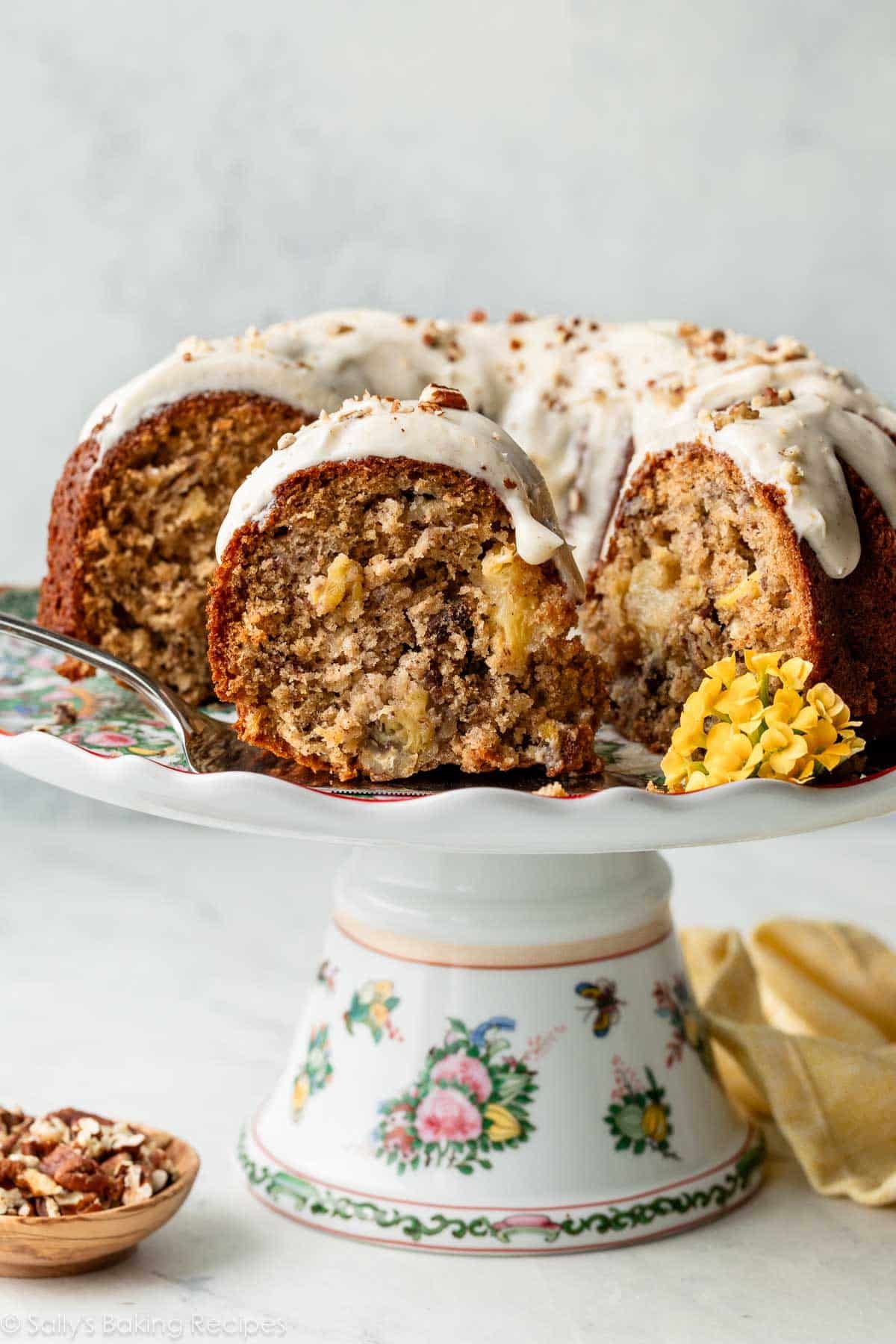
Hummingbird Bundt Cake & Iced Lemon Pound Cake: These simpler, yet equally impactful options, provide elegance without excessive fuss. The Hummingbird Bundt Cake retains the signature flavors of its layer cake counterpart but in a more streamlined form, often topped with a cinnamon-spiced cream cheese frosting. An Iced Lemon Pound Cake offers a bright and cheerful citrus burst, its supremely moist crumb and simple, glossy lemon icing requiring minimal decoration for stunning effect.
-
Pies: Traditional pies also find their place at the Easter table. The majestic Lemon Meringue Pie, with its billowy, toasted meringue, balanced sweet-tart lemon filling, and flaky crust, is a true showstopper. Similarly, a Homemade Banana Cream Pie, featuring creamy, from-scratch custard, fresh bananas, whipped cream, and a buttery crust, is an excellent make-ahead option that requires time to set, rewarding patience with exquisite flavor. The Pineapple Upside Down Cake, a delightful retro favorite with its caramelized brown sugar fruit topping and soft, buttery cake, provides a visually striking and delicious option, with fruit juices infusing the cake for added lusciousness.
Beyond Desserts: The Enduring Appeal of Hot Cross Buns
While the focus often falls on desserts, Easter also features iconic baked goods that bridge the gap between breakfast, brunch, and light snacks. Hot Cross Buns are a prime example, steeped in centuries of history and symbolism. Traditionally marked with a cross on top, representing the crucifixion, these spiced sweet buns often contain currants or raisins and are typically glazed. They are a staple of Good Friday and the Easter season, enjoyed across many cultures as a comforting and historically significant treat. Their versatility allows them to be served at any time of day, embodying a tradition that transcends the dessert course.
Catering to Diverse Dietary Needs: Gluten-Free Options
In an increasingly health-conscious and diet-aware society, the demand for inclusive recipes, particularly gluten-free options, has grown significantly. For Easter celebrations, this means ensuring that individuals with dietary restrictions can also partake in the festive indulgence. Several Easter dessert categories lend themselves well to gluten-free adaptations. Homemade chocolate candies, such as peanut butter Easter eggs and buttercream Easter egg candies, are naturally gluten-free if the ingredients used (e.g., chocolate, extracts) are certified as such. These options provide rich, satisfying treats without compromising on flavor or the festive spirit. The availability of reliable gluten-free recipes ensures that Easter remains a joyous and inclusive culinary experience for everyone.
The Broader Impact: Culinary Trends and Consumer Behavior
The comprehensive collection of Easter dessert recipes, like those curated by acclaimed baking cookbook authors, highlights several broader culinary and consumer trends. The proliferation of online resources and food blogs has democratized baking, empowering home cooks with expertly tested recipes and step-by-step tutorials. This accessibility fosters confidence in tackling even complex bakes from scratch, contributing to a vibrant community of baking enthusiasts.
Economically, the Easter holiday drives significant consumer spending on baking ingredients, kitchen tools, and festive decorations. Seasonal ingredients like fresh citrus, berries, and specific baking staples see a boost in sales. This period also reflects a societal value placed on homemade goods, family traditions, and the shared experience of preparing and enjoying food together. The emphasis on "dependable recipes that turn out right on the first try" addresses a key consumer need for reliability, minimizing waste and maximizing satisfaction.
Furthermore, the evolving landscape of dietary preferences, including the rise of gluten-free, dairy-free, and vegan options, continues to shape holiday baking. While traditional recipes remain popular, there is a clear trend towards offering adaptations that cater to diverse needs, making celebrations more inclusive. The fusion of timeless recipes with modern dietary considerations underscores a dynamic culinary environment that balances heritage with innovation. Ultimately, Easter desserts are more than just sweet treats; they are edible expressions of culture, family, and the joyous renewal of spring.