

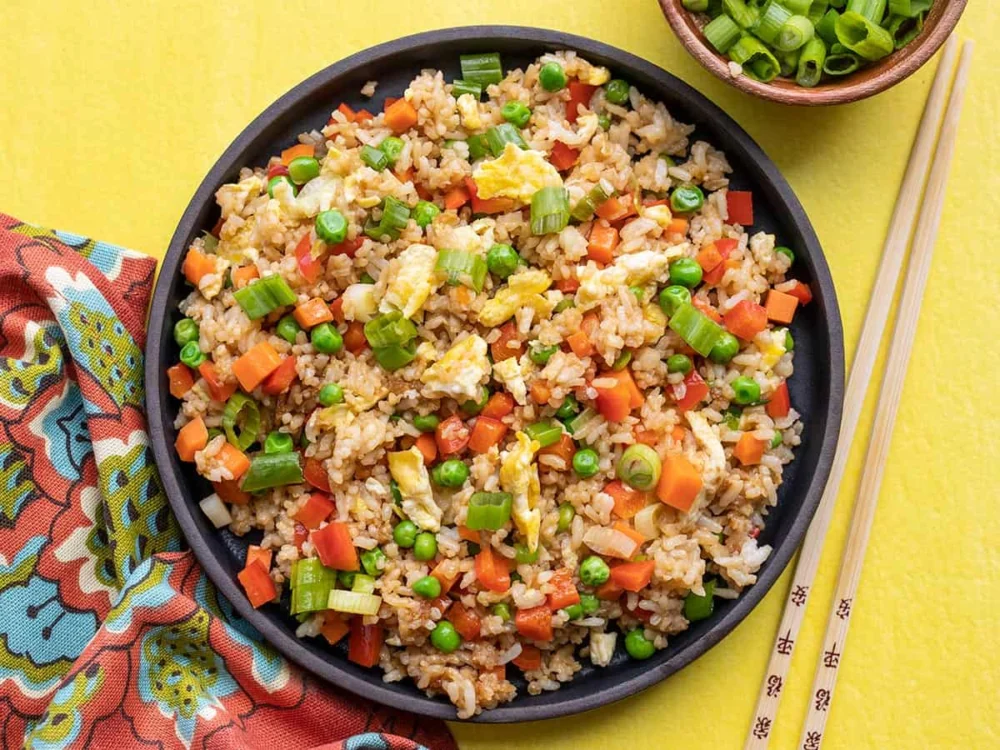
The management of household food waste has emerged as a critical focal point for both economic stability and environmental sustainability in the modern culinary landscape. Among common kitchen staples, cooked rice represents a significant portion of preventable domestic waste due to its low unit cost and the frequent tendency of consumers to overestimate portion sizes. Industry experts and culinary professionals are increasingly advocating for a shift in perspective, moving away from viewing surplus rice as "leftovers" to be discarded and instead categorizing it as a "planned ingredient" for secondary meal cycles. This strategic approach to meal planning not only addresses the immediate concern of grocery budget depletion but also aligns with broader global initiatives to reduce the carbon footprint associated with food production and disposal.
The Economic and Environmental Context of Food Waste
According to data from the United Nations Environment Programme (UNEP) Food Waste Index Report, households globally waste over one billion meals every day. In the United States alone, the Department of Agriculture (USDA) estimates that 30 to 40 percent of the food supply is wasted, a figure that translates to approximately $161 billion in annual economic losses. Rice, as a primary caloric staple for more than half of the world’s population, plays a disproportionate role in this cycle.
The economic implications for the individual consumer are substantial. While rice is a low-cost commodity, the cumulative effect of discarding small portions of prepared food contributes to a phenomenon known as "budget leakage." By treating surplus rice as a pre-cooked base for subsequent dishes, households can effectively lower their cost-per-serving across multiple meals, offsetting the rising costs of protein and fresh produce.
Food Safety Protocols for Cooked Grain Storage
A critical component of the "planned ingredient" strategy is the adherence to rigorous food safety standards. Cooked rice is a known substrate for Bacillus cereus, a bacterium that produces heat-resistant toxins. The risk of foodborne illness, often colloquially referred to as "fried rice syndrome," necessitates a specific chronology of handling and storage.
To ensure consumer safety, the following timeline must be observed:
- Immediate Cooling: Cooked rice should not remain at room temperature for more than two hours. Optimal safety is achieved by cooling the grain as rapidly as possible.
- Portioning: Distributing the rice into shallow, clean containers facilitates faster chilling in the refrigerator.
- Refrigeration and Freezing: Cooked rice should be stored at or below 40°F (4°C). While it remains viable in the refrigerator for up to four days, long-term preservation can be achieved through freezing, which maintains quality for two to three months.
- Thorough Reheating: When repurposing, the rice must reach an internal temperature of at least 165°F (74°C) to neutralize potential pathogens.
Systematic Categorization of Repurposing Techniques
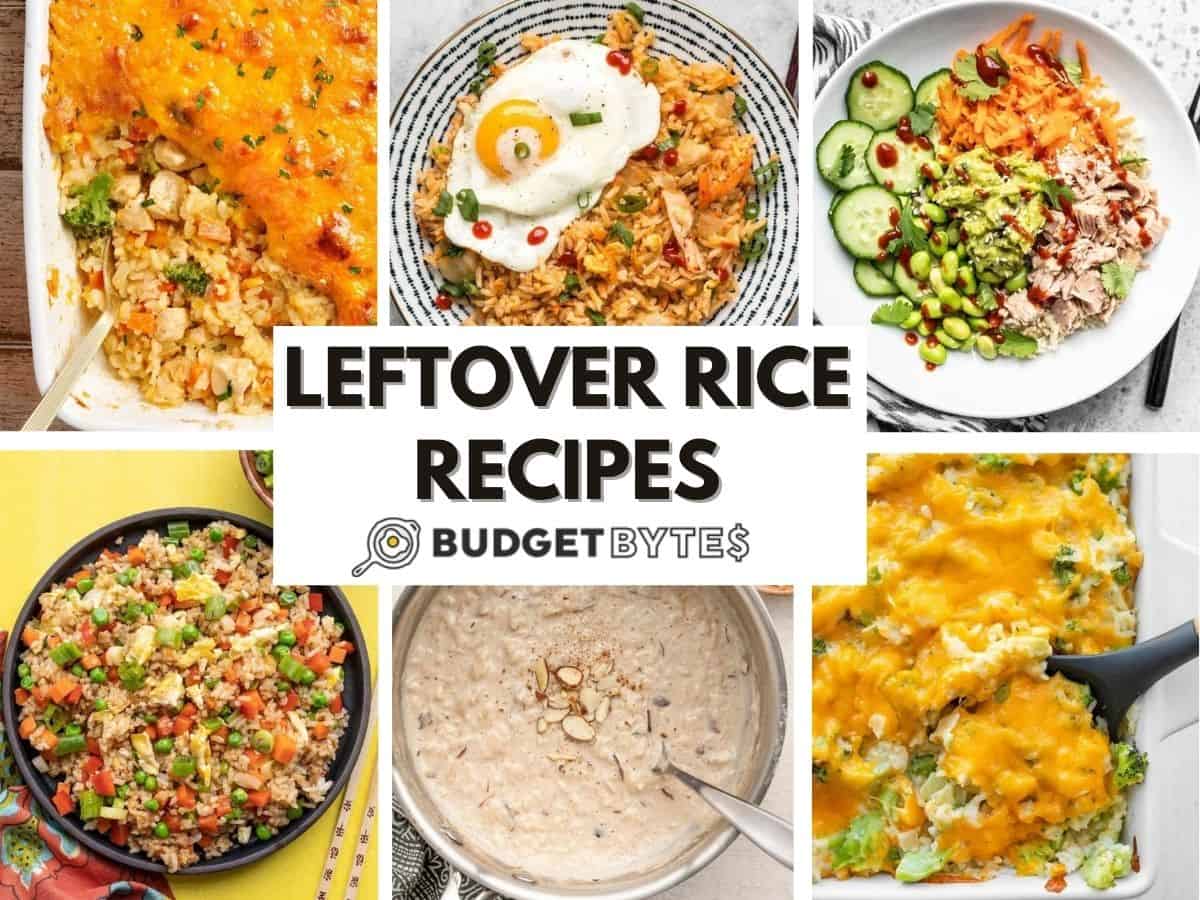
Culinary professionals categorize the transformation of surplus rice into five primary applications: high-heat stir-frying, slow-bake casseroles, nutritive bowls, structural binders, and sweet confections. Each method utilizes the unique textural changes that occur in rice after refrigeration.
High-Heat Applications: The Fried Rice Methodology
Refrigerated rice undergoes a process known as retrogradation, where the starch molecules realign and the grains lose moisture. This results in a firmer, less adhesive texture that is ideal for stir-frying. Freshly cooked rice, by contrast, tends to become gummy or clumped when exposed to sauces and high heat.
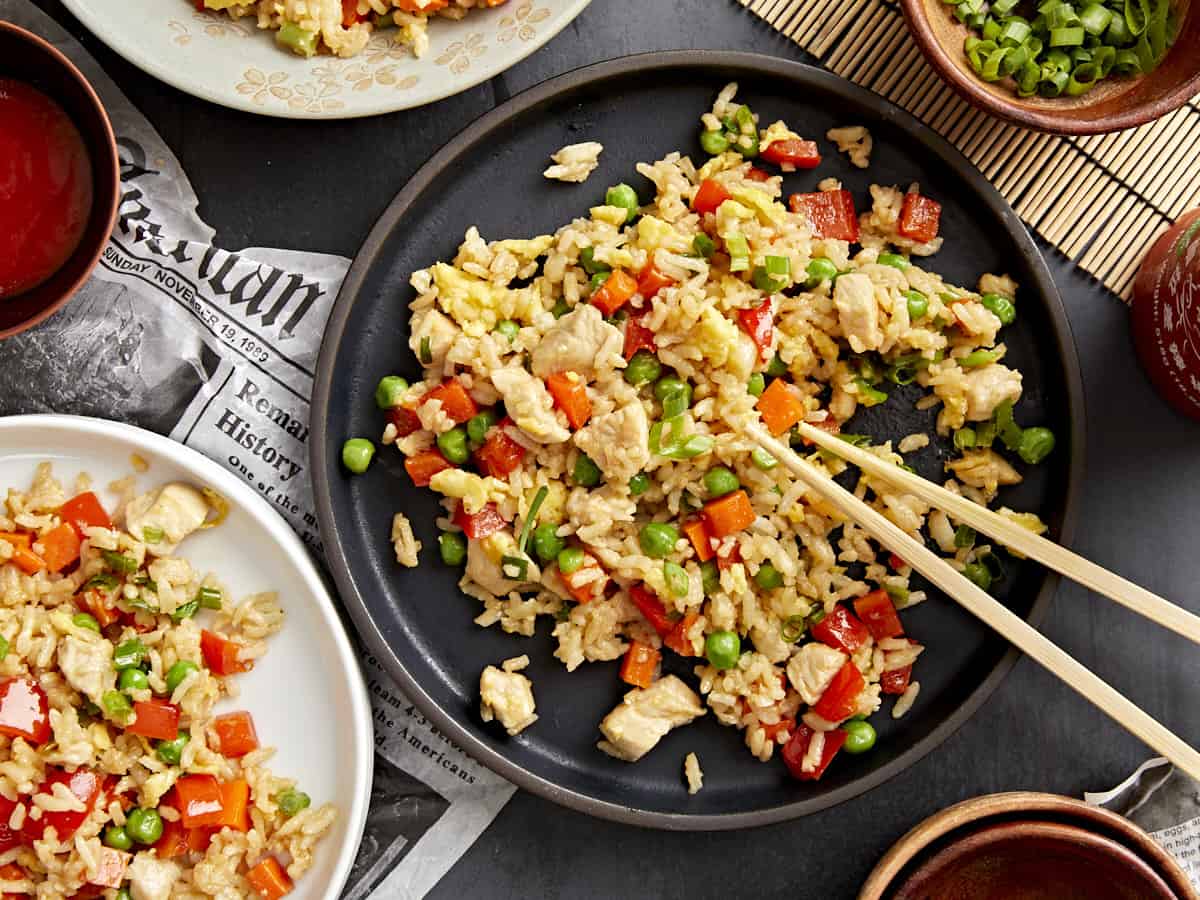
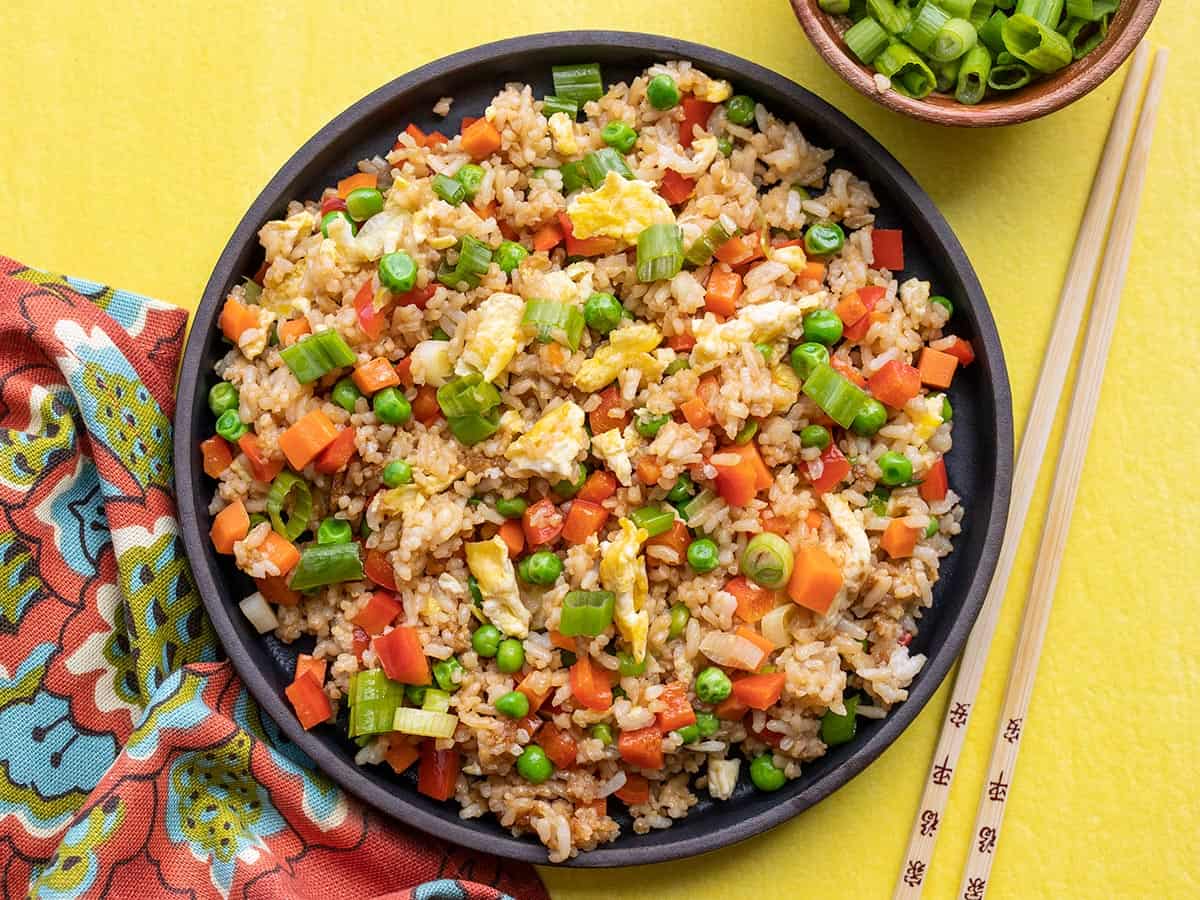
- Vegetable-Centric Varieties: Utilizing aromatics such as garlic and ginger, combined with soy sauce and toasted sesame oil, provides a high-flavor profile that masks the age of the grain.
- Protein Integration: The addition of chicken, shrimp, or tofu allows for the expansion of a single chicken breast or a small portion of seafood into a complete family meal.
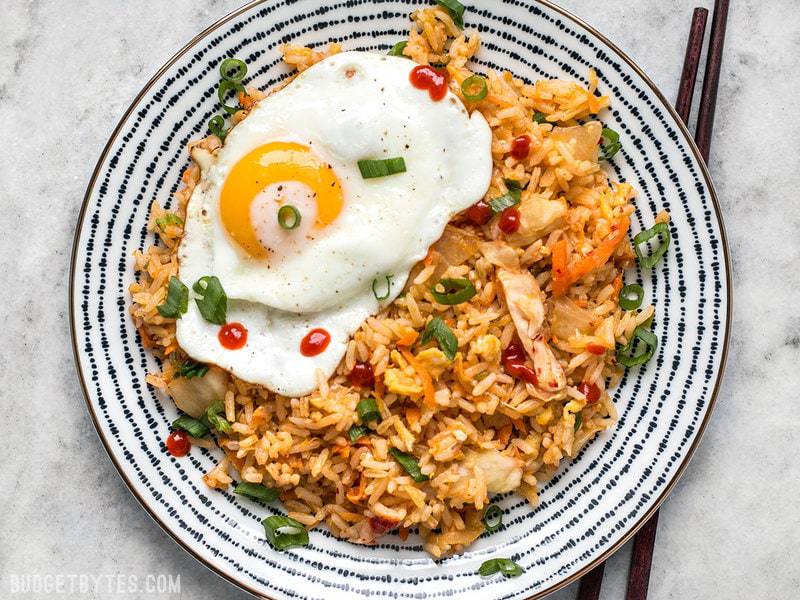
- Regional Variations: The inclusion of fermented ingredients, such as kimchi, adds a complex acidity and probiotic element to the dish, demonstrating the versatility of the grain across different flavor profiles.
Baked Applications and Casseroles
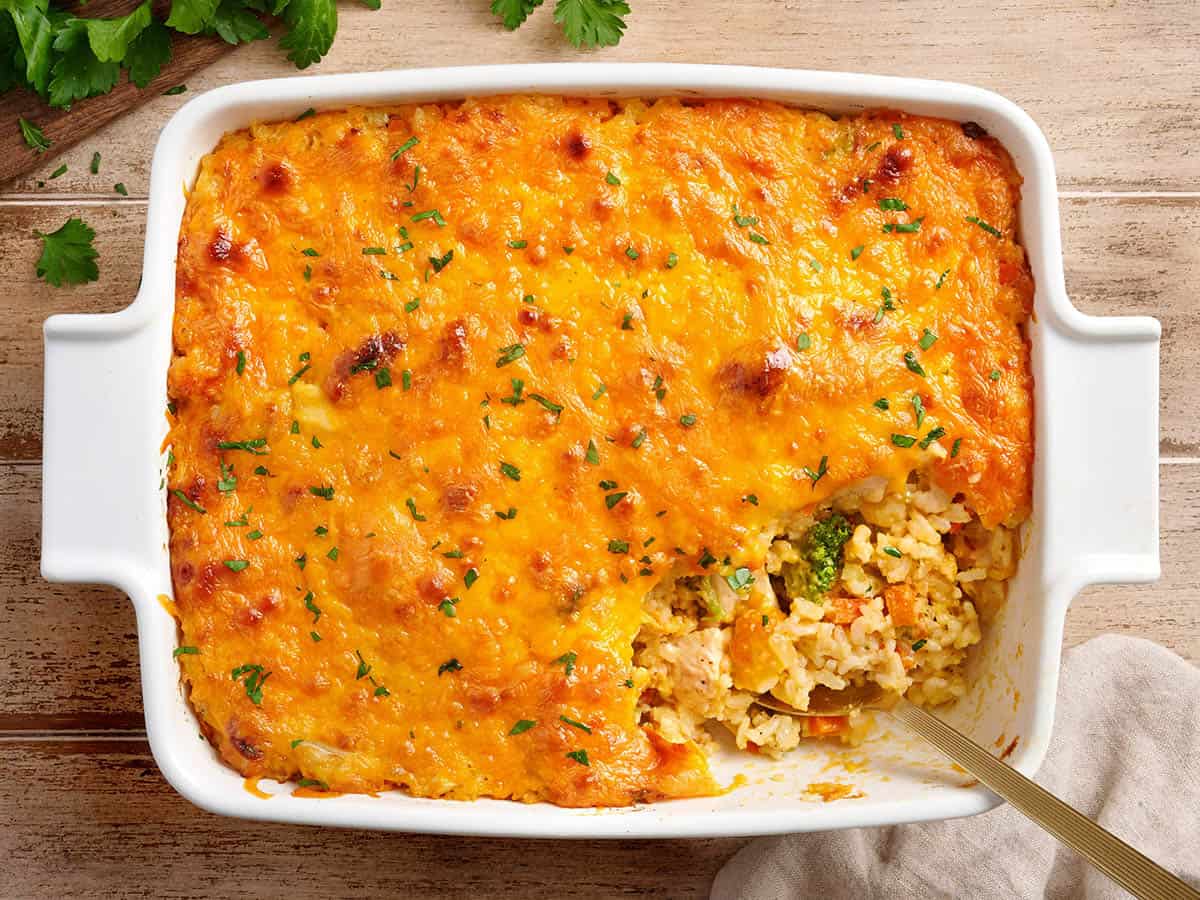
In the context of oven-baked dishes, the firm texture of day-old rice serves as a structural foundation. Casseroles are particularly effective for resource management, as they allow for the integration of various "odds and ends" from the refrigerator.
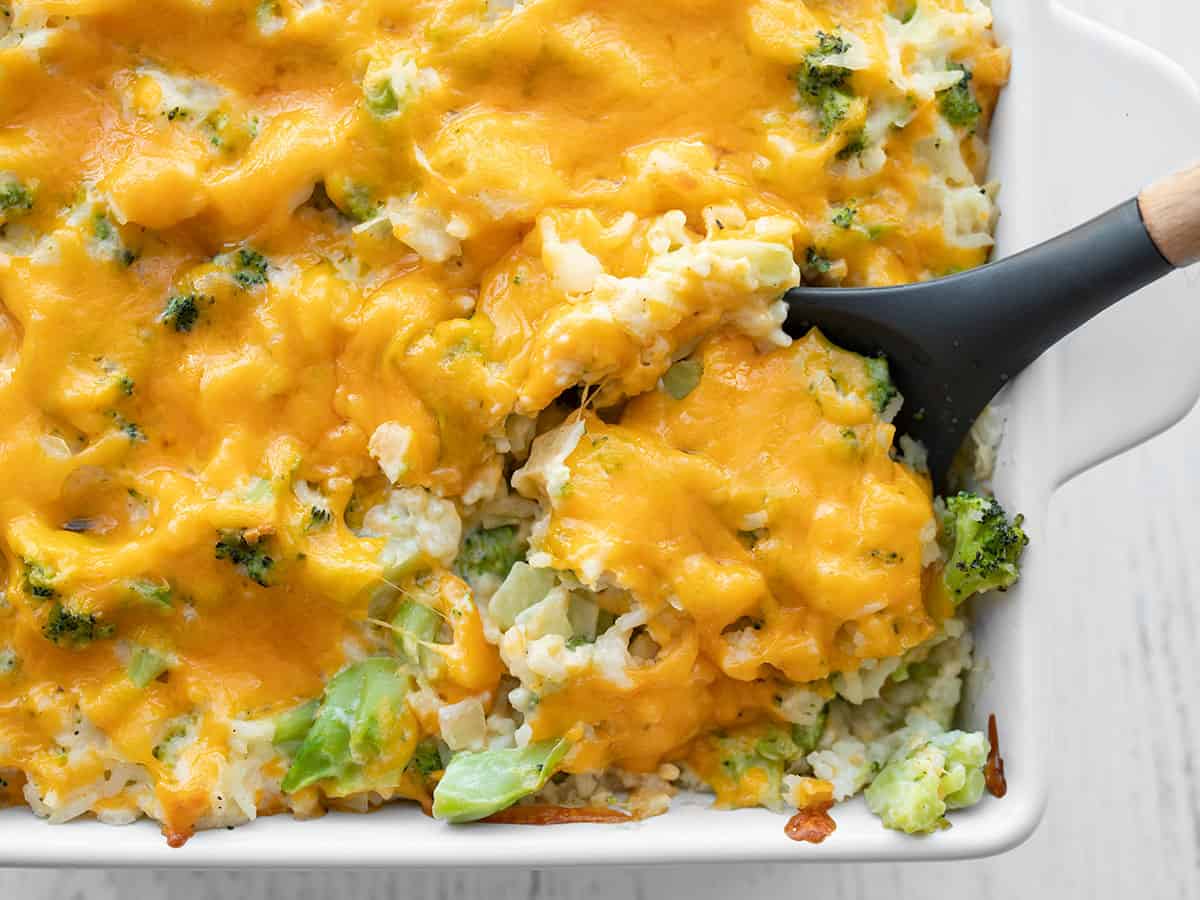
- Classic Poultry Casseroles: Combining rice with cooked chicken, broccoli, and a dairy-based binder (such as a béchamel or cheese sauce) creates a nutrient-dense, shelf-stable meal that can be prepared in advance.
- Cultural Adaptations: The "Beef Burrito Casserole" model demonstrates how rice can be layered with legumes, seasoned ground protein, and salsa to mimic the flavor profile of a burrito while providing the convenience of a single-dish bake.
Nutritive Rice Bowls: The "Build-Your-Own" Framework
The rise of "bowl culture" in modern gastronomy has provided a convenient outlet for pre-cooked grains. This method focuses on the assembly of contrasting textures and temperatures.
- Korean Bibimbap: This traditional model utilizes rice as a neutral base for sautéed vegetables, spicy gochujang-based beef, and a fried egg. It represents a balanced approach to macronutrient distribution.
- Economic Burrito Bowls: By combining black beans, salsa, and cheese with reheated rice, consumers can replicate commercial fast-casual offerings at a fraction of the market price.
- No-Heat Lunch Solutions: For consumers without access to reheating facilities, rice can be incorporated into cold bowls, such as those featuring spicy tuna, guacamole, and edamame, provided the rice has been handled under strict temperature controls.
Structural Innovations and Alternative Uses
Beyond traditional meal formats, surplus rice can function as a functional ingredient in unconventional recipes.
Structural Binders in Meat Products
Rice serves as an effective gluten-free alternative to breadcrumbs in meatloaf and meatballs. Its ability to absorb moisture ensures that the protein remains tender during the cooking process. In recipes such as Thai-style turkey meatloaf, rice adds bulk and texture without altering the primary flavor profile of the meat.
Breakfast Applications: Rice Pancakes
The transformation of rice into a breakfast staple represents a significant departure from savory applications. When incorporated into a batter, cooked rice provides a unique textural contrast—a crisp exterior with a soft, dense interior. This application is particularly favored by budget-conscious households seeking to diversify their morning meal options without additional expenditure.
Culinary Thickening: Soups and Stews
A common professional technique involves adding a scoop of cooked rice to soups or stews shortly before serving. This practice, common in dishes like posole or red lentil stew, adds caloric density and textural interest. Furthermore, the starches released by the rice can act as a natural thickening agent for thinner broths.
Sweet Applications: The Evolution of Rice Pudding
Surplus rice is an ideal shortcut for the production of rice pudding. While traditional recipes often begin with raw grain, using pre-cooked rice significantly reduces the active cooking time. By simmering the grain with milk (or dairy alternatives), sweeteners, and warm spices like cinnamon and nutmeg, a basic staple is elevated to a high-value dessert.
Broader Impact and Nutritional Implications
The practice of repurposing rice has implications beyond financial savings. From a nutritional perspective, reheated rice contains higher levels of resistant starch than freshly cooked rice. Resistant starch functions similarly to fiber, resisting digestion in the small intestine and fermenting in the large intestine, which can improve insulin sensitivity and support gut health.

Furthermore, the "zero-waste" kitchen philosophy supported by these recipes reflects a growing consumer demand for sustainable living practices. By maximizing the utility of every ounce of grain, households contribute to a reduction in methane emissions produced by decomposing organic waste in landfills.
Conclusion
The transition from viewing leftover rice as a burden to treating it as a strategic asset is a hallmark of efficient modern domestic management. Through the application of diverse culinary techniques—ranging from the high-heat precision of fried rice to the slow-cooked comfort of puddings—consumers can significantly enhance their food security and financial resilience. As global food systems face increasing pressure, the ability to transform a humble, pre-cooked staple into a series of diverse, nutritious, and cost-effective meals remains an essential skill for the contemporary home cook. The Nashville Test Kitchen and similar institutions continue to validate these methods, ensuring that ease, affordability, and culinary excellence remain accessible to all.