

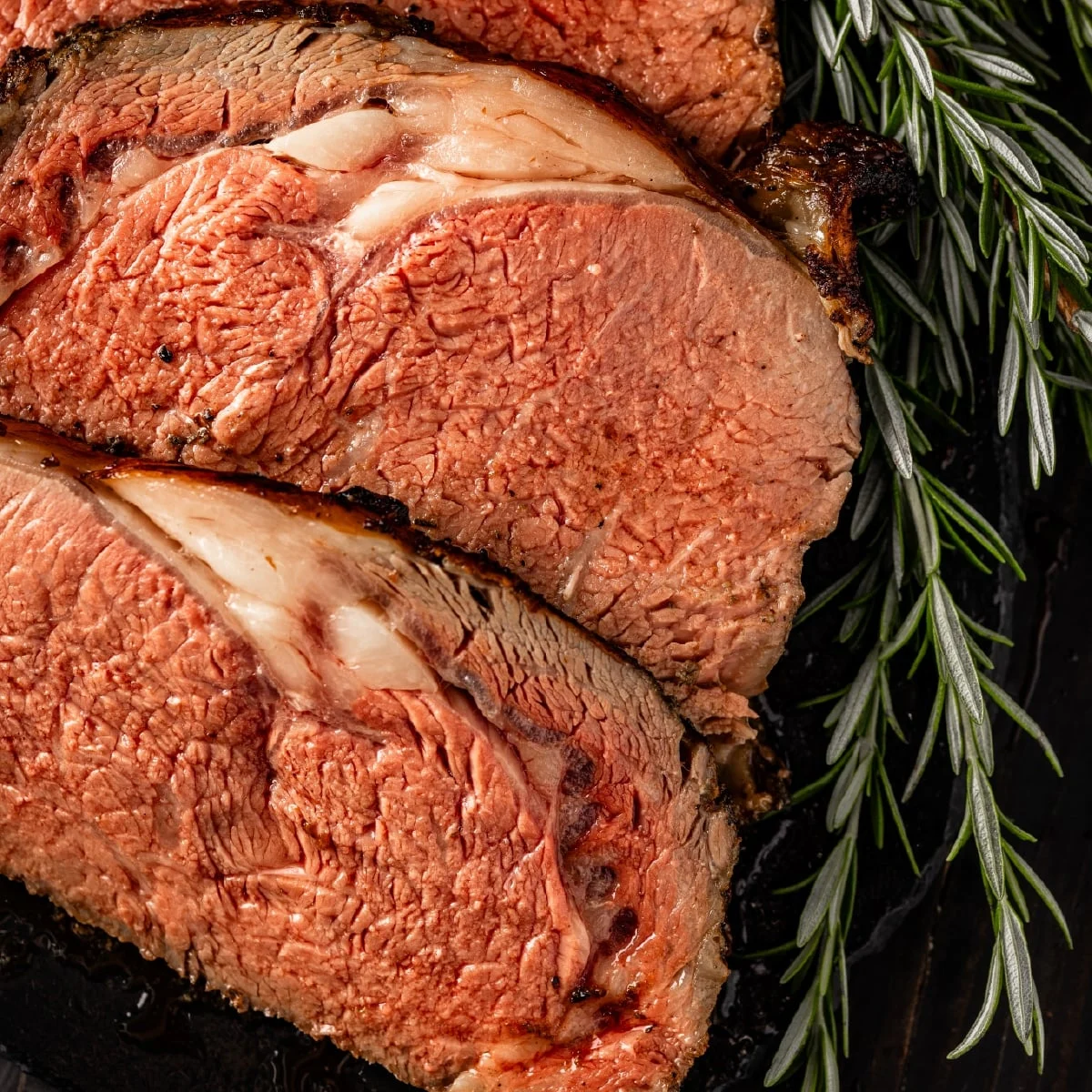
The prime rib roast, historically regarded as the centerpiece of festive dining and high-end culinary traditions, has long presented a challenge to the home cook due to its significant size and high market value. Traditional convection roasting often results in a "gray band" of overcooked meat near the exterior, while the center may remain under-temperature. To mitigate these risks, culinary experts and home enthusiasts are increasingly adopting the sous vide method—a technique that utilizes a temperature-controlled water bath to ensure a precise, uniform level of doneness throughout the entire cut of beef. This method, which translates from French as "under vacuum," has transitioned from professional kitchens to the domestic sphere, offering a fail-safe approach to achieving a perfect medium-rare finish that is consistent from the first slice to the last.
The Evolution of Sous Vide in Modern Gastronomy
The methodology of sous vide cooking was first described by Sir Benjamin Thompson in 1799, but it was not until the mid-1960s that it was rediscovered by engineers for industrial food preservation. By the 1970s, French chefs Georges Pralus and Bruno Goussault refined the technique for fine dining, specifically to reduce the shrinkage of foie gras and improve the texture of tough meats. Today, the availability of affordable immersion circulators has democratized this technology.
When applied to a prime rib roast, the sous vide method serves as a form of "culinary insurance." Given that a high-quality standing rib roast can cost several hundred dollars, the ability to lock in a specific temperature—typically 129 degrees Fahrenheit (54 degrees Celsius) for medium-rare—removes the variables of oven hot spots and fluctuating internal temperatures. The result is a roast that retains maximum moisture and achieves a tenderization of connective tissues that traditional high-heat roasting cannot easily replicate.

Technical Specifications and Procedural Chronology
Achieving professional-grade results with a sous vide prime rib requires a disciplined adherence to a specific timeline and temperature profile. For a standard six-pound roast, the process spans approximately eight to nine hours, excluding preparation and finishing time.
Phase I: Preparation and Seasoning
The process begins with the selection of a high-quality roast, preferably USDA Prime or High-Choice grade. The meat must be seasoned aggressively to ensure the flavors penetrate the dense muscle fibers during the long immersion period. A specialized "Prime Rib Rub" is recommended, typically consisting of:
- Kosher Salt: To draw out moisture and then re-absorb it as a brine, seasoning the meat deeply.
- Coarse Black Pepper: For a traditional pungent heat.
- Garlic and Onion Powder: To provide a savory, aromatic base.
- Dried Herbs (Rosemary and Thyme): Essential for the classic "holiday" flavor profile associated with beef roasts.
Once the rub is applied, the meat is often supplemented with fresh sprigs of rosemary and thyme before being vacuum-sealed. The vacuum-sealing process is critical; it ensures that the meat remains in direct contact with the heat source (the water) without the insulating effect of air pockets.
Phase II: The Thermal Immersion
The sealed roast is submerged in a water bath preheated to 129 degrees Fahrenheit. For a large roast, an immersion circulator is necessary to maintain a constant temperature and keep the water moving, ensuring there are no cold zones in the vessel.

- Duration for Individual Steaks: 2 to 3 hours.
- Duration for a 6-lb Roast: 8 hours.
During this window, the meat reaches a state of thermal equilibrium with the water. Because the water never exceeds 129 degrees, it is physically impossible to overcook the meat, even if it remains in the bath for an extra hour or two. This provides the cook with an unprecedented level of flexibility in meal timing.
Phase III: The Maillard Reaction and Finishing
A common critique of sous vide meat is its "unappealing" appearance upon exiting the bag, as it lacks the crust or "bark" found in traditional roasts. To rectify this, the roast must undergo a secondary high-heat cooking phase to trigger the Maillard reaction—a chemical reaction between amino acids and reducing sugars that gives browned food its distinctive flavor.
The roast is removed from the bag, patted completely dry (moisture is the enemy of a good sear), and then subjected to one of three methods:
- Grilling: Searing over high direct heat for 2-3 minutes per side.
- Broiling: Placing the roast in a preheated oven at the highest possible setting until a crust forms.
- Cast Iron Searing: Utilizing a heavy skillet with high-smoke-point oil to create a localized, intense crust.
Equipment Requirements and Alternatives
While professional setups include a dedicated vacuum sealer and a polycarbonate sous vide container, the process can be adapted for those without specialized hardware.
The Displacement Method
For home cooks without a vacuum sealer, heavy-duty zip-top freezer bags can be utilized. By slowly lowering the open bag into the water, the water pressure forces the air out (the Archimedes principle), allowing the cook to seal the bag with minimal air remaining.

Temperature Monitoring
In the absence of an immersion circulator, a large, heavy-bottomed pot (such as a Dutch oven) can be used on a stovetop set to the lowest possible flame. However, this requires constant monitoring with an instant-read thermometer to ensure the water temperature does not fluctuate, as even a five-degree variance can significantly alter the final texture of the beef.
Supporting Data: Moisture Retention and Yield
Data from culinary laboratories suggest that traditional roasting can result in a 20% to 25% loss in weight due to moisture evaporation and fat runoff. In contrast, sous vide cooking reduces this loss to approximately 5% to 10%. Because the meat is cooked in a sealed environment, the juices that are expelled from the muscle fibers remain in the bag. These juices, rich in rendered fat and herb infusions, are frequently salvaged to create a high-quality au jus or gravy, further enhancing the economic value of the cut.
Furthermore, the "perfectly edge-to-edge" doneness means that the entire roast is edible and presentable. In a traditional roast, the tapered ends are often well-done, while the center is rare; sous vide ensures that every guest receives the same quality of meat, regardless of which section of the roast they are served.
Safety Standards and USDA Guidelines
The USDA typically recommends a minimum internal temperature of 145 degrees Fahrenheit for beef, followed by a three-minute rest. However, sous vide enthusiasts often cook at lower temperatures (like 129°F) for extended periods. This is safe due to the principle of pasteurization through time. While 145°F kills bacteria instantly, maintaining a temperature of 129°F for several hours achieves the same reduction in pathogens, making the meat safe for consumption while maintaining a rare or medium-rare texture.

Broader Implications for Holiday Meal Management
The adoption of sous vide for large-format meats like prime rib has broader implications for domestic logistics during high-stress events such as Christmas or Thanksgiving. The primary "bottleneck" in holiday cooking is often oven space. By using a countertop water bath for the primary cooking phase, the oven remains available for side dishes, breads, and desserts.
Additionally, the ability to reheat leftovers using the same sous vide method ensures that the meat does not lose its texture. Traditional microwave or oven reheating often toughens the beef; however, placing a sealed slice of leftover prime rib back into a 129°F water bath for 45 to 60 minutes restores it to its original serving temperature without further cooking the proteins.
Expert Perspectives on Flavor Development
Susie Bulloch, a prominent figure in the outdoor cooking community and founder of the "Hey Grill Hey" platform, emphasizes that while the water bath handles the internal temperature, the "soul" of the dish remains in the seasoning and the final sear. Bulloch’s methodology suggests that the integration of homemade rubs—specifically those utilizing kosher salt and dried herbs—is essential for breaking through the richness of the ribeye muscle.
Her approach highlights a growing trend in the "revol-que-tion," a movement where traditional barbecue techniques are merged with modern technology. By combining the precision of sous vide with the flavor profile of a live-fire sear, cooks can achieve a hybrid result that offers the best of both worlds: scientific accuracy and rustic, smoky aesthetics.

Conclusion
The transition of sous vide prime rib from a niche modernist technique to a mainstream holiday staple reflects a broader shift toward precision and consistency in home cooking. By understanding the science of thermal immersion, the chemistry of the Maillard reaction, and the logistics of moisture retention, the modern cook can transform a daunting culinary task into a repeatable, high-success operation. As equipment becomes more accessible and the data regarding food safety and yield becomes more widely understood, the sous vide method is likely to remain the gold standard for preparing high-value beef roasts for years to come.