

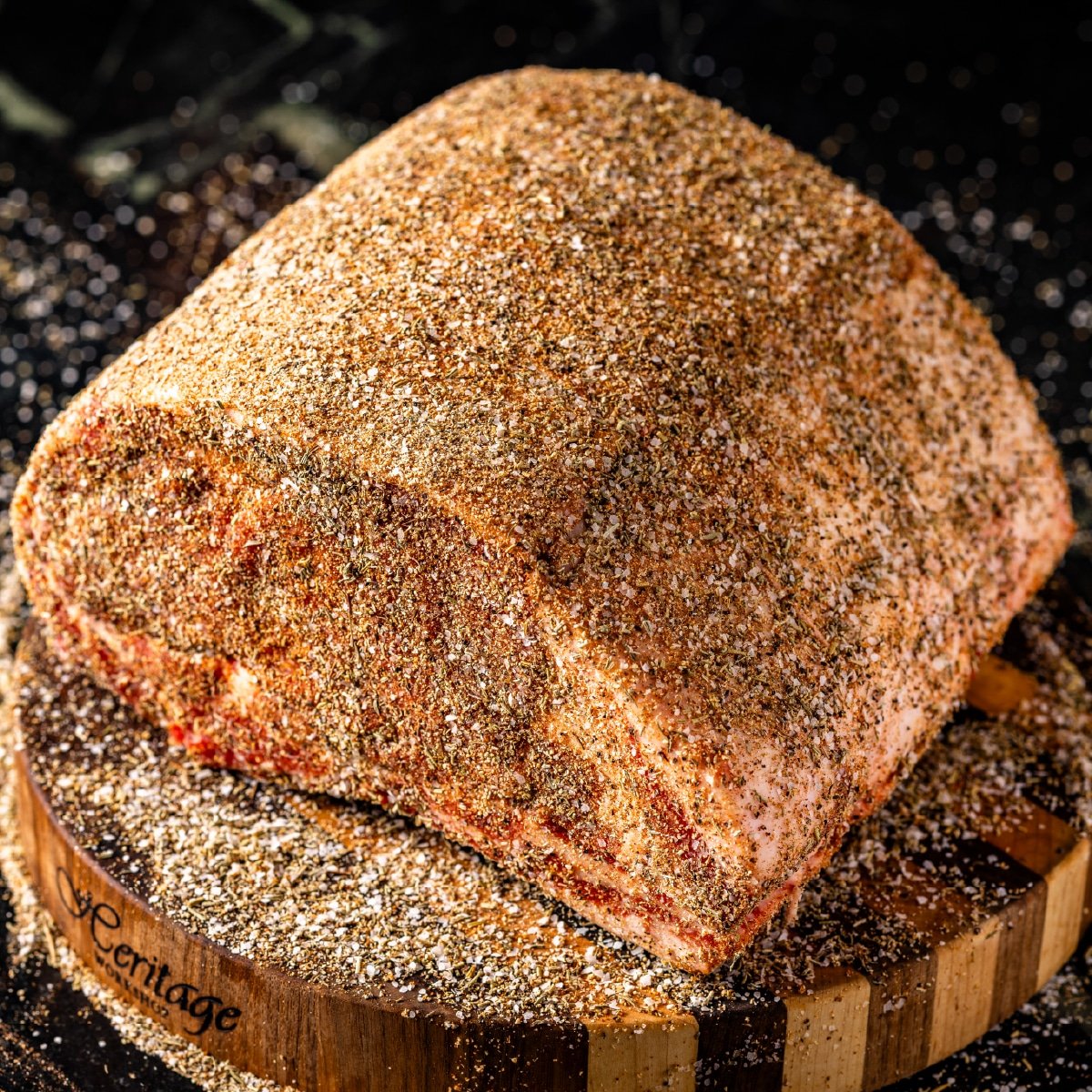
The culinary landscape of festive dining frequently centers on the standing rib roast, a premium cut of beef renowned for its marbling, tenderness, and significant financial investment. As household chefs prepare for high-stakes holiday meals, the demand for specialized seasoning profiles has led to the emergence of the "Hey Grill Hey" Prime Rib Rub, a seven-ingredient dry brine and seasoning blend developed by BBQ expert Susie Bulloch. This savory, herbaceous mixture is designed to augment the natural profiles of high-grade beef without overshadowing the intrinsic quality of the meat. In an era where "prime" grade beef prices remain a significant consideration for consumers, the application of a scientifically balanced rub has become a critical step in ensuring the success of the roasting process, whether utilizing traditional ovens, smokers, or grills.
The Economic Context of the Standing Rib Roast
To understand the necessity of a precision-engineered rub, one must first examine the market conditions surrounding the prime rib. According to data from the United States Department of Agriculture (USDA), the standing rib roast—often referred to as prime rib regardless of its specific grade—is among the most expensive retail cuts available. Prices often fluctuate between $15 and $30 per pound depending on the region and whether the meat is graded as "Choice" or "Prime."
For a standard eight-to-ten-pound roast, which typically serves a medium-sized gathering, the initial investment can exceed $200. This financial commitment creates a high-pressure environment for the home cook. Culinary analysts suggest that the "DIY" seasoning movement has gained momentum as a response to this pressure; by creating a custom rub at home, cooks can control sodium levels, eliminate anti-caking agents found in commercial blends, and ensure the freshness of the volatile oils in the herbs used.

Technical Breakdown of the Seven-Ingredient Rub
The Prime Rib Rub developed by Susie Bulloch follows a classic steakhouse profile, rooted in the foundational principles of meat science. The blend utilizes seven primary components: kosher salt, coarse black pepper, garlic powder, onion powder, dried rosemary, dried thyme, and a subtle hint of smoked paprika or similar aromatics.
The Salt and Pepper Foundation
The core of any effective beef rub is the ratio of salt to pepper. In this specific formulation, the use of coarse grains is intentional. Salt serves as a dry brine, drawing moisture to the surface of the meat through osmosis, where it dissolves the salt before being reabsorbed, seasoning the interior of the muscle fibers. The black pepper provides the necessary "bite" and contributes to the formation of the "crust" or "bark" during the Maillard reaction—the chemical reaction between amino acids and reducing sugars that gives browned food its distinctive flavor.
Herbaceous and Aromatic Profiles
The inclusion of rosemary and thyme aligns with historical European roasting traditions. These herbs contain high concentrations of essential oils that are heat-stable, meaning they retain their flavor profiles even when subjected to the high temperatures of a sear or the prolonged heat of a slow smoke. Garlic and onion powders are utilized instead of their fresh counterparts to prevent burning; fresh garlic contains sugars and moisture that can acridize at high temperatures, whereas the granulated forms provide a consistent, savory background note.
Chronology of Application and Cooking Methodologies
The effectiveness of the rub is heavily dependent on the timing of its application. Professional pitmasters and chefs generally follow a specific chronology to maximize the flavor profile of the roast.

- Surface Preparation: The roast is typically removed from refrigeration 30 to 60 minutes prior to seasoning to allow the internal temperature to begin to rise, ensuring more even cooking.
- The Binding Stage: While some chefs apply the rub directly to the meat, others use a "binder" such as olive oil or a thin layer of prepared horseradish to help the spices adhere.
- The Seasoning Phase: For an 8-to-10-pound roast, the recommended dosage is between 1/4 and 1/2 cup of the rub. This ensures total surface coverage, which is vital for the development of the exterior crust.
- The Resting Period: Once seasoned, the roast should ideally sit for at least 30 minutes. This allows the salt to begin the aforementioned osmotic process.
The rub is versatile enough to accommodate various cooking styles. In a "dry rub" application, the goal is a crisp, salty exterior. Conversely, in a "garlic butter" application—where the rub is mixed into softened butter and slathered over the meat—the fat acts as a vehicle for the spices, basting the roast throughout the cooking duration.
Storage, Longevity, and Chemical Stability
One of the primary advantages of a dry rub is its shelf life and stability. According to food preservation standards, a mixture of dried spices and salt can remain potent for approximately three months when stored in an airtight container in a cool, dark environment.
The degradation of the rub is primarily caused by oxidation and exposure to light, which breaks down the volatile compounds in the rosemary and thyme. While the rub remains safe to consume indefinitely due to the preservative nature of the salt, its aromatic impact diminishes after the 90-day mark. Experts recommend using glass jars with airtight seals to maintain the integrity of the onion and garlic powders, which are prone to clumping in humid conditions.
Official Statements and Culinary Analysis
Susie Bulloch, the founder of Hey Grill Hey and the developer of the recipe, has emphasized the balance between simplicity and quality. "Prime rib isn’t cheap, so if you’re already splurging on one, you want a rub that highlights the natural flavor of your beef without stealing the show," Bulloch stated. Her philosophy centers on the "Backyard BBQ Hero" concept, which aims to democratize professional-grade techniques for the average consumer.

Culinary critics note that the success of such rubs lies in their restraint. Unlike brisket rubs, which may incorporate heavy amounts of sugar or cumin, the Prime Rib Rub focuses on "steakhouse staples." This allows the fat-rendered flavor of the ribeye muscle to remain the primary focus, a move that is praised by traditionalists in the barbecue and roasting communities.
Broader Impact on the Home Cooking Industry
The rise of specialized, homemade seasoning recipes reflects a broader shift in the American food industry. Data from market research firms indicates a significant increase in the "premiumization" of home cooking. As consumers become more educated through digital platforms and social media, there is a declining interest in "one-size-fits-all" grocery store seasonings.
The "Hey Grill Hey" model—providing free, high-quality technical guides while offering branded products for convenience—represents a new era of culinary influence. By empowering the consumer to create their own professional-grade rubs, these platforms have fostered a community of "hobbyist pitmasters" who contribute to the estimated $4.7 billion grilling and barbecue market in the United States.
Implications for Future Holiday Seasons
As supply chain fluctuations continue to impact meat prices, the role of the "perfect rub" becomes even more vital. If the cost of a standing rib roast continues to rise, the "margin for error" in preparation shrinks. Consequently, the adoption of standardized, tested seasoning blends like the one provided by Bulloch serves as a form of "culinary insurance" for the home cook.

In conclusion, the Homemade Prime Rib Rub is more than a simple mixture of spices; it is a calculated tool designed to protect and enhance a significant financial and emotional investment in holiday dining. By adhering to the principles of meat science, utilizing high-quality dried aromatics, and following a disciplined application process, the home chef can achieve results that rival high-end steakhouses, ensuring that the centerpiece of the meal lives up to its "prime" designation.