

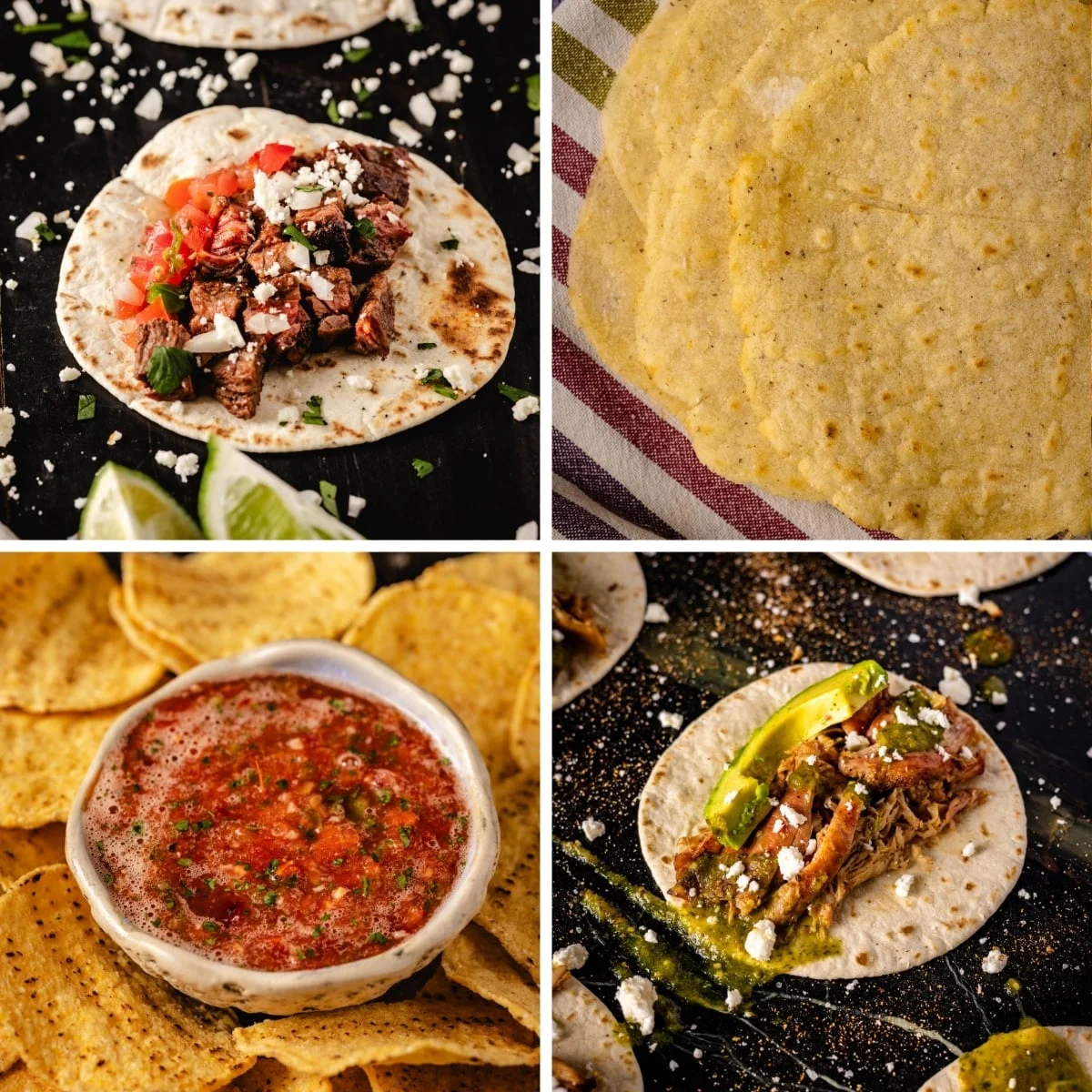
The contemporary culinary landscape has witnessed a significant shift toward home-based artisanal food preparation, particularly in the realm of outdoor cooking and "backyard gastronomy." As consumers increasingly move away from pre-packaged convenience foods, comprehensive frameworks for traditional dishes have become essential. One such framework is the integrated system for "Taco Night on the Grill," a methodology developed by culinary expert and "Hey Grill Hey" founder Susie Bulloch. This system emphasizes the transition from commercial taco kits to a completely "from-scratch" approach, encompassing the production of handmade tortillas, proprietary dry rubs, and smoke-infused proteins. By analyzing the structural components of this guide—from the chemistry of seasoning to the technical execution of grilled meats—it is possible to understand how the integration of traditional Mexican flavors with American barbecue techniques has redefined the informal dinner party.
The Evolution of the Backyard Culinary Experience
The rise of the "Backyard BBQ Hero" archetype reflects a broader trend in the United States toward high-skill home cooking. According to the Hearth, Patio & Barbecue Association (HPBA), over 70% of American adults own a grill or smoker, and there is a growing demand for recipes that utilize these tools beyond simple burgers and hot dogs. The integration of Mexican cuisine into this space is a logical progression, given that Mexican food is currently the second most popular international cuisine in the U.S., according to market research.

Historically, the taco was a staple of the Mexican working class before being popularized globally. In the American context, the "taco night" tradition was often characterized by hard shells and ground beef. However, the modern movement toward authenticity and flavor depth has brought traditional techniques—such as smoking beef barbacoa or grilling al pastor—into the domestic sphere. The "Hey Grill Hey" methodology positions the outdoor grill as the central tool for achieving the high-heat searing and low-and-slow smoke profiles necessary for these complex dishes.
Structural Foundations: The Science of the Handmade Tortilla
A critical pillar of the artisanal taco is the tortilla, which serves as the structural foundation for all other ingredients. In professional culinary circles, the debate between corn and flour tortillas is often centered on regional authenticity and texture. Corn tortillas, produced through the ancient process of nixtamalization (soaking corn in an alkaline solution), offer a distinct earthy flavor and a sturdy texture that holds up well to moist fillings. Flour tortillas, more common in Northern Mexico and the Southwestern U.S., provide a soft, pillowy contrast to charred meats.
The technical execution of tortillas on the grill involves precise heat management. Unlike stovetop preparation, the grill allows for a slight char that enhances the flavor profile of the dough. The process requires a clean, high-heat surface to ensure the dough puffs—a sign of internal steam creation—without sticking. This move toward homemade starch reflects a growing consumer interest in "clean labeling," where individuals control every ingredient, avoiding the preservatives found in commercial, shelf-stable alternatives.

The Chemistry of Flavor: Dry Rubs and Seasoning Profiles
Flavor development in grilled tacos is largely driven by the application of dry rubs, which facilitate the Maillard reaction—a chemical reaction between amino acids and reducing sugars that gives browned food its distinctive flavor. The "Fiesta Rub," a cornerstone of the Hey Grill Hey system, serves as a case study in balanced seasoning.
The rub is engineered to address the three primary requirements of the taco palate:
- Savory Depth: Provided by base notes of cumin, garlic, and onion powder.
- Bright Acidity: Achieved through the inclusion of lime zest or citric acid components, which cut through the fat of grilled meats.
- Controlled Heat: Derived from various chili powders, providing a spicy kick without overwhelming the other ingredients.
For consumers who prefer alternative profiles, the industry has seen a resurgence in specialized seasonings like fajita rubs, which focus more heavily on citrus and pepper notes. The scientific application of these rubs involves a "dry brine" period, where the salt in the rub draws moisture out of the meat, creates a concentrated brine, and is then reabsorbed, seasoning the protein deeply while ensuring a crusty "bark" forms during the smoking process.

Protein Dynamics: Technical Execution of Grilled Meats
The centerpiece of the taco is the protein, and the Hey Grill Hey guide provides a taxonomy of over 15 different recipes, each requiring specific thermal management.
- Smoky Beef Barbacoa: This traditionally involves a slow-cooking process. When adapted for the grill or smoker, it utilizes tough cuts of beef, such as chuck roast or brisket, which are broken down over several hours at low temperatures (approximately 225°F to 250°F). The result is a tender, shredded product rich in gelatin and smoke flavor.
- Al Pastor: Originally a fusion of Lebanese shawarma techniques and Mexican ingredients, grilled al pastor relies on thin slices of pork marinated in achiote and chilies. On the grill, these slices are often stacked or seared quickly to mimic the traditional vertical spit (trompo) method.
- Chile Lime Chicken: This protein requires higher heat to ensure the skin or outer surface caramelizes while the interior remains moist. The interaction between the lime juice in the marinade and the high heat of the grill grate creates a bright, acidic char that is a hallmark of street-style tacos.
The Condiment Landscape: Salsas and Side Dishes
In the hierarchy of taco construction, the salsa is the primary agent of balance. Grilled salsas have become a significant trend, involving the charring of tomatoes, onions, jalapeños, and garlic directly over the flame before blending. This process introduces a smoky dimension that raw salsas lack.
Supporting data from food industry analysts suggests that the "customization" factor of a taco bar is what drives its popularity for social gatherings. By providing multiple salsa options—ranging from mild salsa verde to high-heat habanero blends—the host allows guests to engage in a personalized gastronomic experience. Furthermore, the inclusion of "smoked queso" reflects the adaptation of traditional cheese dips to the outdoor cooking environment, where the cheese absorbs ambient smoke, adding a layer of complexity to the creamy base.

Official Responses and the Digital Community Impact
Susie Bulloch, the founder of Hey Grill Hey and a recognized figure in the BBQ industry, has emphasized that the goal of these comprehensive guides is to democratize high-level grilling. Her approach has been validated by her appearances on the Food Network and her involvement in Guinness World Record-setting grilling events. Bulloch’s methodology suggests that the "hero" feeling associated with a successful taco night is a result of mastering the "from-scratch" workflow, which builds consumer confidence.
The reaction from the digital community has been a significant factor in the spread of these techniques. Social media platforms like Instagram and YouTube have become repositories for "success stories," where home cooks share visual evidence of their grilled creations. This peer-to-peer validation creates a feedback loop that encourages more individuals to experiment with complex outdoor cooking projects. The tag "@heygrillhey" serves as a digital marker for a community of enthusiasts who prioritize quality and technique over convenience.
Broader Impact and Implications for the Food Industry
The move toward comprehensive, grill-based meal systems has several broader implications. First, it reflects a shift in the "Taco Tuesday" cultural phenomenon from a restaurant-centric event to a home-based culinary challenge. Second, it highlights the increasing sophistication of the home griller. Manufacturers of outdoor kitchen equipment have responded to this trend by developing more versatile tools, such as planchas (griddle plates) for tortillas and rotisserie attachments for al pastor.

Economically, the DIY taco bar trend impacts the grocery sector, as consumers seek out specific cuts of meat (like pork shoulder or skirt steak) and fresh produce over pre-made mixes. From a health perspective, the "from-scratch" approach allows for the elimination of high-sodium preservatives and hidden sugars often found in commercial taco seasonings and shells.
Ultimately, "Taco Night on the Grill" represents more than just a meal; it is an integration of cultural heritage, chemical science, and technical skill. By breaking down the process into its constituent parts—the foundation, the seasoning, the protein, and the finish—culinary experts like Susie Bulloch have provided a roadmap for the modern home cook to achieve professional-grade results in a backyard setting. As the outdoor cooking industry continues to evolve, the emphasis on total-immersion cooking experiences is expected to grow, further cementing the taco’s place as a staple of the global barbecue tradition.