

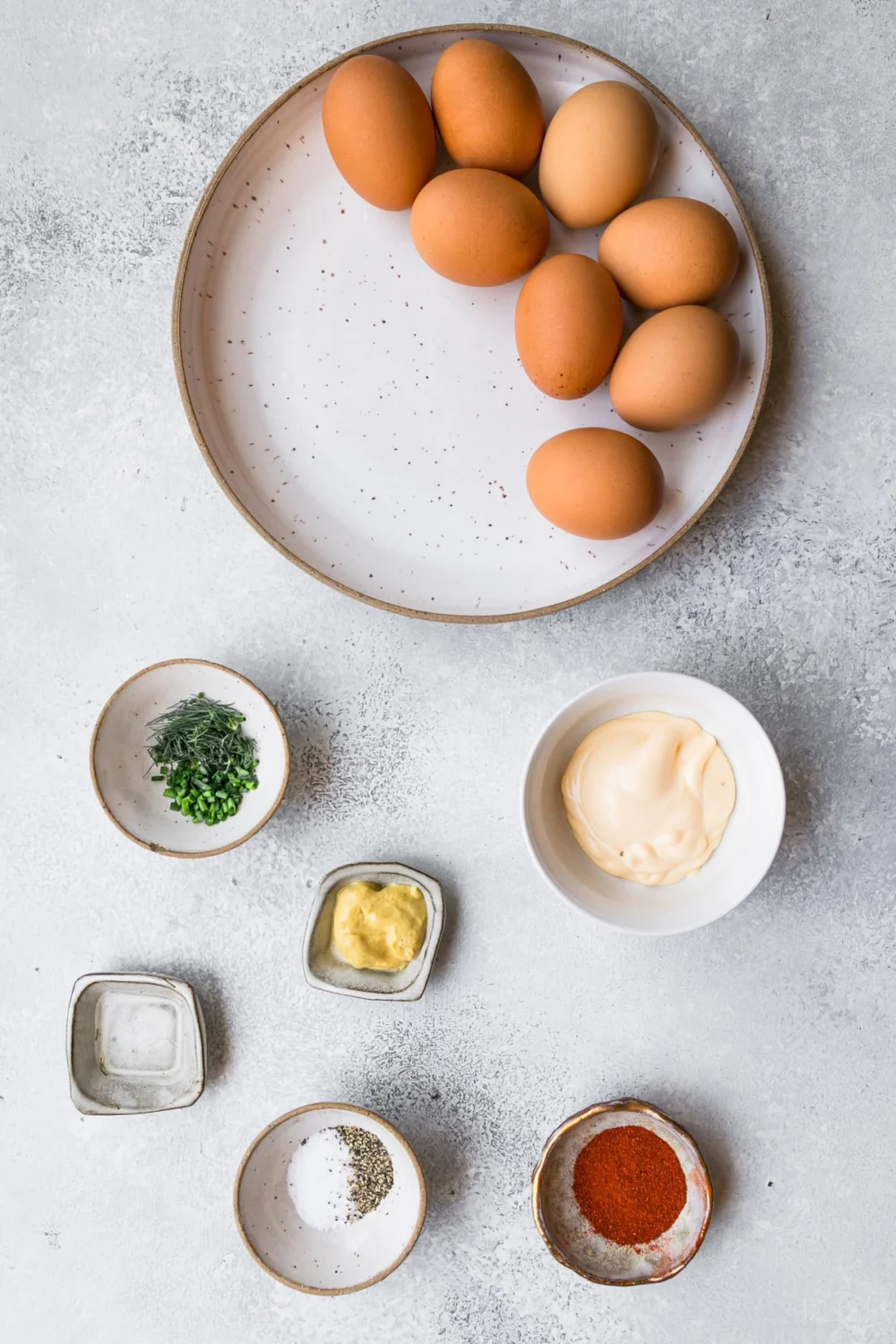
Deviled eggs, a quintessential appetizer, continue to command a prominent position on tables across the globe, celebrated for their creamy texture, tangy flavor profile, and remarkable versatility. This enduring popularity stems from a deceptively simple preparation involving hard-boiled eggs, mayonnaise, Dijon mustard, and a final dusting of paprika. Beyond their role as a festive highlight, particularly during holidays such as Easter and various spring gatherings, deviled eggs have cemented their status as a reliable choice for parties, casual meals, and even practical meal preparation, embodying a blend of culinary tradition and modern convenience.
Historical Roots and Evolution of a Culinary Classic
The concept of seasoned egg yolks predates modern deviled eggs by centuries, tracing its origins back to ancient Rome. Recipes for boiled eggs mixed with spices were documented as early as the 1st century AD, reflecting an early appreciation for transforming simple ingredients into more elaborate dishes. However, the iteration recognizable today began to take shape in 13th-century Andalusia, Spain, where cookbook manuscripts detailed methods for stuffing hard-boiled egg halves with a mixture of mashed yolks, herbs, and spices.
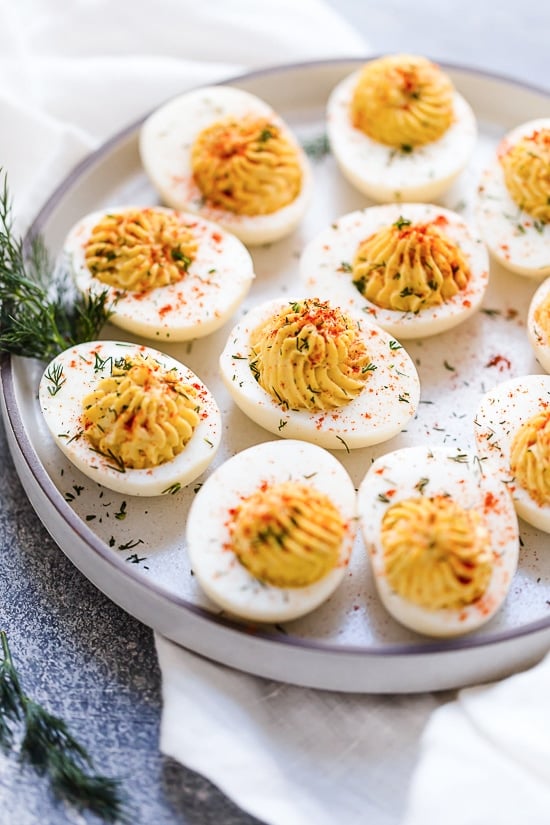
The term "deviled" in culinary context emerged in the 18th century, primarily in Great Britain and later in the United States, referring to dishes prepared with hot or spicy seasonings. By the late 19th and early 20th centuries, as mayonnaise became more widely available and home refrigeration became common, the modern deviled egg recipe, featuring a creamy, tangy yolk filling, solidified its place in American culinary tradition. Its evolution reflects broader societal shifts in food preparation, ingredient accessibility, and the increasing demand for convenient yet flavorful appetizers suitable for social gatherings. This chronology underscores not only the dish’s adaptability but also its deep historical roots, demonstrating a continuous culinary journey from ancient feasts to contemporary spreads.
The Anatomy of a Perfect Classic Deviled Egg
The foundational appeal of the classic deviled egg lies in its straightforward ingredient list and the harmonious balance of flavors. At its core, the recipe calls for hard-boiled eggs, the primary structural and flavor component. The richness of the egg yolk is complemented by the creamy emulsification of mayonnaise, which provides both moisture and a smooth mouthfeel. Dijon mustard introduces a sharp, piquant note, cutting through the richness of the egg and mayonnaise to add depth and a characteristic tang. A final garnish of paprika not only imparts a subtle smoky or sweet pepper flavor but also adds a vibrant visual contrast, signifying the dish’s readiness.
While these three main ingredients form the bedrock, the dish’s simplicity allows for slight variations in seasoning. A pinch of salt and black pepper are standard enhancements, while a dash of vinegar or pickle juice can amplify the tanginess. The meticulous selection and combination of these components are crucial for achieving the desired balance—a filling that is neither too dry nor too watery, but perfectly creamy and flavorful. The success of the classic deviled egg hinges on this precise equilibrium, making it a testament to the power of well-chosen, high-quality ingredients.
Mastering the Hard-Boiled Egg: A Foundation for Success
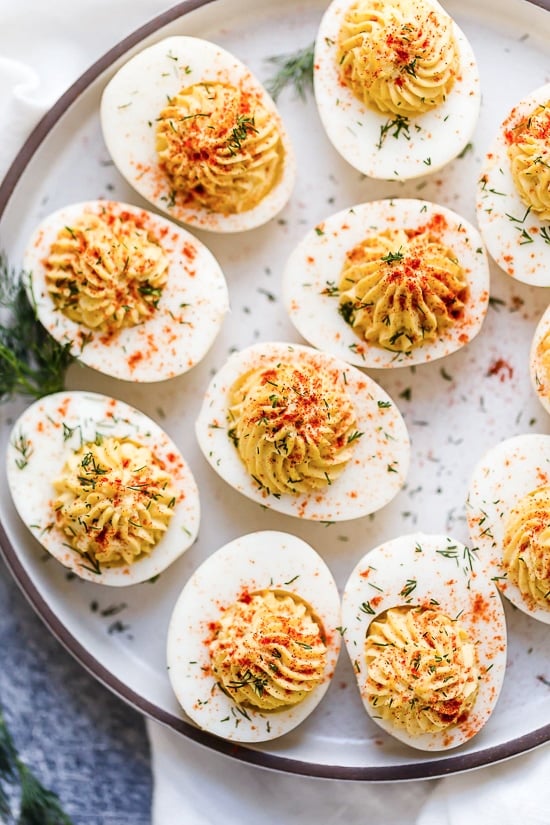
The preparation of deviled eggs begins with the hard-boiling process, a seemingly simple task that often presents the most significant challenge: achieving perfectly cooked eggs that peel easily. Culinary experts and home cooks alike consistently highlight the importance of proper technique to avoid the frustrating experience of shell clinging to the delicate whites.
Several methods are widely employed to ensure optimal results. One popular approach involves placing eggs in a single layer in a saucepan, covering them with about an inch of cold water, and bringing the water to a rolling boil. Once boiling, the heat is immediately turned off, the pot is covered, and the eggs are allowed to sit in the hot water for 10-12 minutes. This method promotes even cooking and reduces the risk of overcooking, which can lead to a greenish ring around the yolk.
A critical step for easy peeling is the immediate transfer of cooked eggs to an ice bath. This rapid cooling halts the cooking process, preventing overcooking, and more importantly, causes the egg proteins to contract, separating them from the shell membrane. This temperature shock significantly aids in peeling, resulting in smooth, unmarred egg whites. Recent culinary insights also suggest that older eggs, typically one to two weeks old, tend to peel more easily than very fresh eggs due to changes in their albumen structure. Utilizing an Instant Pot or similar pressure cooker has also gained traction as a reliable method for consistently easy-to-peel hard-boiled eggs, leveraging steam pressure to achieve optimal texture and separation. These techniques collectively underscore that while simple, the hard-boiling process is a science that, when mastered, elevates the entire deviled egg experience.

Beyond the Classic: Exploring Creative Variations
While the classic deviled egg remains an undisputed favorite, its inherent adaptability has inspired a plethora of creative variations, transforming the humble appetizer into a canvas for culinary innovation. These adaptations cater to diverse palates and dietary preferences, demonstrating the dish’s enduring relevance in a dynamic food landscape.
One popular variation involves incorporating an Instant Pot for the hard-boiling process, streamlining preparation and often yielding easier-to-peel eggs. Flavor enhancements often draw inspiration from other popular dishes. For instance, "Bloody Mary Deviled Eggs" infuse the yolk mixture with horseradish, Worcestershire sauce, and a hint of celery salt, mirroring the iconic cocktail’s savory depth. "Deviled Guacamole Eggs" introduce a Mexican-inspired twist, blending mashed avocado, lime juice, cilantro, and sometimes a touch of jalapeño into the yolk, offering a fresh, creamy, and slightly spicy alternative. Another innovative take, "Deviled Tuna Eggs," combines the yolk filling with flaked tuna, mayonnaise, and seasonings, transforming the appetizer into a heartier, protein-rich bite reminiscent of a tuna salad sandwich.
Further variations include adding finely chopped chives, dill, or parsley for herbaceous notes, a touch of sriracha or hot sauce for heat, or even crumbled bacon bits for a smoky, savory crunch. Some gourmet versions might include ingredients like smoked salmon, capers, or truffle oil, elevating the dish to a more sophisticated offering. These innovations reflect a broader culinary trend of reinterpreting classic dishes with modern flavors and techniques, ensuring deviled eggs remain a versatile and exciting option for any occasion. The ability to customize the filling while maintaining the essential structure of the dish is a key factor in its continued culinary evolution.

Nutritional Profile and Modern Dietary Relevance
Deviled eggs, particularly the classic preparation, offer a notable nutritional profile that aligns well with several contemporary dietary trends. Each serving, typically two halves, provides approximately 97 kilocalories, making it a relatively low-calorie appetizer. A significant portion of its nutritional value comes from its protein content, averaging around 6.3 grams per serving. This makes deviled eggs an excellent source of high-quality protein, essential for muscle repair, satiety, and overall bodily function.
Furthermore, deviled eggs contain approximately 7.5 grams of fat, with about 2 grams being saturated fat. While historically dietary fat, especially cholesterol (around 187 mg per serving), was viewed with caution, current nutritional science often emphasizes the importance of healthy fats and acknowledges that dietary cholesterol has less impact on blood cholesterol levels for most healthy individuals than previously thought. The dish is also notably low in carbohydrates (around 1 gram per serving) and sugars (around 0.3 grams), making it an ideal choice for individuals following low-carb, ketogenic, or paleo diets.
The nutritional density of eggs themselves contributes significantly to these benefits. Eggs are a rich source of vitamins (such as B12, D, and A), minerals (like selenium and choline), and antioxidants. Choline, in particular, is vital for brain health and metabolism. Consequently, deviled eggs are often recommended by dietitians as a wholesome snack or appetizer, providing sustained energy and essential nutrients. Their low carbohydrate and high protein content make them an attractive option for those seeking to manage weight or maintain stable blood sugar levels, reinforcing their role beyond just a party snack.

Practical Considerations: Preparation, Storage, and Food Safety
The practical aspects of preparing and storing deviled eggs are crucial for both convenience and food safety. Deviled eggs are an ideal candidate for meal preparation due to their component-based assembly. The hard-boiled eggs can be prepared up to two days in advance. It is advisable to store the peeled egg white halves tightly wrapped in plastic wrap and keep the mashed yolk mixture in a separate, resealable plastic bag or airtight container in the refrigerator. This allows for quick assembly just before serving, ensuring freshness and optimal presentation.
When it comes to serving, food safety guidelines dictate that deviled eggs should not be left at room temperature for more than two hours. This is particularly important due to the mayonnaise and egg yolks, which can become breeding grounds for bacteria if left in the "danger zone" temperature range (between 40°F and 140°F or 4°C and 60°C) for extended periods. For outdoor gatherings or buffets, it is recommended to keep deviled eggs chilled on a bed of ice or to serve them in smaller batches, replenishing as needed.
Proper storage of leftovers is also paramount. Deviled eggs should be refrigerated in an airtight container promptly after a meal. When stored correctly, they typically maintain their quality and safety for two to three days. Beyond this timeframe, the texture and flavor may degrade, and the risk of spoilage increases. Watery filling, a common issue, often results from overcooked eggs or an excessive addition of vinegar or pickle juice. Addressing these practical considerations ensures that deviled eggs remain a safe, delicious, and convenient option for any occasion, further solidifying their status as a reliable culinary staple.

Cultural Significance and Broader Implications
The enduring presence of deviled eggs transcends mere culinary preference; it speaks to a deeper cultural significance, particularly in Western societies. They are intrinsically linked with celebratory occasions, from festive holiday brunches like Easter to casual summer barbecues and family gatherings. Their ease of preparation allows hosts to focus on other aspects of entertaining, while their universal appeal ensures they are a crowd-pleasing addition to any spread.
From an economic perspective, the consistent demand for eggs, especially for dishes like deviled eggs, contributes to the agricultural sector. The accessibility and affordability of eggs make deviled eggs a cost-effective appetizer, contributing to their widespread adoption across various socio-economic demographics. The proliferation of variations also indicates a thriving market for culinary creativity and adaptation, supporting food bloggers, cookbook authors, and ingredient manufacturers.
Moreover, the simplicity of deviled eggs serves as an entry point for novice cooks to engage with basic culinary techniques, fostering confidence in the kitchen. Their visual appeal and customizable nature also make them popular on social media platforms, perpetuating their relevance through visual trends and shared recipes. The humble deviled egg, therefore, is not merely a dish but a cultural touchstone, a symbol of gathering, and a testament to the timeless appeal of simple, well-executed food. Its legacy is deeply intertwined with traditions, convenience, and the universal joy of sharing good food.

Conclusion
The classic deviled egg stands as a testament to the enduring power of simplicity and tradition in gastronomy. From its ancient Roman predecessors to its modern iteration, this appetizer has consistently adapted and thrived, maintaining its popularity across generations. Its blend of creamy texture, tangy flavor, and the vibrant hint of paprika makes it an irresistible addition to any table. Supported by easy preparation, versatile variations, a favorable nutritional profile, and practical storage solutions, deviled eggs are more than just a recipe; they are a culinary institution. As gatherings continue to be a cornerstone of social life, the classic deviled egg will undoubtedly remain a beloved and essential component, symbolizing hospitality, comfort, and timeless enjoyment.