

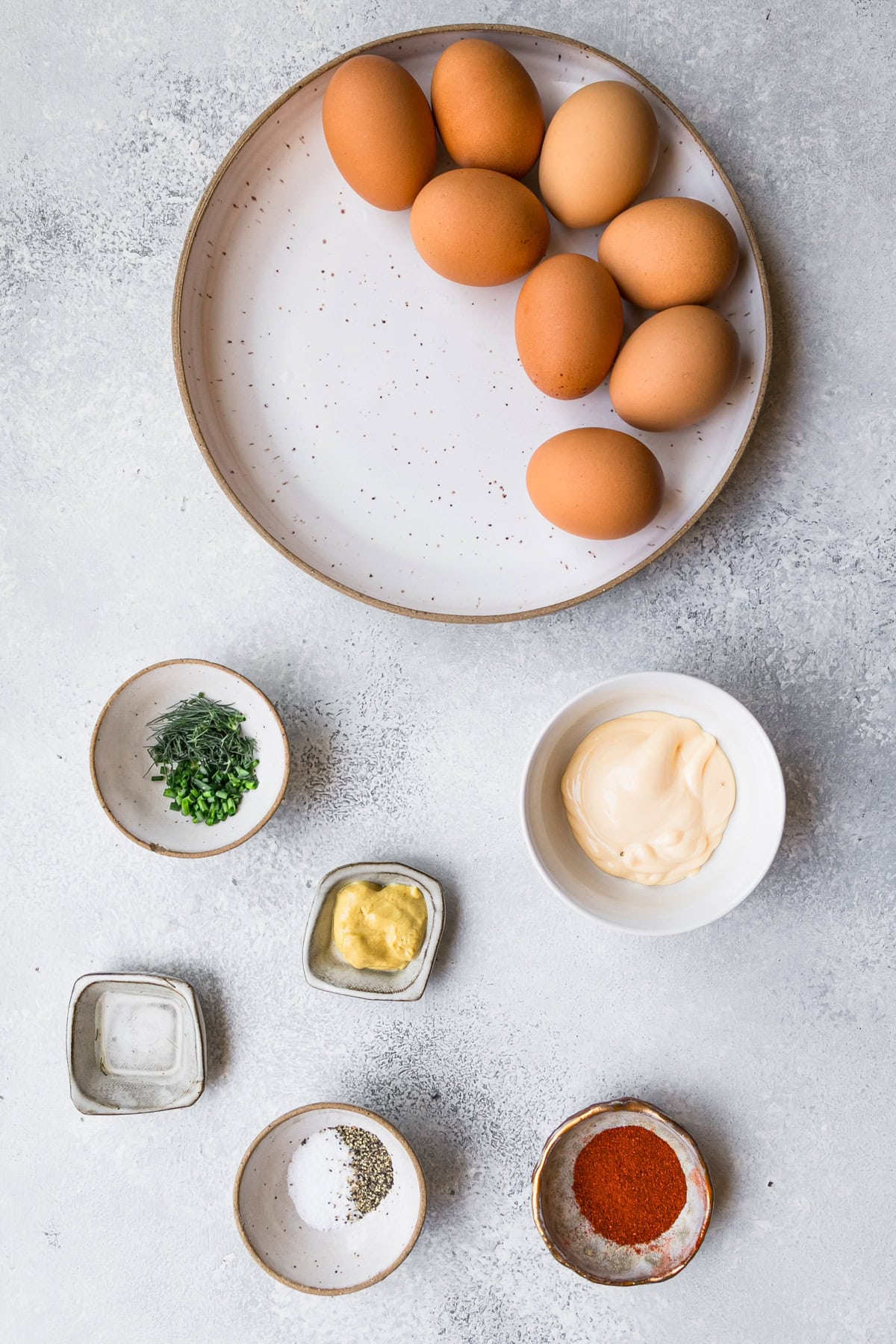
The classic deviled egg, a culinary staple crafted from hard-boiled eggs, mayonnaise, Dijon mustard, and a sprinkle of paprika, stands as a testament to simple elegance and enduring appeal. This easy-to-prepare appetizer offers a creamy, tangy profile that makes it a perfect choice for an array of social gatherings, from festive holidays and celebratory parties to practical meal preparation. Its versatility and widespread popularity underscore its status as a go-to dish that consistently delights palates across generations.
The Enduring Appeal and Rich History of Deviled Eggs
Deviled eggs hold a cherished place in global culinary traditions, serving as more than just a simple snack; they are a symbol of hospitality and comfort food. The practice of preparing seasoned egg yolks within their whites can be traced back to ancient Rome, where boiled eggs were commonly served as a first course, often seasoned with spicy sauces. The term "deviled," which became popular in the 18th century, refers to food prepared with hot spices or condiments, indicating the lively, piquant nature of the yolk filling. By the 19th century, particularly in Europe, recipes for stuffed eggs began to emerge, often featuring mustard, mayonnaise, and various herbs.
The true explosion of deviled eggs into mainstream American cuisine occurred in the early to mid-20th century. With the advent of commercially produced mayonnaise and the increasing popularity of backyard barbecues, picnics, and potlucks, deviled eggs became an indispensable item on any buffet spread. Their ease of transport, make-ahead potential, and broad appeal made them a favorite for events ranging from informal family gatherings to sophisticated brunches, especially during spring holidays like Easter. This historical trajectory highlights how a seemingly simple dish has evolved from ancient origins to become a beloved fixture in modern culinary landscapes, adapting to changing tastes and societal trends while retaining its core essence. The enduring appeal lies not only in their delightful flavor and texture but also in the nostalgia and sense of tradition they evoke for many.
Deconstructing the Classic Recipe: Key Ingredients and Their Roles
The foundation of exceptional deviled eggs lies in the quality and balance of a few core ingredients. At the heart of the dish are perfectly hard-boiled eggs, which provide both the structural vessel and a significant portion of the flavor. The egg whites offer a firm, neutral base, while the yolks contribute richness and a creamy texture once mashed. Selecting fresh, high-quality eggs is crucial, as they tend to yield more vibrant yolks and a better overall consistency.
Mayonnaise is the primary binding agent and a key contributor to the characteristic creaminess and richness of the filling. Its emulsified nature creates a smooth, velvety texture that coats the palate. The choice of mayonnaise can subtly influence the final taste; a full-fat, good-quality mayonnaise typically delivers a more luxurious mouthfeel, though lighter versions can be used for dietary considerations.
Dijon mustard introduces a crucial tangy and slightly sharp note, cutting through the richness of the mayonnaise and egg yolks to provide balance. Its subtle complexity, derived from brown and black mustard seeds and white wine, offers a more refined flavor profile compared to yellow mustard, which can be overly acidic or pungent. The amount used can be adjusted to personal preference, ranging from a hint of tang to a more pronounced zesty kick.
Finally, paprika serves a dual role: it adds a subtle, earthy flavor and provides a vibrant visual contrast to the pale yellow filling. Smoked paprika can introduce an additional layer of depth, imparting a smoky nuance that complements the other ingredients. While often used as a garnish, incorporating a small amount directly into the filling can enhance the overall flavor profile. Beyond these core components, salt and freshly ground black pepper are essential for seasoning, bringing out the inherent flavors and ensuring a well-rounded taste experience. The simplicity of these ingredients belies the complexity of flavor they achieve when combined correctly.
Mastering the Art of Hard-Boiled Eggs for Flawless Deviled Creations
The success of any deviled egg recipe hinges significantly on the preparation of the hard-boiled eggs themselves, particularly achieving an ideal texture and ensuring ease of peeling. The goal is a firm, uniformly cooked yolk without a greenish ring, encased in a perfectly smooth, unblemished white. Several methods can achieve this, each with its own advantages.
Traditionally, stovetop boiling involves placing eggs in a single layer in a saucepan, covering them with about an inch of cold water, bringing the water to a rolling boil, then immediately removing from heat, covering, and letting them sit for 10-12 minutes. This method relies on residual heat for gentle cooking. Another popular technique, especially for larger batches or convenience, utilizes a pressure cooker or Instant Pot. This method often results in eggs that are remarkably easy to peel due to the high-pressure steaming environment. Steaming eggs, either in a steamer basket over boiling water or in an electric steamer, is also highly effective, often yielding consistently easy-to-peel eggs.
Regardless of the cooking method, the immediate transfer of cooked eggs to an ice bath is a critical step. This rapid cooling halts the cooking process, preventing the formation of the undesirable green-gray ring around the yolk (caused by a reaction between sulfur in the egg white and iron in the yolk at high temperatures). More importantly, the sudden temperature change causes the egg white to contract, separating it from the shell’s inner membrane, which is the primary factor in easy peeling.
Several scientific and anecdotal tips contribute to effortless peeling. Older eggs, typically 7-10 days past their packing date, are often easier to peel than very fresh ones. This is because as an egg ages, its pH level rises, making the egg white less adherent to the shell membrane. Adding a small amount of baking soda or vinegar to the boiling water is also sometimes recommended, though the effectiveness varies. Ultimately, the combination of proper cooking time and a swift ice bath remains the most reliable strategy for producing perfectly cooked, easily peelable hard-boiled eggs, setting the stage for exquisite deviled eggs.

Crafting the Creamy, Tangy Filling: A Step-by-Step Guide
Once the hard-boiled eggs are perfectly prepared and cooled, the focus shifts to creating the delectable filling that defines deviled eggs. This process involves careful separation of components, precise mashing, and judicious seasoning to achieve the desired creamy texture and balanced flavor profile.
Begin by carefully slicing each hard-boiled egg in half lengthwise. A sharp knife is essential for a clean cut, ensuring the egg whites remain intact and presentable. Gently scoop out the bright yellow yolks into a medium-sized bowl, leaving the pristine white halves ready for their future filling. The reserved egg whites should be handled delicately to prevent tearing or damage.
The yolks are then mashed to a smooth consistency. A fork is typically sufficient for this task, allowing for control over the texture. For an exceptionally smooth, lump-free filling, some chefs prefer to press the yolks through a fine-mesh sieve or use a potato ricer, which aerates the mixture and creates a lighter texture. Once mashed, the mayonnaise and Dijon mustard are incorporated. These ingredients are added gradually, allowing for precise control over the consistency and flavor. The goal is a creamy, spreadable mixture that is neither too stiff nor too loose. Over-mixing should be avoided, as it can sometimes lead to a less desirable texture.
Seasoning is paramount at this stage. Salt and freshly ground black pepper are fundamental, enhancing the natural flavors of the egg yolks and condiments. The addition of a small amount of pickle juice or white vinegar is a common technique to introduce an extra layer of tanginess and brightness, further balancing the richness of the mayonnaise. Other optional flavor enhancers can include a pinch of sugar for subtle sweetness, a dash of hot sauce for a gentle kick, or a hint of celery salt for added complexity.

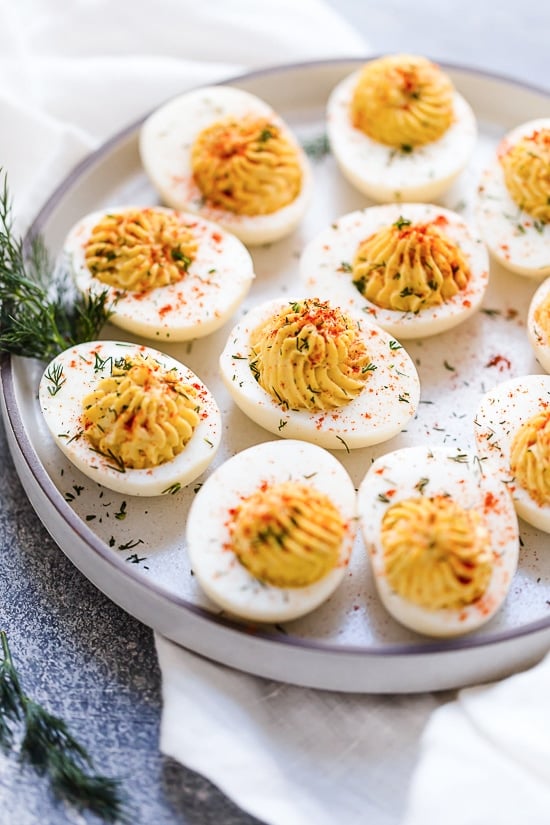
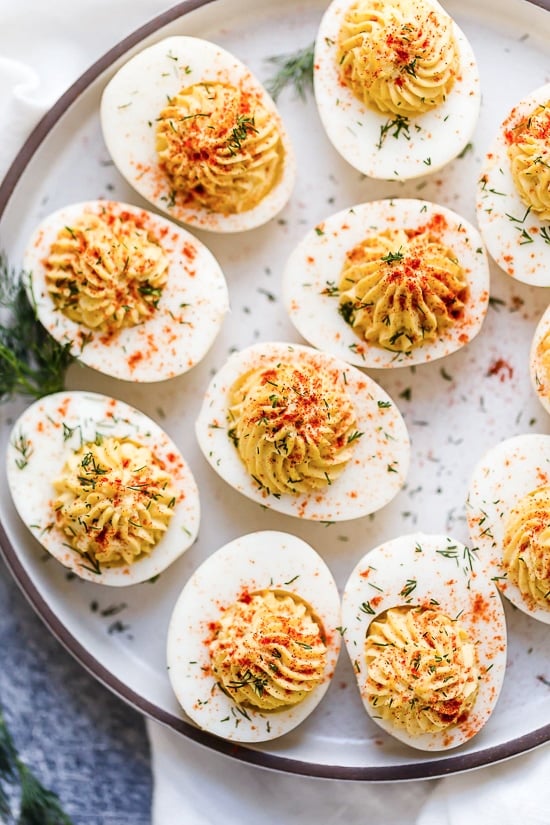
Once the filling is thoroughly mixed and seasoned to taste, it is ready to be piped or spooned back into the hollowed-out egg white halves. For a professional and elegant presentation, transferring the filling to a piping bag fitted with a star tip allows for beautifully swirled mounds. Alternatively, a small spoon can be used to mound the filling, creating a more rustic yet equally appealing appearance. The final step involves a light dusting of paprika, completing the classic aesthetic and adding a final touch of flavor. This methodical approach ensures a consistently delicious and visually appealing deviled egg every time.
Elevating the Classic: Exploring Variations and Creative Twists
While the classic deviled egg recipe holds an undeniable charm, its inherent simplicity also makes it an excellent canvas for culinary creativity. The basic structure of a seasoned yolk filling within a hard-boiled egg white lends itself to countless variations, allowing for adaptation to different tastes, occasions, and dietary preferences.
One popular method for infusing a different flavor profile directly into the eggs themselves is through alternative cooking techniques, such as the Instant Pot Deviled Eggs, which often yields eggs with a unique texture and ease of peeling, influencing the overall mouthfeel of the finished product. Beyond the basic preparation, the additions to the yolk mixture are where true innovation can shine.
For those seeking a sophisticated twist, Bloody Mary Deviled Eggs incorporate elements of the iconic cocktail, often featuring horseradish, Worcestershire sauce, and celery salt, garnished with a tiny celery stalk. This imbues the eggs with a spicy, savory depth. Guacamole Deviled Eggs offer a fresh, vibrant alternative, blending mashed avocado, lime juice, cilantro, and sometimes a hint of jalapeño with the egg yolks, creating a fusion appetizer that is both familiar and exciting. Similarly, Deviled Tuna Eggs introduce a savory, protein-rich element, combining flaked tuna with the yolk mixture, often enhanced with finely chopped celery or onion for added texture.

Beyond these specific examples, the possibilities for customization are vast. For a smoky richness, crisped bacon bits or smoked paprika can be folded into the filling. Fresh herbs like chives, dill, or parsley add a burst of freshness and color. A touch of curry powder can introduce an exotic, warm spice profile, while sriracha or other hot sauces cater to those who enjoy a spicier kick. Finely minced sweet relish or capers can provide a pleasant textural contrast and a tangy counterpoint. Even the type of mayonnaise can be varied, with options like Kewpie (Japanese mayonnaise) offering a richer, umami-laden experience. The garnishes, too, can be imaginative, ranging from a simple sprinkle of fresh herbs to a delicate salmon roe or a sliver of smoked salmon, transforming the humble deviled egg into a gourmet bite. These variations underscore the adaptability of the classic recipe, allowing it to remain fresh and exciting for any culinary adventure.
Practical Considerations: Preparation, Storage, and Food Safety
Effective meal planning and food safety are paramount when preparing deviled eggs, particularly when serving them for gatherings. Their perishable nature requires careful handling and storage to maintain both quality and safety.
Deviled eggs are an ideal make-ahead appetizer, and strategic preparation can significantly reduce last-minute stress. The hard-boiled eggs themselves can be prepared up to two days in advance. Once cooked and cooled, they should be refrigerated in their shells or peeled and stored in an airtight container. The egg whites, once halved, can also be wrapped tightly in plastic wrap to prevent drying out. The egg yolk filling can be prepared separately and stored in a resealable plastic bag or an airtight container for up to two days. Keeping the components separate until just before serving helps to maintain optimal texture and prevents the whites from becoming soggy. When ready to serve, the filling can be easily piped or spooned into the egg white halves.
Proper storage of finished deviled eggs is crucial. They should always be kept refrigerated in an airtight container. When stored correctly, deviled eggs typically last for 2 to 3 days in the refrigerator. Beyond this timeframe, the quality and safety may begin to diminish.

A critical food safety guideline to observe is the "two-hour rule." Perishable foods, including deviled eggs, should not be left at room temperature for more than two hours. If the ambient temperature is above 90°F (32°C), this window shrinks to just one hour. Exceeding these time limits can allow harmful bacteria to multiply to unsafe levels, posing a risk of foodborne illness. For outdoor events or buffets, using ice beds or serving trays with cooling inserts can help maintain a safe temperature for a longer duration.
Troubleshooting common issues can also enhance the deviled egg experience. A watery filling often occurs if eggs are overcooked, releasing excess moisture, or if too much vinegar or pickle juice is added. Adjusting the proportions of mayonnaise and ensuring yolks are well-drained can prevent this. The dreaded greenish ring around the yolk, while harmless, can be avoided by ensuring eggs are not overcooked and are rapidly cooled in an ice bath immediately after boiling. Adhering to these practical guidelines ensures that deviled eggs remain a safe, delicious, and visually appealing addition to any menu.
The Versatility of Deviled Eggs: Beyond the Appetizer Tray
Beyond their traditional role as a party appetizer, deviled eggs offer remarkable versatility that extends to various culinary applications and dietary needs. Their balanced nutritional profile and ease of preparation make them a valuable addition to diverse meal plans.
From a nutritional standpoint, deviled eggs are an excellent source of protein, providing essential amino acids crucial for muscle repair and overall bodily function. The typical serving of two halves, as outlined in many recipes, often contains around 97 calories, 6.3 grams of protein, and 7.5 grams of fat, with only about 1 gram of carbohydrates. This makes them a naturally low-carb and gluten-free option, aligning well with various dietary regimens, including ketogenic and paleo diets. The fat content, primarily from the egg yolk and mayonnaise, contributes to satiety, making them a satisfying snack or light meal component. Eggs also offer a wealth of vitamins and minerals, including Vitamin D, B12, selenium, and choline, which is vital for brain health.

For meal prep enthusiasts, deviled eggs are a practical choice. Preparing a batch of hard-boiled eggs at the beginning of the week allows for quick assembly of deviled eggs throughout, providing a convenient and healthy protein source for lunches or snacks. They can be incorporated into lunchboxes as a side dish, providing a nutritious alternative to more processed options.
Their adaptability also extends to inclusion in different meal types. While primarily an appetizer, deviled eggs can serve as a sophisticated brunch item, paired alongside other breakfast staples. They can also function as a side dish for lighter meals, complementing salads or grilled proteins. The inherent flexibility of the recipe allows for customization to suit specific dietary preferences or restrictions. For instance, using avocado or Greek yogurt in place of some mayonnaise can reduce fat content or introduce different nutrient profiles. Incorporating finely chopped vegetables like bell peppers or carrots can boost fiber and vitamin intake.
Economically, deviled eggs are a cost-effective solution for feeding a crowd. Eggs are generally an affordable protein source, and the other ingredients are common pantry staples. This makes them an accessible option for entertaining, allowing hosts to provide a satisfying and impressive dish without incurring significant expense. Their widespread appeal and nutritional benefits ensure deviled eggs remain a cherished and adaptable component of contemporary cuisine, far beyond their traditional appetizer designation.
The classic deviled egg, with its straightforward preparation and universally appealing flavor, remains a culinary cornerstone. From its ancient origins to its firm establishment as a modern-day favorite, this humble dish exemplifies how simple ingredients can combine to create something truly extraordinary. Whether served at holiday gatherings, casual picnics, or as part of a nutritious meal prep, the deviled egg continues to offer a delightful blend of creaminess, tang, and savory satisfaction, solidifying its place as a timeless and cherished staple.