

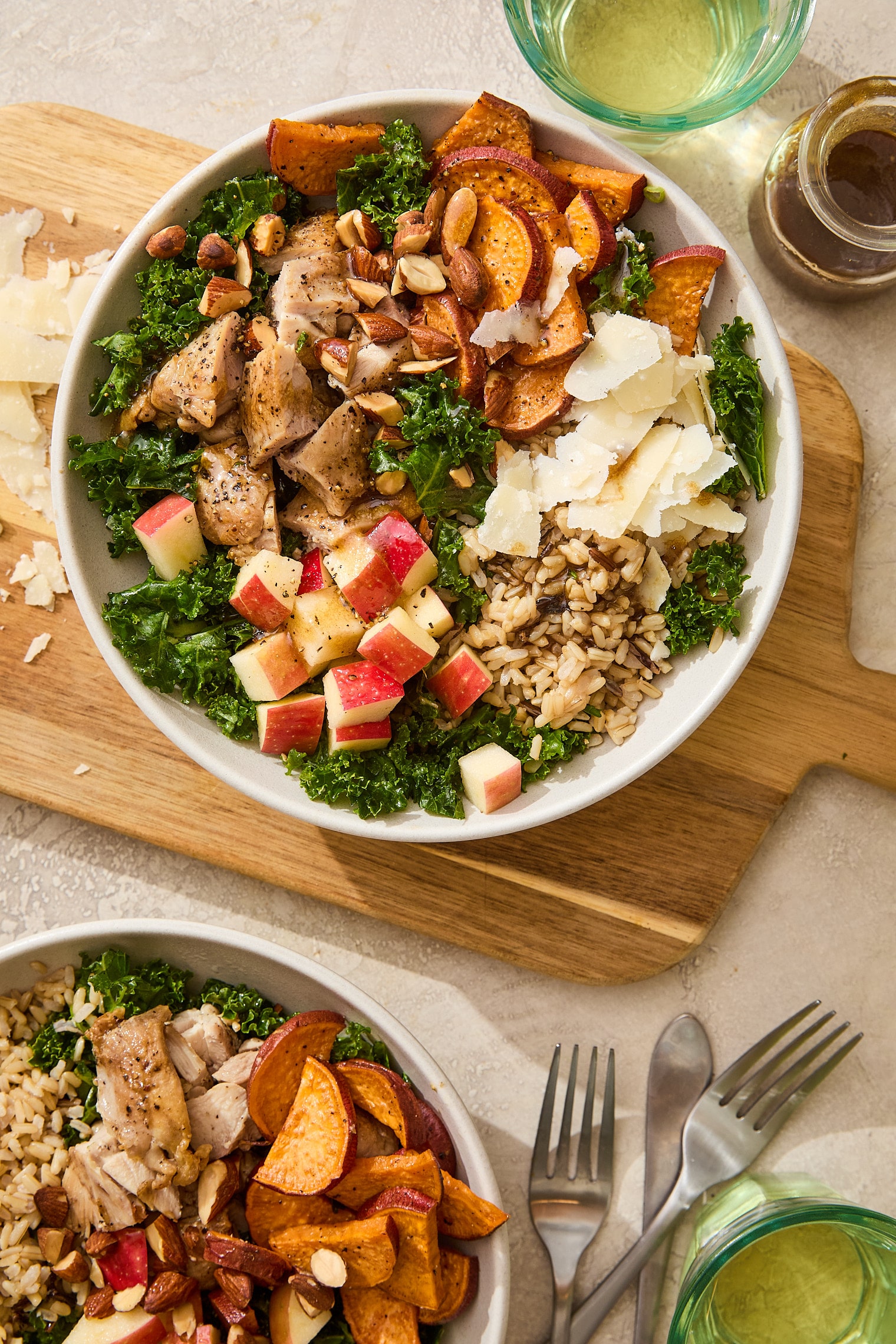
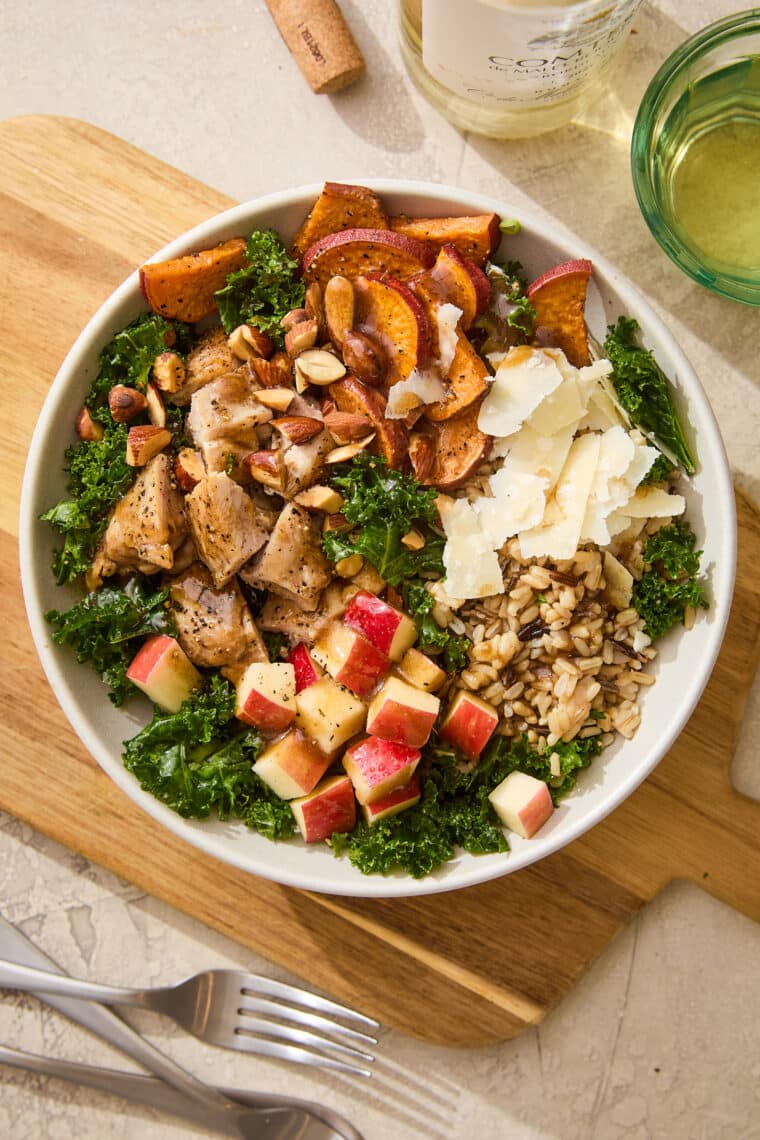
In an era where both health consciousness and fiscal prudence guide consumer choices, the Chicken Harvest Bowl, a popular recipe often lauded as a Sweetgreen copycat, has emerged as a significant contender in the home-cooking landscape. This dish, featuring a vibrant assembly of kale, wild rice, chicken, and sweet potatoes, all brought together by a zesty balsamic vinaigrette, offers a compelling alternative to expensive store-bought or restaurant meals. Its appeal lies not only in its perceived health benefits and cost-effectiveness but also in its adaptability for meal preparation, a key factor for busy individuals and families.
The genesis of this recipe’s popularity can be traced to its accessibility and the growing demand for wholesome, customizable meals. As food costs continue to be a concern for many households, recipes that promise significant savings without compromising on nutritional value or flavor are highly sought after. The Chicken Harvest Bowl directly addresses this need, allowing consumers to replicate a popular restaurant-style salad at a fraction of the price. Furthermore, the rise of food blogs and social media platforms dedicated to sharing culinary inspiration has played a crucial role in disseminating such recipes, making them readily available to a global audience.
Deconstructing the Chicken Harvest Bowl: Key Components and Nutritional Value
At its core, the Chicken Harvest Bowl is a balanced composition of nutrient-dense ingredients, each contributing distinct health benefits and textural elements.
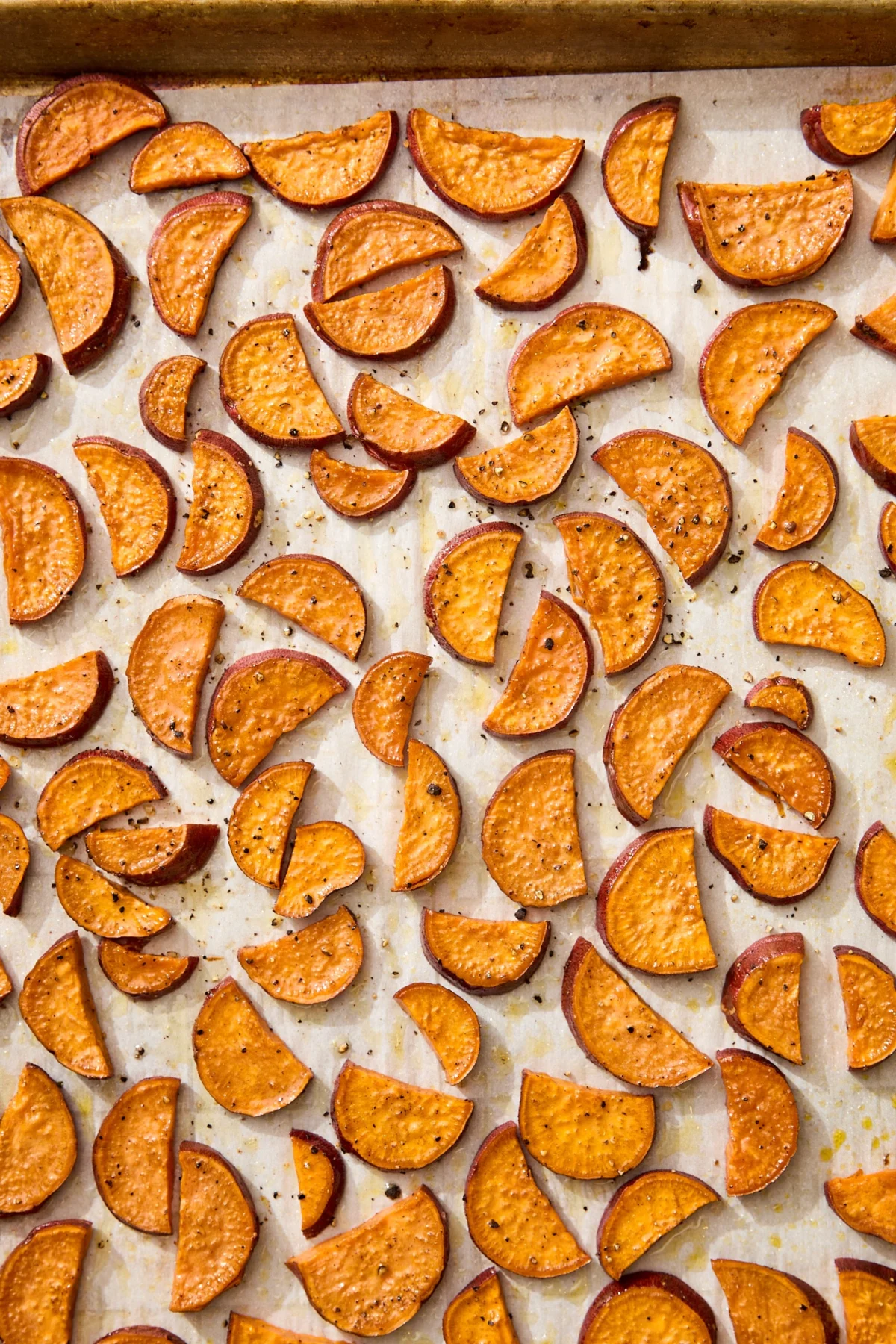
Sweet Potatoes: This starchy root vegetable is a powerhouse of vitamins, particularly vitamin A in the form of beta-carotene, which is essential for vision, immune function, and skin health. It also provides a good source of dietary fiber, aiding in digestion and promoting satiety. The recipe suggests roasting the sweet potatoes, a cooking method that enhances their natural sweetness and creates a tender, appealing texture. The inclusion of the skin, when properly washed, further boosts the fiber and nutrient content. Data from the USDA indicates that a medium sweet potato (approximately 114 grams) contains about 103 calories, 2.3 grams of fiber, and over 400% of the daily recommended intake of Vitamin A.
Chicken: The protein component of the bowl is typically boneless, skinless chicken, with thighs often recommended over breasts for their higher fat content, leading to juicier and more flavorful results. Chicken is a complete protein, vital for muscle repair and growth, and provides essential B vitamins, particularly niacin and B6, which are crucial for energy metabolism. For those seeking convenience, the recipe explicitly mentions that leftover rotisserie chicken is an excellent substitute, underscoring the dish’s versatility. A 3-ounce serving of cooked chicken breast contains approximately 165 calories and 26 grams of protein, while chicken thighs offer a similar protein content with a slightly higher fat and calorie count.
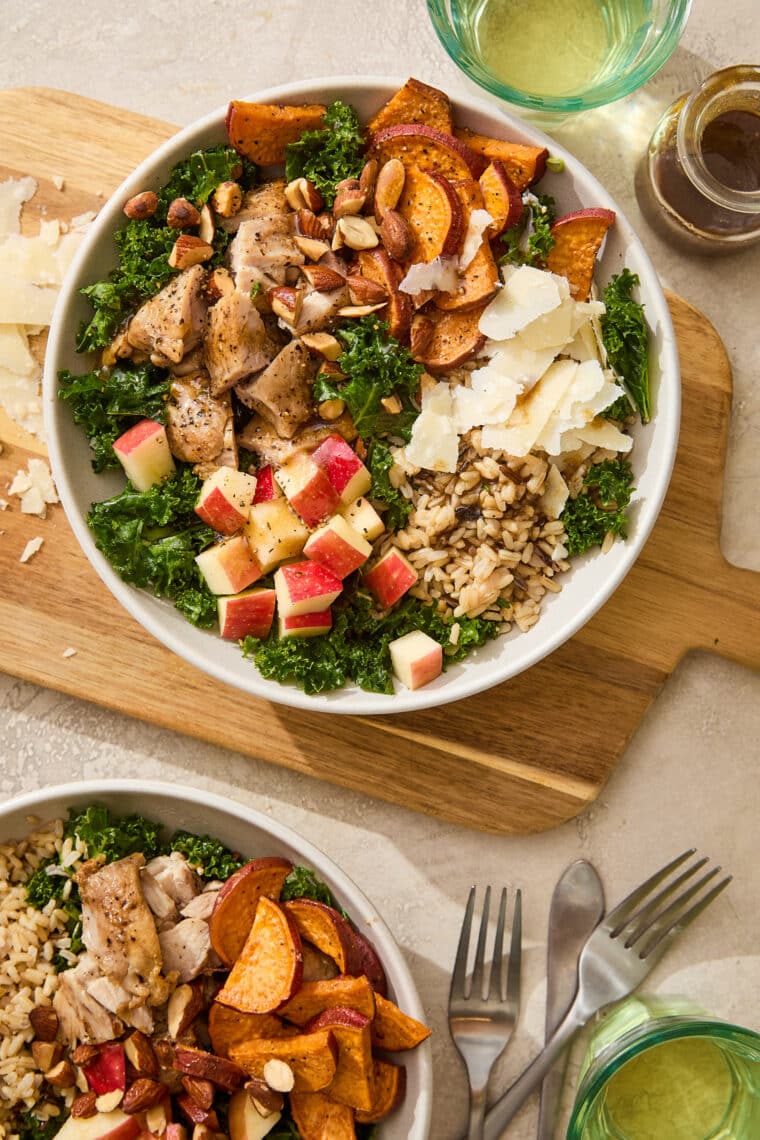
Kale: As a cruciferous vegetable, kale is renowned for its exceptional nutritional profile. It is packed with vitamins K, A, and C, as well as minerals like calcium and manganese. Kale’s high fiber content and abundance of antioxidants, such as flavonoids and carotenoids, contribute to its reputation as a superfood, potentially offering anti-inflammatory and disease-protective properties. The recipe notes that pre-washed and pre-chopped kale simplifies preparation and that its sturdy nature makes it an ideal base for meal prepping, as it resists wilting. One cup of chopped raw kale provides roughly 33 calories, 3 grams of fiber, and significant amounts of Vitamin K (over 600% of DV), Vitamin A (over 200% of DV), and Vitamin C (over 100% of DV).
Wild Rice: While often referred to as rice, wild rice is botanically a grass seed. It offers a distinct nutty flavor and a chewy texture. Compared to white rice, wild rice is a better source of protein and fiber, and it contains important minerals such as zinc, magnesium, and phosphorus. A half-cup serving of cooked wild rice provides around 166 calories, 3 grams of protein, and 3 grams of fiber.
Balsamic Vinaigrette: The homemade dressing is a critical element, tying together the diverse flavors and textures of the bowl. A typical balsamic vinaigrette, made with olive oil, balsamic vinegar, and seasonings, provides healthy monounsaturated fats from the olive oil. These fats are beneficial for heart health and can aid in the absorption of fat-soluble vitamins present in the other ingredients. The recipe emphasizes that the vinaigrette can be made ahead of time, further enhancing its meal prep appeal.
The Allure of Meal Preparation and Cost Savings
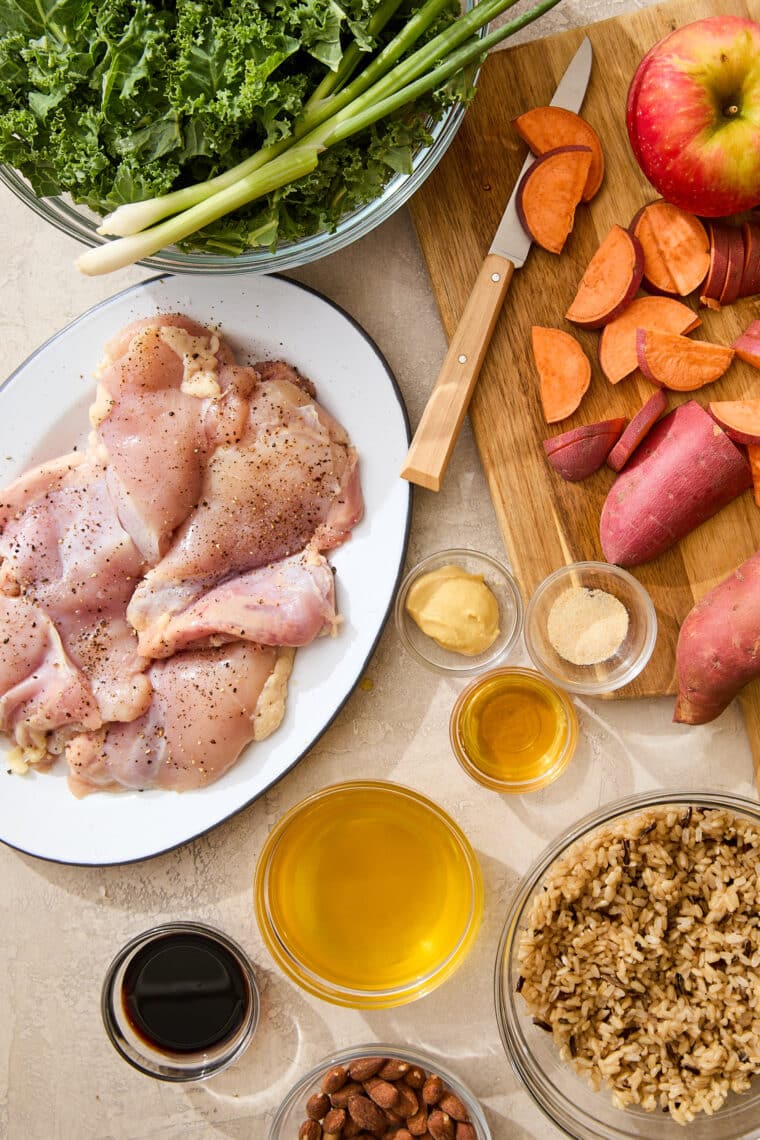
The Chicken Harvest Bowl is particularly championed for its meal prep capabilities. The ability to prepare components in advance and assemble bowls for the week ahead addresses a significant challenge for many individuals: maintaining healthy eating habits amidst demanding schedules. The sturdy nature of kale, as mentioned, is a key advantage, preventing sogginess that can plague other leafy greens. This foresight in recipe design allows for a consistently fresh and appealing meal throughout the week.
From a financial perspective, the cost savings are substantial. Purchasing individual ingredients and assembling the bowl at home typically costs significantly less than buying a pre-made salad from a chain like Sweetgreen. While specific costs vary by location and grocery store, a general analysis suggests that a homemade version can be anywhere from 30% to 60% cheaper per serving. This economic advantage is a powerful motivator for consumers seeking to optimize their food budgets without sacrificing quality or taste.
Variations and Customization: Adapting the Harvest Bowl
The beauty of the Chicken Harvest Bowl lies in its inherent flexibility. The recipe explicitly outlines several ingredient substitutions and optional additions, encouraging personalization.
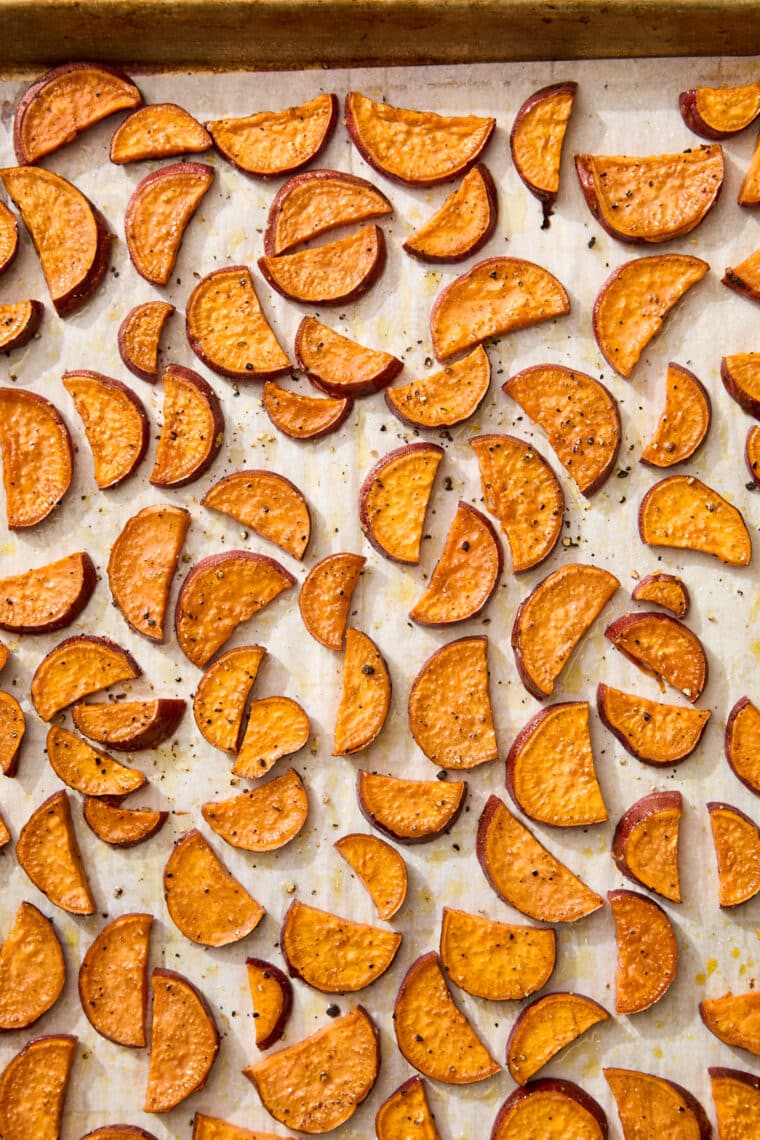
- Sweet Potatoes vs. Butternut Squash: Both offer similar nutritional benefits and a sweet profile.
- Chicken Thighs vs. Breasts: Thighs provide more moisture and flavor, while breasts offer a leaner protein option.
- Kale Substitutes: Spinach and arugula are viable alternatives, though they will wilt more quickly.
- Grains: Beyond wild rice, other grains like farro, quinoa, or even brown rice can be used.
- Fruits: Apples, such as Honeycrisp, Fuji, Pink Lady, and Gala, add a crisp, sweet counterpoint.
- Cheeses: Parmesan is a favorite, but goat cheese, feta, or cheddar can also be incorporated.
- Nuts: Almonds, pecans, or walnuts add a satisfying crunch.
- Optional Add-ons: Roasted garlic Brussels sprouts are highlighted as a nutritious and flavorful addition.
This adaptability ensures that the Chicken Harvest Bowl can cater to a wide range of dietary preferences and seasonal availability of ingredients, making it a sustainable choice for long-term healthy eating.
Expert Insights and Culinary Trends
Culinary experts often point to the rise of "bowl meals" as a significant trend in recent years. These meals, which consolidate various food groups into a single, customizable bowl, offer convenience, visual appeal, and nutritional completeness. The Chicken Harvest Bowl exemplifies this trend, combining a healthy base, lean protein, complex carbohydrates, and healthy fats.
The popularity of Sweetgreen and similar fast-casual salad establishments has also demonstrated a consumer appetite for fresh, high-quality ingredients served in a convenient format. Recipes that effectively replicate these offerings at home tap into this demand, empowering consumers to enjoy similar dining experiences with greater control over ingredients and cost.
Frequently Asked Questions and Practical Considerations
To further assist home cooks, common inquiries regarding the Chicken Harvest Bowl often revolve around its practicality and ingredient choices.
- Meal Prep Longevity: The bowl is generally considered suitable for meal prepping for up to 3-4 days. Key to this is storing the dressing separately to prevent ingredients from becoming soggy.
- Chicken Preparation: While pan-cooking or baking is standard, grilling the chicken offers an option for enhanced flavor, especially during warmer months.
- Grain Versatility: The recipe encourages the use of pre-cooked grains for convenience or any preferred grain, highlighting its adaptability.
- Dressing Storage: The balsamic vinaigrette can be stored in an airtight container in the refrigerator for up to a week. It’s recommended to let it come to room temperature and shake well before serving.
These frequently asked questions underscore the recipe’s design for practical, everyday cooking, catering to the needs of individuals seeking efficient and healthy meal solutions.
In conclusion, the Chicken Harvest Bowl stands as a testament to the power of well-crafted, accessible recipes. By combining nutritious ingredients, offering significant cost savings, and embracing the principles of meal preparation, it has solidified its place as a go-to option for those seeking a delicious, healthy, and budget-friendly meal. Its adaptability ensures it can evolve with changing tastes and ingredient availability, maintaining its relevance in the ever-dynamic world of home cooking.