

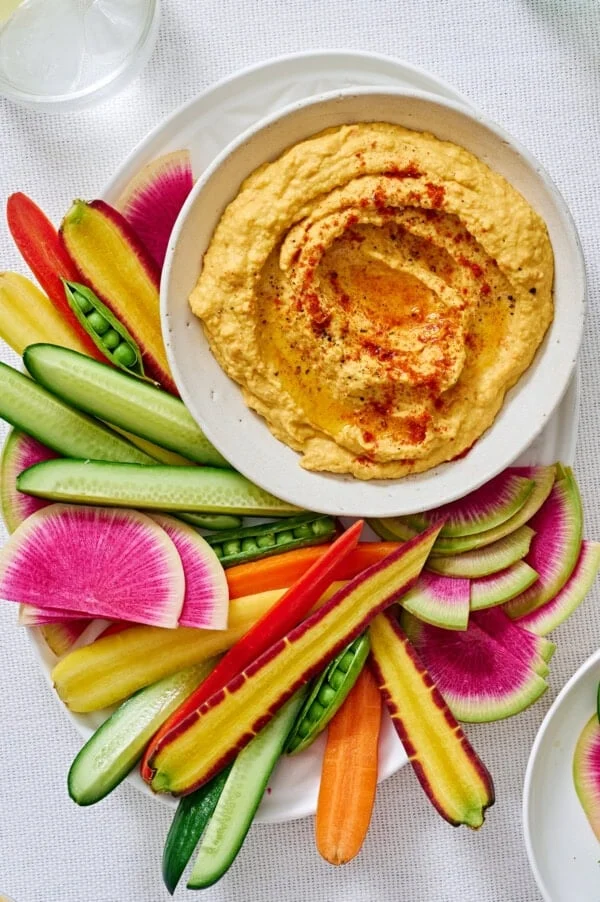
The Evolution of Hummus: A Global Culinary Staple
Hummus, a cornerstone of Middle Eastern cuisine, boasts a history spanning centuries, with its origins often traced back to ancient Levant. Traditionally prepared from cooked, mashed chickpeas blended with tahini (sesame paste), olive oil, lemon juice, and garlic, it has long served as a staple food, cherished for its nutritional value and versatility. Over the past few decades, hummus has transcended its regional boundaries, achieving global ubiquity as a popular dip, spread, and healthy snack. This widespread adoption is largely attributed to its plant-based composition, high protein and fiber content, and adaptability to various culinary applications.

From Ancient Roots to Modern Interpretations
The journey of hummus from a regional delicacy to an international sensation highlights a broader trend in food globalization and culinary fusion. While classic hummus remains deeply revered, contemporary food culture encourages innovation, leading to myriad variations incorporating different vegetables, spices, and herbs. These adaptations often aim to introduce new flavor dimensions, enhance nutritional profiles, or cater to seasonal availability. Roasted carrot hummus stands as a prime example of this ongoing culinary evolution, marrying the time-honored tradition of hummus with modern techniques like roasting to unlock deeper flavors and nutritional benefits. The addition of roasted carrots, a root vegetable celebrated for its natural sweetness and vibrant color, transforms the dip into a novel experience, demonstrating how ancient recipes can be revitalized for contemporary palates.
Nutritional Powerhouse: Deconstructing the Ingredients
The appeal of roasted carrot hummus extends beyond its taste and visual allure; its nutritional composition is remarkably robust, positioning it as an exceptionally healthful choice. Each primary ingredient contributes significantly to its overall dietary value, making it more than just a flavorful accompaniment.

The Health Benefits of Chickpeas, Tahini, and Carrots
Chickpeas (Garbanzo Beans): As the foundation of hummus, chickpeas are a powerhouse of plant-based protein and dietary fiber. A single serving can provide a substantial portion of daily fiber requirements, aiding in digestive health, promoting satiety, and assisting in blood sugar regulation. Their protein content makes them an excellent option for vegetarians and vegans seeking to meet their protein needs. Furthermore, chickpeas are rich in essential minerals such as iron, magnesium, folate, and zinc, contributing to energy production, bone health, and immune function.
Tahini (Sesame Paste): This creamy paste, made from ground sesame seeds, is a critical component of authentic hummus, imparting a distinctive nutty flavor and smooth texture. Nutritionally, tahini is a good source of healthy monounsaturated and polyunsaturated fats, which are beneficial for heart health. It also supplies a wealth of vitamins and minerals, including calcium, magnesium, iron, and B vitamins, supporting bone density, red blood cell formation, and metabolic processes. The healthy fats in tahini also aid in the absorption of fat-soluble vitamins from other ingredients, such as beta-carotene from carrots.

Carrots: The star ingredient in this innovative dip, carrots are renowned for their high concentration of beta-carotene, a powerful antioxidant that the body converts into Vitamin A. Vitamin A is crucial for vision, immune function, and skin health. Beyond beta-carotene, carrots offer other antioxidants, dietary fiber, and various vitamins and minerals, including Vitamin K and potassium. Roasting carrots not only intensifies their natural sweetness and caramelizes their sugars, but it also makes certain nutrients, like beta-carotene, more bioavailable, meaning the body can absorb them more efficiently. The roasting process also contributes to a unique depth of flavor, adding smoky, earthy notes that complement the classic hummus profile.
Garlic and Lemon: These secondary yet indispensable ingredients add layers of flavor and their own health benefits. Garlic is well-known for its immune-boosting properties and compounds that may support cardiovascular health. Lemon juice, rich in Vitamin C, provides a bright, acidic counterpoint that balances the richness of the tahini and the sweetness of the carrots, while also acting as an antioxidant.

Collectively, these ingredients form a dip that is not only low in saturated fat and calories (approximately 88.5 kcal per 1/4 cup serving) but also provides a significant amount of protein (4g), fiber (4g), and complex carbohydrates (13.5g), alongside essential micronutrients. This nutritional density makes roasted carrot hummus a superior choice for those seeking to enhance their intake of vegetables and plant-based proteins.
Culinary Craftsmanship: The Art of Roasting and Flavor Fusion
The technique of roasting is central to the distinct character of roasted carrot hummus. Unlike raw carrots, which offer a crisp texture and milder sweetness, roasted carrots undergo a transformative process. High heat caramelizes their natural sugars, concentrating their sweetness and developing complex, earthy notes that are impossible to achieve otherwise. This caramelization contributes significantly to the dip’s rich flavor profile and its attractive golden-orange hue.

Enhancing Sweetness and Complexity
The decision to roast carrots before blending them into hummus is a deliberate culinary choice that elevates the entire dish. This method not only enhances the intrinsic sweetness of the carrots but also softens their texture, ensuring a silky-smooth hummus when processed. The slight charring on the roasted carrots introduces a subtle smokiness, adding depth and complexity that distinguishes it from other vegetable-infused hummuses. This interplay of sweet, earthy, nutty, and tangy flavors creates a balanced and highly palatable dip that appeals to a wide range of tastes. From a culinary perspective, this innovation showcases how simple ingredient preparation techniques can profoundly impact the final product, turning a basic vegetable into a star component of a sophisticated appetizer.
Market Dynamics and Consumer Preferences
The increasing popularity of dishes like roasted carrot hummus reflects broader shifts in global food consumption patterns. Consumers are demonstrating a growing preference for plant-based options, healthier snacking alternatives, and products that offer both convenience and nutritional value. The market for dips and spreads, in particular, has seen substantial growth, driven by demand for versatile products suitable for various eating occasions.

The Ascendance of Plant-Based Dips and Healthy Snacking
Market research indicates a sustained upward trajectory in the plant-based food sector. Data from the Plant Based Foods Association and SPINS shows consistent double-digit growth in plant-based food sales, with dips and spreads being a key contributing category. Consumers are actively seeking out products that align with dietary trends such as Mediterranean, flexitarian, and vegan lifestyles. Roasted carrot hummus fits seamlessly into this evolving landscape, offering a delicious and naturally vegan option. Its low-calorie count and high fiber content also position it favorably among individuals prioritizing weight management and gut health. The aesthetic appeal of its vibrant color makes it an attractive addition to charcuterie boards, vegetable platters, and social gatherings, further boosting its marketability. This trend signals a movement away from traditional, often dairy-heavy, dips towards lighter, more nutrient-dense alternatives that do not compromise on flavor.
Expert Perspectives on Dietary Integration
Leading nutritionists and culinary experts consistently advocate for increasing vegetable intake and incorporating more diverse plant-based foods into daily diets. Roasted carrot hummus is frequently highlighted as an excellent example of how to achieve these goals in a palatable and enjoyable manner.

Balancing Flavor and Nutrition
According to Dr. Elena Petrova, a prominent registered dietitian specializing in plant-based nutrition, "Integrating roasted vegetable hummuses into one’s diet is a smart strategy for enhancing nutrient density. The roasting process not only makes vegetables like carrots more palatable, especially for those who might typically avoid them, but also improves the bioavailability of certain nutrients. This particular dip offers a fantastic balance of fiber, protein, and healthy fats, making it a satisfying and wholesome snack or meal component." Culinary innovator Chef Marco Rossi adds, "The beauty of roasted carrot hummus lies in its simplicity and profound flavor. It demonstrates that healthy eating doesn’t have to be bland. By applying classic culinary techniques like roasting, we can unlock incredible flavors from everyday ingredients, inspiring more people to embrace vegetable-rich diets." These expert views underscore the dual appeal of roasted carrot hummus: its ability to deliver significant nutritional benefits without sacrificing taste, thereby facilitating healthier eating habits.
Versatility and Application in Contemporary Cuisine
Beyond its role as a standalone dip, roasted carrot hummus offers remarkable versatility, making it a valuable addition to a wide array of culinary preparations. Its creamy texture and balanced flavor profile allow it to seamlessly integrate into various dishes, enhancing both taste and nutritional value.

Beyond the Appetizer Platter
While ideal for serving with fresh crudités, pita bread, or crackers, roasted carrot hummus can be innovatively incorporated into main meals and snacks. It serves as an excellent spread for sandwiches and wraps, offering a healthier alternative to mayonnaise or cream cheese. Its smooth consistency makes it a perfect base for salad dressings when thinned with a little water or extra lemon juice. Culinary enthusiasts also utilize it as a flavorful topping for grain bowls, a vibrant swirl in soups, or even as a unique sauce for grilled chicken or fish. Its adaptability makes it a staple for meal prepping, allowing individuals to quickly assemble nutritious and flavorful meals throughout the week. For those planning spring gatherings, it can be a central element on a comprehensive vegetable charcuterie board, pairing well with a variety of cheeses, olives, and cured meats, reflecting a sophisticated approach to entertaining.
Preparation and Accessibility
The preparation of roasted carrot hummus is notably straightforward, requiring minimal culinary expertise and common kitchen equipment. This accessibility further contributes to its appeal among home cooks looking to create wholesome and impressive dishes without extensive effort.

Simplicity Meets Sophistication
The core process involves roasting chopped carrots until tender and slightly caramelized, then blending them with canned chickpeas, tahini, garlic, lemon juice, and a touch of olive oil and spices (such as cumin or paprika). While a high-speed blender can achieve a very smooth consistency, a standard food processor is generally recommended for optimal creaminess and ease of use. The ability to prepare this dip in approximately 25 minutes, with a mere 10 minutes of active preparation, makes it an ideal option for last-minute appetizers or busy weeknight meals. The ingredients are widely available in most grocery stores, ensuring that this flavorful and nutritious option is within reach for a broad consumer base. This combination of simplicity in preparation and sophistication in flavor profile makes roasted carrot hummus a compelling choice for both novice and experienced cooks.
Broader Implications: Sustainability and Seasonal Eating
The rising prominence of dishes like roasted carrot hummus also points towards a growing societal consciousness regarding food sourcing, sustainability, and seasonal eating. Emphasizing vegetables like carrots, which are often locally grown and available during spring, aligns with environmental and health objectives.

A Reflection of Conscious Consumption
Opting for seasonal vegetables supports local agriculture, reduces carbon footprints associated with long-distance food transportation, and often results in fresher, more flavorful produce. Carrots, being a robust and widely cultivated root vegetable, offer an environmentally sound choice. Furthermore, promoting plant-based dips contributes to a broader movement towards reducing reliance on animal products, which has significant implications for environmental sustainability, including lower greenhouse gas emissions and reduced water usage. Roasted carrot hummus, therefore, is not merely a delicious dip but also a symbol of evolving dietary preferences that are increasingly intertwined with ethical and environmental considerations. Its growing popularity is indicative of a consumer base that values not only taste and nutrition but also the broader impact of their food choices.